16 Words That Exist in One Language Only
Language does something remarkable—it captures feelings and experiences that seem universal, yet somehow only one culture bothered to name them. You know that specific emotion when rain hits your face, or the exact way light filters through leaves, or that particular kind of contentment after a good meal? Somewhere in the world, there’s probably a word for it.
These words don’t translate because translation isn’t always possible.You can explain them, describe them, write whole paragraphs about them.
But you can’t squeeze them into a single English word without losing something essential.
Saudade (Portuguese)

The Portuguese carry this word like a gentle ache. It describes a deep longing for something or someone that’s absent, but with a sweetness mixed in. Not quite nostalgia, not quite melancholy.
Think of it as missing something you might never have had, or remembering a future that won’t happen. You feel it when old photographs surface, or when a familiar song plays unexpectedly.
The feeling sits somewhere between your heart and your memory, both painful and precious at once.
Hygge (Danish)

Denmark gave us this word for cozy contentment, though “cozy” barely scratches the surface. Hygge happens when you’re wrapped in a blanket with hot chocolate while rain hammers the windows.
Or when candles flicker during dinner with close friends, and nobody checks their phone. It’s the art of creating intimate, warm moments.
The Danes take this seriously—they’ll light candles even on a Tuesday afternoon, just to add that extra layer of comfort to ordinary life.
Schadenfreude (German)
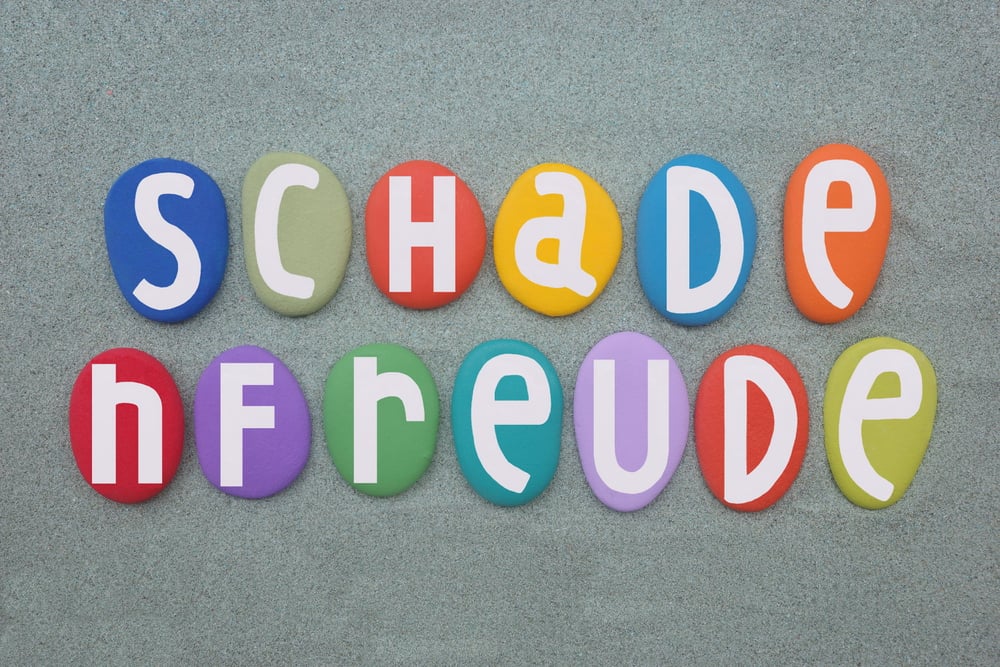
German speakers don’t apologize for having a word that means taking pleasure in someone else’s misfortune. It’s that spark of satisfaction when your annoying neighbor’s car gets a parking ticket, or when the arrogant guy from accounting trips over his own feet.
Everyone feels this sometimes. The Germans just decided to name it and move on.
The word combines “Schaden” (harm) and “Freude” (joy) into one efficient package, because that’s how German works.
Mamihlapinatapai (Yaghan)

This word from the Yaghan language of Tierra del Fuego might be the most specific on this list. It describes that meaningful look between two people when both want something to happen, but neither wants to make the first move.
You’ve been in this moment. Two people sit across from each other, both thinking the same thing, both waiting for the other to speak.
The air gets thick with unspoken words. That’s mamihlapinatapai—the wordless, pregnant pause that hangs between possibility and action.
The Yaghan people noticed this tiny human moment and gave it a name. Then the language nearly disappeared, taking this perfect word with it.
Tsundoku (Japanese)

Japanese has a word for buying books and letting them pile up unread. Tsundoku doesn’t judge you for this habit.
It simply acknowledges what you already know—your nightstand has become a tower of good intentions. The word carries a gentle understanding.
You buy books because you want to read them. Someday.
The gap between wanting and doing gets filled with more books, creating an ever-growing monument to literary ambition.
Gigil (Tagalog)

Filipinos use this word for that overwhelming urge to squeeze something cute. When you see a puppy so adorable that you want to squish its face, or a baby so chubby you can barely control your hands—that’s gigil.
It’s not aggression. It’s an overflow of affection that your body can’t quite process normally. The feeling needs to go somewhere, so it turns into this strange compulsion to pinch, squeeze, or gently crush the very thing you adore.
Parents understand gigil deeply. They feel it every time their child does something unbearably endearing.
Tartle (Scots)

Scottish people named that awkward pause when you’re introducing someone and suddenly blank on their name. Tartle captures the panic, the scrambling search through your memory, the desperate hope that you’ll remember before the silence gets too weird.
It happens at parties, at work, in grocery stores. You know this person.
You’ve known them for years. But their name has evacuated your brain completely, leaving you stranded in social quicksand.
The Scots gave this moment a name, probably while experiencing it themselves.
Wabi-sabi (Japanese)

This Japanese concept finds beauty in imperfection and impermanence. A cracked teacup has wabi-sabi.
So does weathered wood, or autumn leaves, or the way paint peels off old buildings. It’s not about making things look deliberately rustic or distressed.
It’s about accepting—even celebrating—the marks that time leaves behind. Everything ages, breaks down, fades. Wabi-sabi says that’s not just okay, it’s beautiful.
Western culture often fights against entropy. Japanese aesthetics learned to dance with it instead.
Forelsket (Norwegian)

Norwegians have a specific word for the euphoria you feel when you’re first falling in love. Not love itself—that comes later. Forelsket describes the beginning, when everything feels electric and possible.
Your stomach flips when their name appears on your phone. Coffee tastes better when you’re meeting them. The whole world seems brighter, sharper, more vibrant.
You’re floating somewhere between giddy and terrified, and you never want it to stop. This feeling doesn’t last forever, but while it does, it deserves its own word.
Uitwaaien (Dutch)

The Dutch invented a word for taking a break to clear your head in windy weather. Uitwaaien literally means “out-blowing,” as in letting the wind blow through you and clear out mental cobwebs.
You walk into a strong wind on purpose, letting it mess up your hair and sting your cheeks. The physical sensation somehow resets your mind.
Problems that seemed huge shrink down to manageable size. Stress gets scattered into the air.
The Netherlands has plenty of wind, which helps. But the practice works anywhere you can find a good guest.
Sobremesa (Spanish)
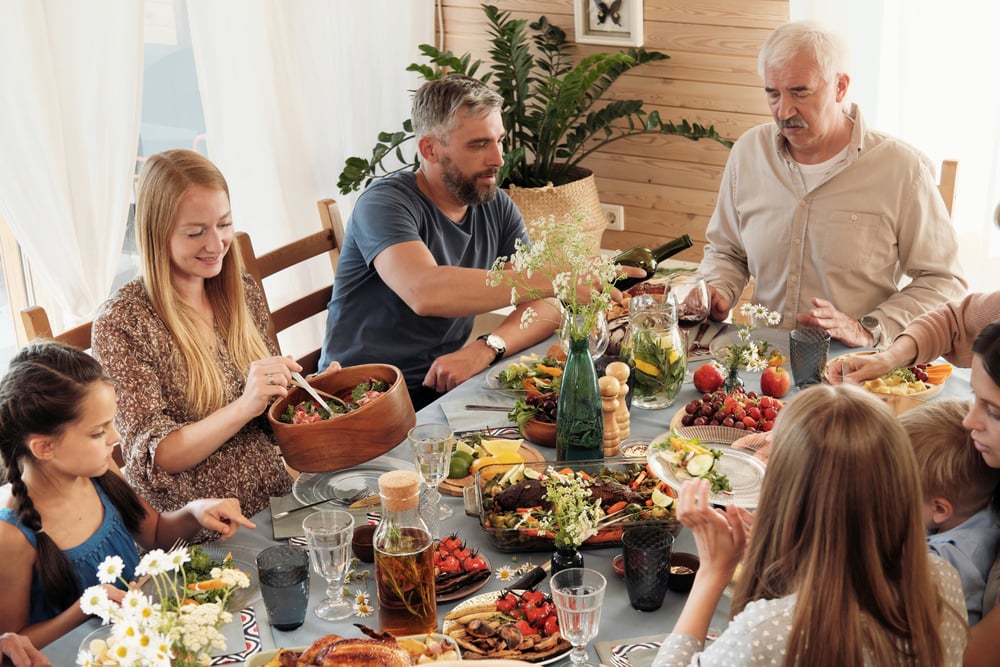
After a meal ends, but before everyone leaves the table, there’s sobremesa. Spanish speakers know this time well—the conversation flows, nobody rushes, and the dishes can wait.
It’s the best part of eating together, really. The food is finished, but the company isn’t.
You lean back in your chair, maybe refill your glass, and settle into unhurried talk. Time slows down.
Nobody checks the clock. American culture tends to rush through this part, already thinking about what’s next.
Spanish culture understands that what comes after the meal matters just as much as the meal itself.
Fernweh (German)

Where homesickness means longing for home, fernweh means longing for far-away places. It’s the opposite of homesickness—an ache for places you’ve never been, a restlessness that pulls you toward distant horizons.
You feel it when you see travel photos, or watch documentaries about remote islands, or hear someone speak a language you don’t understand. Something inside you stretches toward the unknown, toward experiences you haven’t had yet.
German gives you permission to feel homesick for places that aren’t home at all.
Hiraeth (Welsh)

Welsh speakers carry hiraeth—a homesickness for a home you can’t return to, or that maybe never was. It’s deeper than nostalgia, sharper than simple longing. It aches for a place, a time, a feeling that might exist only in memory.
You can feel hiraeth for your childhood home that’s been torn down. Or for a version of your country that’s changed beyond recognition.
Or even for a place you’ve only imagined, that calls to something deep in your bones despite never actually existing. The Welsh language holds this sadness gently, like something both painful and precious.
Kummerspeck (German)

German strikes again with a word that literally means “grief bacon”—the weight you gain from emotional overeating. When sadness hits and you find yourself elbow-deep in ice cream, that eventual weight is kummerspeck.
The word doesn’t mock you for it. It simply names what happens when feelings turn into food, and food turns into extra pounds. It’s honest about how comfort eating works, right down to its unfortunate physical consequences.
You can probably point to your own personal kummerspeck and remember exactly which heartbreak or stress caused it.
Goya (Urdu)

Urdu speakers have goya for that suspension of disbelief you experience during a good story. When a tale pulls you in so completely that you forget it’s not real, when fiction feels more vivid than reality—that’s goya.
It’s the magic that happens when a storyteller hits their rhythm and the audience leans in, transported. Reality fades.
The boundaries between real and imagined blur and dissolve. You’re somewhere else entirely, living inside someone else’s words.
Every culture tells stories, but Urdu named this specific enchantment.
Ya’aburnee (Arabic)

This term came from Arabic, meaning something like “let you bury me.” A way to say love runs so deep you’d rather go first – living without them feels impossible.
Hoping death comes before theirs, just to skip that pain. It feels dark when said in English.
But in Arabic, it’s full of deep feelings. This term faces the hard truth – love includes the risk of loss.
It means: my care is so strong, I’d leave before living without you. You tell this to someone when you realize you’ve bound your life to theirs so thoroughly that separation feels impossible.
Between Languages

Some moments sit around forever, waiting for a name. Yet others stay silent, felt but never spoken.
These sixteen terms show speech does more than share thoughts – it helps us see ourselves. Once you stumble upon a foreign term that nails an emotion you’ve known but couldn’t label, things shift.
It’s like recognition – suddenly, you’re not the only one who sensed this shade of feeling. Some people, far off, had the same inner experience.
So vivid was it for them they gave it a name. This is what makes these phrases special – more than fresh terms, they show how odd, tiny, particular bits of life tie people together through time and faraway places.
More from Go2Tutors!

- The Romanov Crown Jewels and Their Tragic Fate
- 13 Historical Mysteries That Science Still Can’t Solve
- Famous Hoaxes That Fooled the World for Years
- 15 Child Stars with Tragic Adult Lives
- 16 Famous Jewelry Pieces in History
Like Go2Tutors’s content? Follow us on MSN.