Secrets Behind Legendary Celebrity Endorsements
When you see your favorite actor sipping a particular soda or a basketball legend wearing specific sneakers, there’s way more happening behind the scenes than just a pretty face next to a product. Celebrity endorsements have evolved from simple paid advertisements into sophisticated business strategies that can make or break both brands and the stars who represent them.
The psychology, the money, and the occasional disasters make this marketing game more fascinating than most people realize. Here is a list of 14 secrets behind legendary celebrity endorsements.
The Numbers Are Staggering

Celebrity endorsement deals regularly reach into the hundreds of millions of dollars. Beyoncé signed a $50 million contract with Pepsi in 2012, while LeBron James secured a lifetime deal with Nike in 2015 estimated at $1 billion total.
These aren’t just hefty paychecks for showing up to a photo shoot. The deals often include performance incentives, equity stakes, and profit-sharing arrangements that tie the celebrity’s fortune directly to the brand’s success.
The Jordan Effect Changed Everything
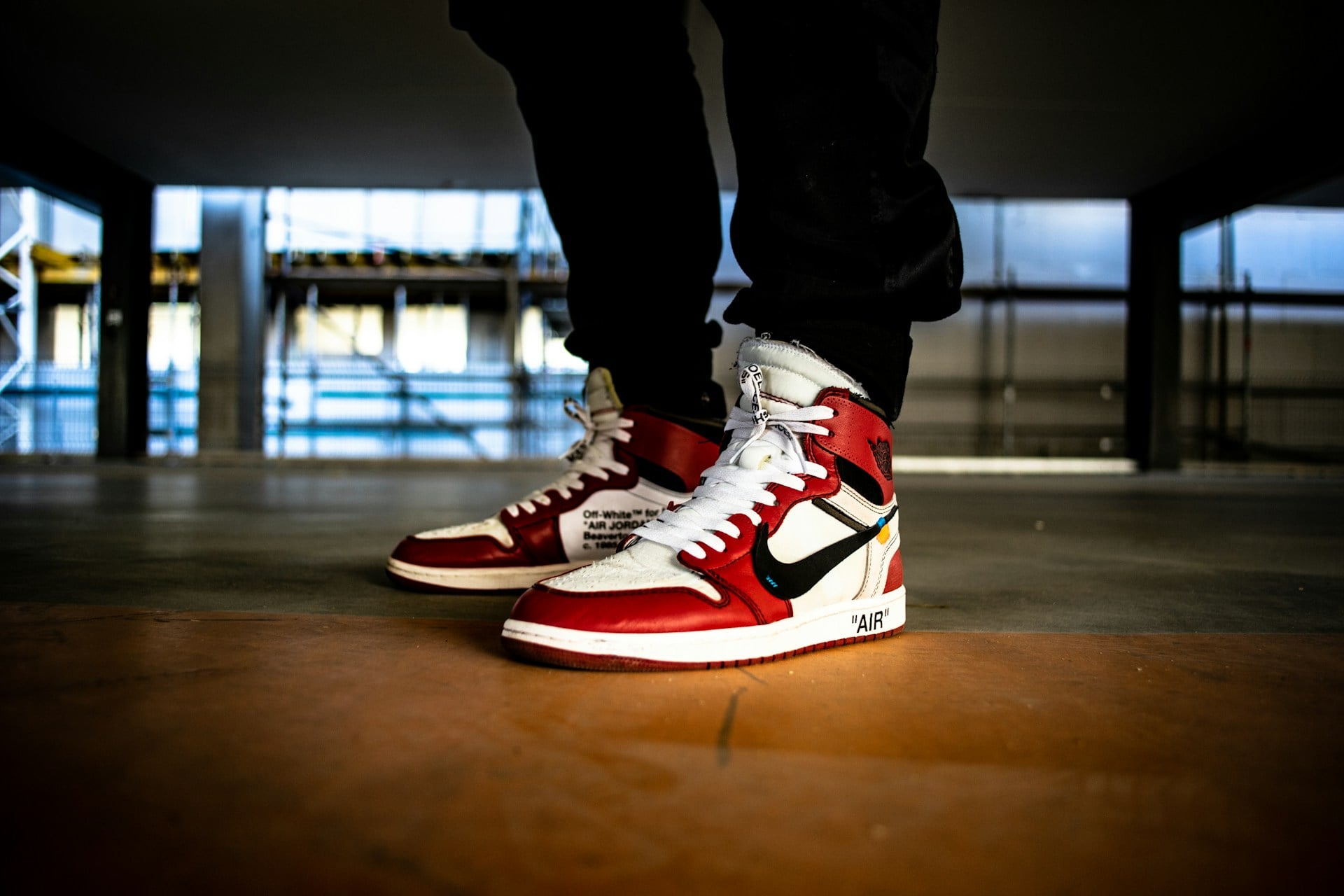
When Nike signed Michael Jordan in October 1984 as a rookie basketball player, the Air Jordan sneakers that were released in 1985 earned $126 million in their first year, crushing Nike’s initial goal of $3 million. This partnership didn’t just sell shoes.
It fundamentally transformed how companies viewed athletes as brand ambassadors and proved that the right celebrity could turn a product into a cultural movement. Decades later, the Jordan Brand still dominates the basketball shoe market and brings in massive revenue.
Psychology Beats Fame

Studies in consumer neuroscience show that celebrity associations activate emotional memory and decision-making shortcuts, making people choose faster and feel more confident about their purchases. It’s not just about recognizing a famous face.
The brain processes celebrity endorsements differently, creating shortcuts in decision-making that marketers have learned to exploit. People spend more time looking at the celebrity’s face than the actual product, yet they still end up buying the item.
Authenticity Is Non-Negotiable
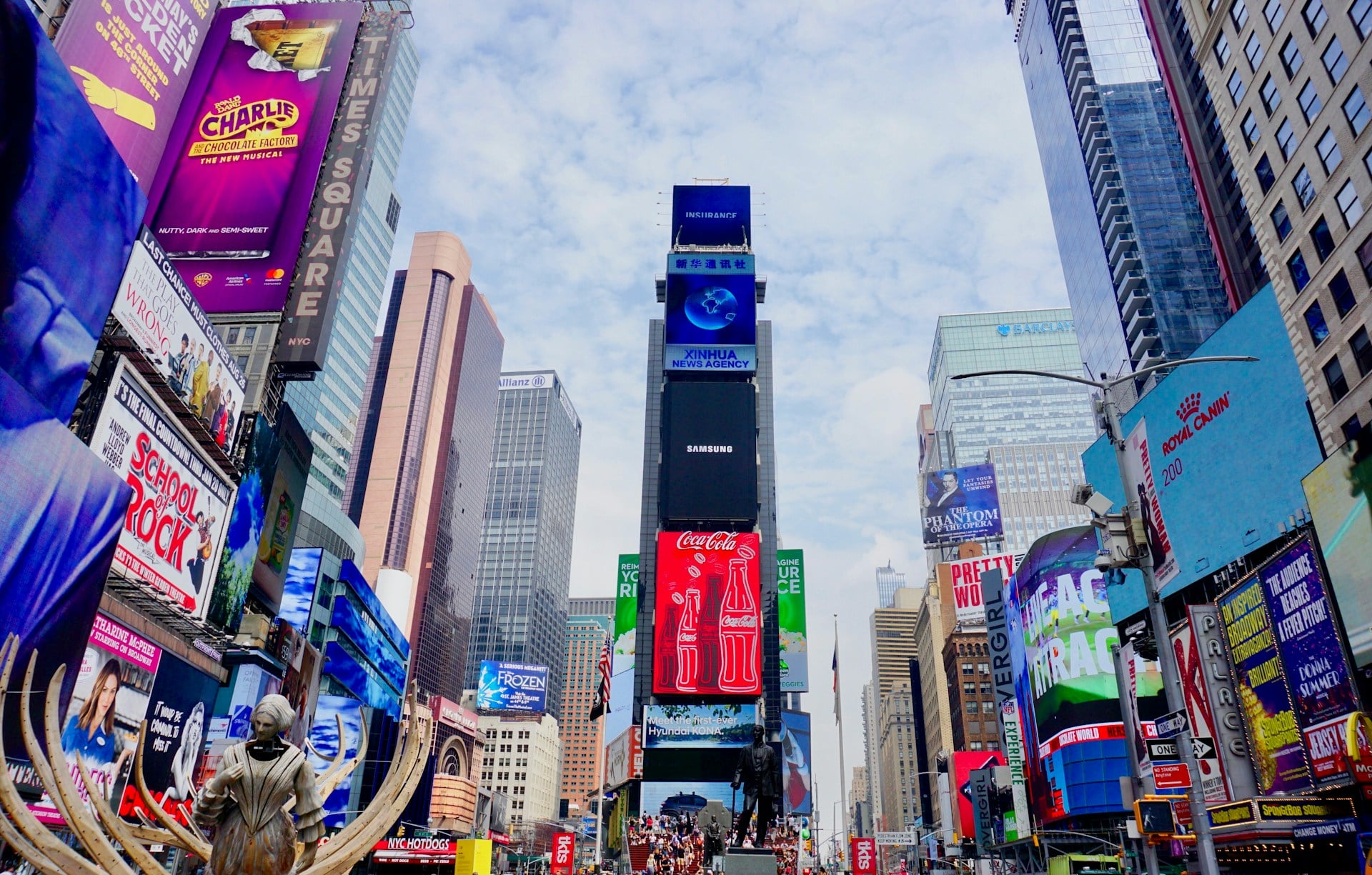
Consumers can quickly identify forced or inauthentic endorsements, and such promotions often fall flat. George Foreman’s genuine enthusiasm for his grill and authentic connection to its health benefits were central to transforming it from a kitchen gadget into a cultural phenomenon.
His authenticity paid off massively—he sold the naming rights in 1999 for $138 million, with total earnings exceeding $200 million. When a celebrity genuinely uses and loves a product, audiences can tell the difference, and that authenticity translates into trust and ultimately sales.
The Match-Up Matters Tremendously
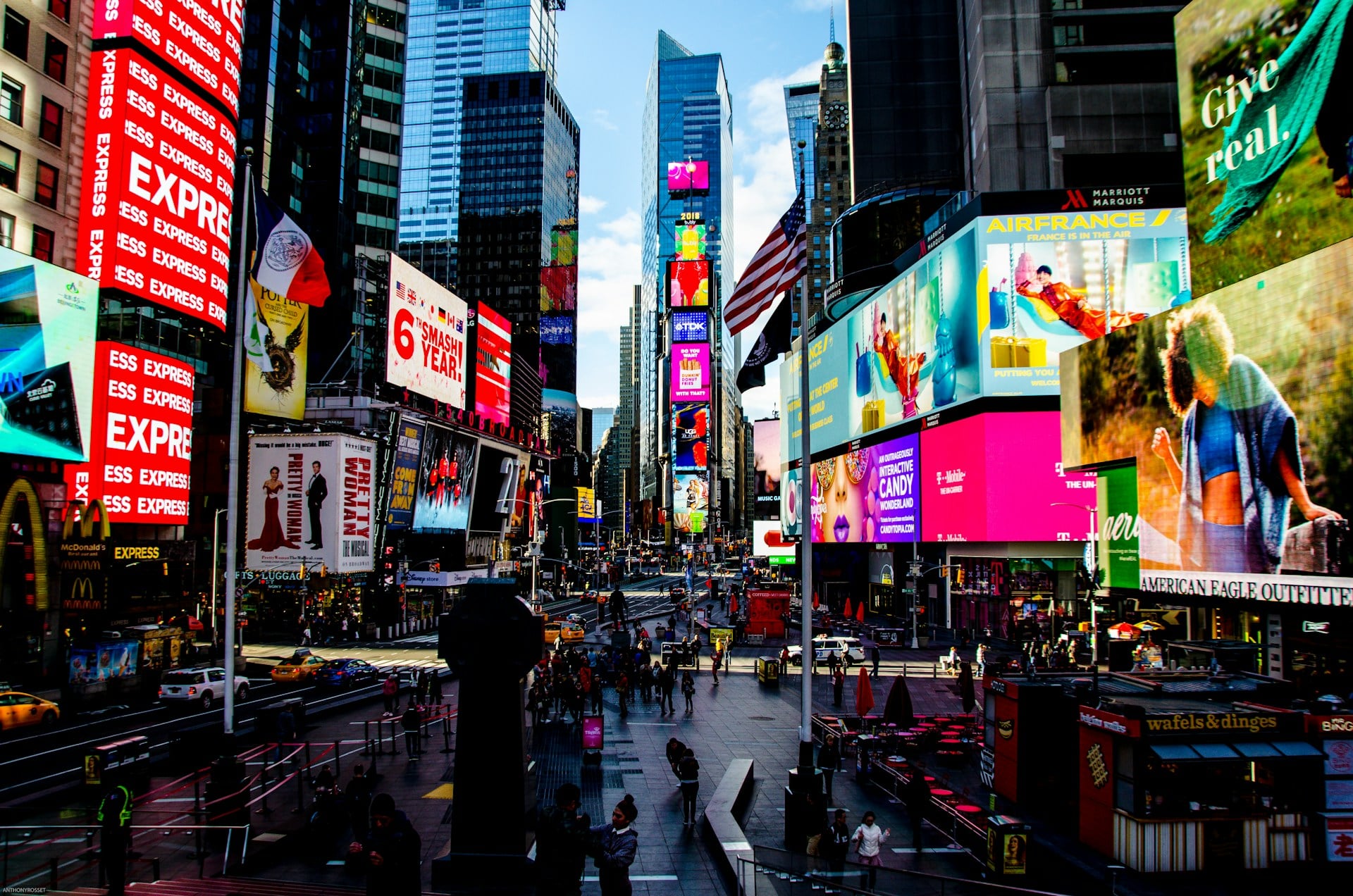
The connection between the celebrity and the product determines success or failure. Higher compatibility between the celebrity and brand leads to more persuasive advertisements, which is why sports brands partner with famous athletes rather than random celebrities.
When David Beckham shaved his head midway through his Brylcreem hair product contract, the disconnect was obvious and reportedly hurt sales. The fit between endorser and product isn’t just helpful—it’s essential.
Equity Deals Are the New Gold Standard

Celebrities no longer want just endorsement fees. Ryan Reynolds became a part owner of Aviation Gin in 2018, then sold it to Diageo for $610 million in 2020.
George Clooney’s Casamigos tequila sold for up to $1 billion to Diageo in 2017. These ownership arrangements align the celebrity’s interests with the brand’s long-term success and can generate wealth far beyond traditional endorsement payments.
Scandals Can Cost Billions
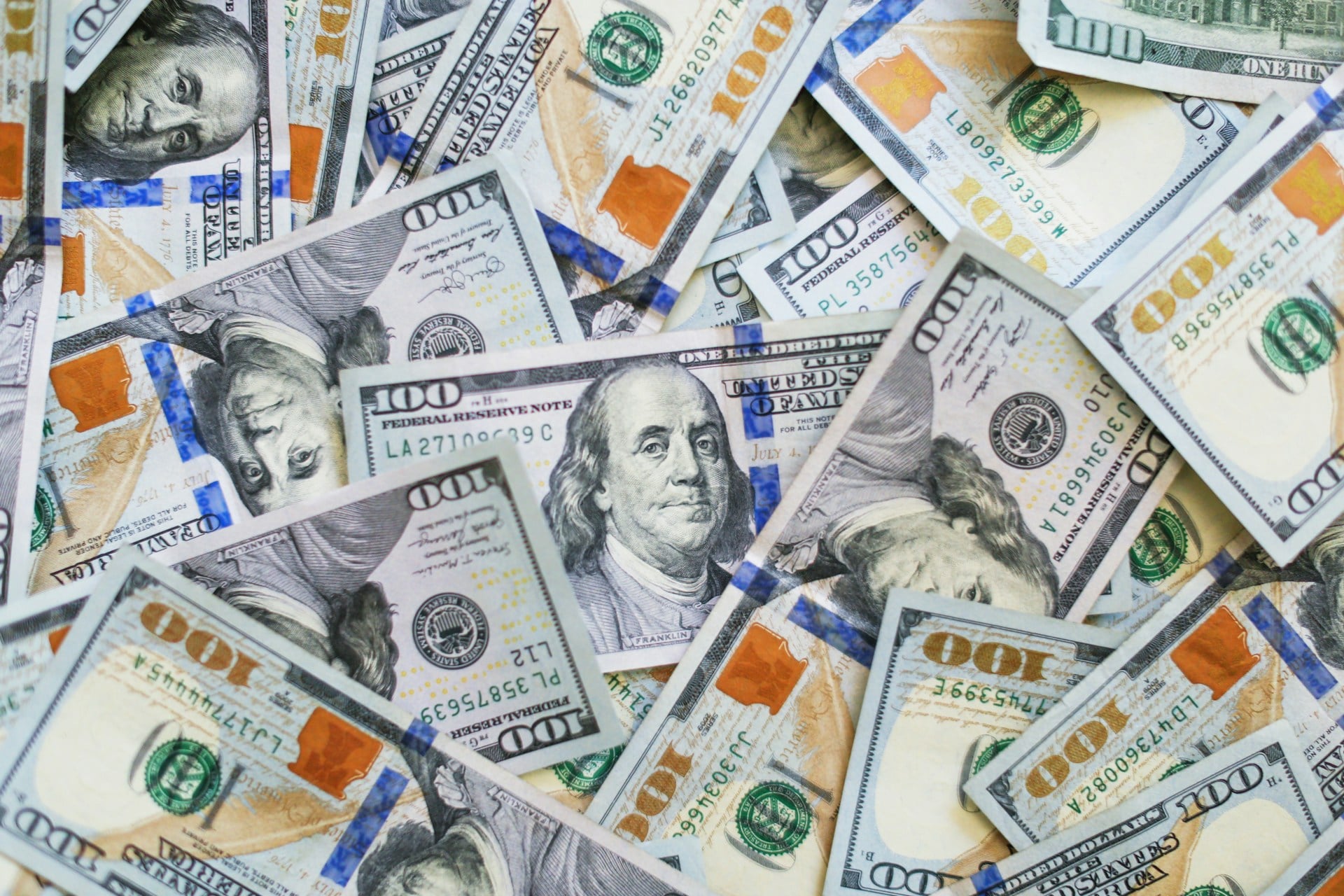
Nike lost approximately $5-12 billion when Tiger Woods became embroiled in an infidelity scandal in 2009. The temporary market value of companies using Woods in advertisements dropped by $5-12 billion as share prices fell in the scandal’s aftermath.
When a celebrity endorser faces public controversy, the damage ripples through every brand connected to them. Companies now include ‘morality clauses’ in contracts that allow them to terminate agreements if the celebrity damages the brand’s reputation.
The Halo Effect Works Both Ways

Positive traits consumers attribute to celebrities—like achievement, athleticism, or charisma—transfer to the products they promote through the halo effect. But this psychological phenomenon cuts both ways.
When consumers have negative feelings toward a celebrity, they’re more likely to develop negative feelings toward the endorsed brand as well. The association between star and product creates a permanent link in consumers’ minds that benefits or harms both parties.
Social Media Changed the Game Completely
Approximately 49% of consumers are more likely to purchase a product endorsed by their favorite celebrity. The Travis Scott and McDonald’s partnership turned a simple burger meal into a cultural moment, with teenagers filming themselves at drive-thrus mimicking his signature ad-libs and merchandise selling out in seconds.
Social media transformed endorsements from one-way advertisements into interactive cultural events. The old playbook of TV commercials and print ads doesn’t work the same way anymore.
Influencers Outperform Traditional Celebrities

Studies show that consumers identify more with social media influencers than traditional celebrities, feel more similar to them, and trust them more. Influencer-created content tends to be more natural and smoothly incorporated into existing content, unlike traditional advertising which can feel forced or overtly promotional.
The shift toward influencer marketing reflects changing consumer preferences for relatability over star power. People want recommendations that feel like they’re coming from a knowledgeable friend, not a distant celebrity.
The Print Era Built the Foundation

In the early 20th century, magazines and newspapers served as primary mediums for celebrity endorsements, providing brands with glamour and credibility that only celebrities could bestow. Fashion magazines leveraged stylish celebrities to promote clothing, while sporting magazines utilized athletes to endorse fitness products.
The strategic use of print media allowed brands to target specific demographics and laid the foundation for the intertwined relationship between celebrities and brands that we see today.
Quick Action Saves Brands

When Paula Deen admitted to using racial slurs, she lost deals with Walmart, Target, QVC, Home Depot, and more, with the instant action of brands helping save them from backlash. When Chris Brown was involved in an assault scandal in 2009, Got Milk? immediately severed ties and pulled all advertisements.
Companies that hesitate during celebrity scandals often suffer worse consequences than those that act decisively. Speed matters when protecting brand reputation.
Not All Publicity Is Good Publicity

Anheuser-Busch’s market value fell by about $4 billion in the weeks following the Dylan Mulvaney backlash in 2023, with Bud Light sales dropping to their lowest levels in 24 years. The company still struggles to recover more than a year later.
Sometimes endorsements backfire not because of celebrity misconduct but because of mismatched audiences or poor timing. The risks of celebrity partnerships extend beyond scandal into territory where brands misjudge their core customer base.
The Celebrity’s Brand Matters More Than Their Fame
Billie Eilish’s partnership with Nike, which began in 2021, went beyond typical athlete endorsements by demanding eco-friendly materials, sustainable packaging, and zero animal products, transforming Nike’s approach to sustainability. Under Armour’s partnership with Steph Curry, who left Nike in 2013, includes stock options that tie his success to the company’s, creating a true partnership where Curry launched his own Curry Brand under Under Armour in 2020.
The most successful modern endorsements align the celebrity’s personal brand and values with the company’s mission, creating partnerships that feel organic rather than transactional.
When Stars and Products Collide

The celebrity endorsement landscape has transformed from simple paid promotions into complex business relationships where authenticity, timing, and strategic fit determine success. What started with Michael Jordan revolutionizing sports marketing has evolved into a sophisticated industry where celebrities become business owners, equity partners, and brand builders.
The biggest lesson? Fame alone doesn’t guarantee success—the connection between celebrity and product needs to feel genuine, the timing must be right, and both parties need to understand they’re building something together rather than just cashing checks. In today’s market, the best endorsements aren’t really endorsements at all—they’re partnerships built on shared values and mutual investment in long-term success.
More from Go2Tutors!

- The Romanov Crown Jewels and Their Tragic Fate
- 17 Halloween Costumes Once Considered Taboo
- Famous Hoaxes That Fooled the World for Years
- 15 Child Stars with Tragic Adult Lives
- 16 Famous Jewelry Pieces in History
Like Go2Tutors’s content? Follow us on MSN.



