Professions Replaced by Machines
The factory floor used to buzz with the sound of human labor. People stood at assembly lines, welded metal, packed boxes, and operated machinery that still needed a human touch.
Those days are fading fast. Machines now do jobs that entire shifts of workers once handled, and the change keeps accelerating. Some professions have already disappeared.
Others are hanging on by a thread.
Assembly Line Workers
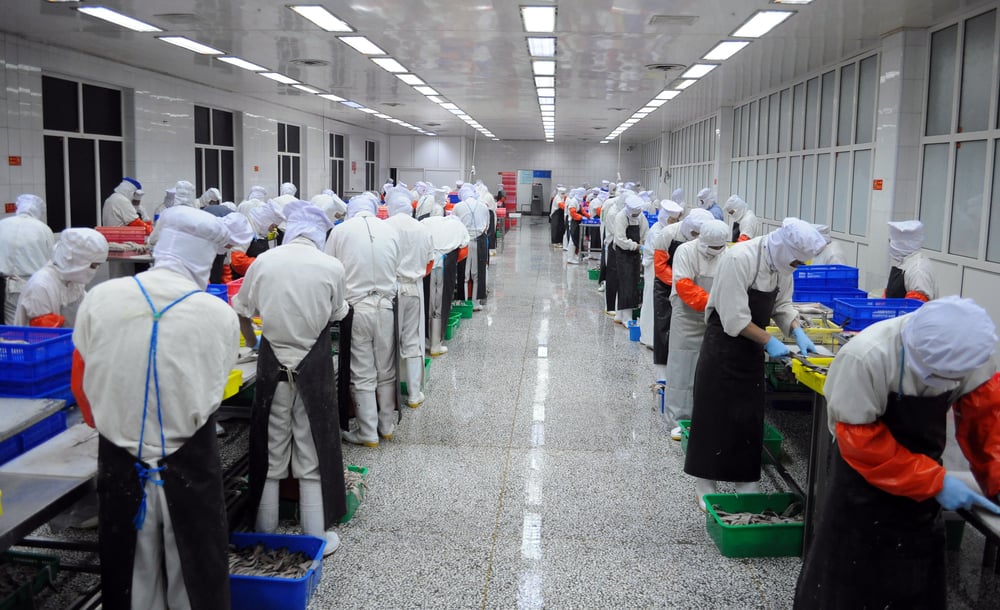
Manufacturing plants look different now than they did thirty years ago. Robots handle repetitive tasks with precision that human hands can’t match.
They don’t get tired, don’t take breaks, and work around the clock. The automotive industry led this shift.
Robotic arms weld car frames, install windshields, and paint vehicle bodies. A single machine replaces several workers and does the job faster.
The cost savings made automation inevitable for companies competing globally.
Toll Booth Operators
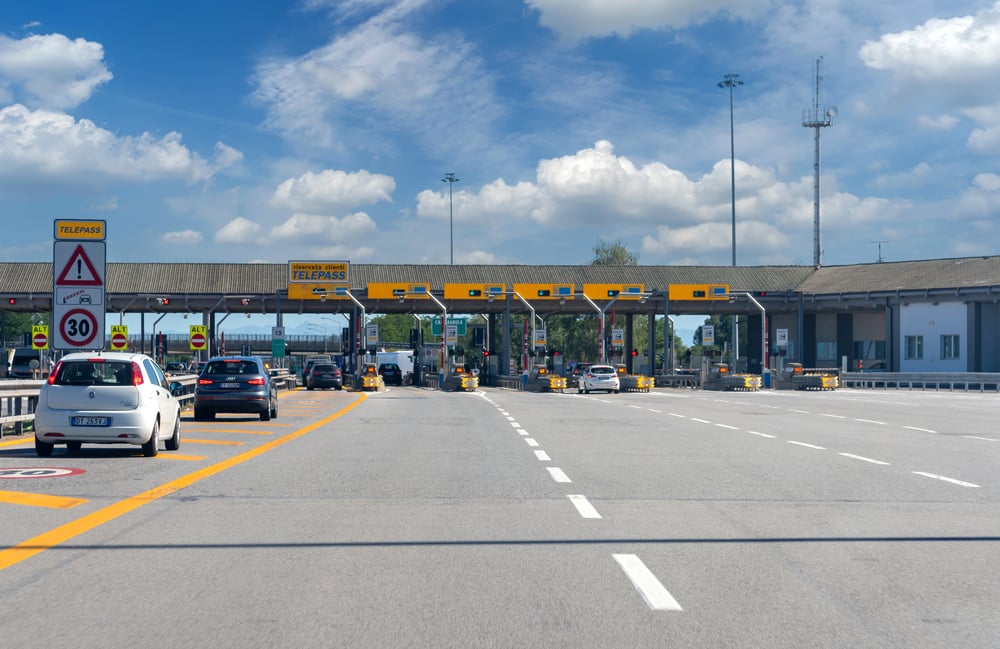
Sitting in a small booth collecting change from passing drivers used to be a steady job. Electronic toll collection systems changed that.
Sensors read transponders as vehicles pass at highway speeds. No stopping, no cash, no human needed.
The transition happened gradually, but the result was clear. Thousands of toll booth positions vanished.
Some states still maintain a few booths for drivers without electronic passes, but those are disappearing too.
Bank Tellers

Banks once needed armies of tellers to handle deposits, withdrawals, and basic transactions. ATMs took over most of that work.
Now mobile banking apps let you deposit checks with your phone camera. You transfer money, pay bills, and manage accounts without ever talking to a person.
The tellers who remain handle more complex requests, but there are far fewer of them. Branch locations are closing, and the remaining ones operate with skeleton crews.
Travel Agents

Planning a trip used to mean calling a travel agent or visiting their office. They knew the best flights, hotels, and package deals.
Online booking platforms made that expertise less valuable. You can now compare flights across dozens of airlines in seconds, read reviews from thousands of travelers, and book everything yourself.
The agents who survived specialize in complex itineraries or luxury travel where personal service still matters. The rest found different careers.
Textile Workers

Clothing factories once employed millions of people operating sewing machines and handling fabric. Automated cutting machines and robotic sewing systems took over many of those tasks.
The machines cut fabric more accurately and sew faster than human workers. Some garments still require human skill, particularly high-end or complex pieces.
But basic items like t-shirts and simple dresses increasingly come from automated production lines. The job losses hit hardest in countries where textile work supported entire communities.
Switchboard Operators

The people who connected your phone calls by manually plugging cables into boards are gone. Automated switching systems replaced them decades ago.
The profession died completely. No one does this work anymore.
It stands as a clear example of technology eliminating an entire job category. The operators learned new skills or retired.
The phone system got faster and more reliable. Customers noticed the improvement.
Film Projectionists
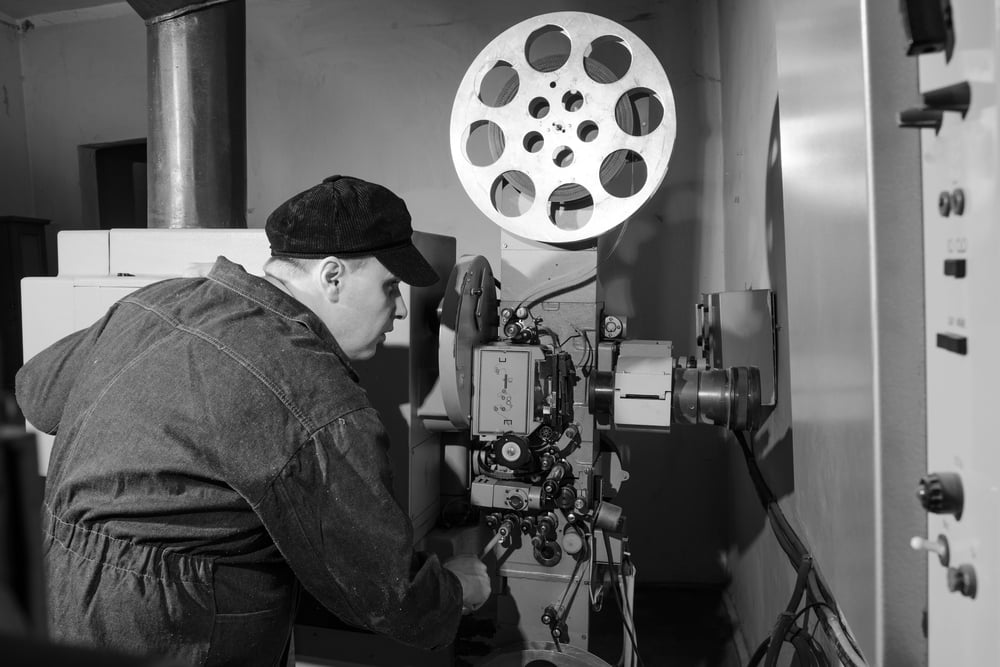
Movie theaters used to employ skilled workers to operate film projectors. They changed reels, adjusted focus, and monitored sound levels throughout each showing.
Digital projection changed everything. Modern systems require minimal oversight.
One person can monitor multiple screens from a central location. The craft of projection—knowing how to handle film, when to change reels, how to splice broken film—became obsolete.
Theaters cut labor costs. Projectionists found other work or left the industry entirely.
Typesetters and Print Shop Workers
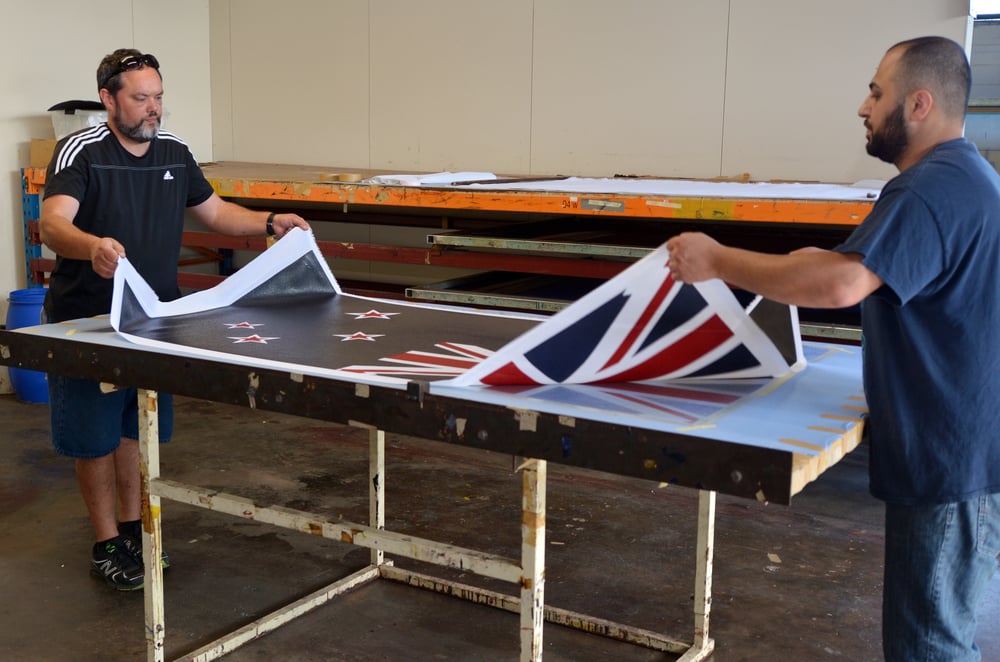
Newspapers and publishers once employed rooms full of people setting type by hand, arranging physical letters and blocks to create pages. Computer-aided design software and digital printing eliminated most of those jobs.
Designers now work on screens, making changes instantly that would have taken hours with physical type. The printing process itself needs fewer operators.
Machines run with minimal supervision. The few workers who remain focus on machine maintenance and quality control rather than manual typesetting.
Data Entry Clerks

Companies needed people to type information from paper documents into computer systems. Optical character recognition software can now scan documents and extract data automatically.
The software isn’t perfect, but it’s fast and cheap. The volume of data entry work has dropped dramatically.
The clerks who remain handle exceptions—documents the software can’t read or complex data that needs human judgment. Many former data entry positions converted to other office roles or simply disappeared.
Parking Attendants

Parking garages and lots used to station attendants at exits to collect payment. Automated payment kiosks handle that now.
You pay at a machine, scan your ticket at the exit gate, and drive out. No human interaction needed.
Some facilities still employ attendants to help with problems or manage traffic flow during busy times. But the full-time positions are mostly gone.
The trend accelerated with license plate recognition systems that can charge your account automatically as you enter and exit.
Agricultural Workers

Farms mechanized gradually over decades, but recent advances in robotics are accelerating the change. Harvesting machines now pick fruits and vegetables that used to require delicate human hands.
Drones monitor crop health and spray pesticides. GPS-guided tractors plow fields without drivers.
The work still needs people during peak seasons, but far fewer than before. Small farms struggle to afford the equipment, but large operations find the investment worthwhile.
The workers displaced by machines often move to urban areas seeking other employment.
Warehouse Inventory Clerks

Tracking products in warehouses used to require people walking aisles with clipboards, counting items on shelves. Automated tracking systems now monitor inventory continuously.
Barcodes and RFID tags tell computers exactly where items are and when stock runs low. The clerks who remain focus on receiving shipments, handling exceptions, and managing the computer systems.
The routine counting and recording work disappeared. Amazon’s warehouses showcase the future—robots bring items to human pickers, eliminating most of the walking and searching that warehouse work once involved.
Meter Readers

Electric, gas, and water companies employed people to walk neighborhoods reading meters outside homes and businesses. Smart meters now transmit usage data automatically.
The utilities get more frequent, accurate readings without paying anyone to walk the routes. The transition took years as companies gradually installed new meters, but the job is essentially extinct now.
Some meter readers moved into other utility positions. Many found themselves looking for entirely new careers.
Watch Repair Specialists
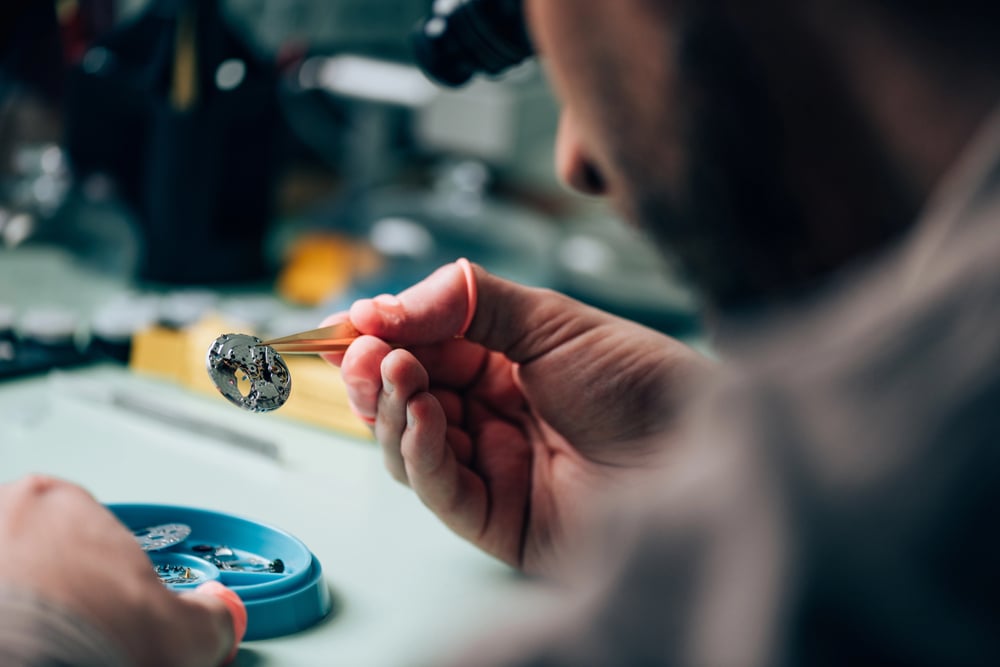
Back when mechanical timepieces ruled the market, fix-it stores bustled – folks dropped by constantly to get their watches cleaned or tweaked, sometimes swapping out worn bits. Then came quartz models, shaking up the whole scene.
These new ones kept better time, rarely needed servicing, yet ran cheap enough that folks just toss ’em and buy a fresh one if they quit.
A handful of experts still focus on high-end mechanical pieces, where handwork is part of the appeal. Still, those local corner repair spots? Mostly gone now. And with them, the old tricks taught from mentor to apprentice are slowly vanishing.
Where the Pattern Leads
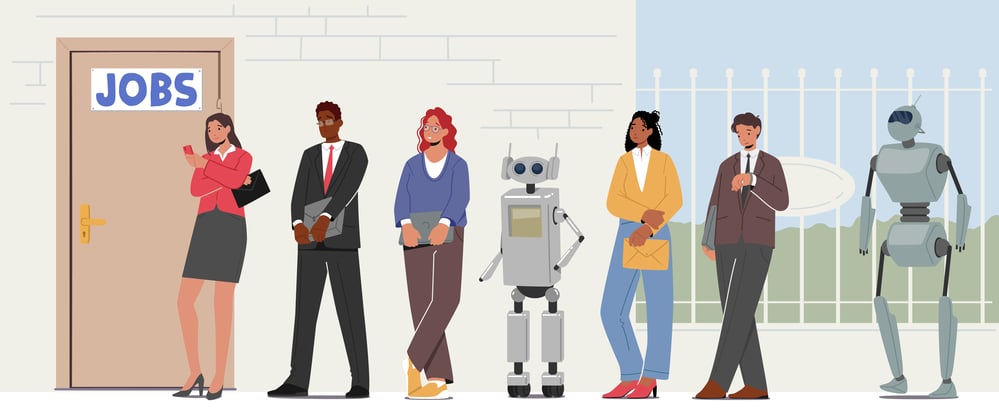
Each field deals with alike concerns today. What tasks can tech handle more quickly, efficiently, or at lower cost?
Results shift constantly when tools get smarter. Certain careers will adjust, then continue – just different than before.
Some folks’ll disappear like old phone operators. People stuck in this shift have tough calls to make – switch careers, take pay cuts in hands-on roles robots can’t handle, or call it quits before they wanted.
Tech doesn’t worry about personal struggles. It simply keeps improving at things we believed only people could do.
More from Go2Tutors!

- The Romanov Crown Jewels and Their Tragic Fate
- 13 Historical Mysteries That Science Still Can’t Solve
- Famous Hoaxes That Fooled the World for Years
- 15 Child Stars with Tragic Adult Lives
- 16 Famous Jewelry Pieces in History
Like Go2Tutors’s content? Follow us on MSN.