14 TV Theme Songs Everyone Could Sing By Heart
Television theme songs used to be miniature masterpieces that hooked viewers from the opening notes. These weren’t just musical introductions—they were cultural touchstones that families sang together during dinner conversations and kids hummed on playgrounds nationwide. Before streaming services let us skip past opening credits, theme songs served as weekly rituals that built anticipation and created lasting memories.
The best TV themes transcended their original shows, becoming part of America’s shared musical vocabulary. Whether you watched religiously or caught occasional reruns, certain melodies embedded themselves so deeply that decades later, hearing just a few notes could transport you back to childhood living rooms. Here is a list of 17 television theme songs that became ingrained in our collective consciousness.
The Andy Griffith Show
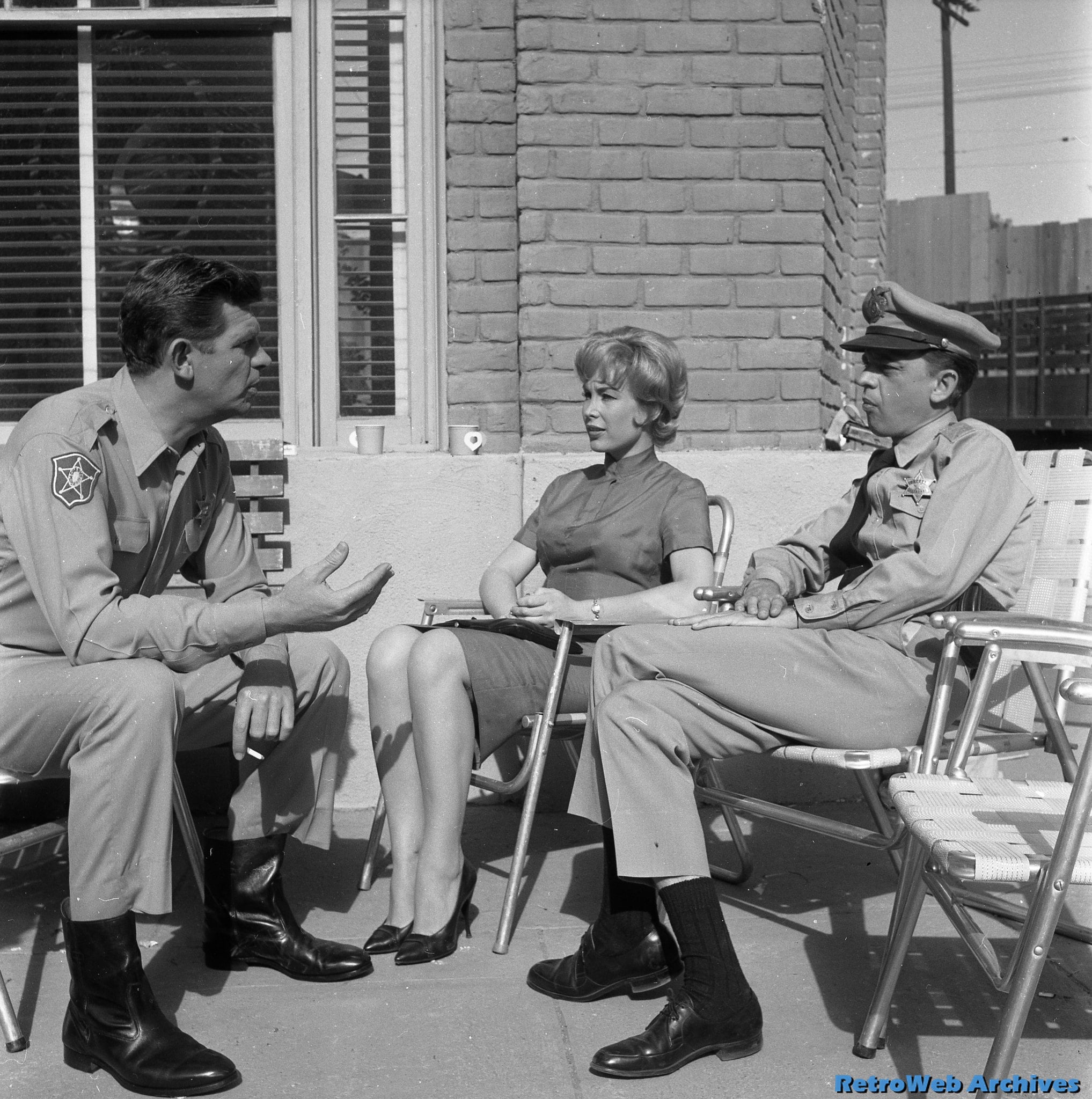
That gentle whistling melody could instantly transport anyone to Mayberry’s peaceful streets and simpler times. The acoustic guitar accompaniment and leisurely tempo perfectly captured small-town American life during the early 1960s.
Earle Hagen’s composition worked its way into hearts without any lyrics needed—just pure, memorable melody that suggested fishing trips and front porch conversations. Three generations learned to whistle along with Sheriff Andy Taylor’s daily walk to work.
Gilligan’s Island
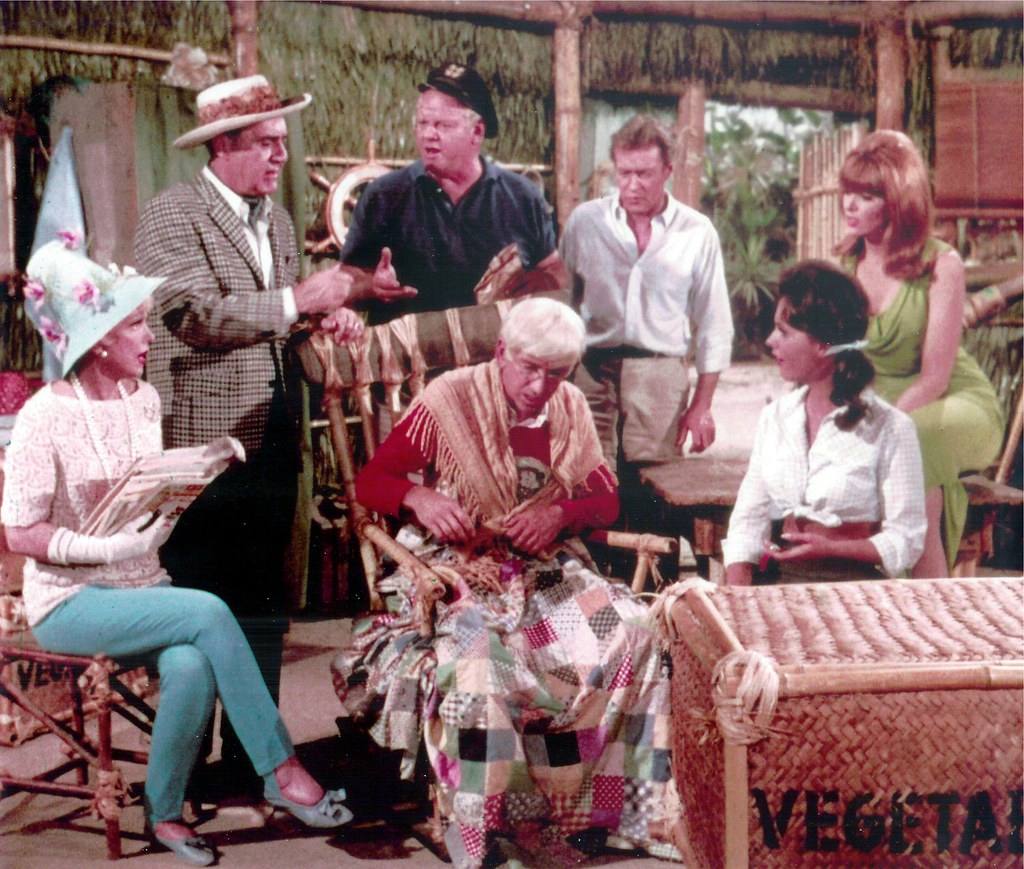
Russell Johnson and Sherwood Schwartz created a sea shanty that explained an entire premise in under a minute. The song’s bouncing rhythm and sing-along lyrics made it impossible to forget, while the clever rhyme scheme helped viewers remember each character’s basic personality.
Kids could recite the three-hour tour story word-for-word after just a few episodes—a marketing genius move that kept the show’s concept crystal clear. The theme became more famous than many actual pop songs of its era.
Like Go2Tutors’s content? Follow us on MSN.
The Brady Bunch
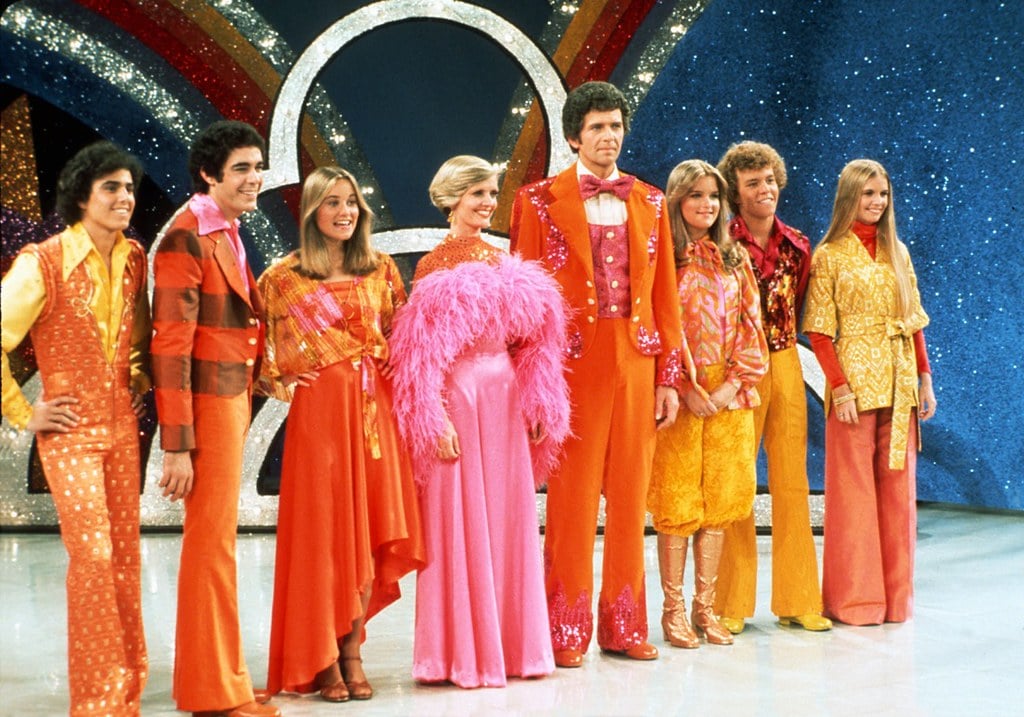
Those harmonizing voices and upbeat melody captured the essence of blended family optimism that defined early 1970s television. Frank De Vol’s arrangement perfectly matched the show’s sunny disposition, while the visual grid of family faces became iconic alongside the music.
The song’s structure mirrored the family itself—different parts coming together to create something harmonious and whole. Playground arguments were settled by kids singing these lyrics to prove their TV knowledge.
Happy Days
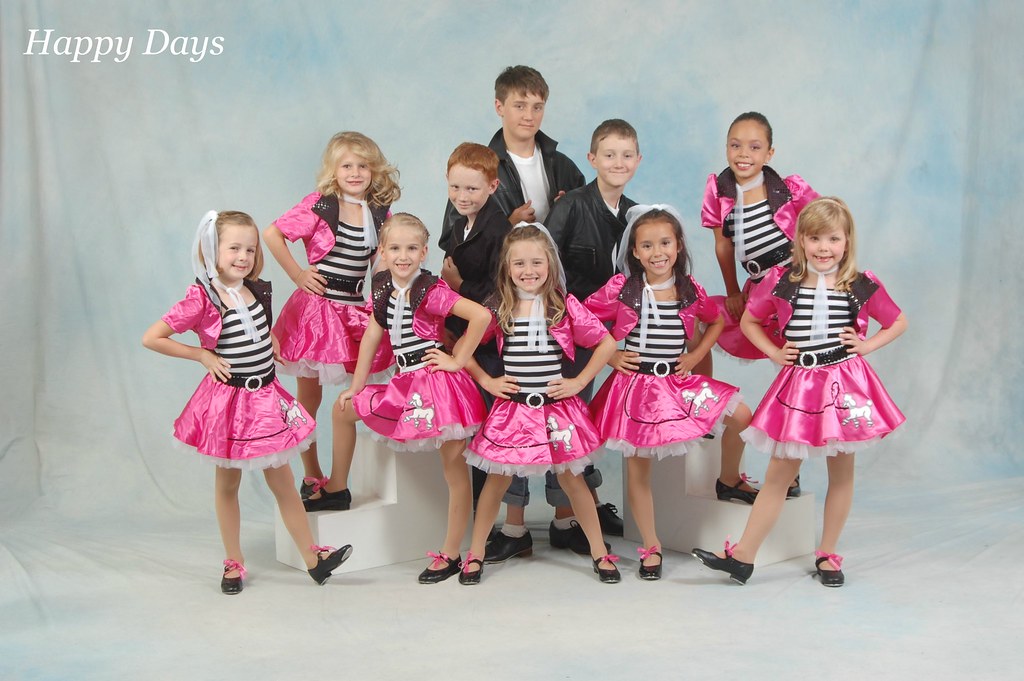
Bill Haley’s rock and roll energy, combined with nostalgic lyrics, created the perfect soundtrack for 1950s nostalgia during the mid-1970s. The song’s driving beat and optimistic message about weekend fun resonated with audiences experiencing economic uncertainty.
When “Rock Around the Clock” replaced the original ballad version, the show’s popularity exploded along with the theme’s memorability. The Fonz may have been cool, but this theme song made everyone feel like they belonged at Arnold’s Drive-In.
The Jeffersons
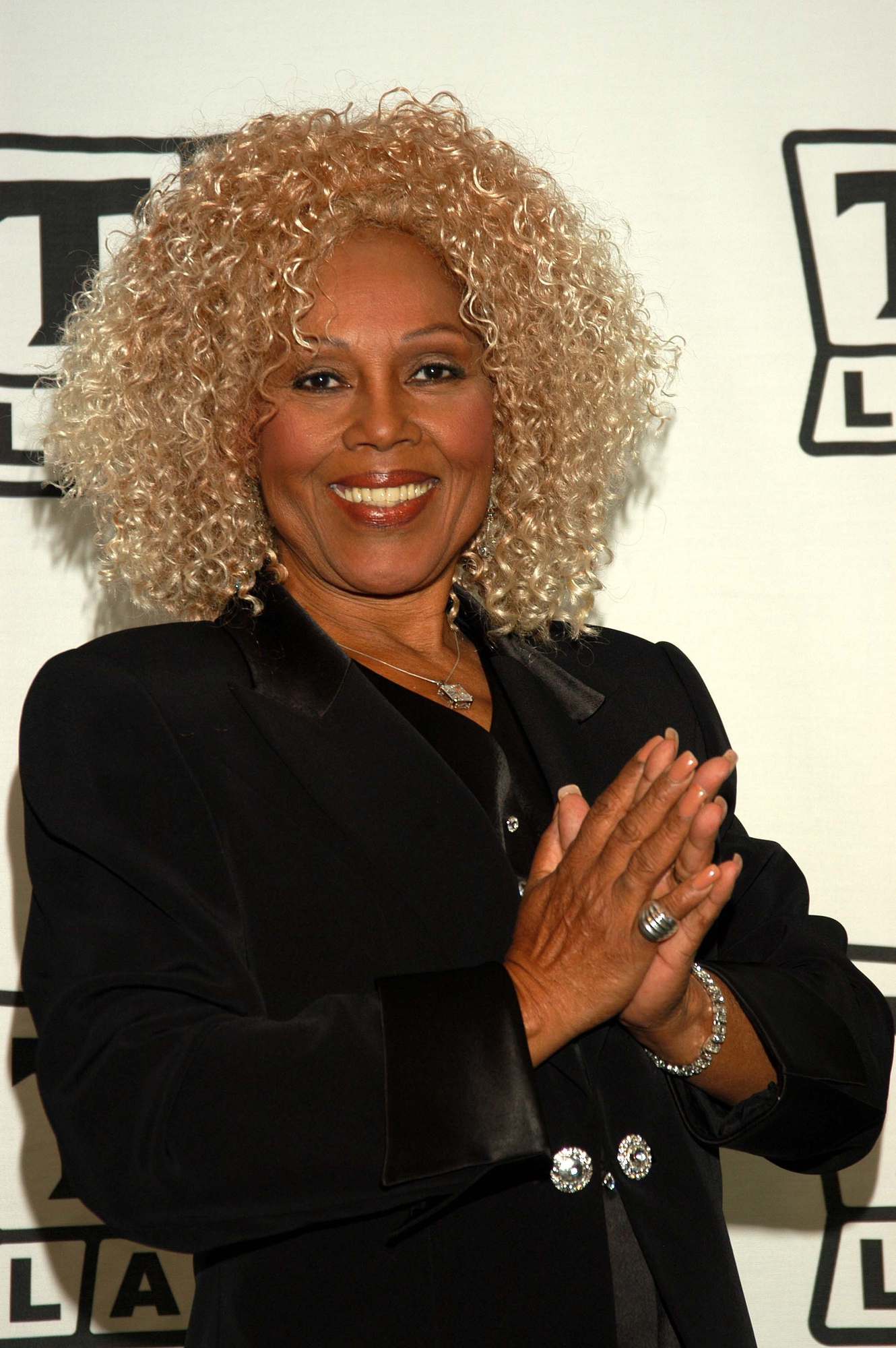
Ja’net Dubois performed a soul anthem that celebrated upward mobility and the American Dream with infectious enthusiasm. The song’s gospel-influenced arrangement and triumphant lyrics perfectly captured George and Louise Jefferson’s journey from Queens to Manhattan’s East Side.
The theme became a cultural phenomenon beyond the show itself, inspiring cover versions and becoming shorthand for success and achievement. Shopping mall elevators played instrumental versions throughout the 1980s.
Like Go2Tutors’s content? Follow us on MSN.
The Mary Tyler Moore Show
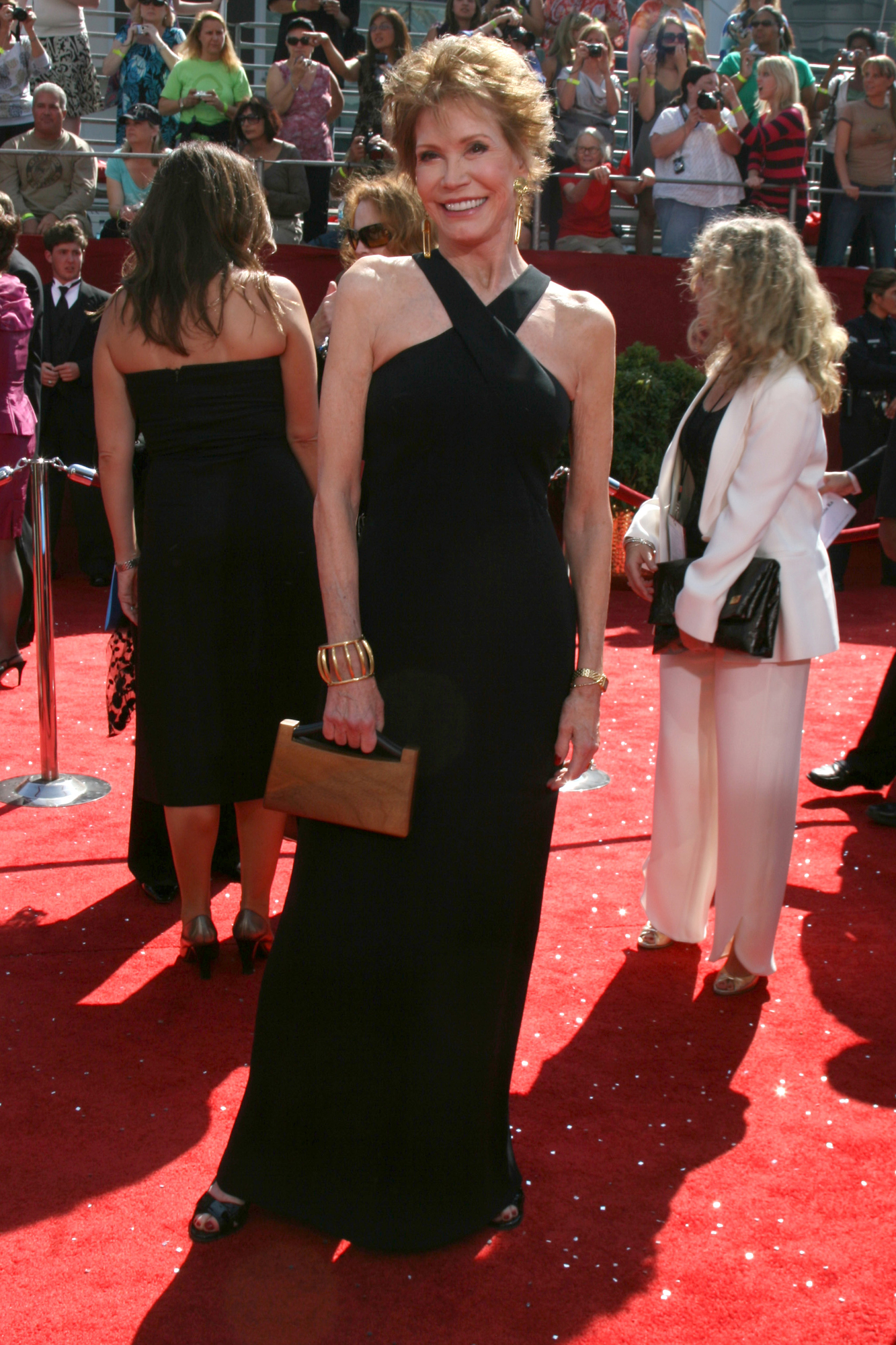
Sonny Curtis crafted an empowerment anthem that captured the spirit of women’s liberation through upbeat country-rock arrangements. The song’s celebration of independence and self-determination resonated with female viewers entering the workforce in unprecedented numbers.
Mary’s hat toss became television’s most famous gesture, but the theme song provided the emotional foundation that made that moment so powerful. The lyrics encouraged an entire generation of women to believe they could make it on their own.
The Addams Family

Vic Mizzy’s macabre waltz combined finger snaps and harpsichord to create television’s most distinctive instrumental theme. The song’s minor key melody and unconventional percussion made it instantly recognizable while perfectly capturing the family’s delightfully twisted personality.
Kids learned the finger-snapping pattern before they could tie their shoes, turning playgrounds into impromptu Addams Family tribute performances. Halloween parties still feature this theme as essential spooky atmosphere music.
The Munsters
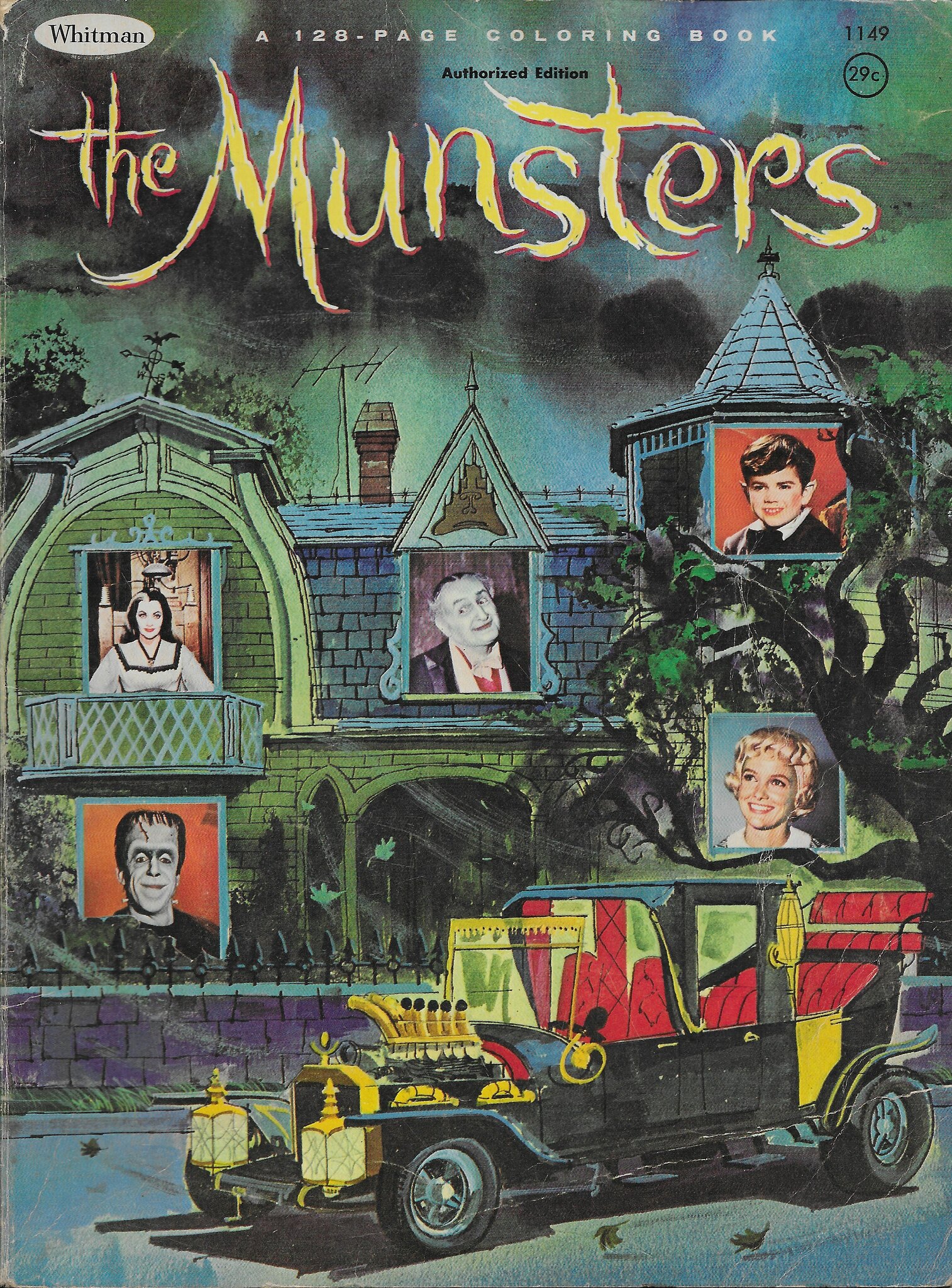
Jack Marshall’s monster movie pastiche combined classical horror film techniques with sitcom cheerfulness to create delightful musical contradiction. The song’s dramatic organ chords and thunderclap sound effects established the family’s monstrous nature while maintaining comedic lightness.
The theme’s ability to be simultaneously scary and funny perfectly reflected the show’s tone and appeal to both children and adults. Horror movie fans appreciated the musical references while families enjoyed the playful approach to classic monsters.
Like Go2Tutors’s content? Follow us on MSN.
Bonanza
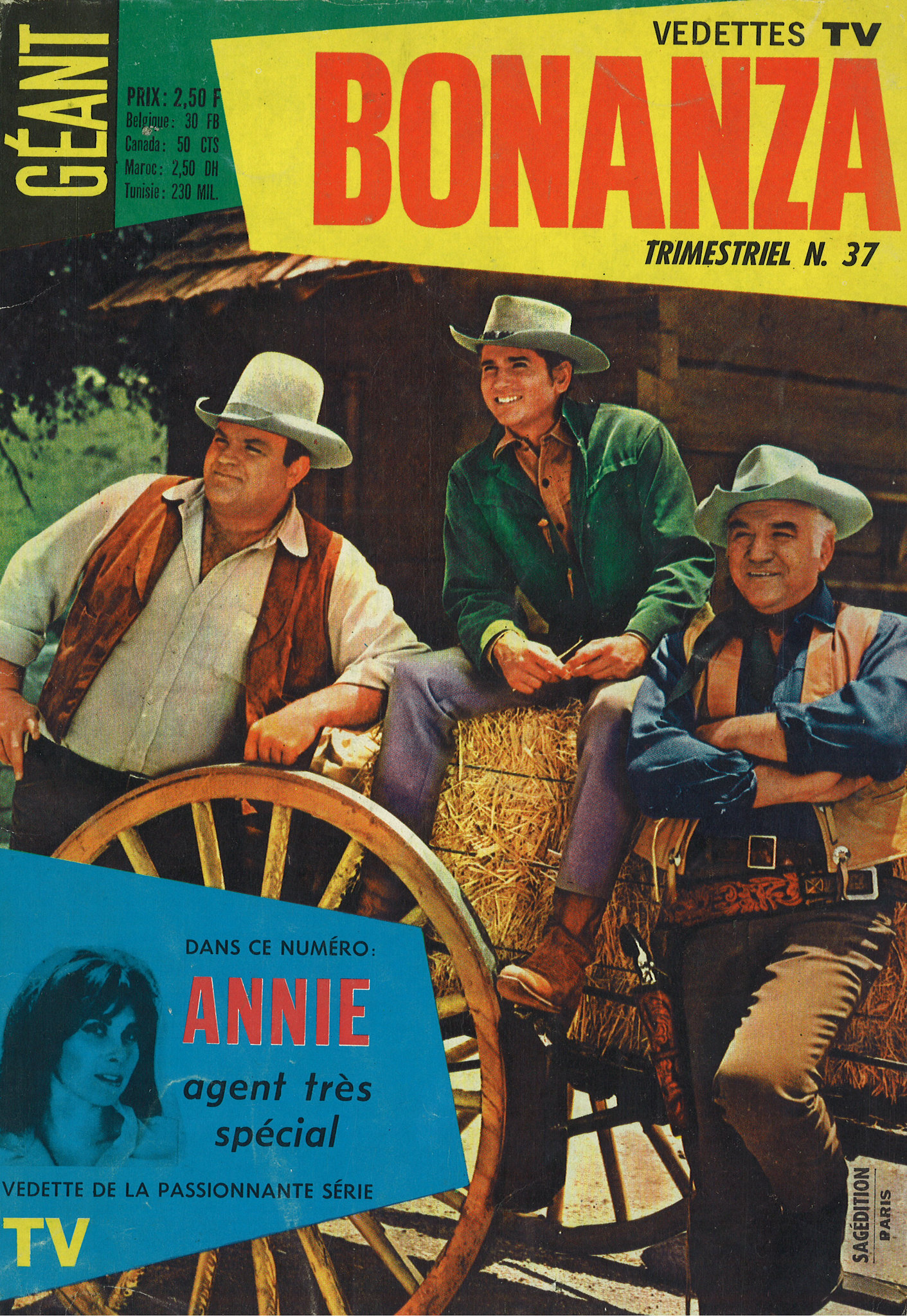
Jay Livingston and Ray Evans created a Western epic in miniature with their sweeping orchestral arrangement and stirring melody. The song’s grand scope and emotional range perfectly captured the vastness of the Ponderosa ranch and the Cartwright family’s adventures.
The theme’s ability to suggest both intimate family moments and dramatic frontier action made it a masterpiece of television music composition. Country music stations played instrumental versions alongside actual Western songs throughout the 1960s.
The Beverly Hillbillies
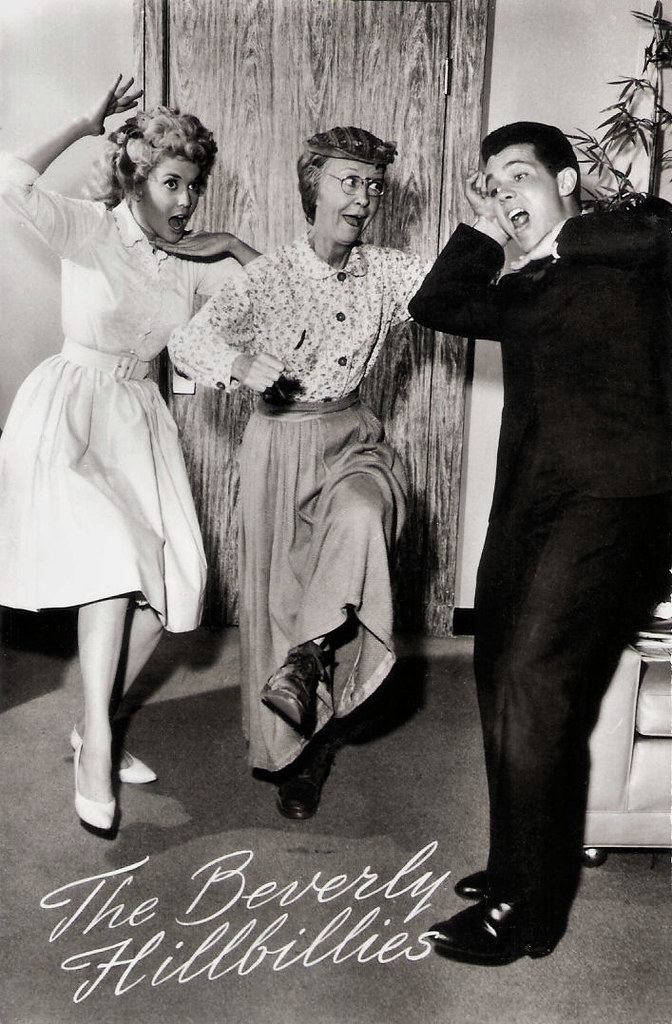
Jerry Scoggins performed Earl Scruggs’ bluegrass narrative that explained an entire rags-to-riches story in rapid-fire verses. The song’s banjo-driven arrangement and storytelling lyrics created perfect musical accompaniment for the show’s fish-out-of-water premise.
Scruggs’ intricate banjo work influenced countless musicians while the lyrics became part of American folklore about sudden wealth and cultural displacement. The theme single actually charted on country music radio stations during the show’s peak popularity.
Green Acres
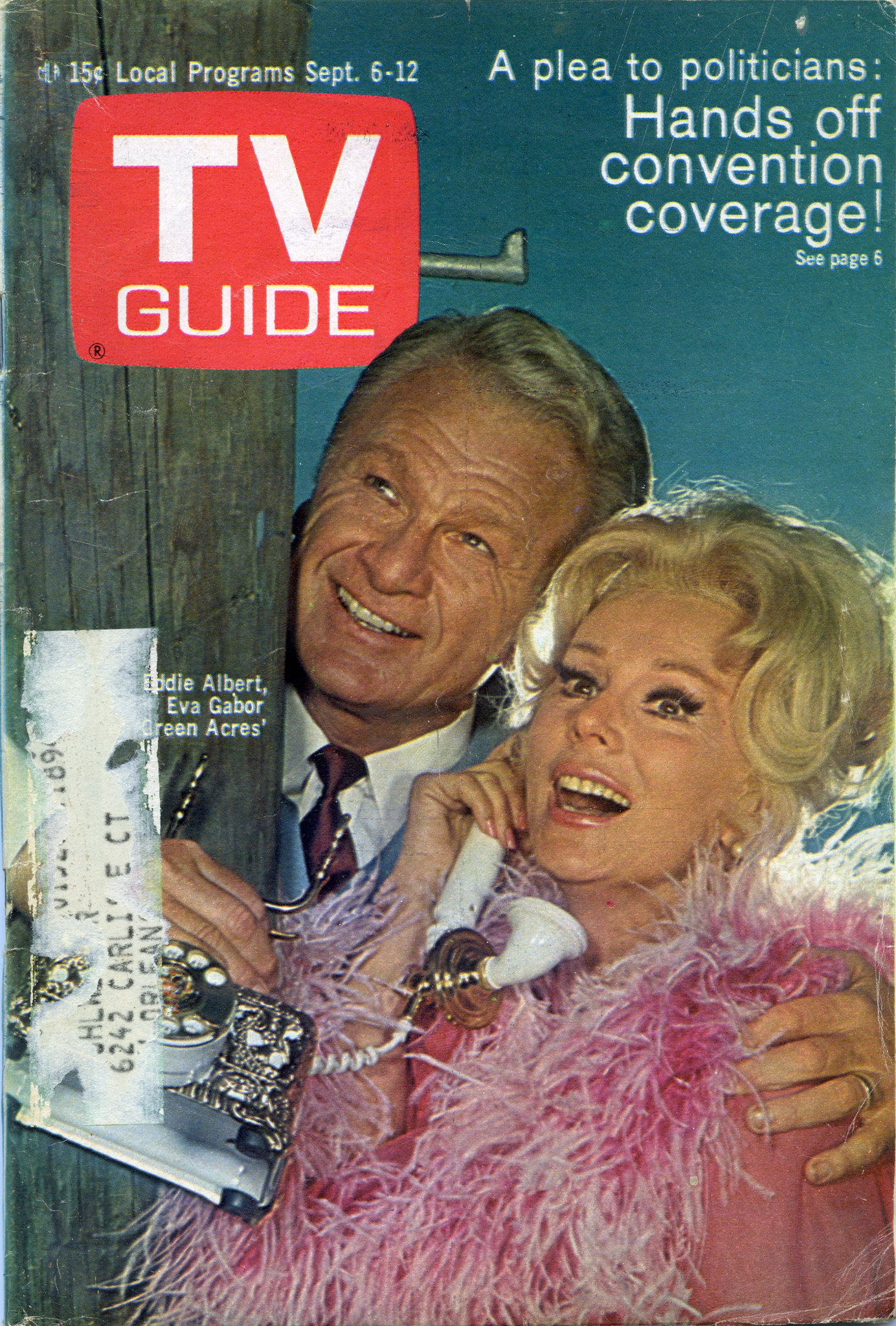
Vic Mizzy struck gold again with this country-meets-city musical argument between Eddie Albert and Eva Gabor. The song’s call-and-response structure between urban sophistication and rural simplicity perfectly captured the show’s central conflict.
The duet format allowed both characters to express their opposing viewpoints while creating memorable musical moments that viewers eagerly anticipated each week. The theme became a template for other shows dealing with cultural clashes and lifestyle differences.
Like Go2Tutors’s content? Follow us on MSN.
The Flintstones
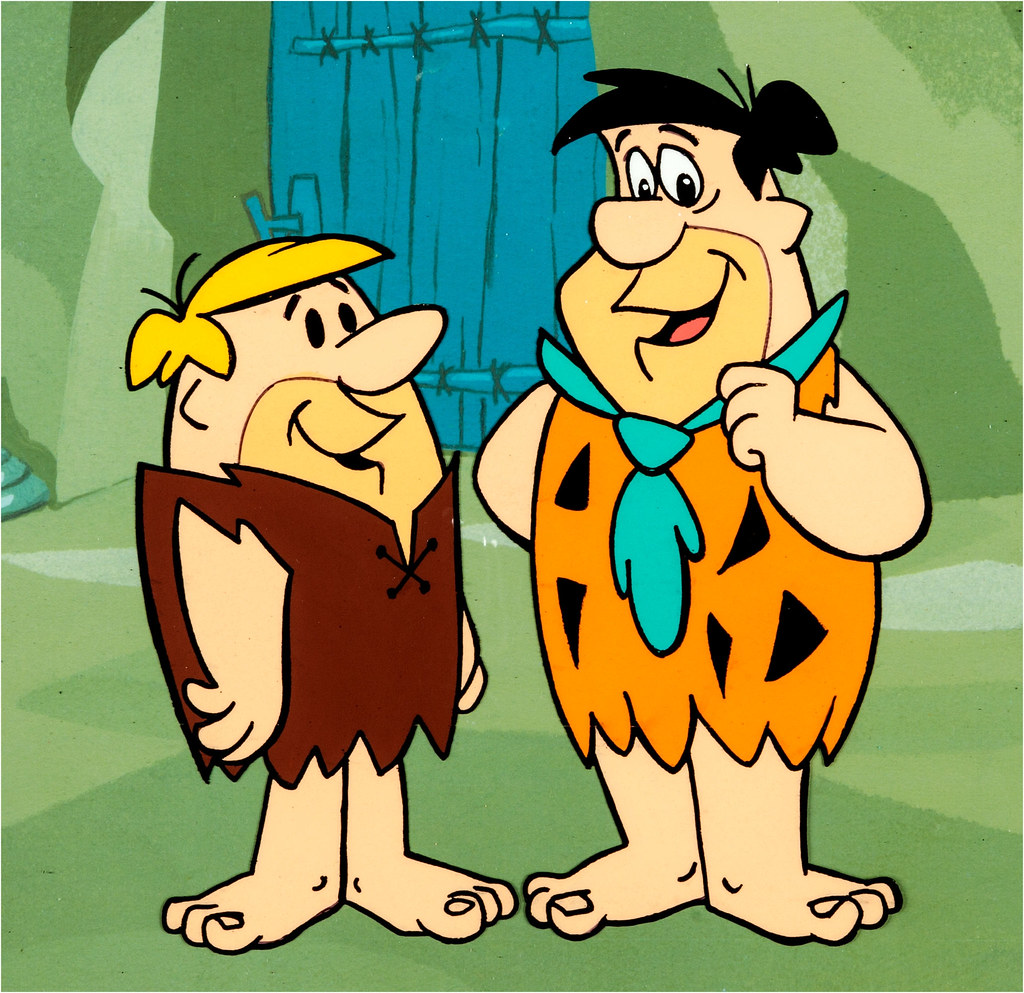
Hoyt Curtin and Joseph Barbera created a stone-age swing number that combined big band jazz with prehistoric humor. The song’s energetic brass section and catchy lyrics about modern conveniences in caveman times perfectly captured the show’s anachronistic comedy.
The theme’s ability to suggest both primitive times and contemporary suburban life made it a brilliant musical representation of the show’s central premise. Jazz musicians occasionally performed extended versions in nightclubs during the cartoon’s original run.
Mister Rogers’ Neighborhood
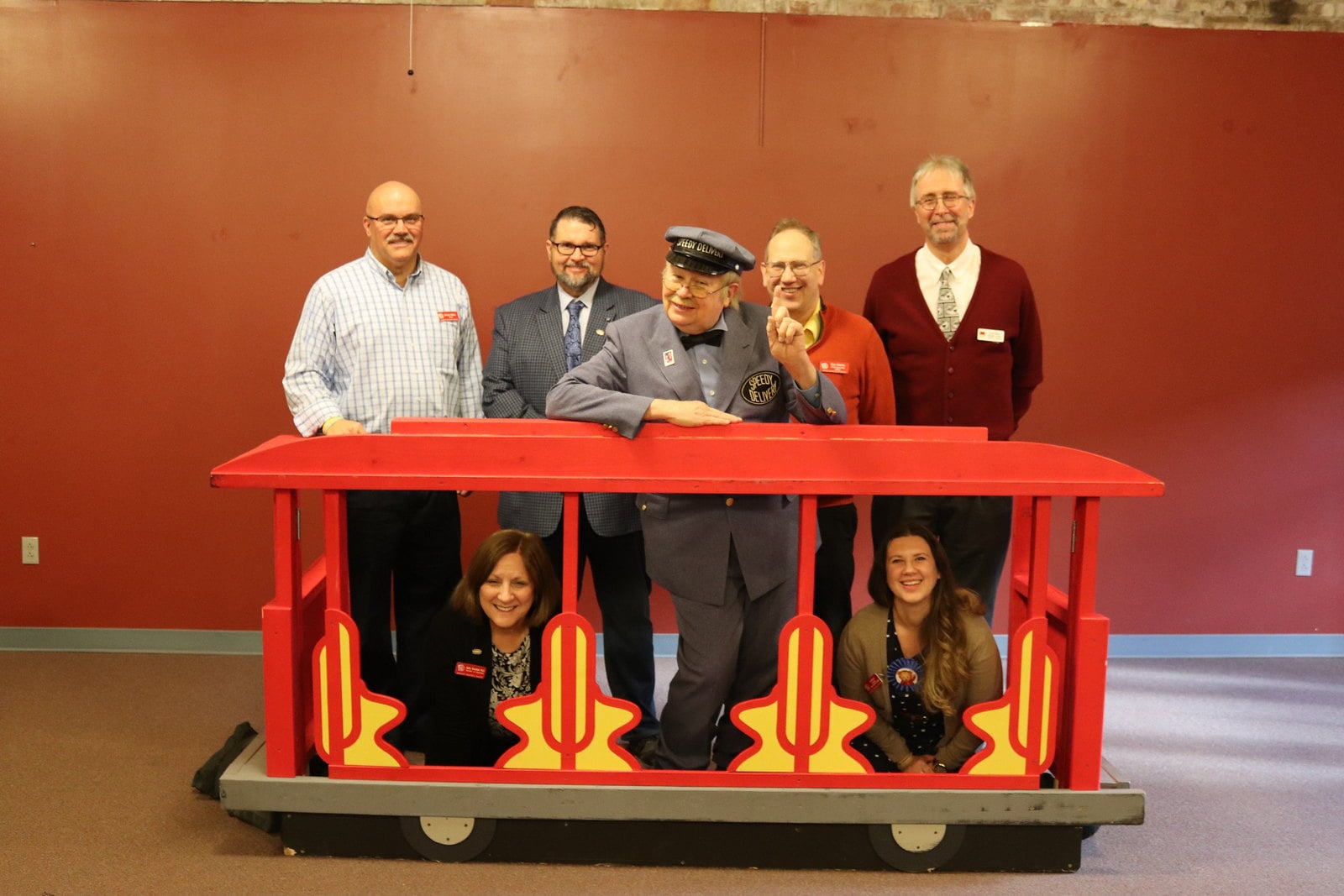
Fred Rogers composed a gentle invitation that welcomed children into a world of kindness, acceptance, and emotional honesty. The song’s simple melody and conversational lyrics created immediate intimacy between Rogers and his young audience members.
The theme’s focus on friendship and personal connection offered comfort to children navigating the complexities of growing up in an often confusing world. Parents found themselves humming these lyrics long after their children outgrew the show.
The Fresh Prince of Bel-Air
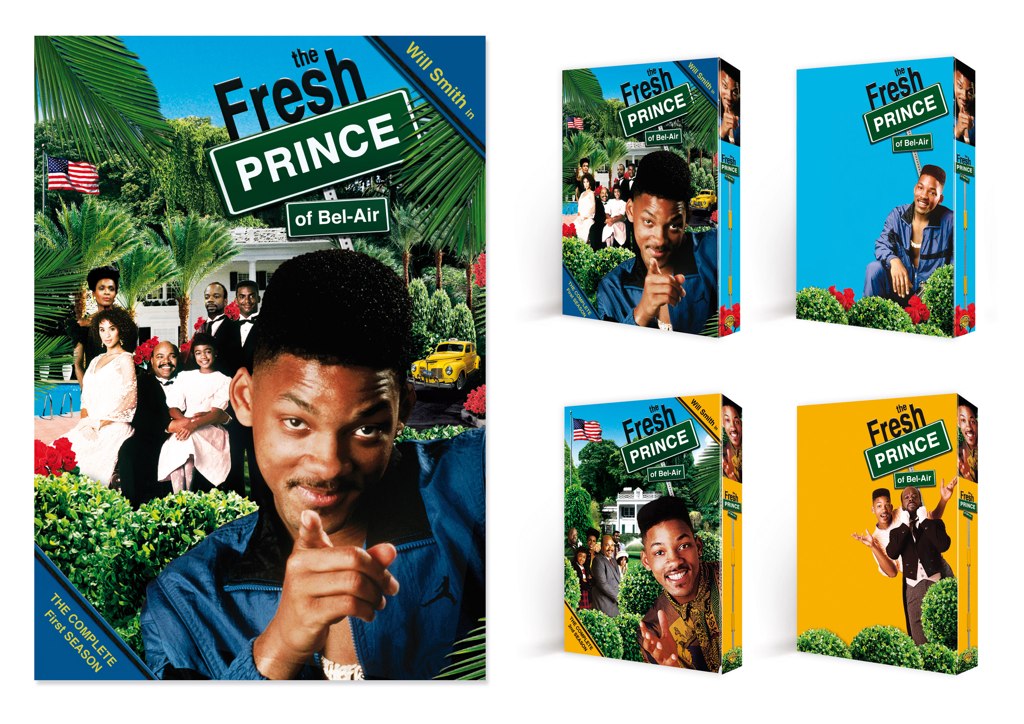
Will Smith’s rap narrative transformed television theme song conventions by telling a complete origin story through hip-hop verses and infectious beats. The song’s Philadelphia-to-California journey captured both geographic and cultural displacement while maintaining humor and relatability.
Smith’s charismatic delivery and the track’s contemporary production values helped bridge generational gaps in family viewing habits. The theme became a cultural phenomenon that introduced rap music to mainstream television audiences.
Like Go2Tutors’s content? Follow us on MSN.
Melodies That Defined Generations
These theme songs accomplished something remarkable—they created shared cultural experiences that transcended age, race, and social class boundaries. Before remote controls made channel surfing effortless and streaming eliminated appointment television, families gathered around TV sets and absorbed these musical messages together.
The themes didn’t just introduce shows; they established emotional connections that lasted decades beyond final episodes. Today’s viewers might skip opening credits, but they’re missing the communal ritual that once brought America together for three minutes of shared melody and meaning.
More from Go2Tutors!

- 16 Restaurant Chains That Went Too Fast
- 12 Things Sold in the 80s That Are Now Illegal
- 15 Strange Things People Have Tried to Ban (And Failed)
- 16 Collectibles People Tossed Out Too Soon
- 17 Myths from Your Childhood That Were Actually Based on Real Things
Like Go2Tutors’s content? Follow us on MSN.