13 Animals That Live Near Volcanoes
Living next to a volcano might sound like the worst real estate decision ever, but plenty of animals have figured out how to thrive in these fiery neighborhoods. These volcanic regions offer unique benefits that many creatures find irresistible, from mineral-rich soils to naturally heated water sources.
While most of us would pack our bags at the first sign of volcanic activity, these remarkable animals have adapted to call these dangerous landscapes home. Here is a list of 13 animals that have mastered the art of volcanic living.
Galápagos Marine Iguana
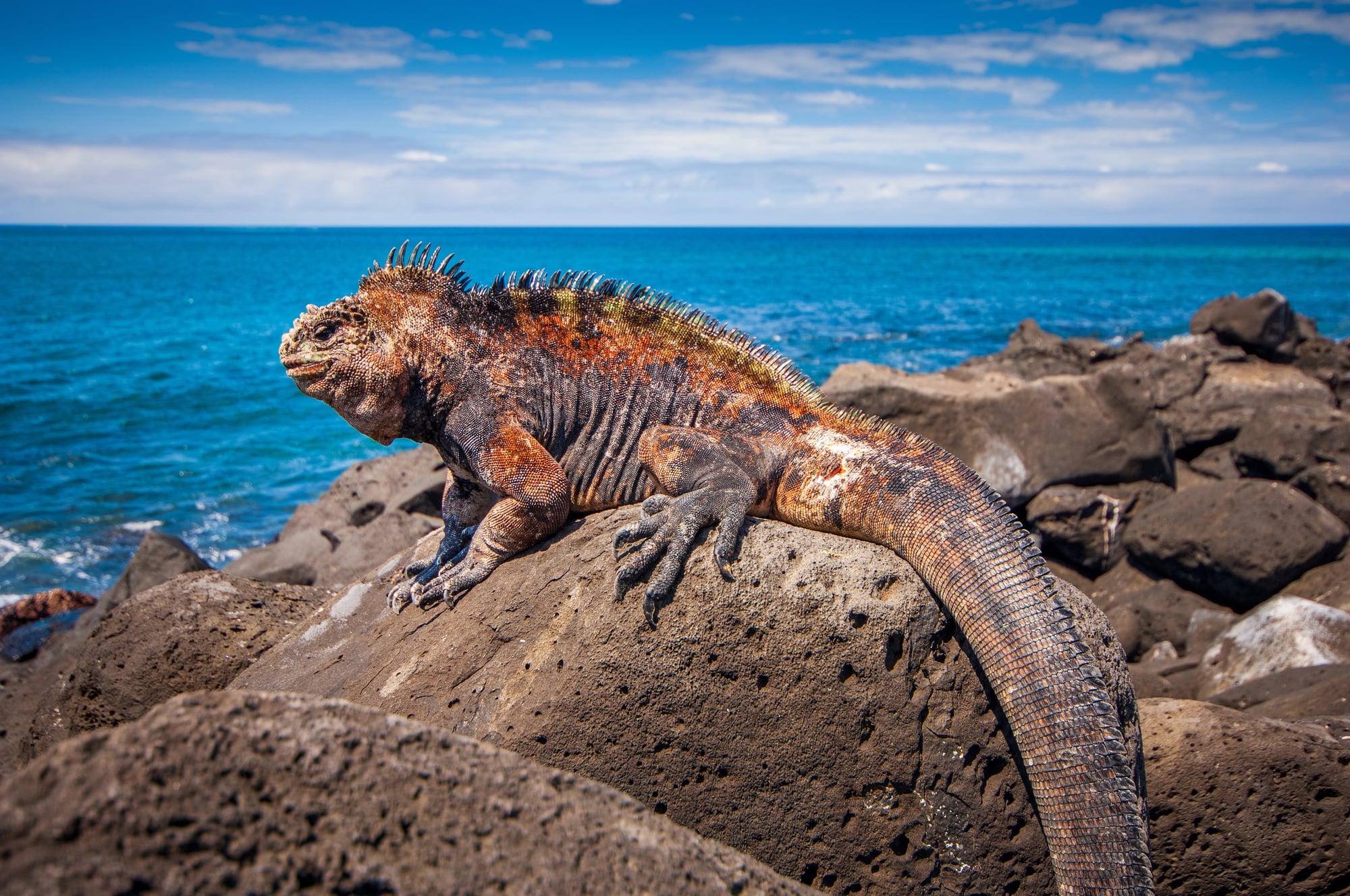
The Galápagos marine iguana treats volcanic coastlines like a luxury spa resort. These dark-scaled reptiles bask on black lava rocks to warm their bodies after diving into cold ocean waters to feed on algae.
The volcanic rock provides the perfect temperature regulation system, absorbing heat during the day and radiating it back at night. Their salt-filtering glands help them deal with the mineral-rich environment that volcanic activity creates.
Japanese Macaque

Japanese macaques, also known as snow monkeys, have discovered the ultimate winter survival hack near volcanic hot springs. These clever primates soak in naturally heated pools to stay warm during harsh winters, turning volcanic geothermal activity into their personal heating system.
The hot springs also provide a social gathering spot where troops strengthen their bonds while staying toasty. Their thick fur and behavioral adaptations make them perfectly suited for life around these steamy volcanic features.
Like Go2Tutors’s content? Follow us on MSN.
Flamingo
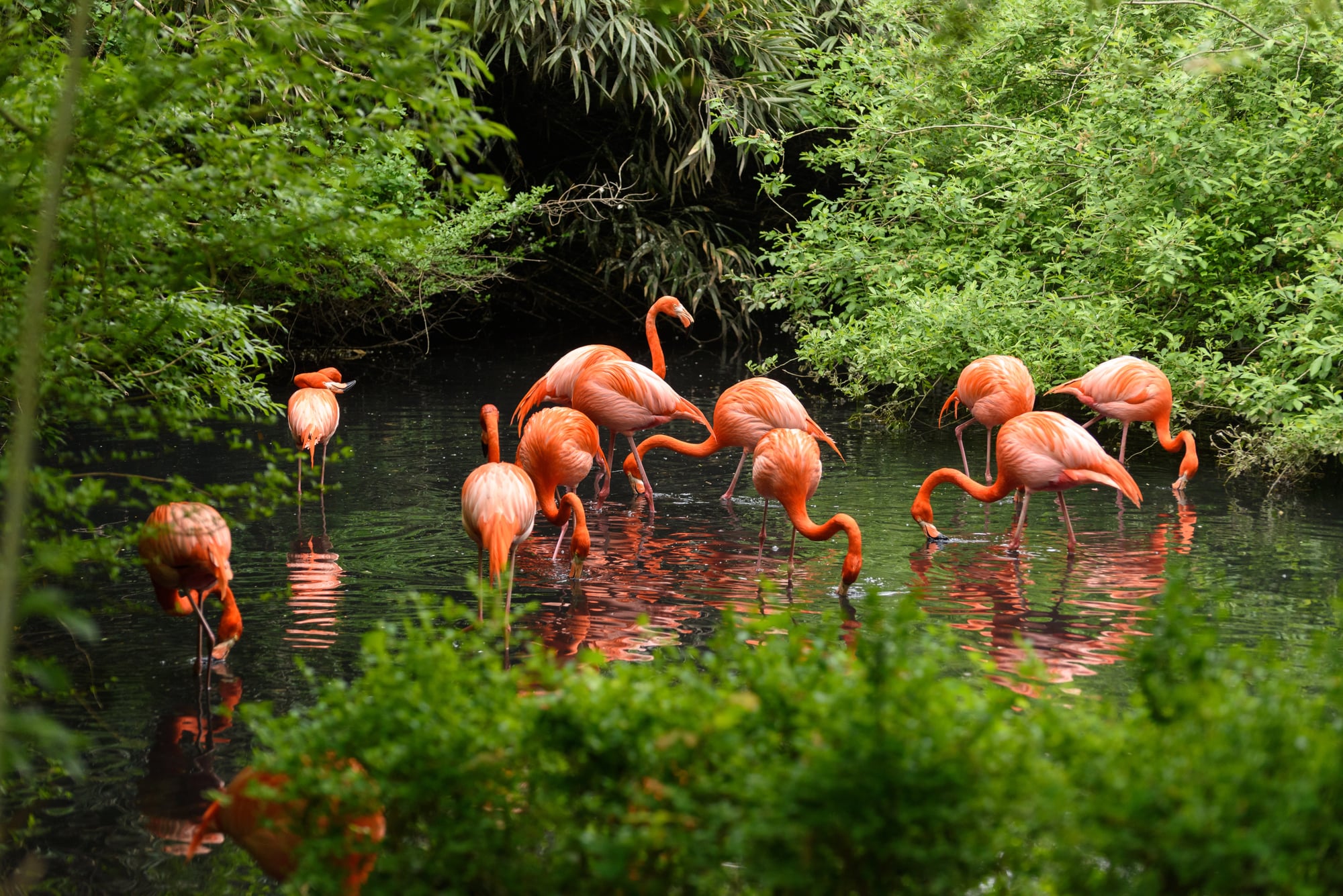
Flamingos flock to volcanic crater lakes because these mineral-rich waters create the perfect dining experience. The high salt and alkaline content of volcanic lakes produces abundant algae and tiny crustaceans that give flamingos their signature pink color.
Lake Natron in Tanzania, formed in a volcanic crater, hosts millions of these graceful birds who have adapted to thrive in water so caustic it would burn human skin. The extreme conditions actually protect their nesting sites from most predators.
Giant Tube Worm
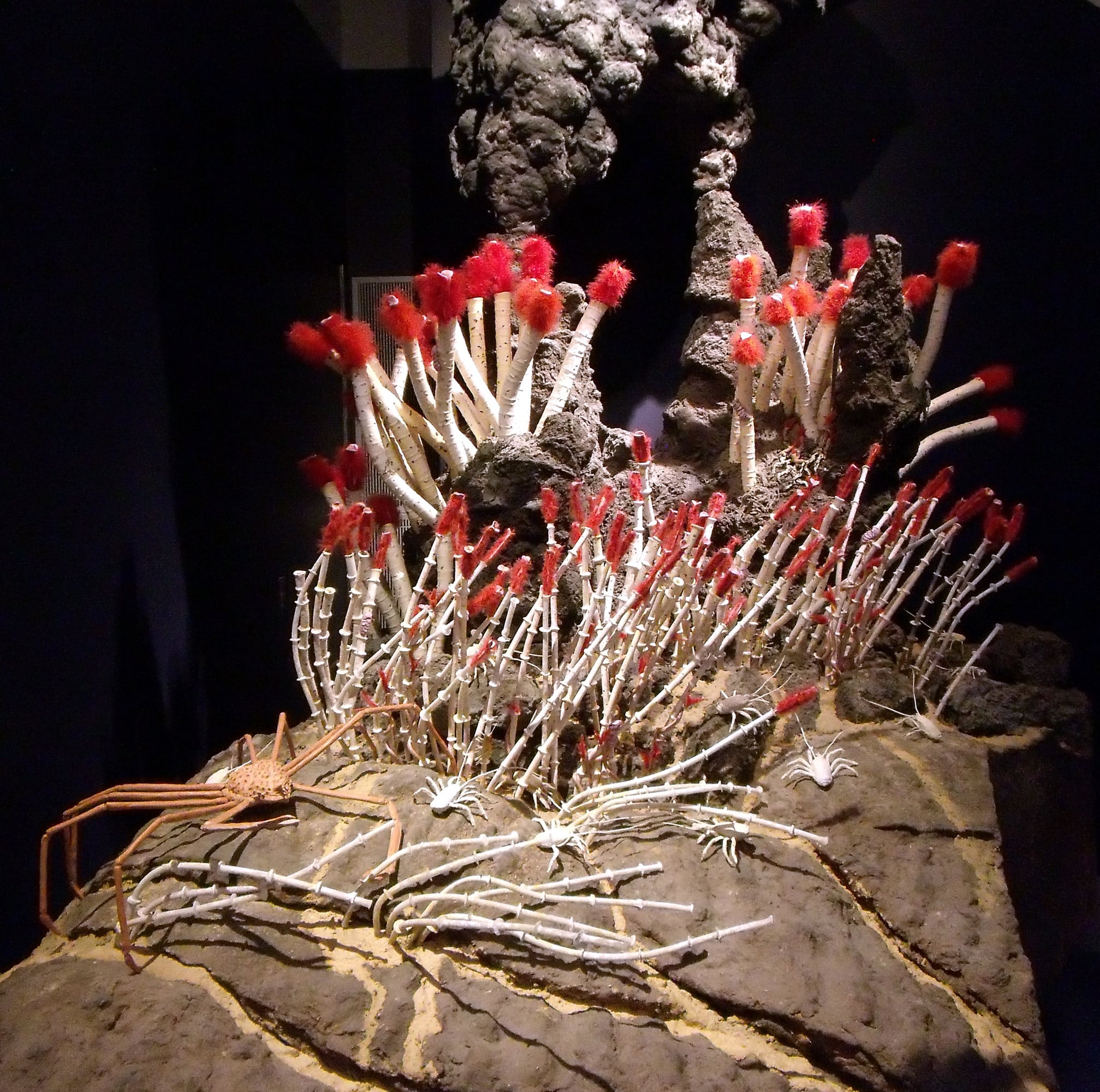
Giant tube worms live in one of Earth’s most extreme neighborhoods: underwater volcanic vents on the ocean floor. These bizarre creatures, which can grow up to 8 feet long, have no mouth or stomach but rely on bacteria living inside them to convert volcanic chemicals into food.
They cluster around hydrothermal vents where superheated water rich in hydrogen sulfide creates a unique ecosystem. Their bright red plumes filter nutrients from the water while their white tubes anchor them to the volcanic seafloor.
Volcano Rabbit
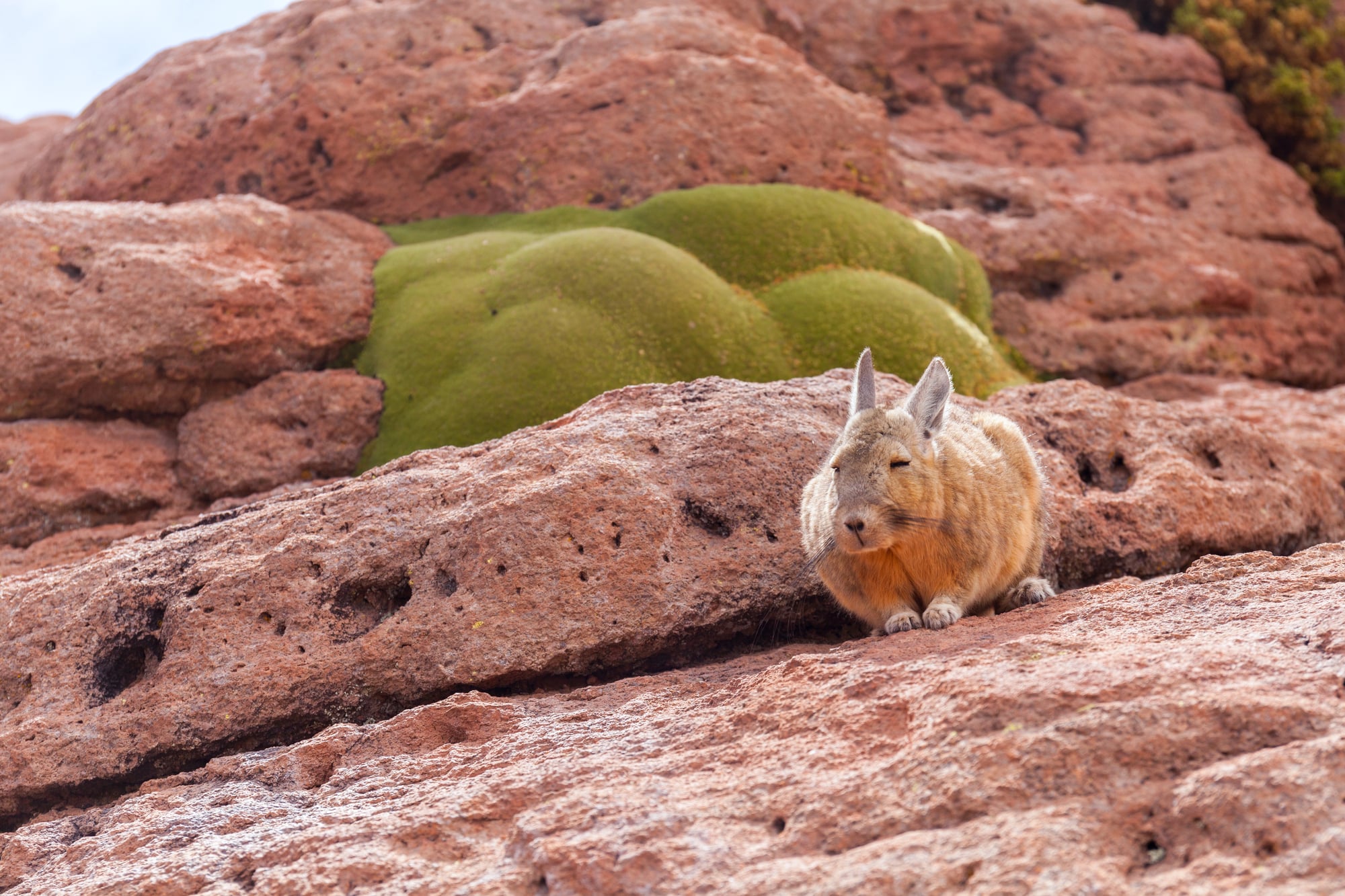
Mexico’s volcano rabbit has made its home exclusively on the slopes of four volcanoes near Mexico City. These small, round-eared rabbits live in the high-altitude pine forests that grow on volcanic soil, rarely venturing below 9,000 feet elevation.
The volcanic terrain provides them with dense grass cover and complex burrow systems in the loose soil. Unfortunately, their specialized habitat requirements make them one of the world’s most endangered rabbit species.
Like Go2Tutors’s content? Follow us on MSN.
Lava Lizard

Galápagos lava lizards treat volcanic rocks like their personal highway system, darting across surfaces that would blister human feet. These small reptiles have developed specialized scales on their feet that protect them from hot surfaces while providing excellent grip on smooth volcanic rock.
They regulate their body temperature by doing ‘push-ups’ to lift their bellies off hot surfaces or pressing against rocks to absorb heat. Their quick reflexes help them catch insects that also thrive in these mineral-rich environments.
Hawaiian Hoary Bat
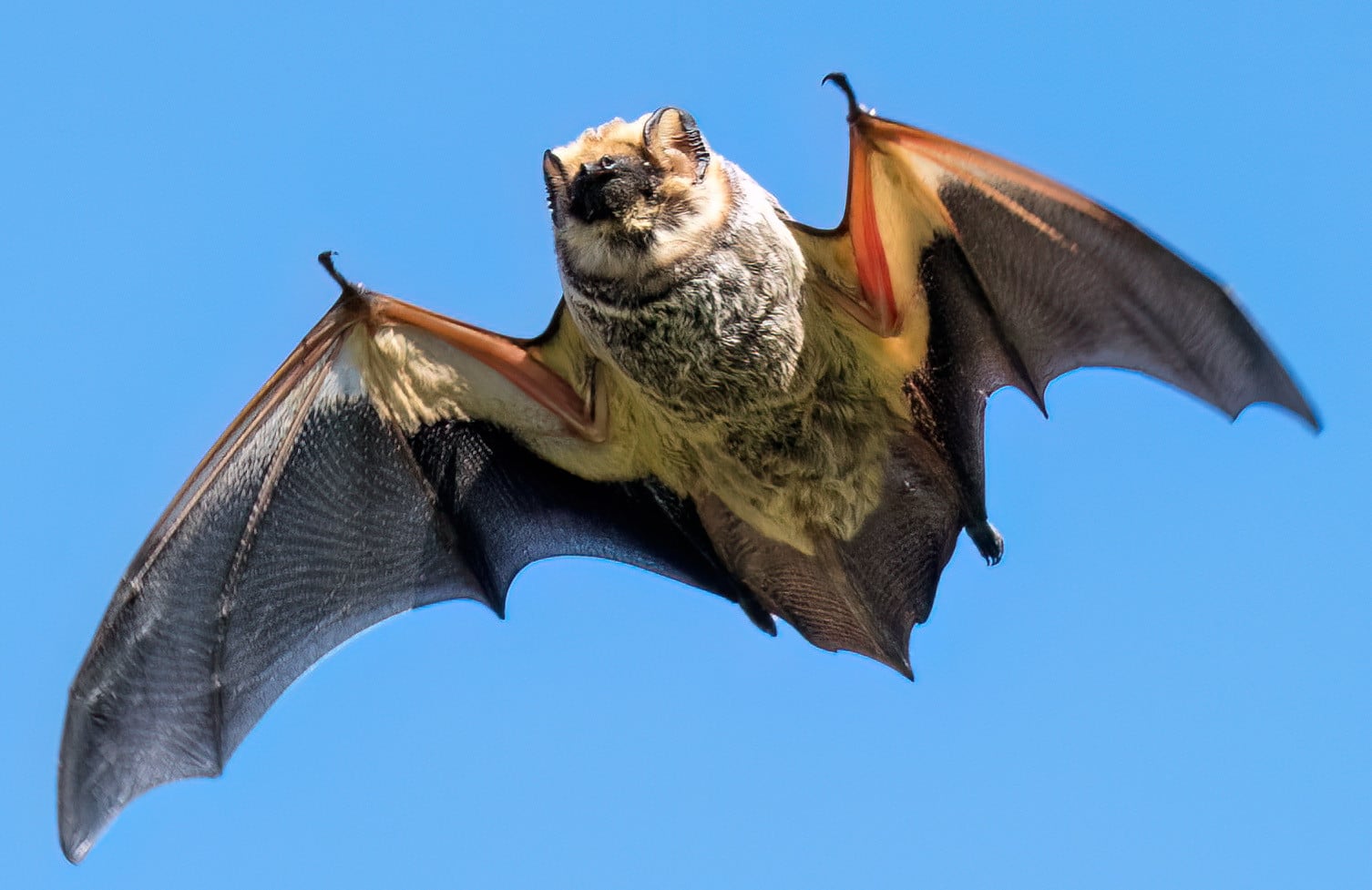
The Hawaiian hoary bat is the only native land mammal of Hawaii, having adapted to life on these volcanic islands over thousands of years. These solitary bats roost in the native trees that grow in volcanic soil and hunt insects over lava flows and volcanic craters.
They’ve learned to navigate the unique wind patterns created by volcanic landscapes and take advantage of the abundant insect life that thrives near geothermal areas. Their thick fur helps them cope with the temperature variations common in volcanic regions.
Sulfur-Crested Cockatoo
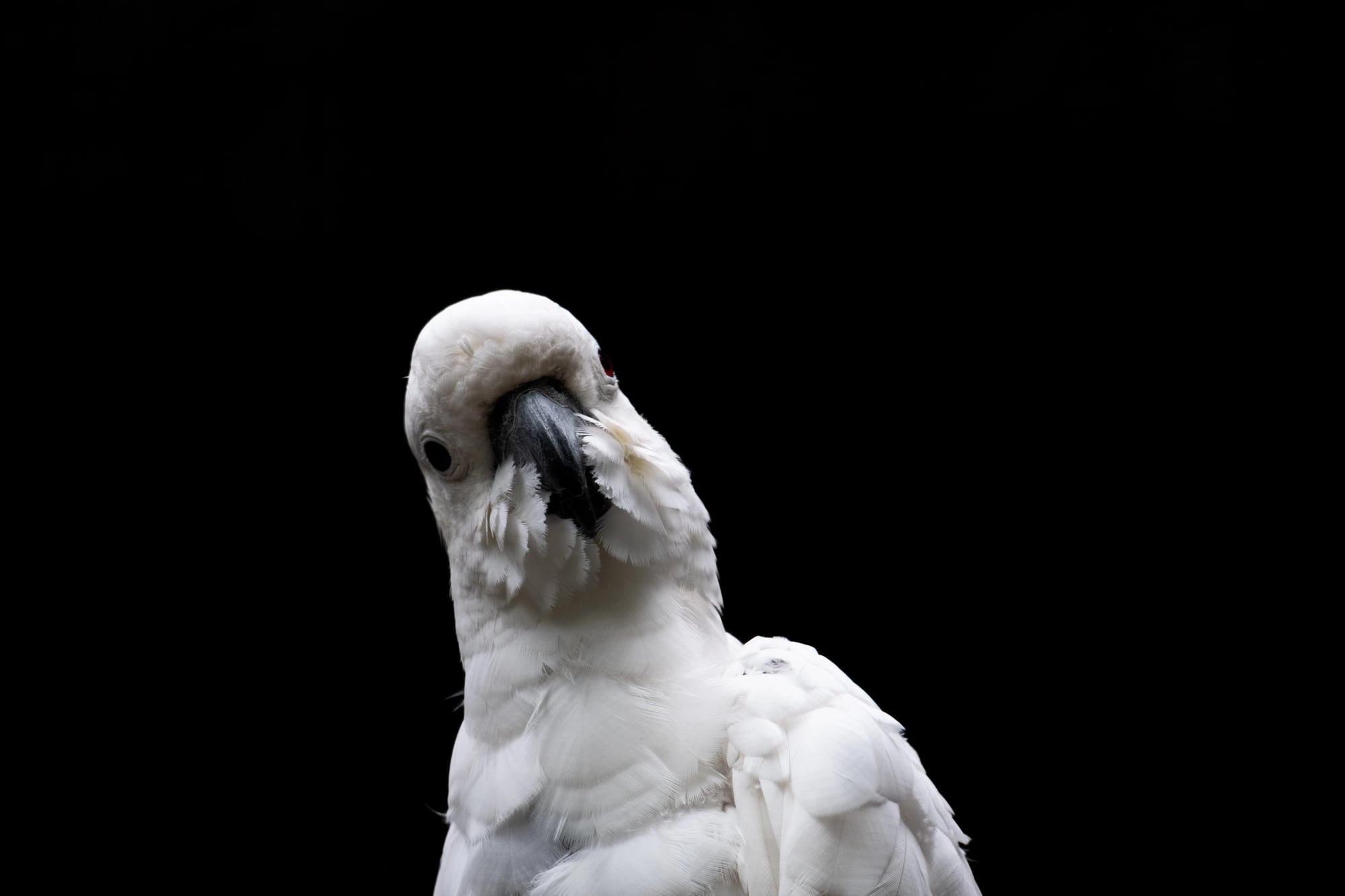
Sulfur-crested cockatoos in Indonesia have learned to take advantage of the mineral deposits around active volcanoes. These intelligent birds visit volcanic areas to consume sulfur-rich soil and rocks, which provide essential minerals for their diet and help with digestion.
The volcanic slopes also offer nesting sites in the hardy trees that grow in mineral-enriched soil. Their powerful beaks easily crack open the volcanic rocks to access the minerals inside.
Like Go2Tutors’s content? Follow us on MSN.
Galápagos Tortoise
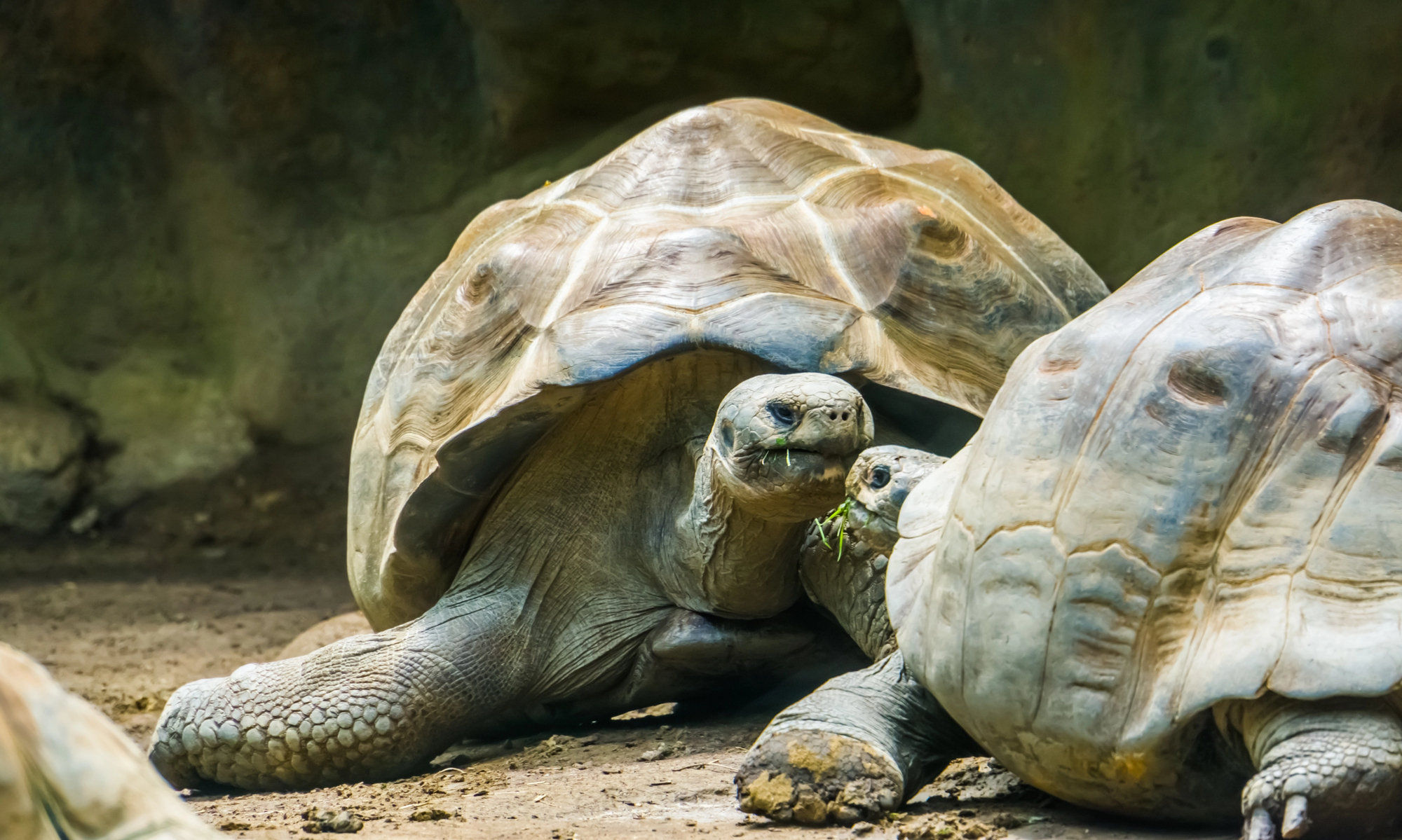
Galápagos tortoises have been living on volcanic islands for millions of years, becoming masters of the lava landscape. These gentle giants navigate across rough volcanic terrain with their sturdy legs and thick shells, seeking out the lush vegetation that grows in volcanic soil.
They often rest in volcanic mud wallows that provide natural sun protection and help regulate their body temperature. Different populations have evolved distinct shell shapes depending on the specific volcanic terrain of their home islands.
Yak

High in the Himalayas, yaks graze on the slopes of dormant and active volcanoes, handling extreme conditions that would challenge most large mammals. These shaggy bovines have massive lungs and hearts that help them process oxygen in the thin air of high-altitude volcanic regions.
Their thick, layered coats protect them from both freezing temperatures and the intense UV radiation common at volcanic elevations. Local herders rely on yaks’ ability to find edible plants growing in volcanic soil where other livestock would struggle.
Andean Flamingo
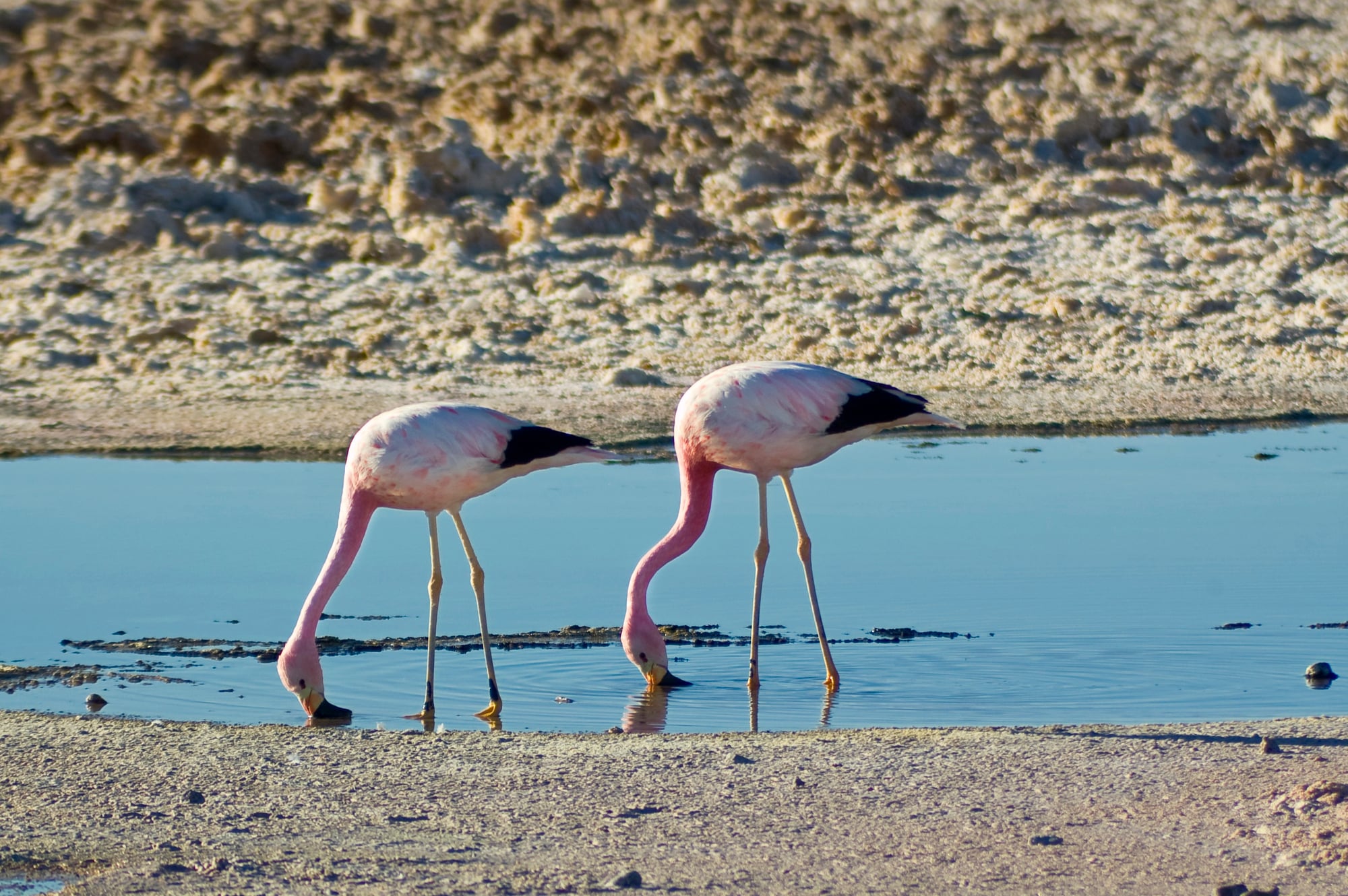
Andean flamingos have specialized in living at high-altitude volcanic lakes in South America, some over 12,000 feet above sea level. These hardy birds filter-feed in lakes formed by volcanic activity, where the extreme mineral content would be toxic to most animals.
Their specially adapted kidneys process the high levels of salt and other minerals found in volcanic crater lakes. The birds build their cone-shaped nests from volcanic mud, creating elevated platforms that protect their eggs from the fluctuating water levels.
Like Go2Tutors’s content? Follow us on MSN.
Marine Iguana
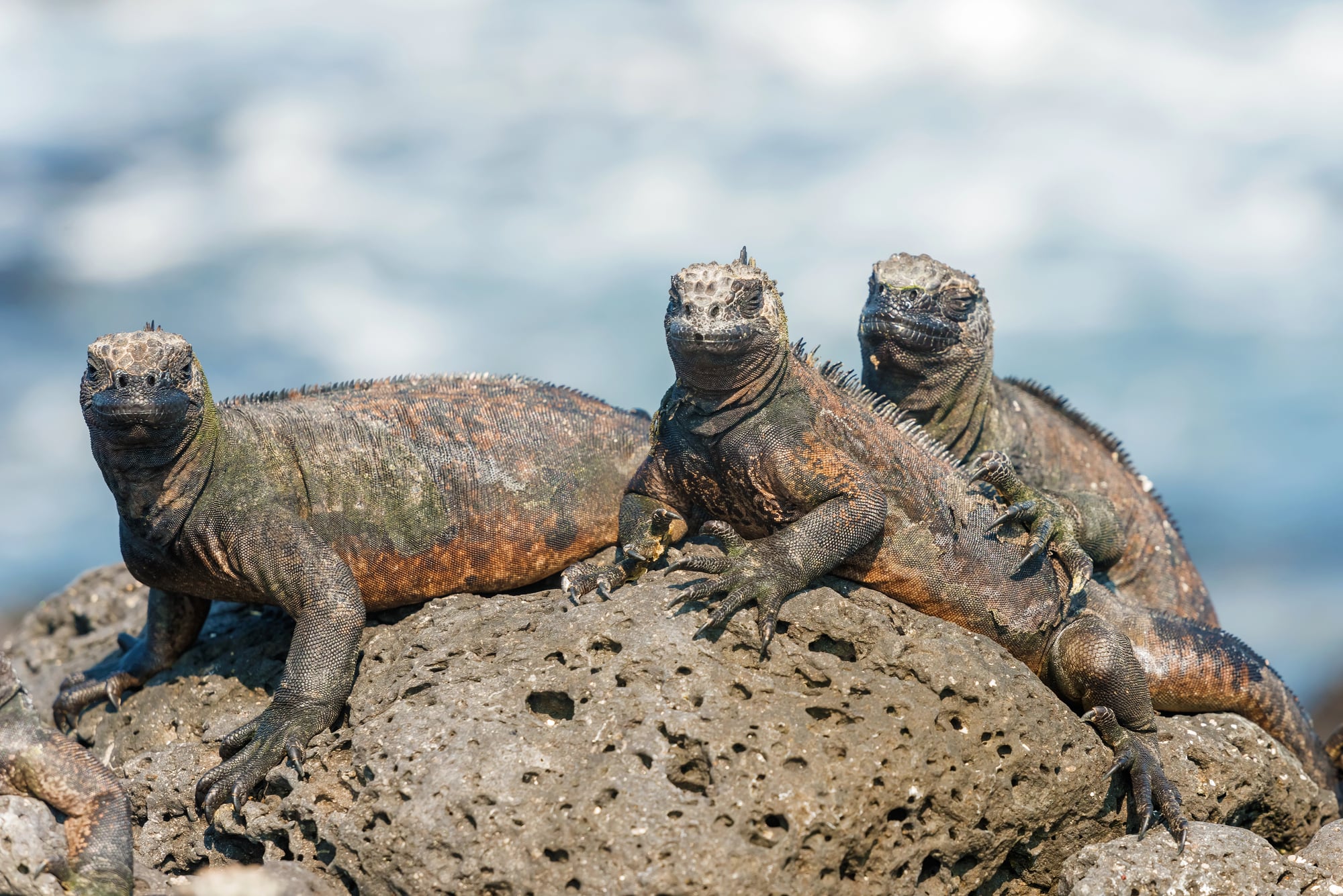
The marine iguana of the Galápagos has perfected the art of living on active volcanic islands where new lava regularly reshapes the coastline. These prehistoric-looking reptiles actually benefit from fresh lava flows, which create new surfaces for marine algae to colonize.
They can often be found sunbathing on recently cooled lava, taking advantage of the retained heat to warm their cold-blooded bodies. Their sharp claws grip volcanic rock surfaces while they graze underwater, and they’ve developed the ability to hold their breath for up to an hour.
Yellowstone Bison
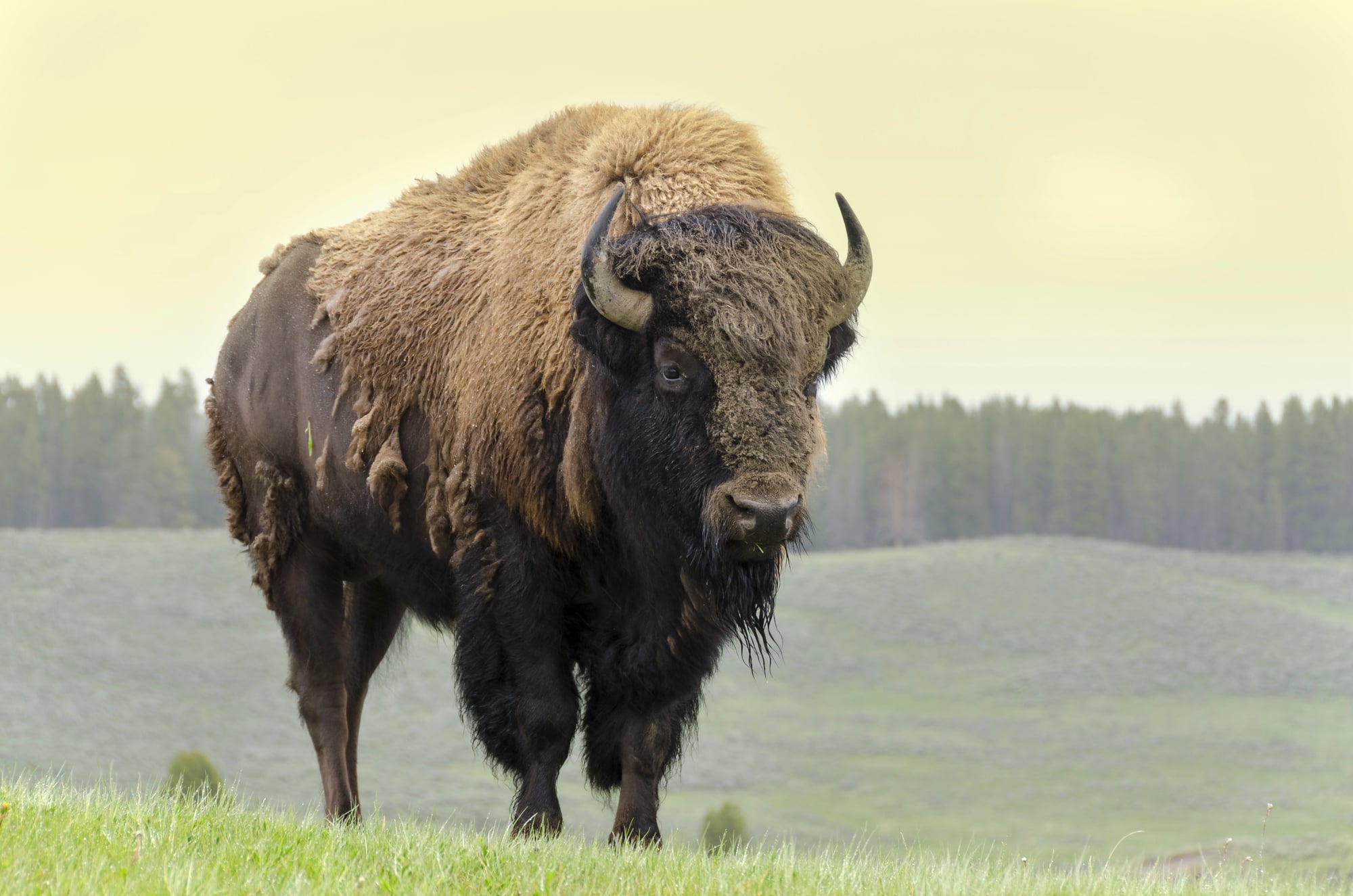
Yellowstone’s bison herds have learned to use the park’s geothermal features as natural climate control systems. During harsh winters, these massive animals gather near hot springs and geysers where the ground stays warm and snow melts quickly.
The geothermal areas provide access to grass and other vegetation when the rest of the landscape is buried under snow. Bison calves especially benefit from the warmer microclimates around thermal features during their vulnerable early months.
Life Finds Its Way in Fire and Stone
These remarkable animals prove that life doesn’t just survive near volcanoes—it actually thrives there. From tiny tube worms in crushing ocean depths to massive bison in steamy meadows, volcanic environments have shaped some of nature’s most impressive adaptations.
The mineral-rich soils, natural heating systems, and unique ecosystems created by volcanic activity continue to support diverse wildlife communities. While we might see volcanoes as dangerous neighbors, these animals have turned geological hazards into evolutionary advantages that have sustained them for millions of years.
Like Go2Tutors’s content? Follow us on MSN.
More from Go2Tutors!

- 16 Historical Figures Who Were Nothing Like You Think
- 12 Things Sold in the 80s That Are Now Illegal
- 15 VHS Tapes That Could Be Worth Thousands
- 17 Historical “What Ifs” That Would Have Changed Everything
- 18 TV Shows That Vanished Without a Finale
Like Go2Tutors’s content? Follow us on MSN.