Moving and Kinetic Bridges Around the World
Bridges mostly just sit there – steady, quiet, doing their job. Cross one, feel it hold you up, and that’s all it does.
Not every bridge though. Some act differently.
These shift on purpose. Instead of staying fixed, they rise, pivot, slide, or bend to clear space for boats below, before sliding back into place so traffic can go across once more.
These movable bridges show up in towns where rivers must work for boats plus people or vehicles. Building them isn’t easy – must hold weight yet move fast when required.
Every city tackled this their own way, so the range of fixes reflects what each place needed, could build, or dared to try.
Tower Bridge, London
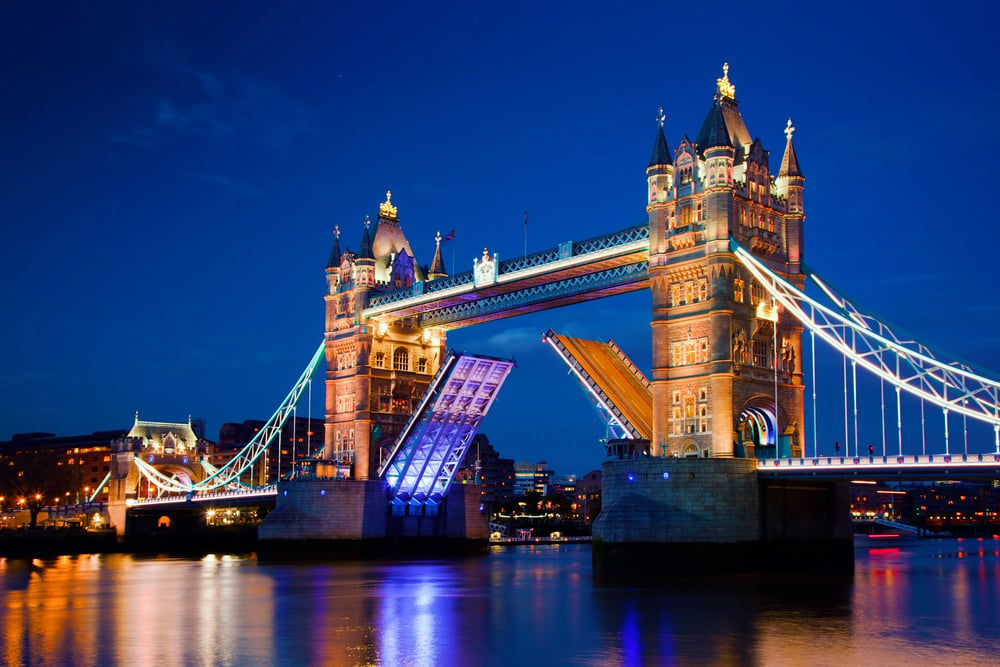
Tower Bridge might be the most famous moving bridge in the world. The two towers and suspended walkways make it instantly recognizable, but the real engineering sits in the bascule system that lifts the roadway.
Bascule bridges work like seesaws. The visible part of the road lifts up, while a counterweight hidden in the tower drops down.
When the weight balances properly, relatively small motors can raise the massive bridge deck. Tower Bridge has two leaves that lift independently, each weighing about 1,200 tons.
The bridge opened in 1894 using steam power. Engineers converted it to electricity in 1976.
The bridge still lifts regularly for large vessels heading up or down the Thames. You can visit the engine rooms to see the machinery that makes it work.
Gateshead Millennium Bridge, England
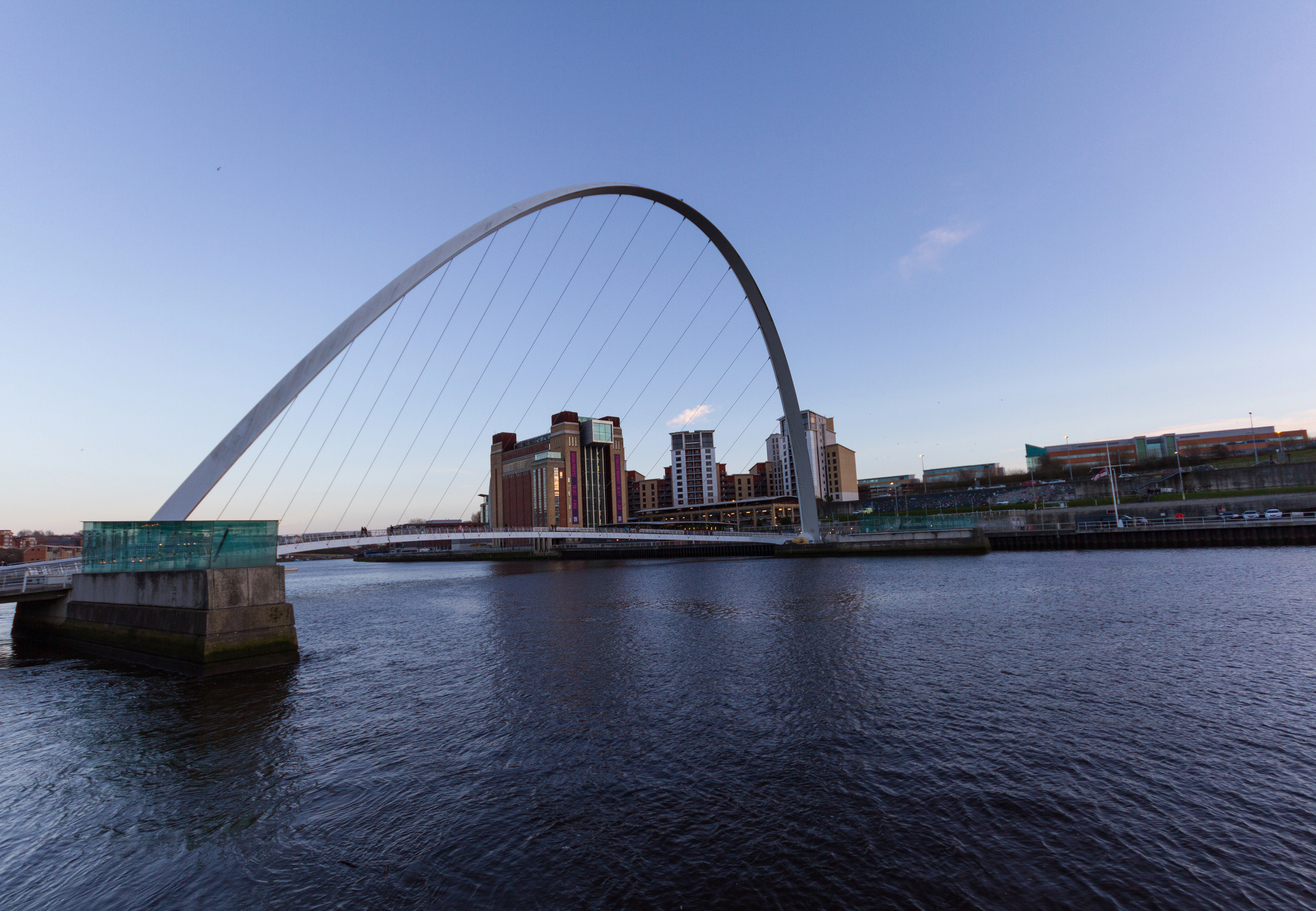
The Gateshead Millennium Bridge tilts. The entire structure rotates on pivots at each end, with the curved arch and deck moving together like a blinking eye.
When the bridge needs to let boats pass, hydraulic rams push the deck upward while pulling the arch downward. The whole bridge rotates about 40 degrees.
The movement takes about four minutes. The two arches counterbalance each other, making the rotation remarkably energy-efficient.
The design won awards for its elegance and efficiency. Pedestrians and cyclists use the bridge daily, and the tilting mechanism has become a tourist attraction.
The bridge connects Newcastle and Gateshead across the River Tyne.
Slauerhoffbrug, Netherlands
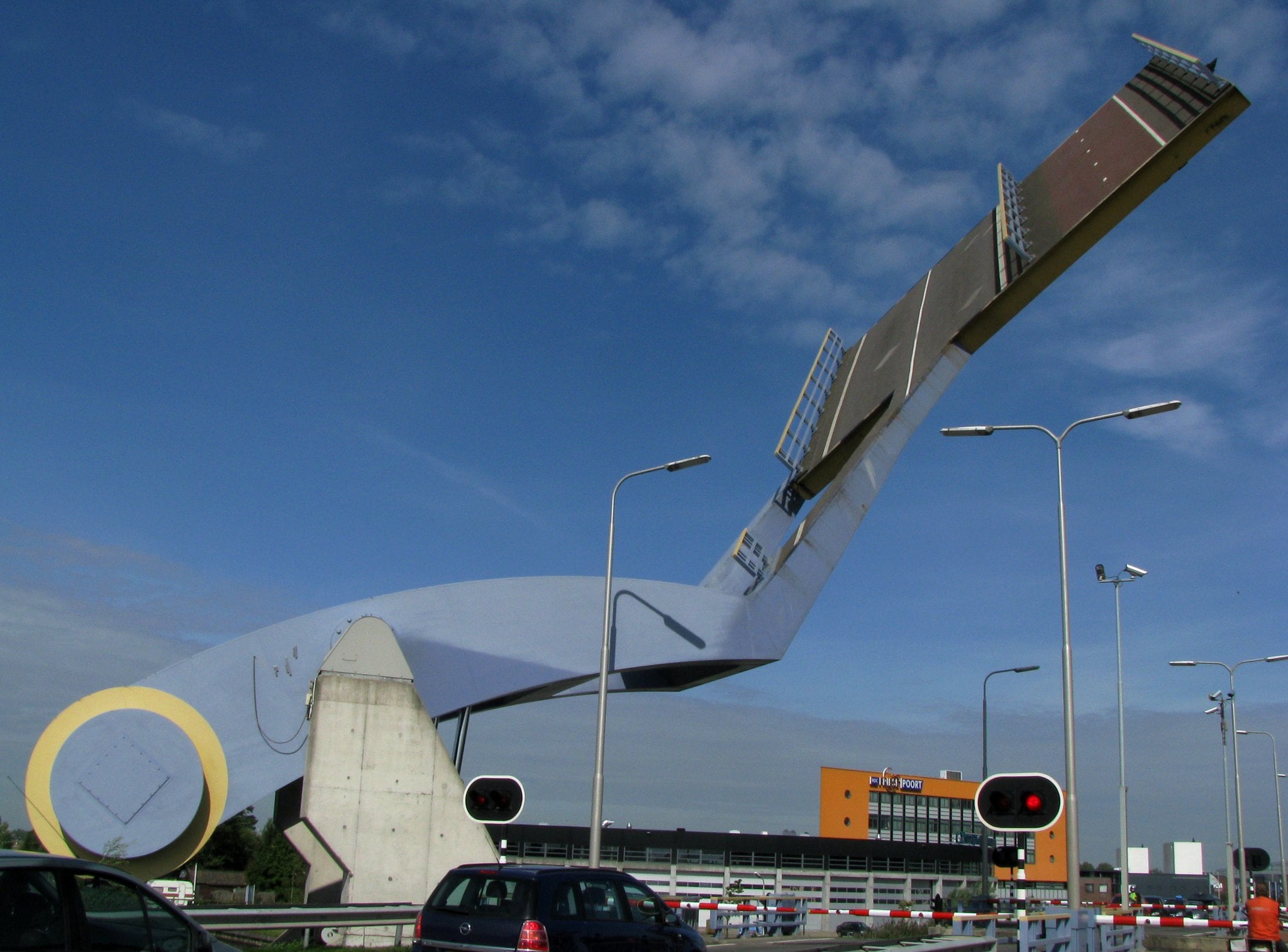
The Slauerhoffbrug looks like a mechanical arm lifting a deck section straight into the air. The bridge in Leeuwarden uses what engineers call a tail bridge design.
A large counterweight arm extends backward as the front section lifts. The deck rises about 15 meters in less than a minute.
The fast operation matters here because the canal sees frequent boat traffic and the road stays busy with vehicles.
The bridge opened in 2000 and has become a symbol of Dutch engineering ingenuity. The yellow towers and red deck make it visually striking.
The mechanism operates automatically when boats approach, detected by sensors in the canal.
Rolling Bridge, London
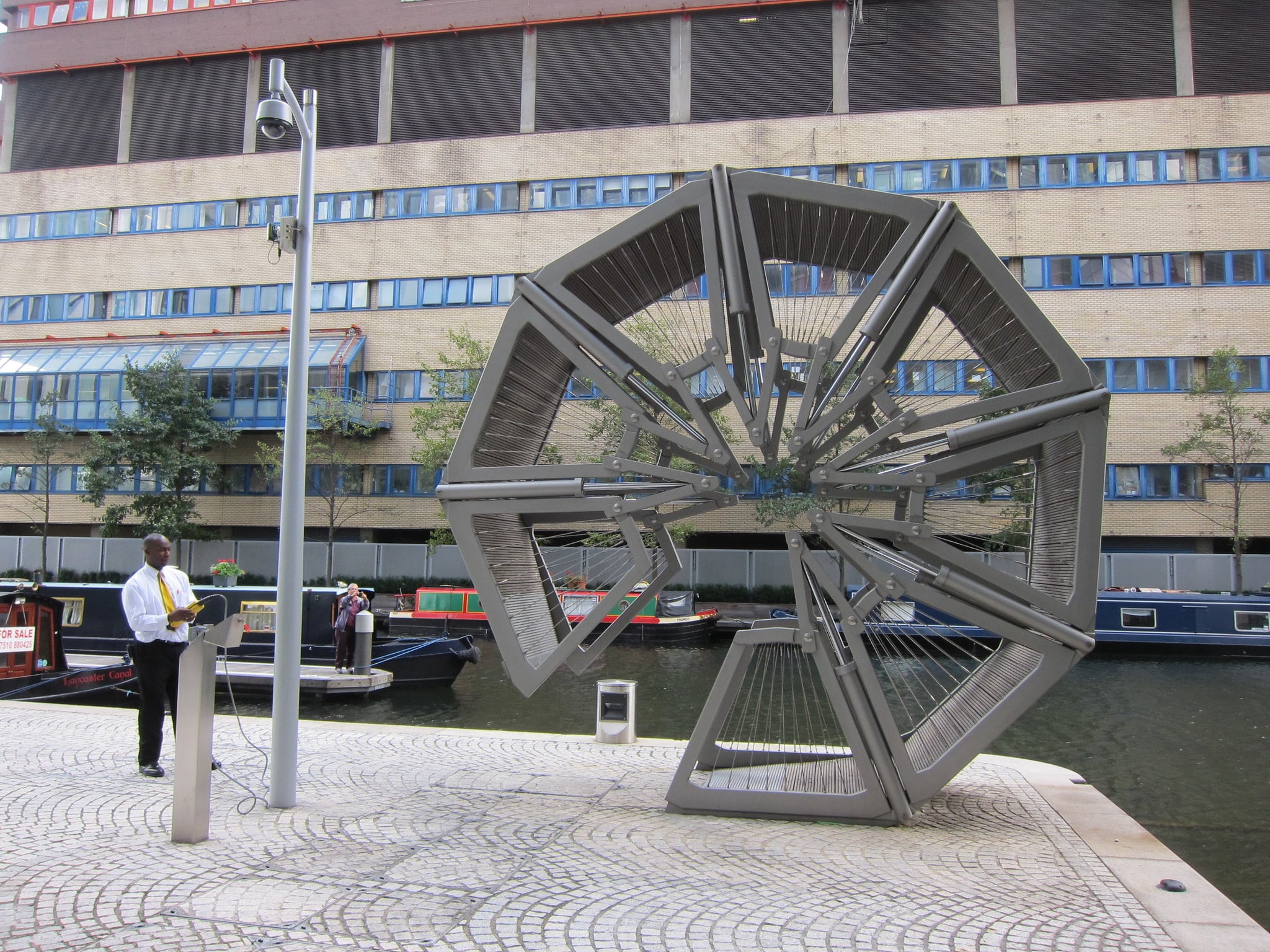
The Rolling Bridge in Paddington Basin curls up into an octagon. Designed by artist Thomas Heatherwick, this small footbridge demonstrates an entirely different approach to the moving bridge problem.
Hydraulic pistons in the handrails activate to curl the bridge sections. Each section lifts slightly as it folds, and the entire structure ends up as a compact circular shape on one bank.
The transformation takes about two minutes.
The bridge only opens during scheduled demonstrations now, but it proved that bridges could move in sculptural ways. The design influenced later projects around the world.
Pont Jacques Chaban-Delmas, France
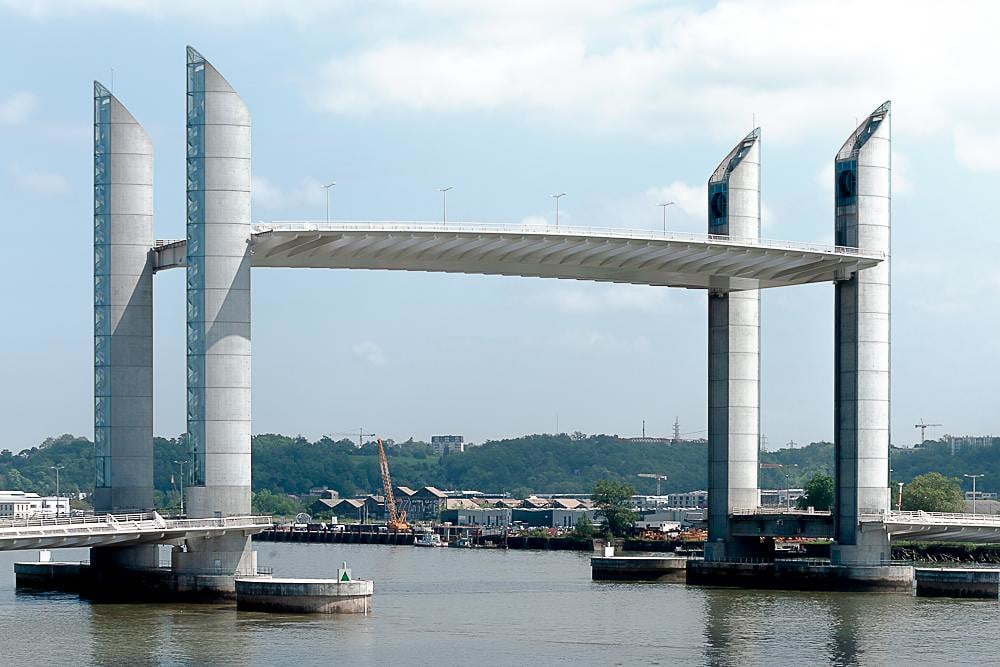
This vertical lift bridge in Bordeaux raises its center section straight up between four towers. The lifting span weighs 2,600 tons and can rise 53 meters above the water.
Vertical lift bridges keep the roadway horizontal as it moves. Cables attached to the deck run over sheaves at the top of the towers, connected to counterweights.
The balanced system means the motors only need to overcome friction and wind resistance.
The bridge opened in 2013 and serves as a major crossing point for traffic. The lift mechanism allows cruise ships and tall-masted vessels to reach the inner port.
The bridge typically lifts several dozen times per year.
Puente de la Mujer, Argentina
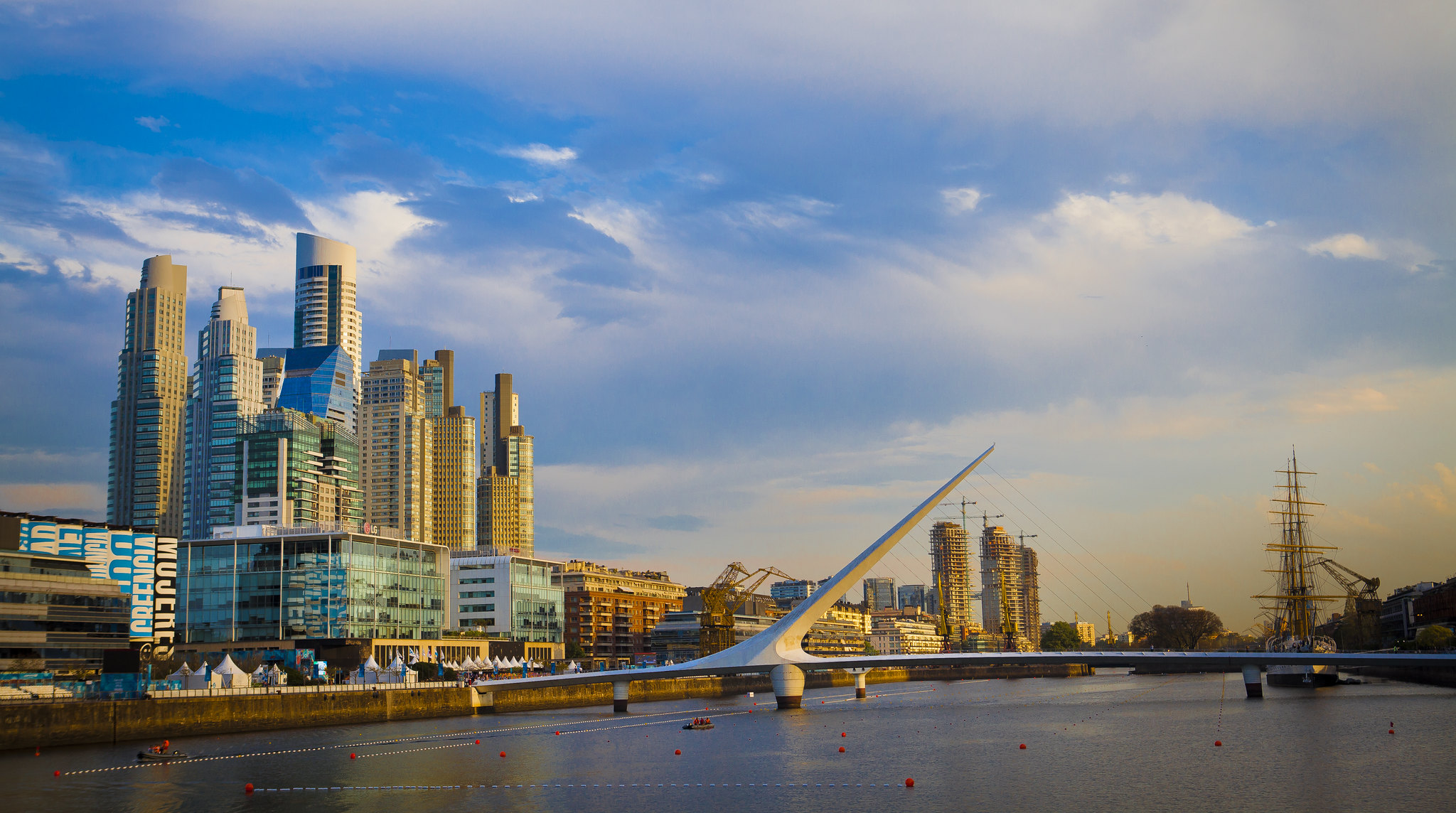
The Puente de la Mujer in Buenos Aires rotates on a central pier. The white structure designed by Santiago Calatrava swings 90 degrees to create a passage for boats in Puerto Madero.
The bridge operates as a swing span. A single pylon leans at an angle, supporting the deck with steel cables.
When boats need to pass, the entire structure pivots on its base. The rotation takes about two minutes.
The asymmetric design makes the bridge recognizable. One end extends far beyond the pivot point, requiring a heavy counterweight in the opposite direction.
The bridge primarily serves pedestrians crossing the canal.
Erasmusbrug, Netherlands
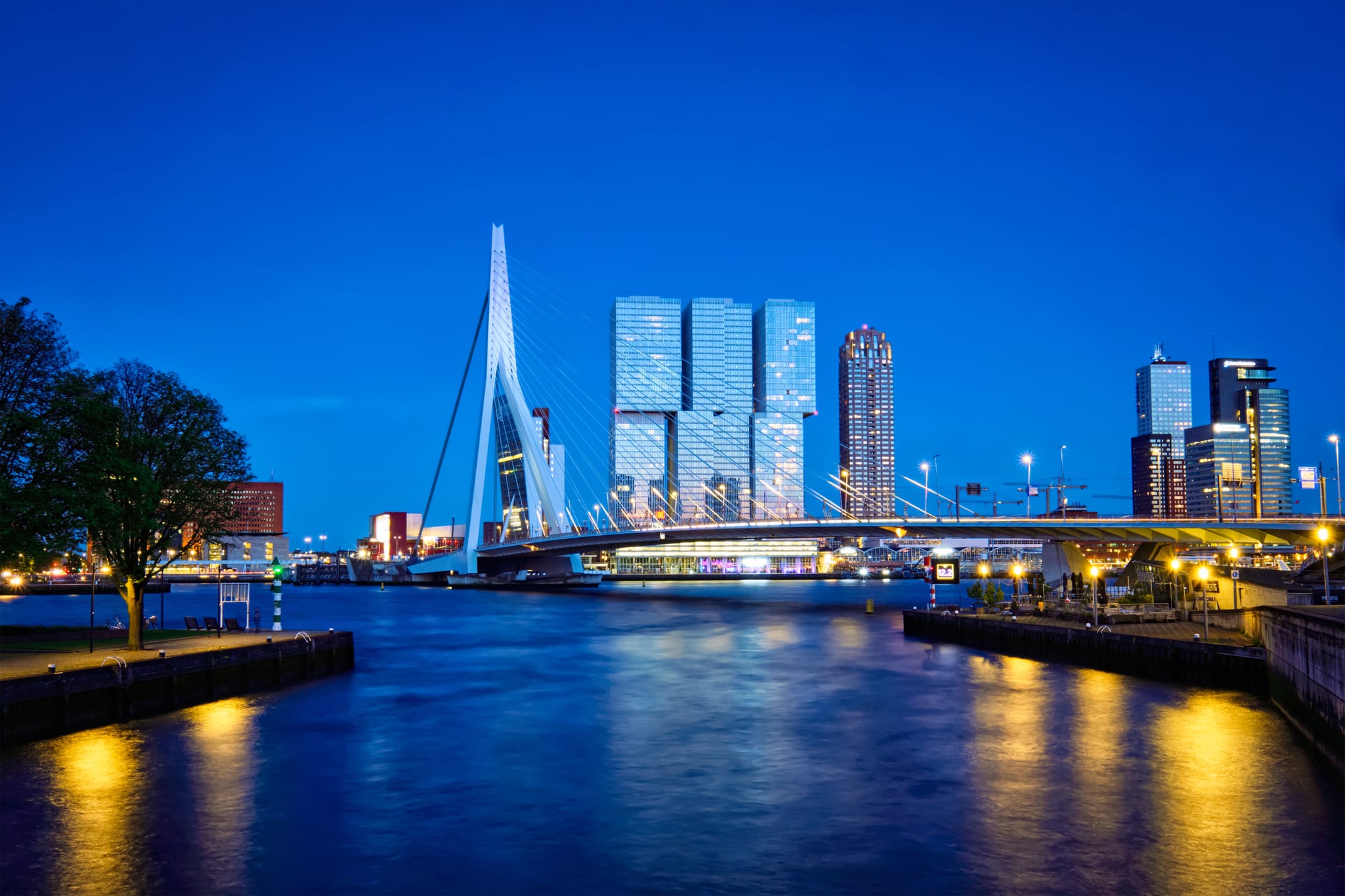
The Erasmus Bridge in Rotterdam has a bascule section near the southern end. The asymmetrical pylon earned it the nickname “The Swan” among locals.
Most of the bridge is a fixed cable-stayed structure spanning the Nieuwe Maas river. But the southern section lifts to allow large ships access to the city’s inner harbor.
The bascule leaf rises at an angle, creating a dramatic sight against the city skyline.
The bridge opened in 1996 and handles significant vehicle and pedestrian traffic. The moving section balances the practical need for ship passage with the architectural desire for a distinctive structure.
Falkirk Wheel, Scotland
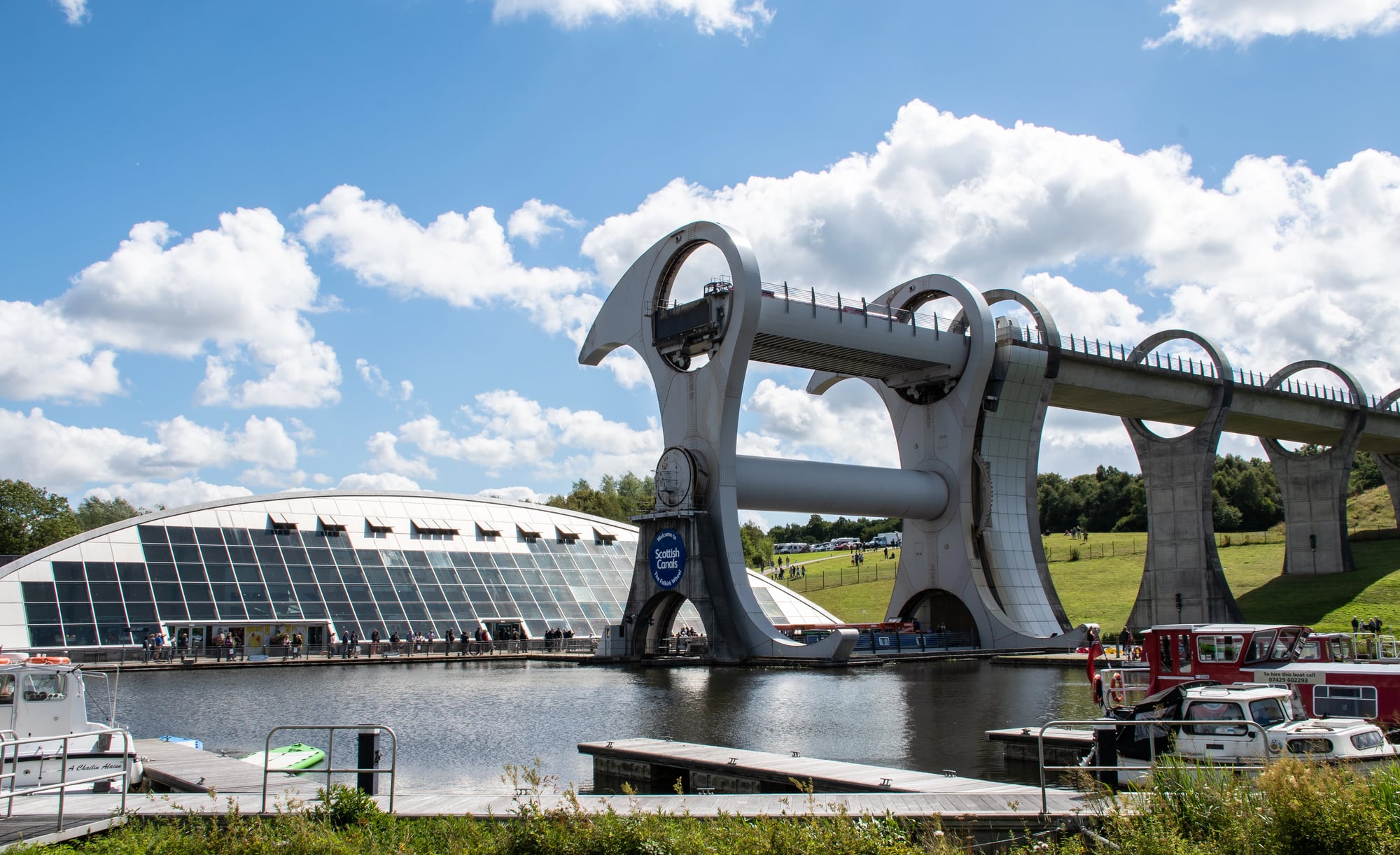
The Falkirk Wheel rotates, but it moves boats instead of people. This rotating boat lift connects two canals at different elevations, replacing a series of locks that once took a full day to navigate.
Two water-filled containers sit opposite each other on a rotating arm. As one container lifts boats up, the other lowers boats down.
The entire rotation takes about 15 minutes. Because water displaced by the boat equals the boat’s weight, both containers always weigh the same, making the rotation remarkably energy-efficient.
The wheel opened in 2002 and reconnected the Forth and Clyde Canal with the Union Canal. It operates as both functional infrastructure and tourist attraction.
Visitors can ride through the rotation in the canal boats.
Pont Levant de la Rue de Crimée, France
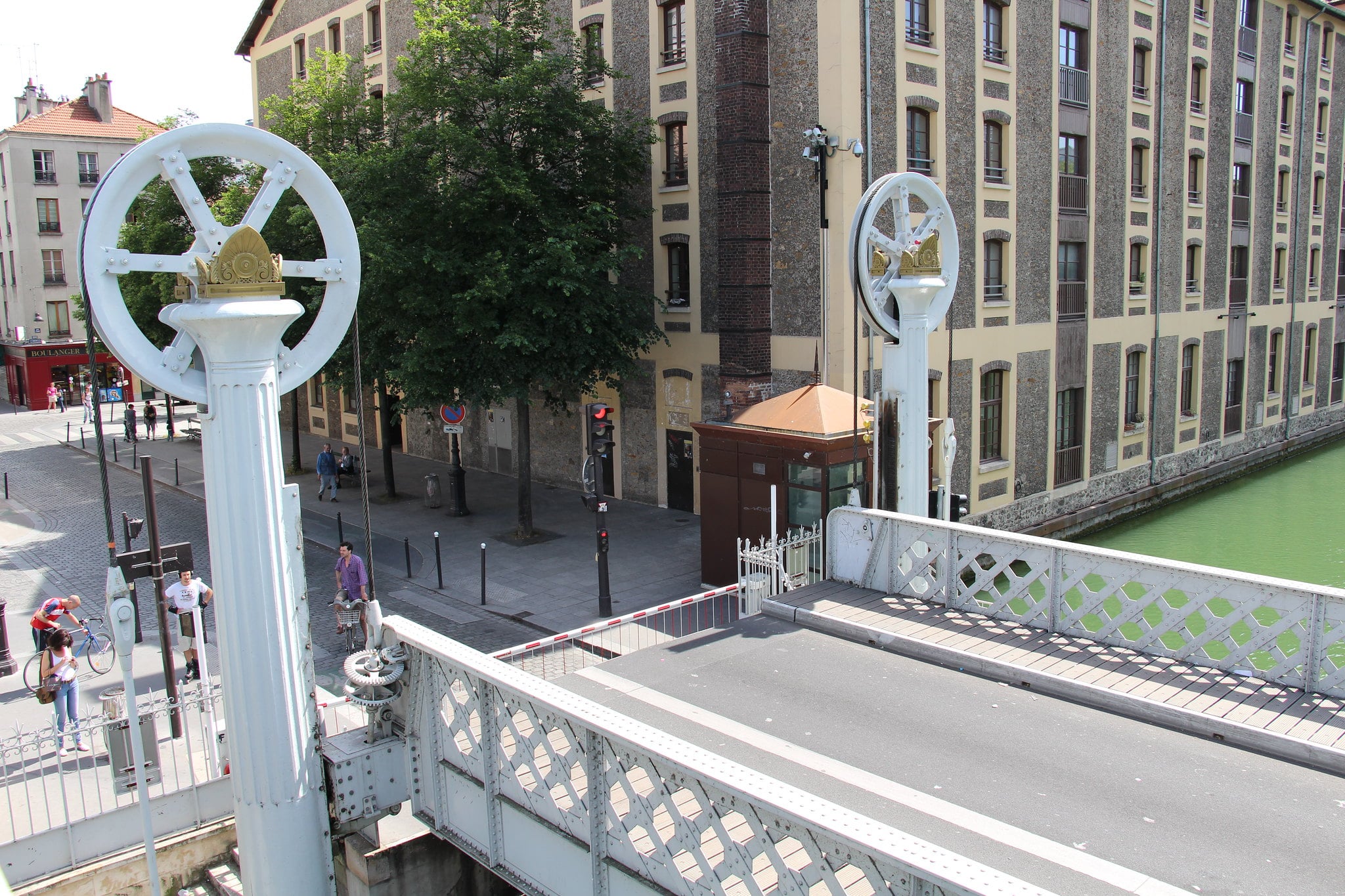
This double-leaf bascule bridge in Paris opened in 1885, making it one of the oldest surviving mechanical bridges in the city. The bridge crosses the Canal de l’Ourcq in the 19th arrondissement.
The two leaves lift toward each other, meeting in the middle when fully raised. The original hydraulic system still operates the bridge.
Each leaf has a small operating cabin where workers once manually controlled the mechanism.
The bridge now lifts infrequently, as boat traffic on this section of canal has declined. But it remains functional and protected as a historic structure.
The industrial aesthetic of the mechanical components stays visible.
Pont de Normandie, France
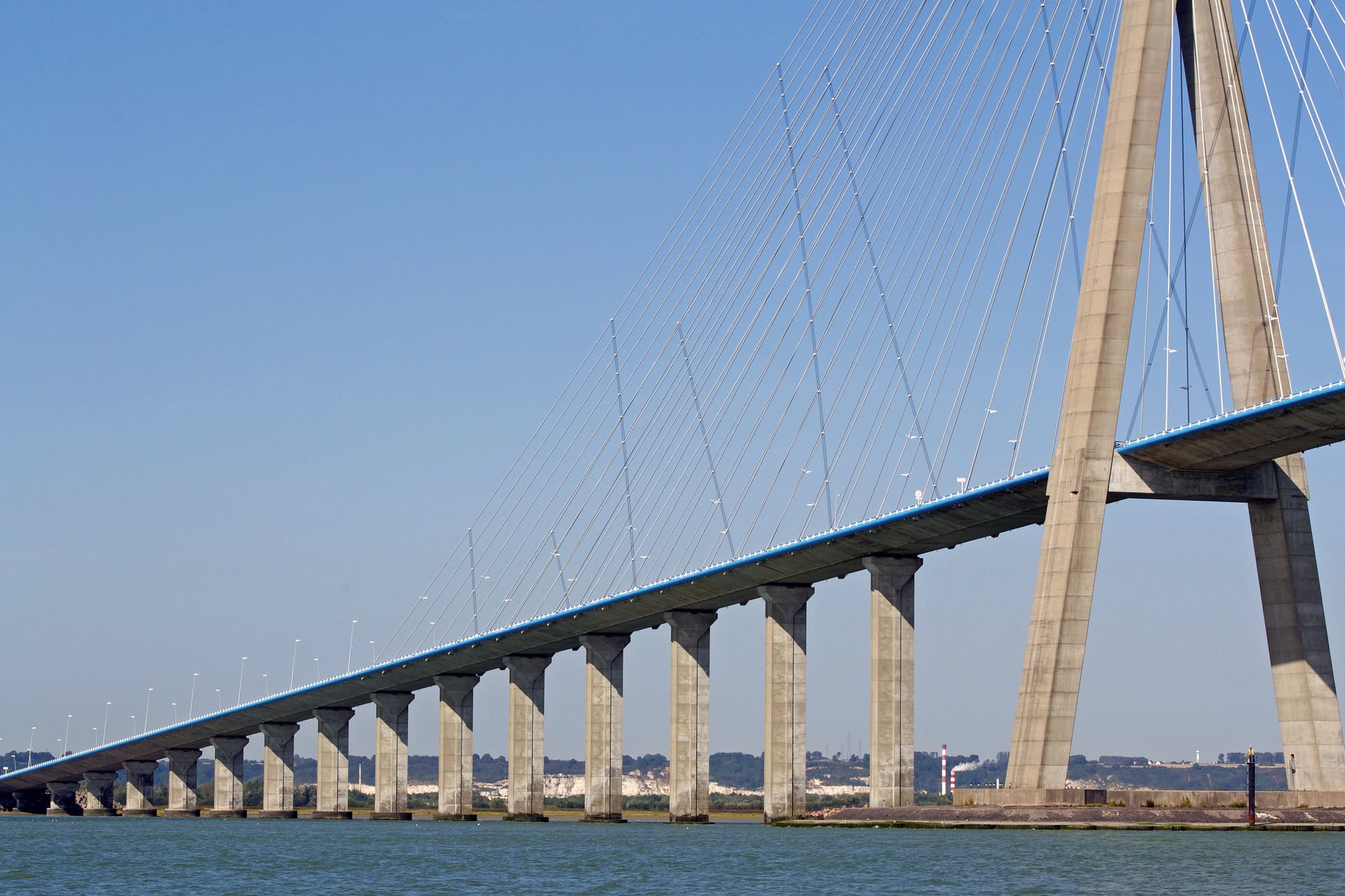
While most of the Pont de Normandie remains fixed, understanding this bridge helps explain why moving bridges exist. This massive cable-stayed bridge spans the Seine estuary with enough clearance that ships pass underneath without the bridge needing to move.
The clearance reaches 52 meters above the water. Building a fixed bridge this high costs more initially but eliminates the need for mechanical systems, maintenance of moving parts, and traffic disruptions during bridge openings.
Engineers choose moving bridges when building high enough for clearance becomes impractical or too expensive. In busy urban areas with limited approach distances, a moving bridge often makes more sense than a high fixed span.
The Øresund Bridge, Denmark and Sweden
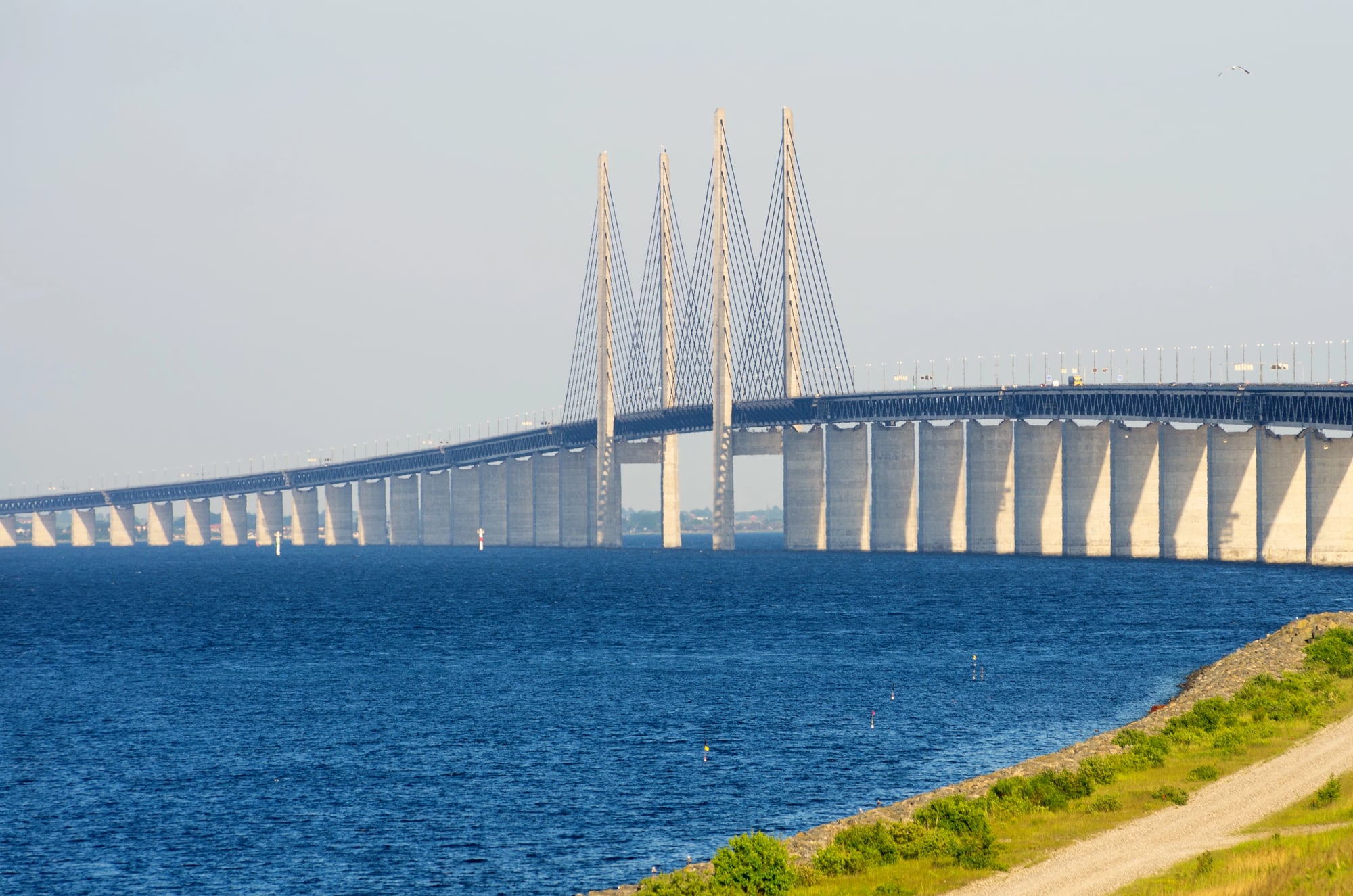
The Øresund Bridge connecting Denmark and Sweden takes a different approach. Instead of moving, the bridge transitions into a tunnel.
The bridge section provides clearance for most vessels, while the tunnel allows the largest ships to pass above without restriction.
This hybrid design eliminated the need for any moving sections along the eight-kilometer crossing. The artificial island in the middle marks the transition point.
Vehicles drive through the tunnel under the shipping channel, then emerge onto the bridge for the rest of the crossing.
The solution costs more than a simple moving bridge but handles much higher traffic volumes without interruptions. The bridge opened in 2000 and carries both rail and vehicle traffic.
Where Function Meets Motion
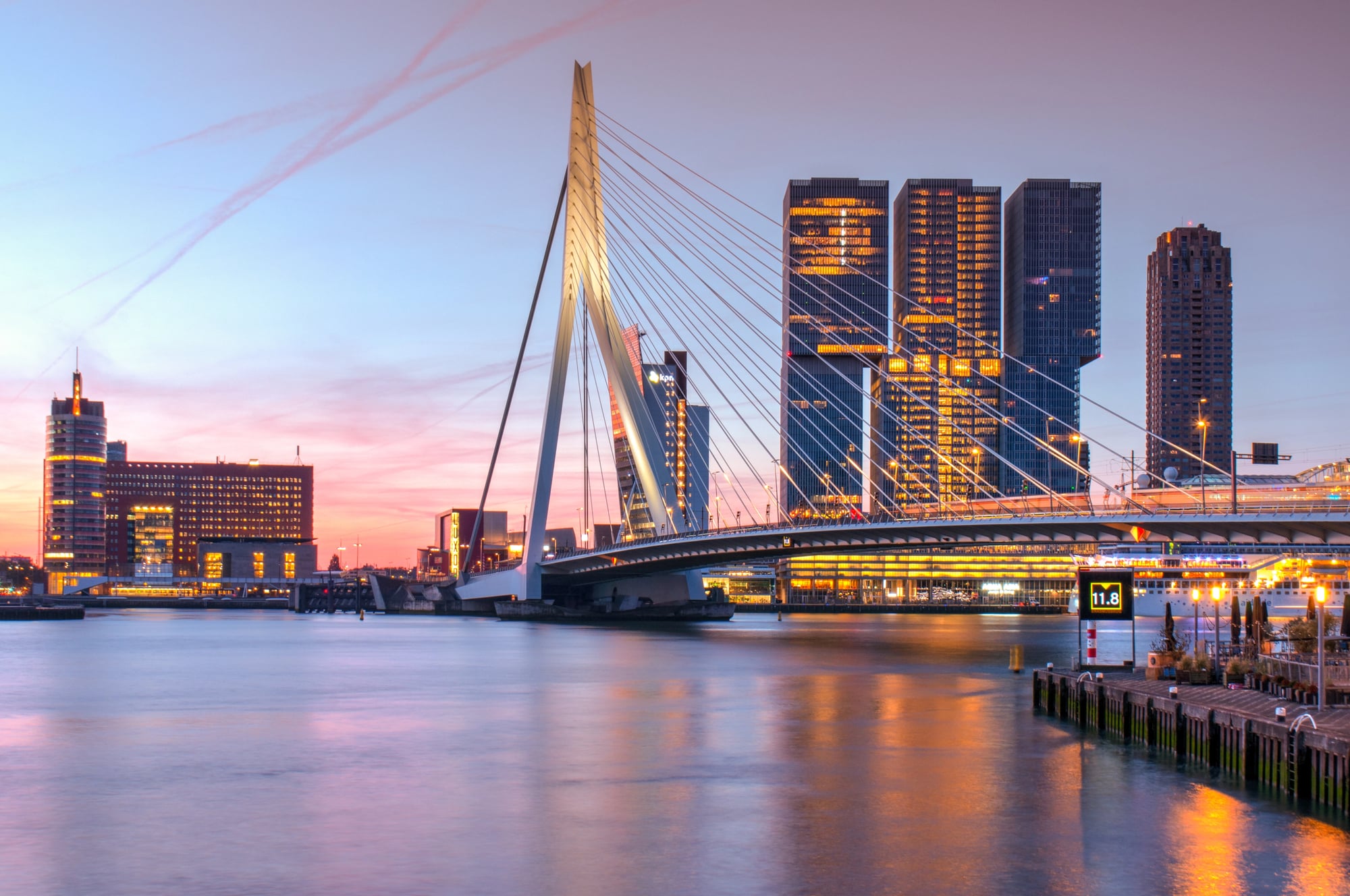
Moving bridges pop up where need meets imagination. Any town with waterways deals with one core problem: how to get across without cutting off boats?
It all hinges on how many ships move through, how many people or cars pass over, yet also what the local budget can handle when building and upkeep kick in.
Some towns went for basic fixes. Yet a few spotted a chance to build something that sticks in your mind.
Top floating bridges run so smoothly, you hardly notice they’re fixing real issues. Instead, they blend into city life – shifting up, down, or around whenever necessary, every single day, linking both shores together.
More from Go2Tutors!

- The Romanov Crown Jewels and Their Tragic Fate
- 13 Historical Mysteries That Science Still Can’t Solve
- Famous Hoaxes That Fooled the World for Years
- 15 Child Stars with Tragic Adult Lives
- 16 Famous Jewelry Pieces in History
Like Go2Tutors’s content? Follow us on MSN.