Palindromes that are funny
Words that read the same forwards and backwards seem like a simple trick. But when someone turns that trick into a full sentence, something magical happens. The effort required to craft these mirror phrases often results in absurd scenarios, strange characters, and situations that make no sense outside the palindrome’s internal logic.
A man, a plan, a canal: Panama

This one stands as the grandfather of funny palindromes. Someone decided that the best way to describe the construction of the Panama Canal was through a sentence that worked in both directions. The image of a lone man with nothing but a plan tackling one of history’s greatest engineering feats captures both ambition and delusion. The simplicity makes it funnier—no mention of workers, equipment, or decades of labor. Just a man and his plan.
Madam, I’m Adam

Picture the first conversation in human history. Adam apparently decided to introduce himself with perfect symmetry. The formality of “Madam” combined with the casual contraction “I’m” creates a weird mix of courtly manners and modern speech. You can almost see Eve rolling her eyes at this pickup line that works forwards and backwards. The fact that it became one of the most famous palindromes suggests Adam’s opener worked better than expected.
Was it a car or a cat I saw?
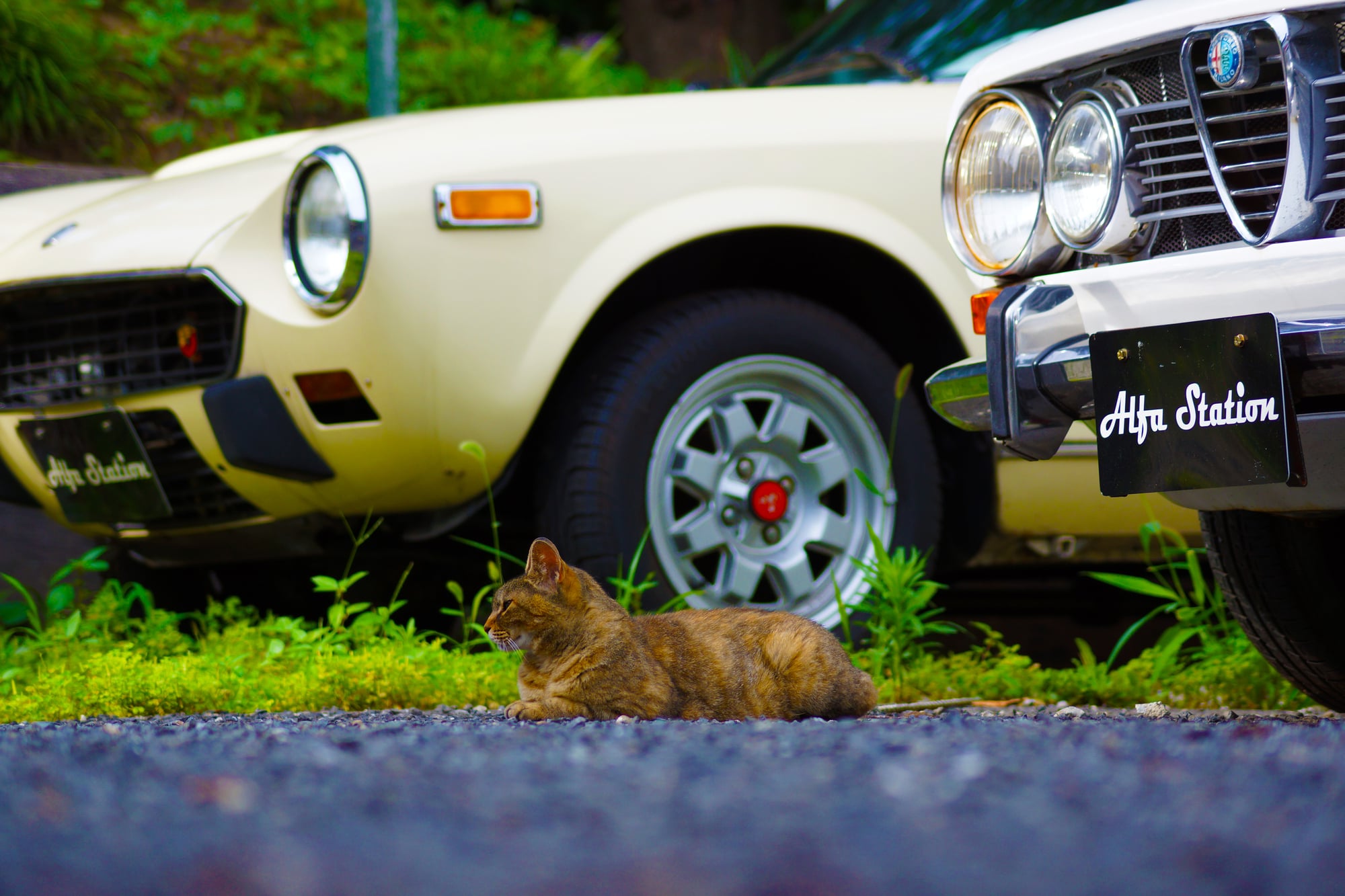
This palindrome captures pure confusion. Someone saw something moving quickly, and their brain short-circuited between two wildly different options. The scenario gets funnier when you consider the circumstances that would make these two things interchangeable. How fast was the cat moving? How small was the car? The speaker’s uncertainty makes them sound either very tired or in need of glasses.
Go hang a salami, I’m a lasagna hog
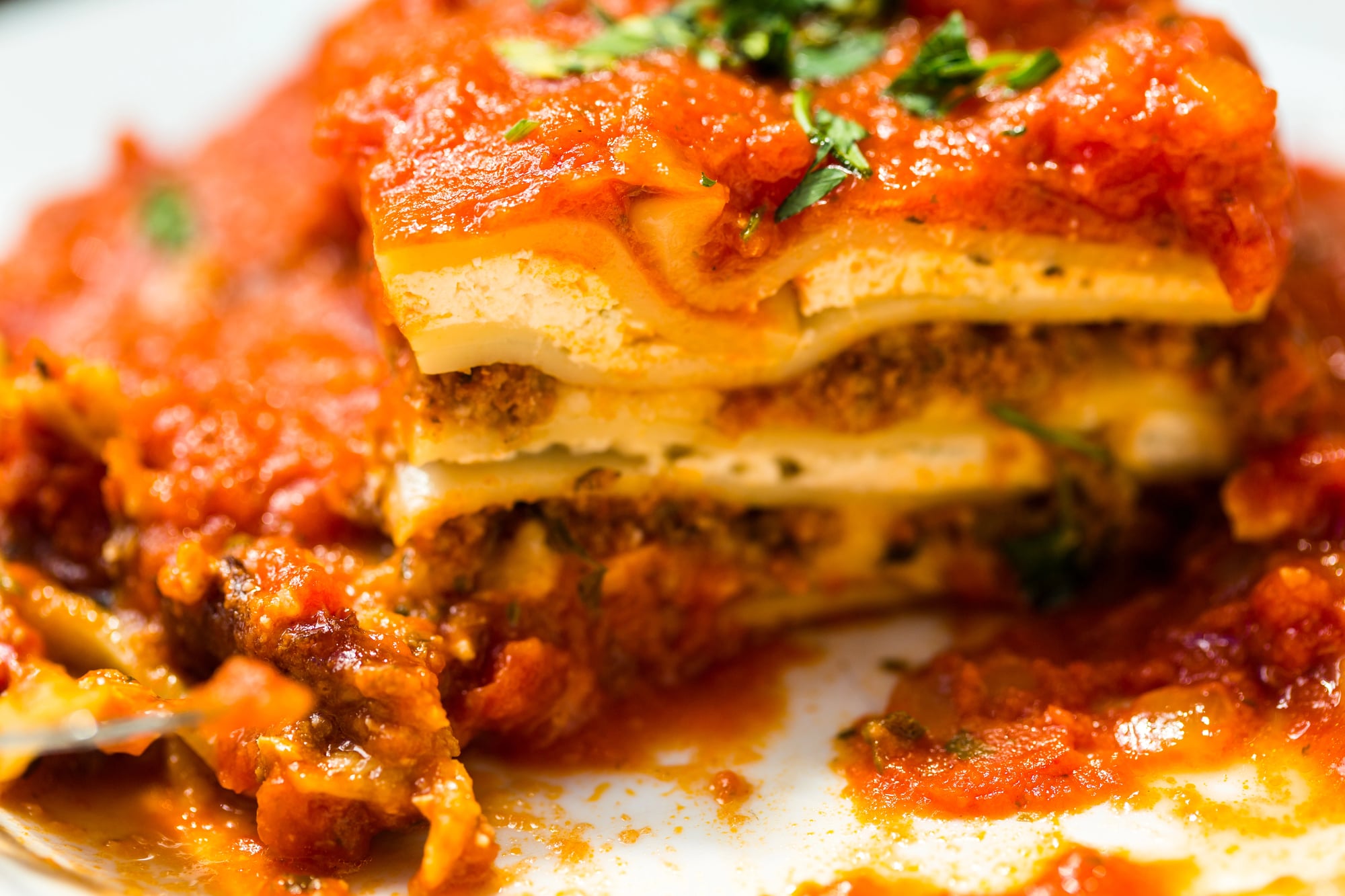
Food palindromes hit differently. This one creates a complete personality—someone so obsessed with lasagna that they’ve built their identity around it. The aggressive opening command to “go hang a salami” suggests impatience with anyone who offers alternative Italian meats. The declaration of being a “lasagna hog” comes with pride, not shame. This person has made their choice and owns it completely.
The image of hanging salami adds to the absurdity. Where are you hanging it? Why? The palindrome doesn’t care about these logistics.
A Santa at NASA
Someone at the space agency hired Santa Claus. The mental image of that red suit floating around the International Space Station, or Santa reviewing rocket designs, feels both wrong and delightful. You start wondering about the logistics—does his sleigh count as an experimental spacecraft? Did he pass the physical? The palindrome suggests this happened casually, like any other NASA employee showing up to work.
Borrow or rob?
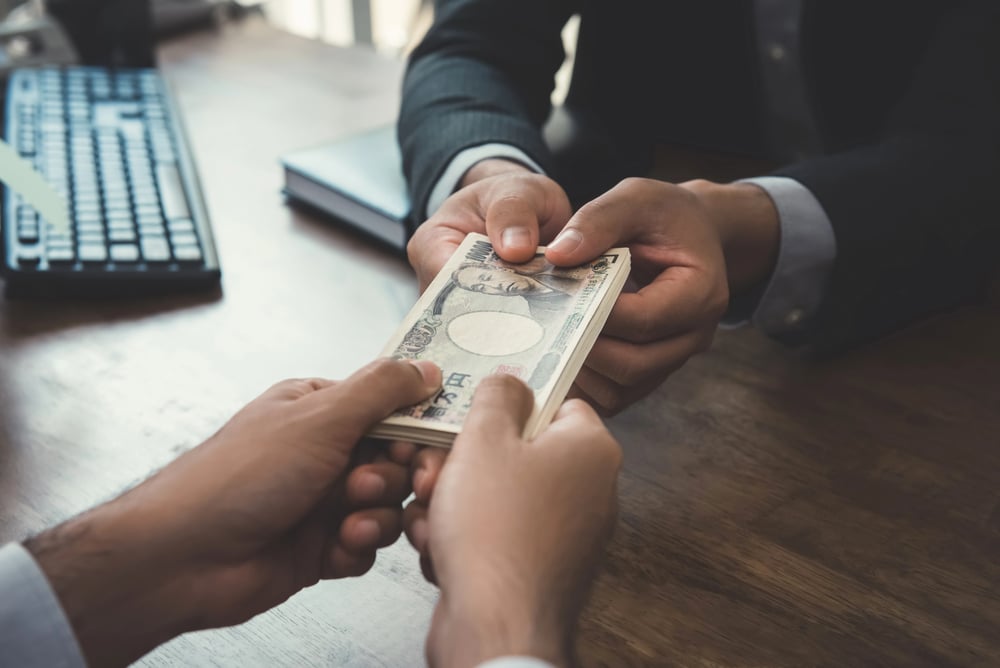
This short palindrome presents a philosophical question with criminal implications. The speaker seems genuinely uncertain about which approach to take for acquiring something. The fact that borrowing and robbing appear as equally valid options reveals either a very flexible moral compass or a complete misunderstanding of social norms. The casual tone makes it funnier—like they’re deciding between coffee and tea, not legal and illegal activities.
Do geese see God?
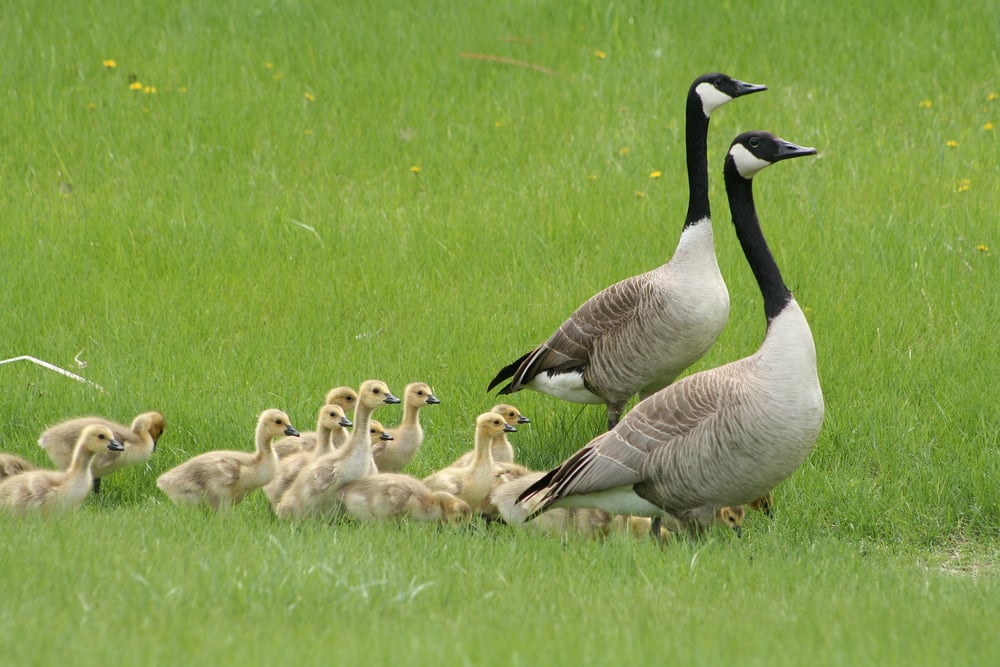
This palindrome enters existential territory with surprising grace. Geese, known mostly for aggression and honking at picnickers, suddenly become philosophers pondering divine matters. The question assumes geese have both the vision and spiritual capacity to perceive deity. The image of a gaggle of geese having a theological discussion while waddling around a pond hits a sweet spot between absurd and oddly profound.
Never odd or even
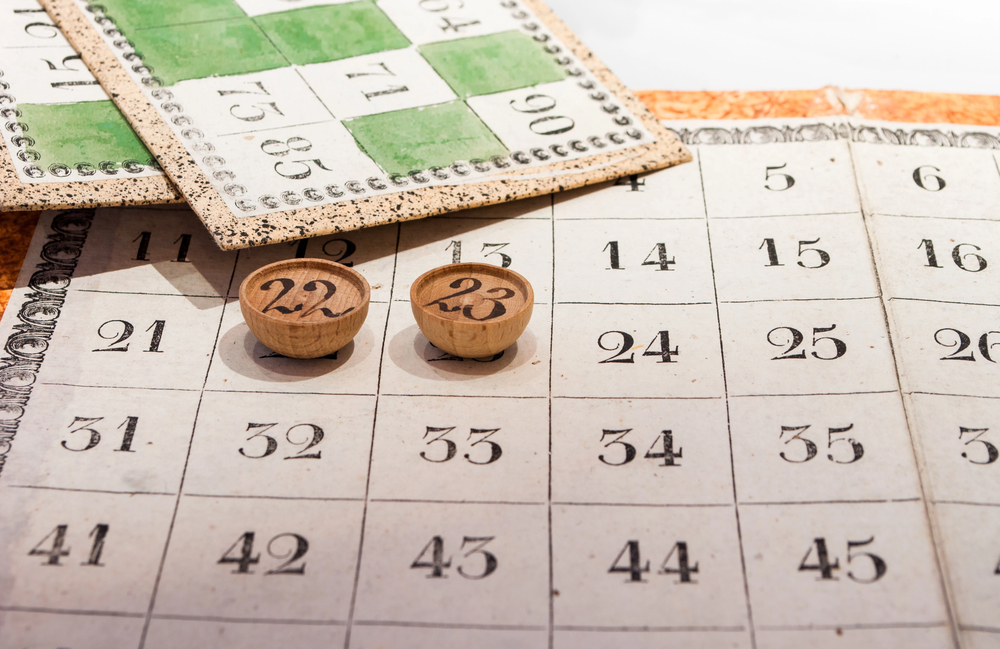
Mathematical palindromes create their own category of humor. This one states an obvious truth about numbers while working as a perfect mirror. The simplicity hides the cleverness—someone noticed that this basic math fact could be expressed symmetrically. It reads like something a nerdy mathematician would mutter while doing calculations, then realize they accidentally created something beautiful.
The statement applies to all integers, which makes it both universally true and uselessly obvious. That combination of profound and pointless defines the best mathematical humor.
Taco cat
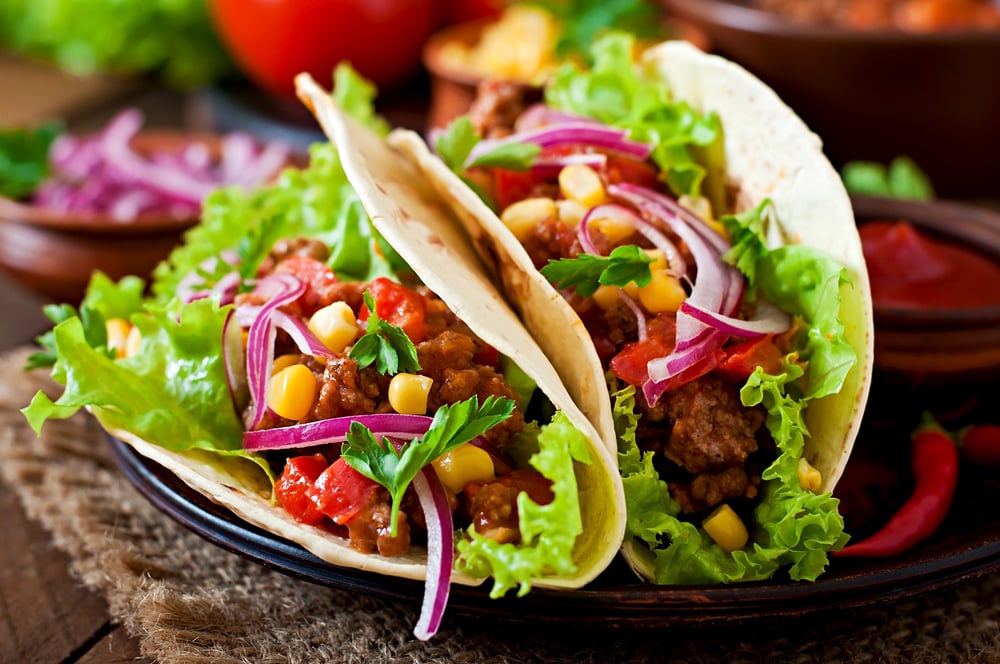
Two words. That’s all this palindrome needs. The internet fell in love with “taco cat” because it combines two beloved things while being perfectly symmetrical. The image it creates—a cat made of tacos, or perhaps a cat that only eats tacos, or maybe a taco in the shape of a cat—remains blissfully unclear. The ambiguity adds to the charm. Everyone interprets “taco cat” differently, but everyone agrees it’s delightful.
Yo, banana boy!
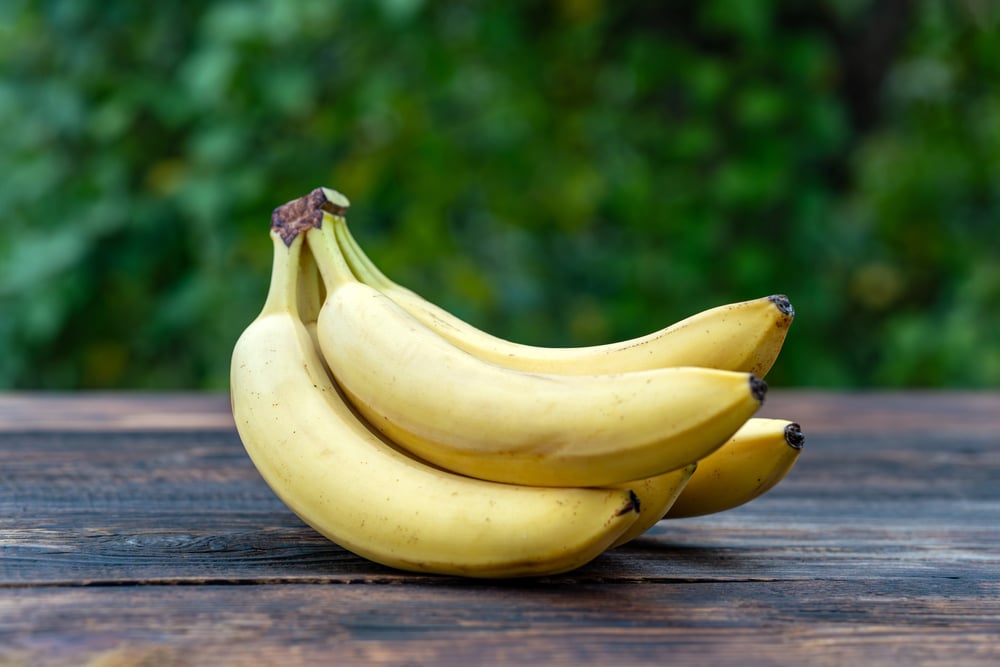
This greeting sounds like something from a cartoon, but in the best way. Someone’s nickname is “banana boy,” and another person just spotted them across the room. The enthusiasm of “Yo!” combined with the oddly specific fruit-based nickname creates instant personality. You start building a backstory—why banana? Is it affectionate or mocking? The palindrome doesn’t care about these questions, but you do.
The rhythm makes it fun to say out loud. Try it. “Yo, banana boy!” It bounces.
Dennis and Edna sinned

This palindrome tells a complete story in four words. Dennis and Edna did something wrong. The biblical weight of “sinned” contrasts with the ordinary names. These aren’t Adam and Eve—they’re Dennis and Edna, probably neighbors or coworkers. The formal verb choice makes whatever they did sound serious, even though the palindrome structure suggests it’s all a bit ridiculous.
You never learn what they did. The mystery makes it funnier.
Race car

The simplest one might be the most satisfying. “Race car” works forwards and backwards without trying. It describes itself while being itself—a palindrome about a fast thing that moves the same speed in both directions through language. Kids discover this one first, usually, and the joy of that discovery stays pure. No weird scenarios, no strange characters. Just perfect symmetry in two words.
Mr. Owl ate my metal worm
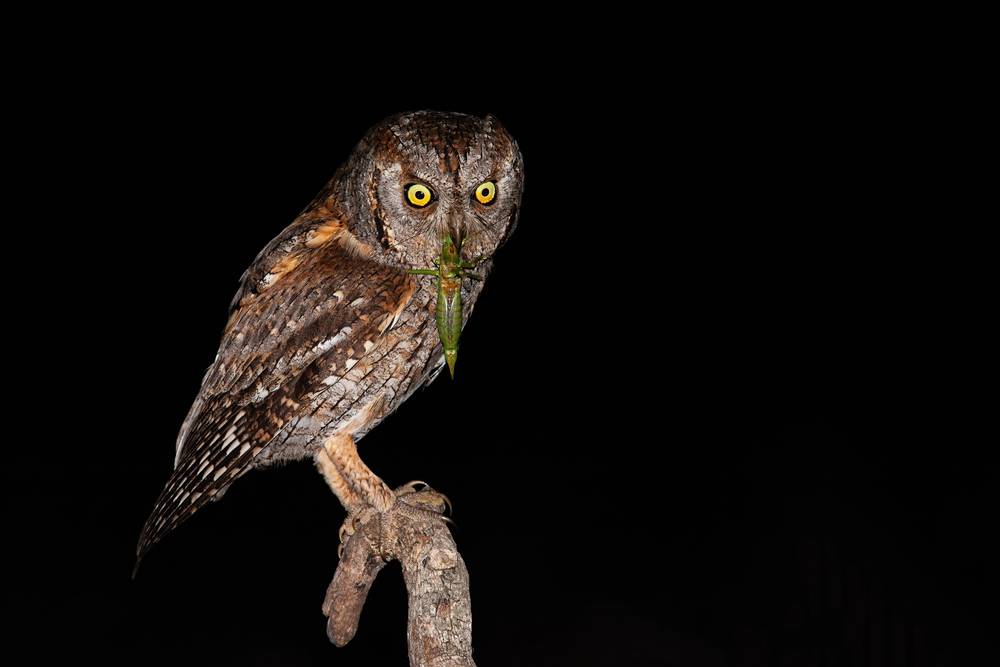
This weird word flips reality into something odder than fiction. The bird wearing honors ate a wire critter from some person’s stash. Each bit here brings confusion. How’d the creature get knighted? Whose shiny grub was it anyway? Why’d an owl gobble up metal? The phrase “my metal worm” hints the person felt attached to it – making things worse when eaten. Still, owls don’t do that. Maybe it’s symbolic. Or maybe it’s about loss in a weird way. Either way, it stings.
The blame is obvious. Because of Mr. Owl, somebody got hurt – so now they’re holding on tight.
When words mess around with their own rules
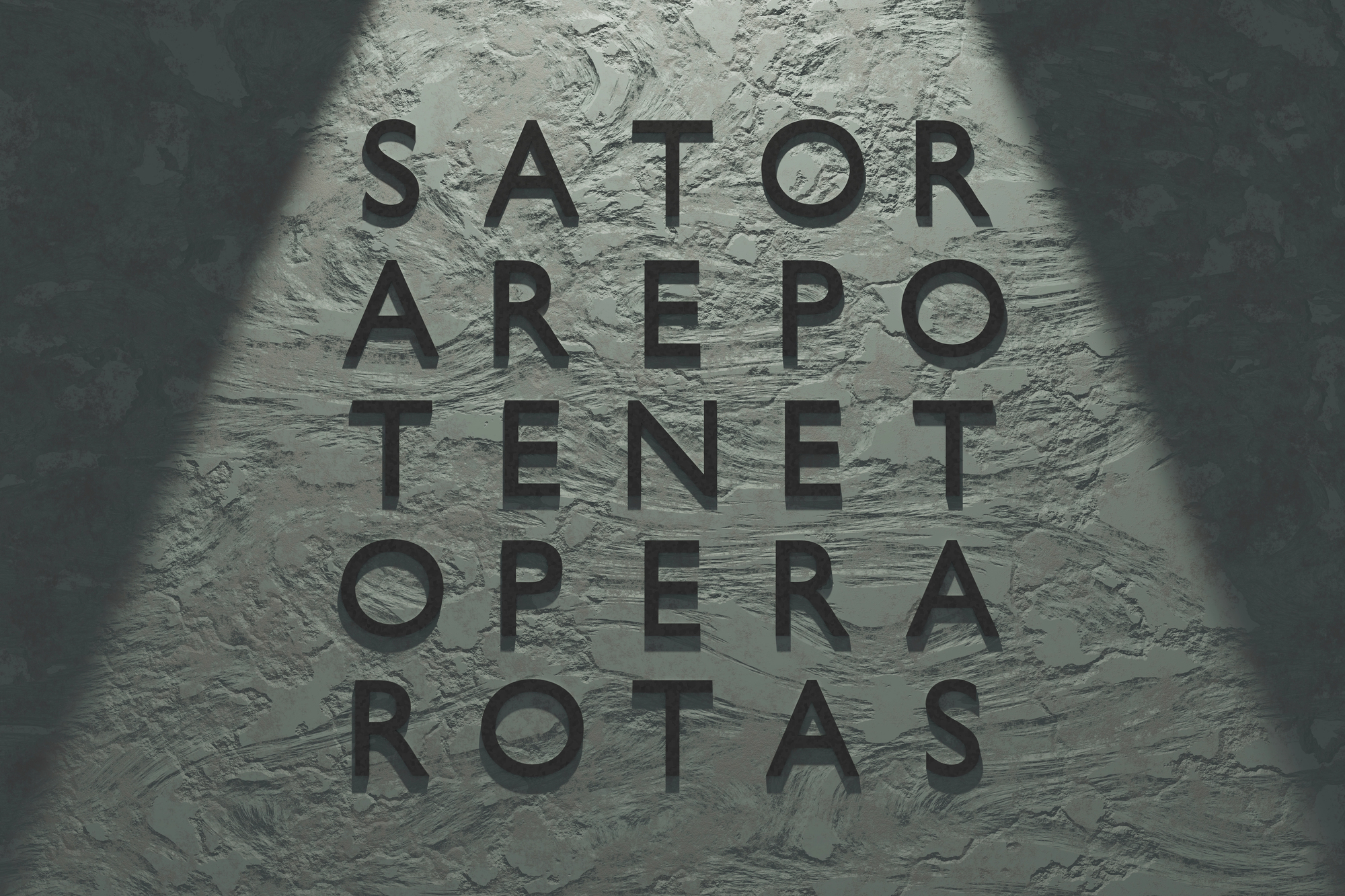
Palindromes that tickle your funny bone pull off a neat trick. Because the words mirror themselves, they twist ideas into shape just to fit the form. Laughter shows up when sense gets shoved into balance – what’s so urgent about building a canal in Panama backward? Or birds musing on faith? The fakeness is the punchline, yet somehow these goofy flips expose quiet truths about how we play with words, chase meanings, and obsess over repeats.
Those lines stay with you – oddly enough – because they make no sense. Odd wordplay turned into mini tales, often packed with personalities, drama, or just plain weirdness. The mix of clever crafting and total nonsense? That’s what makes them hit right.
More from Go2Tutors!

- The Romanov Crown Jewels and Their Tragic Fate
- 13 Historical Mysteries That Science Still Can’t Solve
- Famous Hoaxes That Fooled the World for Years
- 15 Child Stars with Tragic Adult Lives
- 16 Famous Jewelry Pieces in History
Like Go2Tutors’s content? Follow us on MSN.



