Private Islands Owned by Celebs
Owning a home gives you a sense of pride. Then again, having your own island?
That’s on another scale completely. Most folks can only imagine it – something out of a dream or a wild luck moment.
Still, if you’re famous, loaded, and crave solitude, an island isn’t fantasy – it’s just property.
Some got their islands years back, when costs were down. Meanwhile, folks who bought later spent big – tens of millions – to swap nearby houses for stretches of open sea.
Motives differ: one person craves silence and space, another bets on value growing over time, while someone else just enjoys dropping “I own an island” in conversation.
Johnny Depp’s Little Hall’s Pond Cay
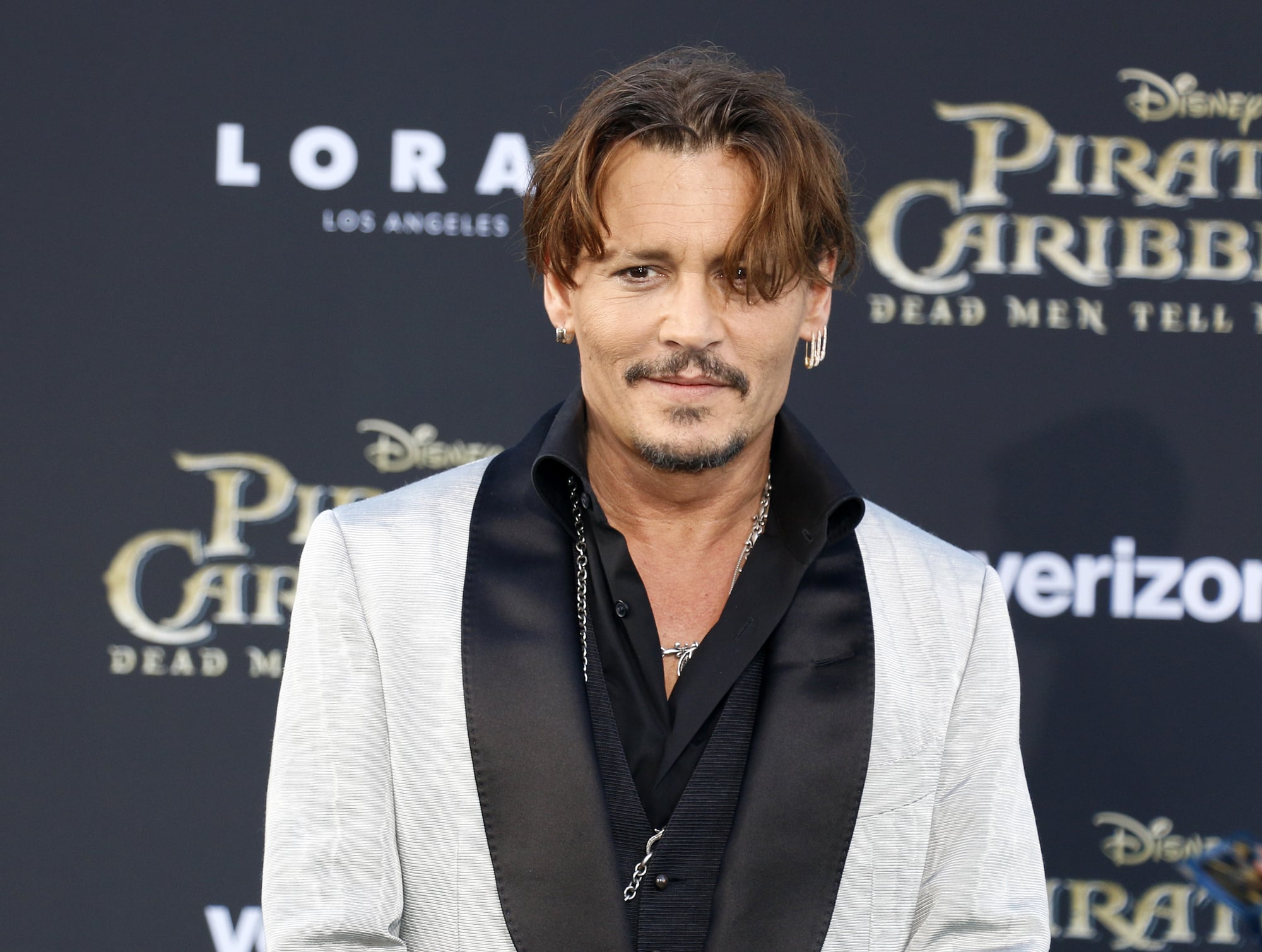
Depp bought this 45-acre island in the Bahamas in 2004 for around 3.6 million dollars. The story goes that he fell in love with the area while filming Pirates of the Caribbean.
The island has six beaches, each named after someone important to him, including his kids. He built several houses on the property, solar panels for power, and reportedly uses it as a retreat from Hollywood.
The island sits in the Exuma chain, known for clear water and relatively easy access from Nassau. Depp has mentioned in interviews that the place helped him decompress during difficult periods in his life.
Tyler Perry’s White Bay Cay
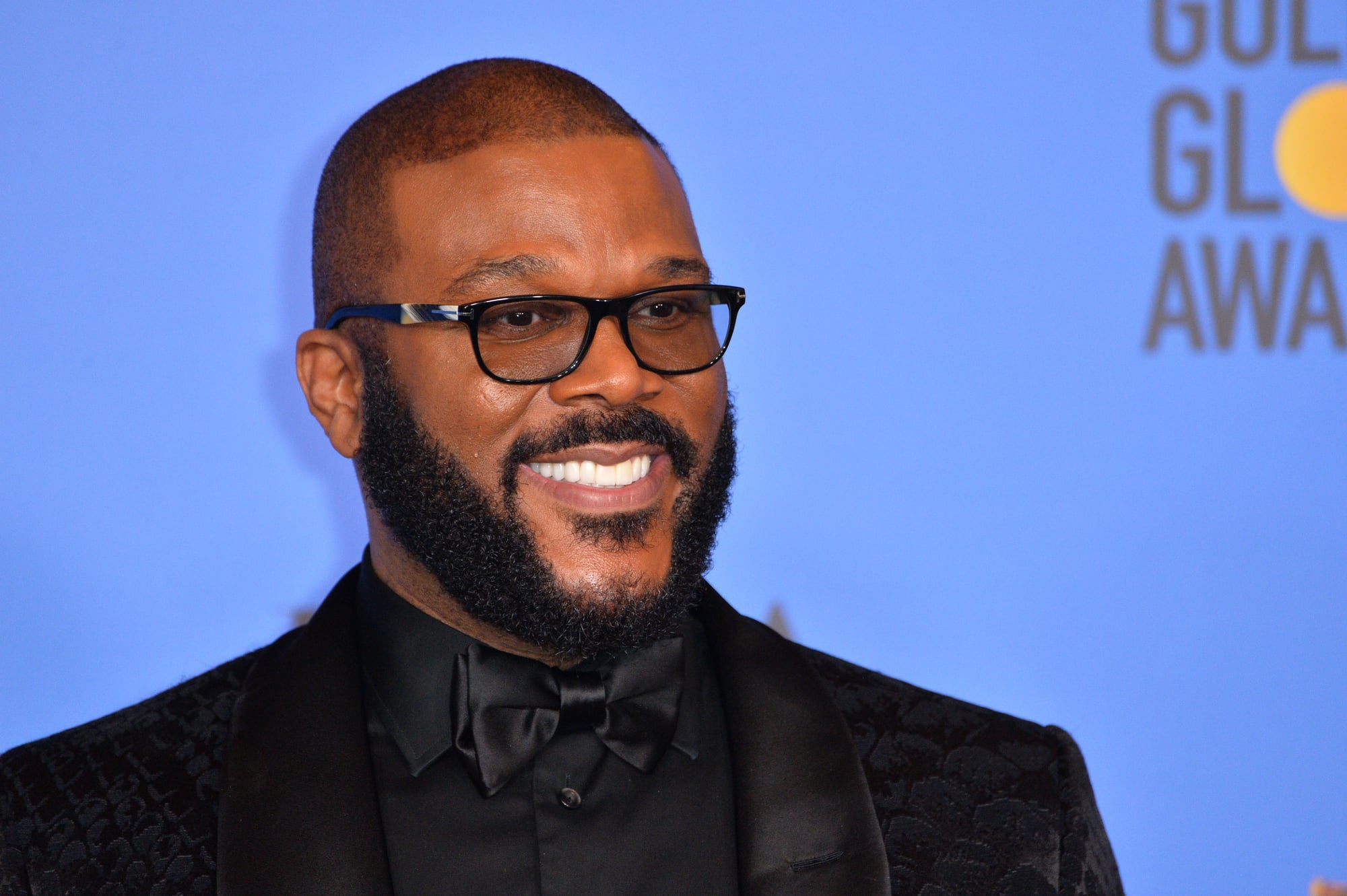
Perry purchased this island in the Bahamas in 2009 for around 6 to 7 million dollars. Located in the Exumas, White Bay Cay spans roughly 20 to 25 acres.
The island was undeveloped when he bought it, and he built a 14,000-square-foot mansion and several guest houses. The island required significant development work.
Perry had to bring in water, electricity, and even palm trees. He took flying lessons so he could pilot his private plane directly to the island.
Perry keeps his private life extremely private, and this island gives him that space.
Leonardo DiCaprio’s Blackadore Caye
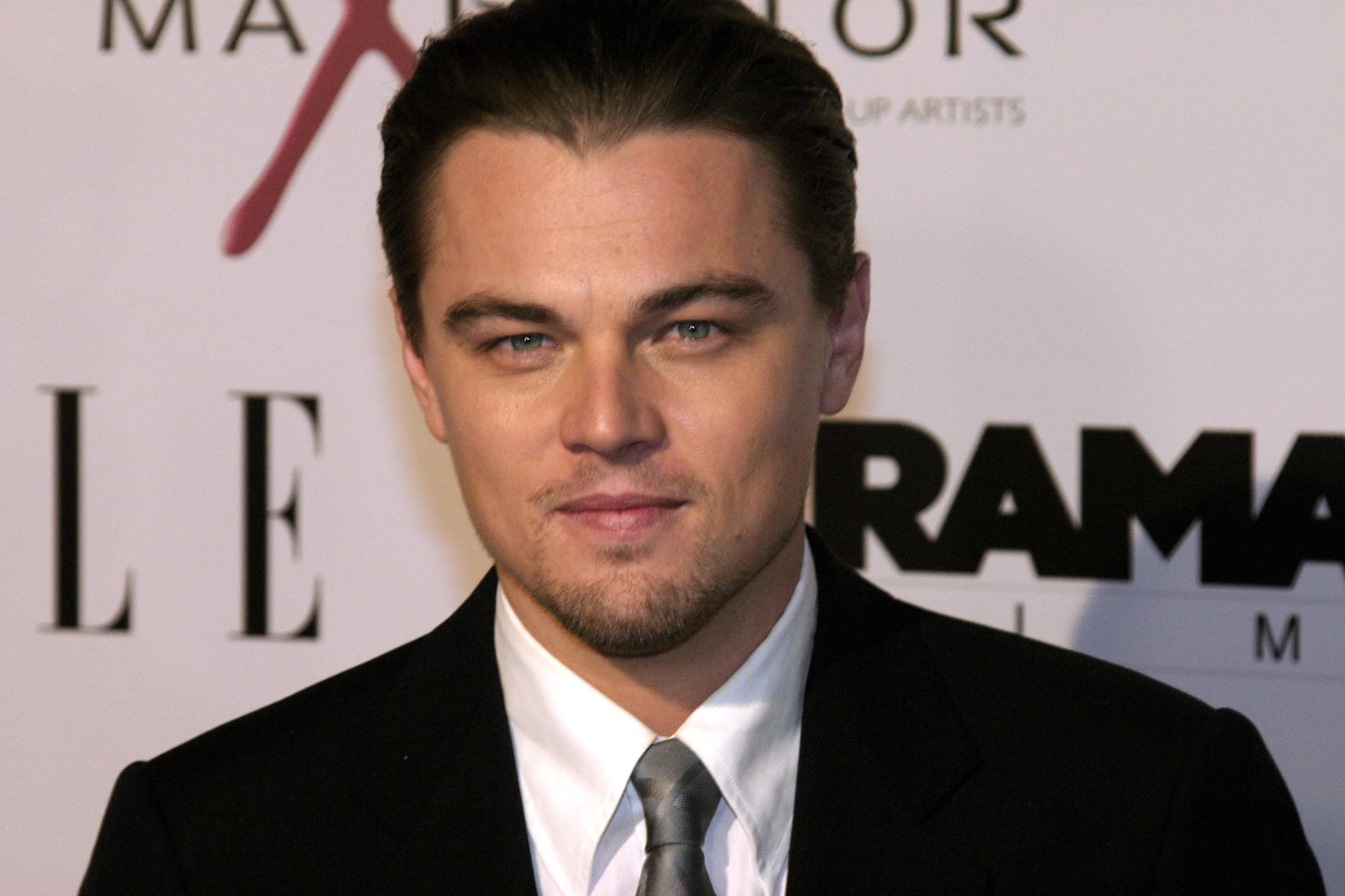
DiCaprio bought this 104-acre island off the coast of Belize in 2005 for 1.75 million dollars. But he didn’t just want a private retreat.
He partnered with a resort development company to create an eco-resort that would restore the island’s damaged ecosystem while operating as a luxury destination. The project faced numerous delays and complications over the years.
The plan involved solar power, water recycling, and artificial reefs to rebuild marine life. Construction has been slow, with opening dates pushed back multiple times.
The vision sounds impressive, but execution has proven challenging.
Richard Branson’s Necker Island
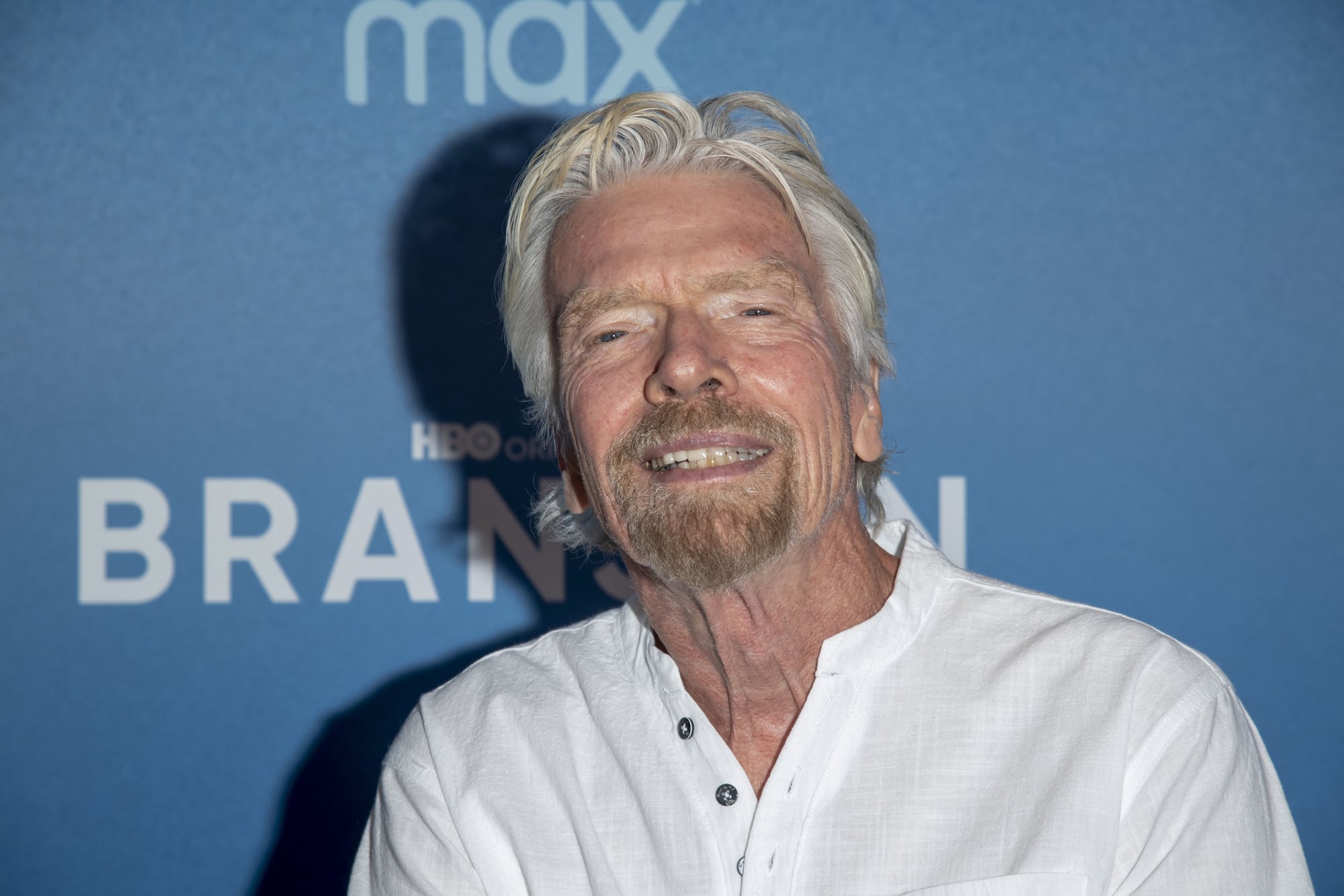
Branson bought Necker Island in the British Virgin Islands in 1978 for 180,000 pounds when he was just 28 years old. The 74-acre island had nothing on it at the time.
He built a resort that he rents out when he’s not using it himself. The island can accommodate up to 40 guests across multiple villas.
Branson has hosted everyone from world leaders to rock stars. A hurricane destroyed much of the property in 2011, but he rebuilt it.
The island became famous partly because Branson talks about it often and shares photos on social media.
Rental rates run around 100,000 dollars per night for the entire island. For that price, you get staff, water sports equipment, and meals prepared by professional chefs.
Branson treats the island as both a personal playground and a business venture.
Celine Dion’s Île Gagnon
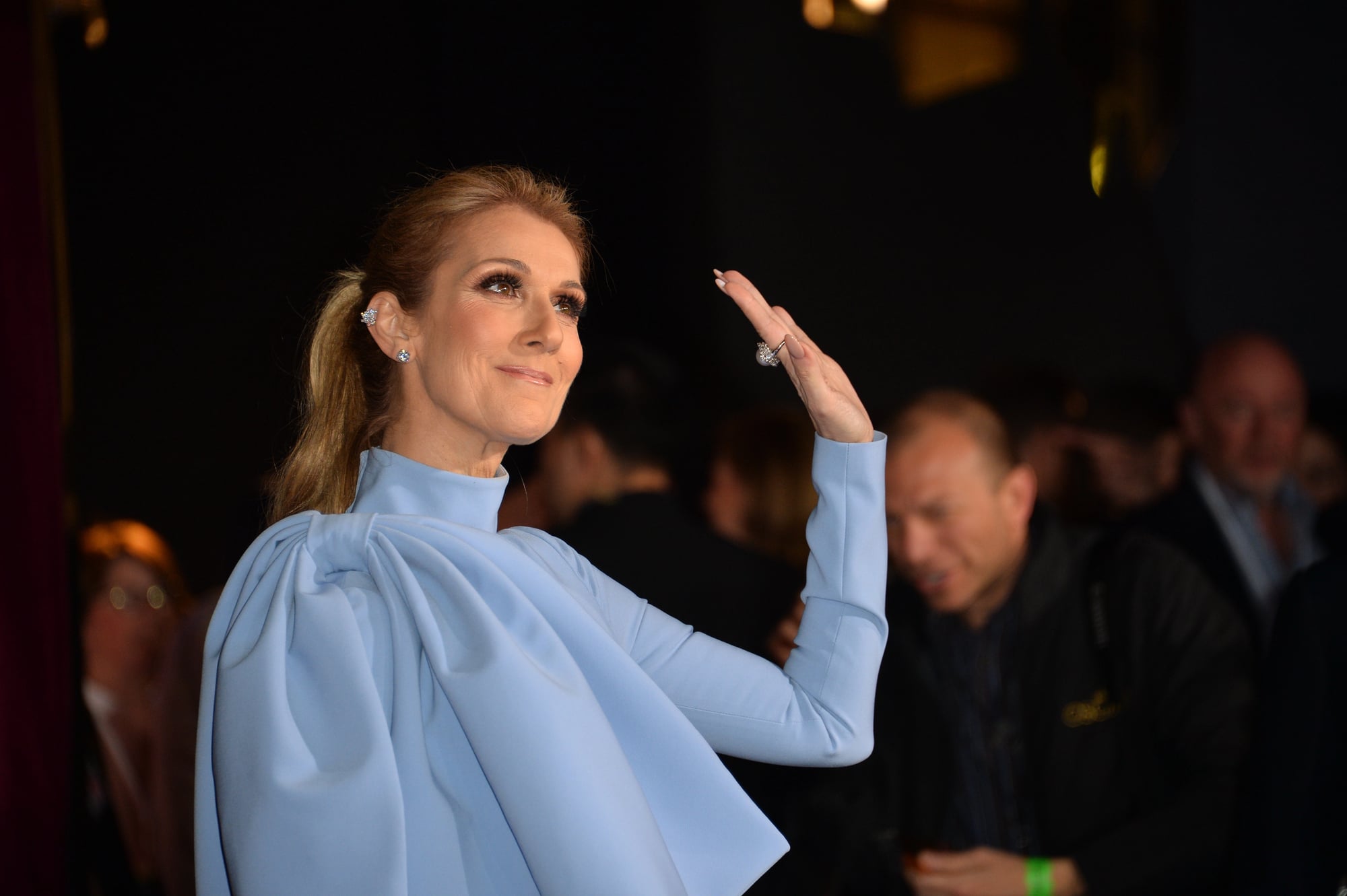
Dion owned this island in Quebec, Canada. Located in the Laurentian region, the island sits on a river rather than ocean.
She and her late husband bought the property and built a massive estate that included a main house and guest cottages. The property had a distinctly French-inspired design, with manicured gardens and stone pathways.
She eventually sold it in 2016 after her husband’s death, listing it for around 29 million Canadian dollars. The sale marked the end of a chapter in her life.
Unlike tropical islands owned by other celebrities, this one dealt with Canadian winters and seasonal changes. The estate functioned more like a secluded country property than a beach retreat.
Mel Gibson’s Mago Island
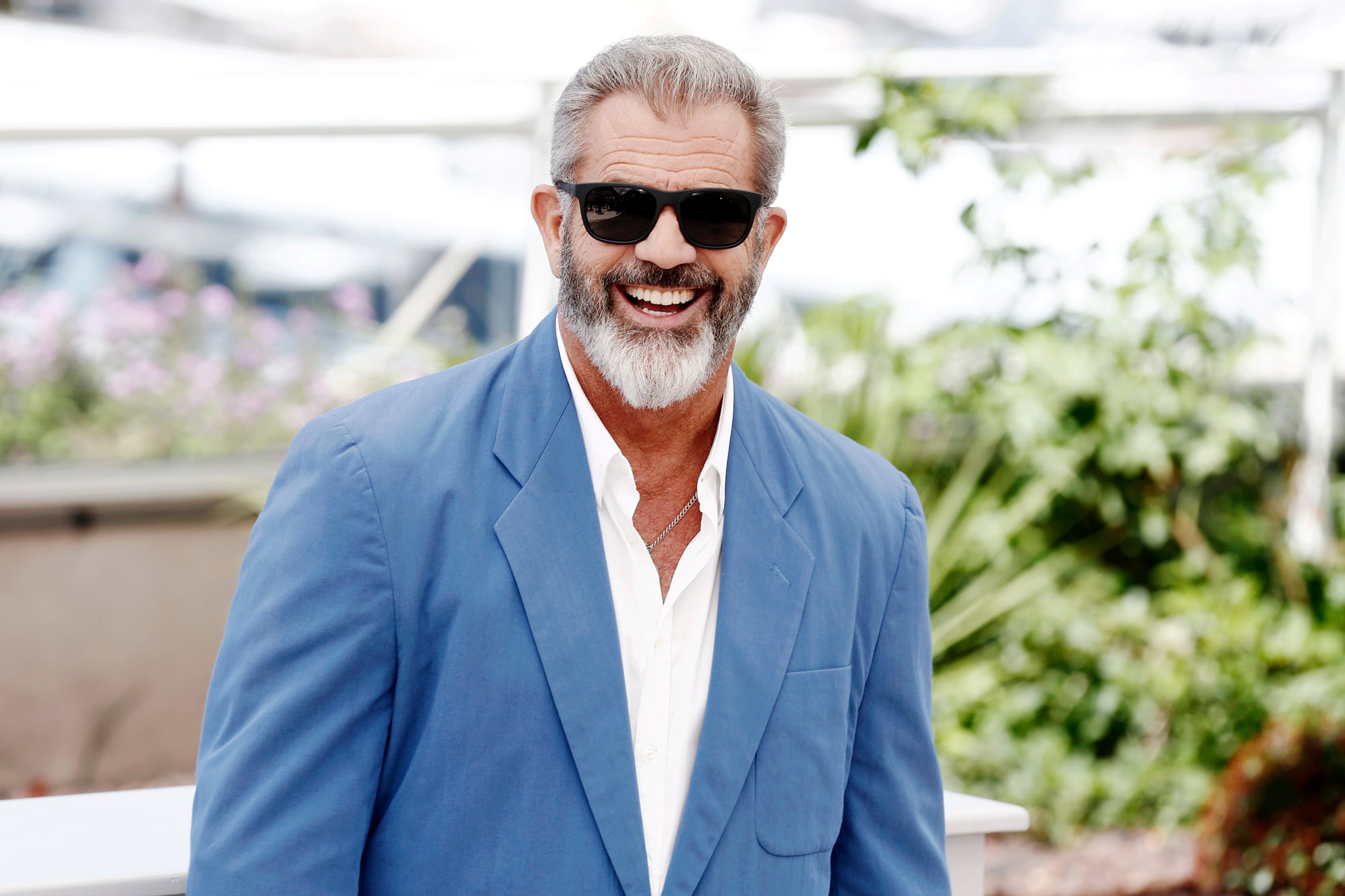
Gibson bought this 5,400-acre island in Fiji in 2005 for around 15 million dollars. The island had a small population of native Fijians who were already living there.
Gibson reportedly works with them and employs many as staff for his properties. The island is huge compared to most celebrity-owned islands.
It has beaches, interior jungle, and enough space that Gibson built a private runway. He’s kept the island relatively undeveloped, maintaining much of the natural landscape.
Gibson uses it as a family retreat, far from the media attention that follows him in Los Angeles. The island’s remoteness—hours from major cities—provides the kind of isolation that’s impossible to find in mainland properties.
Ricky Martin’s Angra dos Reis Property
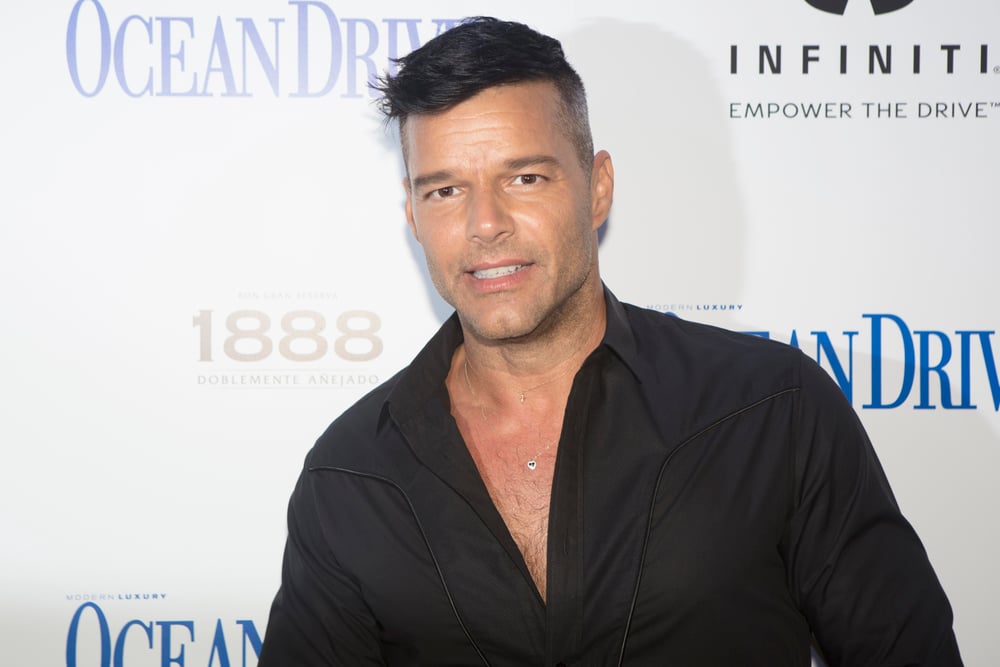
Martin owns property in this island chain off the coast of Brazil. The area consists of hundreds of islands, many privately owned by wealthy Brazilians and international buyers.
Martin’s property includes beachfront access and tropical vegetation typical of the region. Brazilian real estate laws regarding islands differ from places like the Bahamas, often requiring that some portion remains accessible to the public.
Martin’s purchase came during his peak earning years, and the property serves as a vacation spot when he’s working in South America. The region attracts celebrities for its proximity to Rio de Janeiro while maintaining privacy.
The climate stays warm year-round, and the water is suitable for swimming and water sports throughout most of the year.
Eddie Murphy’s Rooster Cay
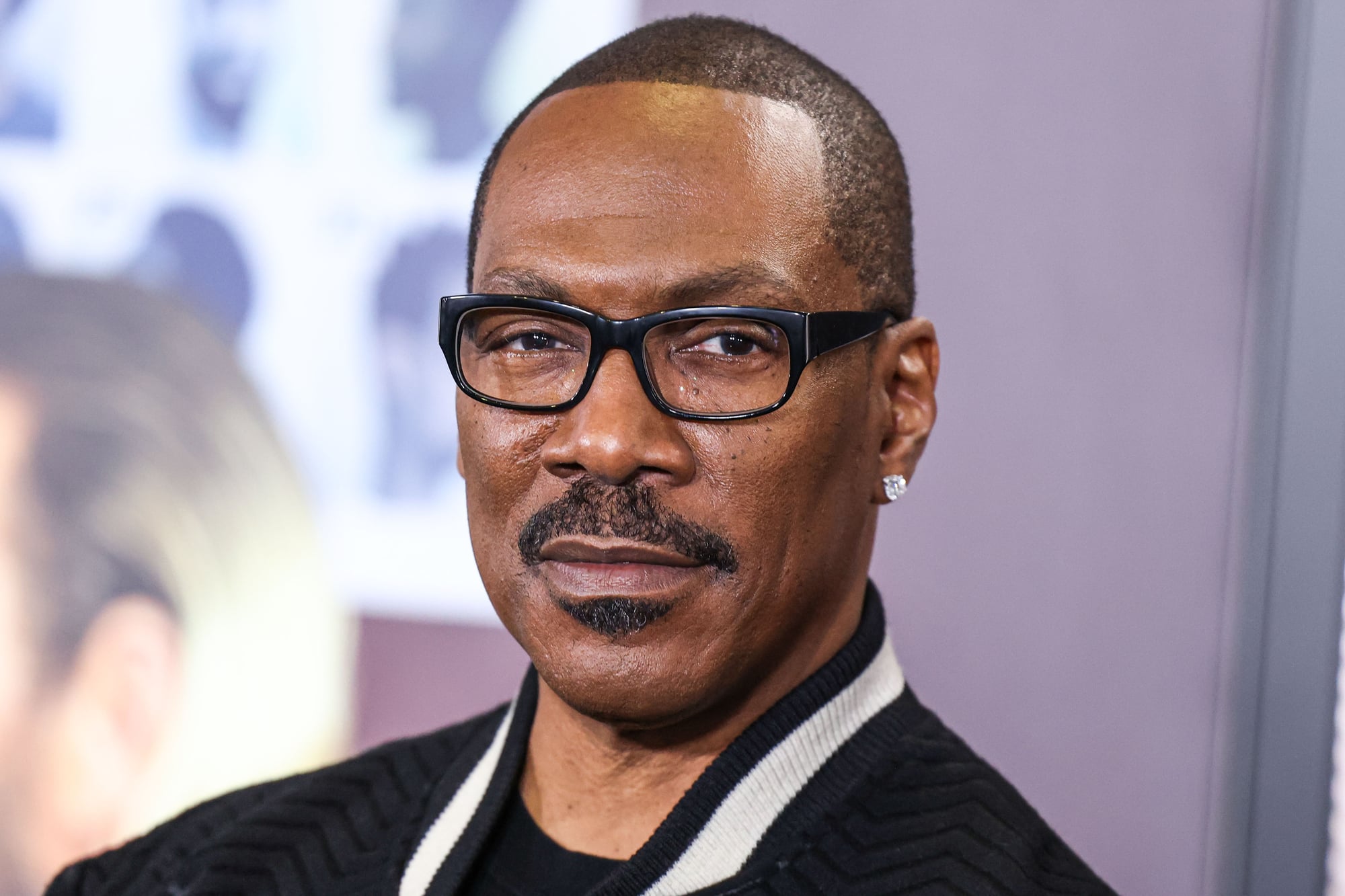
Murphy bought this island in the Bahamas, adding to the long list of celebrities who favor the region. The approximately 15-acre island came with an already-built home and dock facilities.
Murphy paid around 15 million dollars for it. The island is part of the same chain that includes other celebrity properties, creating an unofficial neighborhood of famous owners who rarely cross paths.
Murphy keeps the island private and doesn’t rent it out or use it for business purposes. Access requires a boat or seaplane from Nassau, about 50 miles away.
The island has the typical amenities you’d expect—generator power, water catchment systems, and structures built to withstand hurricane-force winds.
Faith Hill and Tim McGraw’s Goat Cay
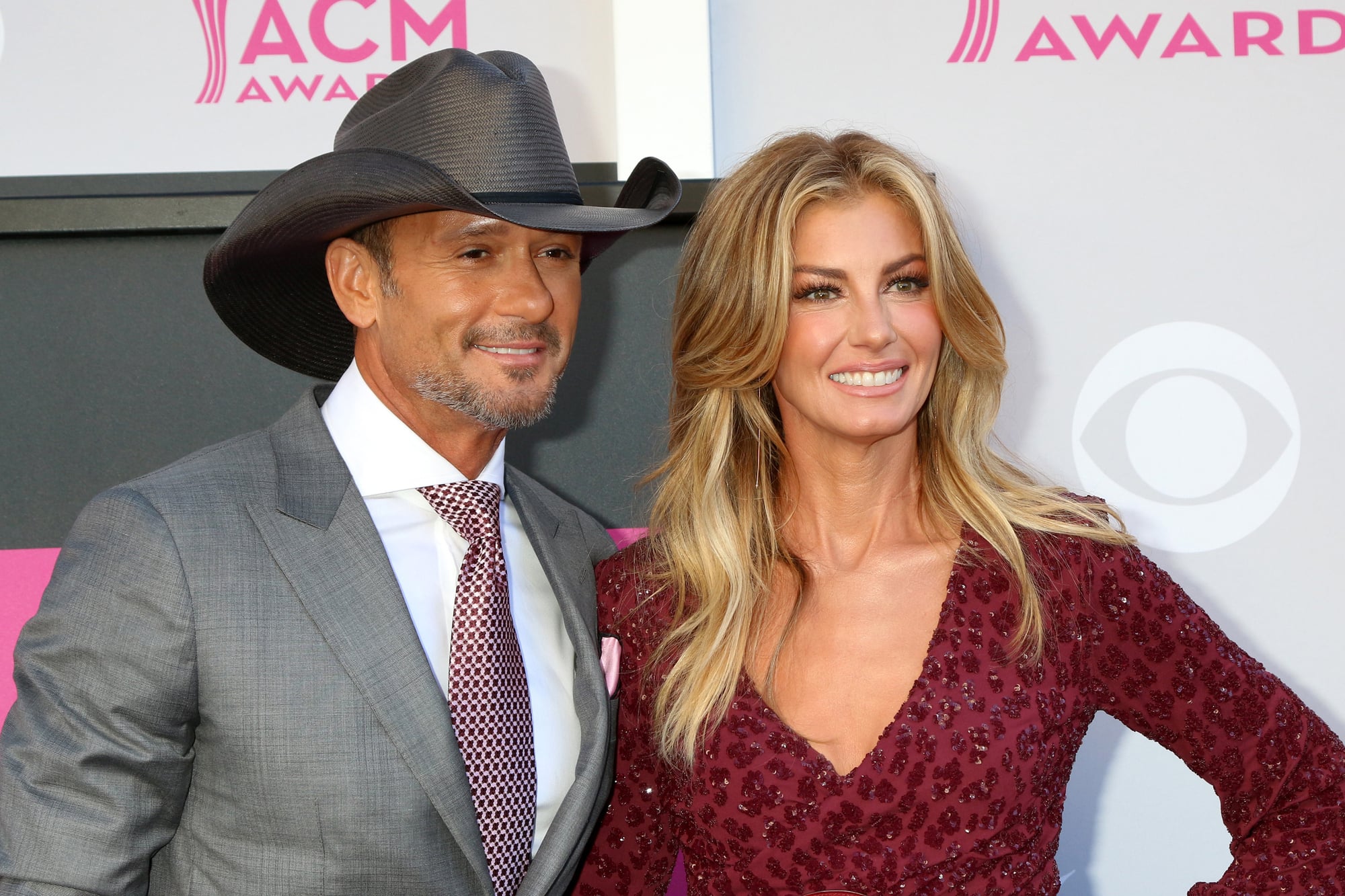
The couple purchased this island in the Bahamas, continuing the trend of country music stars investing in Caribbean real estate. The small island allowed them to create a family compound away from Nashville and touring schedules.
They spent years developing the property, building structures that blend with the landscape rather than dominating it. The island has enough room for their family but stays modest compared to some of the mega-developments other celebrities create.
Both Hill and McGraw have mentioned the island in interviews as a place where their kids could experience life without the constant presence of fans and paparazzi. The investment represented their desire for normalcy within an abnormal lifestyle.
Shakira’s Bonds Cay
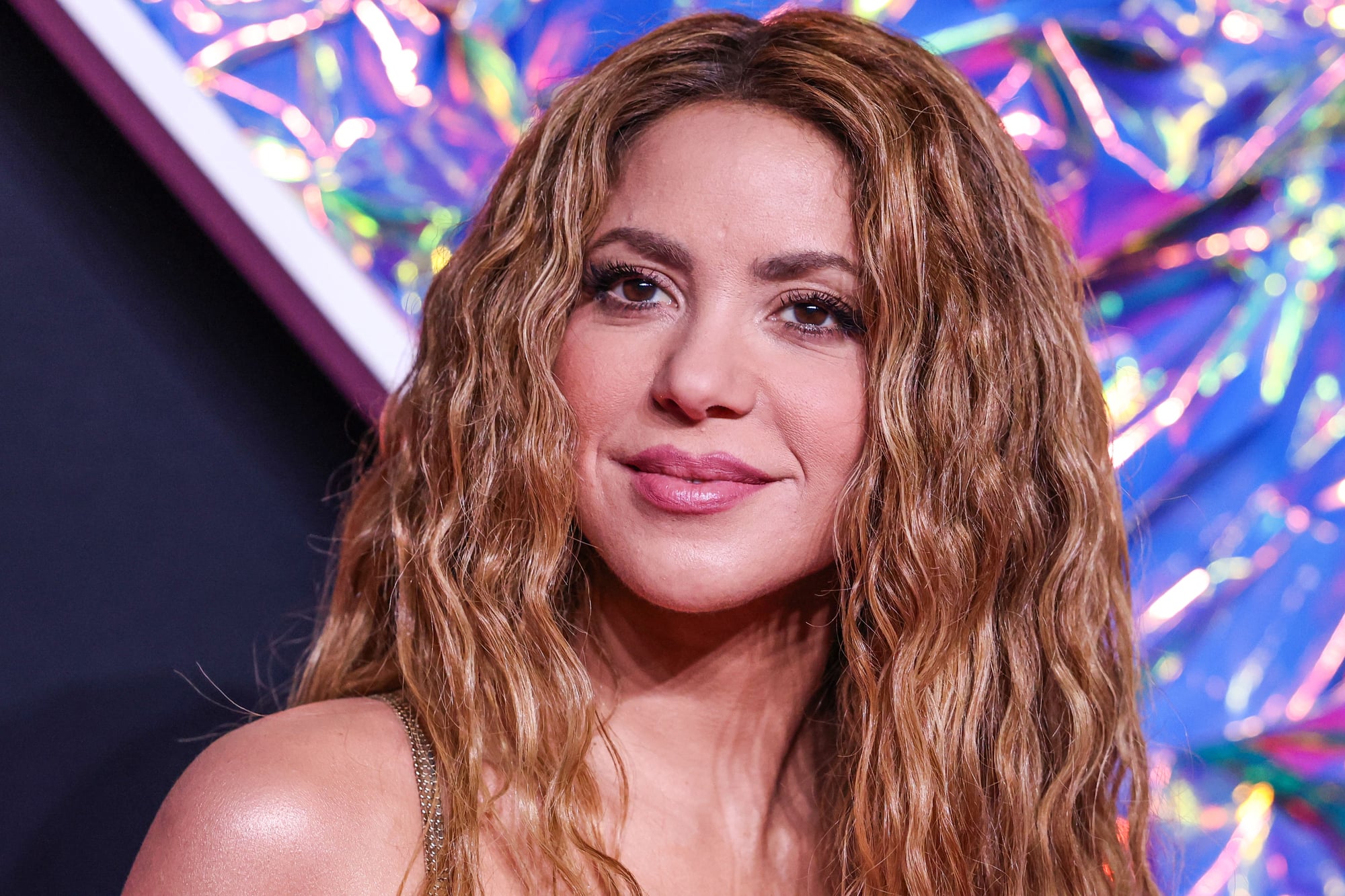
Shakira and her business partners bought this island in the Bahamas with plans to develop an eco-resort and arts center. The project aimed to combine luxury tourism with environmental sustainability and cultural programming.
The development faced challenges, including financial complications and regulatory hurdles. Plans called for villas, an artists’ retreat, and facilities powered by renewable energy.
The ambitious scope meant slow progress and constant revisions to the original vision. Shakira envisioned the island as more than just a personal retreat.
She wanted to create a destination that reflected her interests in music, art, and environmental conservation. Whether the project fully realizes that vision remains to be seen.
Nicolas Cage’s Leaf Cay
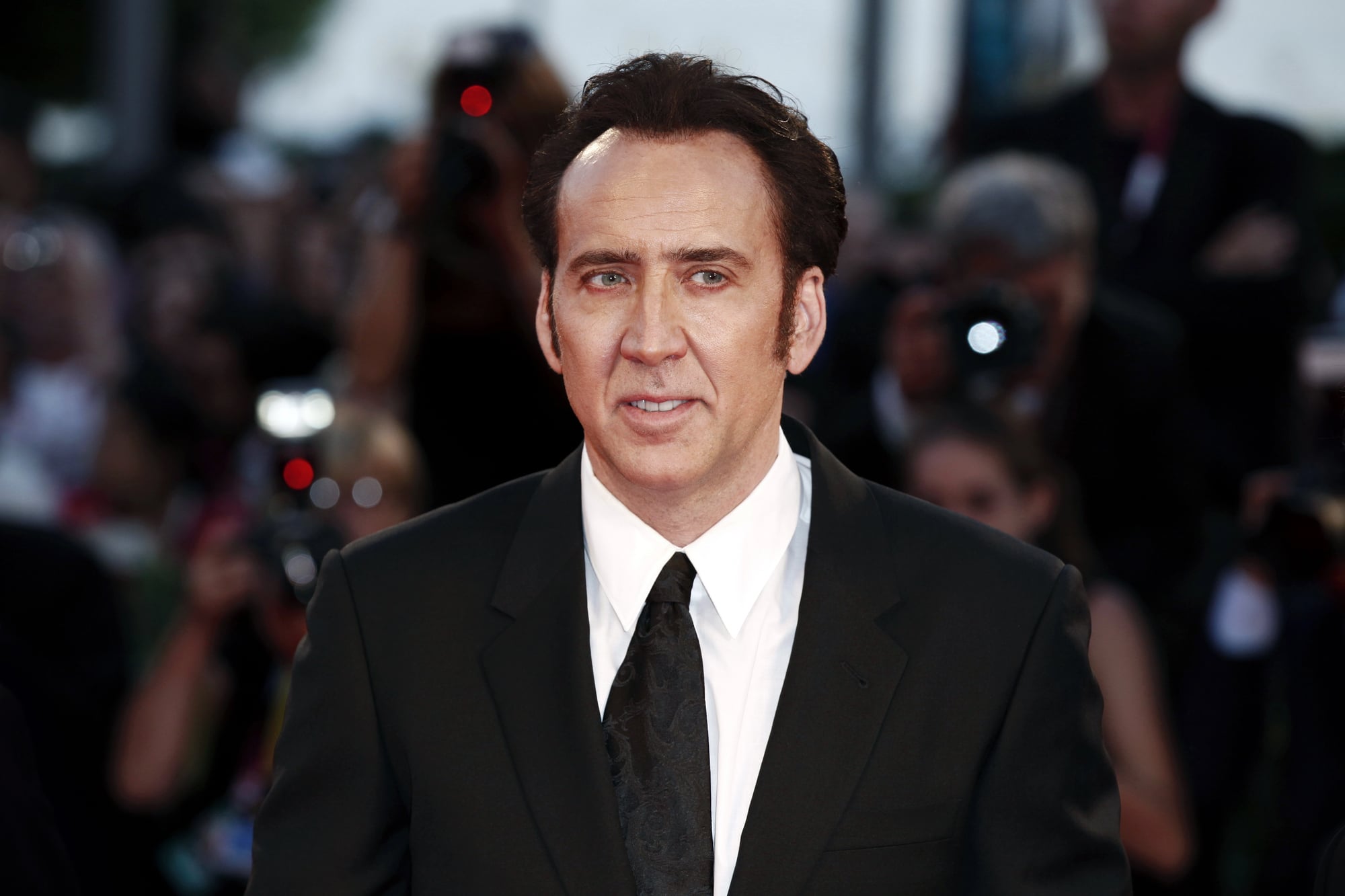
Cage bought this 30-acre island in the Exumas for around 3 million dollars during his peak spending years. The purchase came during a period when he was buying real estate globally, from castles in Europe to mansions in America.
He later sold the island as part of his financial restructuring. The property had minimal development when he owned it, just a few structures and basic infrastructure.
The sale price was lower than what he paid, reflecting both the market and his need to liquidate assets quickly. The island represents the kind of purchase that makes sense during boom times but becomes a liability when finances tighten.
Cage’s ownership was brief, and the island passed to new owners who had different plans for it.
Steven Spielberg’s Resort Access
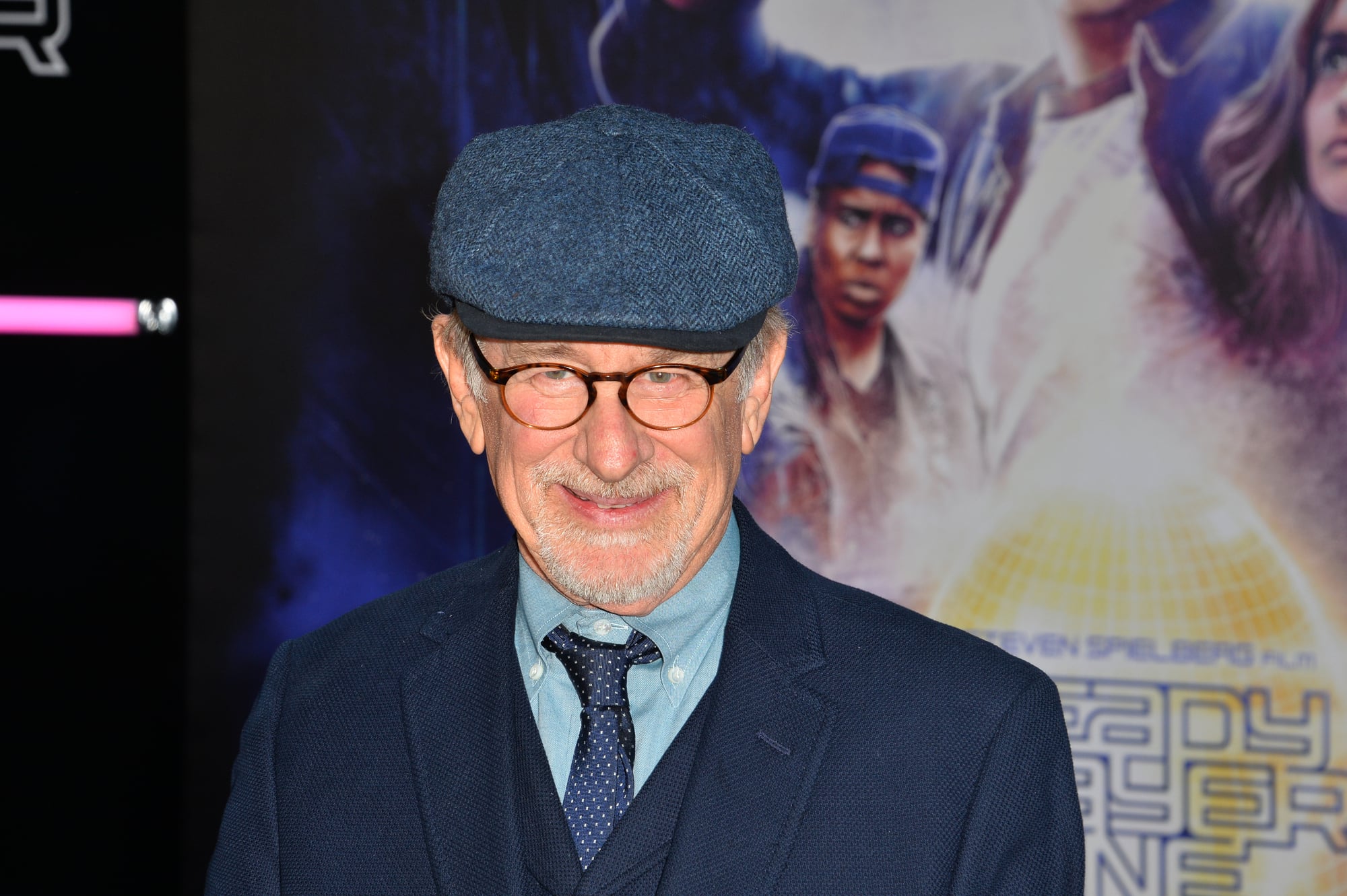
Spielberg doesn’t own an entire island but has significant holdings at a private island resort in the Pacific. This arrangement gives him island access without the maintenance burden of full ownership.
The resort caters to ultra-wealthy clients who want island experiences without managing property. This model has become more popular as celebrities realize that owning an island involves constant upkeep, staff management, and dealing with weather damage.
Shared ownership or long-term leases provide similar privacy without the complications. Spielberg can use the facilities whenever he wants, but a management company handles everything else.
It’s a practical middle ground between owning and just visiting.
George Clooney’s Former Consideration
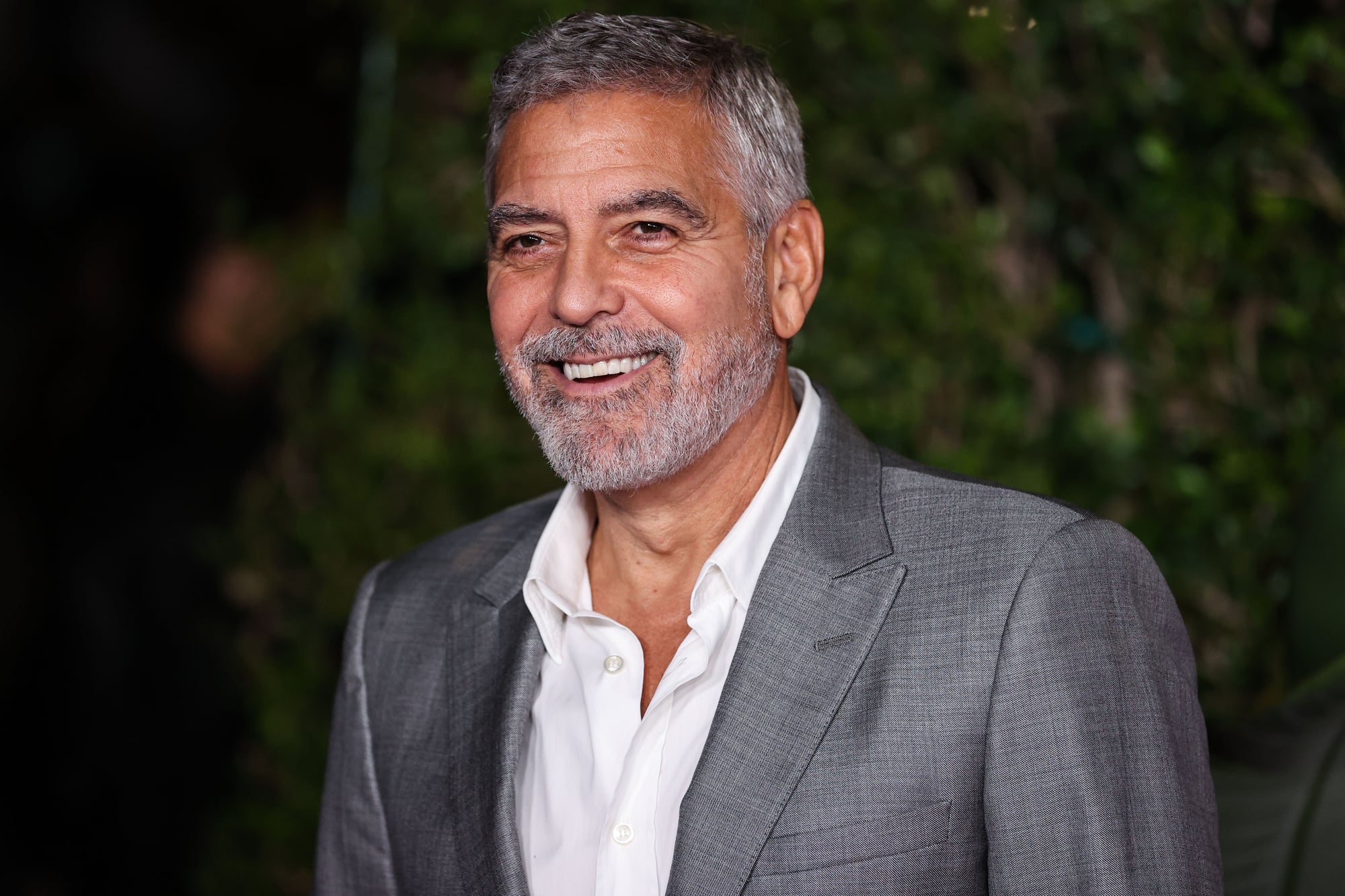
Clooney was said to have checked out islands, yet went for a villa in Italy. It boiled down to how easy it is to reach the place.
Getting there by boat or plane each time felt like a hassle. His spot near Lake Como keeps him off sight but still close enough.
He’s said in chats that islands were cool to him, yet the setup clashed with how he lives. Since he’s always on jobs and moving around, reaching a far-off island now and then just isn’t doable.
He picked this because more stars are seeing island buys don’t always pay off. Costs add up fast, while being cut off feels nice at first but gets annoying if you’ve got to leave in a hurry.
The Reality Behind Paradise

Owing an island seems ideal – till real life hits. Storms can wreck buildings.
Groceries come in by sea. Workers need places to stay and rides.
Power units fail without warning. Pipes and filters demand constant checks.
Prices go up fast when supplies travel far. Some famous island owners drop by just one or two times annually.
Meanwhile, others aim to lease theirs out to cover expenses. Occasionally, some quietly list them for sale once they see it’s not what they imagined.
The most successful spots? Those where people faced the downsides head-on and planned smart.
Islands give what cash usually can’t – real solitude. Yet they need steady care along with plenty of funds just to keep running.
Celebs who step up get an escape from fame no walled neighborhood could ever deliver. Meanwhile, some folks end up stuck paying high costs for a dream that’s tougher than it looks.
More from Go2Tutors!

- The Romanov Crown Jewels and Their Tragic Fate
- 13 Historical Mysteries That Science Still Can’t Solve
- Famous Hoaxes That Fooled the World for Years
- 15 Child Stars with Tragic Adult Lives
- 16 Famous Jewelry Pieces in History
Like Go2Tutors’s content? Follow us on MSN.



