Strangest Laws About Food and Drink
Laws exist to keep order and protect people. But sometimes lawmakers get carried away, or old rules stick around long after they make sense.
Food and drink regulations fall into this category more often than you’d expect. Some places ban specific ingredients.
Others regulate how you can eat certain foods. A few even dictate what time you’re allowed to buy particular items.
These laws reveal something interesting about culture and history. They show what people once feared or valued.
They highlight moral panics from decades past. And they demonstrate that bureaucracy doesn’t always keep up with common sense.
France Protects Its Bread
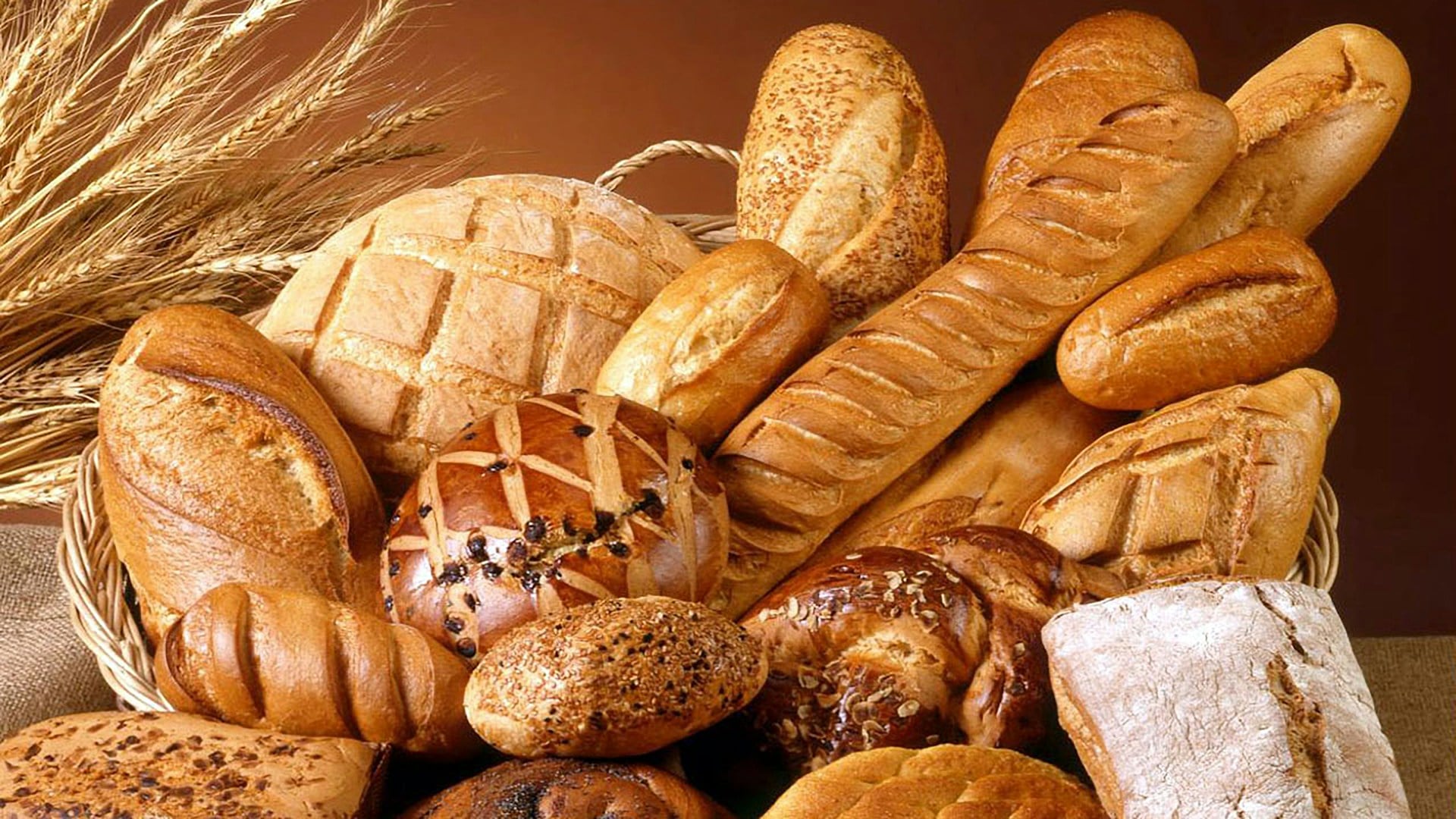
French law dictates the exact recipe for traditional baguettes. If you want to sell something and call it a “baguette de tradition française,” you must follow specific rules.
No preservatives allowed. No freezing the dough.
Only four ingredients: wheat flour, water, salt, and yeast. The law emerged in 1993 to protect traditional baking methods.
Too many bakeries were using frozen dough and chemical additives. The government stepped in to preserve what they saw as cultural heritage.
Now bakers face fines if they label frozen dough bread as traditional.
You Can’t Feed Pigeons in Venice

Venice banned feeding pigeons in St. Mark’s Square. The fine reaches up to 500 euros.
The city got tired of dealing with the mess and health issues caused by massive pigeon populations. Tourists used to buy corn to feed the birds.
Vendors sold it right in the square. Now both activities are illegal.
The pigeon population has dropped significantly since the ban took effect. The city considers this a success, even if some visitors feel disappointed.
Ketchup Restrictions in French Schools

France limits how much ketchup students can eat in school cafeterias. Kids can only have it with French fries.
The restriction exists to preserve French culinary culture and prevent children from drowning traditional dishes in American condiments. French officials worried that kids were putting ketchup on everything, ignoring the actual flavors of properly prepared food.
The rule forces students to taste their meals without constant tomato sauce coverage.
Singapore Chews on Gum Laws

Singapore banned chewing gum in 1992. The country got tired of finding gum stuck everywhere on subway doors, in mailboxes, on elevator buttons.
The mess cost too much to clean and caused maintenance problems. You can bring gum into the country for personal use now, but selling it remains mostly illegal.
Pharmacists can sell therapeutic gum with a prescription. The punishment for illegal gum sales includes fines up to $100,000 and two years in prison.
Italian Pizza Rules

Italy officially recognized Neapolitan pizza with specific legal standards. The dough must be hand kneaded and baked in a wood fired oven at 485°C for no more than 90 seconds.
The crust needs to be soft and elastic. Specific types of tomatoes, mozzarella, and flour are required.
This isn’t just tradition. It’s a legally protected cultural heritage.
Restaurants can’t claim to make authentic Neapolitan pizza unless they follow these exact specifications. Inspectors check compliance.
Ontario’s Milk Bag Preference

Ontario, Canada, stands out for its widespread use of milk bags instead of jugs. While this wasn’t strictly mandated by law, regulations made bags the preferred choice.
For decades, Ontario required retailers to implement deposit or recycling systems for milk sold in four liter jugs, but bags had no such requirement. The practice started in the 1970s when Canada switched to the metric system.
Dairy producers needed to resize all their containers from imperial to metric measurements. Adjusting milk bag packaging machines proved far cheaper than redesigning jugs and bottles.
Three quart bags simply became four liter bags. Because retailers didn’t want the hassle of managing jug deposits, they stuck with bags.
Consumers followed suit. Today, milk bags remain common in Ontario, though the regulation changed in 2018.
Old habits die hard.
Margarine Had Color Restrictions

For decades, several U.S. states and Canadian provinces banned yellow margarine. The dairy industry pushed these laws to protect butter sales.
Margarine had to be white or pink anything but butter yellow. Some places required restaurants to serve white margarine with a separate packet of yellow dye so customers could color it themselves.
Wisconsin was the last state to lift its ban on yellow margarine in 1967. Quebec kept its ban until 2008.
Denmark Taxes Fatty Foods
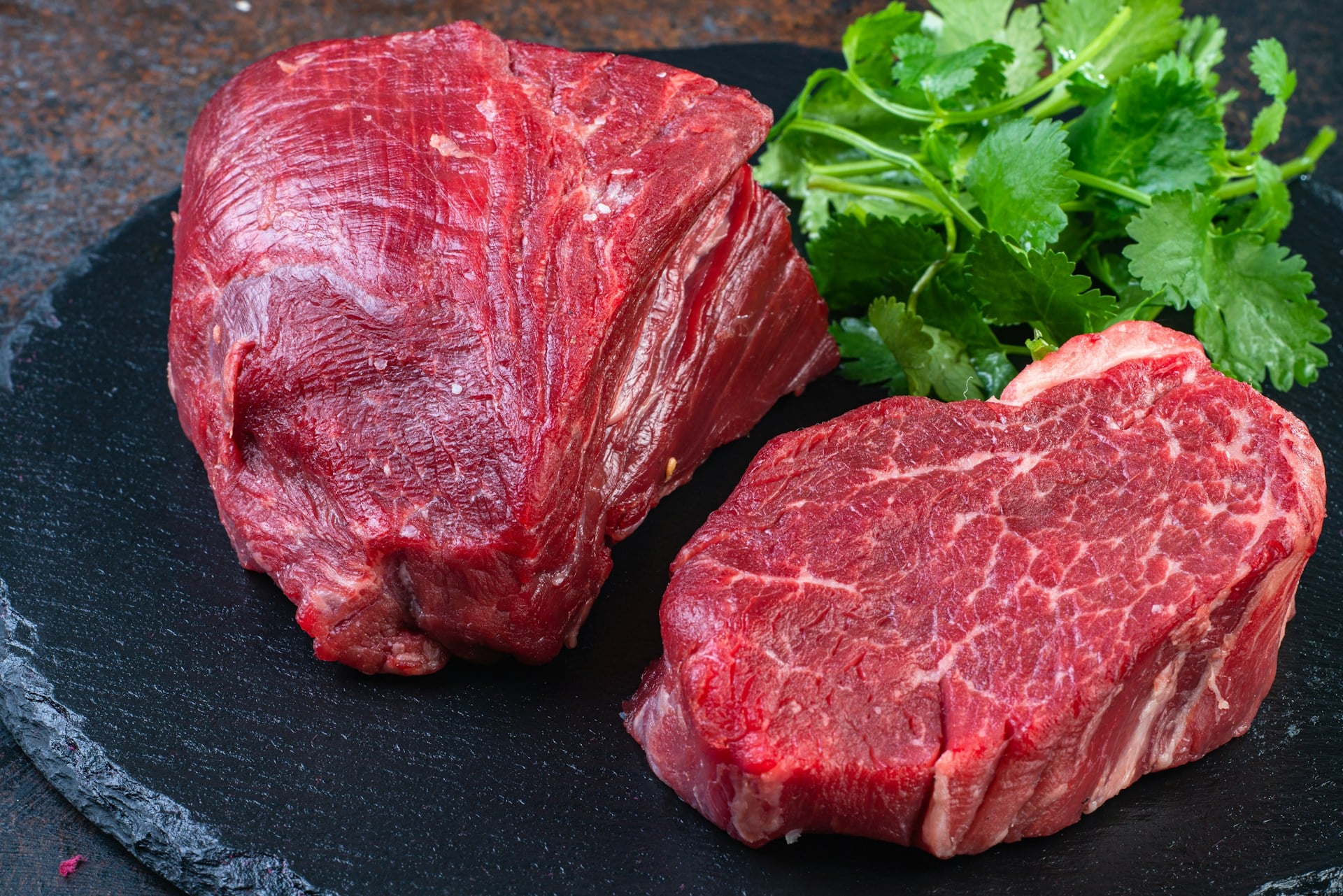
Denmark introduced a fat tax in 2011 on foods containing more than 2.3 percent saturated fat. The government wanted to reduce heart disease and obesity.
Products like butter, milk, cheese, pizza, meat, and oil all faced extra taxes. The tax lasted only one year.
Consumers just crossed borders to buy cheaper food in Germany and Sweden. Danish businesses lost money.
The administrative burden was higher than expected. The country scrapped the tax in 2012.
European Union Cucumber Curvature Standards

The European Union once regulated the acceptable curvature of cucumbers. Class I cucumbers could bend no more than 10mm per 10cm of length.
Class II allowed slightly more bend. Anything curvier couldn’t be sold as fresh produce.
The regulation aimed to standardize produce across Europe and simplify trade. Critics called it bureaucratic overreach.
The EU finally repealed most of these standards in 2009, though some size and quality rules remain.
Chile Banned Happy Meal Toys

Chile banned toys in children’s meals if the food exceeds certain limits on calories, saturated fat, sugar, or salt. The law targets the advertising tactics that make unhealthy food appealing to kids.
Restaurants can still give toys away, but they must be separated from the food purchase. You can’t use a toy as an incentive to buy a specific meal.
The regulation represents a growing trend of governments regulating food marketing to children.
Russia Classified Beer as Food
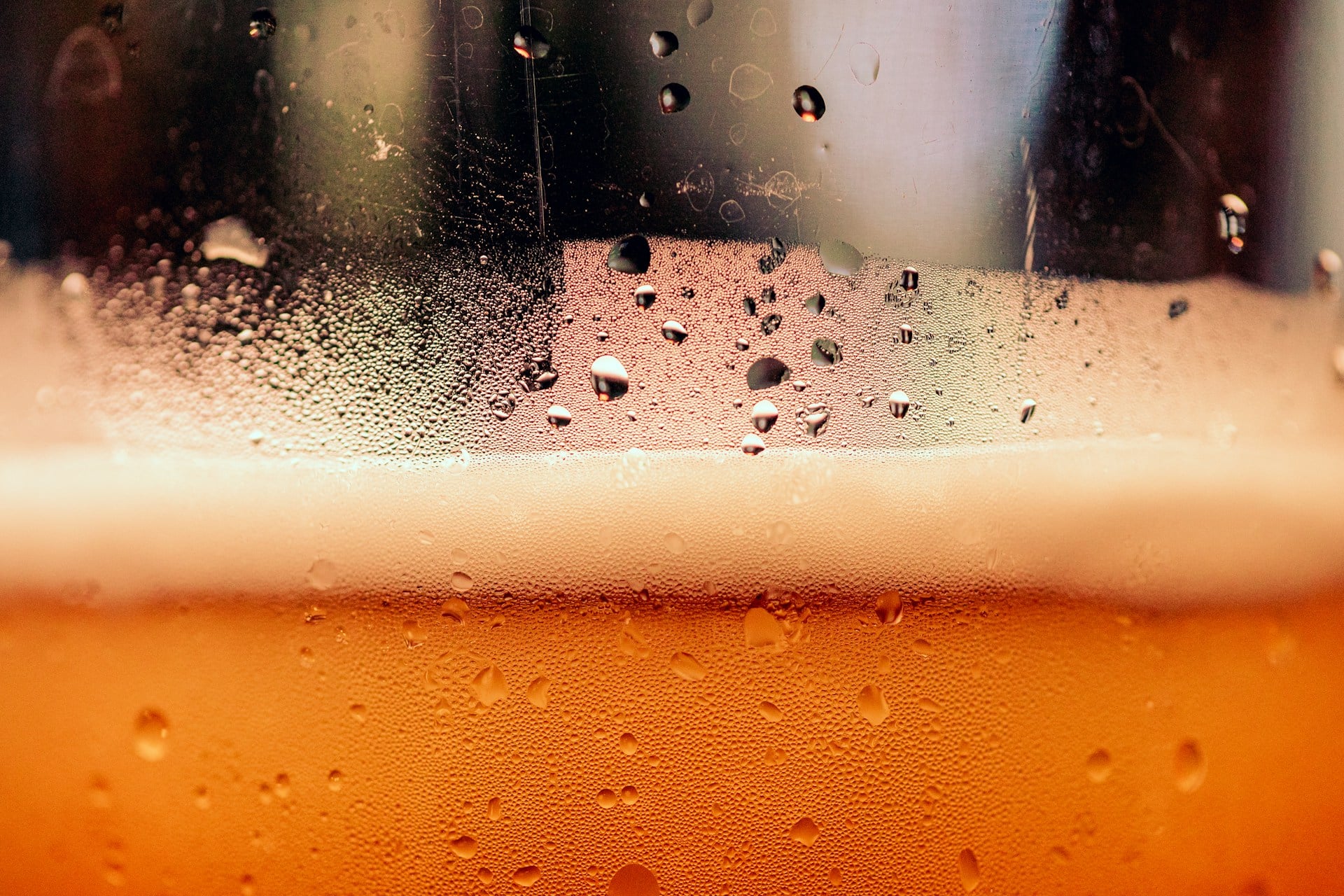
Until 2011, Russia didn’t legally recognize beer as alcohol. Anything under 10 percent alcohol content counted as a foodstuff.
This classification meant beer had fewer restrictions than actual alcohol. People could drink beer anywhere, anytime.
Advertising faced no limits. The reclassification changed everything.
Now beer follows the same rules as vodka and wine, with restricted sales hours and advertising bans.
Gainesville Georgia Takes Fried Chicken Seriously

In Gainesville, Georgia, eating fried chicken with a knife and fork is illegal. The city passed this law in 1961 as a publicity stunt to promote its status as the “Poultry Capital of the World.”
Residents must eat fried chicken with their hands. The law still exists and police occasionally enforce it playfully.
In 2009, a 91 year old woman was “arrested” for using a fork to eat her chicken on her birthday. The mayor later pardoned her.
The stunt generated exactly the kind of attention city officials wanted back in 1961.
When Laws Meet Culture

Food laws reflect more than just health and safety concerns. They capture fears, values, and cultural battles.
They show which industries have political power. They reveal what societies consider worth protecting.
Some regulations make sense when you learn history. Others seem absurd from any angle.
But they all prove that when it comes to what people eat and drink, governments everywhere want a say. And once a law goes on the books, getting it off again takes more effort than anyone expects.
More from Go2Tutors!

- The Romanov Crown Jewels and Their Tragic Fate
- 13 Historical Mysteries That Science Still Can’t Solve
- Famous Hoaxes That Fooled the World for Years
- 15 Child Stars with Tragic Adult Lives
- 16 Famous Jewelry Pieces in History
Like Go2Tutors’s content? Follow us on MSN.