Little-Known Facts about the Space Needle
Seattle’s most famous landmark pierces the sky at 605 feet, but most visitors only know what they see from the observation deck. The Space Needle has been part of the city’s skyline since 1962, when it debuted at the World’s Fair and instantly became an icon.
Its futuristic design captured the optimism of the space age, and decades later, it still looks like something from a science fiction movie. Beyond the tourist photos and rotating restaurant, though, the Space Needle holds stories that most people never hear about—tales of engineering challenges, wild weather, and decisions made in the heat of construction that still affect the structure today.
The building that defines Seattle almost didn’t get built at all. What happened behind the scenes makes the final result even more impressive.
A napkin sketch started everything
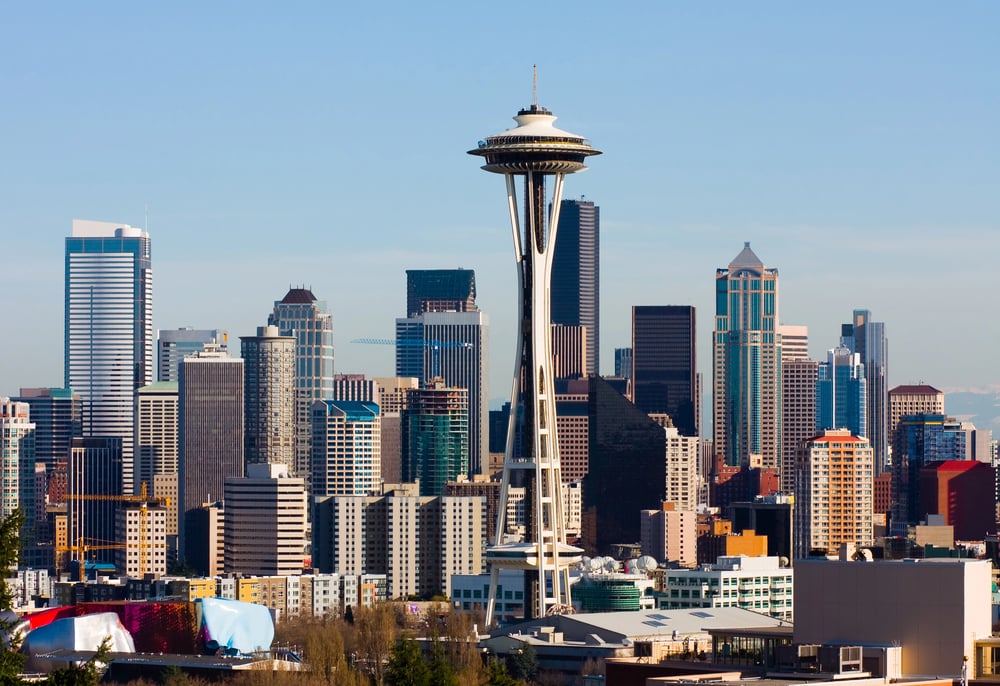
Eddie Carlson, one of the World’s Fair organizers, doodled the initial Space Needle concept on a napkin at a coffee shop in 1959. His rough sketch showed a flying saucer on top of a tall column, inspired by a tower he’d seen in Stuttgart, Germany.
Architect John Graham Jr. took that napkin drawing and turned it into something buildable, widening the base and refining the proportions. The entire design process happened incredibly fast because the World’s Fair deadline loomed and construction hadn’t even started.
Construction took less than a year

Ground broke on April 17, 1961, and the Space Needle opened on April 21, 1962, just one day before the World’s Fair began. That’s only 400 days from dirt to ribbon cutting.
Compare that to modern skyscrapers that take years to complete, and the speed becomes even more remarkable. Workers poured the foundation in just one day, a continuous 12-hour operation that used 467 cement trucks and created a foundation weighing 5,850 tons.
The foundation goes deeper than the tower is tall

While the Space Needle rises 605 feet above ground, its foundation extends 30 feet below the surface and is 120 feet across. Engineers designed it to withstand winds up to 200 miles per hour and earthquakes up to 9.0 magnitude.
The weight of the foundation alone keeps the structure stable, using gravity and mass rather than deep pilings. This makes the Space Needle surprisingly stable for its height, and it has never suffered major structural damage despite several significant earthquakes hitting the Seattle area.
It was the tallest building west of the Mississippi when built

In 1962, the Space Needle held the record for the tallest structure west of the Mississippi River. That title only lasted until other buildings surpassed it, but for a few years, it stood alone.
Today, it’s not even close to being Seattle’s tallest building, with multiple skyscrapers now dwarfing it. The Smith Tower, which held the height record before the Space Needle, is actually closer to downtown and offers a very different historical perspective on Seattle’s growth.
Three different restaurants have operated at the top

The original rotating restaurant was called the Eye of the Needle when it opened in 1962. Later it became the Space Needle Restaurant, and most recently it was SkyCity before closing for renovations in 2017.
The rotation mechanism used a single motor about the size of a washing machine to slowly spin the restaurant floor, completing one full rotation per hour. After the 2018 renovation, the restaurant reopened with a new name, new menu, and the same rotating floor that has been turning for over 60 years.
The elevators travel at 10 miles per hour
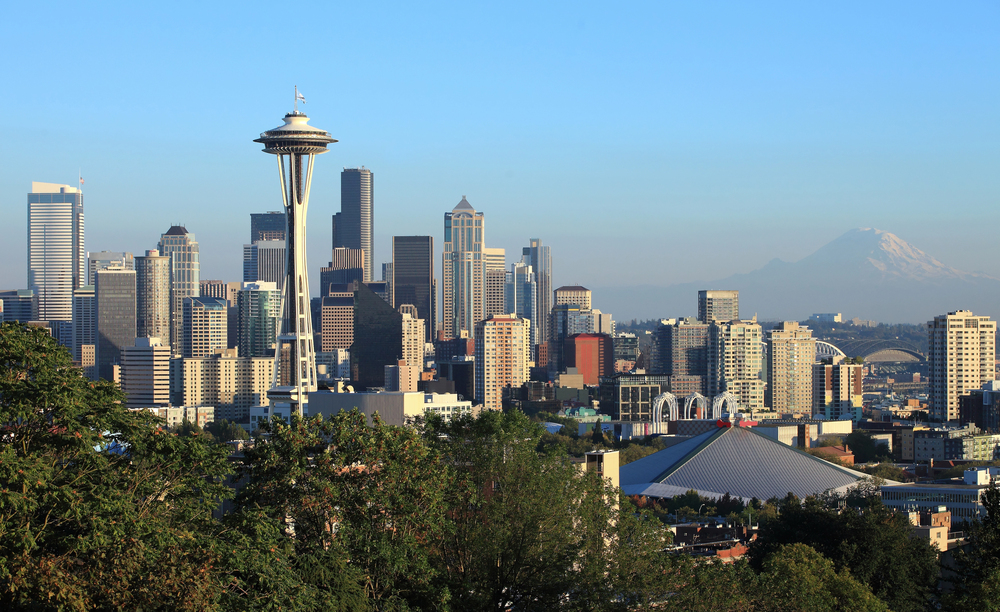
Three elevators carry visitors from ground level to the observation deck, moving at 800 feet per minute or about 10 miles per hour. The ride takes 41 seconds to reach the top.
Early elevator operators would sometimes race each other to see who could get their load to the top first, though that practice ended when management caught on. Each elevator can hold about 25 people, and during peak tourist season, they make hundreds of trips daily.
Paint jobs require 5,850 gallons
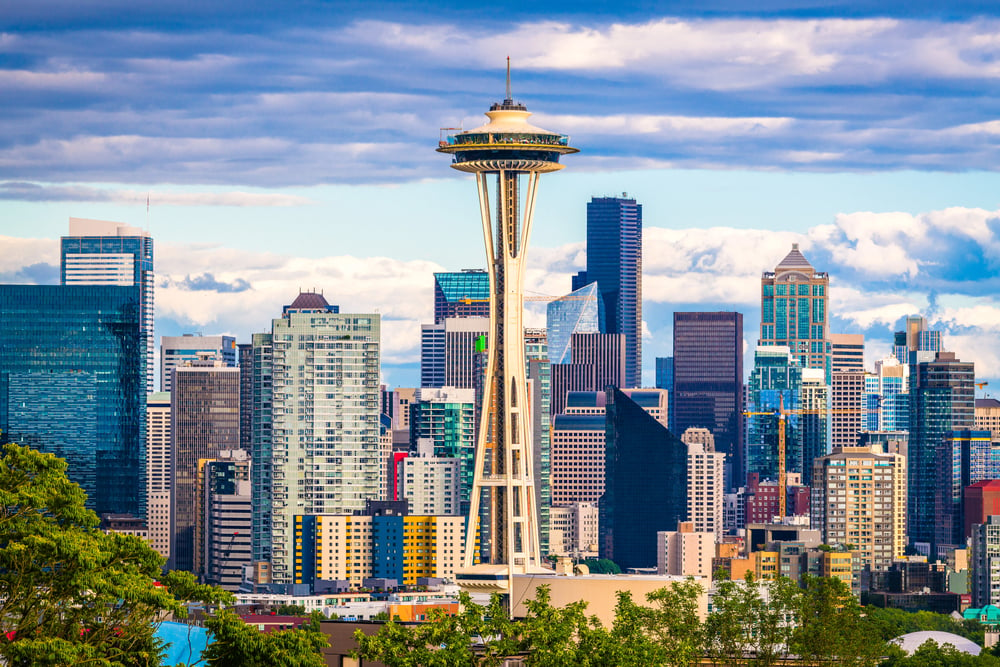
The Space Needle gets repainted roughly every seven years, a process that takes several months and costs over a million dollars. The current color scheme uses three shades: Astronaut White on the legs, Orbital Olive on the core, and Galaxy Gold on the roof.
These aren’t the original colors though. The Space Needle has been painted different shades throughout its history, including an orange hue in the 1970s that photographs from that era show looked quite different from today’s palette.
Weather and salt air from Puget Sound constantly work on the paint, requiring this regular maintenance.
Lightning strikes it about five times per year
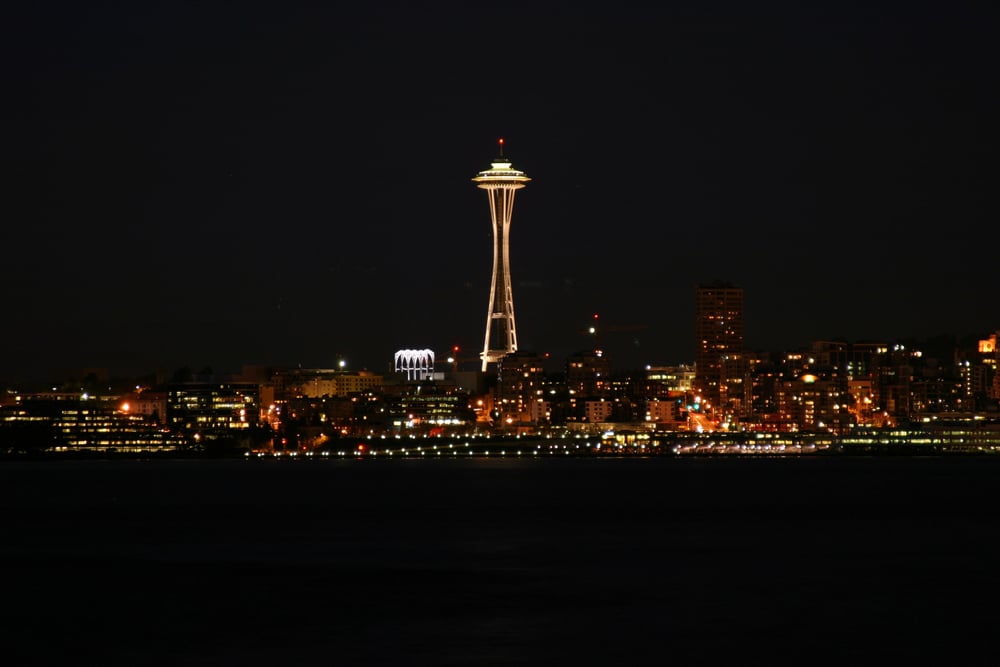
Seattle’s weather brings regular lightning strikes to the Space Needle’s pointed top, where a lightning rod system safely channels the electrical charge into the ground. The strikes cause no damage because the structure was designed to handle them from the beginning.
During storms, photographers often camp out hoping to capture the dramatic moment when lightning connects with the tower. Those photos rarely disappoint because the Space Needle acts as an attractive target for electrical discharge in storms.
Windows can withstand winds that would knock you over
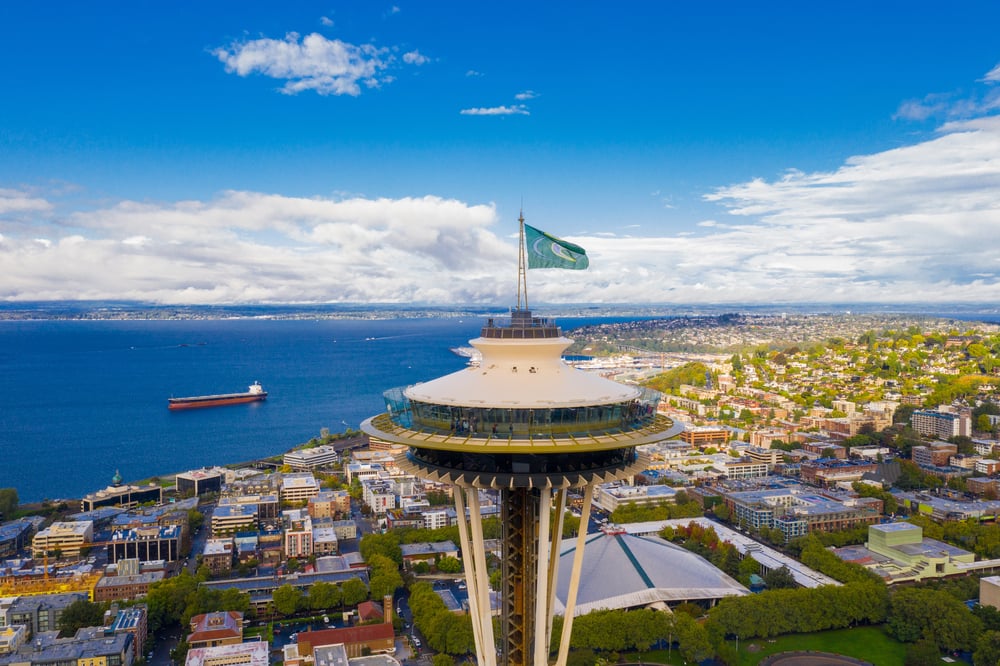
The observation deck windows are made of thick tempered glass designed to handle extreme conditions. During windstorms, the top of the Space Needle can sway up to one inch in any direction, though visitors rarely notice the movement.
On the windiest days, staff occasionally close the outdoor observation areas for safety, but the indoor spaces remain open. The glass has to withstand not just wind pressure but also the impact of birds, rain, and occasional debris carried by storms.
New Year’s Eve fireworks launch from the roof
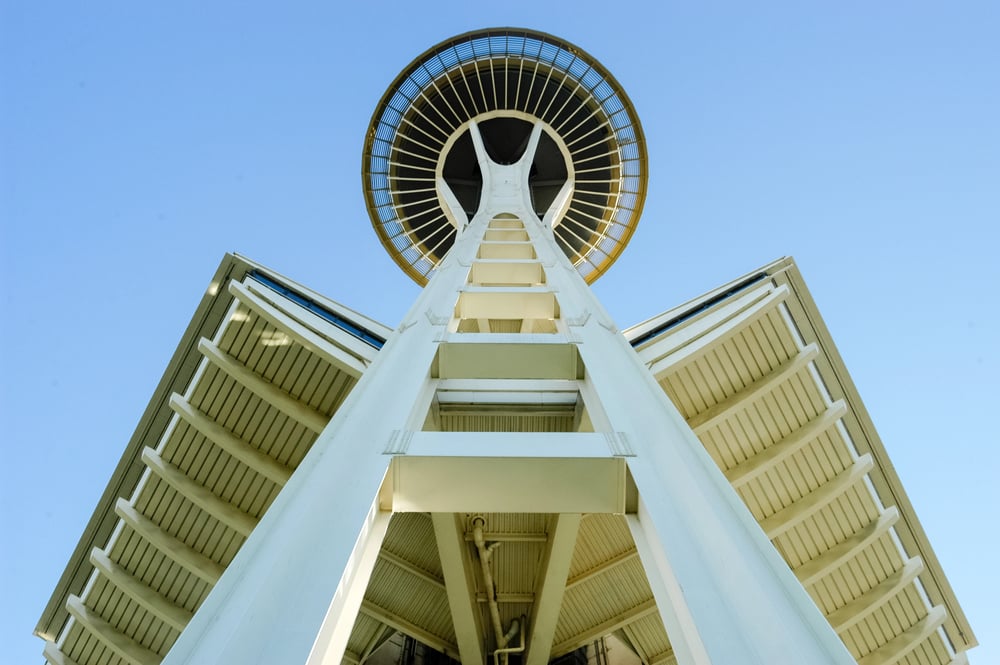
Since 1992, Seattle has celebrated New Year’s with a fireworks display shot from the Space Needle itself. Pyrotechnicians spend hours setting up the show, carefully placing charges on multiple levels of the structure.
The display lasts about eight minutes and uses hundreds of individual fireworks. City officials briefly banned the tradition after some scorch marks appeared on the building, but public outcry brought it back with improved safety measures and protective coverings.
The 1962 World’s Fair almost went elsewhere
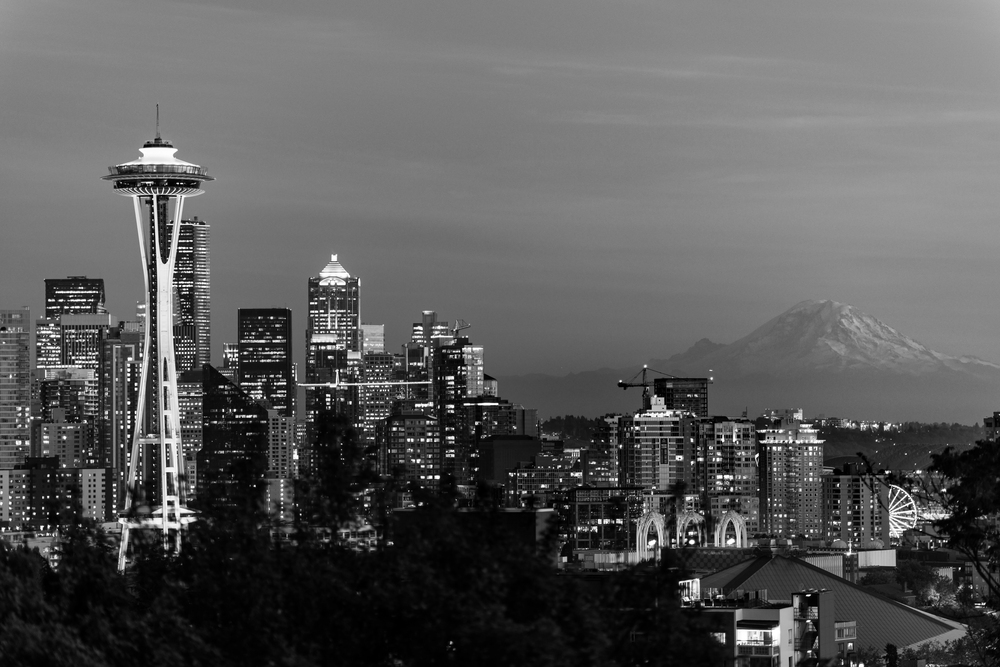
Seattle wasn’t the first choice for the 1962 World’s Fair. Several cities competed for the honor, and Seattle’s bid nearly failed multiple times due to funding concerns.
Once the fair was secured, organizers scrambled to create something memorable, which led to the rushed timeline for the Space Needle’s construction. Without the World’s Fair deadline pushing everyone forward, the Space Needle might have taken years to build or might never have been built at all.
Private investors funded the construction
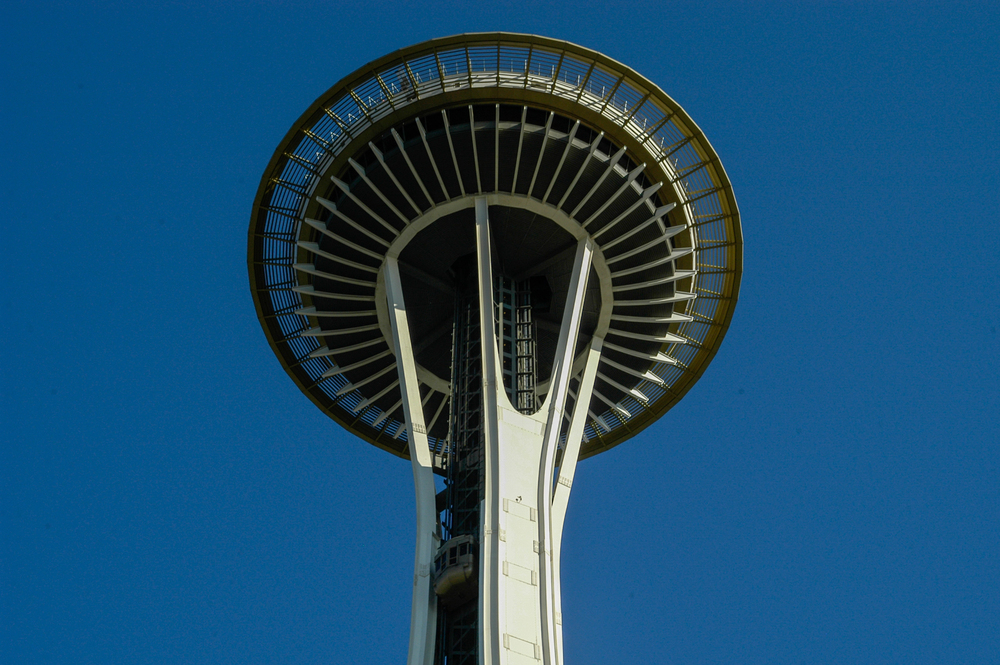
Unlike many civic landmarks paid for with public money, the Space Needle was a private venture from the start. A group of investors led by Howard S. Wright, Ned Skinner, and Norton Clapp put up the $4.5 million construction cost.
They took a significant financial risk because nobody knew if tourists would actually pay to ride elevators to the top of a tower. The gamble paid off spectacularly, with the Space Needle becoming profitable within its first year of operation.
Renovation added a glass floor in 2018
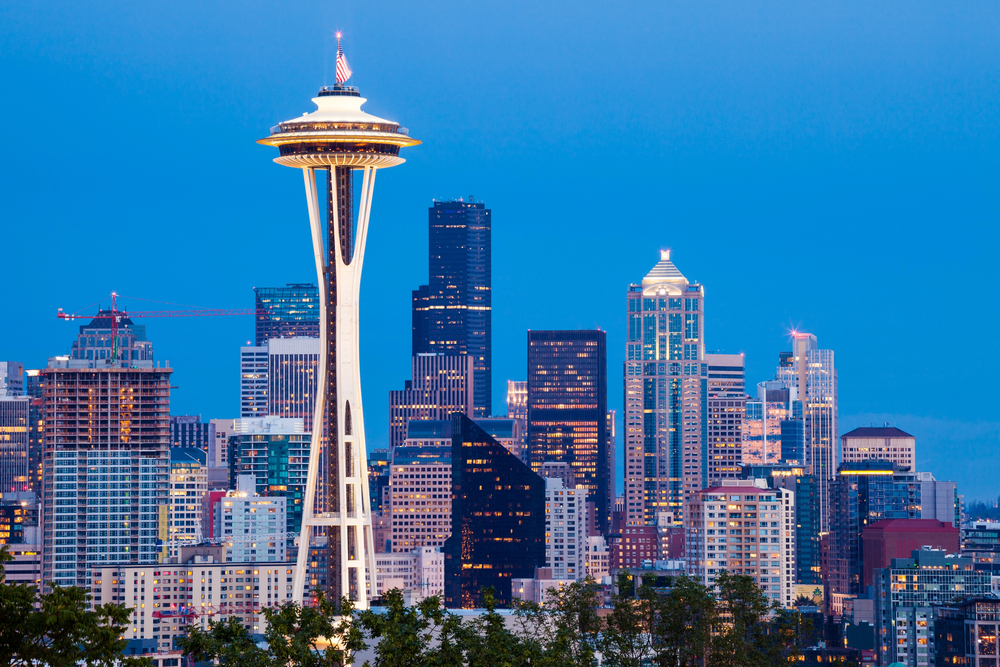
A major renovation completed in 2018 added floor-to-ceiling glass barriers and a rotating glass floor section called the Loupe. Standing on transparent glass 500 feet above the ground tests many visitors’ nerves, even though the glass is engineered to hold far more weight than people standing on it.
The Loupe rotates independently of the restaurant level above it, giving visitors on both levels constantly changing views. This renovation cost $100 million and represented the most significant changes to the Space Needle since it opened.
Maintenance staff scale the exterior now and then
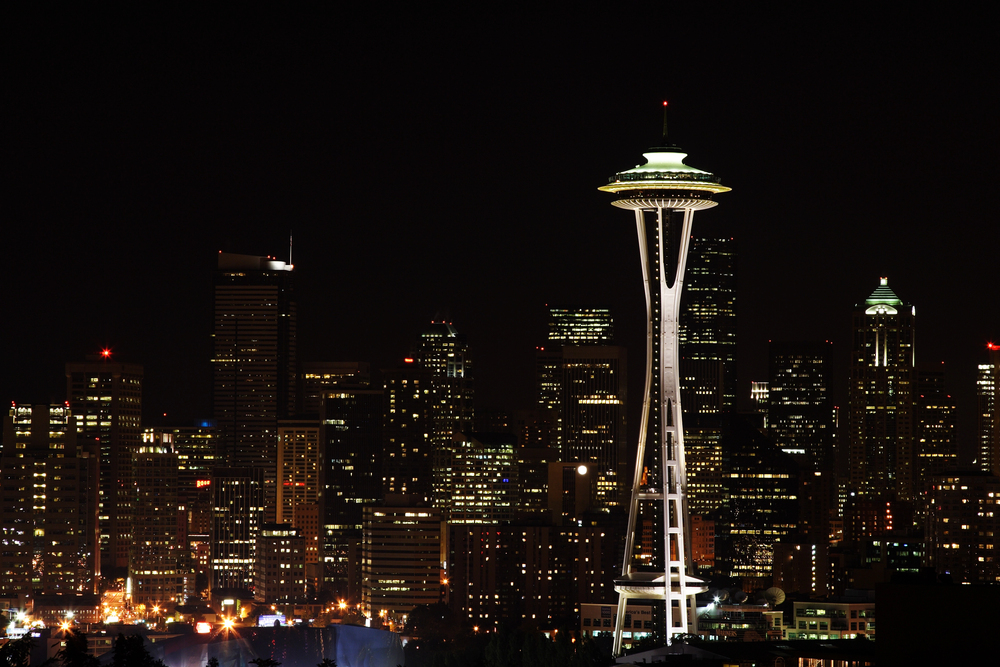
Even with inside entry, crews occasionally go up the exterior of the Space Needle – checking spots that are tough to reach. Instead of staying indoors, they rely on custom climbing tools when winds stay low.
Meanwhile, cleaners make their way up too, scrubbing windows smeared by downpours, birds, or smog from town. Up there, dangling high above streets humming with cars and people, it’s one of Seattle’s dizzier gigs.
A time capsule sits, holding secrets till 2062
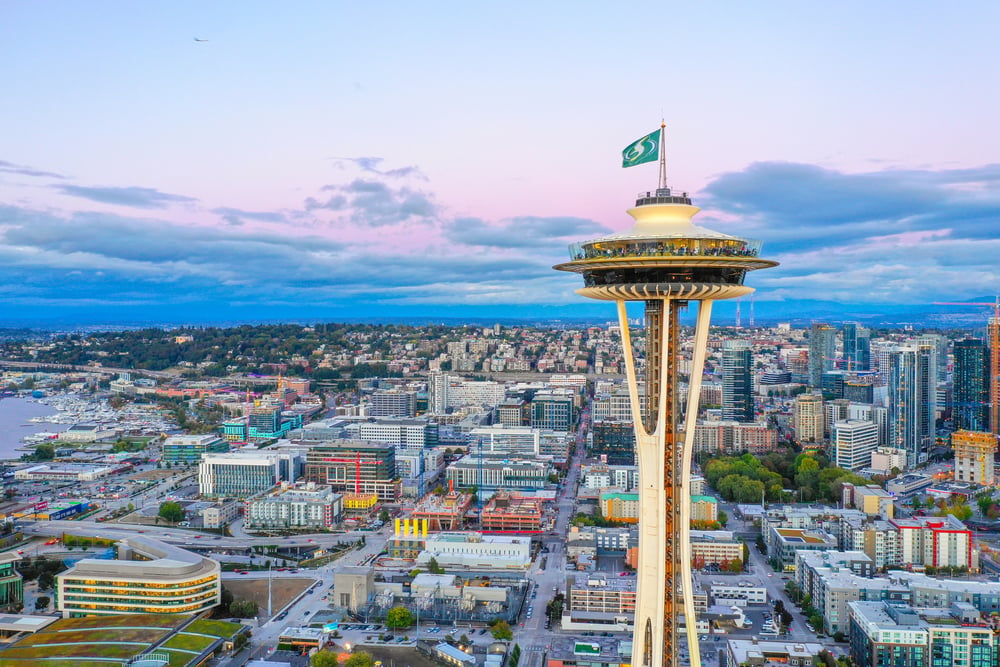
Back in ’62, when the Space Needle first launched, folks tucked away a sealed box set to pop open on its centennial. Inside are bits from that year – papers, snaps, little pieces showing how things were back then.
Chances are nobody around now will be there when it’s cracked in 2062, letting tomorrow’s crowd peek into mid-20th-century minds. Where exactly it’s hidden is recorded, yet kept quiet enough so no one messes with it.
The spinning base moves along a rail using rollers
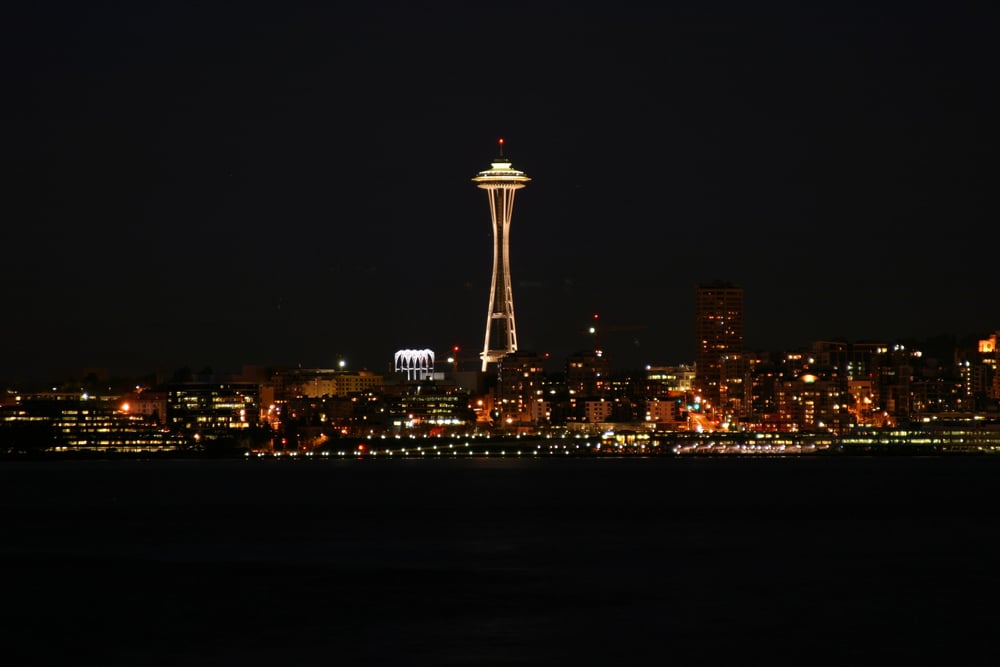
Rather than drifting like it’s weightless or relying on fancy hydraulic systems, the spinning diner floor rolls along a round path supported by 12 wheels moving on a metal guide. It’s surprisingly straightforward for gear that’s been running nonstop since ’62.
A single compact engine drives it, while the entire setup guzzles way less juice than your kitchen fridge. Now and then those rollers get swapped out, yet the core idea hasn’t changed in six decades – simply because it does its job without fuss.
Frequent quakes hit the building – each time it held up
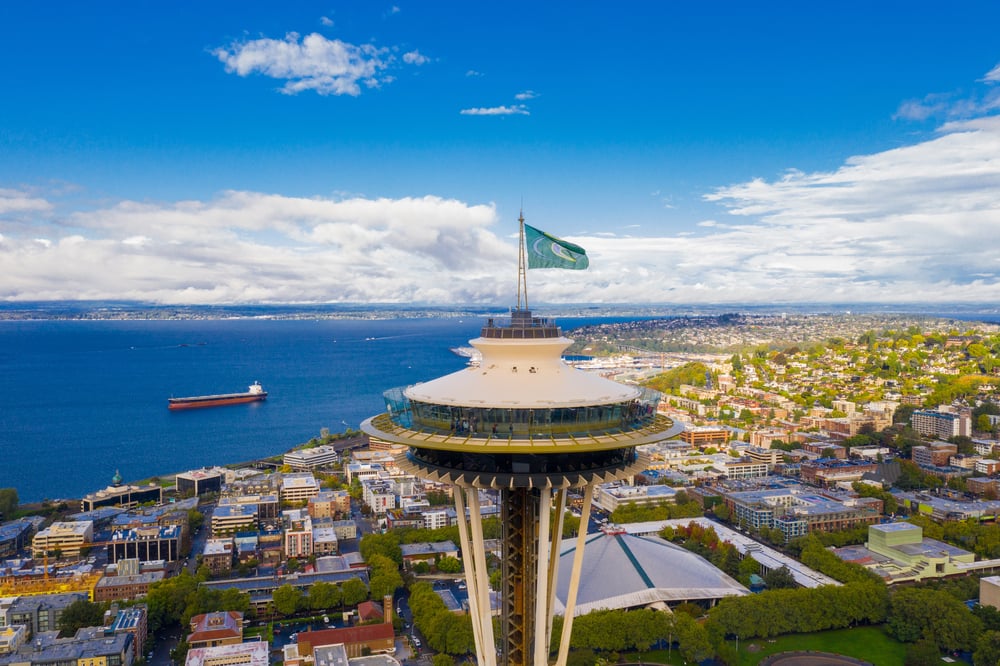
The 2001 Nisqually quake hit 6.8, wrecking parts of Seattle – yet the Space Needle stood fine. It wobbled quite a bit when shaking started; still, workers got everyone out just in case.
Once checked, experts saw zero harm to its frame. Sensors placed inside track each jolt and rumble since then, helping show how high buildings handle shifting earth.
Back in ’65, another strong shake challenged the fresh structure – it handled that one without issues too.
Folks used to climb it on weekends without permission
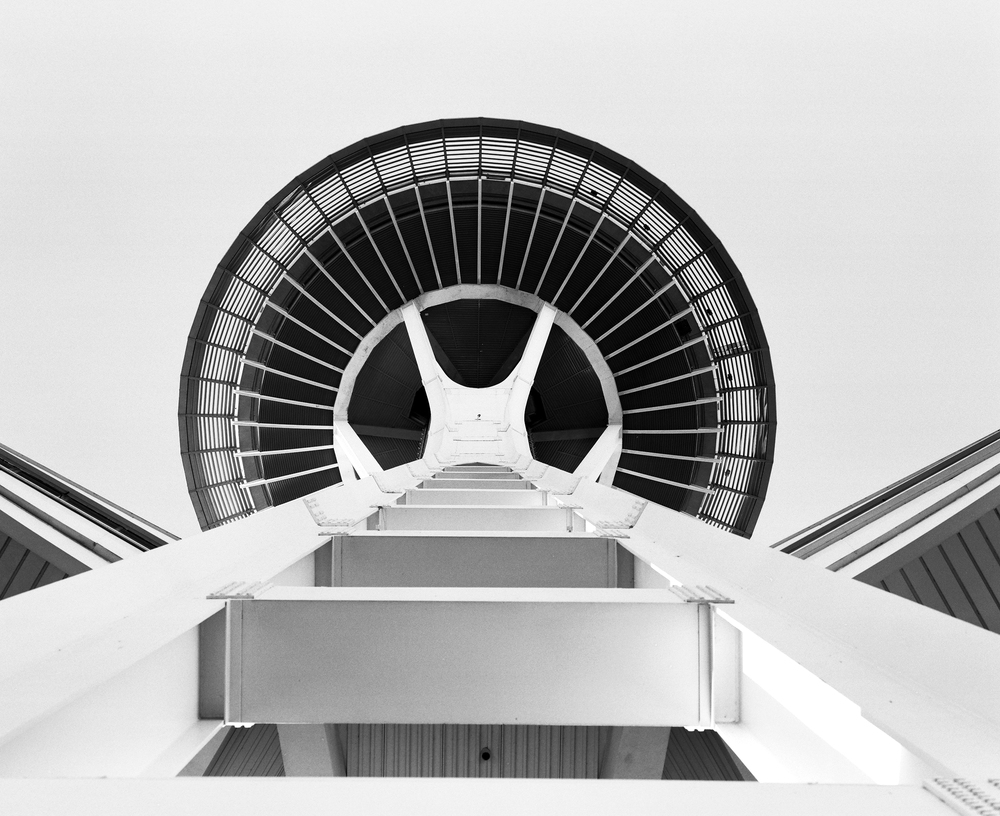
In 1974, a guy known as Spider Dan Goodwin scaled the Space Needle’s exterior – no permit, just suction cups and basic climbing tools. Once he reached the peak, cops nabbed him, though the act did make him sort of a short-lived celebrity.
Ever since, safety steps have ramped up big time: now there are surveillance cams and motion detectors watching for sneaky climbers. Even if someone tried it today, the structure itself fights back – slippery walls and parts that jut outward keep most adventurers from getting far.
Once space hopes bump into real life
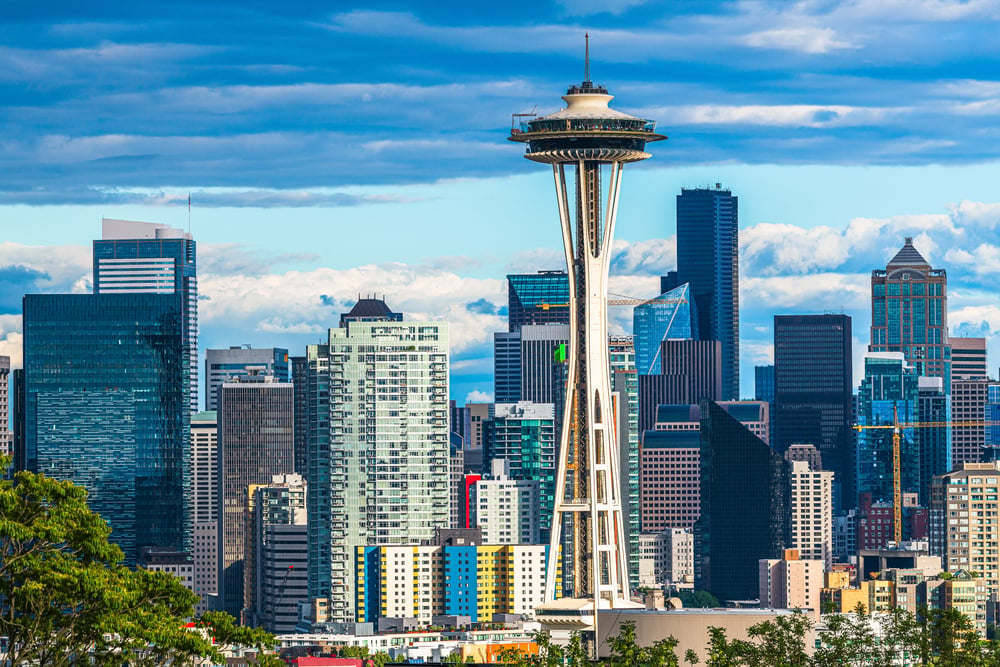
The Space Needle started as a vision of the future, yet somehow kept mattering when that future arrived. Today’s Seattle looks almost nothing like the town from the 1962 World’s Fair – tech firms moved in, towers went up, and people flooded the streets, more than doubling the crowd.
Still, this tower is what folks picture when they think of the city, showing up on souvenirs, screens, and brand marks across the globe. Meant to vanish after one event, it stuck around, surviving the flashy space dreams that sparked it, turning lasting by feeling outdated yet ahead of its time at once.
Each wave of locals grew up with it watching over them – an unchanging shape while everything else shifted nearby.
More from Go2Tutors!

- The Romanov Crown Jewels and Their Tragic Fate
- 13 Historical Mysteries That Science Still Can’t Solve
- Famous Hoaxes That Fooled the World for Years
- 15 Child Stars with Tragic Adult Lives
- 16 Famous Jewelry Pieces in History
Like Go2Tutors’s content? Follow us on MSN.