YouTube Channels for Learning Math
Math has this reputation for being difficult, and honestly, traditional textbooks don’t always help. The explanations feel dry, the examples feel disconnected from anything you care about, and before you know it, you’re lost three chapters behind.
YouTube changed that. Now you can find someone who explains calculus like they’re sitting next to you at a coffee shop, or someone who breaks down algebra with animations that actually make sense.
The challenge isn’t finding math content anymore. The challenge is finding the good stuff that matches how you learn best.
3Blue1Brown

Grant Sanderson runs this channel, and his approach to math feels different from anything else. He uses animations—really smooth, really thoughtful animations—to show you what’s actually happening beneath the equations.
When he explains linear algebra or calculus, you’re not just memorizing steps. You’re seeing the geometry, the patterns, the reason why things work.
His “Essence of Calculus” series changed how a lot of people understand derivatives and integrals. Instead of treating them as abstract operations, he shows you what they represent visually.
The animations take time to produce, so new videos don’t come out every week. But when they do, they’re worth the wait.
Khan Academy

Sal Khan started this whole thing by tutoring his cousin over video calls, and now it’s become one of the biggest educational resources online. The math section covers everything from basic arithmetic through college-level courses.
The teaching style is straightforward. Khan talks through problems while writing them out on a digital blackboard, explaining each step as he goes.
There’s no fancy production, no elaborate graphics. Just clear explanations that feel like someone sitting down with you to work through homework.
The library is massive. Whatever math topic you’re studying, there’s probably a video for it.
And since the organization follows traditional curricula pretty closely, you can usually find exactly what you need when you need it.
Numberphile

This channel takes a different approach. Instead of teaching specific topics step by step, it explores the interesting parts of math that don’t always make it into classrooms. You’ll find videos about unusual numbers, mathematical paradoxes, unsolved problems, and concepts that sound impossible but turn out to be true.
The production feels casual. Professors and mathematicians sit down with pieces of brown paper and markers, explaining ideas that fascinate them.
Sometimes the math gets advanced. Other times it starts simple but takes you somewhere unexpected.
What makes Numberphile work is the enthusiasm. The people in these videos genuinely love what they’re talking about, and that enthusiasm makes even abstract concepts feel approachable.
You might not use everything you learn here in your homework, but you’ll understand why math matters to people who dedicate their lives to it.
PatrickJMT

Patrick Jones has been making math videos since the early days of YouTube, and his style hasn’t changed much—because it works. He focuses on the topics students actually struggle with, the ones that show up on tests and homework assignments.
Each video tackles one specific problem or concept. He explains it clearly, works through examples, and moves on.
No long introductions, no tangents. Just math.
The channel covers calculus, algebra, statistics, and more. If you’re stuck on a particular type of problem, there’s a good chance Patrick has a video showing exactly how to solve it.
His voice is calm, his pace is steady, and he doesn’t overcomplicate things.
Eddie Woo

Eddie Woo teaches high school math in Australia, and his channel features recordings from his actual classroom. You’re basically sitting in on his lessons, watching him work with real students as they figure things out together.
What stands out is his energy. Woo makes math feel exciting without being fake about it.
He asks questions, encourages students to think through problems, and genuinely celebrates when they get something right. The classroom dynamic adds something that solo lectures don’t have—you see other people struggling with the same concepts, asking the same questions you would ask.
The videos cover a wide range of topics, from basic algebra to more advanced concepts. The production quality is simple, just a camera in the classroom, but the teaching quality is excellent.
Organic Chemistry Tutor

Despite the name, this channel covers way more than chemistry. The math section includes comprehensive tutorials on algebra, trigonometry, calculus, and statistics.
The videos are long and detailed. When this channel tackles a topic, it covers everything—definitions, theorems, worked examples, practice problems.
Each video functions as a complete lesson, sometimes running an hour or more. The style is methodical.
The instructor writes out every step, explains the reasoning, and works through multiple examples to show how the same concept applies in different situations. If you need thorough coverage of a topic before a test, these videos deliver exactly that.
Professor Leonard
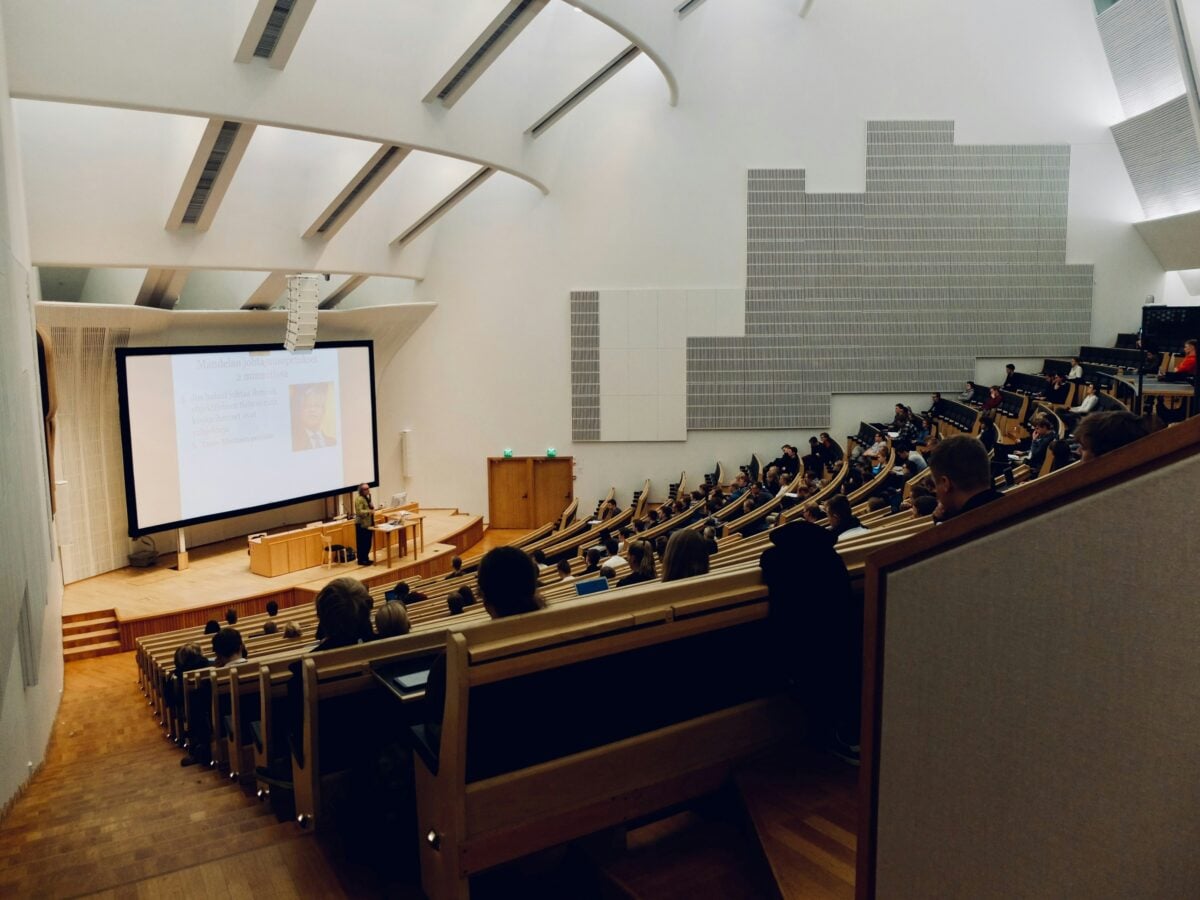
Leonard’s videos feel like you’re sitting in an actual college lecture. That’s because they basically are—he records his community college calculus classes and posts them online.
Each video runs long, usually over an hour. But the length comes with benefits.
Leonard doesn’t rush. He explains concepts thoroughly, answers student questions, and works through examples until everyone gets it.
His teaching style is patient and clear, with a focus on really understanding the material rather than just memorizing formulas. The channel focuses primarily on calculus, from the basics through multivariable calculus and differential equations.
If you’re taking college-level math and want someone to walk you through it at a reasonable pace, Leonard’s videos provide that experience for free.
Mathologer
Burkard Polster runs this channel, and he approaches math the way someone approaches a mystery novel—showing you the puzzle pieces, building tension, then revealing elegant solutions. The videos explore interesting mathematical questions, patterns, and proofs.
The production quality is high. Polster uses animations, visual demonstrations, and carefully planned presentations to make complex ideas accessible.
Sometimes he takes mathematical concepts that seem difficult and shows you the beautiful patterns underneath. Other times he takes simple-seeming questions and reveals surprising depth.
This isn’t the channel for quick homework help. But if you want to understand why mathematicians find certain ideas beautiful, or if you’re curious about the patterns and structures that make math interesting beyond its practical applications, Mathologer delivers.
The Math Sorcerer

This channel combines traditional problem-solving with advice about studying math. The creator works through textbook problems from various math courses while also making videos about learning strategies, recommended books, and how to succeed in math classes.
The style is straightforward and friendly. He shows his work, explains his thinking, and talks through problems the way a good tutor would.
The videos cover calculus, linear algebra, differential equations, and other college-level topics. What makes this channel useful is the variety.
You get problem-solving videos when you need help with specific material. You also get guidance on how to approach studying, which textbooks to use, and how to think about learning math more effectively.
Blackpenredpen

Steve Chow makes videos that feel like they come from someone who really enjoys math problems. He works through calculus, integration techniques, and other topics with genuine enthusiasm, often tackling challenging problems that require clever solutions.
The videos move at a good pace. Chow writes quickly, thinks out loud, and doesn’t get bogged down in excessive detail.
Sometimes he compares different methods for solving the same problem, showing you multiple approaches and explaining why one might work better than another. The channel has a playful quality to it.
Chow seems to enjoy the process of problem-solving, and that comes through in how he presents the material. If you’re studying calculus and want someone who makes it feel less intimidating, this channel hits that mark.
NancyPi
Nancy’s videos focus on the topics students commonly struggle with in algebra and calculus. Each video addresses a specific type of problem or concept, breaking it down into clear, manageable steps.
Her teaching style is warm and reassuring. She speaks directly to the camera, explaining things as if she’s helping a friend with homework.
The production is clean and professional, with good use of graphics to illustrate concepts. What makes these videos particularly helpful is how Nancy anticipates common mistakes and confusion points.
She doesn’t just show you how to solve a problem—she explains where students typically go wrong and how to avoid those errors.
MindYourDecisions

Presh Talwalkar runs this channel, which features math puzzles, brain teasers, and problem-solving challenges. The videos often present an interesting question, give you time to think about it, then walk through the solution.
The problems range from simple puzzles that trick you with their wording to complex mathematical challenges that require real thought. Talwalkar explains the solutions clearly, often showing multiple approaches and explaining the mathematical principles involved.
This channel works well for people who enjoy math as recreation rather than obligation. The puzzles are engaging, the explanations are thorough, and you often learn mathematical concepts while solving entertaining problems.
Krista King Math

Krista King’s channel offers structured lessons across many math topics, from basic algebra through calculus and beyond. Each video teaches a specific concept or problem type with clear, step-by-step explanations.
The teaching style is organized and systematic. King breaks down complex topics into smaller parts, works through examples, and provides tips for remembering key concepts.
The videos are well-paced and focused, making them easy to follow. The channel covers a broad range of material, making it useful for students at different levels.
Whether you’re reviewing basics or learning advanced topics, there are videos designed to help you understand the material and apply it correctly.
Bprp calculus basics
Starting out in calculus? This space – run by Steve Chow, known as blackpenredpen – builds understanding from the ground up.
Instead of jumping ahead, each video works through core ideas step by step. Grasping these basics becomes easier when they’re broken down clearly.
Before tackling harder topics, learners get a chance to strengthen their foundation here. A careful pace shapes how things unfold.
Starting slow, Chow walks through each idea step by step. He clears up tricky spots without rushing past them.
Instead of long lectures, these clips stay tight and clear. Because they zoom in on one thing at a time, picking up details feels easier.
Length matters less when every second counts. Starting calculus can leave you puzzled.
This channel steps in quietly, patching openings in understanding. It lays down what matters so progress feels possible.
Foundations grow here without noise or pressure.
Finding Your Teacher

Not everyone learns the same way. For some, moving images make ideas click.
One person might follow along best when a guide breaks things down piece by piece. A full lecture could help another learner grasp the big picture.
Short answers on narrow subjects may be enough for someone else. What makes learning math on YouTube special? It gives you choices.
Not just one book, not just one way of explaining things. Try 3Blue1Brown when ideas feel confusing – it helps them click.
After that, head to PatrickJMT if solving actual problems is what you need. Or press play on a Numberphile video when curiosity fades and wonder should return.
Start by testing what fits your mind’s rhythm. Pick several options at random.
Notice which way of presenting ideas feels clear. A subject like math becomes reachable once someone explains it in a way that makes sense to you.



