Unusual Facts About Holiday Candles and Scents
The smell in December holds what pictures cannot keep. One breath of pine, maybe cinnamon, drops you back – kitchen tiles under small feet, voices from another lifetime.
That sudden return? It’s not magic.
The brain ties odor to experience like knots in a rope, tighter than elsewhere in the year. These scents we know so well have roots twisted with odd turns: candles once made from ocean beasts, forests lost to flames fed by joy, sticky sap traded across deserts long ago, sweets standing plain and pale until red curled around them.
What feels warm and constant began everywhere but here.
The Candles That Came From Whales

Before paraffin wax existed, wealthy households burned candles made from spermaceti—a waxy substance extracted from the head cavities of sperm whales. A single large whale could yield up to 500 gallons of the material.
Spermaceti candles burned brighter and cleaner than the tallow alternatives made from rendered animal fat, which smelled noticeably of the slaughterhouse. The whaling industry that supplied these superior candles helped build fortunes across New England in the eighteenth century.
The unit of measurement called “candlepower” was originally defined by the light output of a pure spermaceti candle burning at a specific rate. When the whaling industry declined and petroleum-derived paraffin became available in the mid-1800s, these whale candles disappeared from the market entirely.
Cinnamon Was Worth More Than Silver

The warm scent that now defines holiday baking was once extraordinarily expensive. Cinnamon appears in the Old Testament and was used for embalming mummies in Egypt as early as 3000 BCE.
Medieval Europeans treated it as a luxury spice, traded across continents and affordable only to the wealthy. By the thirteenth century, writers classified cinnamon among the “winter spices” alongside pepper, cloves, and nutmeg—not because it grew in cold weather, but because it was reserved for the special occasions of the dark months.
A 2009 study found that people actually perceive the scent of cinnamon as less pleasant when they smell it in summer. The association with winter has grown so strong that the season now shapes how the fragrance registers in human brains.
Tree Candles Killed More People Than You’d Expect
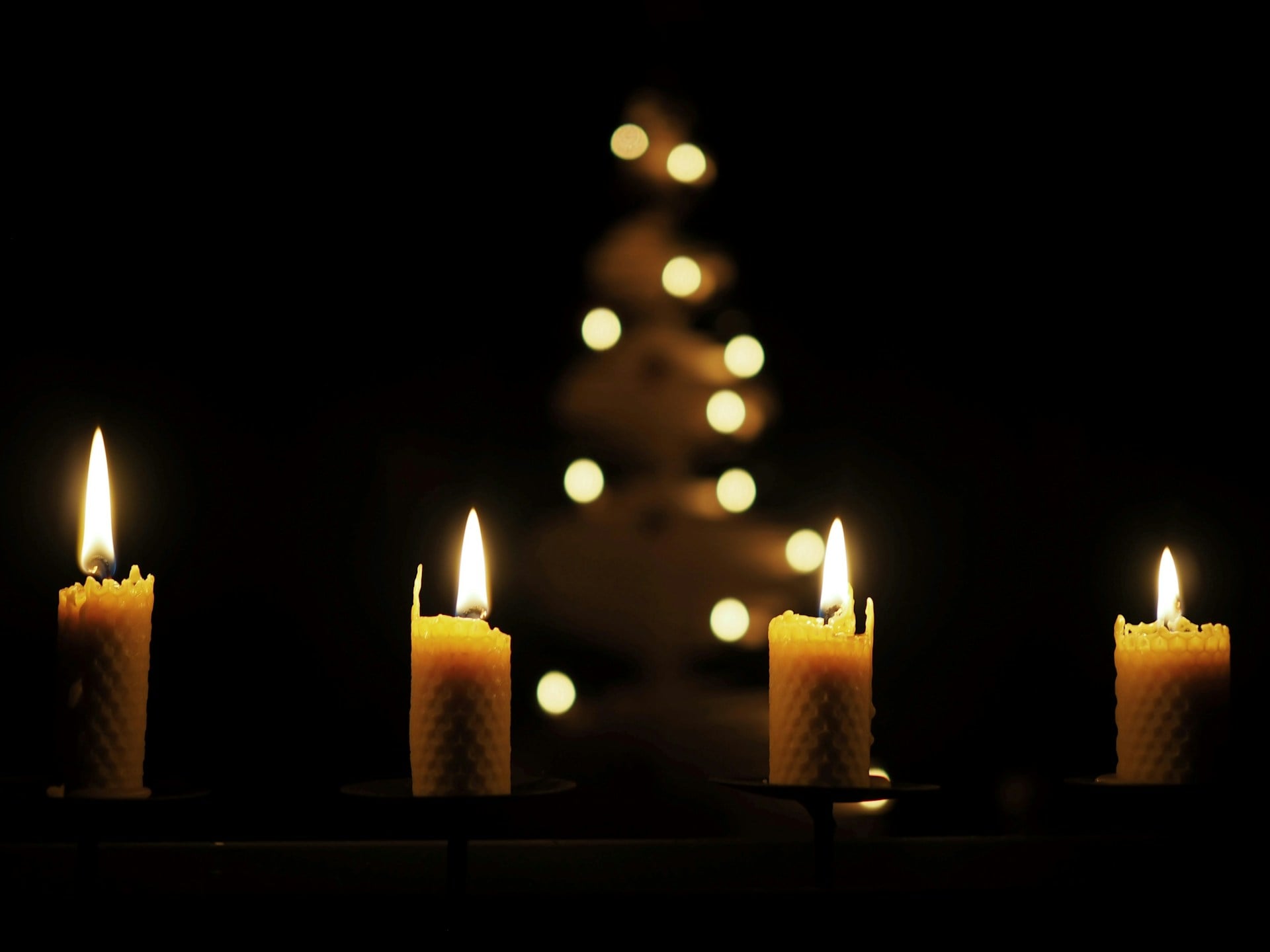
For centuries after Germans began decorating Christmas trees in the sixteenth century, real flames provided the illumination. Families lit candles on the branches, usually only for brief periods during Christmas Eve gatherings.
The predictable results included countless house fires. In Switzerland, where the tradition of lit candles on trees persisted longer than in most countries, a 41-year study documented severe burn injuries and multiple deaths from this single practice.
On New Year’s Day 1891 in Leeds, England, eleven young girls burned to death at a parish church performance when their cotton costumes—designed to look like snowflakes—caught fire from the small Chinese lamps each child carried. Edward Johnson, an associate of Thomas Edison, created the first electric Christmas tree lights in 1882, though it took decades more for the safer technology to replace open flames.
The Magi Brought Aromatherapy

Frankincense and myrrh, two of the three gifts the biblical Magi presented to the infant Jesus, were aromatic tree resins valued for their fragrance as much as for any other property. Both had been burned in temples and religious ceremonies for thousands of years before that night in Bethlehem.
Frankincense produces a warm, woody, slightly citrus scent when heated, while myrrh offers a more bitter, spicy aroma. The combination has never stopped being associated with Christmas, though few modern celebrants burn actual resins.
The word “perfume” itself derives from the Latin “per fumum,” meaning “through smoke”—a reminder that fragrance and burning were originally inseparable concepts.
Peppermint Hung on Trees to Repel Mice

One theory for why candy canes became Christmas tree decorations suggests a practical origin rather than a decorative one. Peppermint is a natural animal deterrent.
Hanging peppermint-scented candies on trees may have helped keep mice and other small creatures from climbing the branches and damaging the decorations. Whether or not this explanation is historically accurate, the connection between peppermint and Christmas took hold firmly in the nineteenth century.
The first documented American use of candy canes as tree decorations came in 1847, when August Imgard, a German-Swedish immigrant in Wooster, Ohio, hung white sugar sticks on his blue spruce. The red stripes and peppermint flavor that seem so essential now didn’t appear until around 1900.
Irish Catholics Used Window Candles as Signals
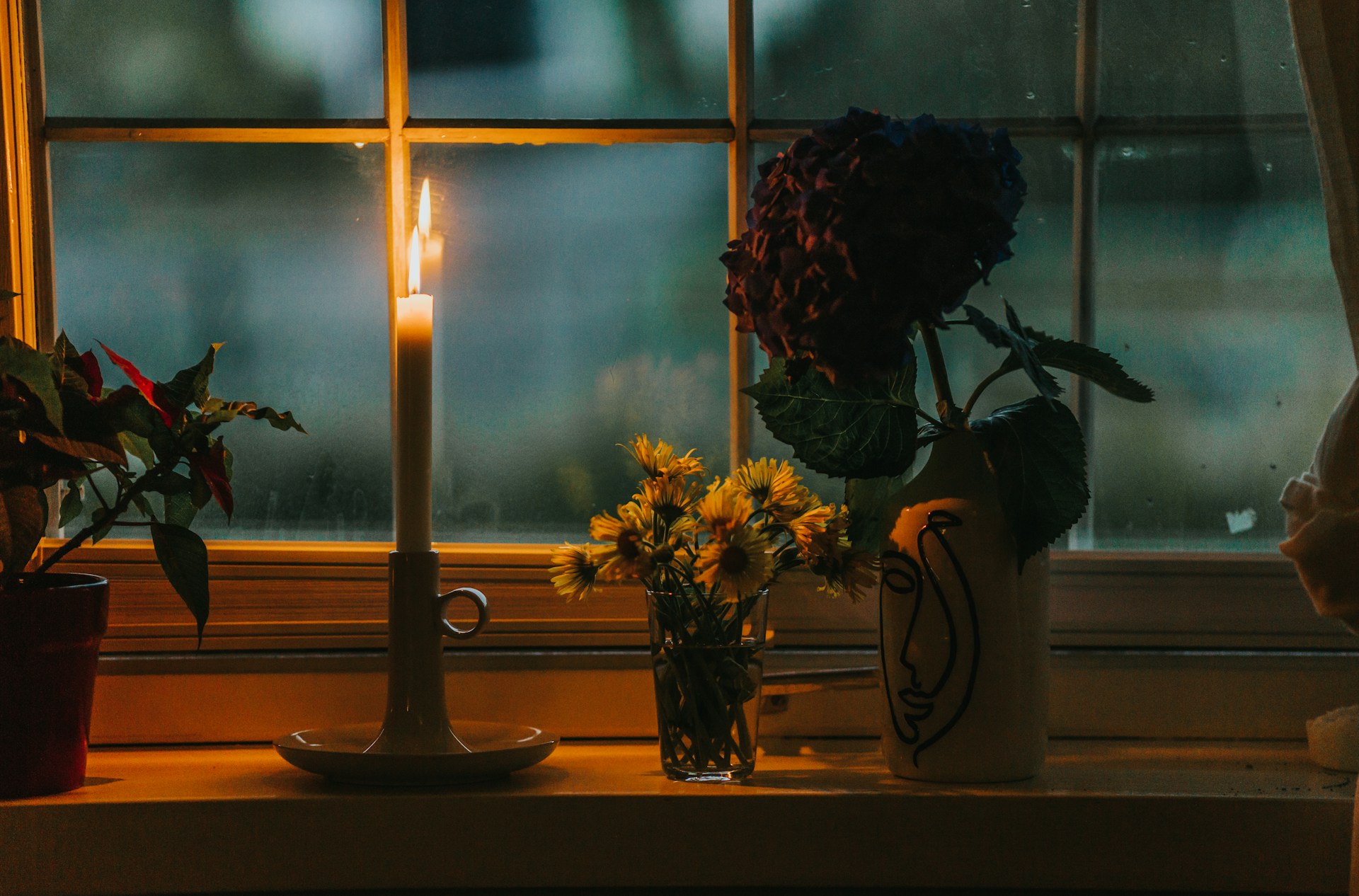
The tradition of placing candles in windows during Christmas originated with Irish Catholics under British rule. From the mid-seventeenth through the late eighteenth century, laws restricted Catholic religious practice in Ireland.
Priests hid in caves and wilderness areas, sneaking back into towns at night to celebrate Mass in private homes. During the Christmas season, Catholic families would leave their doors unlocked and a candle burning in the window to signal that a priest was welcome.
If questioned by authorities, they could claim the candle was simply lighting the way for Mary and Joseph. When Irish immigrants brought this custom to America, it evolved into a more general symbol of welcome and hospitality.
India Made Candles From Cinnamon Trees

While Europeans imported cinnamon bark as a precious spice, people in India found another use for the cinnamon tree. They boiled its fruit to extract a wax suitable for making temple candles.
This practice predated European candlemaking by centuries. The Chinese, meanwhile, developed their own distinct candle technology using wax from tallow trees, insects that secreted a waxy coating, and even whale fat during the Qin dynasty around 200 BCE.
Japanese candlemakers extracted wax from the berries of the Japanese wax tree. Each culture discovered local materials that would burn slowly enough to produce light.
The Advent Wreath Started With a Wagon Wheel
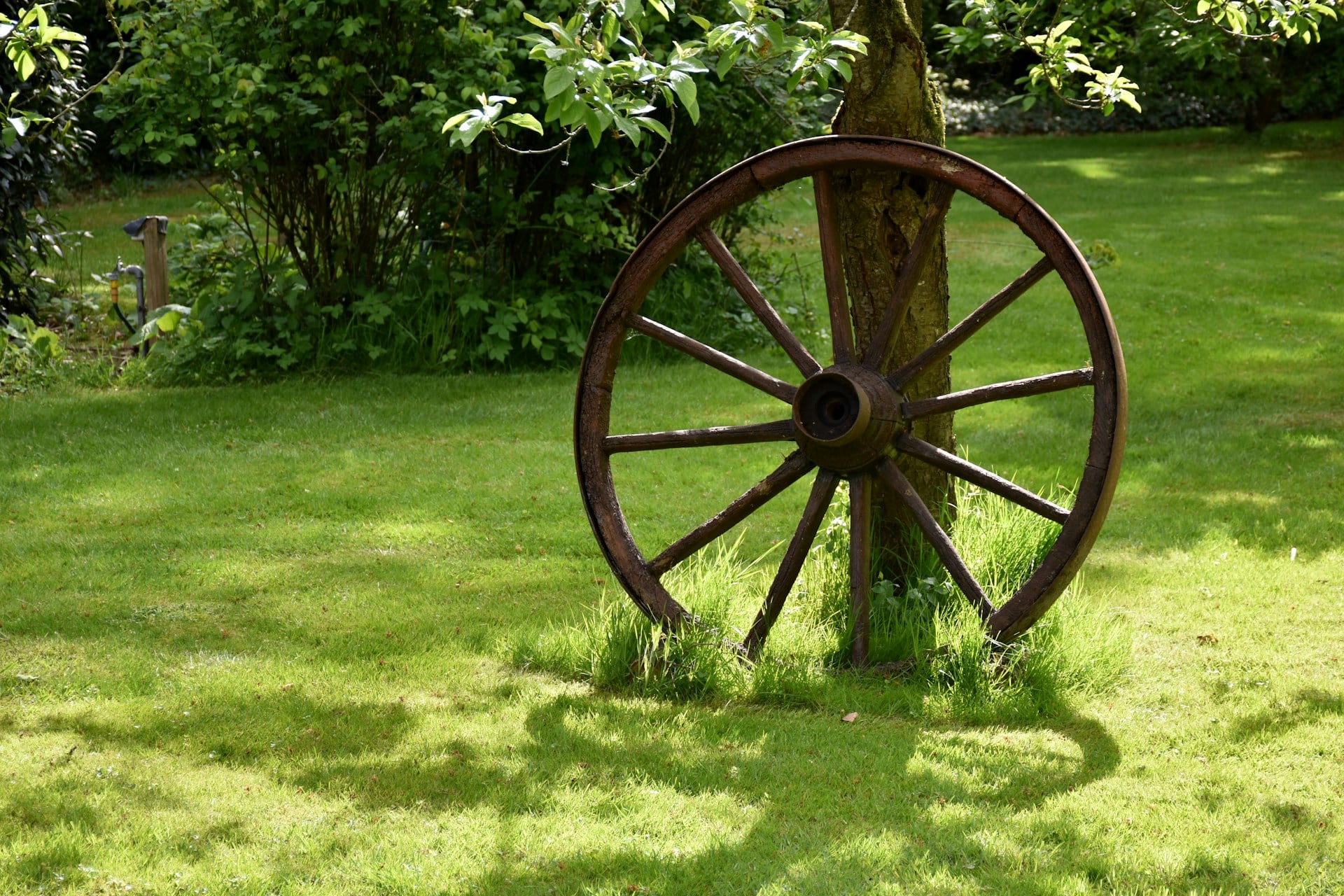
The circular Advent wreath with its four candles—now standard in churches and homes throughout the Christian world—has surprisingly recent origins. A German Lutheran pastor named Johann Hinrich Wichern created the first one in 1839 to help orphans in his care count the days until Christmas.
His original design used a wagon wheel and held far more than four candles—four large white ones for the Advent Sundays plus smaller red ones for each weekday in between, so that children could watch the light grow brighter as Christmas approached. The smaller four-candle version emerged later as Protestant churches adopted and simplified the practice.
Catholic churches in Germany didn’t embrace the tradition until the 1920s, and it didn’t spread widely to North America until the 1930s.
Tallow Candles Smelled Like Death
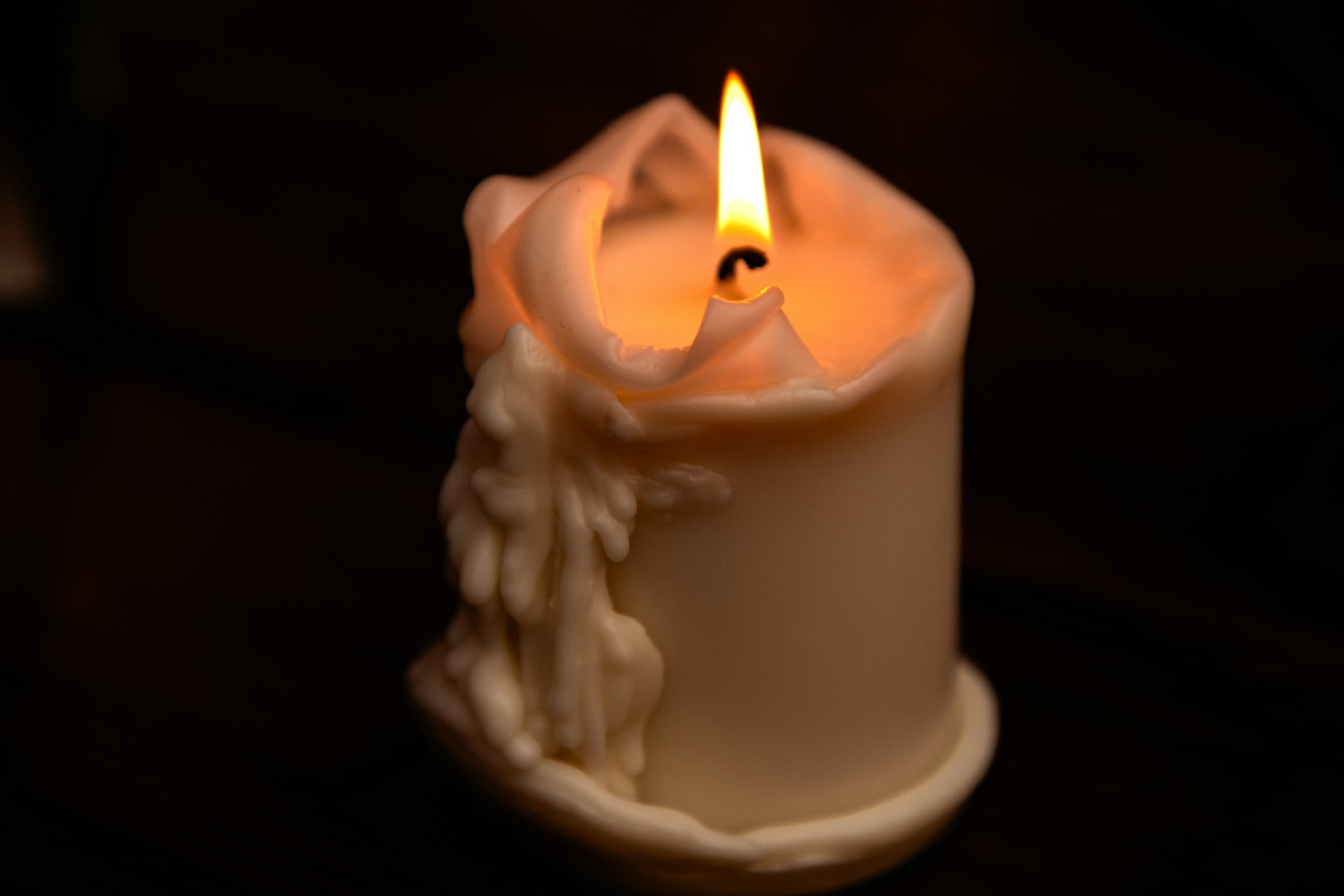
Before beeswax and spermaceti became available, most candles were made from tallow—rendered animal fat, usually from cattle or sheep. These candles produced light, but they also produced a greasy, unpleasant smell that reminded users exactly where the fuel had come from.
Beeswax candles burned cleaner and smelled better, but they cost so much that churches were often the only institutions that could afford them. Papal decrees actually prohibited the use of tallow in altar candles, requiring high beeswax content for any candles used in religious ceremonies.
The class divide between good-smelling and bad-smelling light persisted until paraffin equalized the options in the nineteenth century.
Pine Needles Release Chemicals That Calm People

The distinctive smell of a fresh Christmas tree comes from terpenes, organic compounds that pine trees produce in abundance. Japanese researchers studying “shinrin-yoku” or forest bathing have documented that inhaling these compounds—particularly alpha-pinene from conifers—can reduce cortisol levels and promote relaxation.
The phytoncides released by evergreens may also boost immune function. This research helps explain part of the appeal of bringing real trees into homes despite the hassle of needles, watering, and eventual disposal.
The psychological benefit of the fragrance adds value beyond mere decoration. People who switched to artificial trees sometimes report that something feels missing from their holiday experience—and that something may literally be the absence of these naturally occurring compounds in the air.
Nutmeg Was Worn to Ward Off Plague
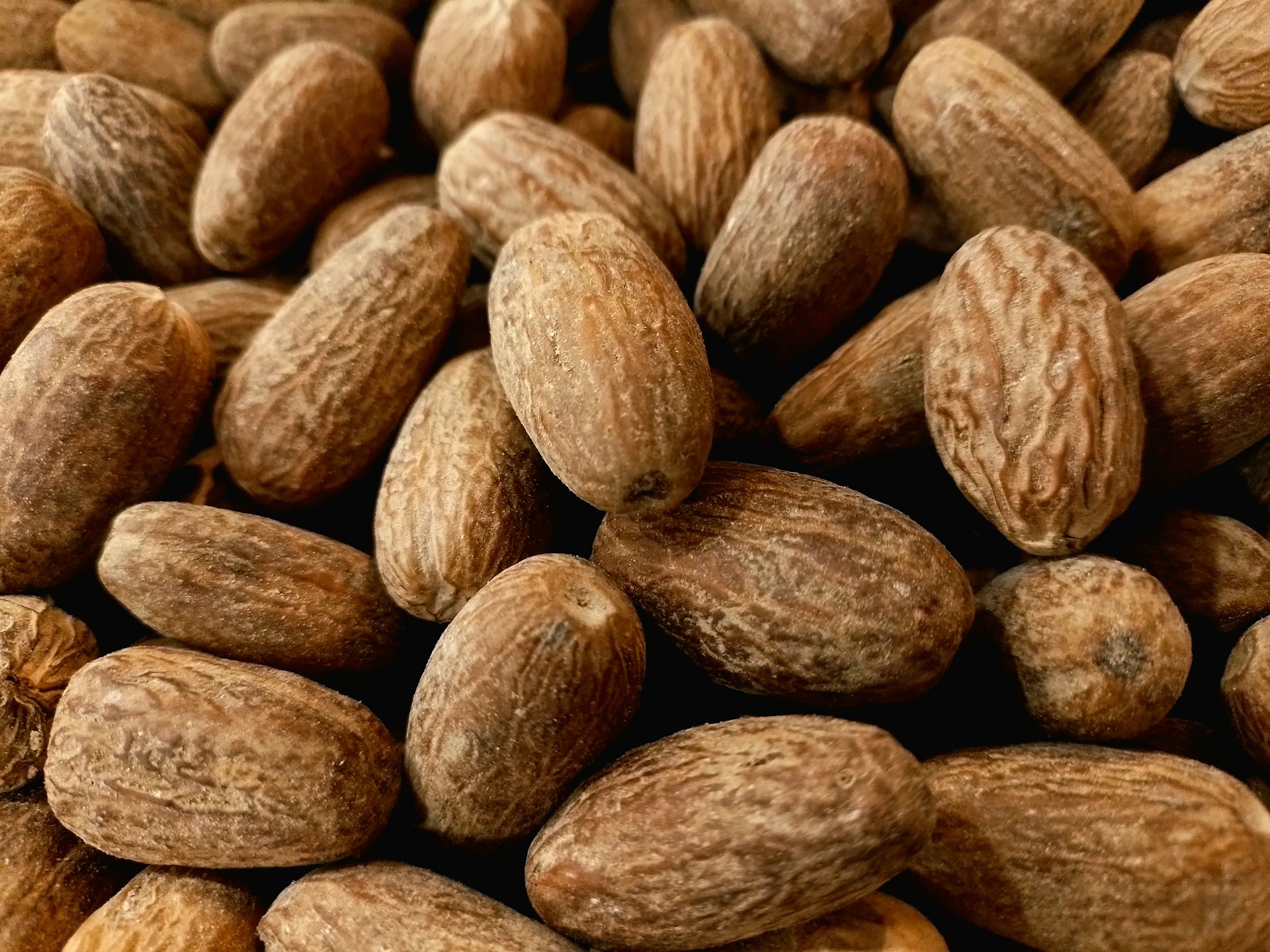
During the Black Death, Europeans wore nutmeg in small bags tied around their necks, believing the spice’s scent could protect them from the disease. The practice arose from the theory that foul air transmitted illness—if you could smell something pleasant and strong, perhaps you wouldn’t breathe in whatever was making people sick.
Nutmeg contains myristicin, which does have legitimate insecticidal properties. Whether this offered any actual protection against plague-carrying fleas remains doubtful.
But the association between nutmeg and the winter months persisted. The spice appears in medieval recipes for warming drinks and festive dishes, its exotic origin and eye-watering price marking it as appropriate for special occasions.
Electric Lights Took Decades to Catch On
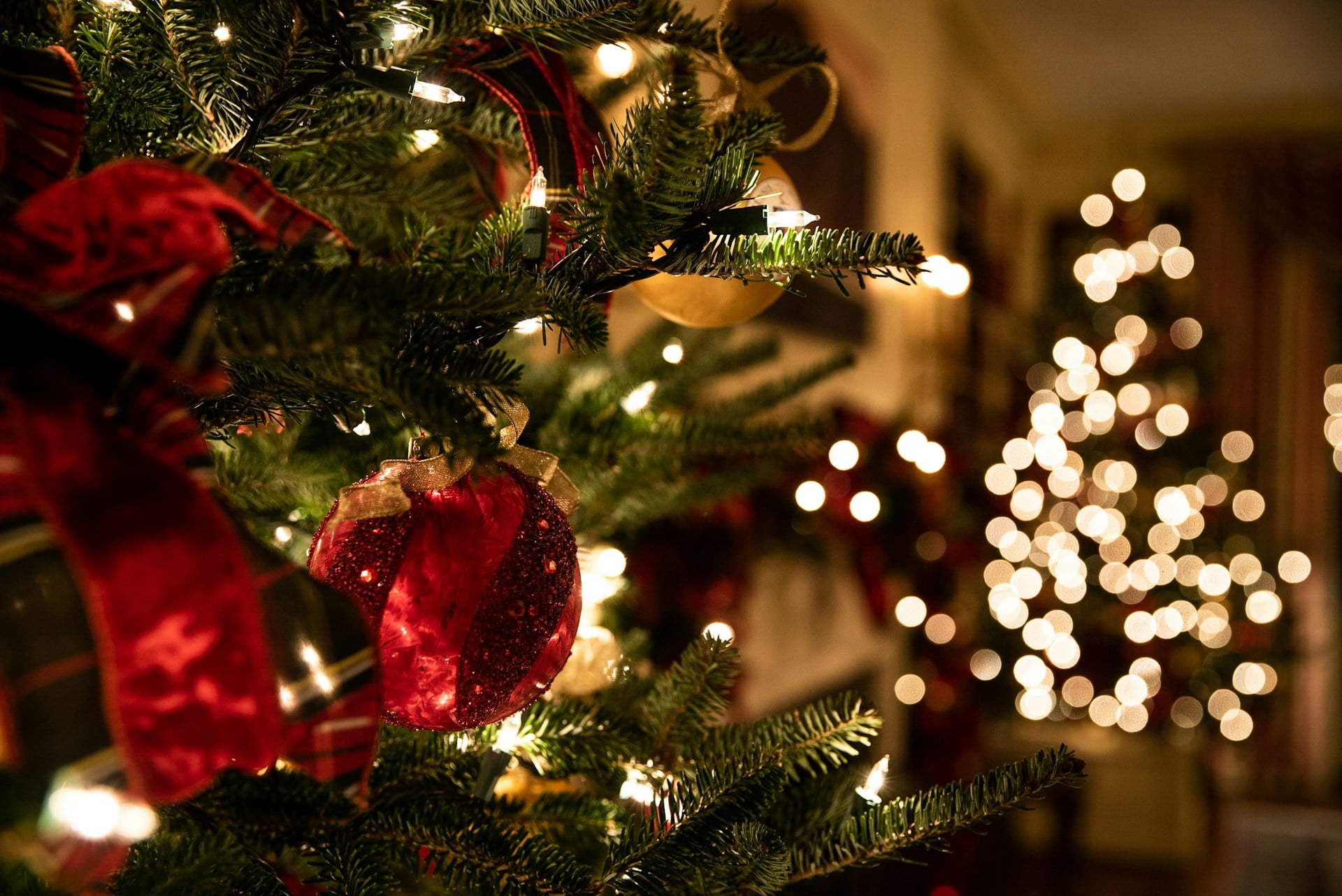
Edward Johnson’s 1882 demonstration of electric Christmas tree lights should have immediately ended the era of flaming candles on branches. It didn’t.
Johnson hand-wired eighty red, white, and blue bulbs for his tree in New York City, creating a display that newspapers reported with amazement. But electric lights remained expensive and required professional installation for years afterward.
Most homes lacked electricity at all. The custom of candle-lit trees continued well into the twentieth century, with all the accompanying fires and tragedies.
Only as electricity became standard in homes and mass production drove down the cost of light strings did the transition finally complete.
Clove and Nutmeg Share Almost Identical Molecules
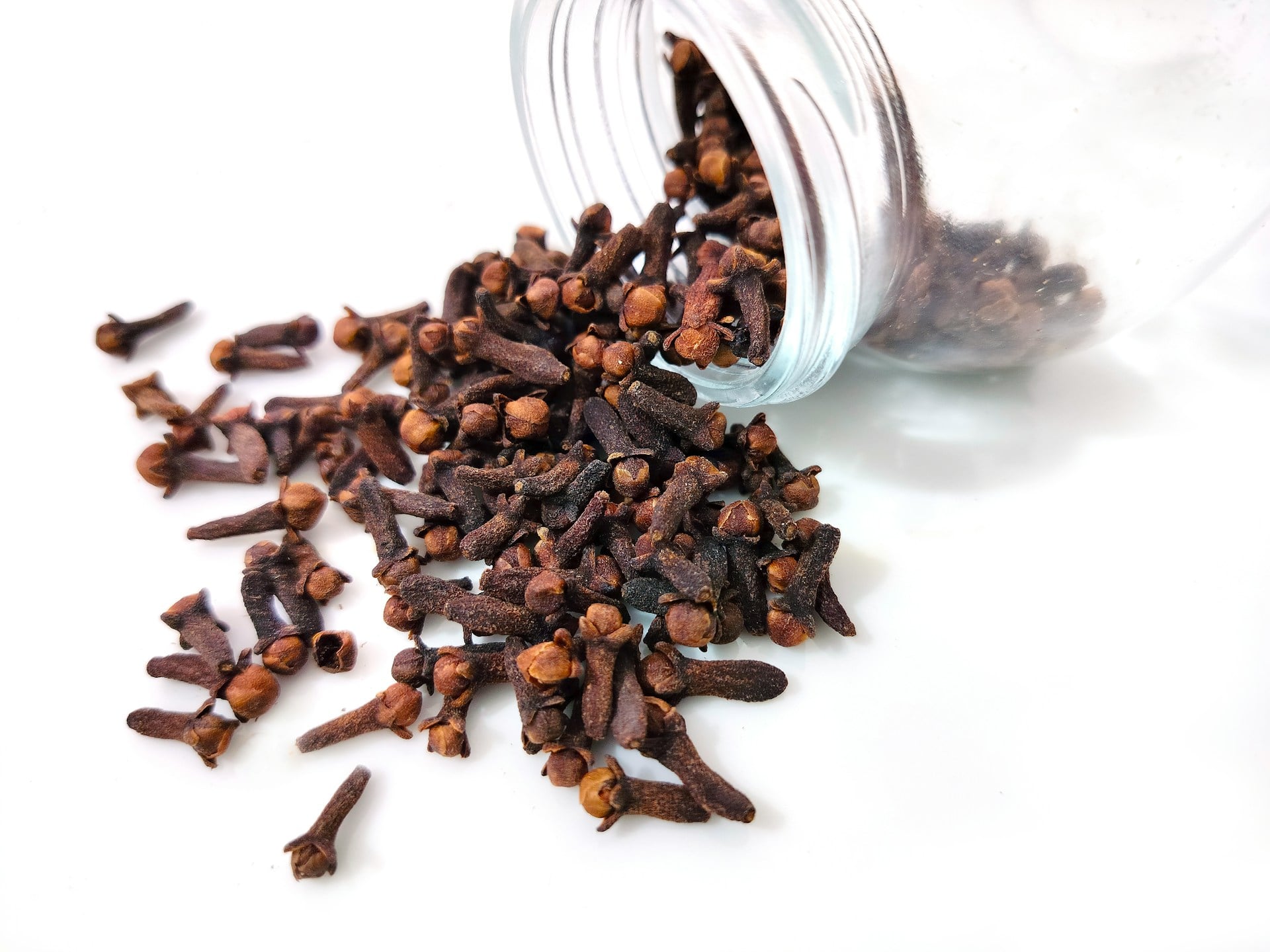
Despite growing on completely different plants from island groups separated by hundreds of miles of open sea, cloves and nutmeg owe their similar warming scents to nearly identical chemical compounds. The fragrant compound in nutmeg is isoeugenol; the main component of clove oil is eugenol.
These molecules differ by just one double bond in their chemical structure. Both spices found their way into European holiday traditions through the same spice trade routes, and both appear in mulled wine, gingerbread, and other December staples.
The plants may be unrelated, but chemistry made them seasonal companions.
Pomanders Date Back Centuries

The practice of studding oranges with cloves to create a fragrant pomander predates modern air fresheners by hundreds of years. Medieval Europeans made pomanders from various aromatic materials enclosed in pierced metal containers worn around the neck.
By the Victorian era, the orange-and-clove version had become a popular Christmas craft. Children would spend hours pressing cloves into orange peels, then rolling the finished pomander in cinnamon or other spices.
The finished product could scent a room for weeks. Placing these near heat sources intensified the fragrance release.
Some families still make pomanders today, continuing a tradition that bridges centuries.
The Scent of Christmas Changes Your Brain
Smell hits the brain fast, faster than thinking. A whiff of pine or spiced dough ties straight into feelings, no detours.
That link lives deep inside the head, where memory and emotion mix without permission. One breath and you are back – suddenly standing in a cold doorway, gloves stuffed in pockets.
It is not magic, just nerves doing their job below awareness. Stores know this well, filling air with warm spice during winter months on purpose.
Yet here’s something real. Winter seasons carry their own scent – distinctive, sharp – that slips straight into the mind unlike anything seen or heard.
More from Go2Tutors!

- The Romanov Crown Jewels and Their Tragic Fate
- 13 Historical Mysteries That Science Still Can’t Solve
- Famous Hoaxes That Fooled the World for Years
- 15 Child Stars with Tragic Adult Lives
- 16 Famous Jewelry Pieces in History
Like Go2Tutors’s content? Follow us on MSN.



