15 Rare Collectible Toys Breaking Auction Records
The world of toy collecting has exploded into something nobody saw coming. What started as nostalgic adults buying back their childhood has transformed into a serious market where pristine condition action figures sell for more than luxury cars.
Auction houses that once dealt exclusively in fine art now dedicate entire departments to vintage toys, and collectors are setting records that would have seemed absurd just a decade ago. These aren’t your typical garage sale finds.
These are the holy grails — toys so rare, so perfectly preserved, or so culturally significant that they’ve transcended their original purpose as playthings and become legitimate investment pieces. The stories behind these record-breaking sales reveal a market driven by scarcity, nostalgia, and the kind of obsessive dedication that turns childhood memories into serious money.
1979 Kenner Alien Action Figure
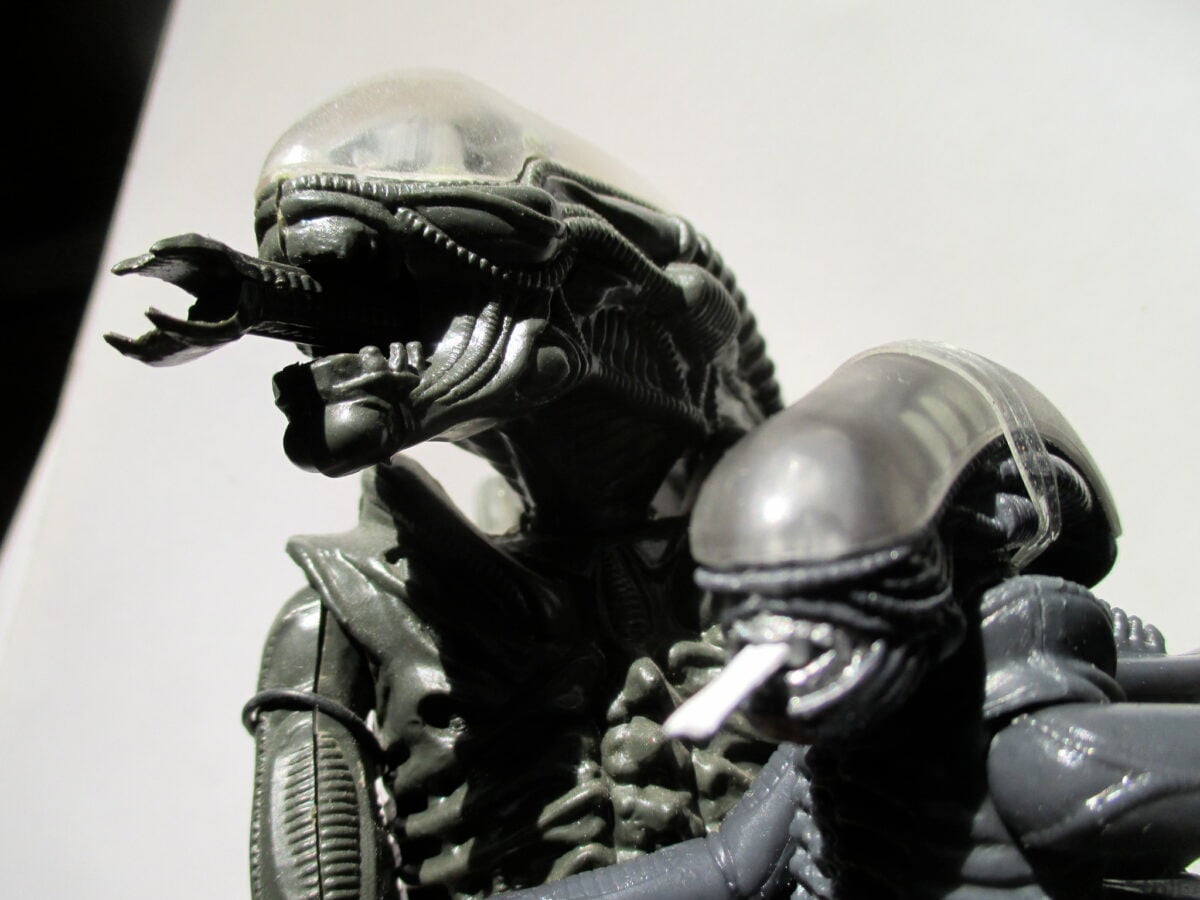
This thing sold for $1.8 million. Not a typo.
The Kenner Alien figure from 1979 broke every record in the book when it hit the auction block in 2022. Mint in package, never opened, sitting in a climate-controlled collection for over four decades.
Hot Wheels Pink Beach Bomb Prototype
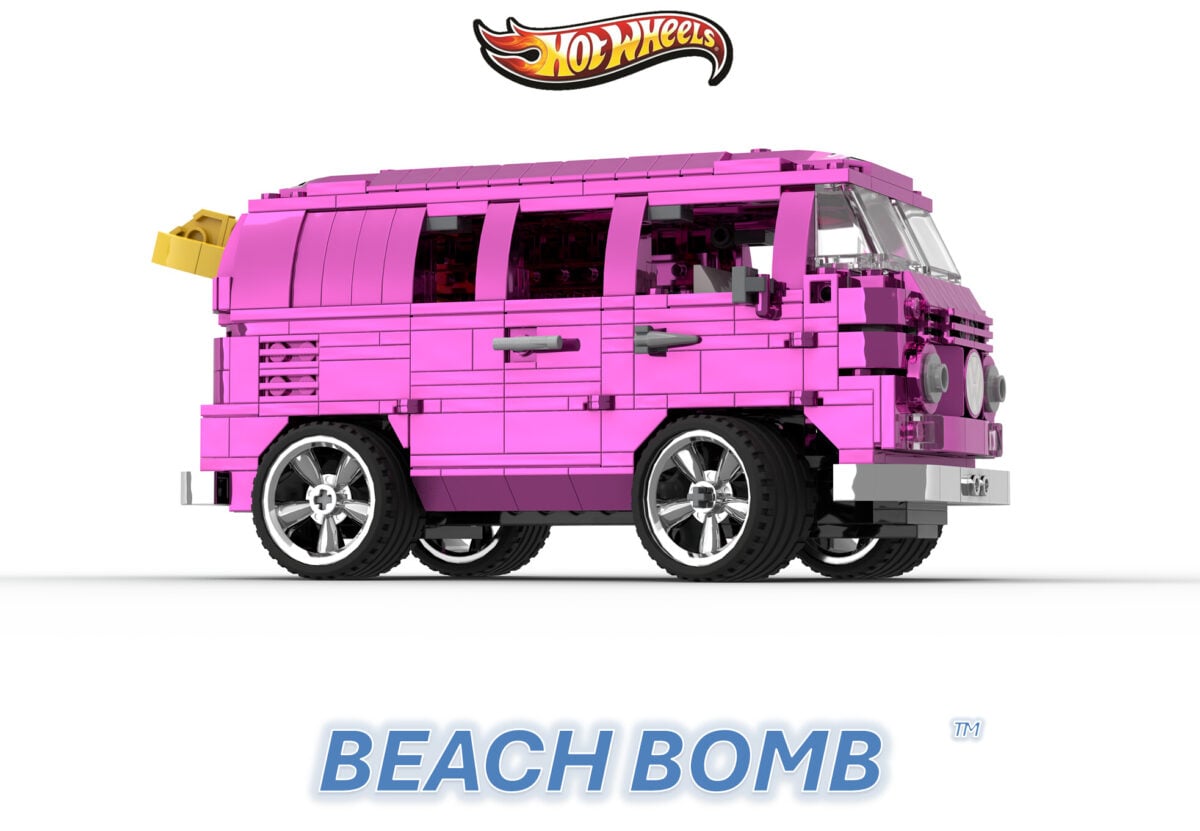
The story behind this toy reads like something out of a fever dream — which, considering how the toy industry operated in the late 1960s, it might as well have been (those were different times, when designers threw ideas at the wall with the kind of reckless abandon that produced both masterpieces and disasters in equal measure). Mattel created this pink Volkswagen van prototype in 1969, complete with surfboards sticking out the rear window, but the design was so top-heavy it couldn’t make it down the orange Hot Wheels track without tipping over.
So they scrapped it. And then someone at the company — probably figuring nobody would ever care about a failed prototype — decided to make exactly two of them anyway, just because they could. One of those prototypes sold for $175,000 in 2018, which makes you wonder what the other one is worth now.
But that’s the thing about prototypes: they exist in this strange limbo between what was intended and what actually happened, carrying the weight of roads not taken.
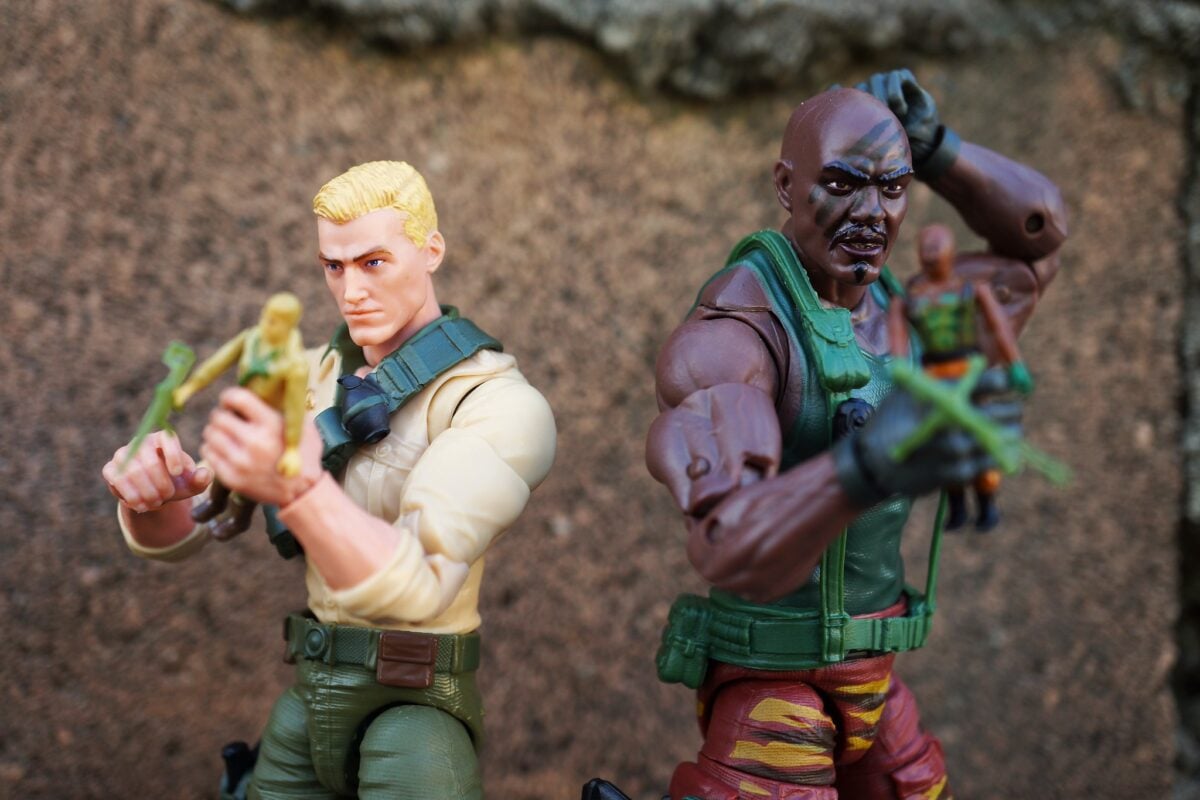
Original 1964 G.I. Joe Prototype
Toy collecting operates on the same emotional frequency as archaeology. You’re not just buying plastic and metal — you’re purchasing a moment that someone else lived through, complete with the fingerprints of memory still pressed into the surface.
The original G.I. Joe prototype understands this better than most toys ever could. This wasn’t the G.I. Joe that millions of kids eventually played with.
This was the first one, the test model that sat in meeting rooms while executives decided whether America was ready for a doll marketed to boys. The prototype sold for $200,000, carrying with it the weight of every childhood battlefield that came after.
1978 Luke Skywalker Telescope Saber Error
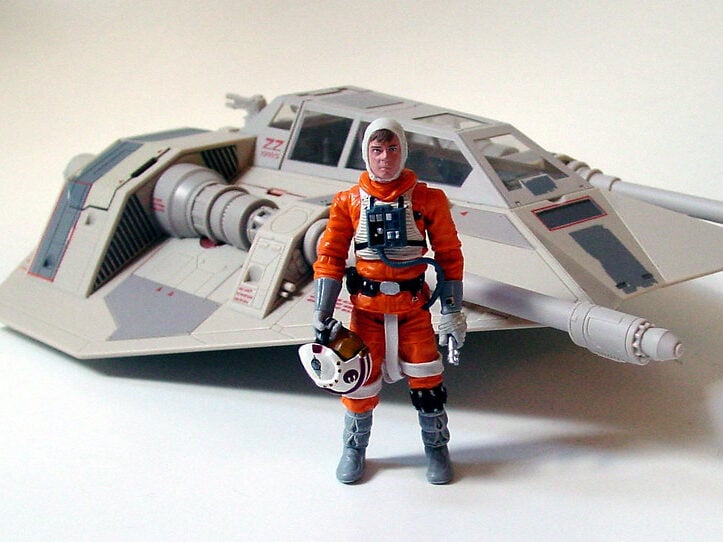
Kenner screwed up spectacularly with this one. They printed “telescope saber” instead of “telescoping saber” on the packaging, and by the time someone caught the error, thousands had already shipped.
Most got recalled and corrected. The few that survived the recall now sell for astronomical amounts.
One mint-condition error card sold for $76,000, proving that sometimes the mistakes are worth more than getting it right. Corporate embarrassment ages into collector gold, apparently.
Peanut the Elephant Beanie Baby
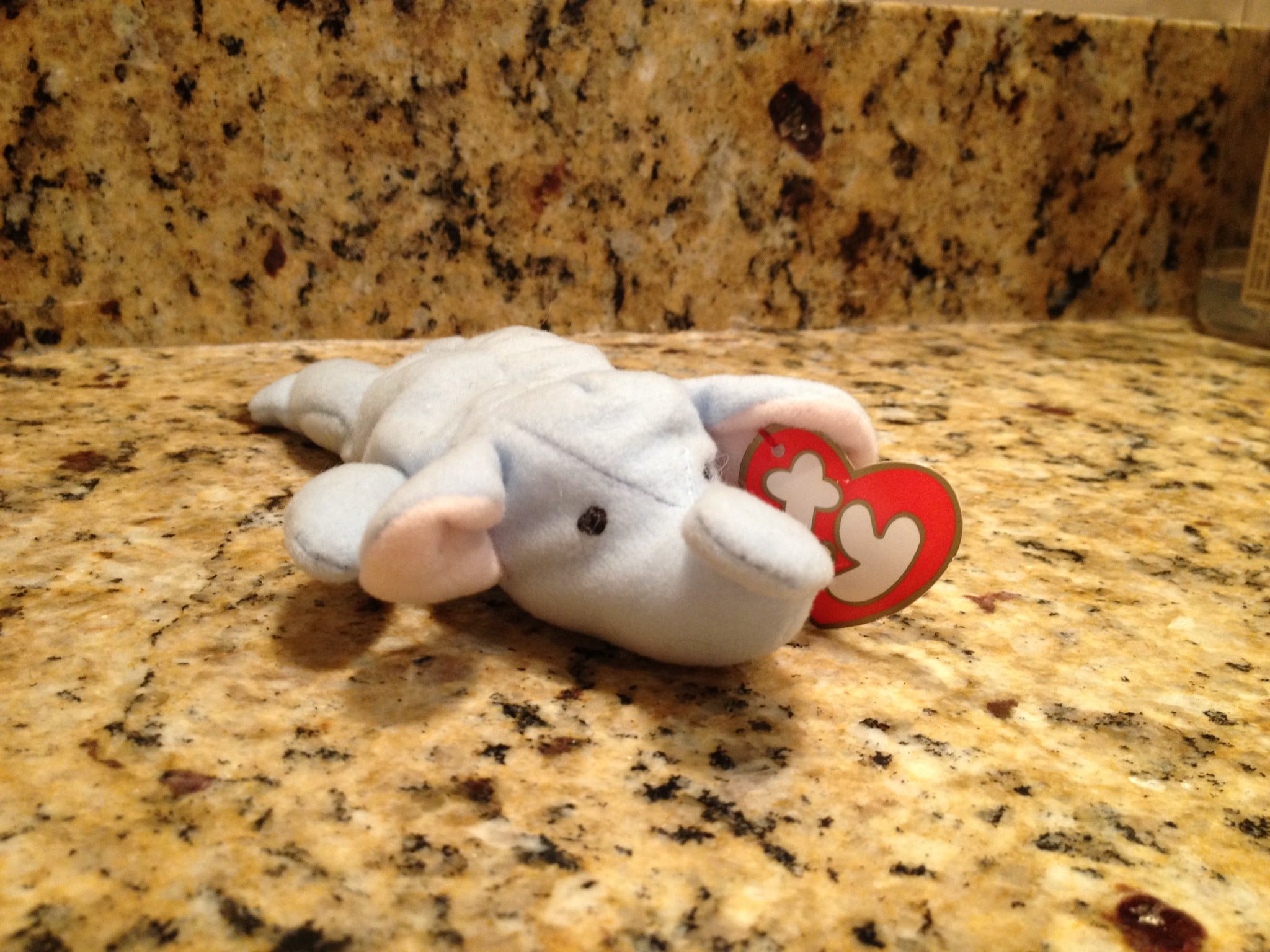
The Beanie Baby phenomenon of the 1990s was mass hysteria dressed up as collecting, and Peanut the Elephant sits right at the center of that beautiful madness (though calling it beautiful might be generous, considering how many marriages it probably strained and college funds it redirected). Ty originally made Peanut in royal blue, but then switched to light blue, making those early royal blue versions instantly rare.
And then there were the ones with errors — wrong birthdates on the tags, misspelled names, manufacturing defects that somehow made them more valuable rather than less. One royal blue Peanut sold for $95,000, which is the kind of money that makes you reconsider everything you thought you knew about value and desire.
But that’s what happens when scarcity meets nostalgia: logic goes out the window, and people start paying house-down-payment money for stuffed elephants. The whole thing was absurd and perfect and completely American in its excess.
1963 Etch A Sketch Prototype
Original prototypes carry a different kind of magic than production toys. This Etch A Sketch prototype predates the familiar red frame by several years, featuring a blue aluminum body and mechanical differences that were refined out of the final design.
It sold for $86,000 to a collector who understood that owning the prototype means owning the moment before millions of kids discovered the frustration of trying to draw circles with perpendicular knobs.
Diamond-Encrusted Barbie
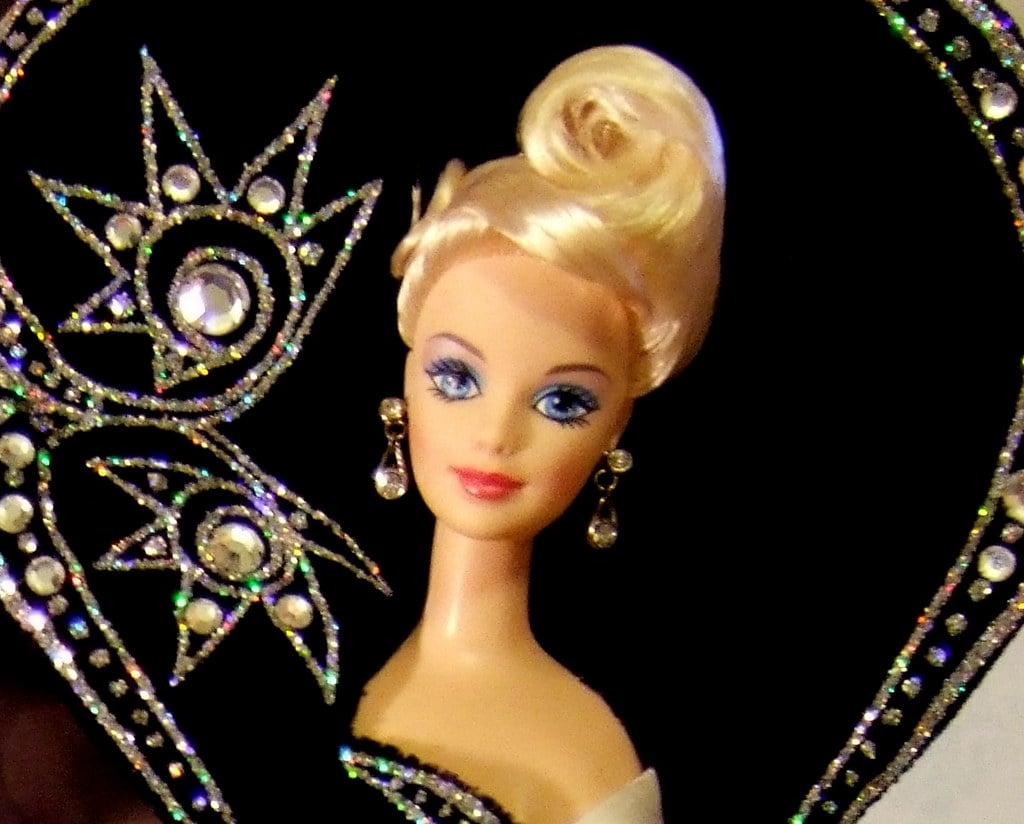
Mattel commissioned this one-off Barbie in 1999 for the toy’s 40th anniversary. Real diamonds, real gold, designed by jewelry designer De Beers.
It was never meant for children — this was pure adult fantasy, the kind of object that exists solely to prove it can exist. The diamond Barbie sold for $302,500, making it simultaneously the most expensive Barbie ever and a perfect symbol of how far the collecting world had drifted from its roots.
Sometimes luxury and nostalgia collide in ways that produce something nobody actually needs but everyone wants to look at.
1959 #1 Ponytail Barbie
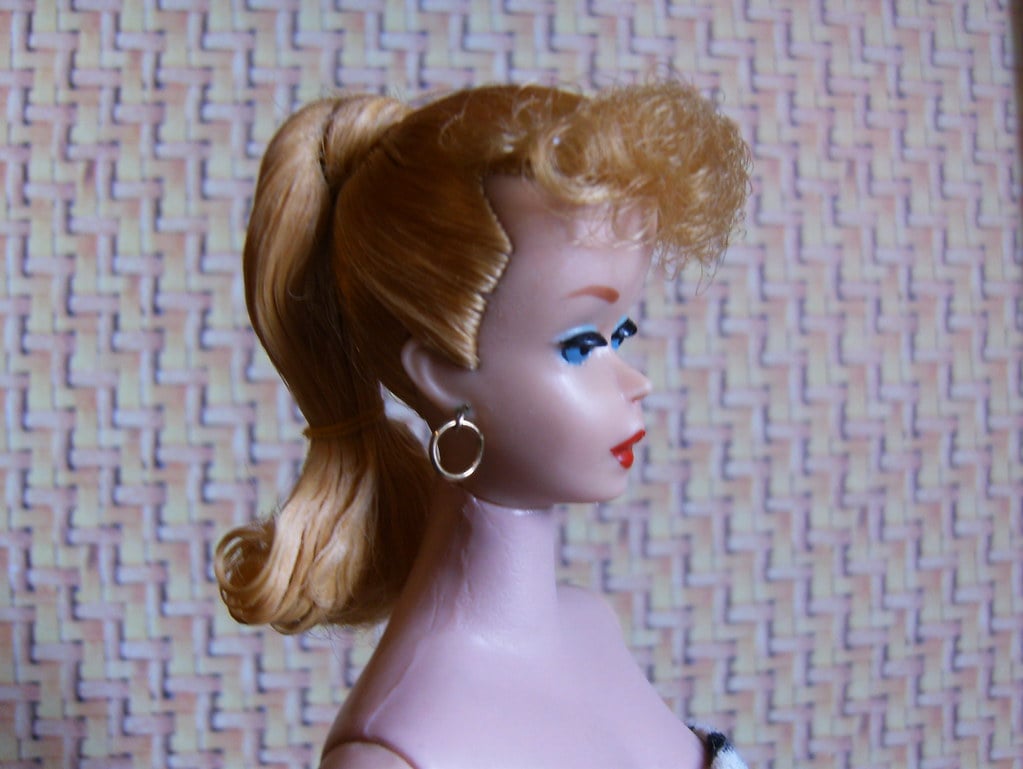
Barbie collecting follows its own Byzantine rules, with subtle variations in face paint and hair texture determining values that swing from hundreds to hundreds of thousands (and collectors who can spot the difference between #1 and #2 Barbies from across a room, which is either impressive expertise or a very specific form of madness, depending on your perspective). The original #1 Barbie from 1959 — the one with the arched eyebrows, white irises, and ponytail that’s been copied but never quite duplicated — represents the beginning of everything that came after.
One mint-in-box #1 Barbie sold for $350,000, proving that sometimes being first matters more than being best. But calling this Barbie “just first” undersells what she actually accomplished: she created an entire category of play that hadn’t existed before, opening possibilities that millions of kids would spend decades exploring.
And yet the irony persists: the most valuable Barbies are the ones that were never played with.
Mickey Mouse Doll from 1930s
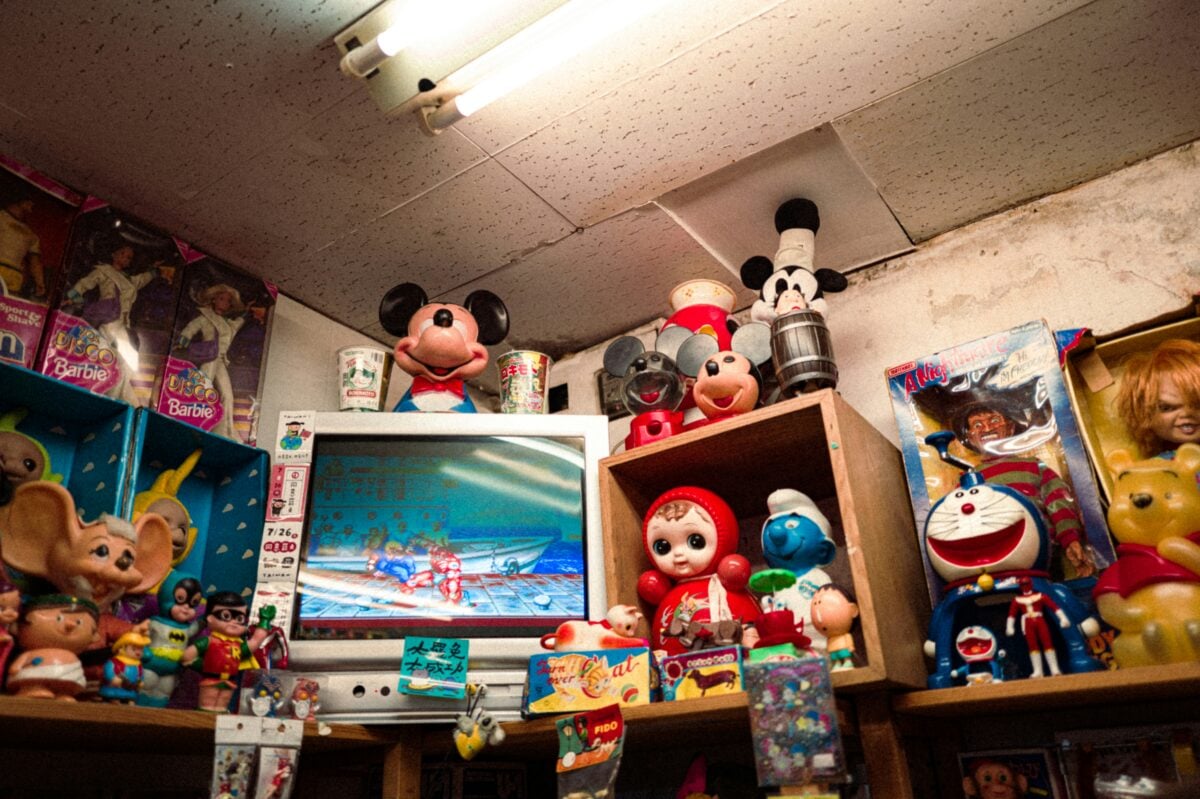
Disney toys from the 1930s exist in their own rarefied atmosphere. This particular Mickey Mouse doll — made by Charlotte Clark under license from Disney — sold for $151,000, representing not just the character but the moment when cartoon characters first jumped from screen to bedroom.
The craftsmanship is hand-stitched perfection, but the real value lies in the cultural shift it represents: the birth of character merchandising as we know it.
40th Anniversary Rubik’s Cube
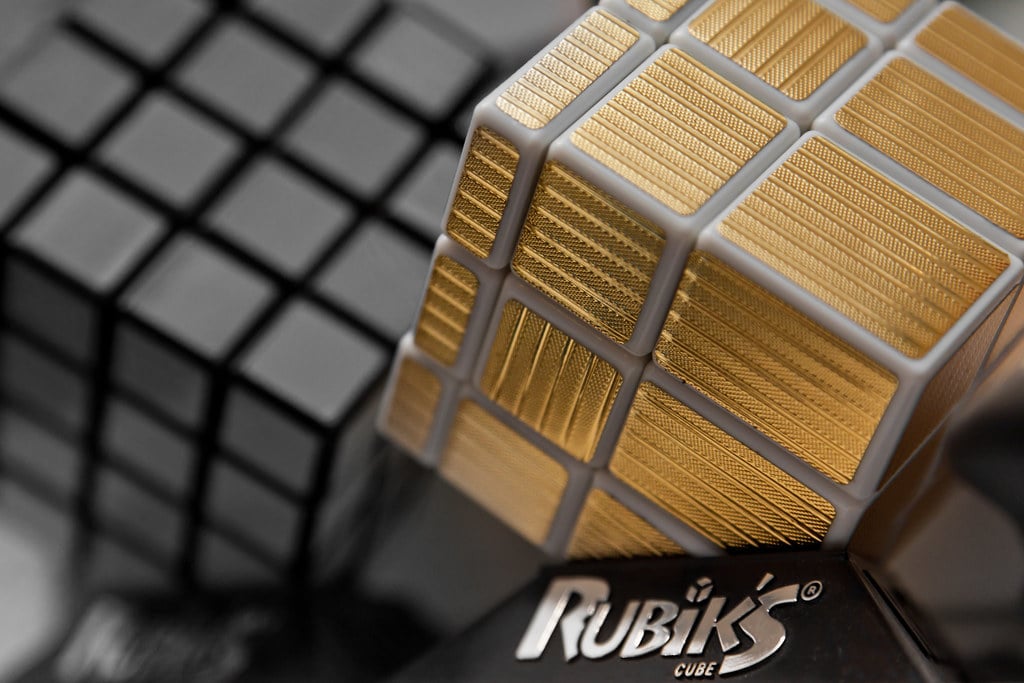
Rubik’s Cubes are supposed to be solved and scrambled and solved again. That’s the point.
But this 40th anniversary edition was made from 18-karat gold and encrusted with precious stones, transforming the familiar puzzle into something you’d never actually twist. It sold for $56,000, which raises uncomfortable questions about what happens when functional design gets turned into pure luxury object.
The gold cube can still be solved, technically, but nobody’s going to risk it.
1950s Roy Rogers Cap Gun Set
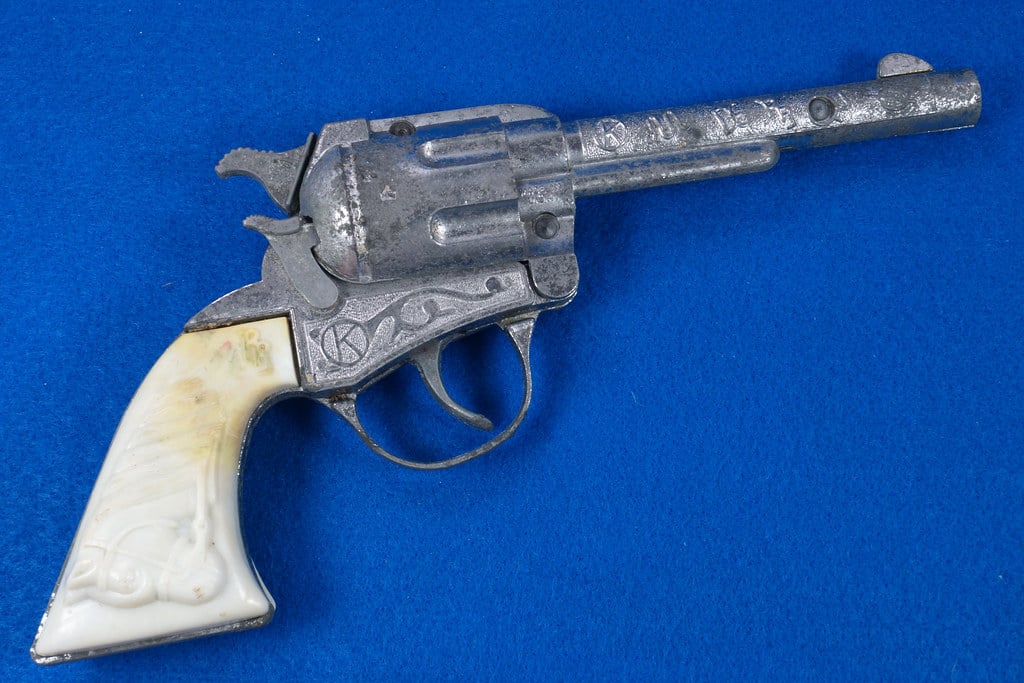
Western toys dominated the 1950s the way superhero toys dominate now, and this Roy Rogers cap gun set represents the peak of that era (complete with holsters, badges, and cap guns that actually looked like the revolvers Roy Rogers carried on screen, back when toy guns were designed to look exactly like real ones because nobody had thought through the implications yet). The set sold for $95,000, capturing not just the craftsmanship of mid-century toy design but the cultural moment when every kid in America wanted to be a cowboy.
The irony is thick: toys designed to celebrate the American frontier now sell to collectors who probably haven’t been outside in weeks. But nostalgia doesn’t care about irony — it just cares about the feeling of possibility that these toys once represented.
1960s Major Matt Mason Prototype
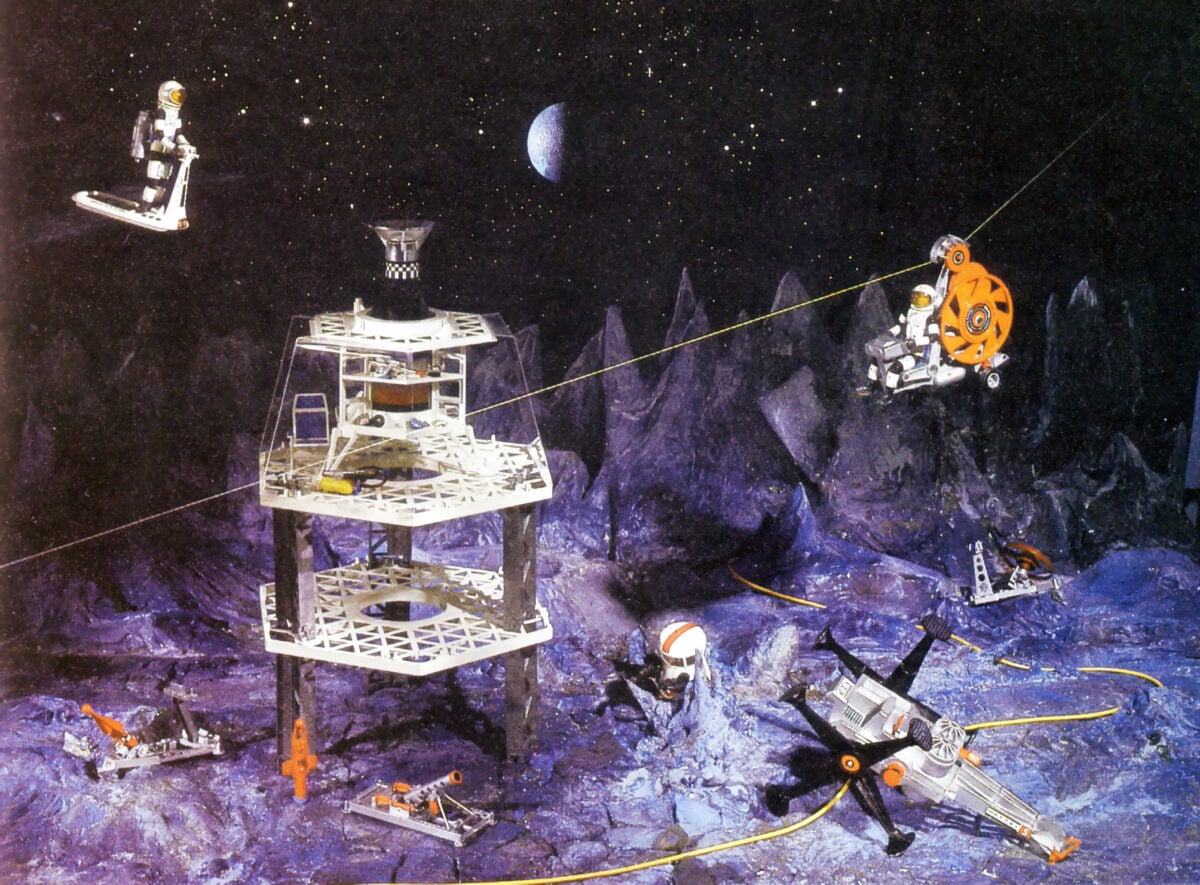
Space toys from the 1960s carry the optimism of an era that genuinely believed we’d all be living on the moon by now. This Major Matt Mason prototype — the flexible astronaut figure that Mattel developed during the height of the space race — sold for $200,000, proving that sometimes the dreams that don’t come true become more valuable than the ones that do.
Comic-Con Exclusive Boba Fett Action Figure
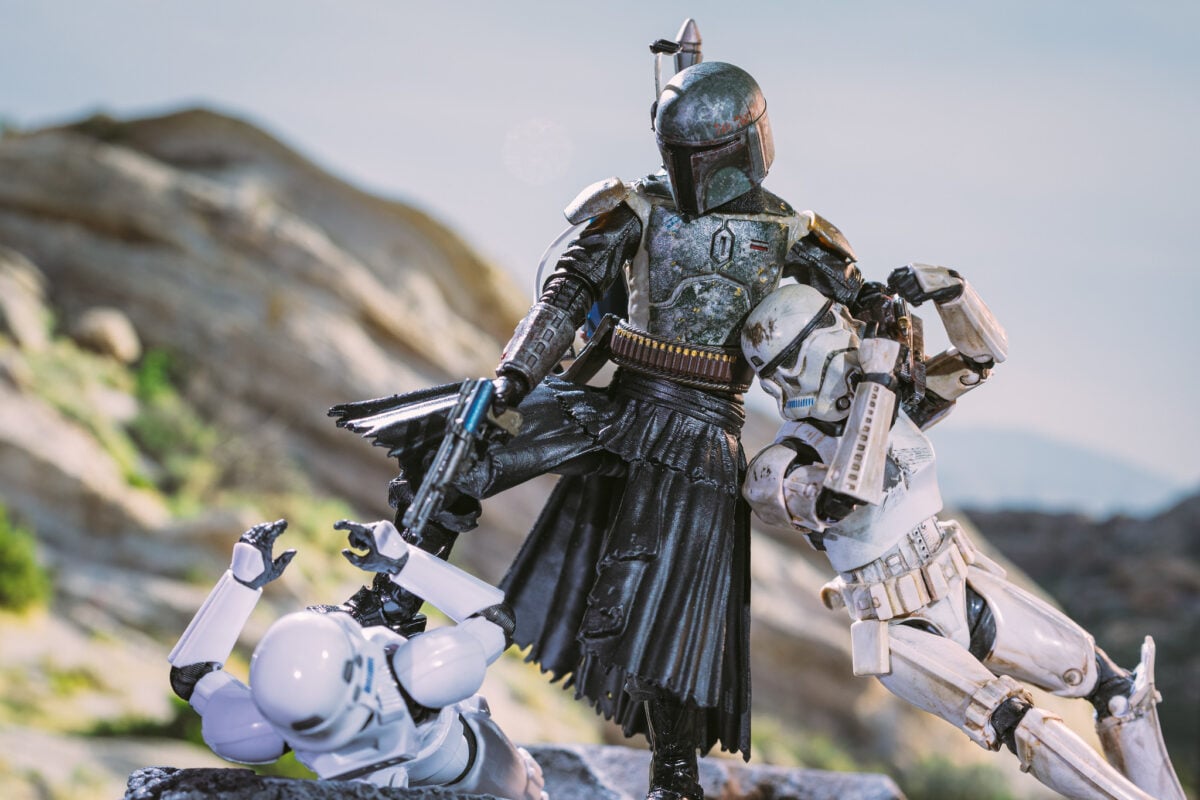
Convention exclusives operate on artificial scarcity, and this Boba Fett figure demonstrates the principle perfectly. Made exclusively for Comic-Con 2010, limited to 1,500 pieces, it immediately became the kind of object that separates serious collectors from casual fans.
One sold for $86,000, which is either a testament to the character’s enduring popularity or proof that Star Wars fans have completely lost their minds. Probably both, to be fair.
The market doesn’t seem to care about the distinction.
1950s Buddy L Trucks
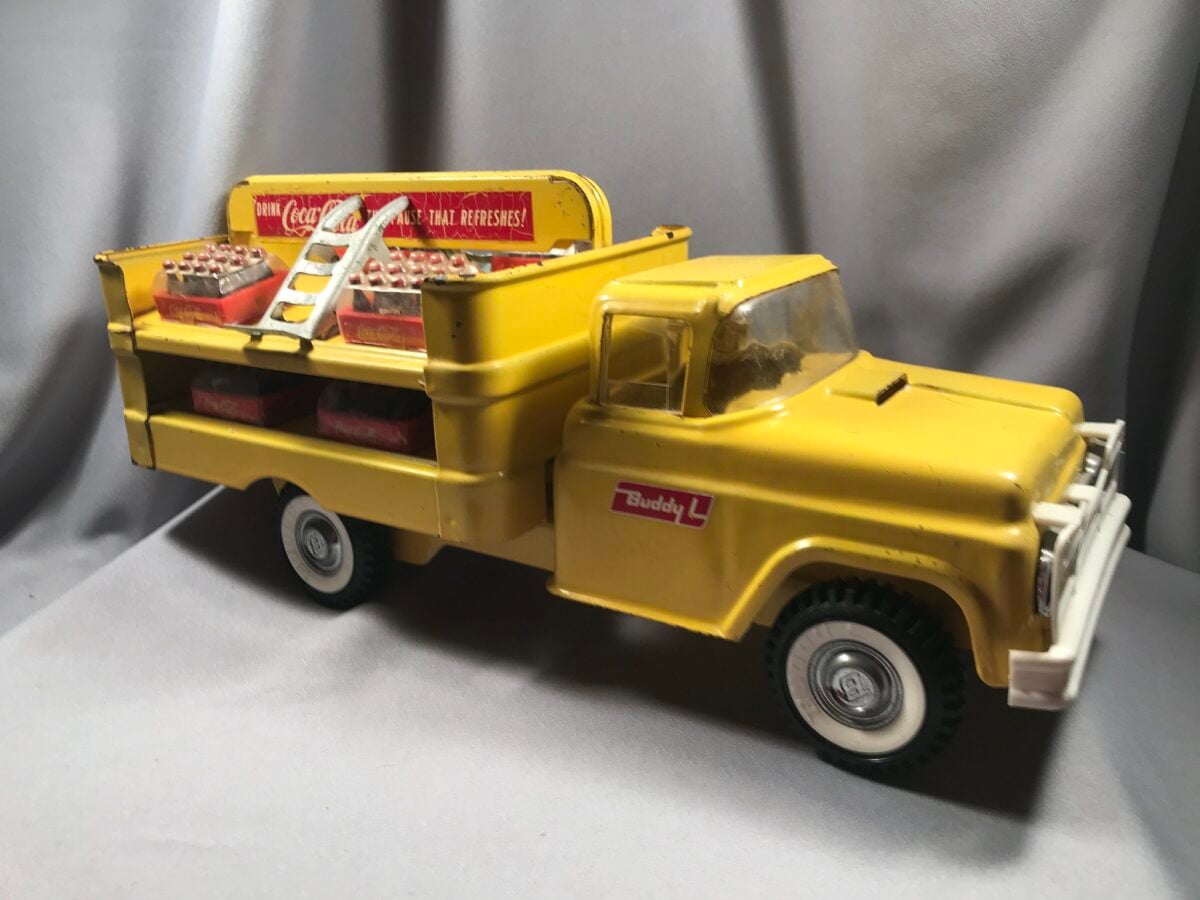
Buddy L made trucks the way trucks were supposed to be made: heavy enough to actually haul things, durable enough to survive real play, and detailed enough to satisfy adults who appreciated good design (which was most adults in the 1950s, before planned obsolescence became the default business model). These weren’t toys that broke after Christmas morning — they were investments in childhood that lasted decades.
One particularly rare Buddy L truck sold for $75,000, representing not just superior craftsmanship but a philosophy of toy-making that prioritized durability over profit margins. The weight of these trucks in your hands told you everything you needed to know about their quality, which is probably why so many survived long enough to become valuable collectibles.
But that raises an interesting question: were they better toys because they were built to last, or do they just seem better because the ones that survived were the exceptions? Either way, holding a Buddy L truck today feels like holding a piece of American manufacturing before it decided to move overseas.
1980s Transformers Fortress Maximus
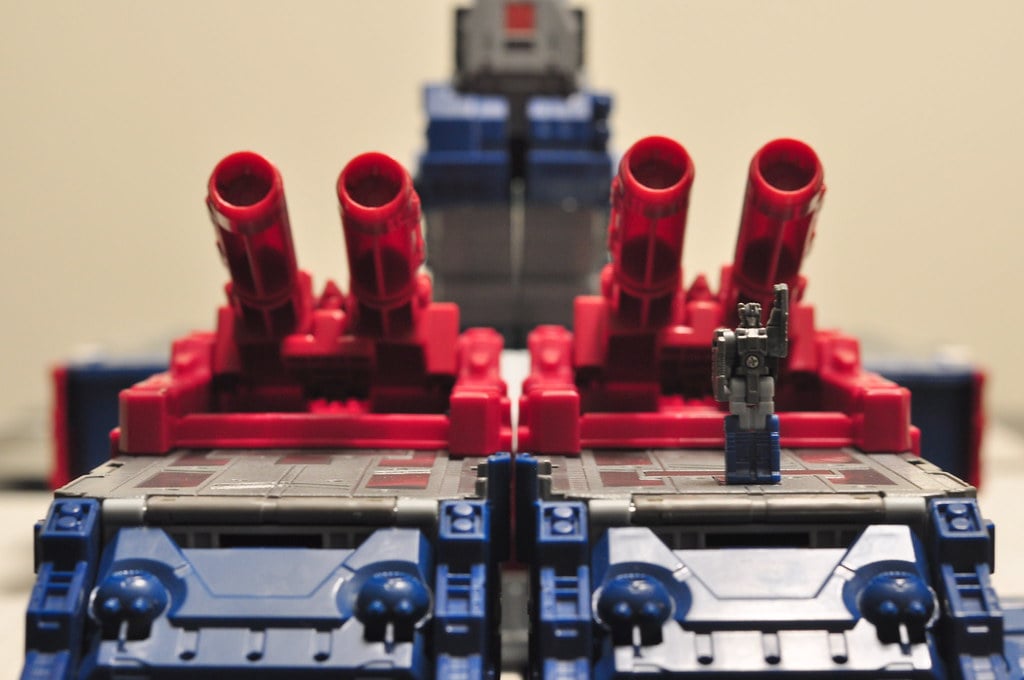
This thing stands two feet tall and transforms from robot to city to spaceship. Fortress Maximus was the crown jewel of the original Transformers line, the kind of toy that required an entire Christmas morning just to figure out how it worked.
One mint-in-box Fortress Maximus sold for $125,000, proving that size still matters in the collecting world. The engineering behind Fortress Maximus is genuinely impressive — dozens of moving parts that somehow manage to create three completely different configurations without falling apart.
Modern Transformers are more sophisticated, but they lack the ambitious insanity of the original Fortress Maximus.
The Last Castle in the Sandbox
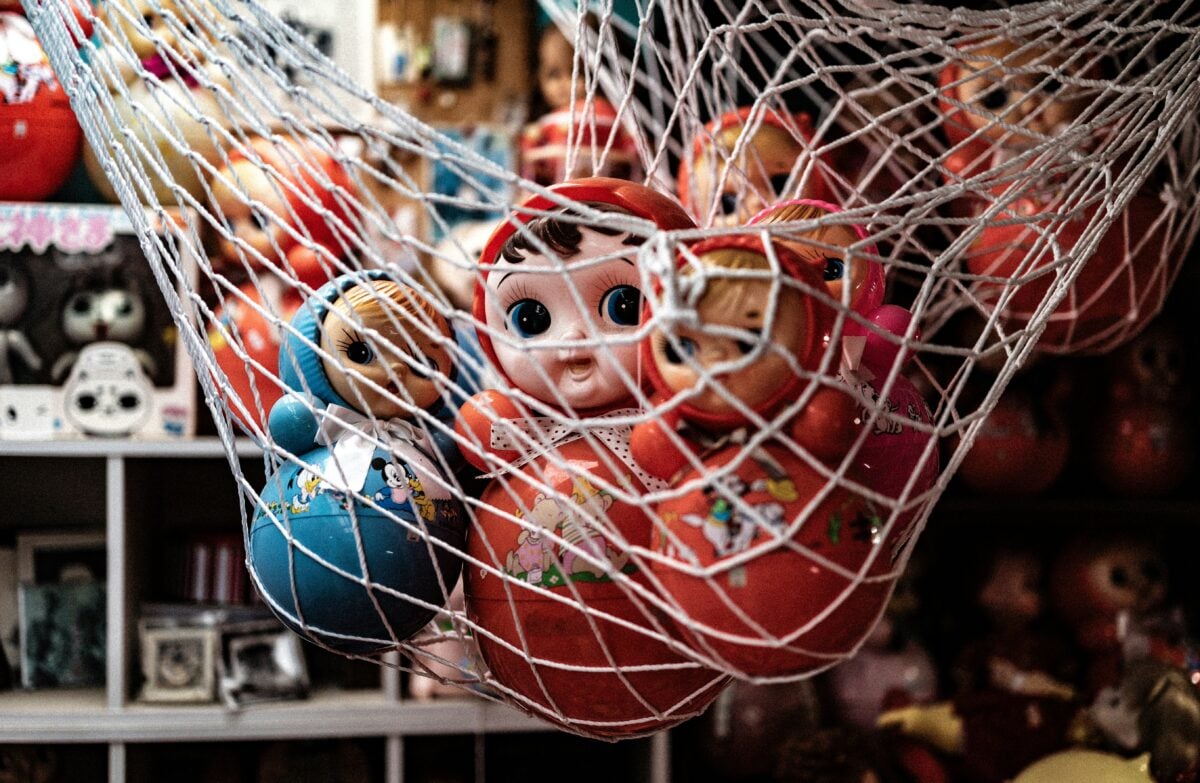
These record-breaking sales tell a larger story about how we assign value to objects that were originally designed to be destroyed by children. The toys breaking auction records aren’t just rare — they’re perfect examples of things that survived against their intended purpose.
They were meant to be played with, broken, and thrown away, but somehow they escaped that fate and ended up preserved like artifacts from a civilization that valued different things. The collectors paying these prices aren’t just buying toys.
They’re buying proof that childhood mattered, that the things we cared about when we were eight years old were worth caring about. And maybe that’s worth more than the money changing hands at these auctions.
More from Go2Tutors!

- The Romanov Crown Jewels and Their Tragic Fate
- 13 Historical Mysteries That Science Still Can’t Solve
- Famous Hoaxes That Fooled the World for Years
- 15 Child Stars with Tragic Adult Lives
- 16 Famous Jewelry Pieces in History
Like Go2Tutors’s content? Follow us on MSN.



