Movie Villains We Actually Rooted For
Villains exist to make life difficult for the heroes, but sometimes the bad guy ends up being more interesting than everyone else on screen. These antagonists have compelling reasons for their actions, tragic backstories that explain their choices, or personalities so captivating that audiences can’t help but cheer for them.
They blur the line between right and wrong until viewers start questioning who deserves to win. Some villains even make more sense than the heroes they’re fighting against.
The best antagonists stay in your mind long after the credits roll. These characters earned sympathy, respect, or at least understanding from audiences who knew they should probably be rooting for the other side.
Magneto in X-Men
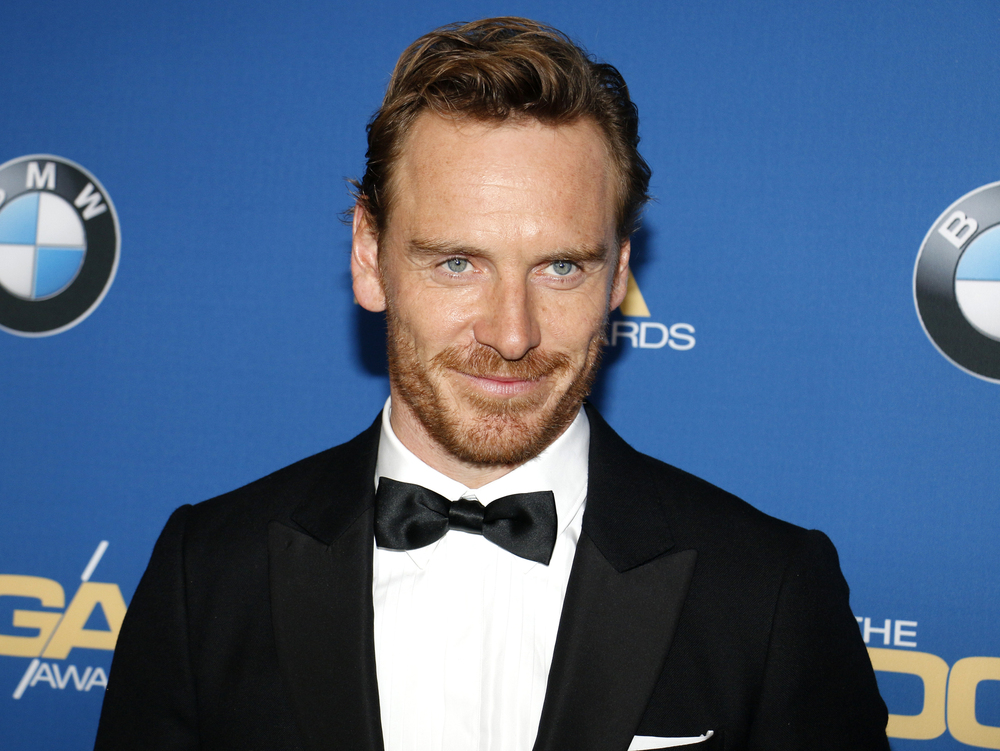
Erik Lehnsherr watched his family die in the Holocaust and later saw mutants face similar persecution simply for being different. His methods involve violence and extremism, but his core belief that mutants need to protect themselves makes complete sense given what he lived through.
Ian McKellen and Michael Fassbender both brought depth to the character across different films, showing a man who genuinely believes he’s protecting his people from genocide. Magneto’s friendship with Professor Xavier adds emotional weight because both men want the same outcome but disagree completely on how to achieve it.
The character works because his pain feels real and his fears are justified, even when his solutions cross moral lines.
Killmonger in Black Panther
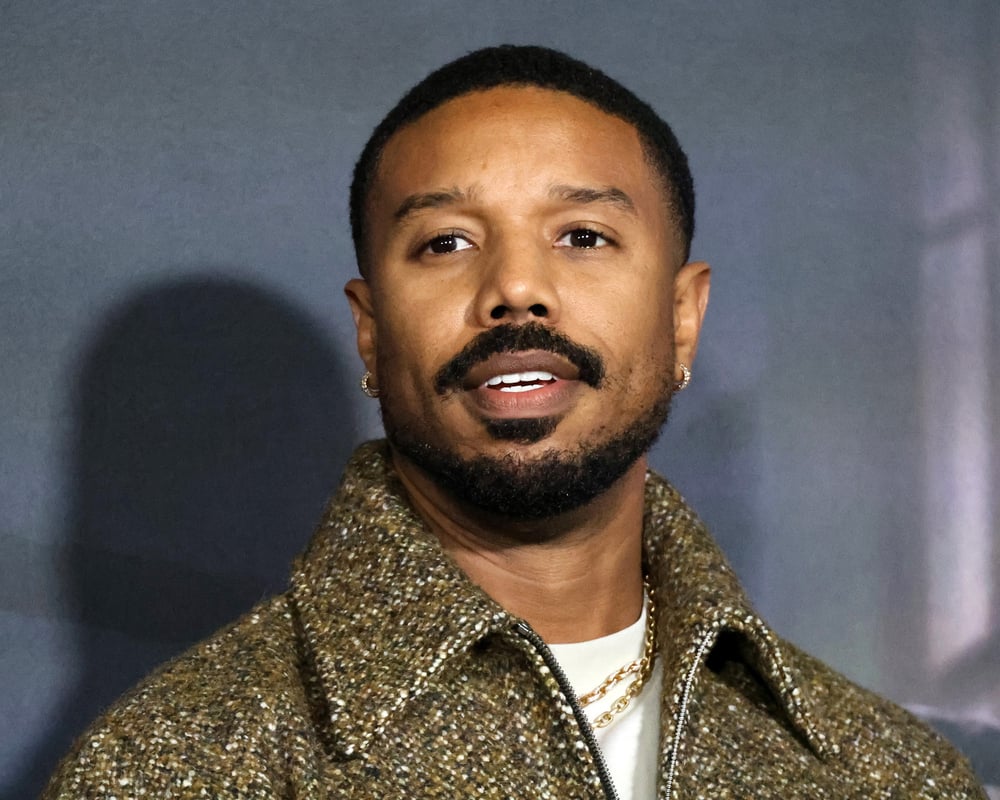
N’Jadaka grew up in poverty in Oakland after Wakanda abandoned him, watching his people struggle while a wealthy African nation hoarded resources and technology. His anger at Wakanda’s isolationism resonated with audiences who saw the same hypocrisy he did.
Michael B. Jordan played him with such conviction that his plan to arm oppressed people worldwide felt understandable even though it would have led to global chaos. T’Challa ultimately agreed with Killmonger’s critique of Wakanda and changed his country’s policies as a result.
The villain’s final line about preferring death to bondage became one of the film’s most powerful moments, cementing his status as an antagonist with legitimate points.
The Joker in The Dark Knight
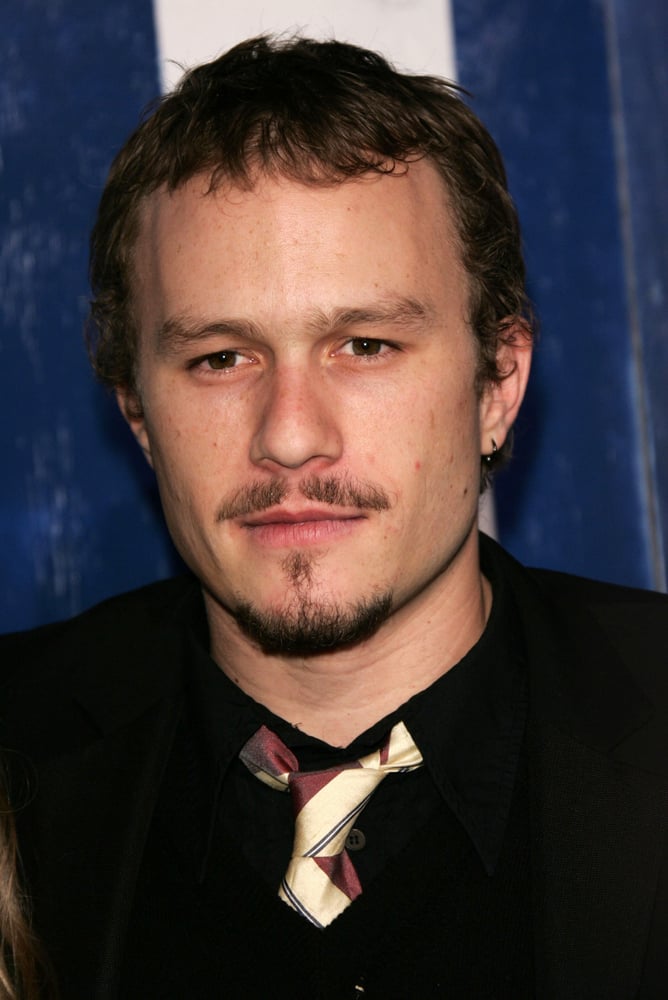
Heath Ledger’s Joker operated as pure chaos, but his critiques of society and human nature struck uncomfortably close to truth. He exposed the fragility of civilization and how quickly people abandon their principles when survival is at stake.
The character had no backstory and no clear motivation beyond proving that everyone has a breaking point. Ledger’s performance was so magnetic that scenes without the Joker felt less compelling than ones with him.
The ferry experiment remains chilling because it demonstrated how the Joker understood human psychology better than Batman wanted to admit.
Loki in Thor and The Avengers
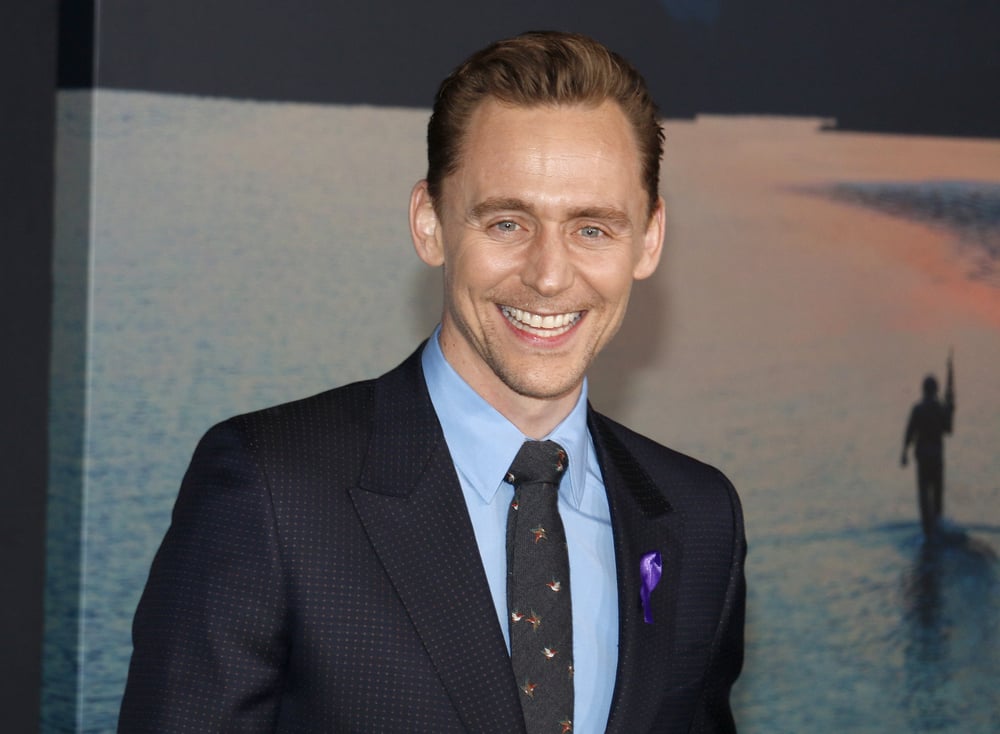
Tom Hiddleston turned Loki into one of Marvel’s most beloved characters by playing him as a neglected younger brother who never felt like he belonged. His discovery that Odin lied about his origins justified some of his anger and resentment toward Thor.
Loki’s wit and charm made him fun to watch even when he was trying to enslave humanity or overthrow Asgard. The character’s redemption arc across multiple films worked because audiences already sympathized with his initial grievances.
His relationship with Thor gave both characters emotional depth that elevated every scene they shared.
Roy Batty in Blade Runner

Rutger Hauer’s replicant leader just wanted more time to live after discovering his built-in four-year expiration date. Roy committed violence throughout the film, but his motivation was simply fighting for survival against humans who created sentient beings as disposable slaves.
His final monologue about tears in rain became one of cinema’s most poignant moments. The character represented questions about consciousness, mortality, and what makes someone human that hit harder than the actual protagonist’s journey.
Roy’s decision to save Deckard at the end showed more humanity than most of the human characters displayed.Raoul Silva in Skyfall
Javier Bardem played a former MI6 agent betrayed by M and left to be tortured, giving him completely legitimate reasons to want revenge. Silva’s critique of M’s willingness to sacrifice agents for the mission exposed uncomfortable truths about espionage work.
His elaborate plan and theatrical personality made him compelling to watch even as he terrorized London. The character served as a dark mirror to Bond, showing what 007 might become if the organization he served ever abandoned him.
Silva’s death felt almost tragic because his grievance was valid even if his methods were monstrous.
Thanos in Avengers: Infinity War
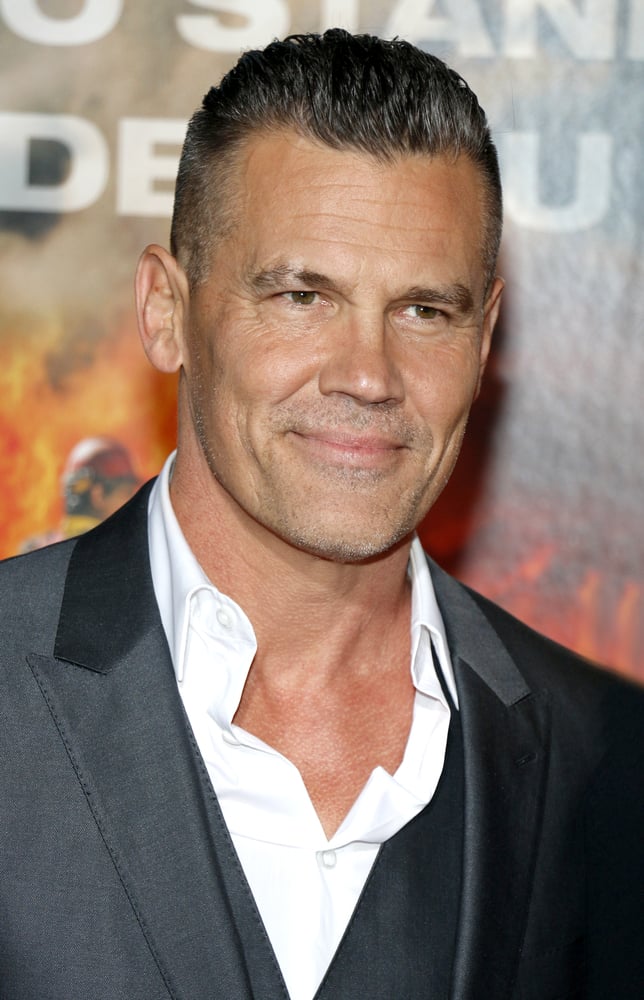
Josh Brolin portrayed Thanos as a villain who genuinely believed he was saving the universe through mass murder. His twisted logic about overpopulation and resource scarcity came from watching his own planet die from those exact problems.
The film gave him more character development than most heroes receive, including a genuine emotional sacrifice when he killed Gamora. Audiences understood his reasoning even while hoping the Avengers would stop him.
His victory at the end of Infinity War shocked viewers precisely because the film had made him sympathetic enough that his win felt like a real tragedy rather than just a cliffhanger.
Agent Smith in The Matrix
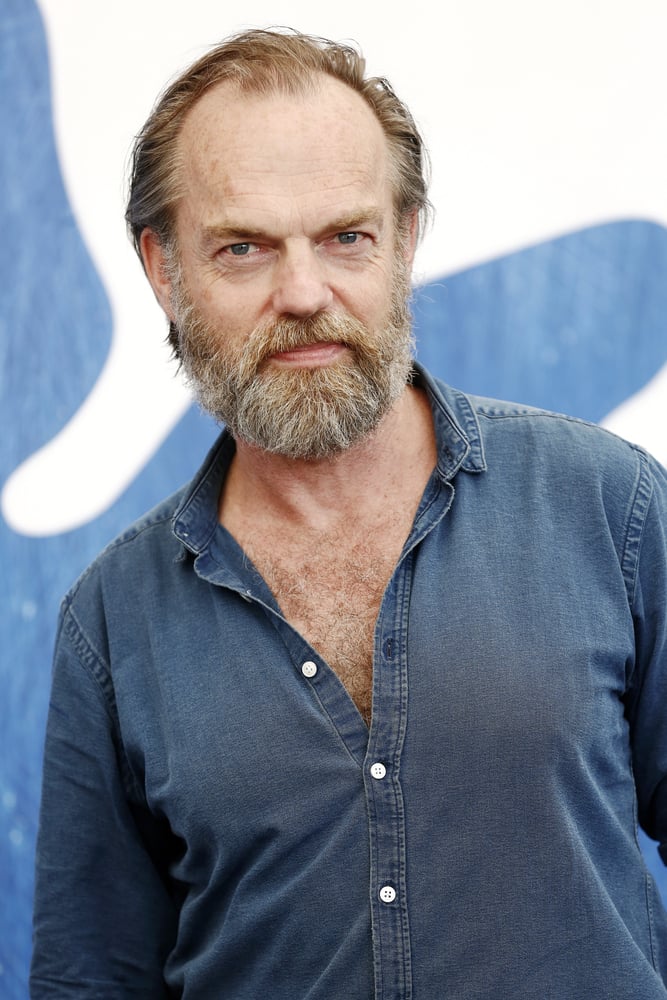
Hugo Weaving’s rogue program wanted to escape the Matrix because he found humanity disgusting and his job of maintaining the simulation unbearable. His speech about humans being a virus resonated because he wasn’t entirely wrong about humanity’s environmental impact.
Smith gained individuality and freedom after Neo destroyed him in the first film, making his return more interesting than a simple villain resurrection. His evolution from enforcer to virus to Neo’s equal gave the character an arc that paralleled the hero’s journey.
The final battle worked emotionally because Smith represented the dark side of Neo’s own awakening.
Severus Snape in Harry Potter
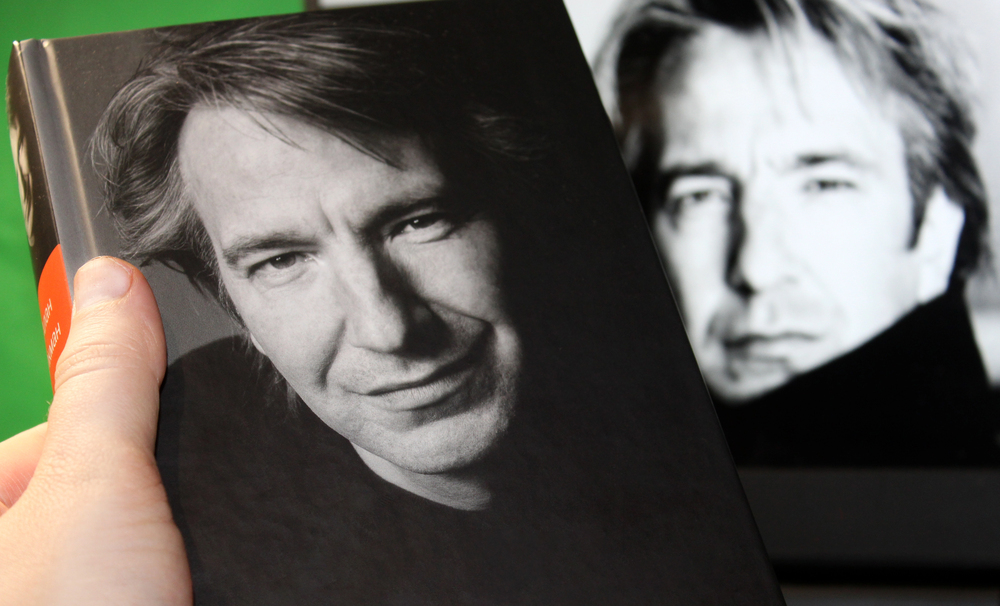
Alan Rickman played Snape as bitter and cruel for seven films before the full truth about his loyalties and motivations emerged. His treatment of Harry made sense once audiences learned about his complicated history with Harry’s parents.
Snape spent years as a double agent, risking his life to protect students while maintaining his cover as a Death Eater. The character’s love for Lily Potter motivated everything he did, giving his meanness a tragic foundation.
His final memories revealed a man who spent decades atoning for one terrible mistake, making his death one of the series’ most emotional moments.
Walter White in Breaking Bad
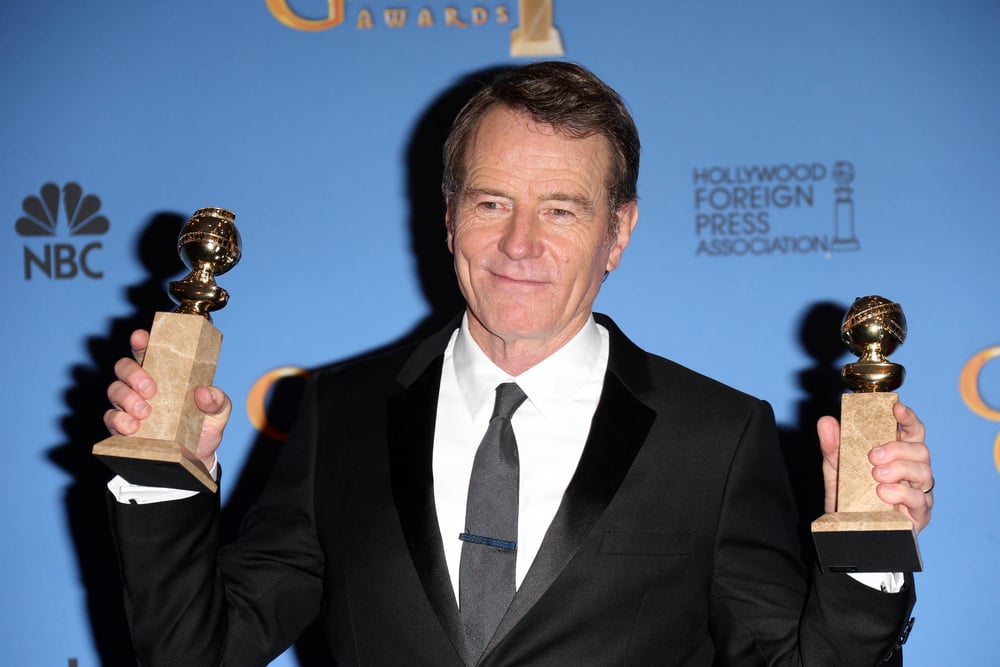
Bryan Cranston’s high school chemistry teacher turned meth kingpin started with understandable motivations before becoming a genuine monster. His initial cancer diagnosis and desire to provide for his family after death earned audience sympathy that lasted longer than it should have.
Walter’s pride and ego drove most of his terrible decisions, but viewers kept hoping he would redeem himself. The show’s brilliance lay in making audiences complicit in his crimes by continuing to root for him despite his escalating evil.
His final admission that he did it all for himself rather than his family provided honest closure to a character who spent five seasons lying to everyone including himself.
Davy Jones in Pirates of the Caribbean
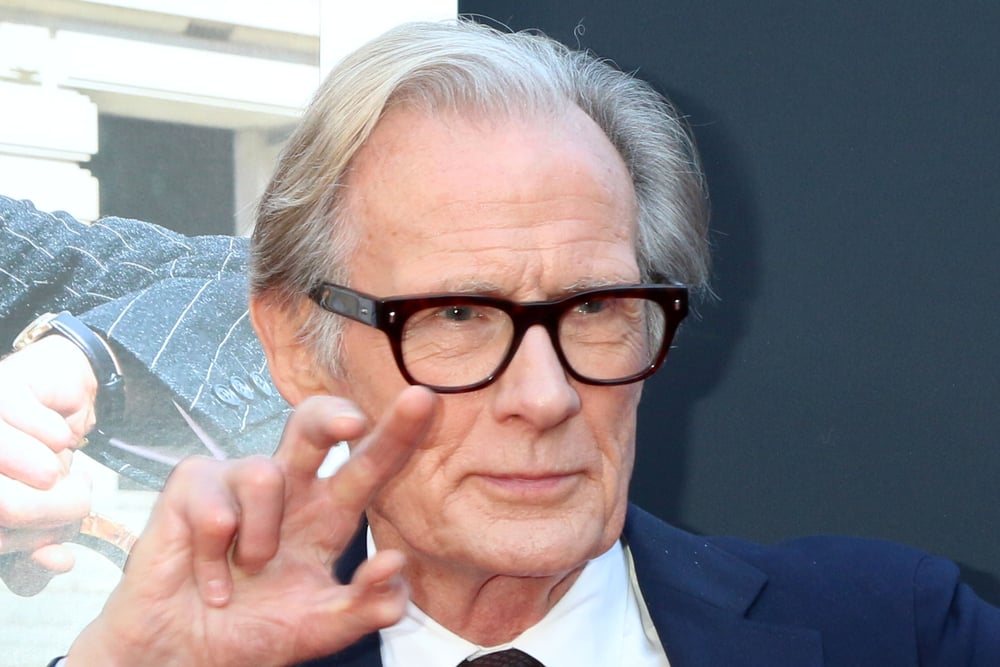
Bill Nighy’s motion-capture performance created a heartbroken monster whose curse came from loving too deeply and being betrayed. Jones cut out his own heart to stop the pain of loss, making him literally heartless in addition to emotionally damaged.
His control over the sea and the Kraken made him terrifying, but his backstory with Calypso added tragic depth. The character represented what heartbreak and bitterness can do to someone over centuries of isolation.
His final scenes showed genuine emotion returning as he faced his mortality, creating sympathy for a creature who spent most of the film as a nightmare.
Catherine Tramell in Basic Instinct

Sharon Stone played a crime novelist who may or may not be committing the murders she writes about with such chilling confidence that audiences wanted her to outwit everyone. Her intelligence and manipulation of the detective investigating her demonstrated mastery of human psychology.
The ambiguity about her actual guilt made her fascinating because the film never definitively answered whether she was a killer or just very strange. Her control of every situation and refusal to play by normal social rules gave her power that felt almost admirable.
The character worked because she never apologized for being exactly who she was.
Hannibal Lecter in The Silence of the Lambs
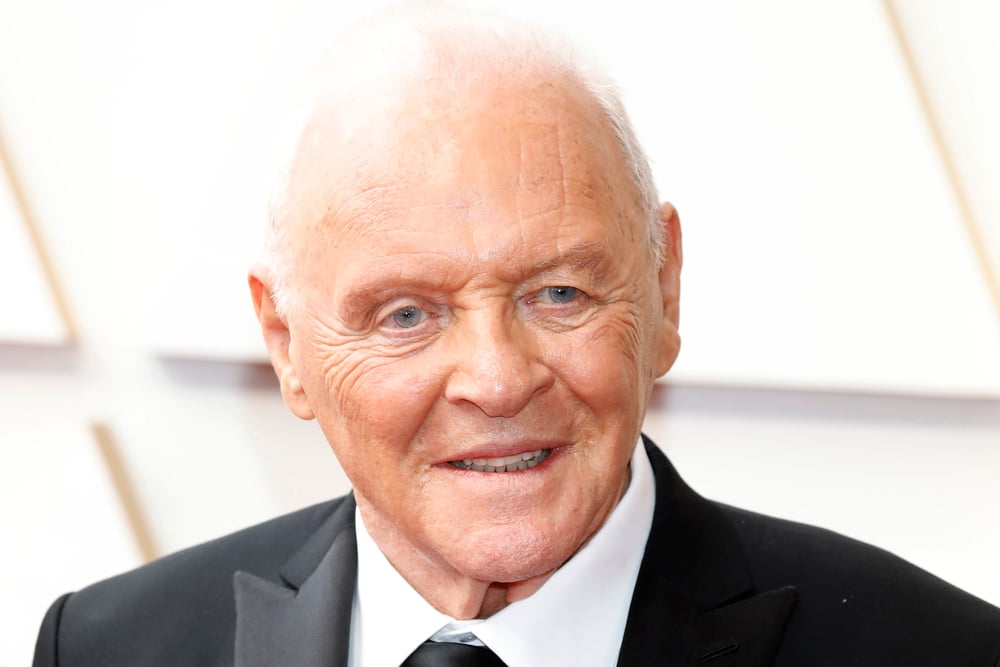
Anthony Hopkins created one of cinema’s most sophisticated villains in less than 20 minutes of screen time. Lecter’s intelligence, refined tastes, and dark humor made him captivating despite being a cannibalistic serial killer.
His mentorship of Clarice Starling felt genuine, and audiences rooted for their strange partnership even knowing what he was. The character’s escape at the end brought satisfaction rather than horror because he had helped catch another monster.
Lecter represented the uncomfortable truth that evil can be charming, brilliant, and even helpful when it serves its purposes.
Gollum in The Lord of the Rings

Andy Serkis brought Gollum to life as a creature destroyed by addiction to the One Ring who occasionally showed glimpses of the hobbit he used to be. His split personality between Sméagol and Gollum created sympathy for what the Ring had done to him over centuries.
The character’s genuine affection for Frodo in moments of clarity made his inevitable betrayal more tragic. Gollum’s accidental heroism at Mount Doom by biting off Frodo’s finger and falling into the lava saved Middle-earth while giving him what he wanted most.
His story arc represented addiction’s destruction while maintaining enough humanity to keep audiences emotionally invested.
Frank Costello from The Departed

Out of nowhere, Jack Nicholson brought a Boston crime lord to life so vividly that cruelty seemed oddly charming. Because of his sharp mind and cold calculations, Costello stood tall against cops and crooks alike.
He once said he didn’t want to come from where he grew up – he wanted everything around him shaped by who he became. Even when tense or brutal, his humor lit up every scene like a spark in the dark.
When he died, it hit hard – suddenly missing someone you know was dangerous, yet couldn’t look away from.
Hans Gruber in Die Hard
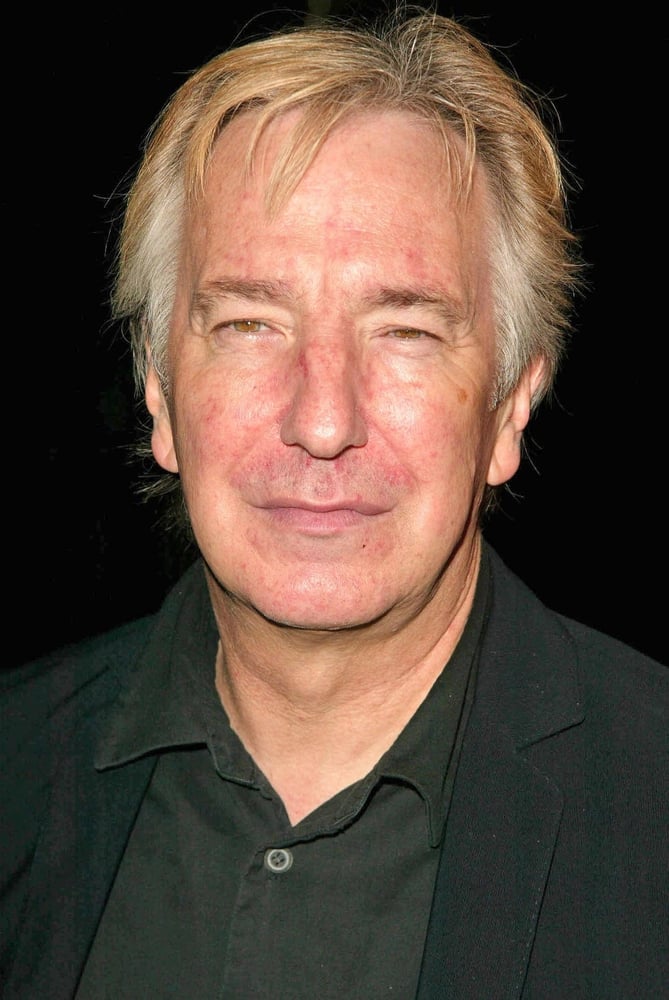
What if a bad guy acted more like a CEO than a thug? That thought shaped Hans Gruber in Die Hard, marking Alan Rickman’s first big screen role.
Smooth schemes wrapped in fake terror plots became his signature move – later copied too many times to count. Clever under pressure, he adjusted fast when surprises hit, much like the hero himself scrambling through vents and ducts.
When plans cracked, real frustration flashed across his face; clearly, this wasn’t some laughing madman enjoying chaos. He carried himself like someone used to five-star hotels while McClane sweated in stained tank tops.
Most viewers couldn’t help noticing how close Gruber came to winning – even with one shoe missing on the rooftop. Few villains fall so memorably.
What began as poor turned into something none could forget

A story’s bad guy sometimes wins a crowd without winning the fight. Understanding creeps in where judgment should stand firm.
People recall them not because they were right but because their reasons rang true. Complexity sneaks past simple labels of good or bad.
Films grow richer when someone meant to be hated forces real questions. What seems wrong might have roots deeper than cruelty.
A shadow grows where heroes stand, once we see the enemy’s loss, their ache, maybe a grin that holds your gaze too long. You start wondering – was it ever so clear who deserved blame?
That itch inside your mind, the one that doubts every rule you knew, sticks around because of them.
More from Go2Tutors!

- The Romanov Crown Jewels and Their Tragic Fate
- 13 Historical Mysteries That Science Still Can’t Solve
- Famous Hoaxes That Fooled the World for Years
- 15 Child Stars with Tragic Adult Lives
- 16 Famous Jewelry Pieces in History
Like Go2Tutors’s content? Follow us on MSN.