Most Expensive Mistakes in Film History
Hollywood is a place where dreams come true, but it’s also where nightmares can cost millions of dollars. Behind every blockbuster, there are countless decisions that can either make or break a studio’s budget.
Some mistakes are small and fixable, but others become legendary disasters that still haunt executives today.
Cleopatra’s budget disaster nearly killed 20th Century Fox

The 1963 version of Cleopatra with Elizabeth Taylor and Richard Burton became one of the most expensive films ever made at the time. The decision to make Cleopatra starring Elizabeth Taylor & Richard Burton in 1963 was wildly expensive and the audiences hated it, nearly bankrupting the studio and forcing them to sell off their backlot to developers.
What started as a $2 million project ballooned to over $44 million. The production faced endless delays, script rewrites, and Taylor’s health problems that shut down filming for months.
The studio had to rebuild entire sets in Rome after abandoning the original London location.
Waterworld’s ocean adventure became a financial tsunami

Kevin Costner’s post-apocalyptic water world was supposed to be the next big thing in action movies. Waterworld’s initial $100 million budget, which was the highest ever for a Hollywood film at the time, ballooned to $175 million after production wrapped in 1994.
The movie faced constant problems with weather, seasickness among crew members, and the challenge of filming on water. Sets were destroyed by storms multiple times, and the expensive floating city had to be rebuilt repeatedly.
The film’s nickname became “Fishtar” as costs spiraled out of control.
Like Go2Tutors’s content? Follow us on MSN.
Quantum of Solace’s leading man injury cost big money

Daniel Craig’s commitment to doing his own stunts backfired during the filming of the James Bond thriller. Craig injured his face during a fight scene, giving him a black eye that couldn’t be covered with makeup.
The production had to shut down for weeks while his injury healed, costing the studio millions in lost time and crew wages. The delay also meant rescheduling locations and dealing with actor availability conflicts.
This single injury added an estimated $3 million to the film’s budget.
The Hateful Eight’s guitar destruction shocked everyone

Quentin Tarantino’s western featured a priceless 1870s Martin guitar on loan from the Martin Guitar Museum. Kurt Russell’s character was supposed to smash a replica guitar, but someone mixed up the props.
Russell unknowingly destroyed the irreplaceable antique guitar worth over $40,000. Jennifer Jason Leigh’s shocked reaction in the film was completely real because she knew the guitar’s true value.
The museum was devastated, and the incident strained the relationship between the film industry and musical instrument collectors.
Charlie’s Angels: Full Throttle’s helicopter crash grounded everything

During filming of the action sequel, a helicopter carrying camera equipment crashed into a lake. Nobody was seriously hurt, but the expensive camera gear was destroyed, and the helicopter was a total loss.
The incident cost the production over $2 million in equipment replacement and insurance claims. Filming had to be delayed while new equipment was shipped in and safety protocols were reviewed.
The crash also led to stricter regulations for aerial filming in Hollywood.
Like Go2Tutors’s content? Follow us on MSN.
Iron Man 3’s chocolate factory disaster was sticky and expensive

A crew member accidentally dropped a camera lens that cost $540,000 right into a large vat of chocolate, but the cost of the filming delay was even higher than the cost of the lens itself, adding a whopping $900,000 to the budget. The chocolate had to be completely replaced because it was contaminated by the equipment.
Production stopped for two days while the factory was cleaned and new chocolate was prepared. The scene had to be reshot from scratch, meaning all the previous work was wasted.
World War Z’s complete script overhaul cost a fortune

Brad Pitt’s zombie thriller went through massive rewrites that required extensive reshoots. The budget exploded from $125 million to over $200 million as entire sequences filmed in Budapest were abandoned and rewritten from scratch.
The original ending was completely scrapped, and a new finale had to be filmed months later. Actors had to be brought back at great expense, and new locations had to be secured.
The production became a cautionary tale about the importance of having a solid script before cameras start rolling.
John Carter’s marketing misstep created the biggest flop ever

Disney’s science fiction epic suffered from poor marketing decisions that confused audiences about what the movie was actually about. The production’s massive budget coupled with no real draw to the film created a recipe for disaster, resulting in a $255 million loss, making John Carter the biggest box office flop of all time.
The studio spent millions on special effects and big-name talent but failed to connect with viewers. The film’s title was changed multiple times, creating confusion about the brand.
Marketing research showed audiences had no idea what genre the movie belonged to.
Like Go2Tutors’s content? Follow us on MSN.
Apocalypse Now’s jungle madness consumed everything
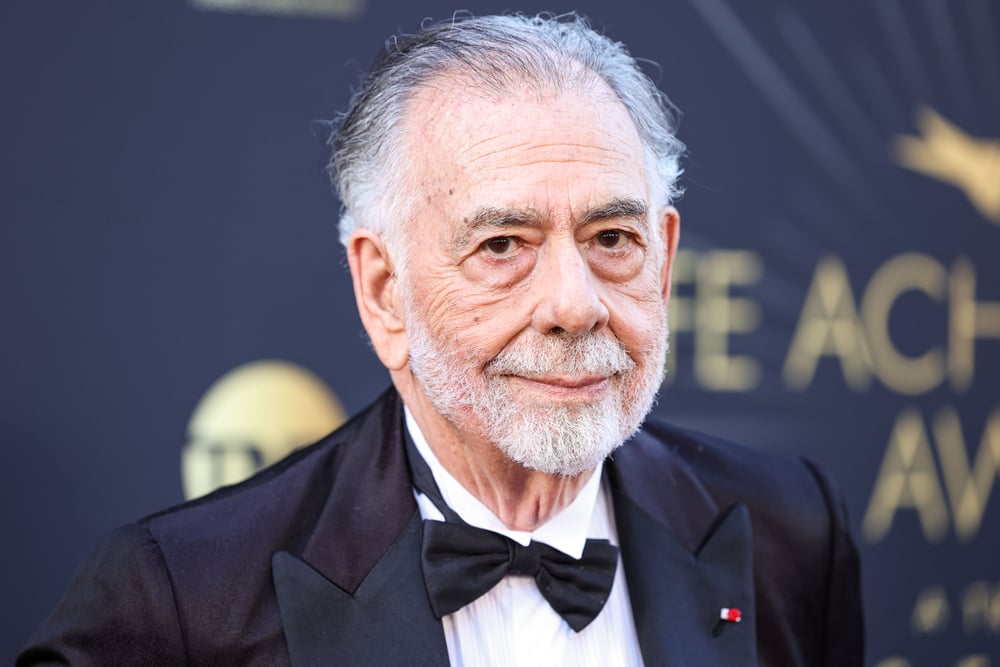
Francis Ford Coppola’s Vietnam War epic became a real-life nightmare that nearly destroyed everyone involved. The production faced typhoons that destroyed sets, Martin Sheen’s heart attack, and Marlon Brando arriving overweight and unprepared.
Filming stretched from a planned 16 weeks to over a year, with costs spiraling from $12 million to $31 million. The crew battled diseases, equipment failures, and the Philippine military using their helicopters for actual combat.
Coppola mortgaged his house and vineyard to keep the production going.
The Adventures of Baron Munchausen’s fantasy became a real disaster

Terry Gilliam’s ambitious fantasy film faced problems from the very first day of shooting. The production company went bankrupt during filming, leaving cast and crew unpaid for weeks.
Sets were destroyed by accidents, and the elaborate special effects didn’t work as planned. The budget doubled from $23 million to over $46 million as problems mounted.
Key scenes had to be reshot multiple times, and the film’s release was delayed by months while post-production tried to salvage the footage.
Heaven’s Gate nearly ended a studio and a director’s career

Michael Cimino’s western epic became synonymous with Hollywood excess and poor decision-making. The budget exploded from $11 million to over $44 million as Cimino demanded perfection in every shot.
He ordered entire buildings to be moved because they didn’t look right in the frame. The production shut down multiple times due to cost overruns and studio interference.
When the film was finally released, it was a critical and commercial disaster that led to United Artists being sold.
Like Go2Tutors’s content? Follow us on MSN.
Ishtar’s desert adventure became a career-ending sandstorm

Warren Beatty and Dustin Hoffman’s comedy was plagued with problems from the script stage to the final edit. The production moved to Morocco, where equipment constantly broke down in the desert heat.
The film’s budget grew from $27 million to over $55 million as shooting days stretched on endlessly. Both stars clashed with the director, leading to multiple script rewrites during filming.
The movie became a punchline before it was even released, and its failure damaged everyone involved.
The Lone Ranger’s train wreck cost Disney dearly
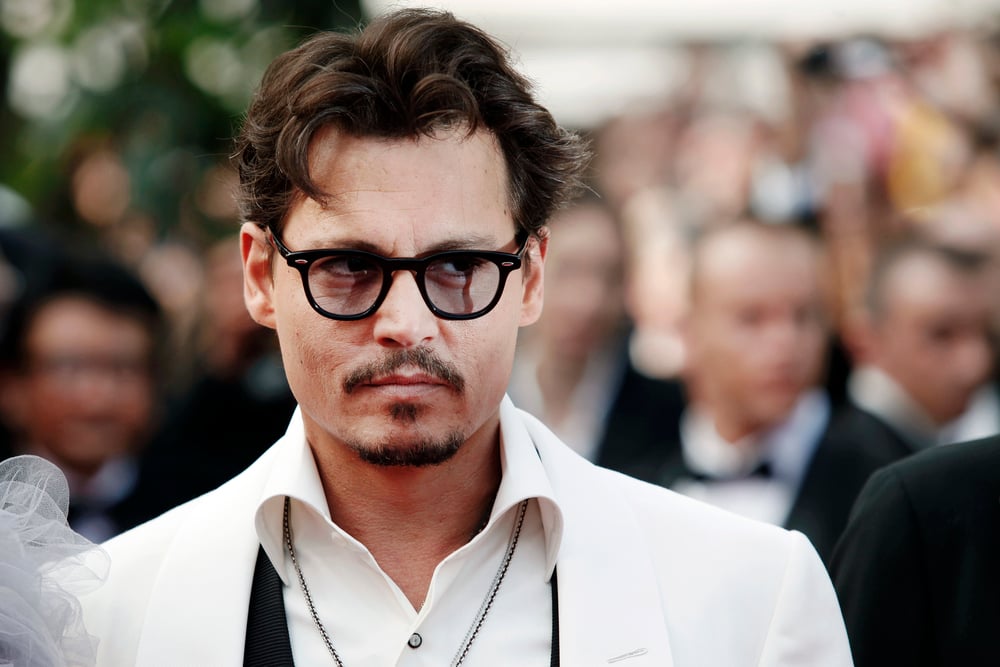
Disney’s attempt to revive the classic western hero ran into problems when the original budget of $215 million was deemed too high. The studio demanded cuts, then later restored the budget when they realized the film couldn’t be made cheaper.
Johnny Depp’s elaborate makeup and costume added unexpected costs to every shooting day. The film’s complex action sequences required expensive safety measures and multiple takes.
When it flopped at the box office, Disney lost an estimated $190 million.
Speed Racer’s colorful crash burned through Warner Bros. money

The Wachowski siblings’ attempt to bring the anime classic to life used groundbreaking digital effects that proved incredibly expensive. The film’s budget reached $120 million, but its unique visual style required constant experimentation and reshoots.
Many scenes had to be completely redone when the effects didn’t work as planned. The movie’s failure at the box office led to a loss of over $90 million for Warner Bros.
The studio became much more cautious about approving experimental big-budget films.
Like Go2Tutors’s content? Follow us on MSN.
Mars Needs Moms captured nothing but red ink
Disney’s motion-capture animated film cost $150 million to produce but earned only $39 million worldwide. The expensive motion-capture technology required specialized equipment and extended post-production time.
The film’s realistic animation style fell into the uncanny valley, creeping out audiences instead of entertaining them. Marketing costs added another $50 million to the total loss.
The disaster led to Disney closing their motion-capture studio and several executives losing their jobs.
Green Lantern’s ring of power couldn’t save its budget

Warner Bros. spent heavily on special effects and Ryan Reynolds’ star power, but the superhero film became a costly disappointment. The movie’s budget reached $200 million, with extensive digital effects that looked unfinished in the final cut.
Reshoots were ordered to fix story problems, but they only made the plot more confusing. The film’s failure cost the studio over $75 million and derailed plans for a Green Lantern movie universe.
Reynolds himself has joked about the film’s problems in subsequent movies.
The 13th Warrior’s battle was fought in the editing room

Antonio Banderas’ Viking adventure faced so many problems that director John McTiernan was brought in to reshoot large portions of the film. The budget grew from $85 million to $160 million as scenes were refilmed and the story was restructured.
The movie sat on the shelf for over a year while editors tried to create a coherent narrative from the footage. Marketing costs were wasted when release dates were repeatedly pushed back.
When it finally reached theaters, it earned only $61 million worldwide.
Like Go2Tutors’s content? Follow us on MSN.
When dreams become nightmares, budgets pay the price
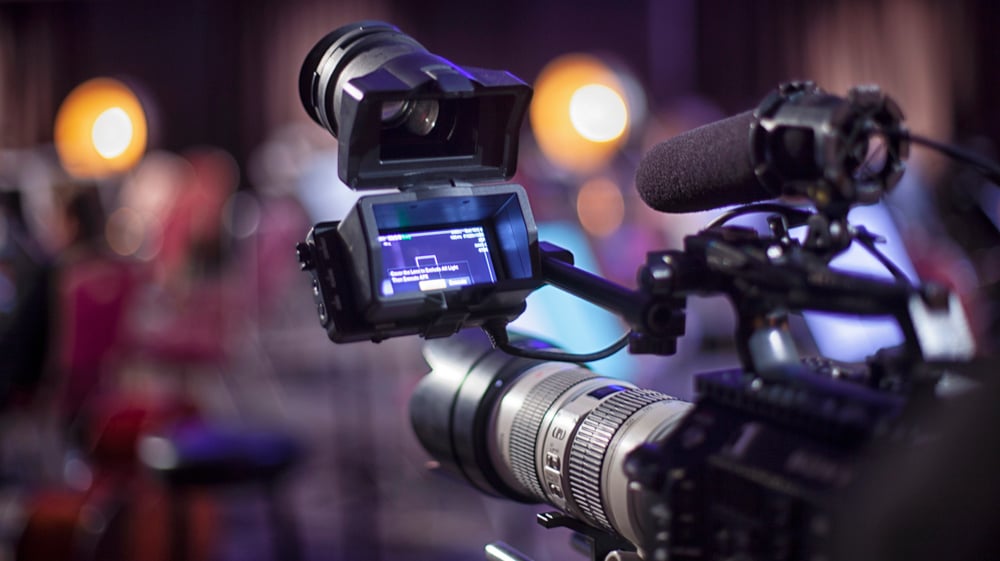
These costly mistakes show how quickly a film production can spiral out of control when Murphy’s Law takes over. What starts as a creative vision can become a financial nightmare when weather, injuries, script problems, or simple bad luck intervene.
The movie business has learned from these expensive lessons, implementing better insurance policies, safety protocols, and budget oversight. Yet even today, with all our modern planning tools and experience, films continue to go over budget and face unexpected disasters.
The difference now is that studios are better prepared to handle these setbacks without betting the entire company on a single project.
More from Go2Tutors!

- 16 Historical Figures Who Were Nothing Like You Think
- 12 Things Sold in the 80s That Are Now Illegal
- 15 VHS Tapes That Could Be Worth Thousands
- 17 Historical “What Ifs” That Would Have Changed Everything
- 18 TV Shows That Vanished Without a Finale
Like Go2Tutors’s content? Follow us on MSN.