Retail Stores with Signature Scents and Atmospheres
Something about stepping into particular shops hits right away. Before spotting any items, your nose catches a hint of what’s around.
This aroma pins down the location without words. Then, like clockwork, feelings shift – calmer, sharper, hungrier than moments earlier.
Years passed before shops caught on. A good scent might slow your pace through aisles, ease the act of handing over cash, or even stick in your mind like an old tune.
Certain boutiques shaped their whole image around one distinct fragrance.
Abercrombie & Fitch’s Fierce Strategy
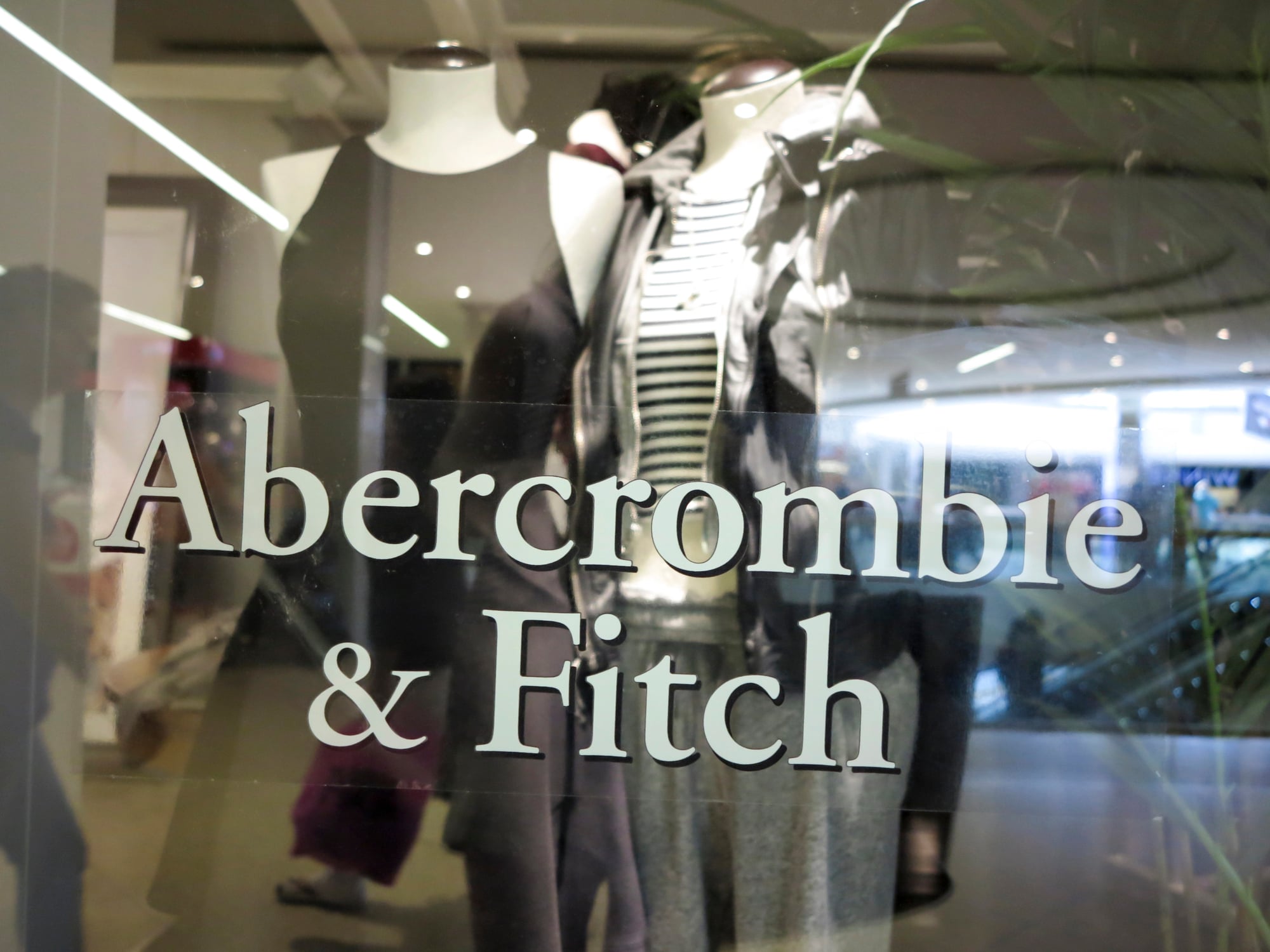
The cologne hits you from outside the store. Abercrombie & Fitch sprays Fierce cologne so aggressively that mall corridors smell like it.
The brand sells the fragrance, but the real goal is making you associate that specific scent with their clothing and lifestyle image.
The dim lighting works with the scent to create a nightclub atmosphere in the middle of a shopping mall. Loud music completes the experience.
You either love it or hate it—there’s no middle ground. That polarization is intentional.
The brand wants customers who embrace the full sensory package.
Hollister’s Beach House Fantasy
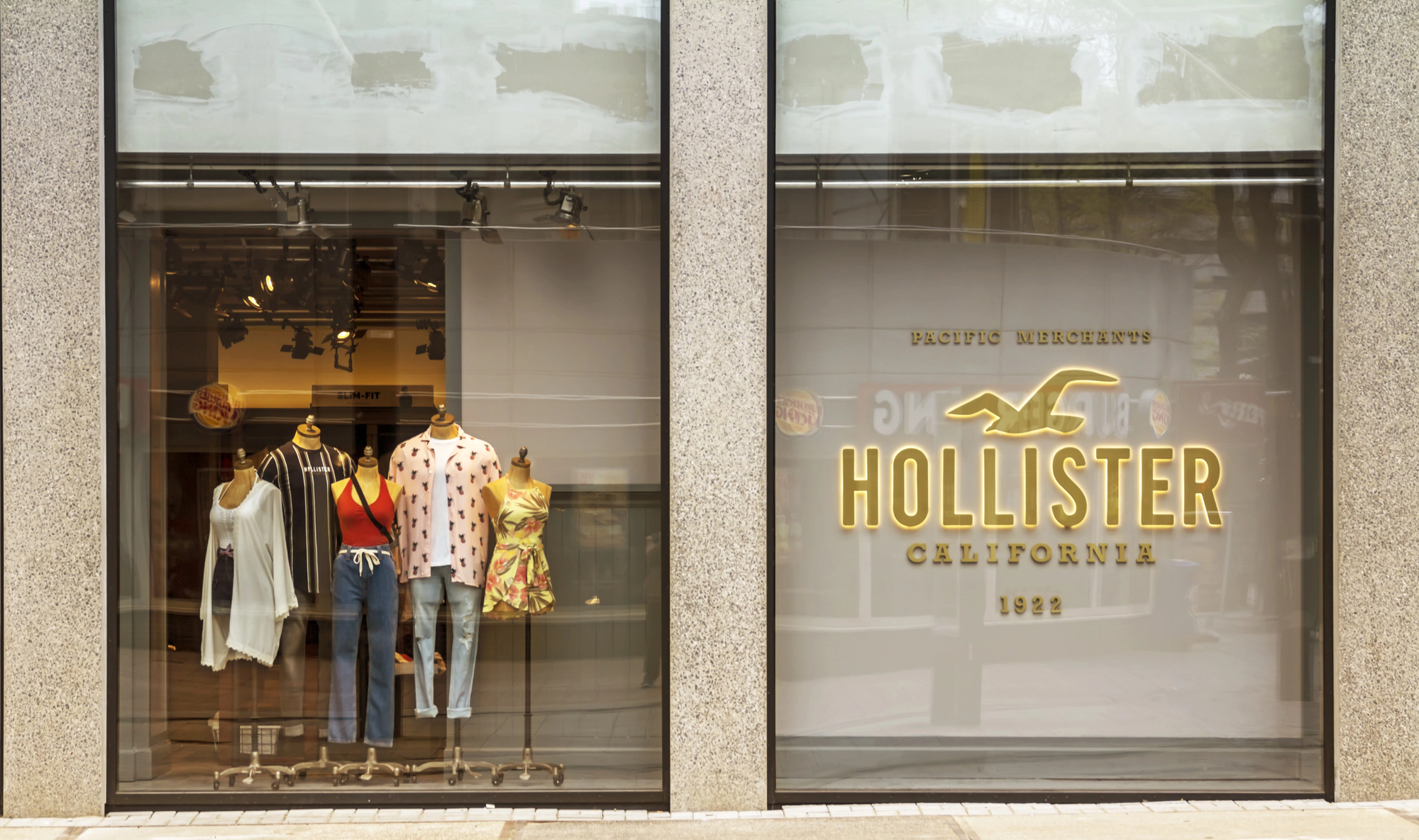
Hollister takes a different approach from its parent company. The scent is lighter, more tropical.
The stores look like California beach houses with wood finishes and dim lighting that mimics sunset. You walk through rooms instead of traditional retail aisles.
Sounds of waves and seagulls play overhead. The whole setup transports you somewhere else, even if you’re in Ohio in February.
That escape fantasy makes the clothes feel like vacation wear, not just regular shirts and jeans.
Anthropologie’s Candle Corner
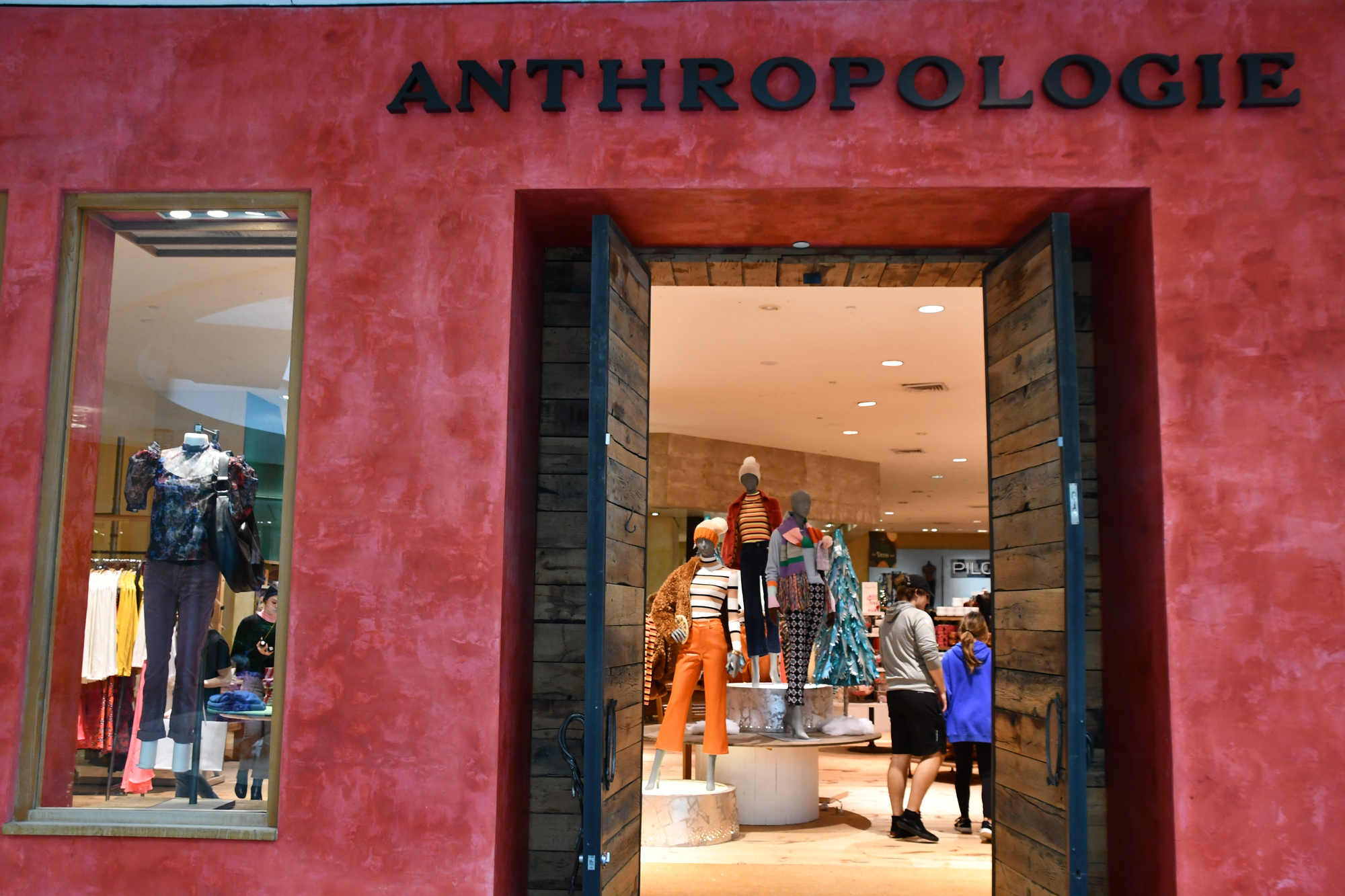
You smell Anthropologie before the visual merchandising kicks in. The store burns candles near the entrance—usually Volcano by Capri Blue or seasonal scents.
The fragrance mixes with the vintage furniture displays and eclectic decor to create a homey, curated feeling.
Walking through Anthropologie feels like exploring someone’s well-decorated house. The scent changes depending on which candles they’re featuring that month.
But the overall vibe stays consistent. That strategy keeps regular customers curious about what’s new while maintaining brand identity.
Lush’s Fragrance Explosion
Lush stores assault your senses in the best way. The competing scents from hundreds of handmade bath products create something totally unique.
You can’t single out one smell—it’s a complex mix that’s somehow distinct from any other store.
The open layout displays colorful products without much packaging. Staff members offer samples constantly.
The whole experience encourages touching, smelling, and trying things. That hands-on approach paired with the overwhelming fragrance makes shopping there memorable and effective.
Apple’s Clean Slate
Apple stores smell like nothing, which is intentional. The minimalist design extends to scent.
No air fresheners, no perfumes, just clean air and new electronics. That sterile environment puts all focus on the products.
The wood tables, white walls, and open floor plan create a gallery feeling. The lack of competing sensory input makes you notice the devices more.
That restraint is its own form of atmosphere design—sometimes what you don’t smell matters as much as what you do.
Subway’s Bread Advertising
The smell of baking bread reaches the street outside Subway locations. That aroma is powerful marketing.
Your stomach responds before your brain decides whether you want a sandwich. The company enhances this effect with ventilation systems designed to spread the scent.
The smell makes Subway feel fresher and more bakery-like than other fast food chains. That perception affects how customers view the food quality.
Even though most locations use frozen dough. Scent shapes expectations and memories more than people realize.
Cinnabon’s Sweet Trap
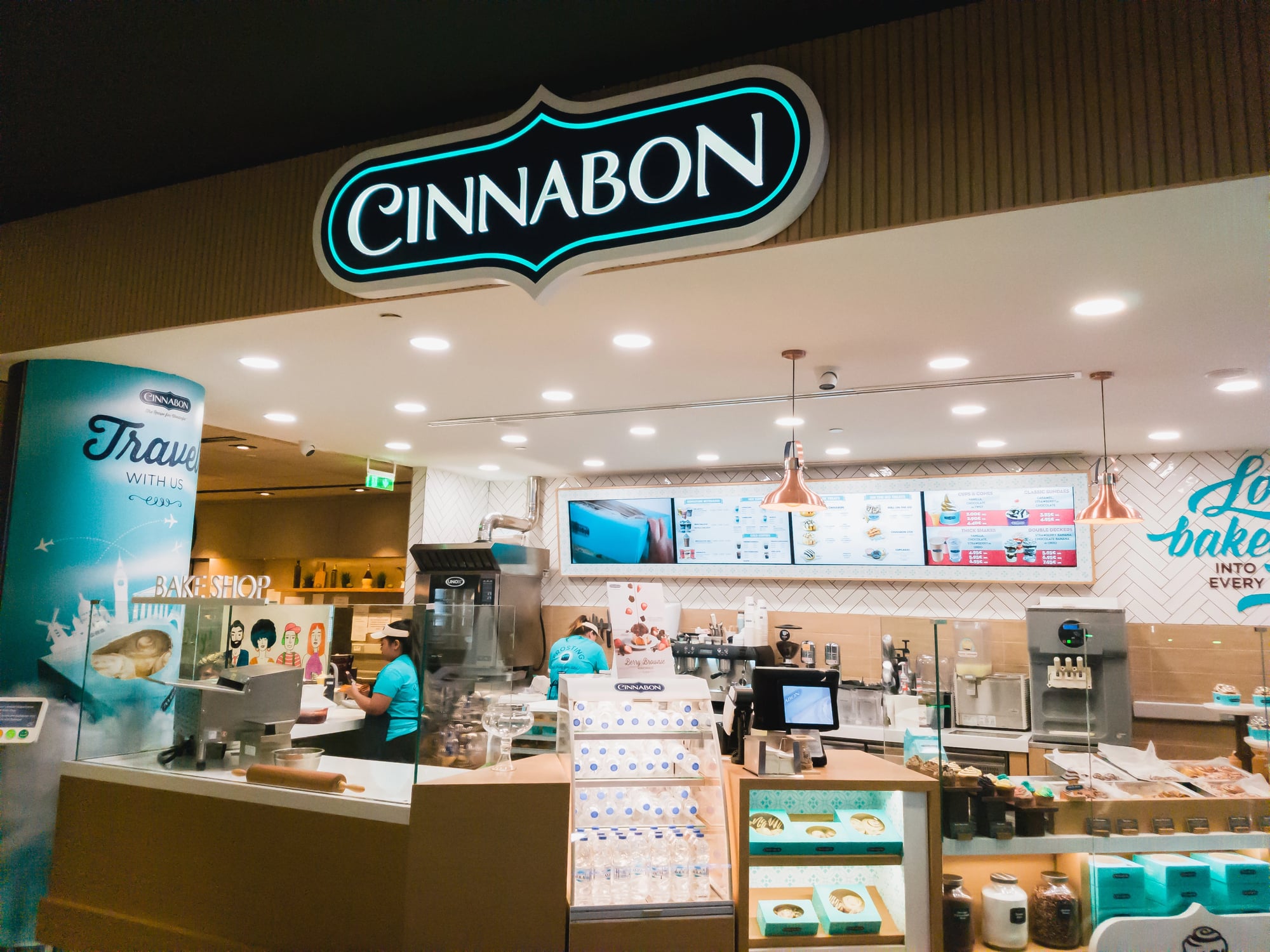
Cinnabon locations pump cinnamon and sugar smells through mall corridors on purpose. The smell activates hunger and cravings from hundreds of feet away.
The company positions stores strategically to maximize scent coverage.
You see the bakers rolling dough and icing pastries right at the counter. That visual combined with the overwhelming sweetness creates urgency.
The transparent kitchen isn’t about showing craftsmanship—it’s about reinforcing what your nose already told you.
Hotel Lobbies as Retail Spaces
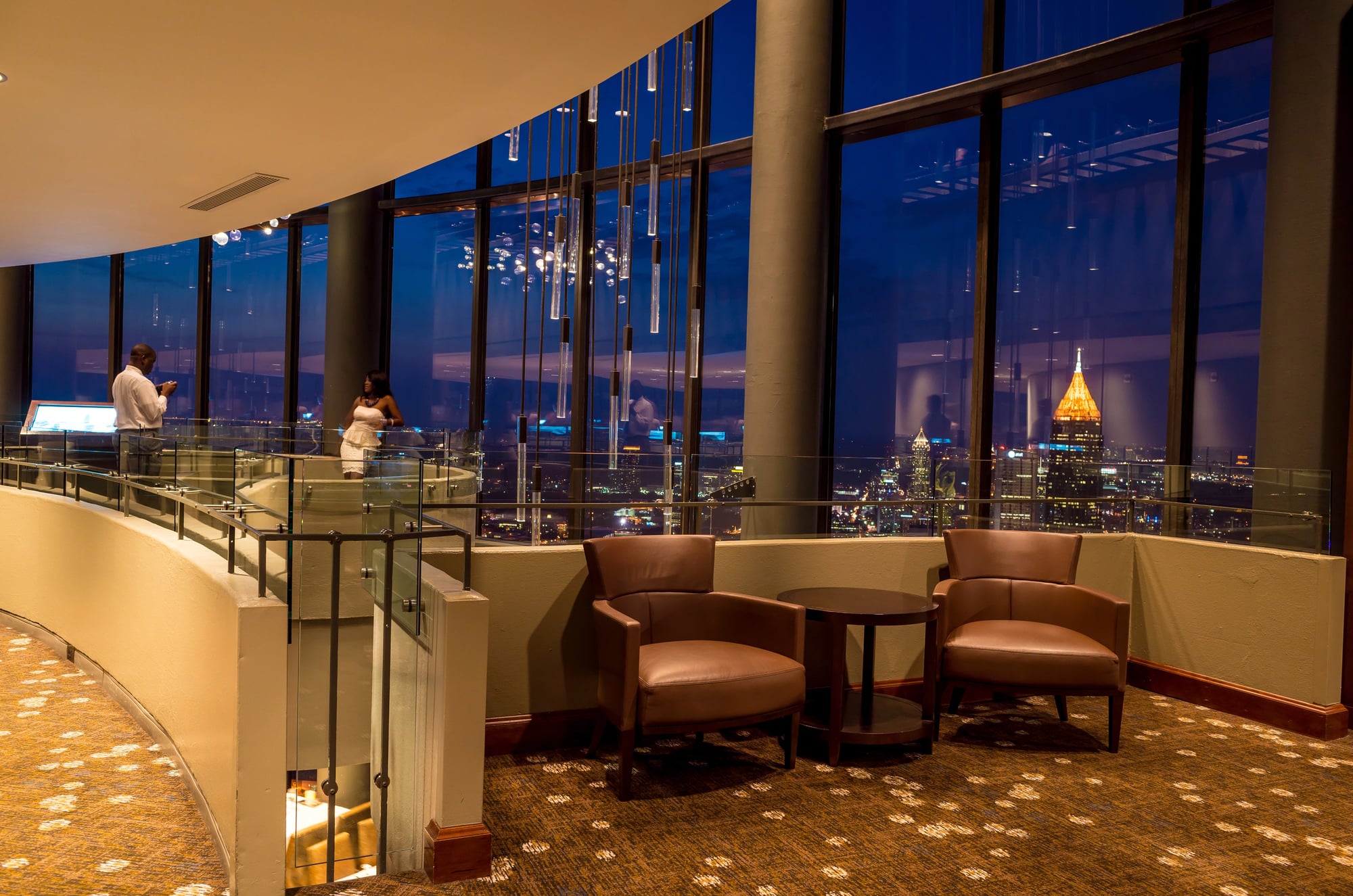
Westin hotels created White Tea as their signature scent. You smell it in every lobby worldwide.
That consistency makes business travelers feel comfortable and familiar no matter which city they’re in. Hotels learned this from retail—create a scent signature that triggers specific emotions.
Many luxury hotels sell their lobby fragrances now. Guests want to recreate that relaxed, pampered feeling at home.
That’s the ultimate success of scent marketing—customers pay money to smell like your brand in their own space.
Disney Store Magic
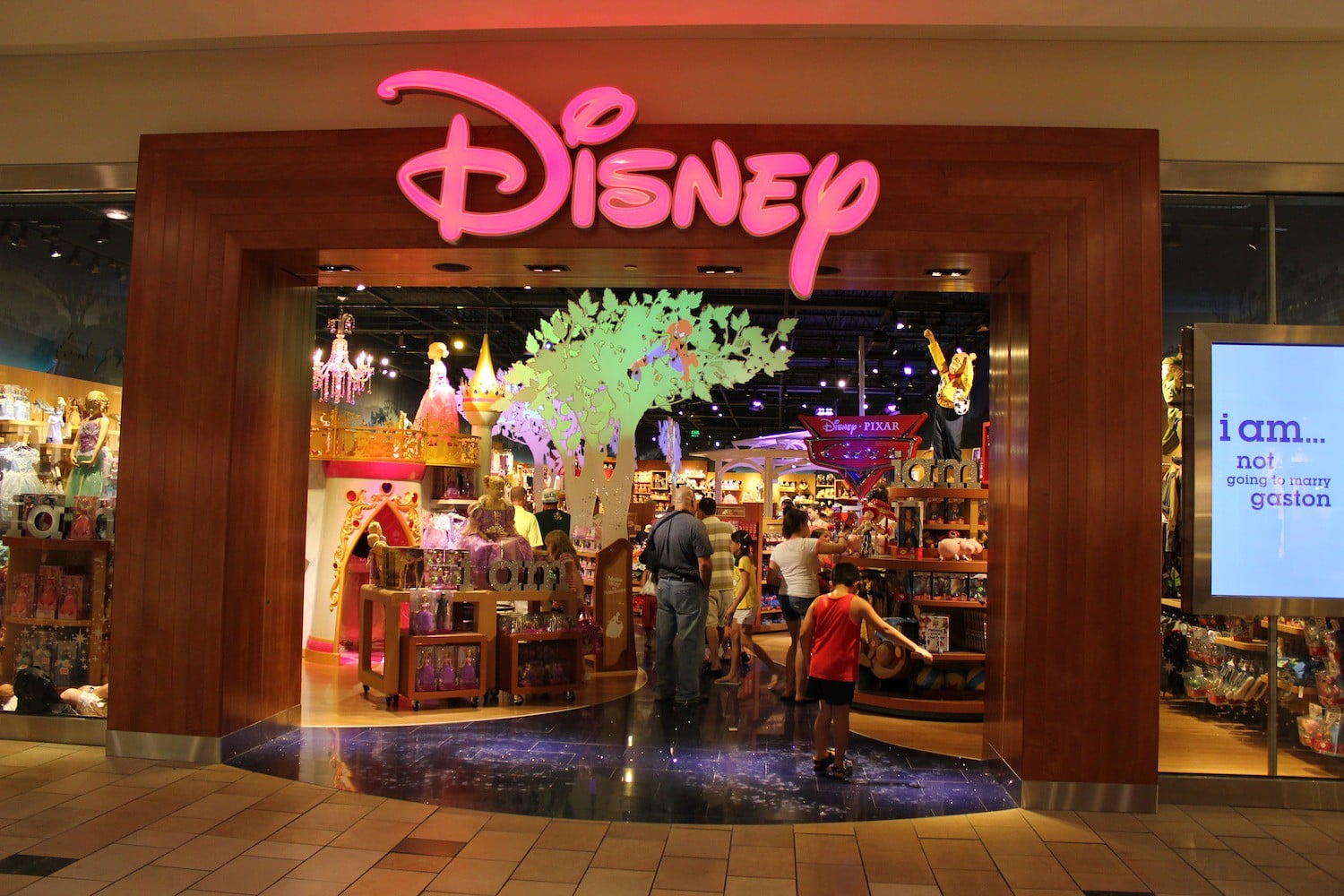
Disney stores use a custom fragrance called Smellitizers that varies by section. The princess area might smell like vanilla and florals.
While the Marvel section has something more clean and modern. Background music matches the scent profiles.
The whole store feels like an extension of the theme parks. That connection is valuable because positive park memories are strong.
Creating similar sensory experiences in retail locations borrows emotional associations from expensive vacations.
Barnes & Noble’s Coffee Strategy
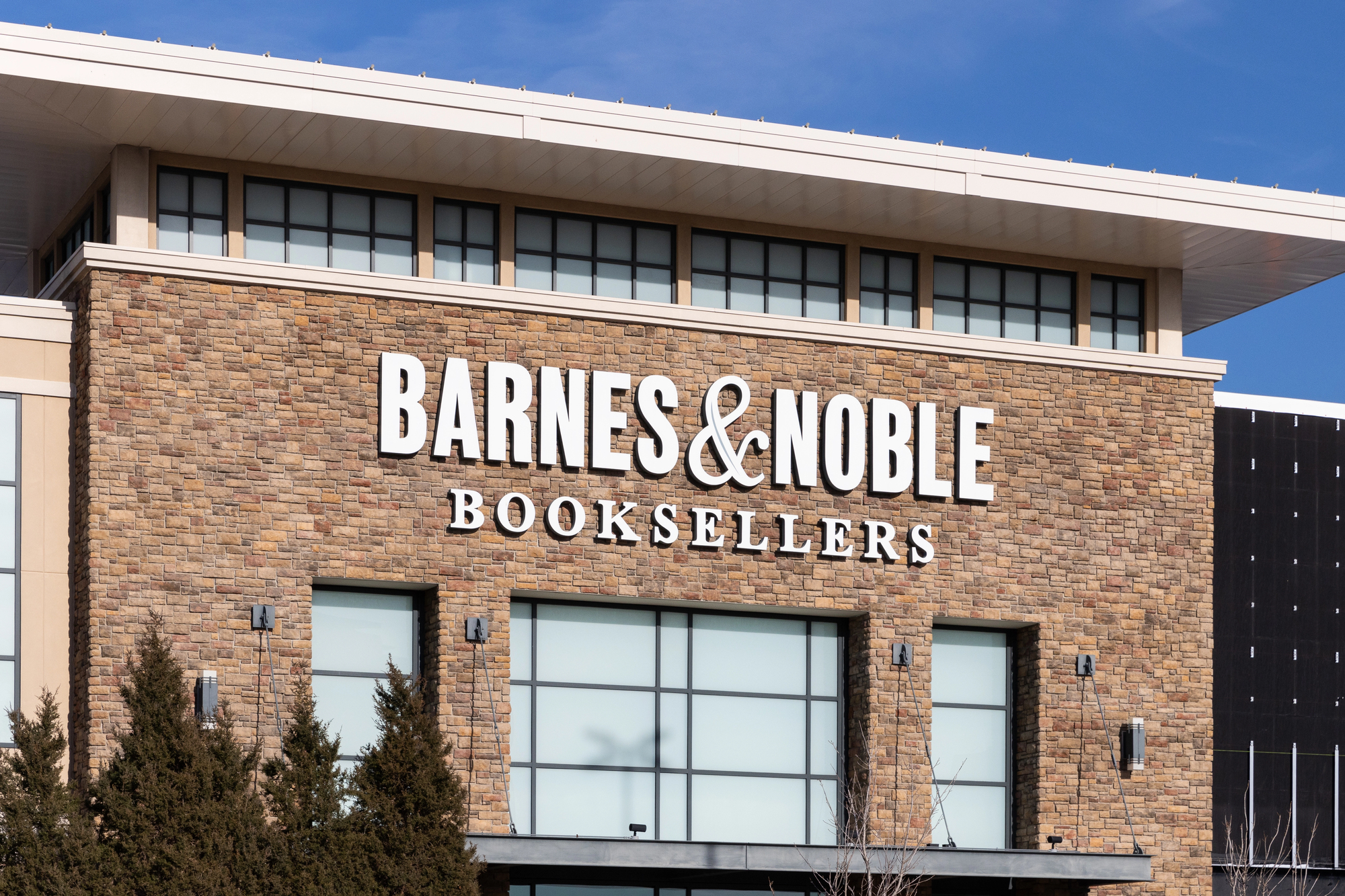
Barnes & Noble put Starbucks cafes inside their stores for good reason. The coffee smell makes the bookstore feel like a comfortable third space.
Where you can settle in for hours. That atmosphere encourages browsing and impulse purchases.
The combination of coffee, paper, and quiet background music creates a productive, intellectual vibe. You buy more books when you feel like you’re in a library crossed with a cafe.
The scent triggers your brain to associate reading with relaxation and treats.
Whole Foods’ Produce Section Design
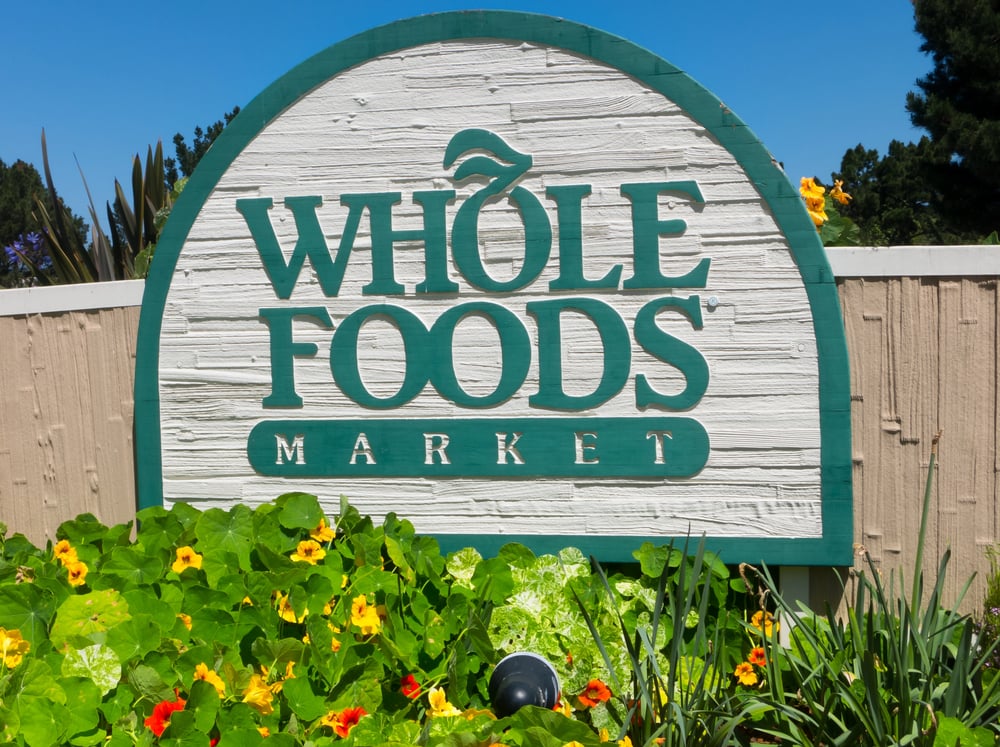
Whole Foods positions produce fresh flowers near the entrance. You smell earthy, fresh scents immediately.
That greeting makes the entire store feel healthier and more natural. Even though processed foods fill most aisles.
The lighting over produce is carefully tuned to make fruits and vegetables look more vibrant. Water misters keep everything looking fresh.
And release pleasant moisture into the air. These sensory cues justify premium prices by suggesting superior quality.
Lululemon’s Studio Atmosphere
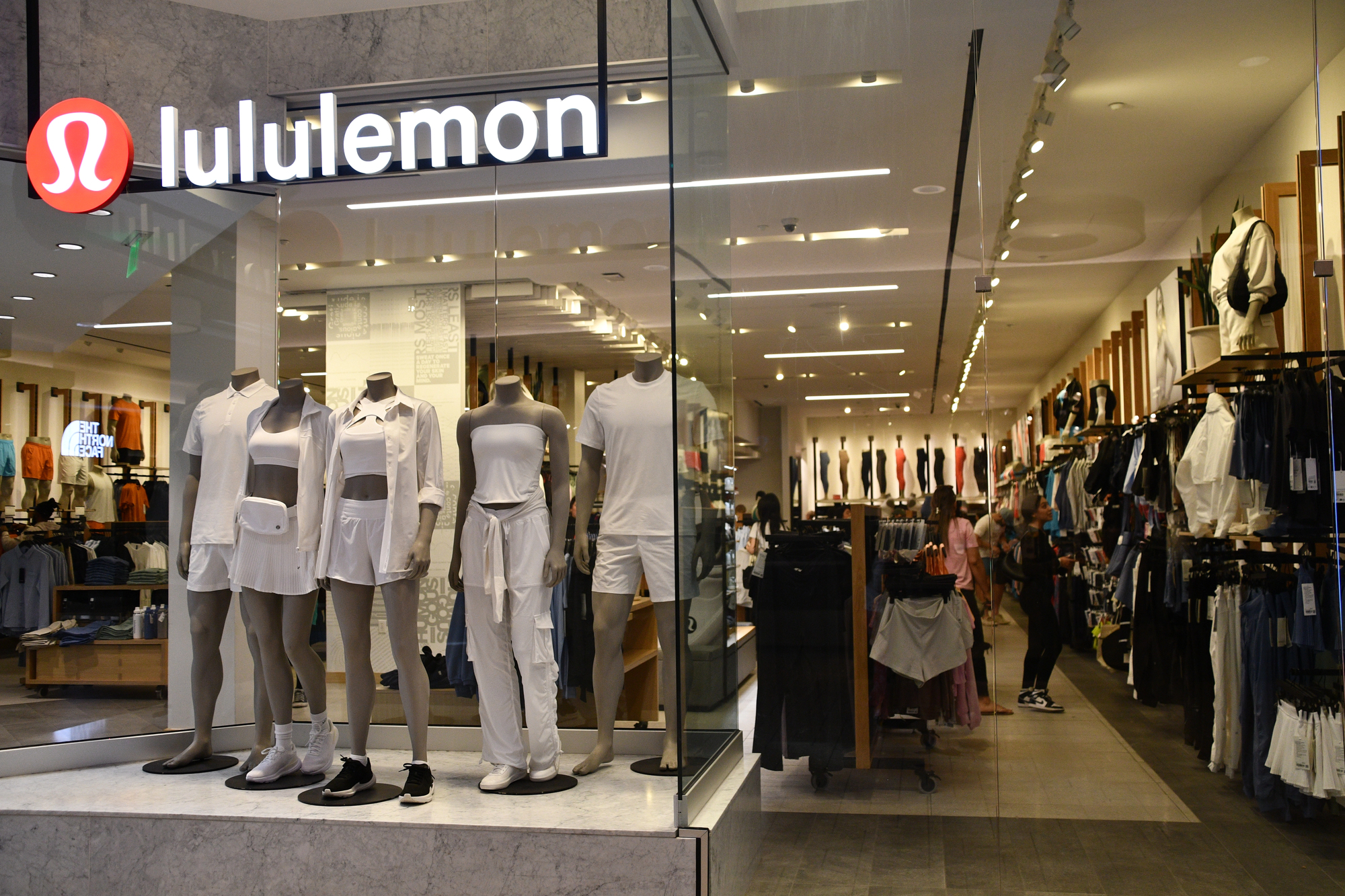
Lululemon stores smell like their products—clean, athletic, slightly herbal. The scent mixes with the showroom atmosphere.
Where you see clothes styled for yoga or running. Free classes and events happen in the space.
Making it feel like a fitness studio that also sells gear. That environment reinforces the lifestyle brand positioning.
You’re not just buying leggings—you’re joining a wellness-focused community. The scent becomes part of that aspirational identity.
Victoria’s Secret’s Rose Garden
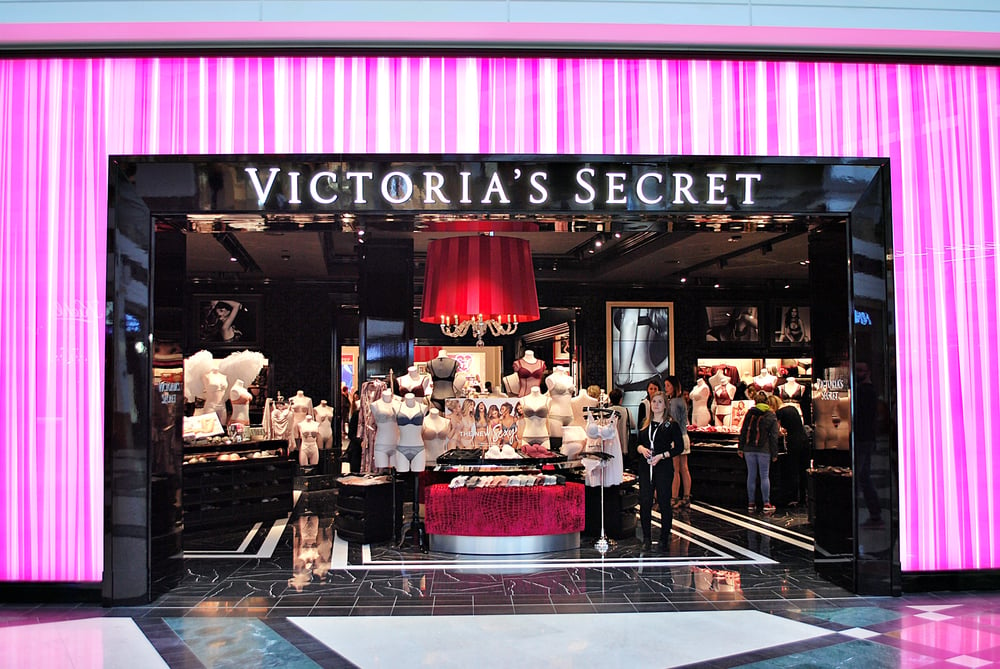
A whiff of something soft lingers in the air at Victoria’s Secret. From hidden vents, a unique blend drifts out.
Floral tones touched with powderiness. Not too strong, just enough to feel gentle, perhaps nostalgic.
This aroma floats alongside walls painted in blush and lights that glow like candlelight. Together, sight and smell shape a space meant to appeal in a particular way.
A scent lingers long after you leave the shop. Carried now in a bottle shaped by the same essence found on shelves.
These fragrances, once tied to aisles and counters, travel into daily life. Through sprays meant for skin or space.
One version lives close to the body. Another drifts around a room.
Each captures what fills the air inside. Owning one turns routine moments into echoes of that familiar environment.
Presence isn’t limited to walls when aroma moves with people.
Atmosphere Shapes Who We Are
Smells can pull up memories of places you once stood. It is not only about what they offer on shelves.
A certain scent might take you back without warning. Loyalty grows stronger through moments like these.
Not points or discounts. What sticks around isn’t convenience or low cost.
It’s how a place made you feel. Some shops get this.
Building spaces where fragrance leads the way. Space in your mind links buying things to how you felt at certain times.
Worth far more than what you actually bought.
More from Go2Tutors!

- The Romanov Crown Jewels and Their Tragic Fate
- 13 Historical Mysteries That Science Still Can’t Solve
- Famous Hoaxes That Fooled the World for Years
- 15 Child Stars with Tragic Adult Lives
- 16 Famous Jewelry Pieces in History
Like Go2Tutors’s content? Follow us on MSN.