Smartest Breeds of Dogs
Every dog owner swears their pup is brilliant. You might see it in the way your dog knows exactly when you’re about to leave the house, or how they’ve trained you to give treats at specific times.
But some breeds really do process information faster, learn commands quicker, and figure out puzzles that would leave other dogs staring blankly. Intelligence in dogs shows up in different ways.
Some breeds excel at following commands. Others solve problems on their own.
A few seem to read your mind before you even speak. The smartest breeds tend to share certain traits—they’re observant, they remember patterns, and they get bored easily if you’re not challenging them enough.
Border Collie
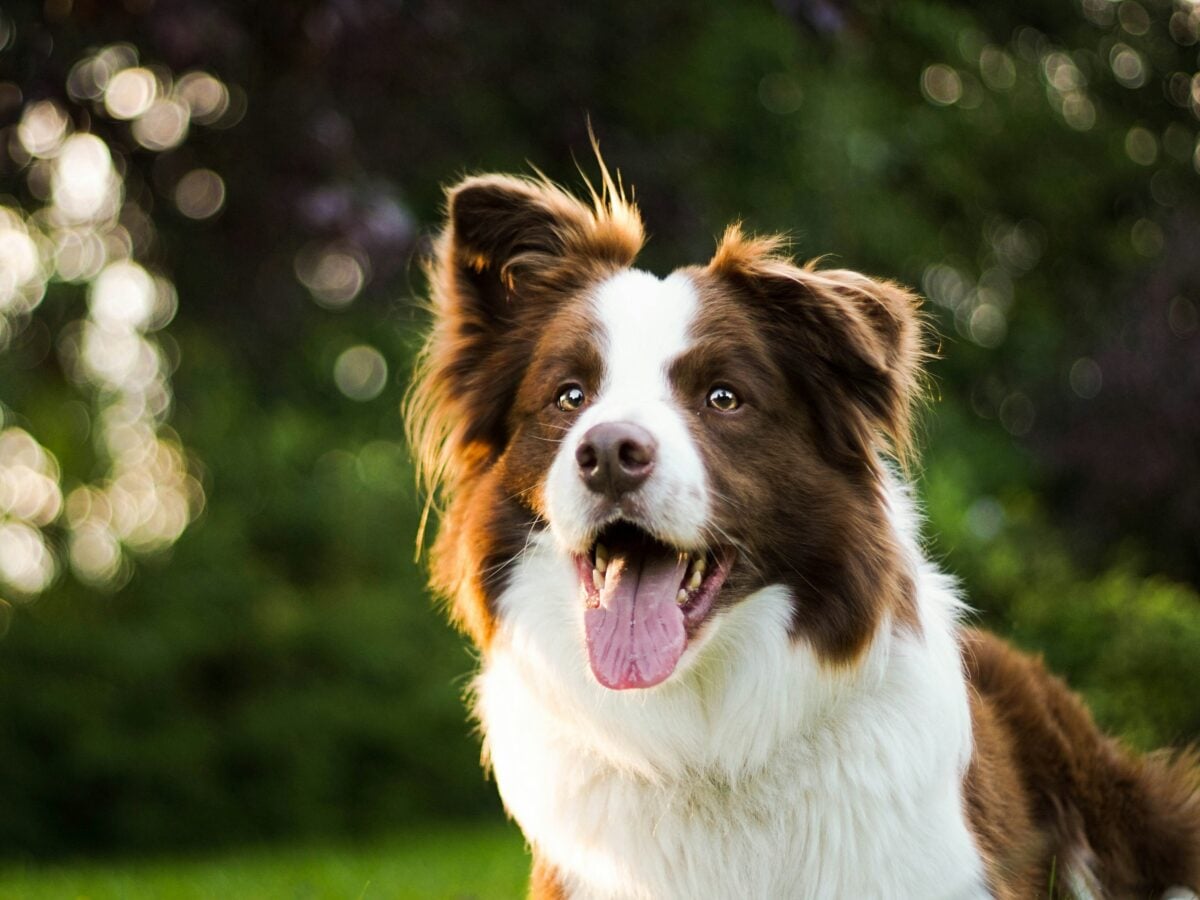
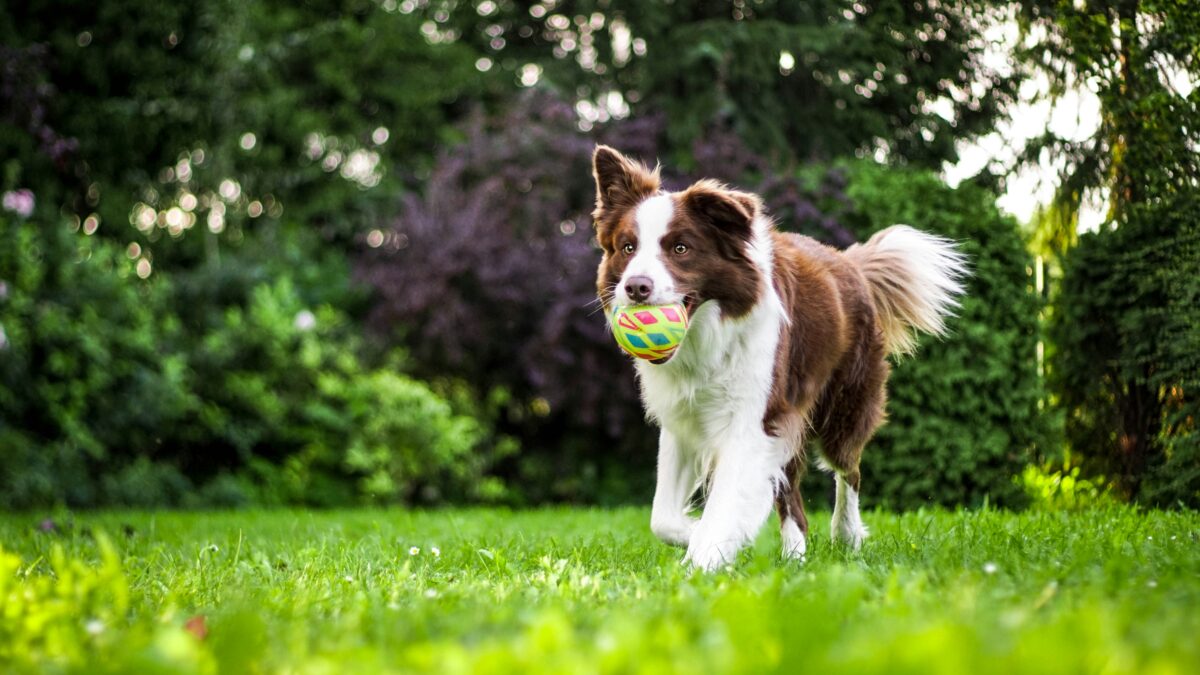
This breed sits at the top of almost every canine intelligence ranking, and anyone who’s spent time around one understands why. Border Collies were bred to herd sheep across vast Scottish hillsides, making split-second decisions without human input.
That history shows in everything they do. They learn new commands after just a few repetitions.
Many Border Collies pick up tricks you didn’t even mean to teach them, just by watching you go about your day. They notice patterns in your routine and anticipate what comes next.
But this intelligence comes with demands. A Border Collie needs serious mental stimulation.
Without it, they’ll find their own entertainment, and you probably won’t like their choices. They need jobs, puzzles, training sessions, and activities that make them think.
Poodle
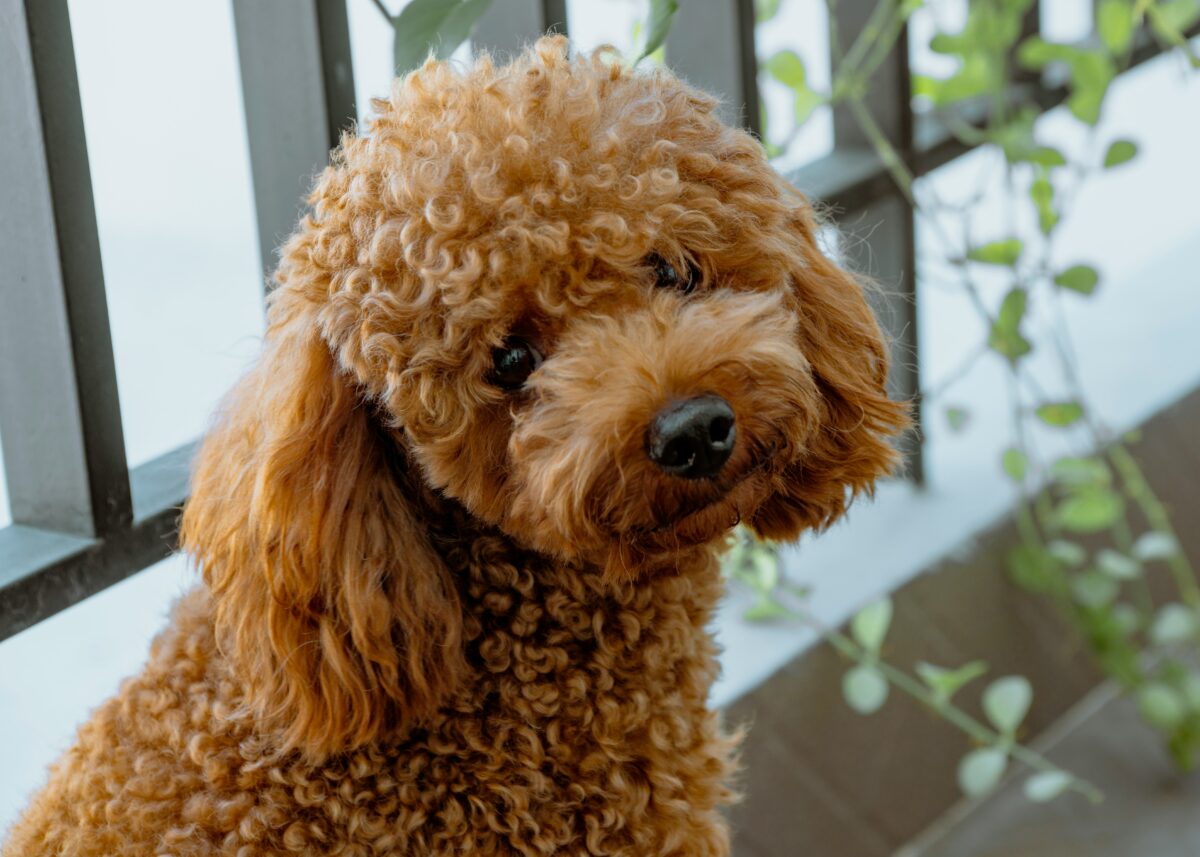
The fancy haircuts fool people into thinking Poodles are just show dogs. They’re actually working dogs with serious brains.
Originally bred in Germany to retrieve waterfowl, Poodles had to navigate water, remember where birds fell, and work independently from their handlers.
All three sizes—Standard, Miniature, and Toy—share this intelligence. They read body language exceptionally well and often know what you want before you give a command.
Training a Poodle feels more like having a conversation than drilling exercises. Their smarts extend beyond obedience.
Poodles excel at dog sports like agility and rally because they quickly understand what’s expected and remember complex sequences. They’re also one of the few breeds that can learn to distinguish between dozens of different toy names.
German Shepherd
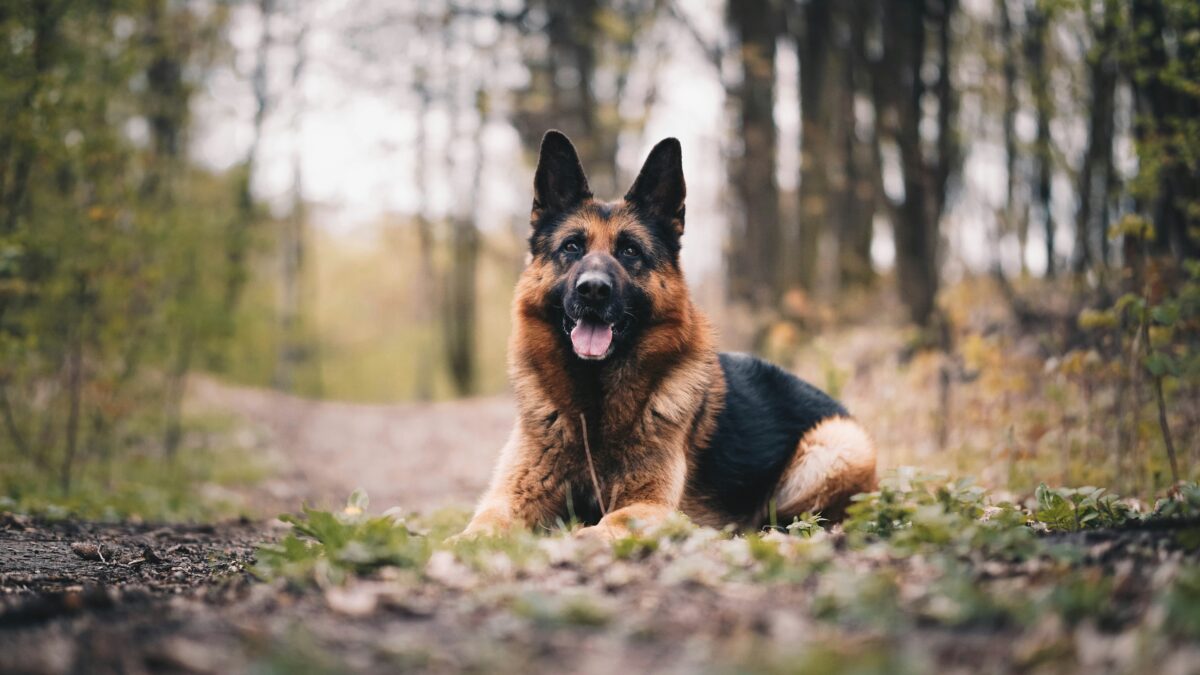
Police departments and military units choose German Shepherds for good reason. These dogs process information quickly, stay calm under pressure, and follow complex commands even in chaotic situations.
That combination of traits makes them exceptional working dogs. German Shepherds form strong bonds with their handlers and seem driven to please them.
This isn’t blind obedience—they’re always thinking, always reading the situation. A well-trained German Shepherd can make judgment calls when needed rather than just mechanically following orders.
They’re versatile learners too. You can train a German Shepherd for protection work, search and rescue, herding, or just as a family companion.
They adapt their behavior to whatever role you need them to fill.
Golden Retriever
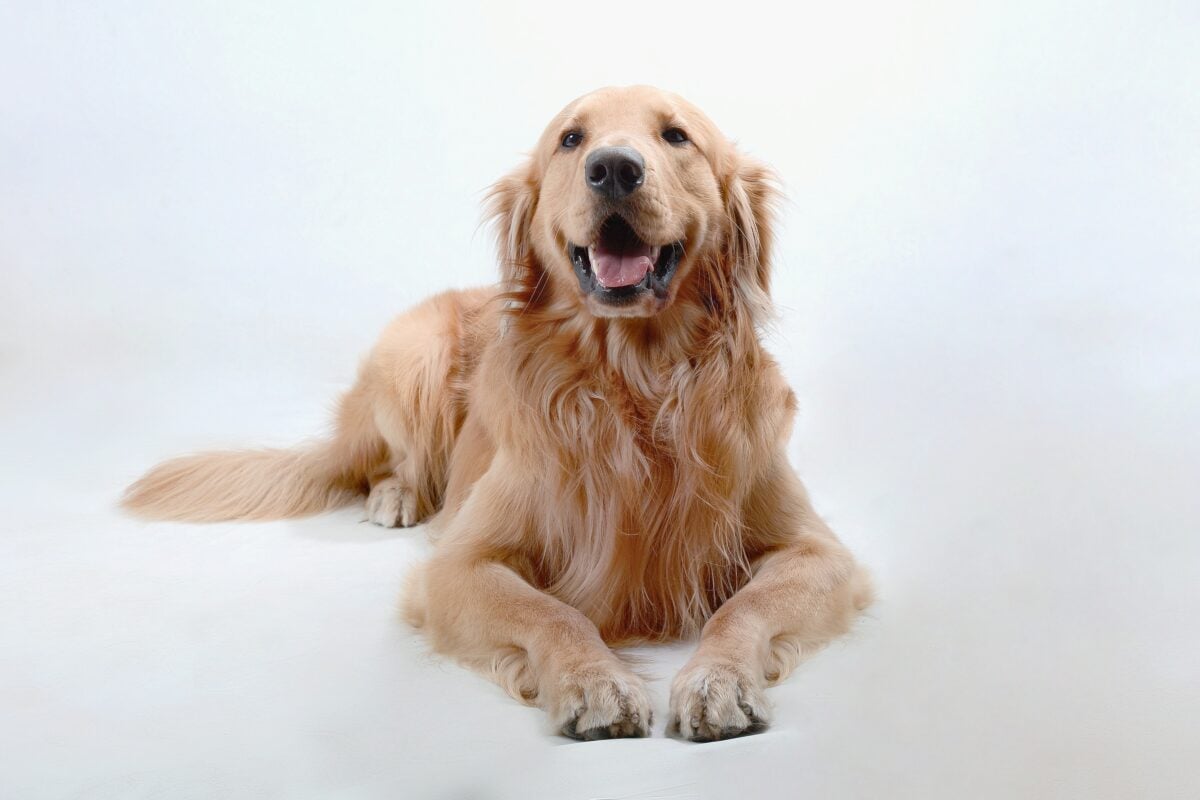
Golden Retrievers might seem too friendly to be truly smart, but that gentle temperament hides a sharp mind. They were bred to retrieve game birds during hunts, which required them to mark multiple fallen birds, remember locations, and return them undamaged.
That takes real cognitive ability. These dogs excel at reading human emotions.
They know when you’re sad, stressed, or upset, and they adjust their behavior accordingly. This emotional intelligence makes them outstanding service dogs and therapy animals.
Golden Retrievers learn quickly and retain what they learn. They’re patient with repetition but don’t need much of it.
Most importantly, they want to work with you rather than just for you, which makes training feel cooperative instead of adversarial.
Doberman Pinscher
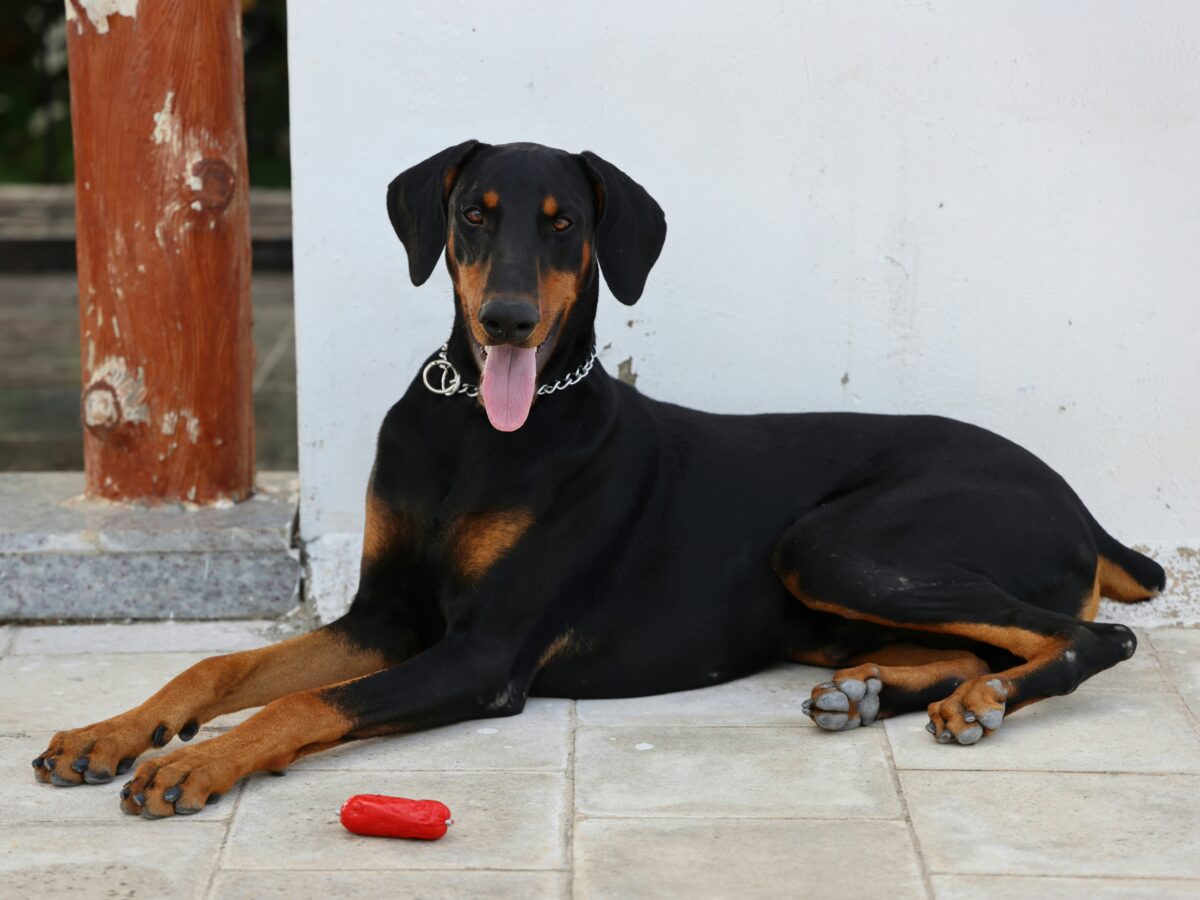
Dobermans think fast. They size up situations in seconds and act decisively. Originally bred as guard dogs in Germany, they needed to assess threats, protect their people, and follow commands instantly.
That bred-in decisiveness shows in everything they do. These dogs are incredibly alert.
They notice small changes in their environment and respond to subtle cues from their handlers. This awareness makes them natural protectors, but it also means they’re always processing information and staying mentally engaged.
Training a Doberman requires consistency but not endless repetition. They grasp concepts quickly and get bored if you drill the same thing over and over.
They need variety in their training and challenges that keep them interested.
Shetland Sheepdog
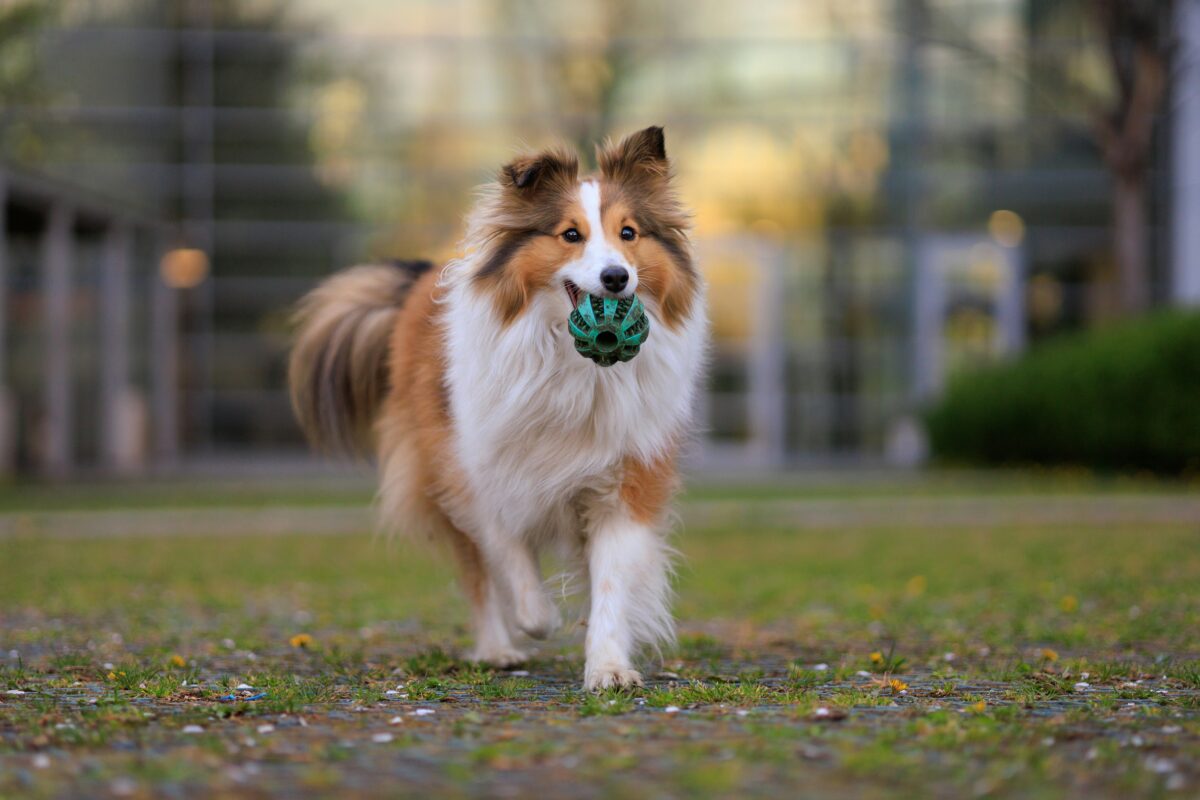
Shelties look like miniature Collies, and they share that herding intelligence. They’re quick learners who excel at obedience competitions and dog sports.
What sets them apart is their vocal nature—they use barking as communication more than most breeds. These dogs are sensitive to their owner’s moods and routines.
They pick up on subtle cues and often respond to commands you didn’t realize you gave. That sensitivity makes them highly trainable but also means they don’t do well with harsh corrections.
Shelties need mental challenges just like physical exercise. They enjoy learning new tricks, playing puzzle games, and having jobs to do around the house.
Without that stimulation, they can become anxious or develop nuisance behaviors.
Labrador Retriever
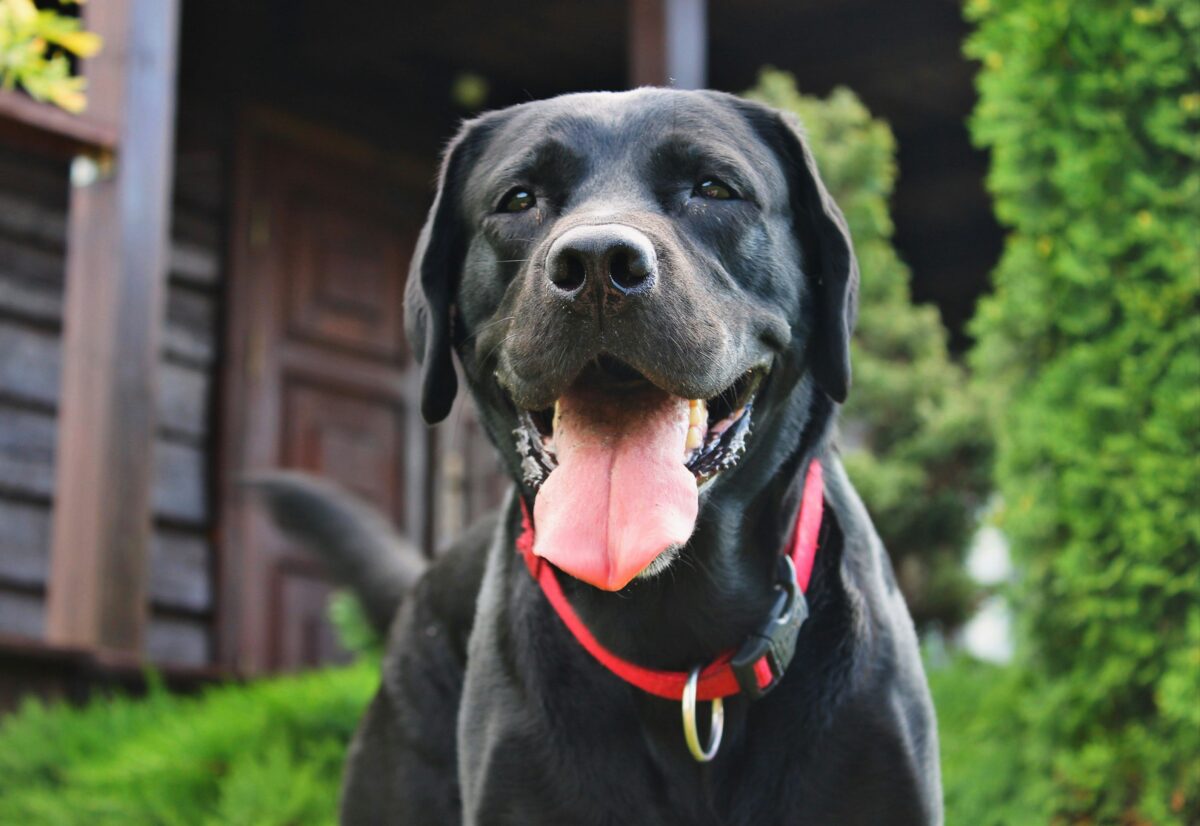
Labs are popular family dogs, which sometimes overshadows how smart they are. They were bred as working retrievers in Newfoundland, helping fishermen haul nets and retrieve fish.
That required problem-solving, endurance, and the ability to work independently when needed. Labs learn quickly and remember what they learn for years.
They’re especially good at associative learning—connecting actions with outcomes. This makes them easy to train for basic obedience but also capable of advanced work like search and rescue or detection work.
Their intelligence shows in how they adapt to different situations. A Lab can be a hunting companion in the morning, a therapy dog in the afternoon, and a calm family pet in the evening.
They read situations and adjust accordingly.
Papillon
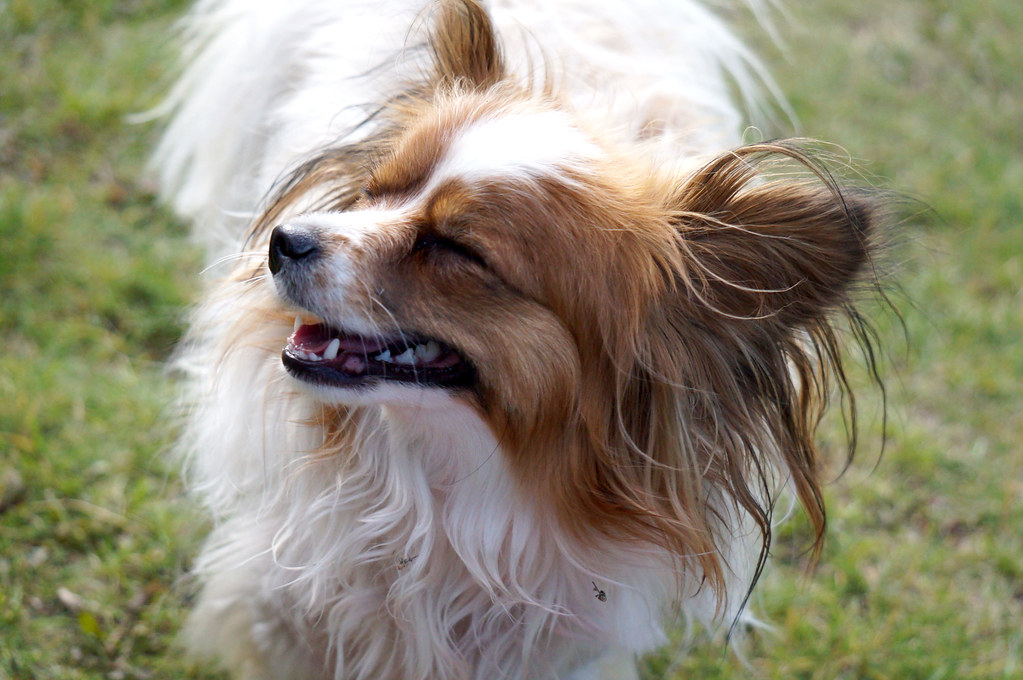
Size has nothing to do with intelligence, and Papillons prove it. These tiny dogs with butterfly-like ears consistently rank among the smartest breeds.
They’re quick learners who excel in obedience and agility competitions, often outperforming much larger dogs. Papillons are observant and alert.
They notice everything happening around them and process it quickly. This awareness makes them surprisingly good watchdogs despite their small size—they miss nothing and report everything.
Training a Papillon feels effortless because they’re so eager to learn. They pick up tricks quickly and remember them long-term.
Their small size makes them portable, so you can bring them along and practice training in different environments, which keeps their minds engaged.
Rottweiler
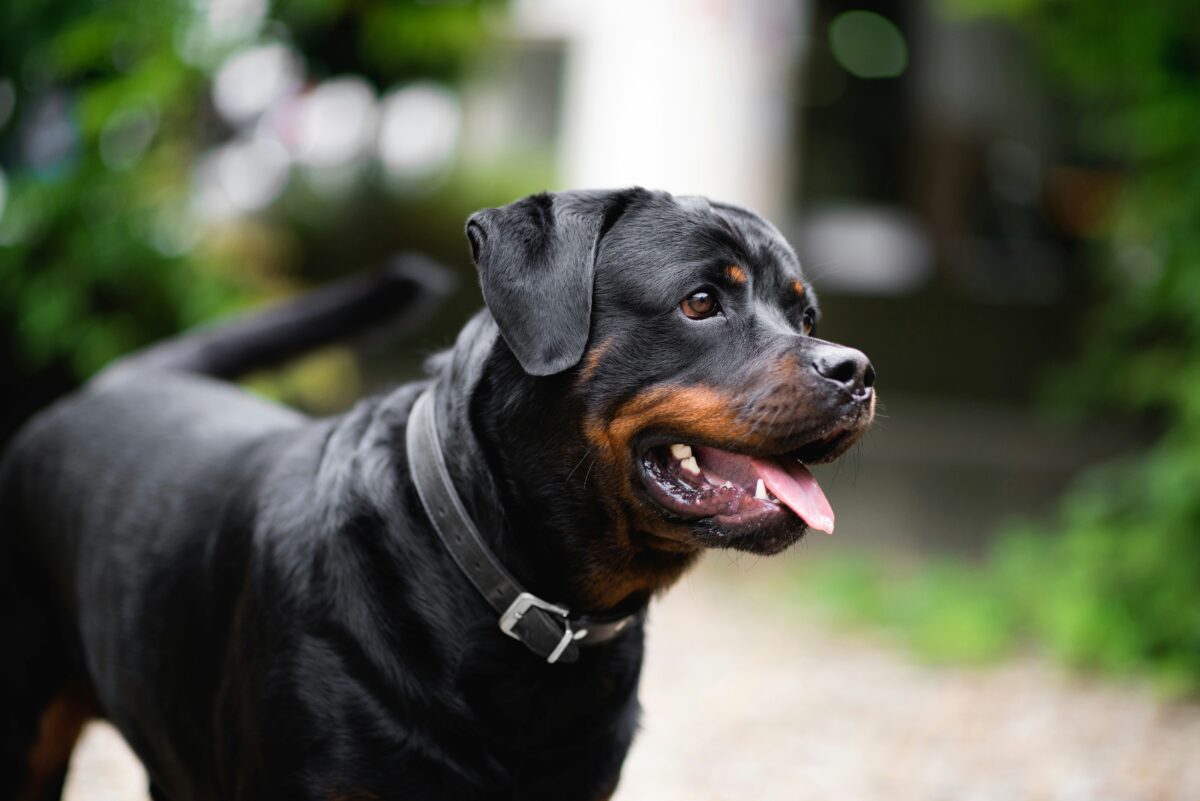
Rottweilers are powerful dogs with equally powerful minds. They were bred to drive cattle and guard property, which required independent thinking and judgment.
A Rottweiler had to decide when to act and when to wait, all while managing animals much larger than themselves. These dogs are confident and calm, which helps them process information without getting flustered.
They assess situations carefully before reacting. This measured intelligence makes them excellent guard dogs who can distinguish between actual threats and normal activity.
Rottweilers bond deeply with their families and are protective without being reactive. They’re trainable and responsive but need a handler who’s consistent and fair.
They don’t respond well to harsh methods—they’re smart enough to question unreasonable treatment.
Australian Cattle Dog
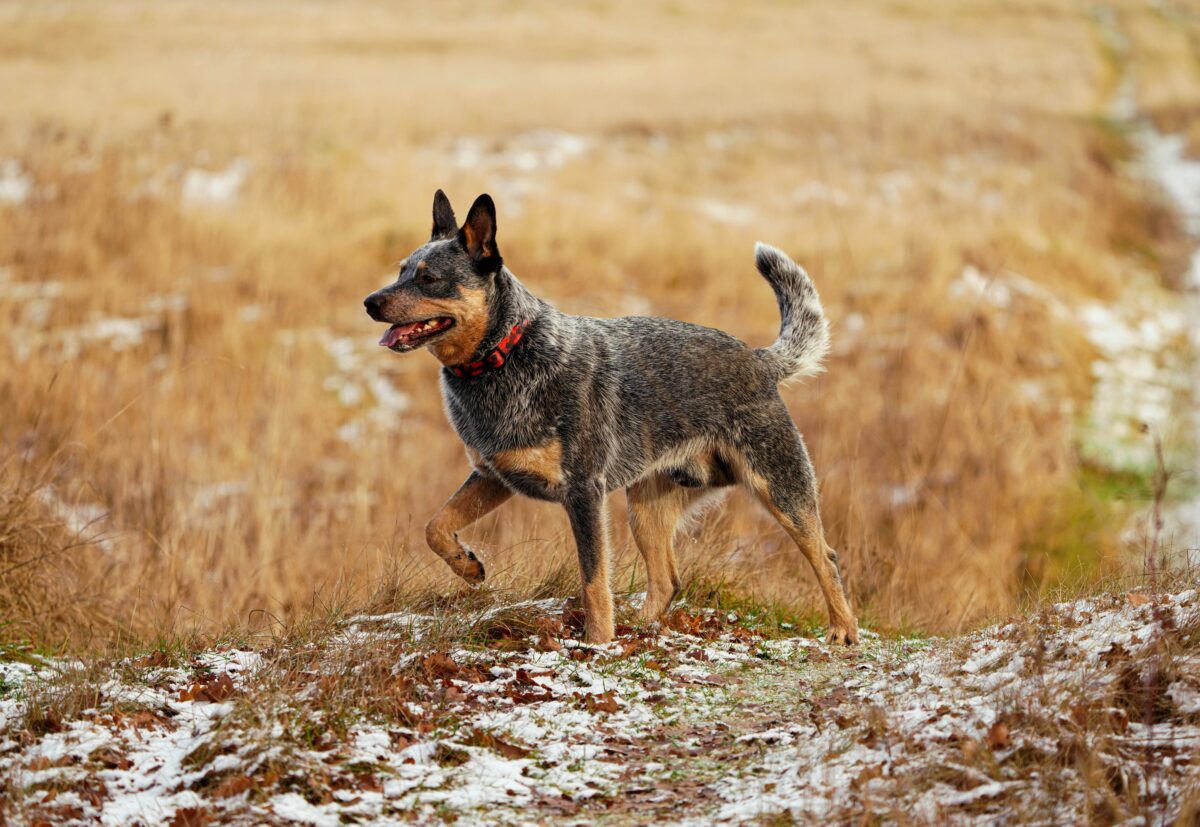
Australian Cattle Dogs, also called Blue Heelers, were bred to herd cattle across the Australian outback. They needed stamina, toughness, and serious problem-solving skills to manage stubborn cattle in harsh conditions.
That breeding shows in their intelligence and drive. These dogs are intensely focused and goal-oriented.
When they have a job to do, they commit completely. This makes them excellent working dogs but challenging pets if you can’t provide enough mental and physical activity.
They learn quickly but also think for themselves. An Australian Cattle Dog won’t just blindly follow commands—they’ll assess whether the command makes sense in the situation.
This independent thinking is valuable in working contexts but requires consistent training in a home setting.
Pembroke Welsh Corgi
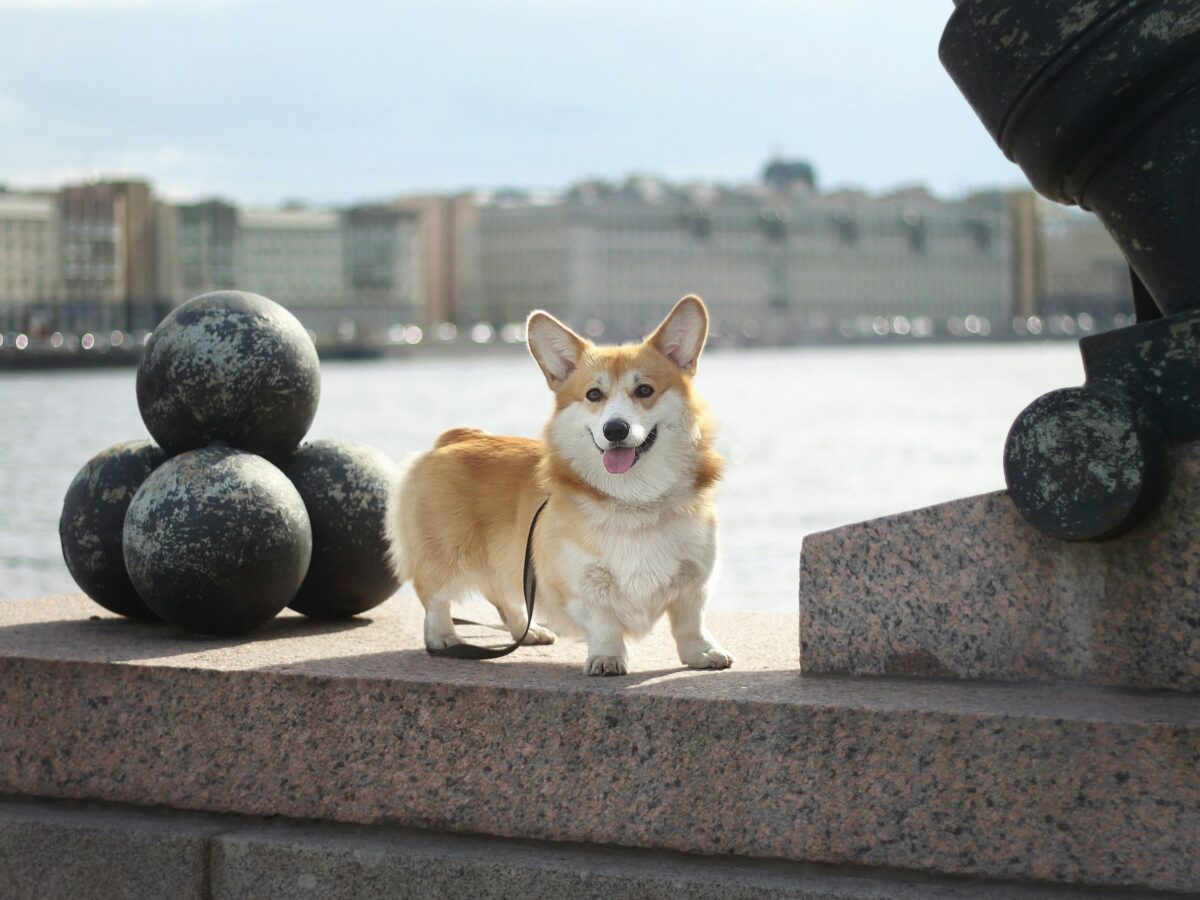
Corgis might be known for their short legs and royal associations, but they’re sharp herding dogs with quick minds. They were bred to nip at the heels of cattle, darting in and out while avoiding kicks.
That requires spatial awareness, timing, and strategic thinking. These dogs are bold and confident despite their size.
They approach problems head-on and figure out solutions quickly. That boldness translates into trainability—they’re not easily intimidated by new challenges.
Corgis read people well. They know who’s in charge and who’s a pushover. This social intelligence means they need consistent rules and boundaries, or they’ll happily make their own decisions about household management.
Miniature Schnauzer
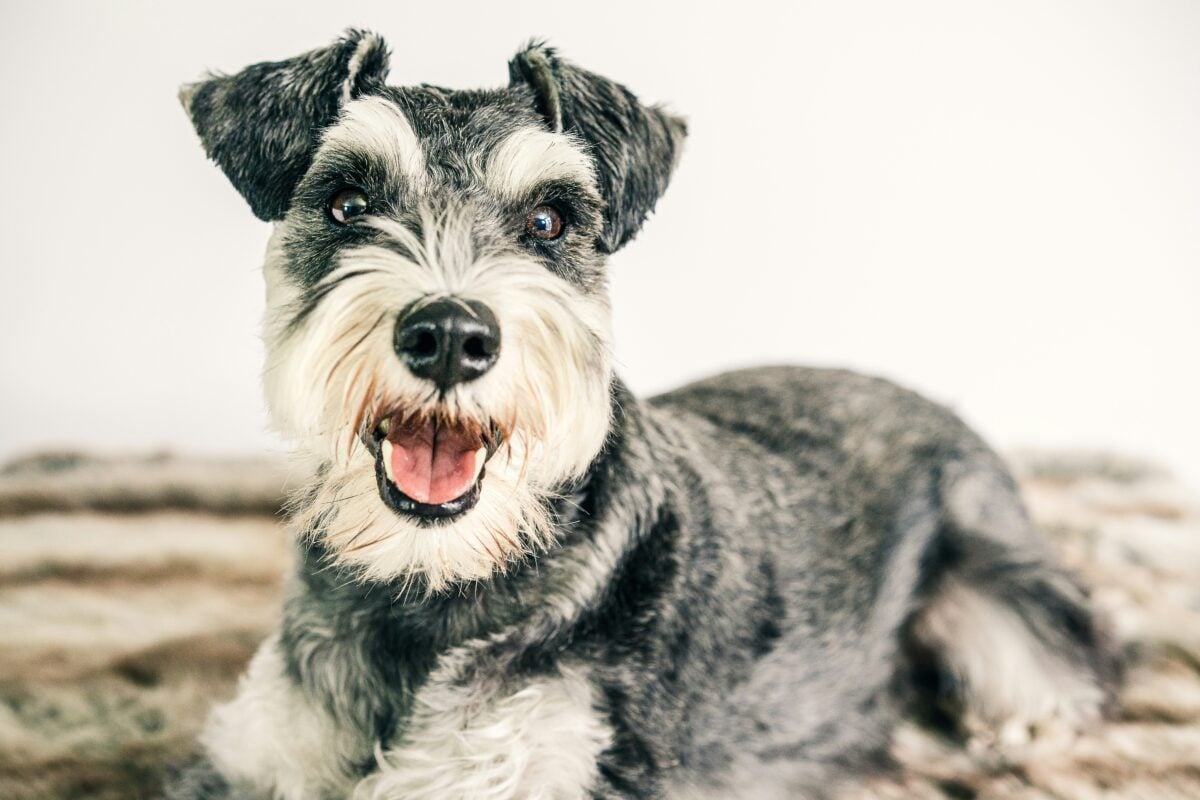
Miniature Schnauzers were bred as farm dogs in Germany, catching rats and guarding property. That required alertness, quick decision-making, and the ability to work independently.
These traits persist in modern Miniature Schnauzers, making them smart and spirited companions. They’re observant dogs who miss little.
They notice changes in routine, recognize patterns, and anticipate events. This awareness makes them excellent watchdogs—they bark to alert you about anything unusual.
Training them is straightforward because they learn quickly. They’re responsive to positive reinforcement and enjoy the mental challenge of learning new behaviors.
Their intelligence combined with their size makes them adaptable to different living situations.
English Springer Spaniel
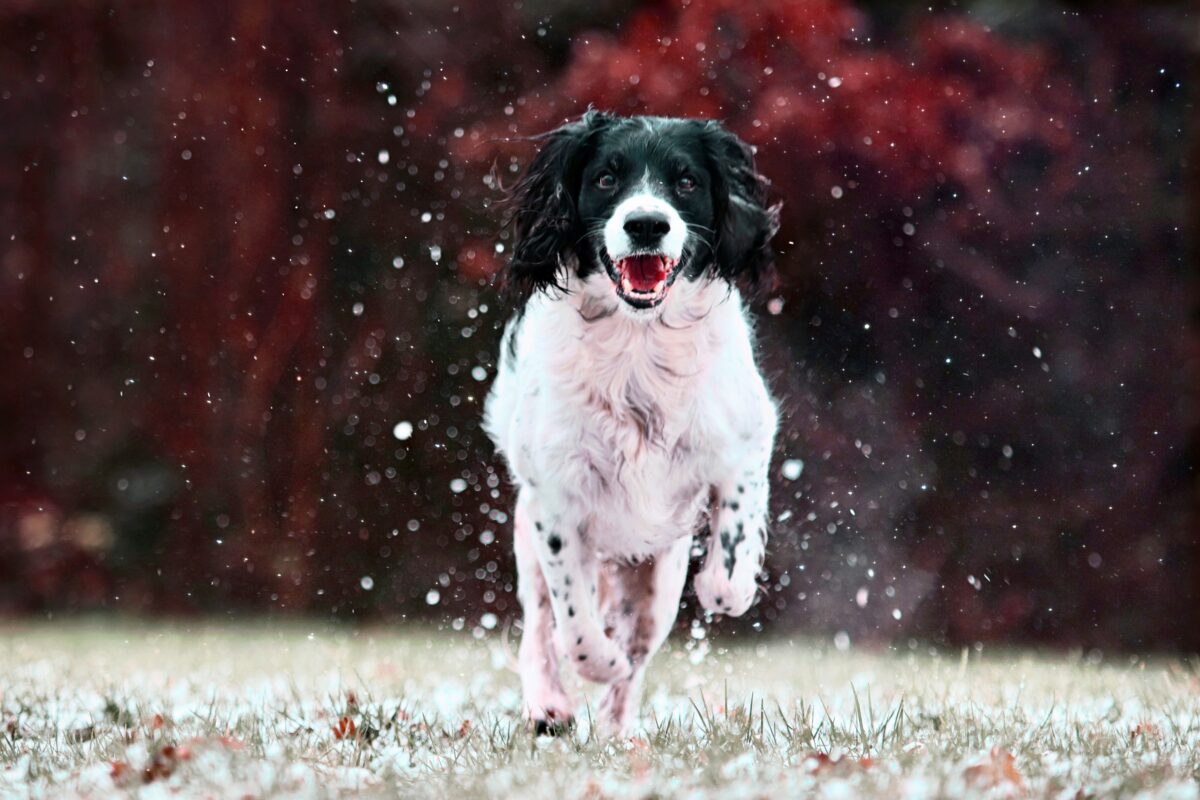
English Springer Spaniels were bred to flush game birds during hunts, which required them to work closely with hunters while also making independent decisions in the field. They needed to be smart enough to follow commands but also resourceful enough to adapt when the situation changed.
These dogs are attentive and eager to please. They watch their owners carefully and respond to subtle cues.
This makes them highly trainable and excellent at activities like field trials and hunt tests. Springer Spaniels also have good problem-solving abilities.
They can figure out how to get what they want, which is endearing when they’re solving a puzzle toy but less charming when they’re figuring out how to open a gate. They need consistent training and clear boundaries.
Belgian Tervuren
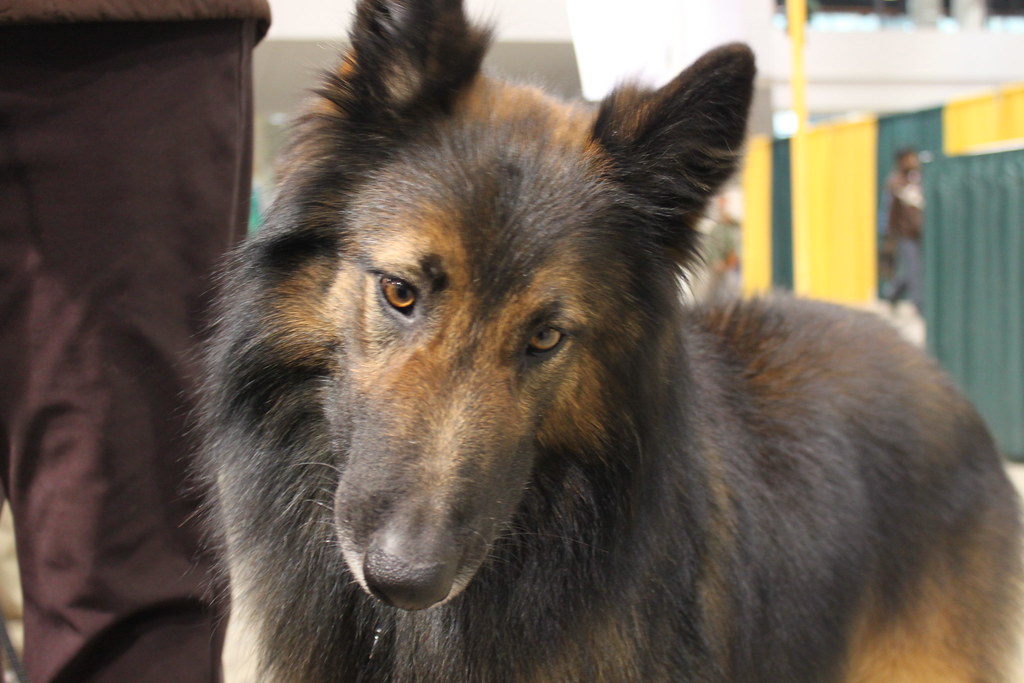
The Belgian Tervuren shares its herding heritage with the Belgian Malinois and other Belgian shepherd breeds. They’re intensely alert, responsive, and driven to work.
These dogs process information quickly and thrive on having jobs to do. Tervurens excel at dog sports and working roles because they’re both intelligent and athletic.
They learn complex sequences quickly and remember them accurately. They’re also sensitive to their handler’s emotions and body language, which creates a strong working partnership.
These dogs need experienced handlers who can provide consistent training and plenty of mental challenges. Without adequate stimulation, a Tervuren will get bored and potentially destructive.
They’re happiest when they have a purpose and a partner who appreciates their abilities.
What This Intelligence Really Means
Smart dogs aren’t necessarily easier dogs. That bright mind that learns tricks quickly also figures out how to open cabinets, escape yards, and manipulate household rules.
The breeds on this list need owners who can match their mental energy with training, activities, and consistent structure. Intelligence in dogs looks different than in humans.
A dog who’s brilliant at reading body language might struggle with object permanence. A breed that excels at independent problem-solving might be stubborn in obedience.
Understanding these differences helps you work with your dog’s specific strengths. The smartest dog is ultimately the one that fits your lifestyle.
A Border Collie’s intelligence is wasted if you want a couch companion. A Golden Retriever’s emotional intelligence shines with an active family.
Choose based on what kind of smart you can appreciate and challenge every day.
More from Go2Tutors!

- The Romanov Crown Jewels and Their Tragic Fate
- 13 Historical Mysteries That Science Still Can’t Solve
- Famous Hoaxes That Fooled the World for Years
- 15 Child Stars with Tragic Adult Lives
- 16 Famous Jewelry Pieces in History
Like Go2Tutors’s content? Follow us on MSN.