Photos Of Iconic Fashion Accessories Of The 20th Century
What folks carry or wear often spills their story – roots, beliefs, era. Between 1900 and 2000, some items shifted beyond function.
These bits of style turned into markers – of class, defiance, belonging. Take a bag made decades ago.
Or shades perched on the nose. Even fabric draped round the neck.
Each one whispered details no conversation needed. Meaning stuck to them like lint.
What makes it click now? Loads of those designs reappear, repurposed but recognizable.
These are the items that shaped ninety years – still speaking loud.
Cat-Eye Sunglasses
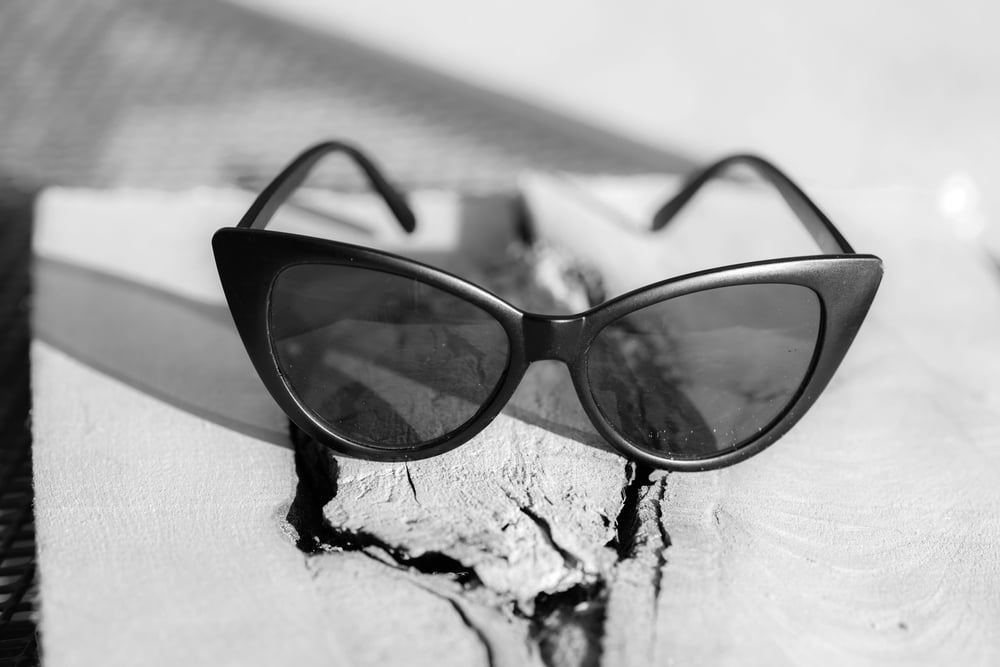
Tuesday afternoons once saw regular folks stepping out like movie stars, thanks to these glasses. Sharp angles at the outer edges carved definition across cheeks and cheekbones, quiet strength meeting subtle flair.
Think Audrey, think Marilyn – icons slipped them on, turned fleeting fashion into something lasting. Runway lights flash on similar shapes now, just as sidewalks fill with their modern echoes.
Around the globe, eyes peek through those tilted lines, still turning moments into statements.
The Beret

One moment it was on a farm, the next on a battlefield. Worn first by laborers under open skies, soon caught the eye of military units.
By mid-century, artists tucked it low over one ear, rebels pinned ideals to its wool. A young revolutionary made it iconic.
An artist in Paris gave it another kind of fame. Its shape changed little, yet it could seem relaxed or deliberate – just shift the angle slightly.
That subtle power kept it around, always near the edge of notice.
Pearl Necklaces
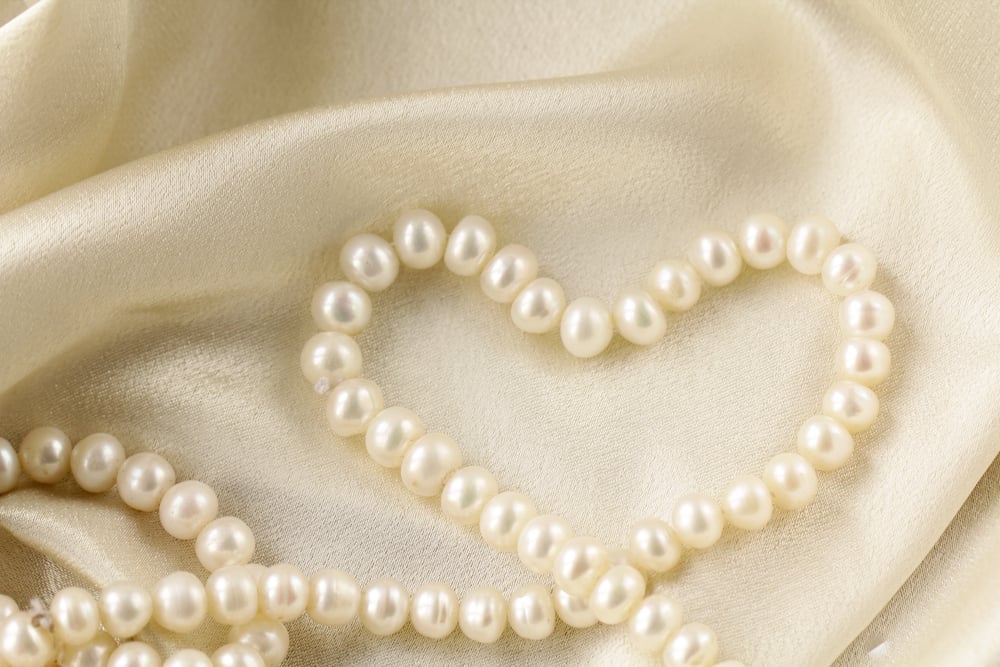
Back then, pearls weren’t just jewelry – they stood for something bigger. In the decades between the 1920s and 1950s, showing up with a string of pearls signaled status, wealth, or sharp ambition.
Jackie Kennedy, living in the White House, wore hers layered thick, until it seemed impossible to picture her without them. Slowly though, those shiny beads slipped off ballroom floors and turned up tucked into casual outfits, music clips, glossy spreads – reborn, somehow lighter.
What once felt stiff now danced around in everyday sights, quietly remaking their meaning.
The Pillbox Hat
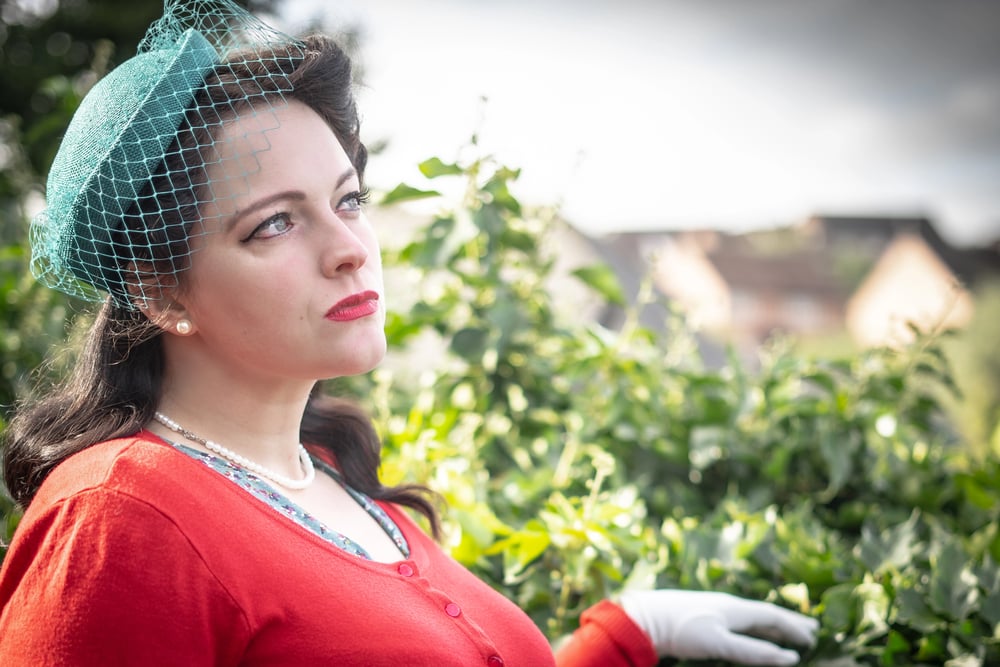
This little round hat with a flat top turned into an icon thanks to just one person – Jackie Kennedy. On the day President John F. Kennedy died in 1963, she wore it in pale pink, and photographs spread fast across continents.
Though seen often during the late 1950s, that instant made its place in time unshakable. Tight shape, firm frame – it works more like art than function.
Platform Shoes
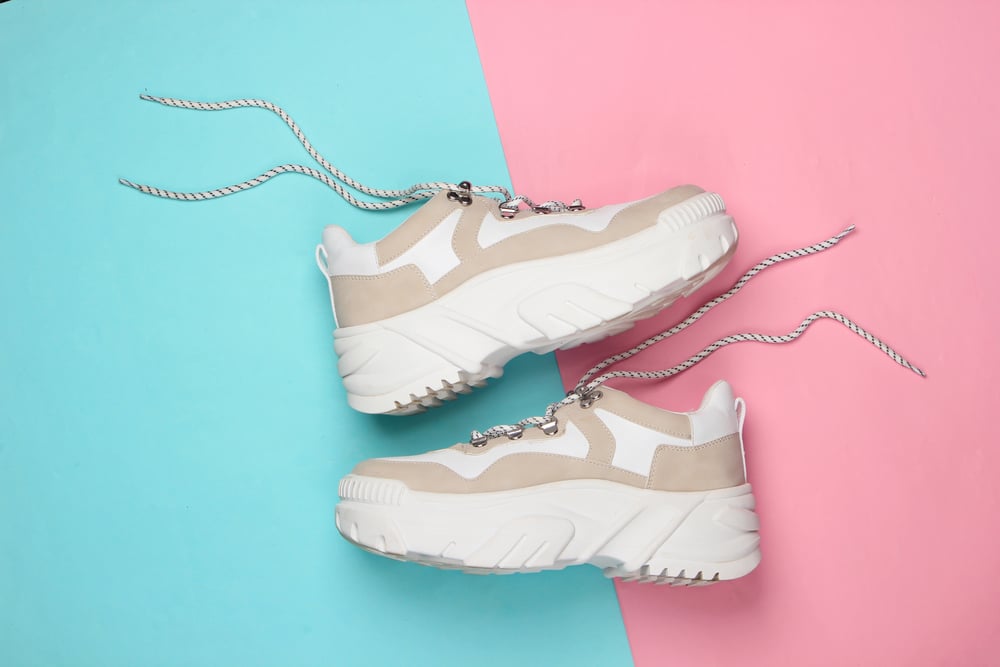
Footwear with thick soles started turning heads in the 1970s – hard to miss, really. Standing taller came easily, thanks to designs packing on three to five inches.
Rock stars such as Elton John alongside KISS didn’t just wear them – they owned towering creations resembling mini structures. Come the 1990s, heaviness returned underfoot via bulky athletic shoes and those bold Buffalo pairs stomped into fame by the Spice Girls.
Joyful chaos followed wherever these walked in, never quiet, always noticed.
The Charm Bracelet
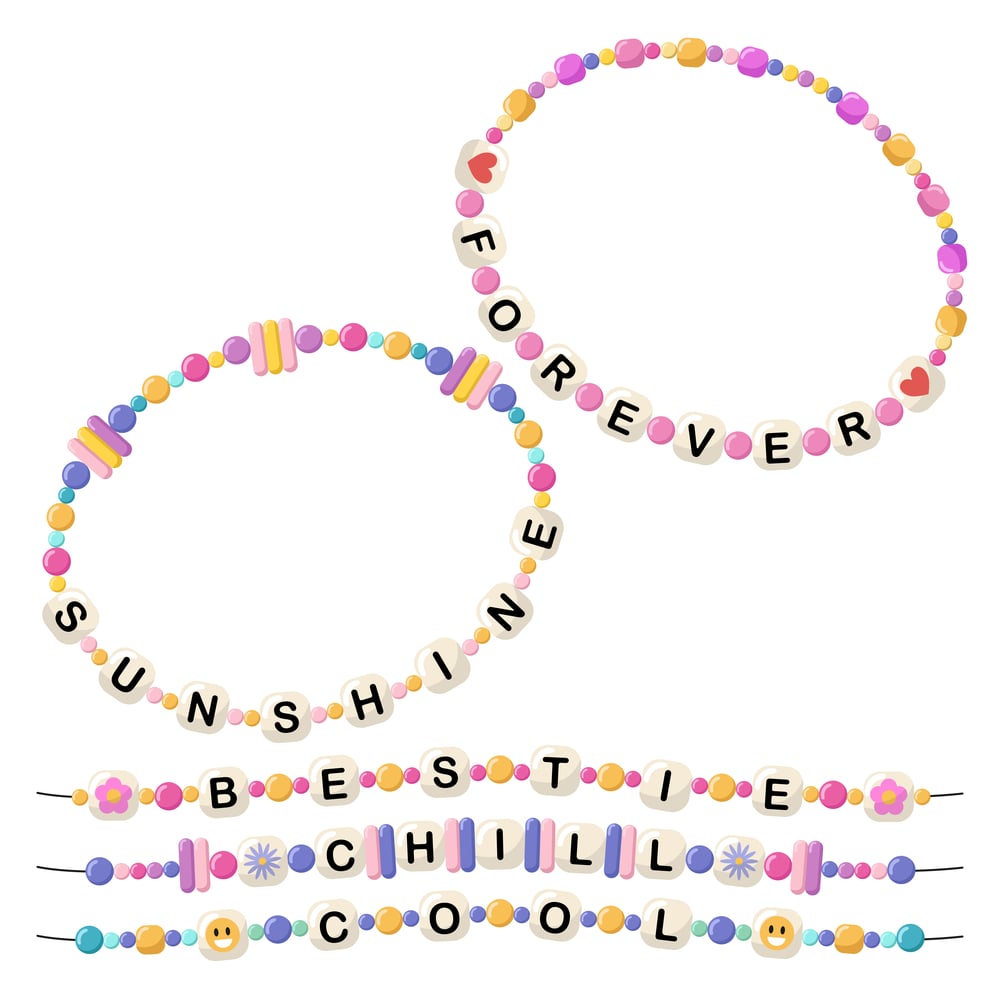
Tiny trinkets on chains started catching attention during the fifties, then grew common through the sixties as women gathered little metal pieces marking big life events. Picture a miniature Eiffel Tower brought back from France, perhaps.
Or a small silver shoe to remember when a baby arrived. Even something like a scroll shape standing for finishing school found its way onto these bands of linked metal.
Stories built up piece by piece, each one unique to the wearer. Firms such as Tiffany & Co. began offering their own versions, nudging these items into regular rotation for presents on special days.
Their appeal didn’t fade quickly – instead, they held steady far beyond the eighties.
Wayfarers
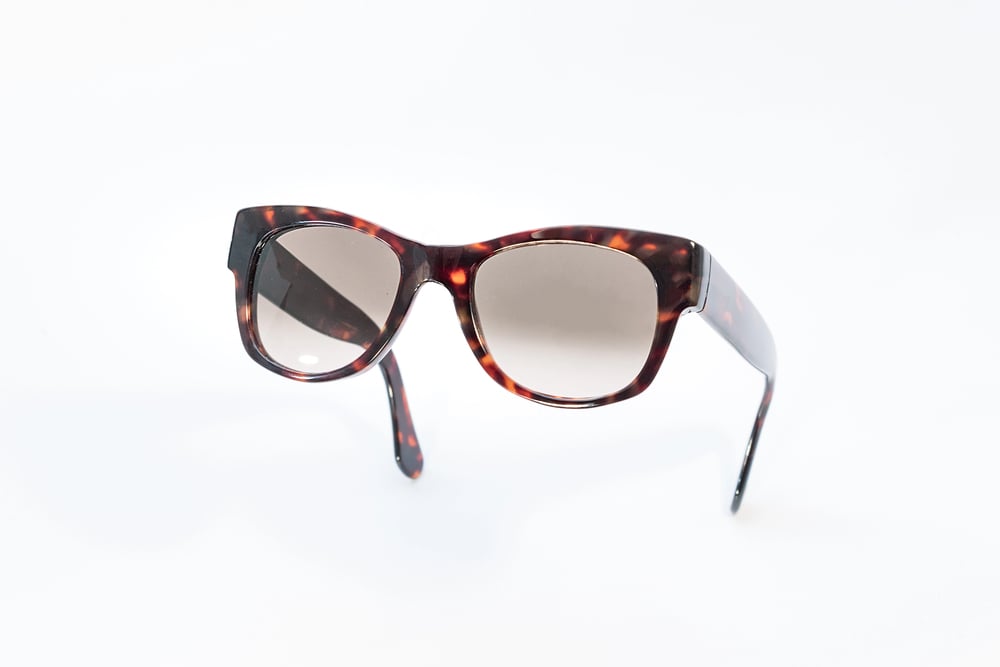
Ray-Ban introduced the Wayfarer in 1952, and it quickly became one of the most recognized sunglass shapes in the world. The thick, trapezoidal frame looked good on almost every face shape, which helped it find fans across very different types of people.
James Dean wore them. So did Bob Dylan.
By the 1980s they were everywhere, and a famous deal with the film industry that placed Ray-Ban Wayfarers in dozens of movies helped sell millions of pairs throughout the decade.
The Clutch Bag
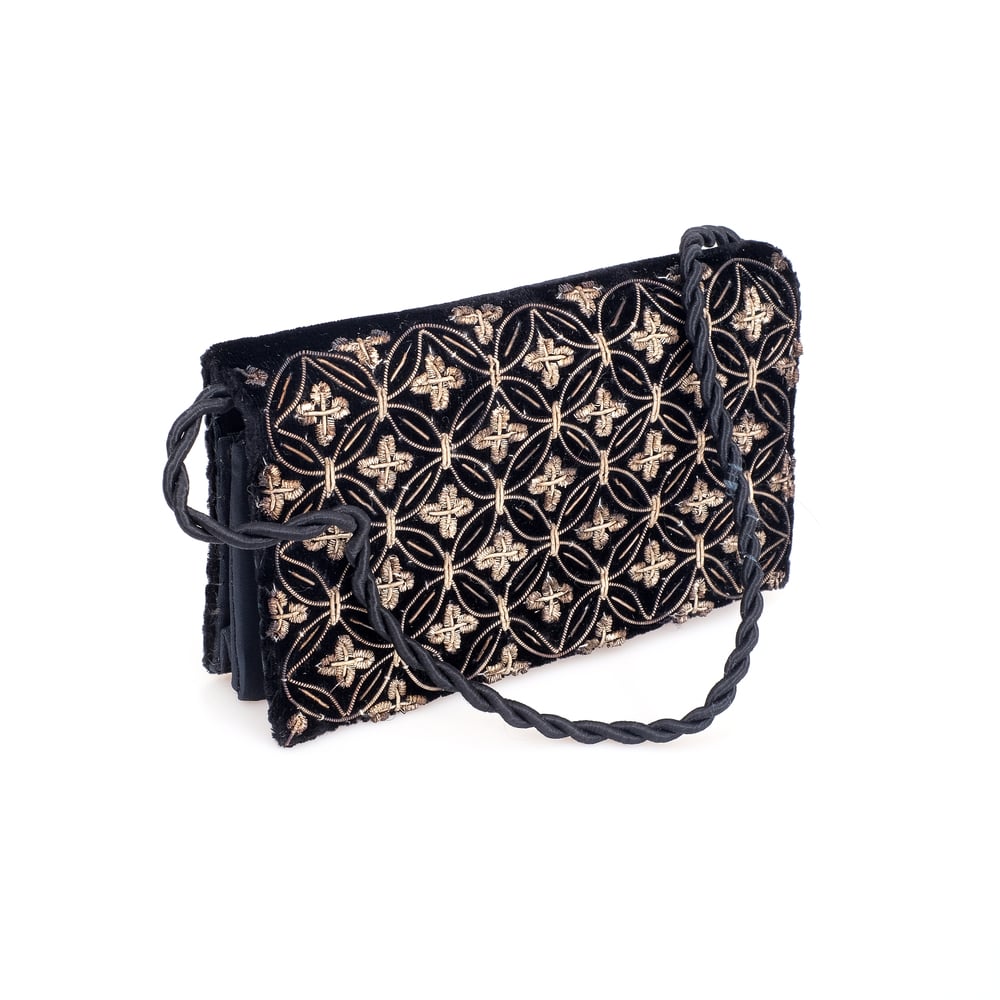
The clutch is a small, handle-free bag designed to be held in the hand or tucked under the arm, and it has been a staple of evening wear since the early 1900s. In the 1920s, beaded clutch bags with art deco patterns were everywhere at parties and events.
By the 1950s and 1960s, structured box clutches made from leather became popular daytime accessories. The clutch is one of those rare pieces that managed to stay relevant for an entire century without changing much at all.
White Gloves
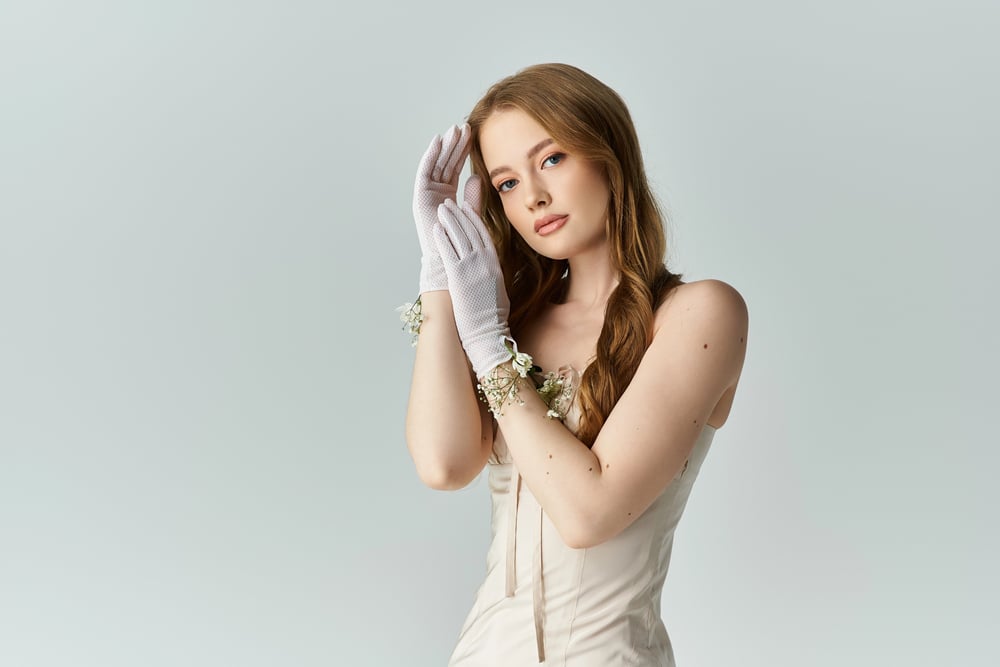
For a good portion of the 20th century, gloves were not optional for well-dressed women. In the 1920s through the 1950s, a pair of white gloves was considered a basic part of going out, especially to church, formal events, or department stores.
They came in different lengths, with longer gloves reserved for evening events. Queen Elizabeth II became famous for her colorful gloves, wearing them as a practical and polished accessory well into recent decades.
The Bandana

The bandana is one of the most traveled accessories of the 20th century. Cowboys wore them in the early 1900s to keep dust out of their faces.
Factory workers and farm workers used them as sweat rags. By the 1960s and 1970s, they had become tied to political movements and counterculture groups.
In the 1980s and 1990s, hip-hop artists wore bandanas as head wraps and pocket squares, giving them a whole new identity that had nothing to do with horses or dust.
Aviator Sunglasses
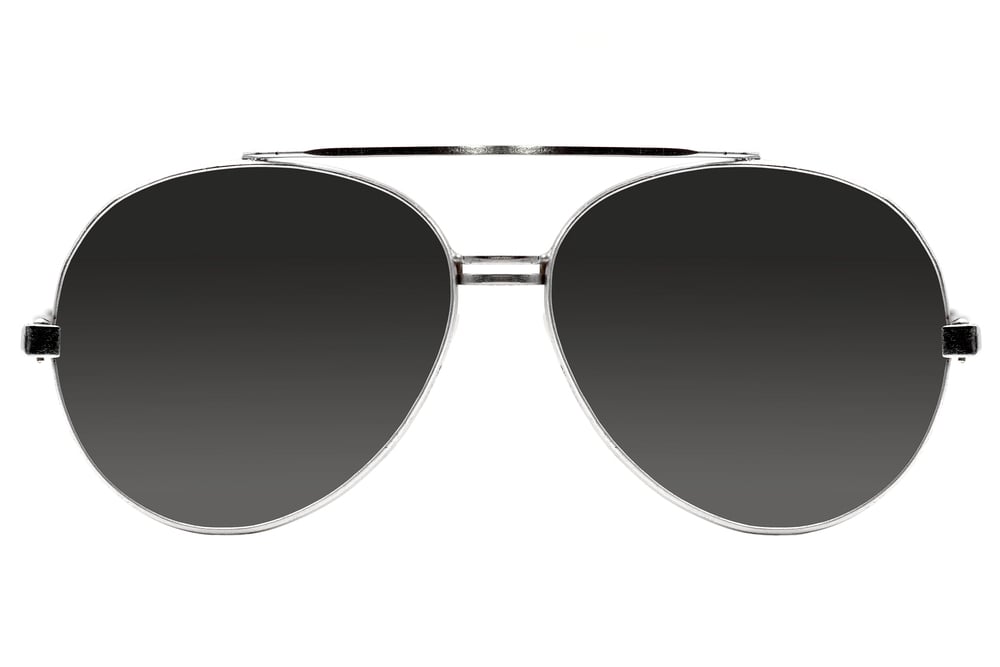
Aviator sunglasses were originally designed in 1936 for U.S. military pilots who needed eye protection at high altitudes. The teardrop-shaped lenses and thin metal frames did not stay in the cockpit for long.
By the 1970s, aviators had crossed over into mainstream fashion and became one of the decade’s defining accessories. Tom Cruise wearing them in the 1986 film ‘Top Gun’ introduced them to a whole new generation and triggered a sales surge that lasted years after the film came out.
The Silk Scarf
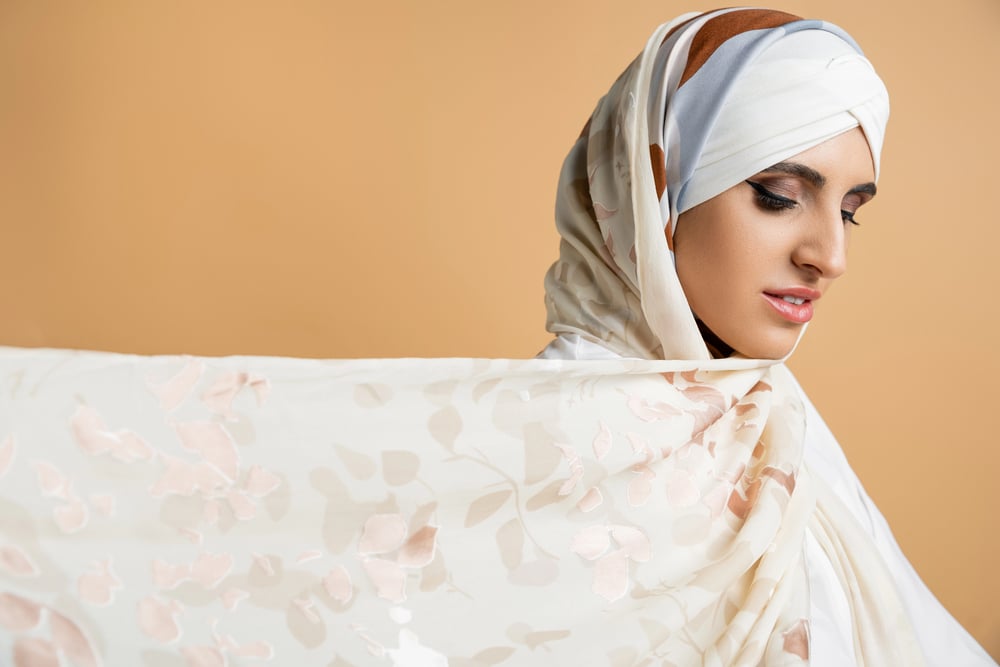
The silk scarf became a true luxury accessory in the mid-20th century, largely because of the French fashion house Hermès. Their square printed scarves, introduced in the 1930s, became a status symbol worn around the neck, tied to handbags, or wrapped around the head.
Grace Kelly, Audrey Hepburn, and Queen Elizabeth II all wore Hermès scarves publicly, which made them instantly desirable to women across the world. A good silk scarf was not just an accessory; it was an investment.
The Fedora
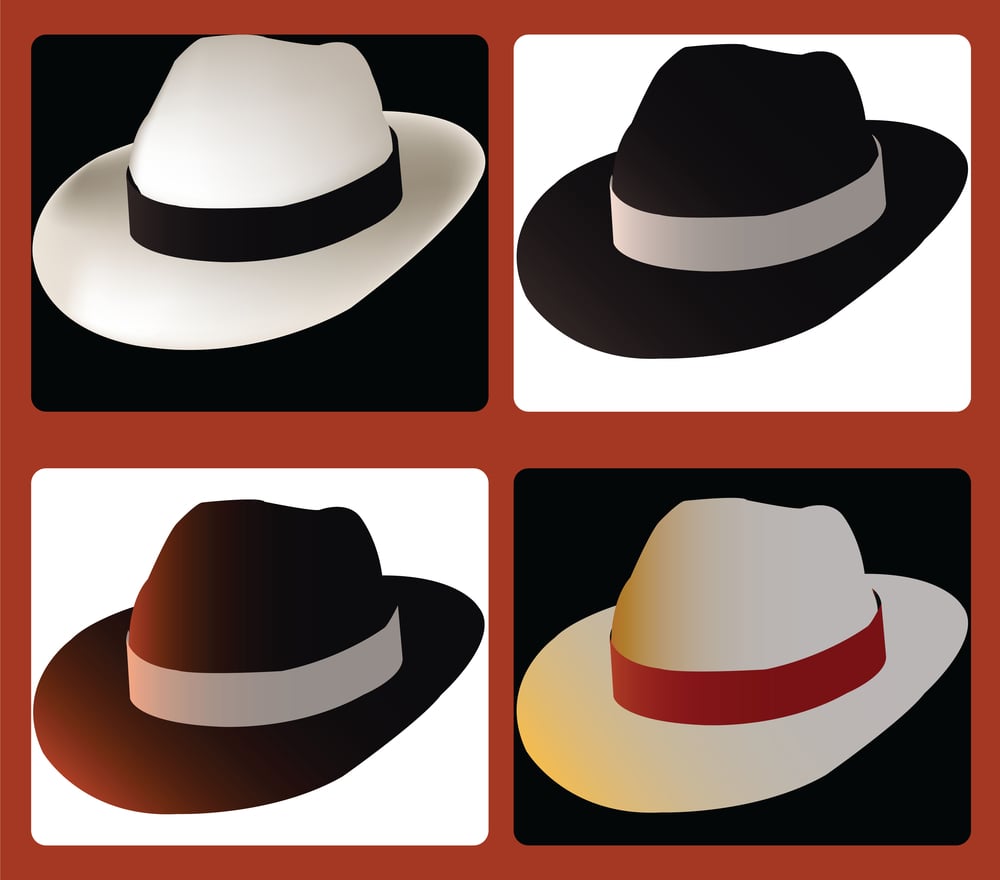
The fedora started the 20th century as a hat for women, then slowly became a staple for men by the 1920s. Gangsters, detectives, and jazz musicians all helped give the fedora its cool, no-nonsense reputation.
Humphrey Bogart wore one in several films, and that connection to classic cinema gave the hat a certain tough elegance. By the time Indiana Jones wore a fedora in the 1980s, it had officially crossed into the territory of iconic.
Ankle Strap Heels
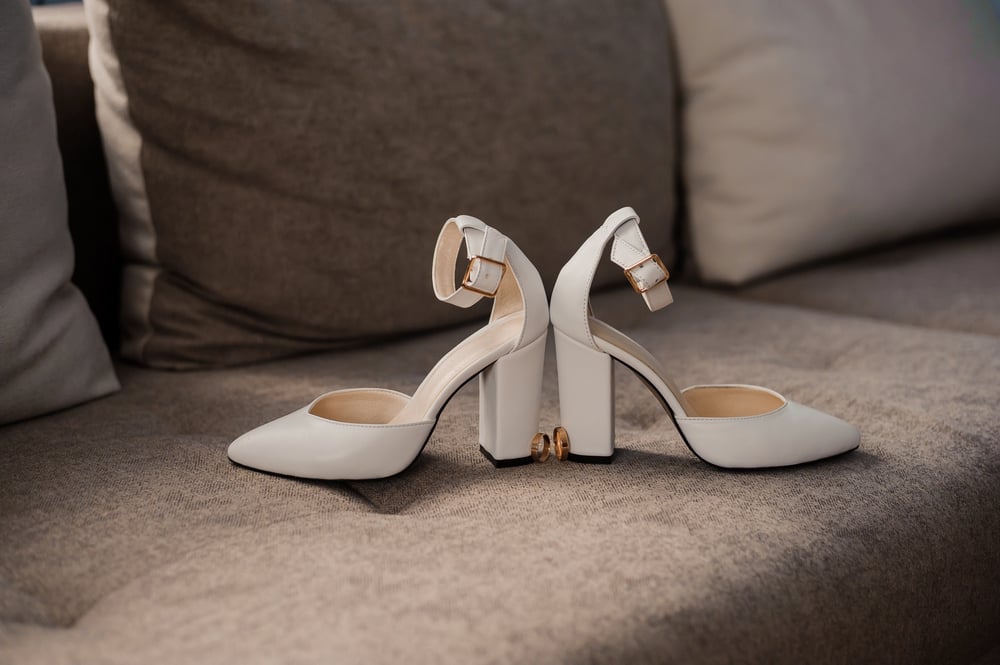
Ankle strap heels became a popular shoe style in the 1940s and remained relevant for decades after. The strap across the ankle gave the shoe a secure fit and added a dressier look compared to standard pumps.
Pin-up photography of the 1940s and 1950s featured ankle strap heels constantly, which helped cement them as a symbol of femininity and style. They came back strongly in the 1990s through designer collections and have never fully left the fashion conversation since.
The Fanny Pack

The fanny pack might be the most misunderstood accessory of the 20th century. It appeared in the 1980s as a practical, hands-free bag worn around the waist, popular with tourists, hikers, and people who just needed to carry things without a full bag.
Fashion critics spent years making fun of it. Then, in the late 1990s and into the following decade, high-end designers started releasing their own versions and suddenly the fanny pack became cool again.
It is a strong reminder that no accessory stays uncool forever.
Where The Century Left Its Mark
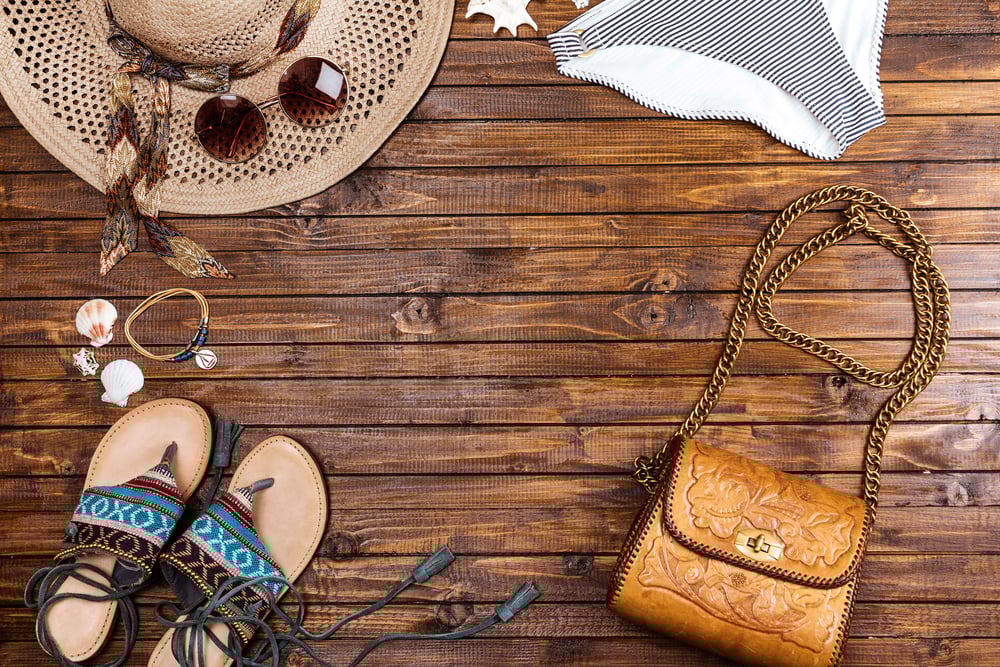
The accessories of the 20th century were never just extras. They carried history, politics, wealth, and personality all in one small item.
Many of the pieces featured in vintage and archival photos still influence what designers create today, proving that style from the past rarely dies; it just waits for the right moment to come back.
The photos that captured these accessories are more than fashion records; they are windows into the way people lived, expressed themselves, and moved through the world. Looking at them now, it is hard not to appreciate just how much a hat, a bag, or a pair of sunglasses could say.
More from Go2Tutors!

- The Romanov Crown Jewels and Their Tragic Fate
- 13 Historical Mysteries That Science Still Can’t Solve
- Famous Hoaxes That Fooled the World for Years
- 15 Child Stars with Tragic Adult Lives
- 16 Famous Jewelry Pieces in History
Like Go2Tutors’s content? Follow us on MSN.



