Commercials That Are Longer Than Usual
A while back, TV ads stuck to a fixed beat. Quick fifteen-second spots felt snappy; half-minute ones ruled the airwaves.
Anything stretching beyond that? Seen more as a hassle than a chance to explore. For years, this pattern steered brand messages – fast cuts, catchy lines, visuals people already knew.
Lengthier stories did pop up now and then, yet stayed uncommon, usually saved for big games or seasonal moments on screen.
Still, ads have always changed. When people started watching more screens and paying less steady attention, certain companies tested longer formats.
These extended spots slowly stopped being rare outliers. Instead, they turned into thoughtful decisions.
Stories adapted because of them. So did the way audiences reacted.
Take a moment to consider the growing length of certain TV ads. What lies behind this change says plenty about where advertising stands today.
The Old Rules of Ad Length

Traditional television advertising was built around predictability. Networks sold time in neat blocks, viewers expected regular interruptions, and brands learned to compress their message into a few carefully chosen moments.
The goal was clarity over depth, with repetition doing most of the heavy lifting. Short formats worked because audiences had limited control over what they watched and when.
Even so, these constraints also limited storytelling. Emotional build-up, character development, and narrative payoff were often sacrificed for speed.
Commercials leaned heavily on familiar tropes because there simply was not time to do much else. Longer ads were considered indulgent, and indulgence rarely survived budget reviews.
That model held until viewing habits began to splinter. As audiences gained more control, the old assumptions about attention started to weaken.
The Rise of Story-Driven Advertising

Longer commercials gained new life when brands started treating ads less like interruptions and more like short films. Instead of pushing a single message, these spots created a mood, followed a character, or unfolded a small narrative arc.
Time became a tool rather than a constraint.
This approach allowed brands to show rather than tell. A ninety-second or two-minute commercial could establish context, build emotional stakes, and land a message with subtlety.
Viewers were no longer being rushed to a tagline; they were being invited into a moment. That shift made longer formats feel intentional instead of excessive.
Still, storytelling alone was not enough. The environment in which these commercials appeared mattered just as much.
Streaming Changed Viewer Expectations

Streaming platforms reshaped how audiences experience video. Viewers became accustomed to choosing content, skipping what they disliked, and engaging deeply with what they enjoyed.
In that environment, length stopped being the primary measure of value. Relevance and quality took its place.
Longer commercials fit naturally into this landscape. When placed before content a viewer actively selected, a well-crafted ad felt less intrusive.
Some brands even released extended cuts online, treating them as standalone pieces rather than supporting material. Viewers who cared could watch the full version, while others moved on without friction.
That said, this freedom also raised the bar. A longer commercial needed to earn its runtime.
Without the forced attention of traditional broadcasts, weak storytelling became immediately obvious.
Social Platforms Reward Engagement, Not Brevity

Social media further loosened the rules around ad length. Algorithms tend to reward content that holds attention, regardless of duration.
A two-minute video that keeps viewers watching can outperform a shorter clip that fails to connect.
This dynamic encouraged brands to experiment. Longer commercials began appearing as promoted videos, shared posts, or brand films designed to travel organically.
When viewers chose to watch, comment, or share, length became secondary to resonance.
On the other hand, social platforms are unforgiving. If a commercial drags or feels self-indulgent, audiences scroll away without hesitation.
Successful long-form ads on social channels tend to open strongly, settle into a clear narrative, and maintain momentum throughout.
Event Advertising Makes Space for Length

Major cultural moments have always made room for longer commercials. Events like championship games or holiday broadcasts draw audiences that are already primed for spectacle.
In these moments, viewers often expect ads to be part of the entertainment rather than a distraction.
Longer commercials thrive here because they match the scale of the occasion. Brands invest heavily in production, knowing that anticipation and post-event discussion will amplify their reach.
These ads are often replayed, shared, and analyzed long after the original broadcast.
Even so, event-based length only works when there is something worth watching. Audiences may tolerate a longer runtime, but they do not excuse weak ideas simply because the moment is big.
Emotional Pacing Needs Time

Some messages cannot be rushed. Commercials that aim to evoke nostalgia, empathy, or reflection often benefit from slower pacing.
A longer runtime allows emotions to unfold naturally instead of being forced into a compressed structure.
This pacing helps viewers connect with the message on a more personal level. Instead of being told how to feel, they are guided there through context and detail.
The result often feels more sincere and less transactional.
That said, emotional storytelling carries risk. If the tone feels manipulative or overstated, the extra time can amplify discomfort rather than connection.
Successful long-form commercials strike a careful balance between restraint and expression.
Brands Are Thinking Beyond Immediate Sales

Longer commercials often signal a shift in priorities. Rather than driving immediate action, these ads focus on long-term perception.
They aim to shape how a brand is understood, remembered, and talked about.
This approach aligns with the idea that not every interaction needs to close a deal. Some commercials are designed to build familiarity or reinforce values over time.
Length provides the space to explore those ideas without reducing them to slogans.
Still, this strategy works best for brands with a clear identity. Without a strong foundation, longer ads risk feeling vague or unfocused, leaving viewers unsure of what they just watched.
Production Values Have Caught Up
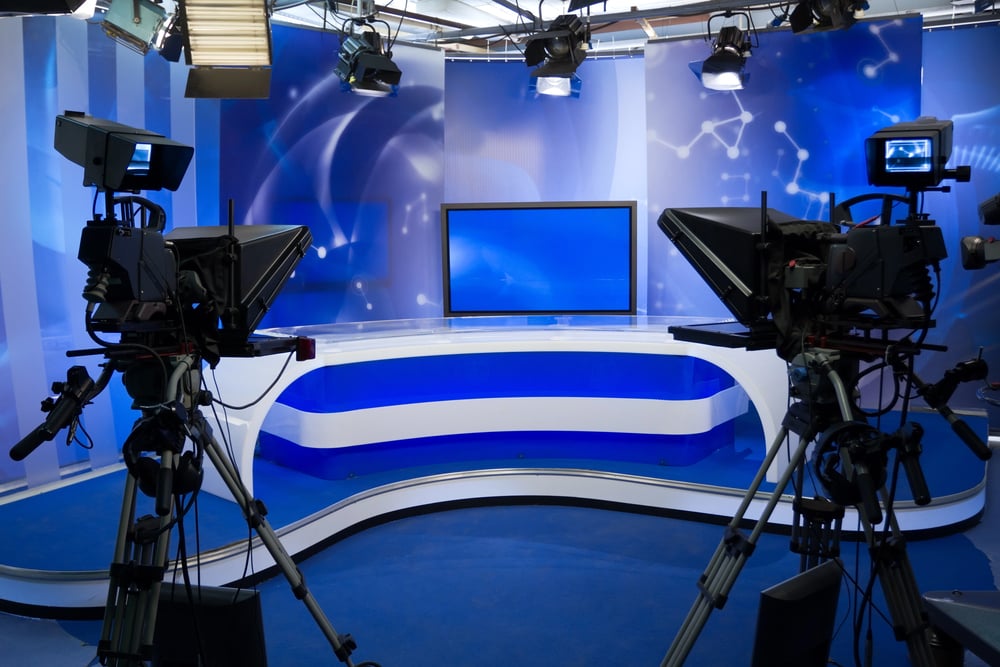
Advances in production technology have made high-quality video more accessible. What once required enormous budgets can now be achieved with smaller crews and smarter workflows.
This has lowered the barrier for creating longer, more cinematic commercials.
As production values improved, audience expectations followed. Viewers became accustomed to polished visuals and cohesive narratives, even in branded content.
Longer commercials could now compete aesthetically with the shows and videos surrounding them.
That said, polish alone does not justify length. High production values enhance a good idea, but they cannot rescue a weak one stretched too thin.
Attention Is No Longer a Fixed Resource

The idea that audiences have shrinking attention spans is often overstated. What has changed is not attention itself, but how selectively it is given.
People are willing to invest time in content that feels rewarding and disengage quickly from content that does not.
Longer commercials succeed when they respect this reality. They treat attention as something to be earned, not assumed.
By offering substance, humor, or emotional payoff, they justify their runtime in a way short ads sometimes cannot.
On the other hand, length without purpose feels heavier now than ever. Viewers notice when time is wasted, and the cost is immediate disengagement.
Measurement Has Become More Nuanced

Modern analytics allow brands to track how viewers interact with longer commercials. Metrics like completion rates, drop-off points, and replays provide insight into what works and what does not.
This feedback loop encourages smarter experimentation rather than blind risk-taking.
When brands see that viewers watch longer ads all the way through, confidence grows. Length becomes a variable to be tested, refined, and optimized rather than avoided.
Over time, this data-driven approach has normalized longer formats.
Even so, numbers alone do not tell the full story. Qualitative responses, cultural impact, and long-term perception matter just as much when evaluating success.
Why It Still Matters

What feels like extra minutes on screen actually shows something bigger unfolding between companies and people. Instead of shouting over the chaos, some now pause – offering space where both sides might actually meet.
When everything demands instant reaction, taking time becomes its own kind of statement.
Confidence shows up here, too. Taking extra days means trust in what’s coming – proof that patience pays off.
A strong outcome sticks around well past the first impression.
A pause can do more than speed ever could. Longer ads show how slowing down might actually help people listen.
Not every second needs filling just to grab attention. Given space, ideas stick better when they breathe.
Moments matter most when they feel real.
More from Go2Tutors!

- The Romanov Crown Jewels and Their Tragic Fate
- 13 Historical Mysteries That Science Still Can’t Solve
- Famous Hoaxes That Fooled the World for Years
- 15 Child Stars with Tragic Adult Lives
- 16 Famous Jewelry Pieces in History
Like Go2Tutors’s content? Follow us on MSN.



