Highest Grossing 80s Movies
The 1980s changed everything about how movies made money. Studios figured out they could sell toys, lunch boxes, and soundtracks alongside their films, turning good movies into cash machines.
Blockbusters started breaking records that seemed impossible just a few years earlier, and suddenly everyone was talking about hundred-million-dollar movies like they were normal.
Let’s look at the films that made the most money during this wild decade of cinema.
E.T. the Extra-Terrestrial
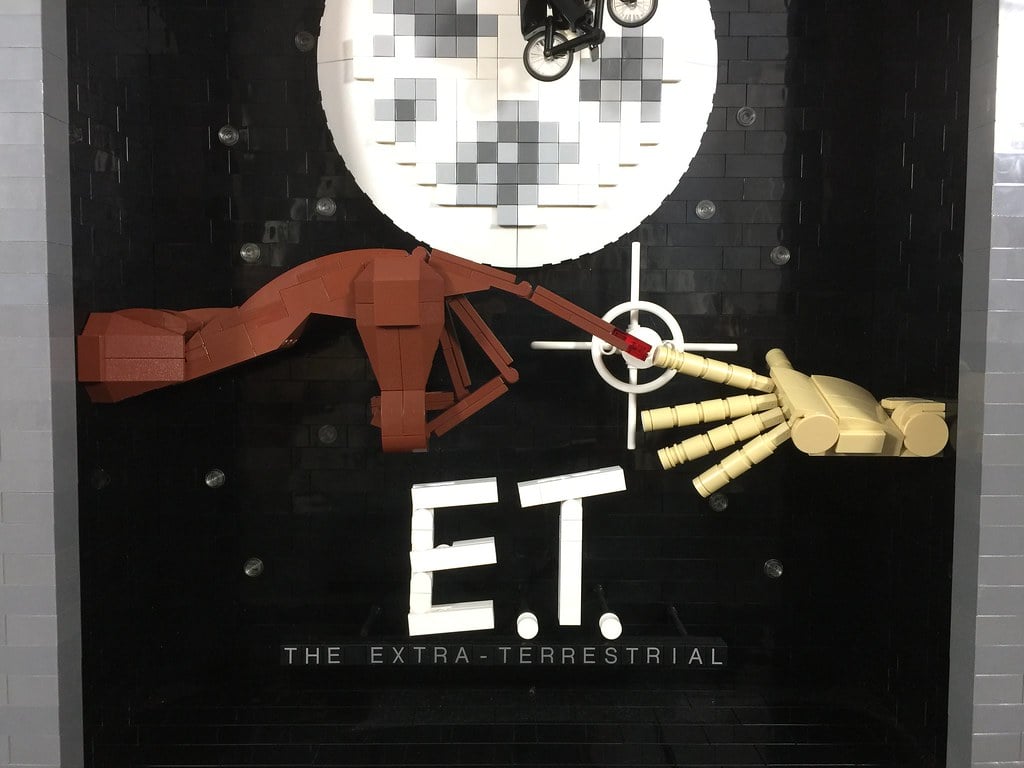
Steven Spielberg’s story about a stranded alien became the biggest movie of the decade, pulling in over $435 million in the U.S. alone. The film connected with audiences in a way that shocked even Hollywood insiders who thought they understood what people wanted.
Kids begged their parents to see it multiple times, and adults found themselves crying at a rubber puppet saying goodbye to a young boy.
Return of the Jedi
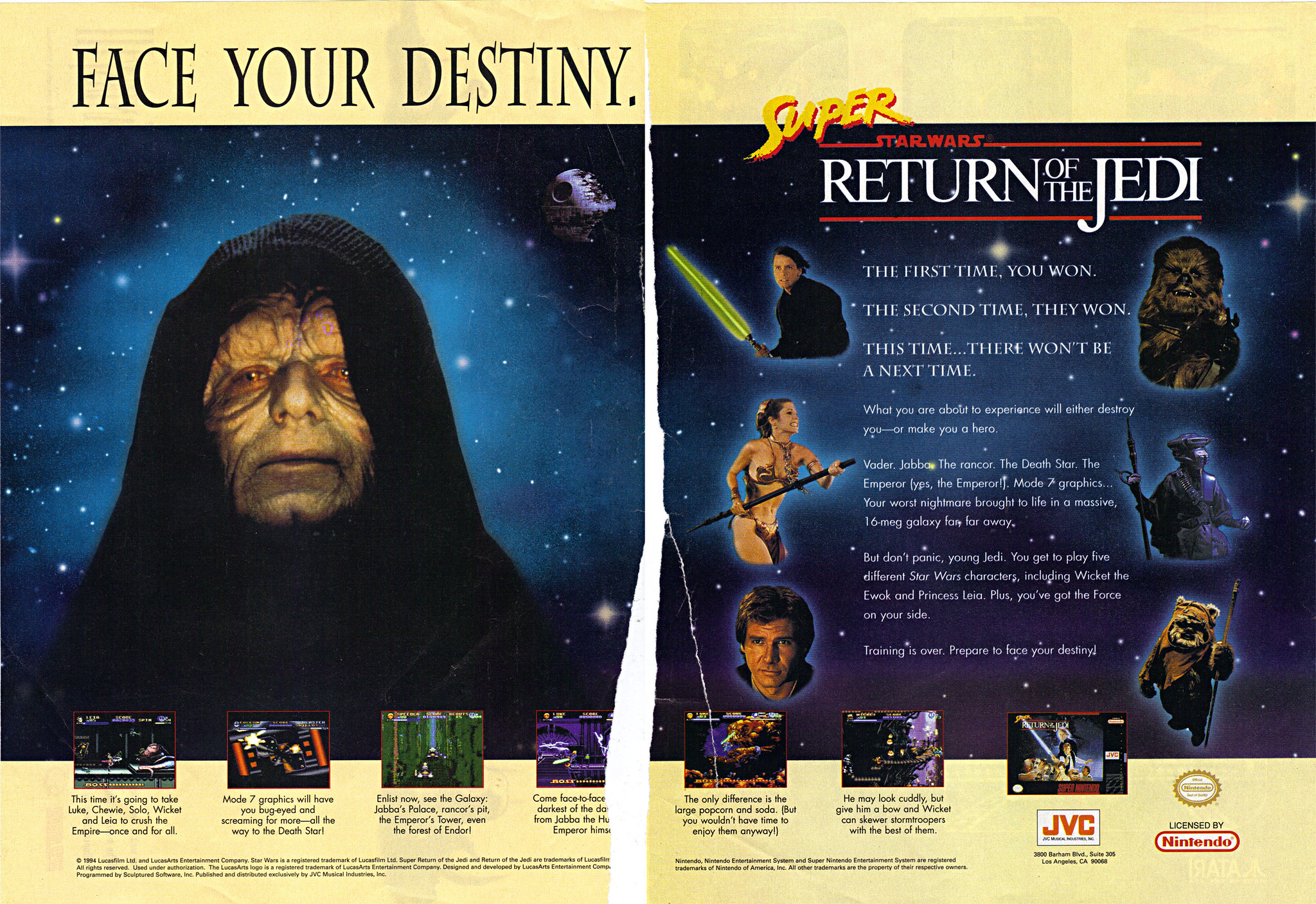
George Lucas wrapped up his original Star Wars trilogy with a film that earned $309 million domestically. Fans lined up around blocks to see how the saga would end, even though ticket prices in 1983 were a fraction of what theaters charge today.
The Ewoks divided audiences, but nobody could deny the movie printed money faster than the Mint.
The Empire Strikes Back
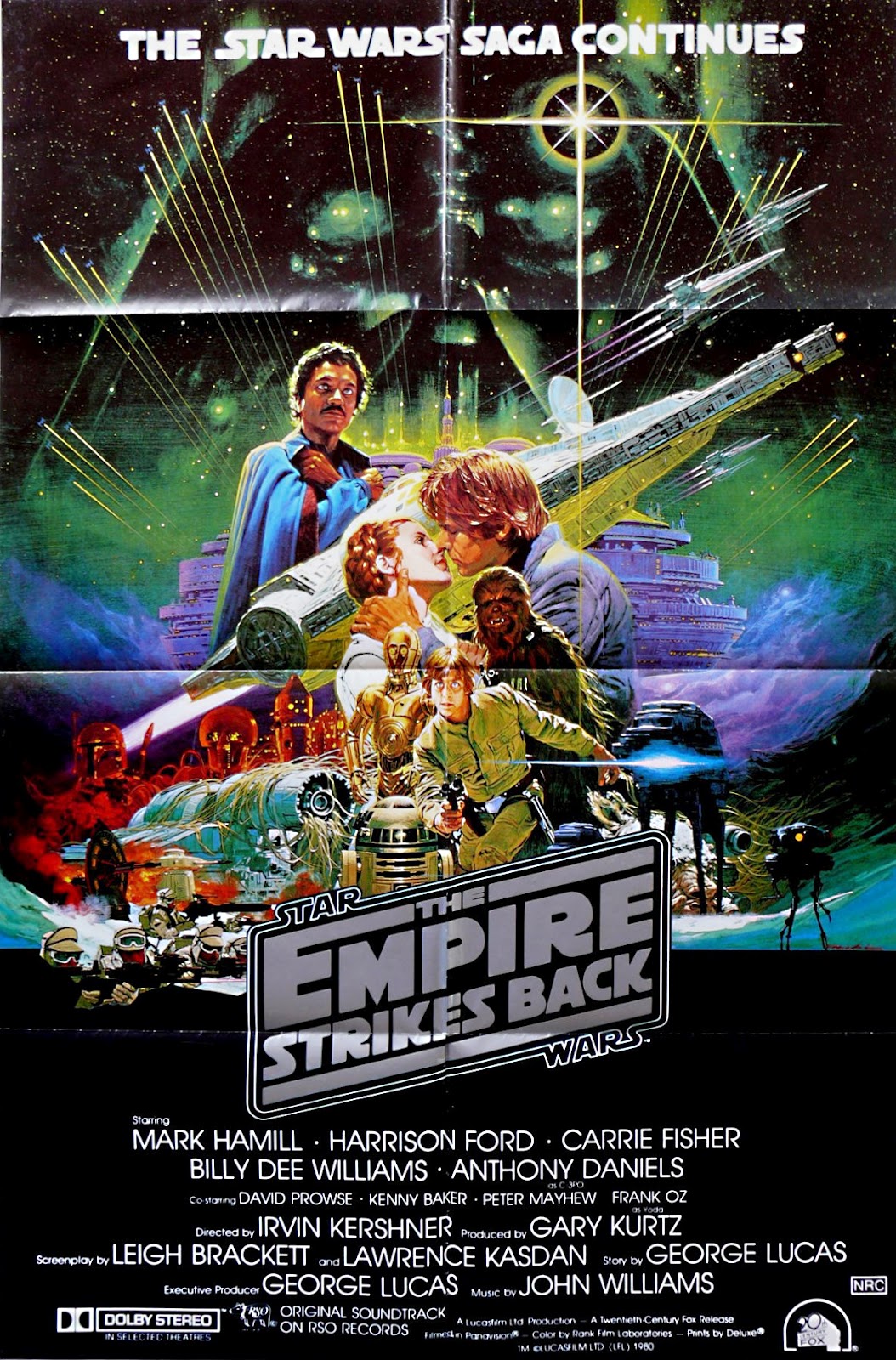
The darkest chapter of the original trilogy still managed to rake in $290 million at American theaters. Critics initially weren’t sure what to make of the cliffhanger ending, but audiences trusted the story enough to come back again and again.
The film proved that sequels didn’t have to be cheap cash grabs if filmmakers actually cared about quality.
Batman
Tim Burton’s gothic take on the Caped Crusader shocked Warner Bros. executives by earning $251 million. The studio had worried that casting Michael Keaton would kill the film before it even opened.
Instead, the movie sparked a merchandising frenzy that made the box office numbers look small by comparison.
Raiders of the Lost Ark
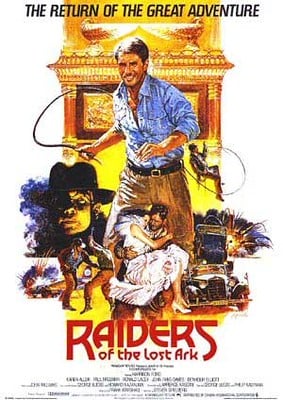
Harrison Ford traded his blaster for a whip and helped Spielberg create another massive hit worth $248 million. The adventure film reminded everyone that old-fashioned storytelling still worked if you added enough snakes and rolling boulders.
Indiana Jones became as iconic as any superhero, proving audiences loved heroes who got hurt and made mistakes.
Ghostbusters
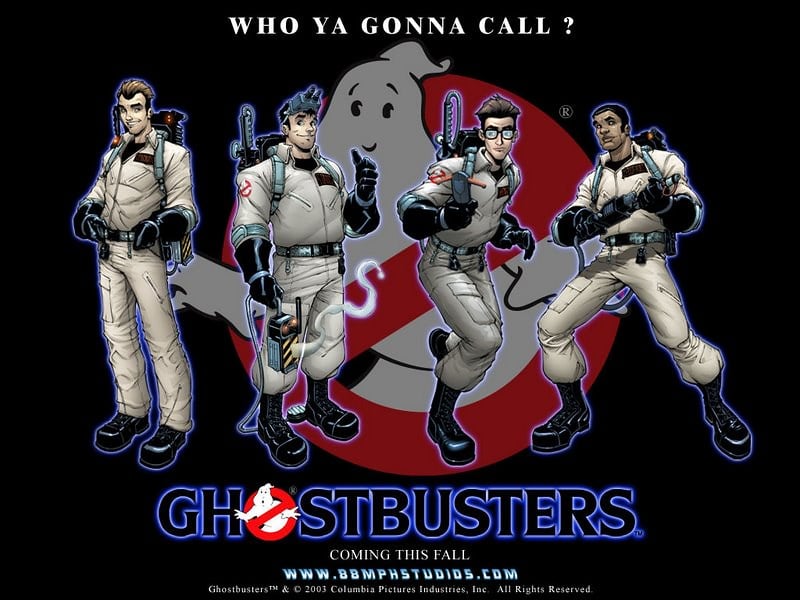
Four comedians strapping on proton packs somehow turned into a $242 million phenomenon that nobody saw coming. The concept sounded ridiculous on paper, but Bill Murray’s deadpan delivery and a catchy theme song made it impossible to resist.
Kids wanted the toys, adults quoted the lines, and everyone left theaters humming that earworm of a song.
Beverly Hills Cop
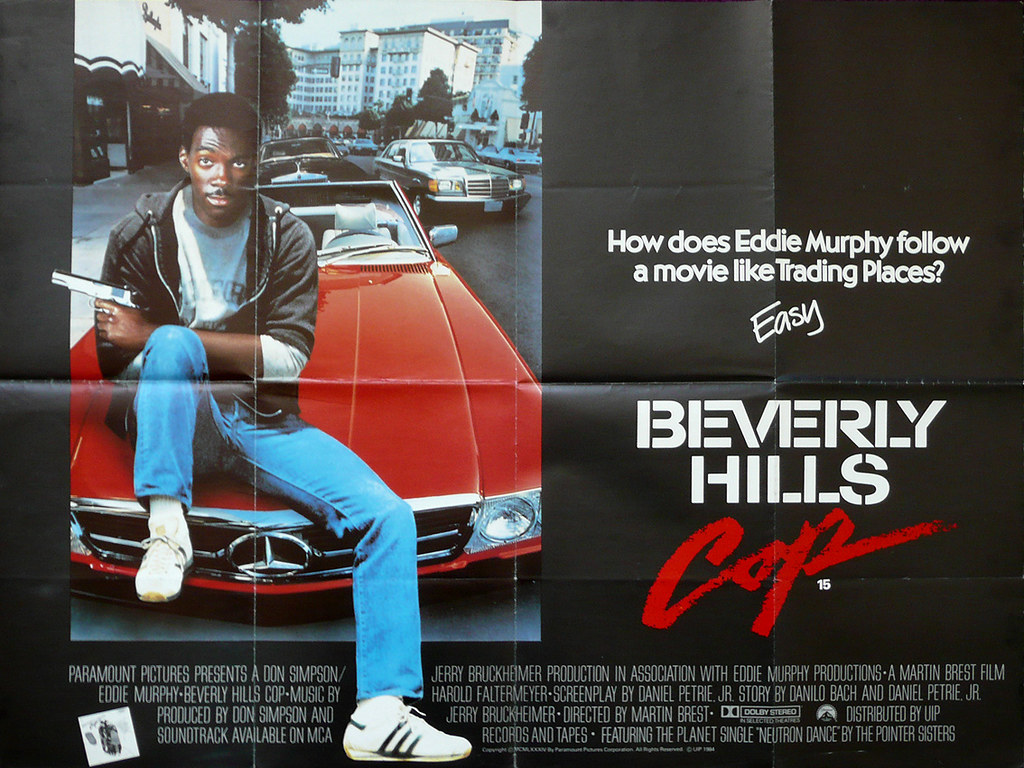
Eddie Murphy’s fast-talking Detroit detective turned a modest action comedy into a $234 million juggernaut. The film made Murphy the biggest star in Hollywood and proved that audiences would follow charismatic actors into any genre.
Studio executives learned that personality could sometimes matter more than special effects or big budgets.
Back to the Future
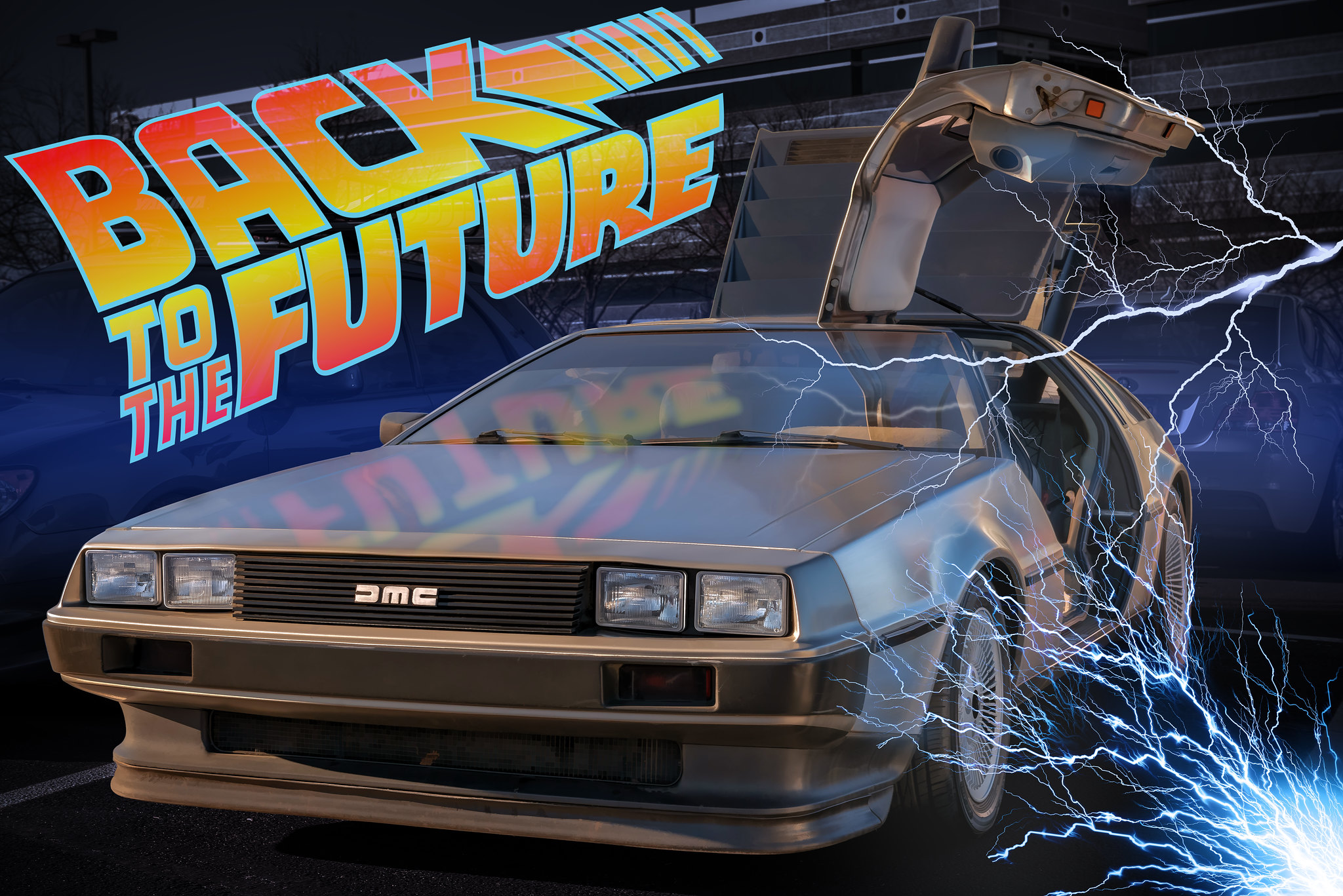
A teenager traveling to the past in a DeLorean earned $210 million and became the feel-good hit of 1985. The time-travel logic held together better than most sci-fi films, and Michael J. Fox brought enough charm to make the whole thing believable.
Universal Pictures almost didn’t make the movie because they thought the title sounded too much like a science class.
Top Gun
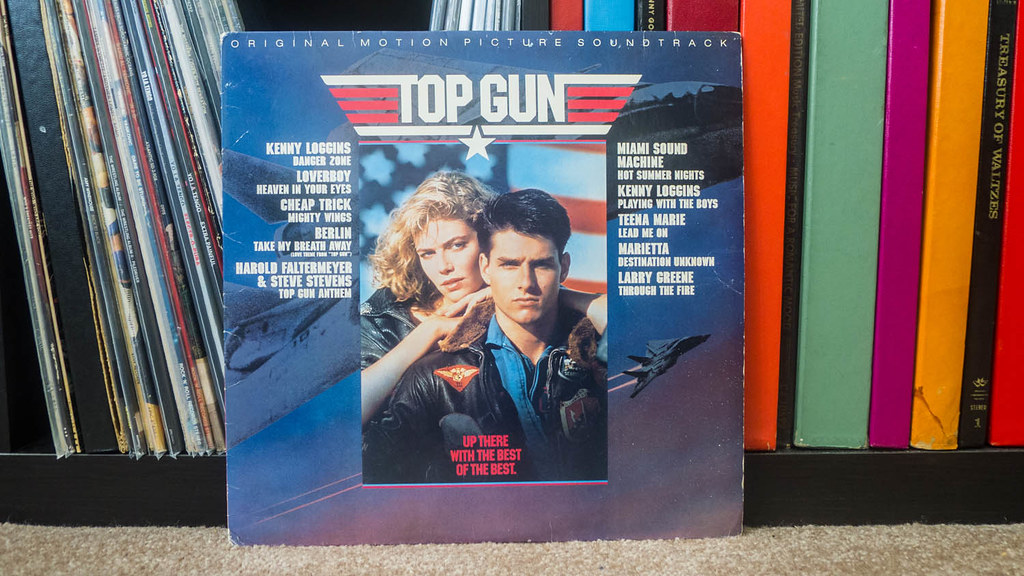
Tom Cruise flying fighter jets set the box office on fire with $176 million in ticket sales. The Navy saw recruitment numbers jump after the film’s release, which probably wasn’t an accident considering how cool the movie made military aviation look.
Volleyball scenes and leather jackets aside, the aerial combat footage still holds up decades later.
Indiana Jones and the Last Crusade
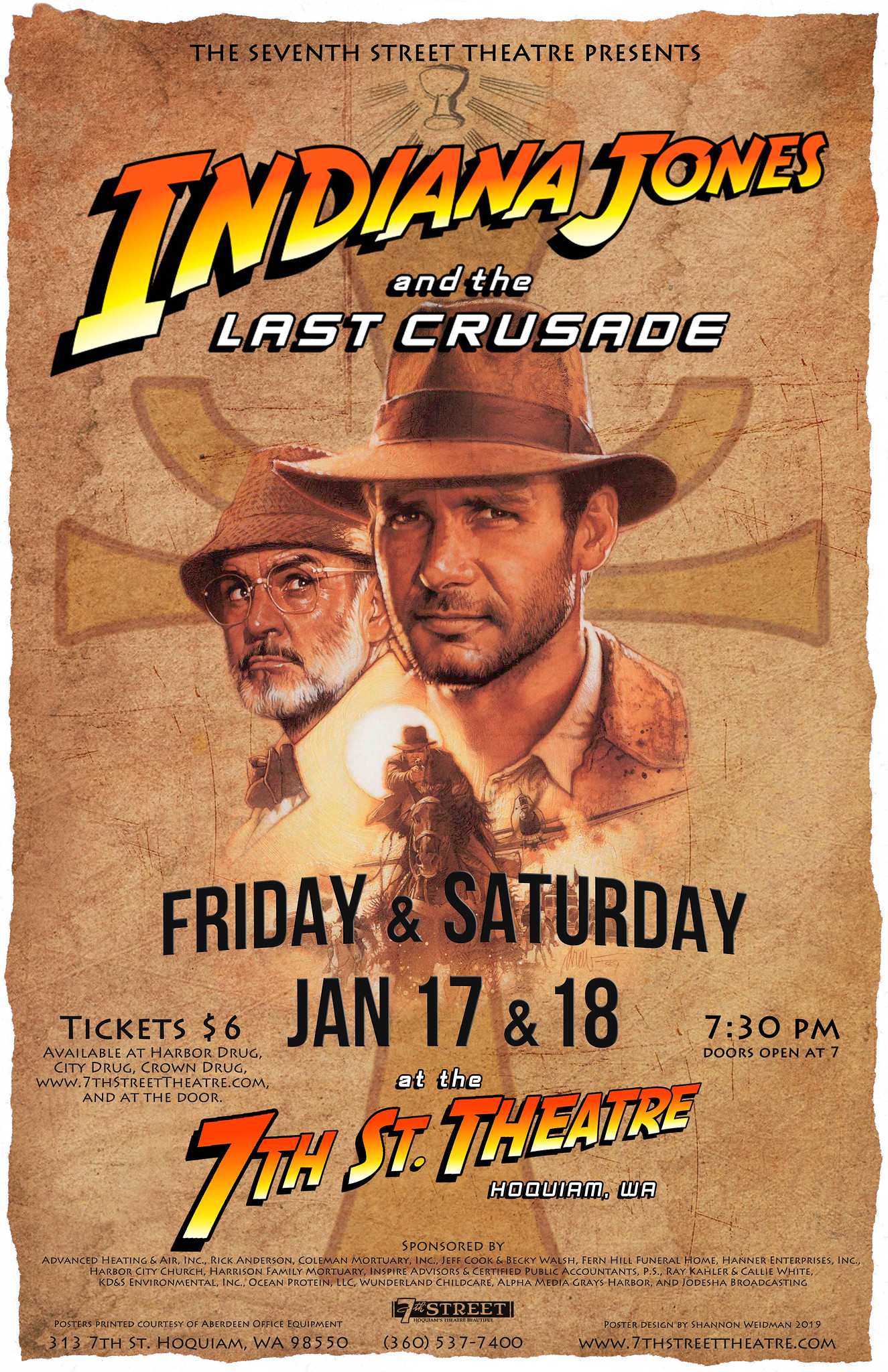
Spielberg and Ford teamed up one more time in the 80s to earn $197 million with a hunt for the Holy Grail. Adding Sean Connery as Indy’s father gave the film a new dynamic that freshened up the formula.
The chemistry between Ford and Connery made people forget they’d already seen two other Indiana Jones adventures.
Rain Man
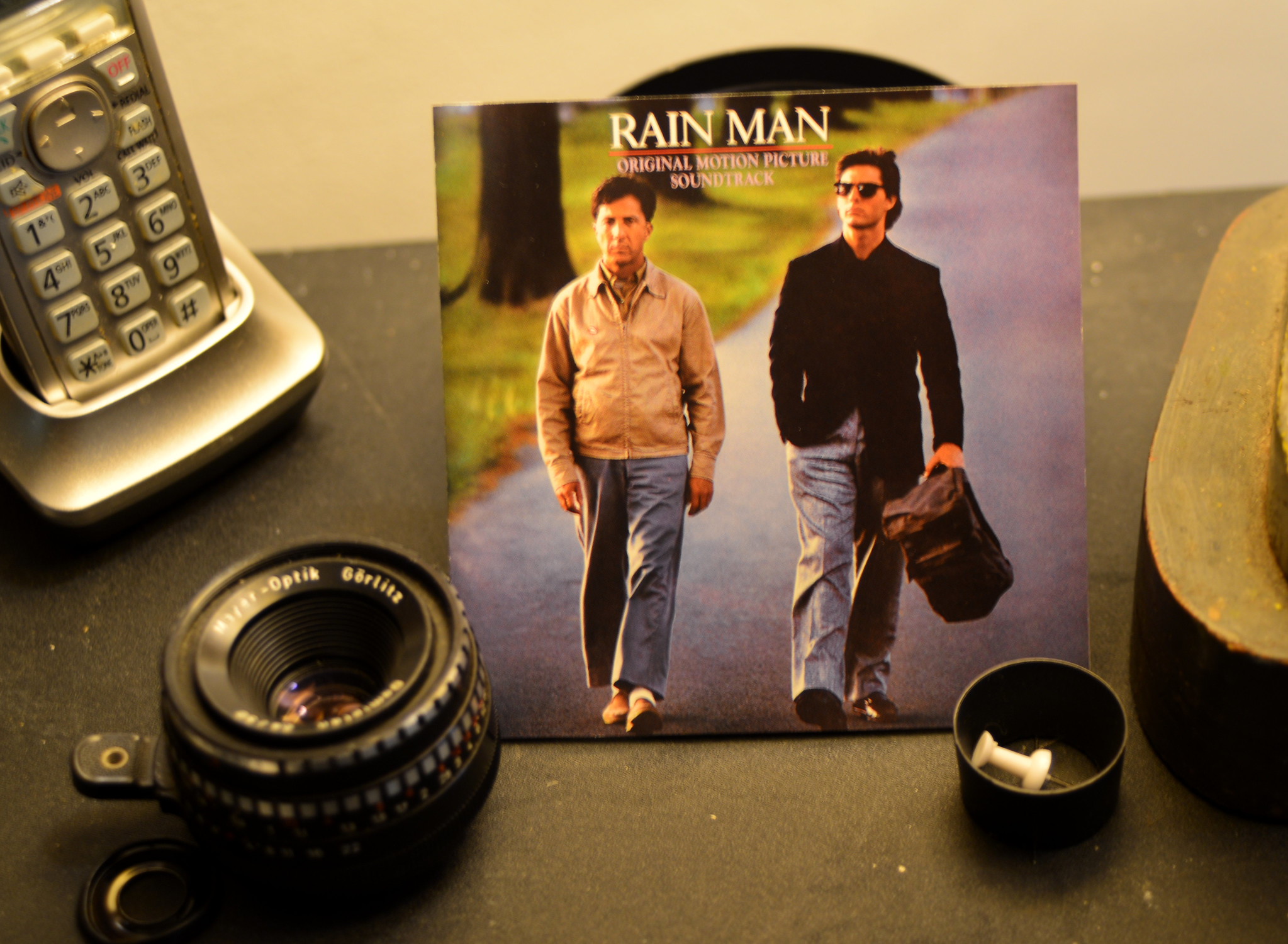
An autistic savant and his selfish brother taking a road trip somehow became a $172 million hit. Dustin Hoffman’s performance taught mainstream audiences about autism in ways that documentaries never could.
The film proved that dramas could still compete with action movies if the story connected emotionally.
Who Framed Roger Rabbit
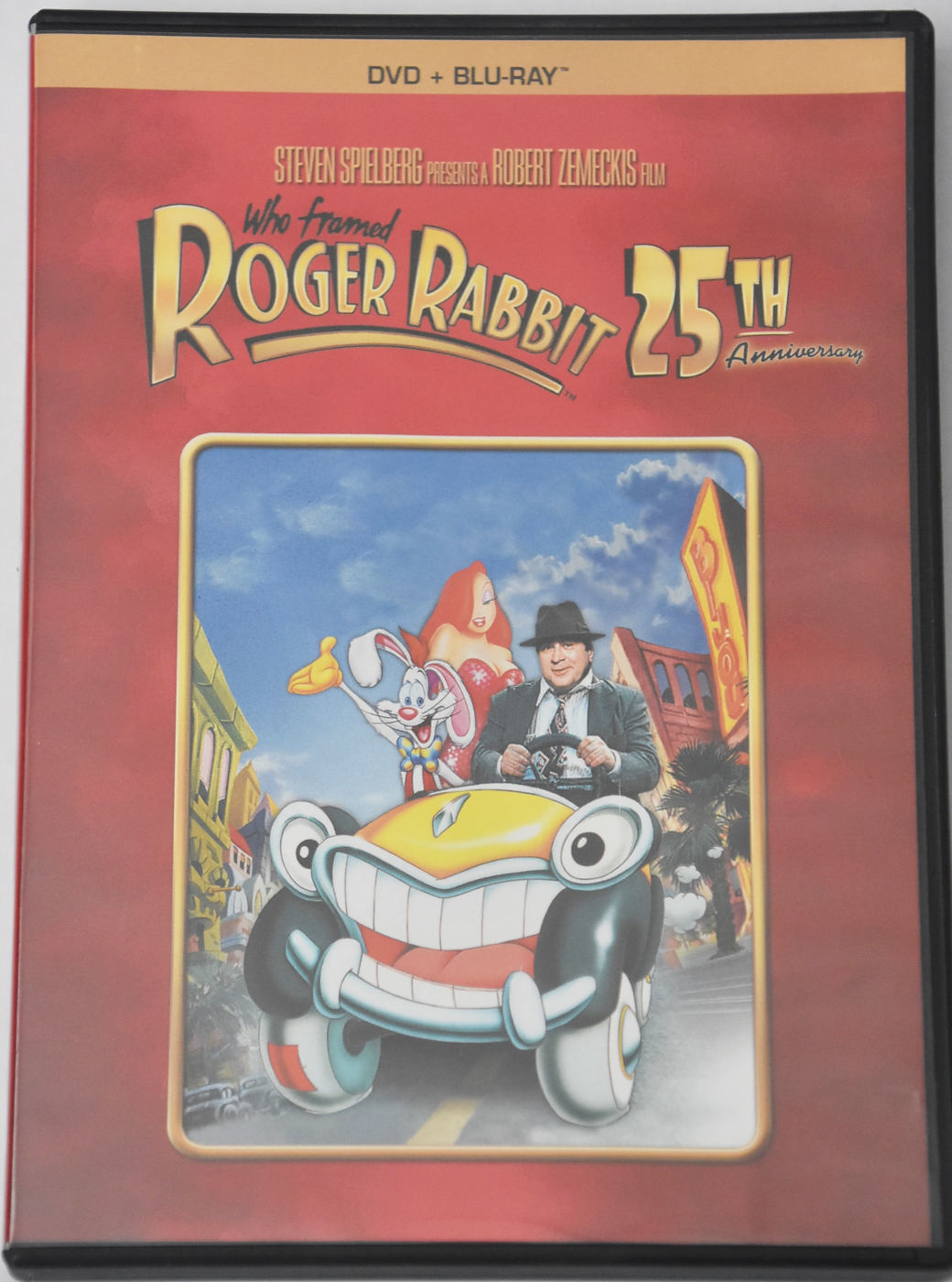
Mixing live actors with cartoon characters in a noir mystery pulled in $156 million. The technical achievement alone deserved attention, but the film also told a genuinely engaging story about corruption and redemption.
Disney took a huge gamble on the expensive production, and audiences rewarded them for trying something different.
Crocodile Dundee
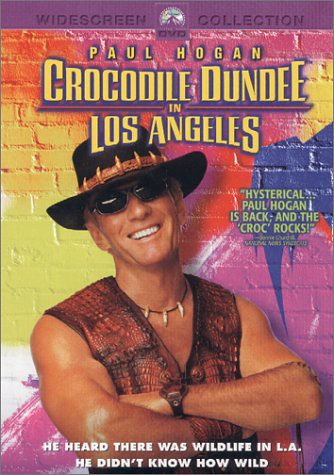
An Australian bushman navigating New York City became an unlikely success story worth $174 million. Paul Hogan’s fish-out-of-water comedy resonated with Americans who’d never given much thought to Australia.
The film’s small budget made those box office numbers look even more impressive to Hollywood bean counters.
Fatal Attraction
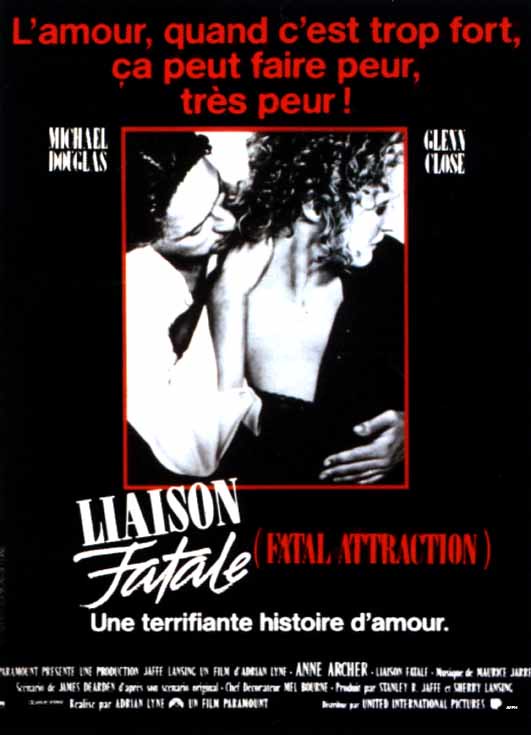
A weekend affair turning into a nightmare scared $156 million out of moviegoers in 1987. Glenn Close’s performance made every married person in the theater squirm with discomfort.
The film sparked conversations about infidelity and obsession that went way beyond typical movie discussions.
Rambo: First Blood Part II
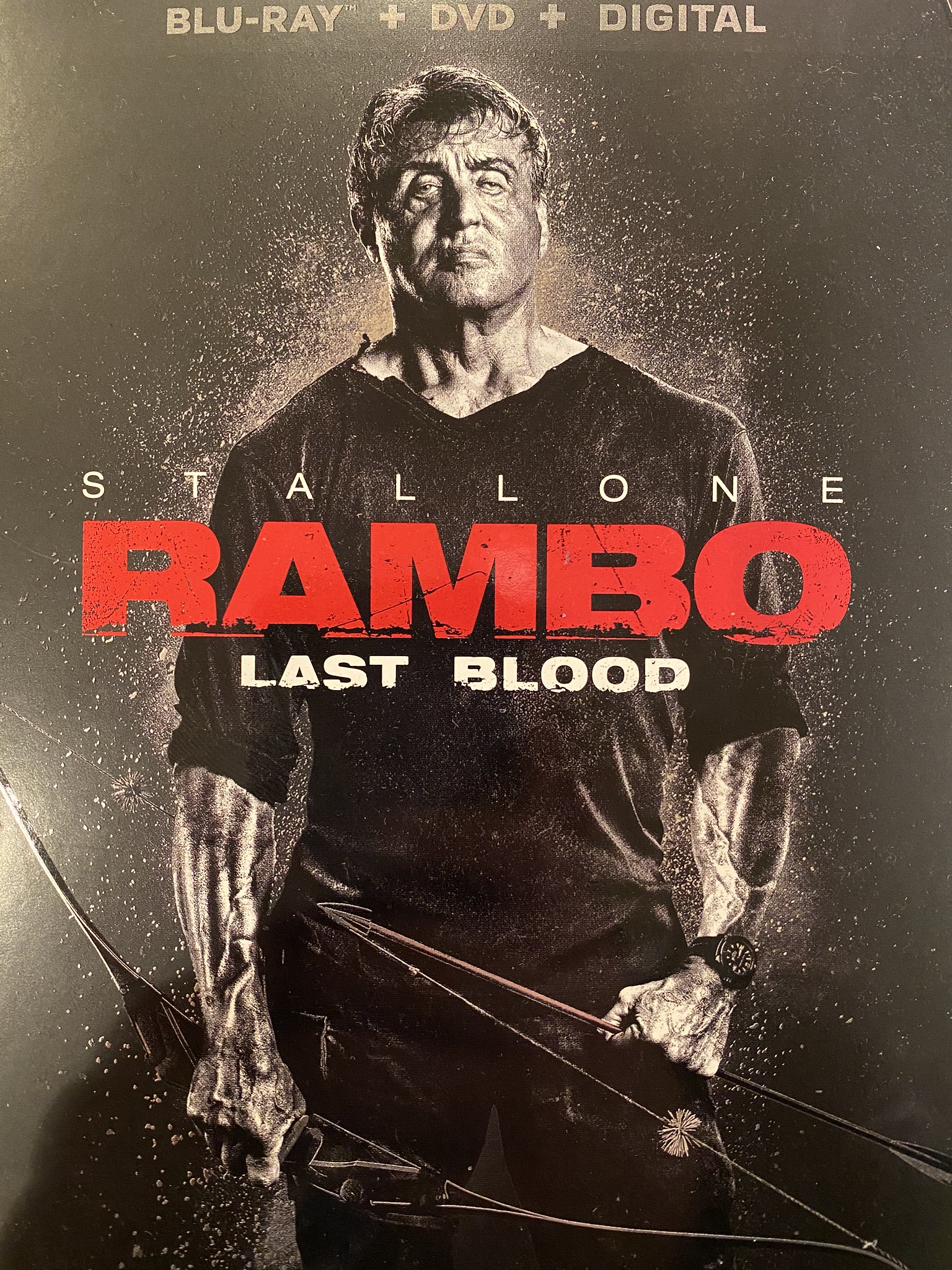
Sylvester Stallone’s one-man army returned to Vietnam and earned $150 million. The film tapped into lingering frustration about how the war ended and gave audiences a fantasy version of victory.
Critics hated it, but millions of people bought tickets anyway because sometimes movies don’t need to be smart to be satisfying.
Twins

Arnold Schwarzenegger doing comedy with Danny DeVito shouldn’t have worked, but it earned $111 million. The premise about genetic experiments creating unlikely brothers gave both actors room to play against type.
Studios learned that action stars could open comedies if the concept was weird enough to grab attention.
Three Men and a Baby
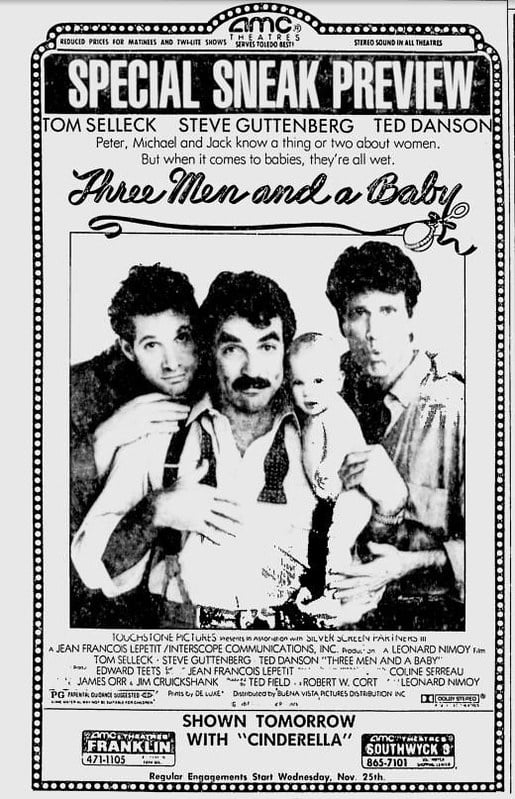
A baby in the care of three single men somehow turned into a movie that made 167 million dollars. Not your typical night at the movies – this one offered laughs instead of explosions.
A fresh take on a story originally told by French filmmakers found its footing here. That famous mustache belonging to Tom Selleck might have drawn some eyes to the theater screen.
Tootsie
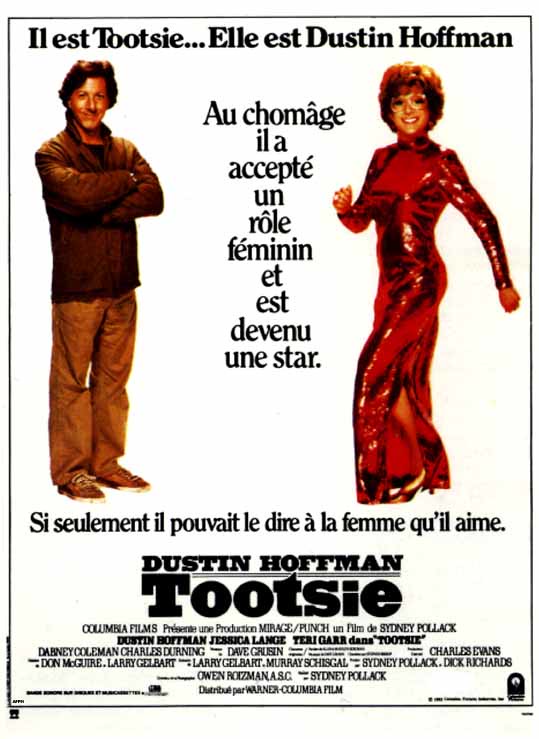
A man in a dress – hard to imagine lasting past the first scene. Yet people kept coming back, filling theaters until it pulled in 177 million by year’s end.
Not just chuckles here; questions slipped through too, quiet but sharp. Laughter didn’t drown out what it had to say – it carried it instead.
What The Numbers Actually Mean

Back then, movie profits didn’t stop at ticket sales. The rise of VHS tapes meant films kept earning long after leaving cinemas.
Cable networks started paying big fees to air popular titles again and again. Toys, clothes, and games linked to successful stories added even more income.
What showed up in opening weekend reports was only a fraction of the full picture. Ever since, film companies have tried to repeat that pattern with nearly every release.
More from Go2Tutors!

- The Romanov Crown Jewels and Their Tragic Fate
- 13 Historical Mysteries That Science Still Can’t Solve
- Famous Hoaxes That Fooled the World for Years
- 15 Child Stars with Tragic Adult Lives
- 16 Famous Jewelry Pieces in History
Like Go2Tutors’s content? Follow us on MSN.