Amazing Features On The Titanic Ship
When the Titanic set sail in April 1912, it wasn’t just another ocean liner crossing the Atlantic. This floating palace represented the peak of human achievement at the time, packed with technology and luxury that left people speechless.
The ship stretched longer than three football fields and stood as tall as an eleven-story building, making it the largest moving object ever built by humans. Everything about this vessel screamed ambition, from its powerful engines to its lavish dining rooms that could seat hundreds of passengers at once.
While most people know the tragic story of how the Titanic sank, fewer folks realize just how incredible this ship actually was before disaster struck. Let’s take a closer look at what made this legendary vessel so special in its time.
The grand staircase
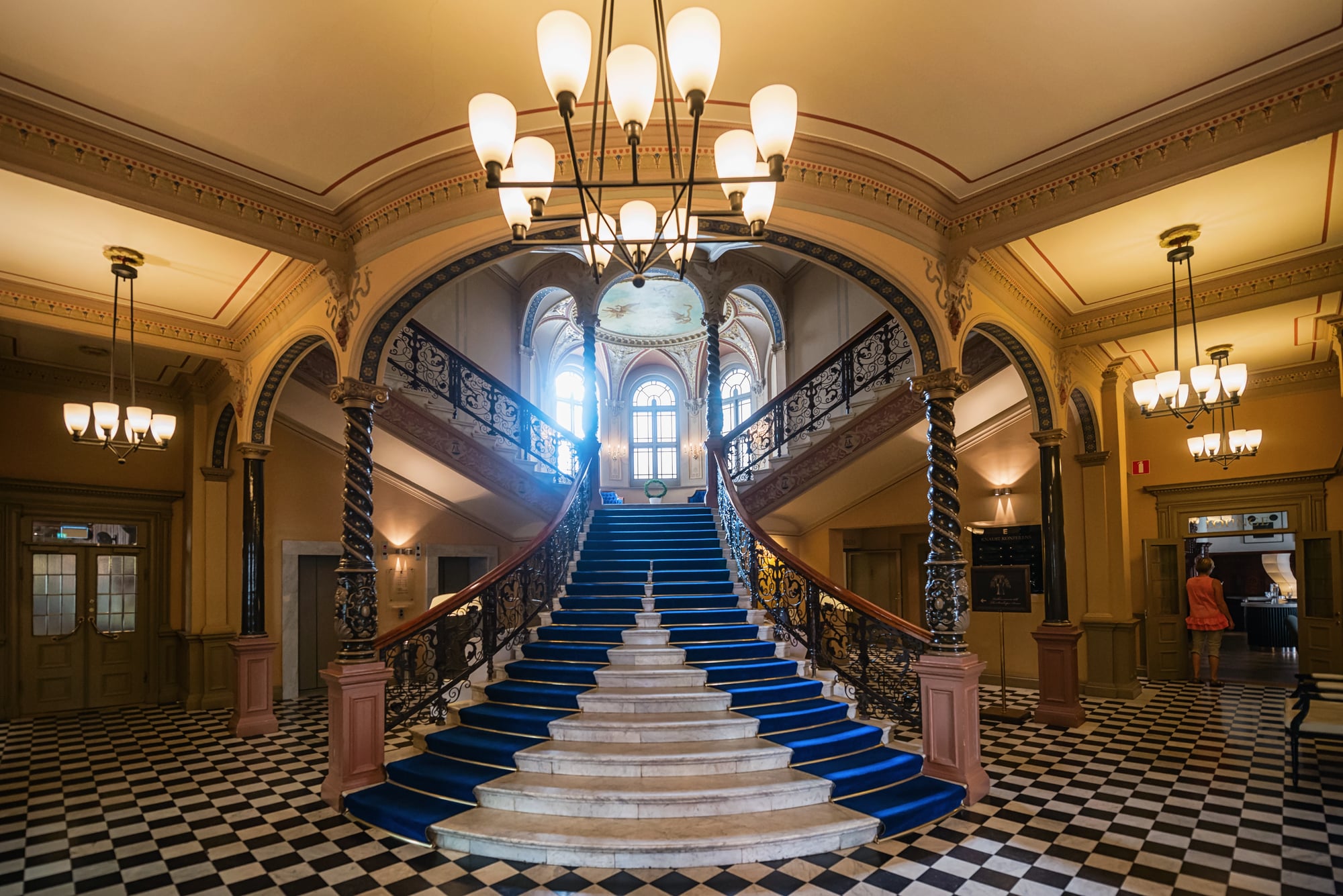
Walking down the main staircase felt like entering a king’s palace rather than boarding a ship. Carved oak panels lined the walls while a massive glass dome overhead let natural light pour down onto the steps below.
The centerpiece was a clock surrounded by carved figures that represented Honor and Glory, and the whole thing took skilled craftsmen months to build. First-class passengers would dress in their finest clothes just to walk down these stairs for dinner, treating it like a daily fashion show.
A swimming pool onboard
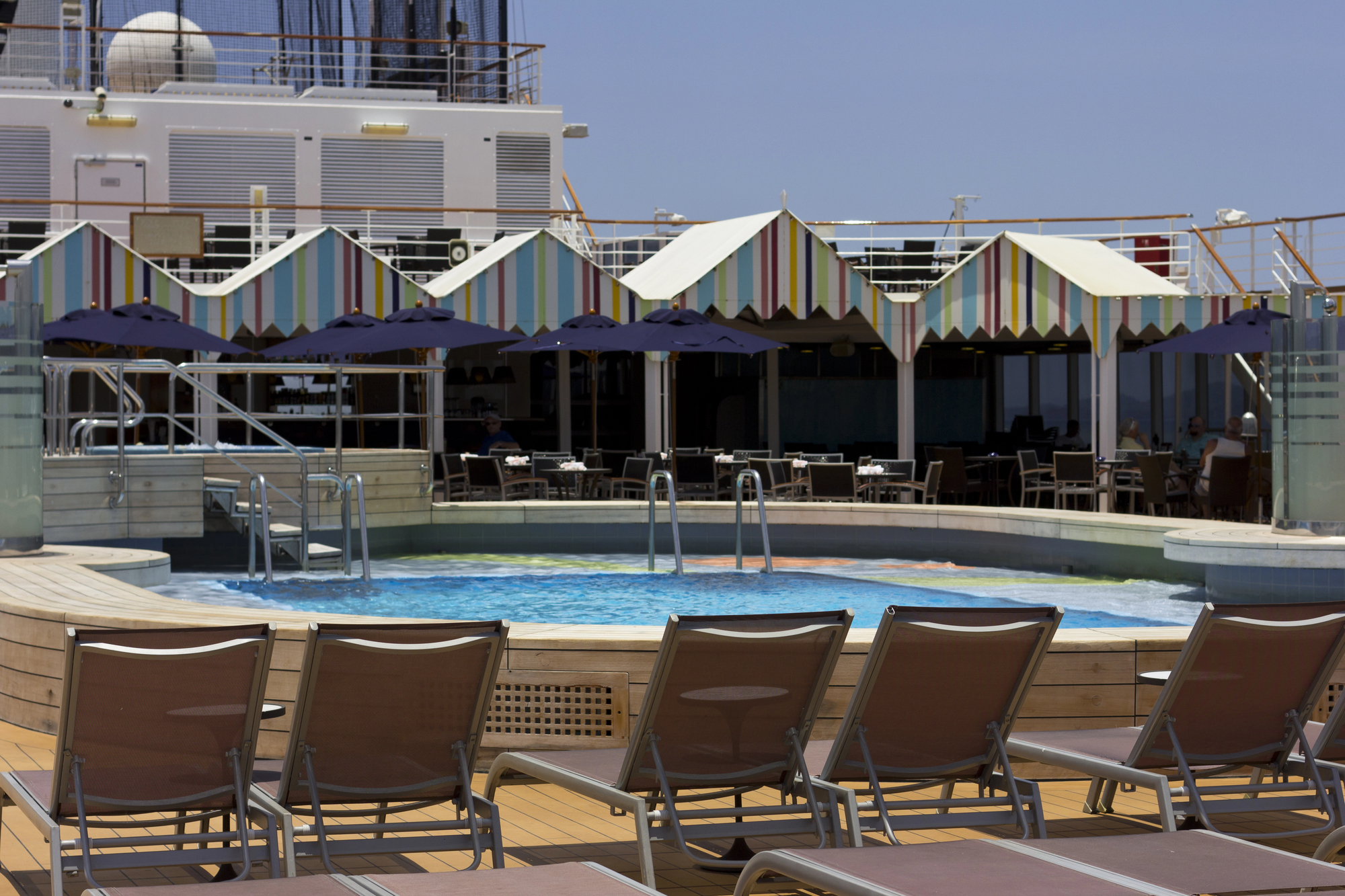
The Titanic became the first ship to offer passengers an actual swimming pool, which sounds normal now but blew minds back then. This wasn’t some tiny tub either, it measured 30 feet long and used heated saltwater pumped directly from the ocean.
Men and women had separate swimming times because that’s how things worked in 1912, and using the pool cost extra money even for first-class ticket holders. The idea of taking a swim while sailing across the ocean seemed almost magical to people who had never experienced anything like it.
Electric elevators for passengers
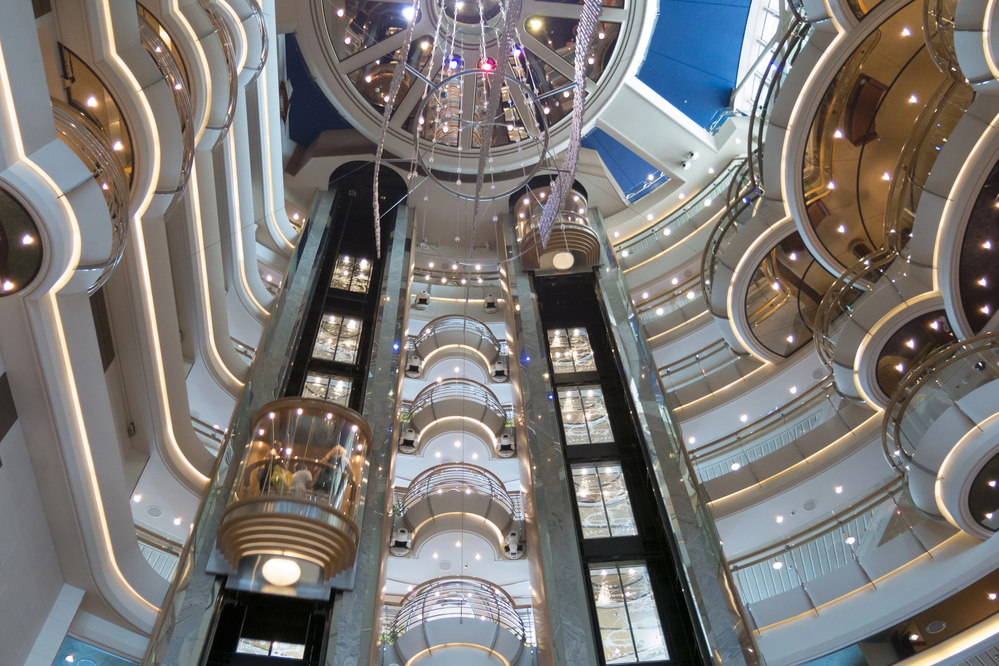
Most buildings on land didn’t even have elevators yet, but the Titanic installed three of them for first-class passengers. These electric lifts saved people from climbing multiple flights of stairs between decks, which would have been exhausting in the fancy clothes people wore.
Each elevator had an attendant who operated it, and the cars themselves had comfortable benches and beautiful woodwork. Second and third-class passengers had to use the stairs, which wasn’t exactly fair but reflected the class divisions of the era.
A fully equipped gymnasium
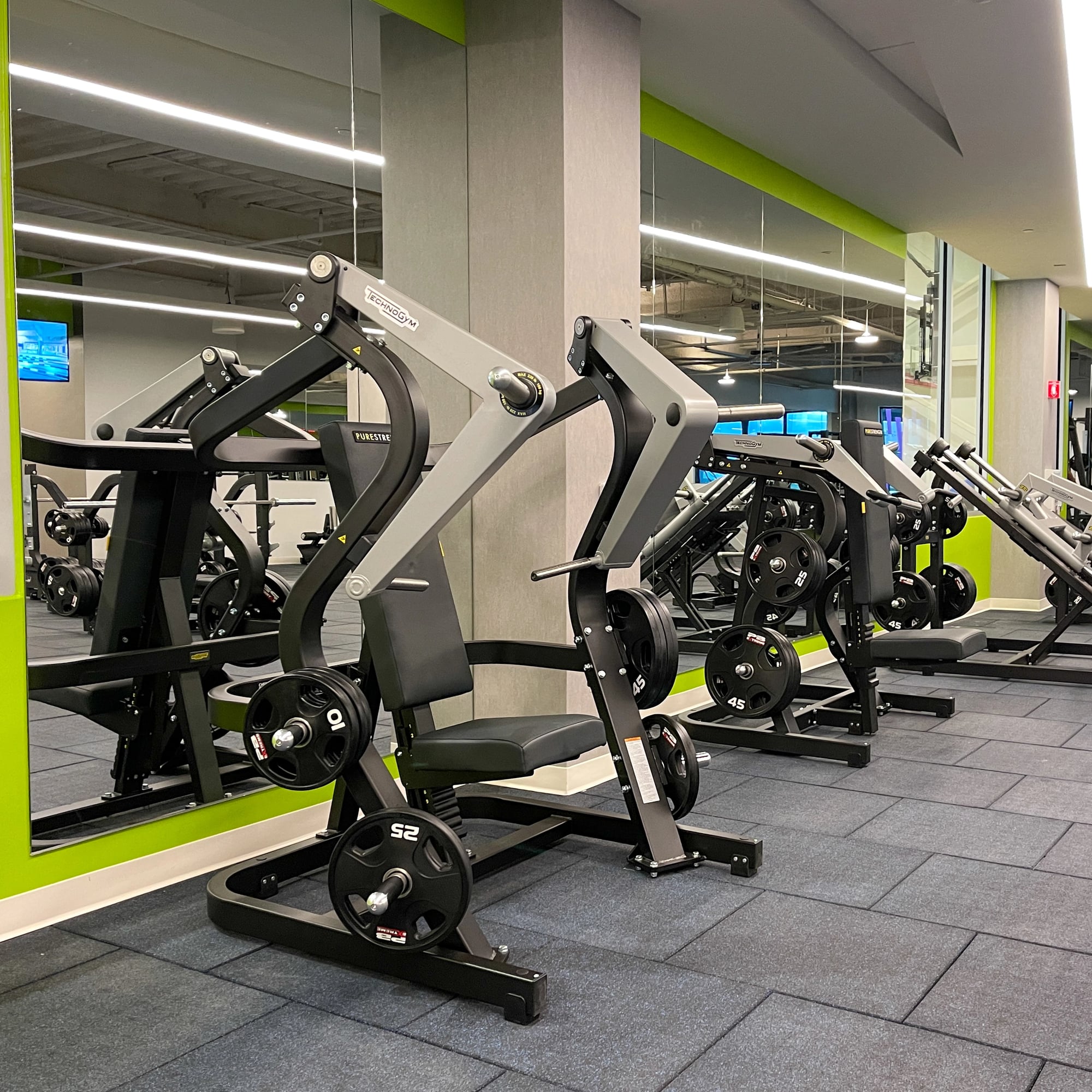
The ship’s gym came stocked with equipment that looked bizarre by today’s standards but was cutting-edge for 1912. Passengers could use rowing machines, stationary bikes, and even an electric horse that simulated riding.
A mechanical camel also sat in the gym, along with weights and other exercise equipment. The gym instructor charged people for sessions and kept strict hours, opening early in the morning and closing before dinner service.
Four-star restaurant dining
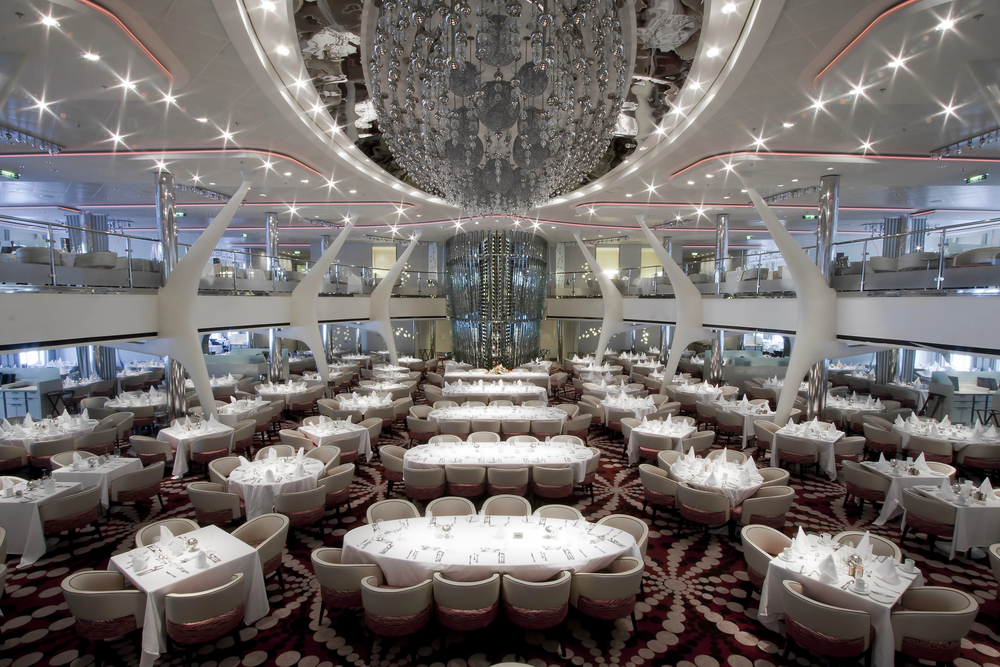
The first-class dining room could seat over 500 people at once and served food that rivaled the best restaurants in London or Paris. Menus changed daily and featured up to ten courses for a single meal, including fancy items like oysters, filet mignon, and elaborate desserts.
Professional chefs from top European hotels prepared the food, and waiters in white jackets served each course with practiced precision. The room itself featured white plasterwork on the ceiling and thick carpets that muffled the sound of hundreds of conversations happening at once.
A Turkish bath and spa
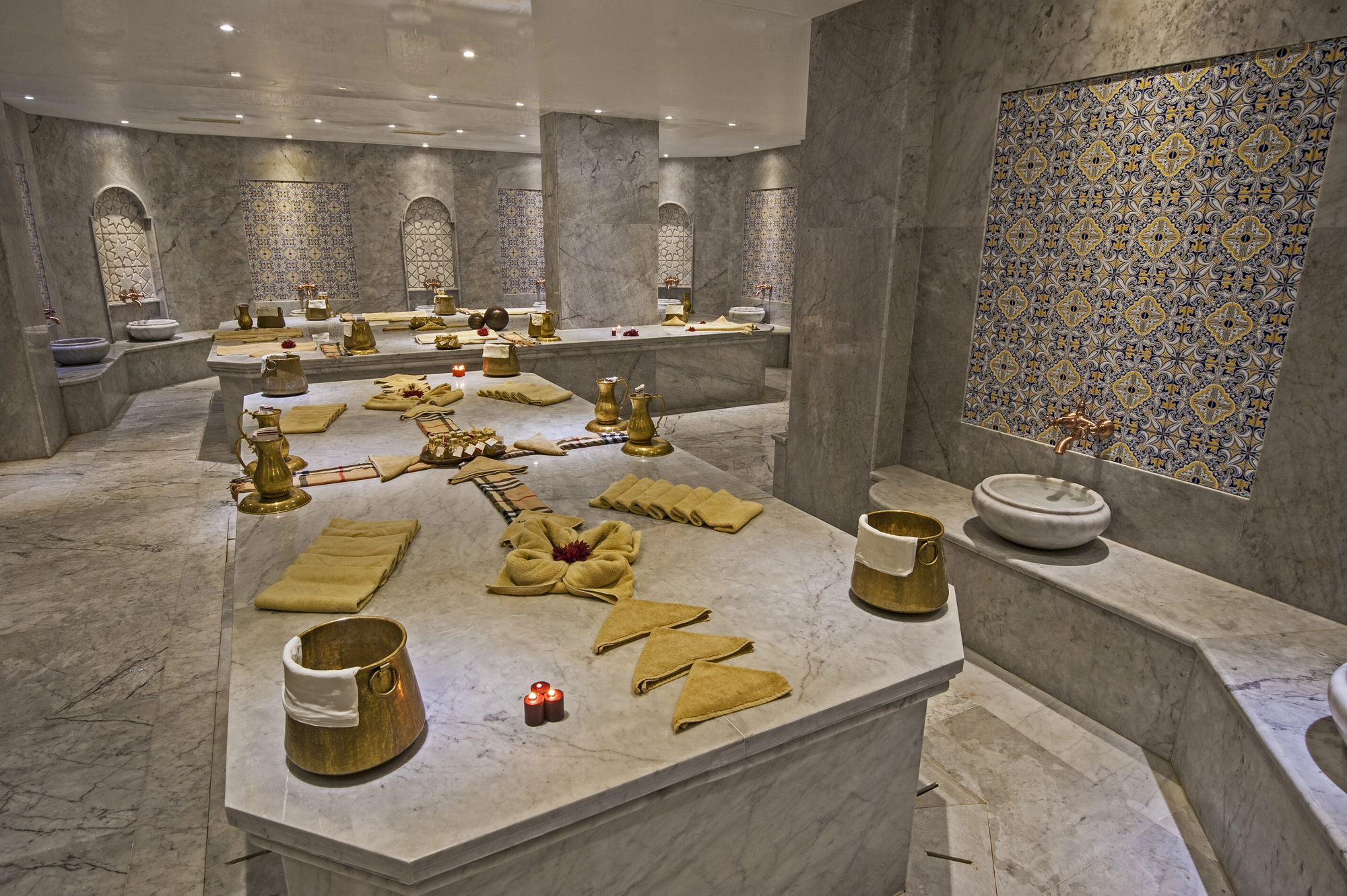
First-class passengers could visit an authentic Turkish bath decorated with blue and green tiles imported from the Middle East. The space included hot rooms, cool rooms, and a shampooing room where attendants would wash your hair.
Comfortable couches lined the walls where people could relax between heating sessions, and the whole experience cost extra money on top of the ticket price. Very few people actually used this facility during the ship’s short voyage, which makes it even more remarkable that such a space existed at all.
Wireless telegraph system
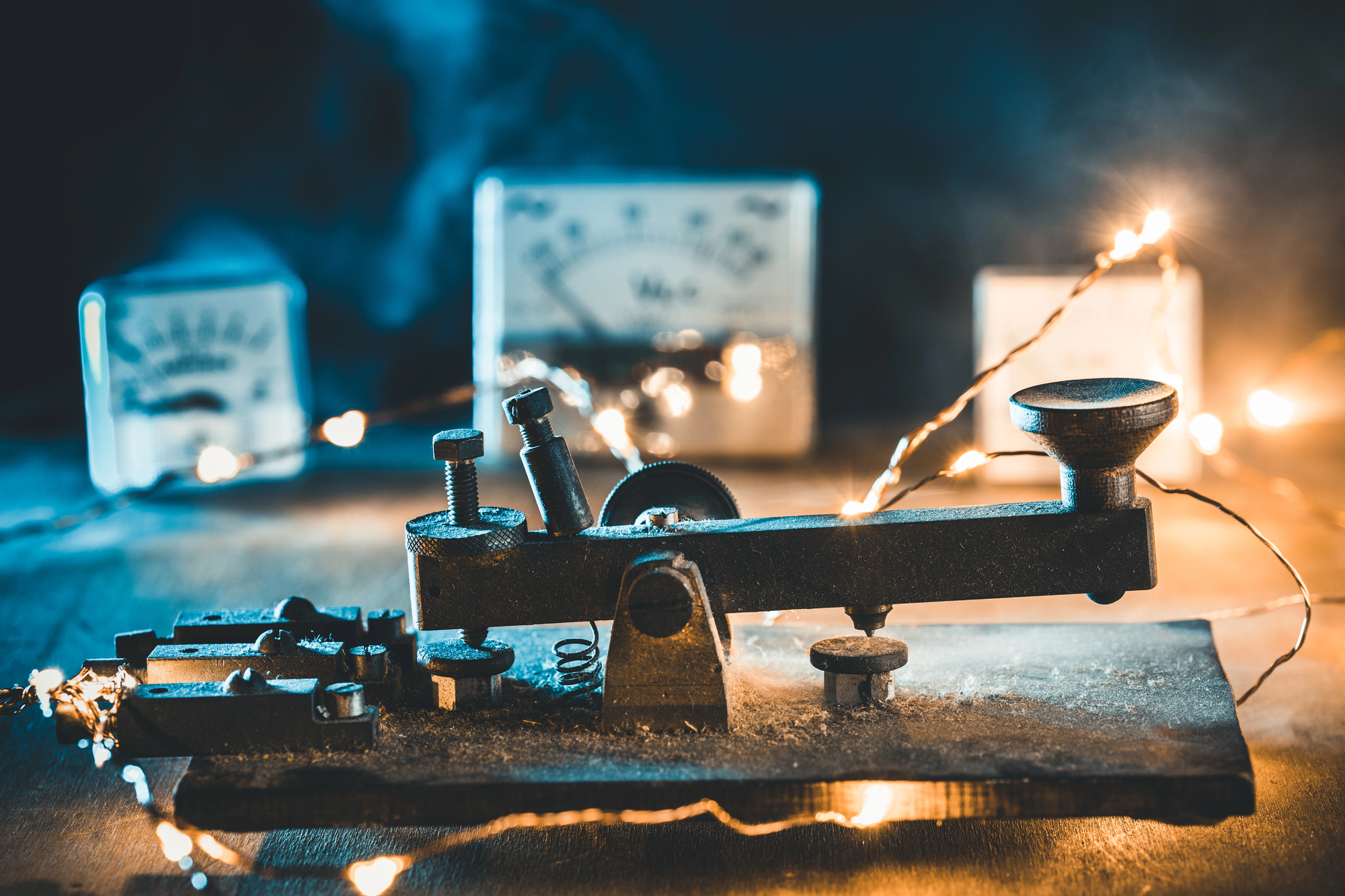
The Titanic carried one of the most powerful wireless telegraph systems afloat, capable of sending messages up to 400 miles away. Two operators worked around the clock sending personal messages for passengers who wanted to contact people on land.
This same system sent out the distress calls when the ship started sinking, though nearby vessels didn’t respond quickly enough. Being able to communicate with the outside world while sailing across empty ocean represented a huge technological leap forward.
Electric lighting throughout
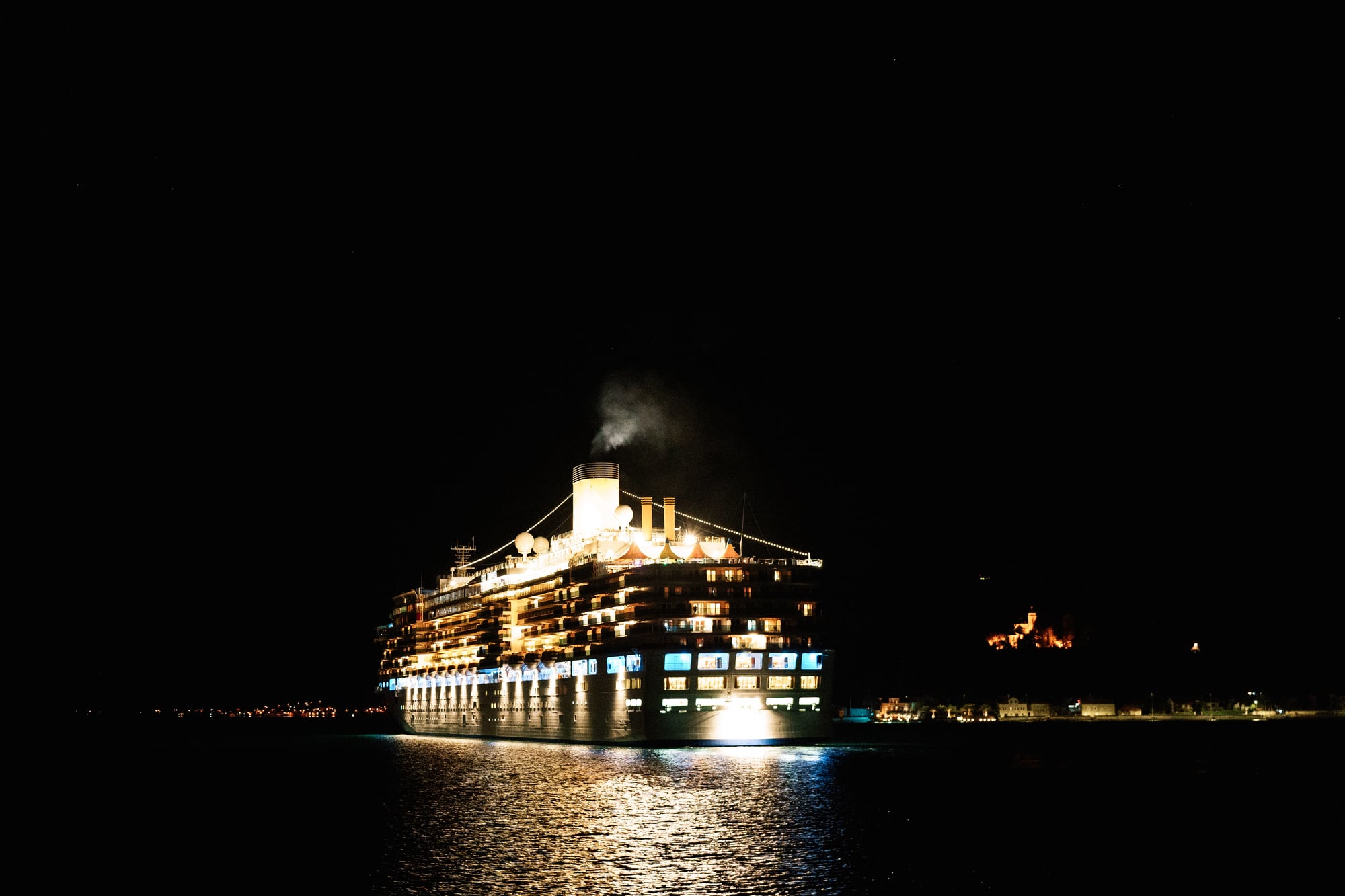
While some ships still used oil lamps and gas lighting, the Titanic had electric lights in almost every room and hallway. The ship’s power plant generated enough electricity to light a small town, and backup generators could kick in if something went wrong.
Passengers could read in bed, walk the hallways safely at night, and enjoy well-lit public spaces at any hour. This seems ordinary now but felt futuristic to people who grew up with candlelight and gas lamps at home.
Separate promenade decks
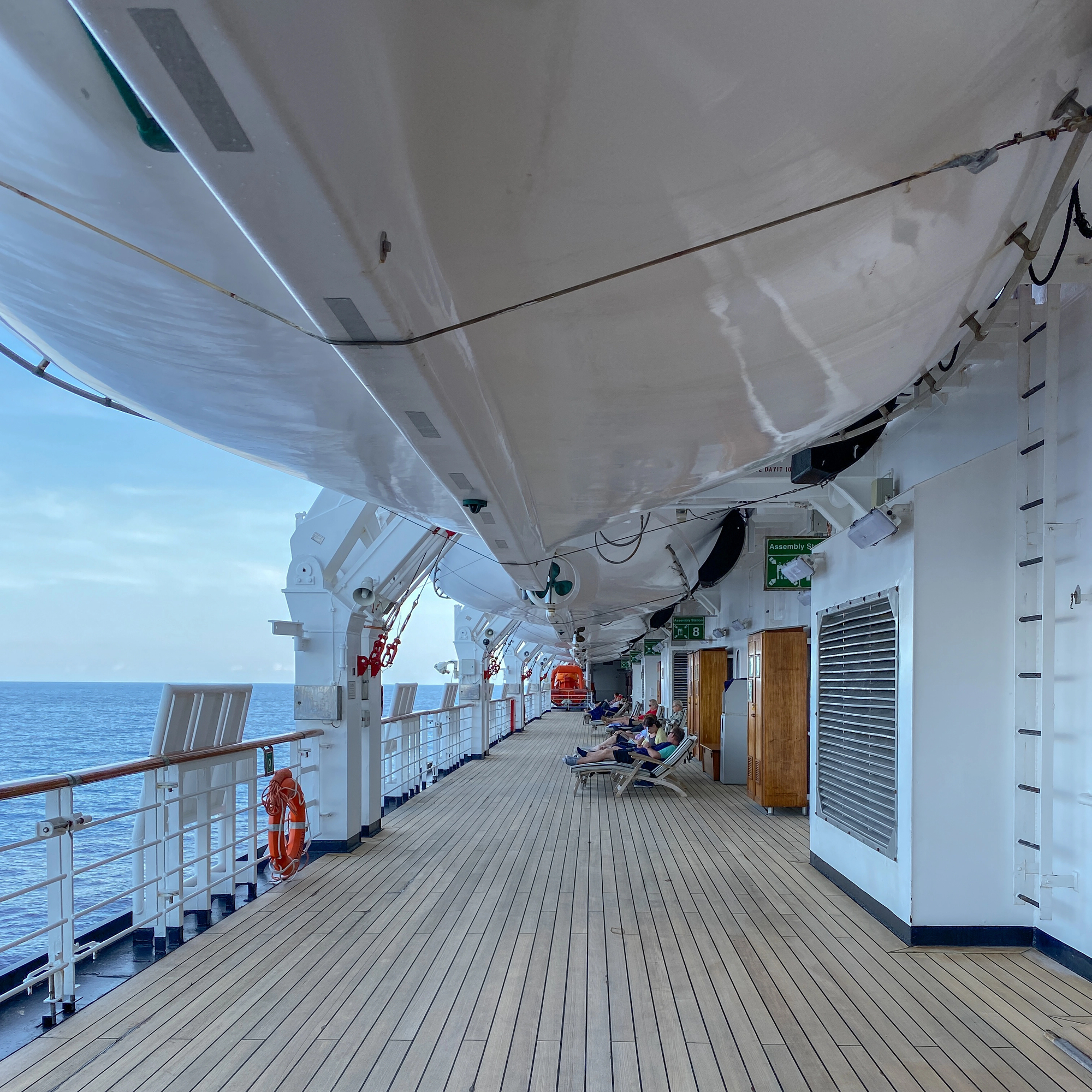
The ship featured long outdoor walking areas where passengers could stroll and breathe fresh ocean air without getting in anyone’s way. First-class passengers had their own promenade spaces separated from other ticket classes, continuing the theme of division throughout the vessel.
Some sections had glass windows to protect walkers from wind and spray, while others remained completely open to the elements. These walking areas stretched hundreds of feet and gave people room to exercise and socialize during the long journey.
A lending library
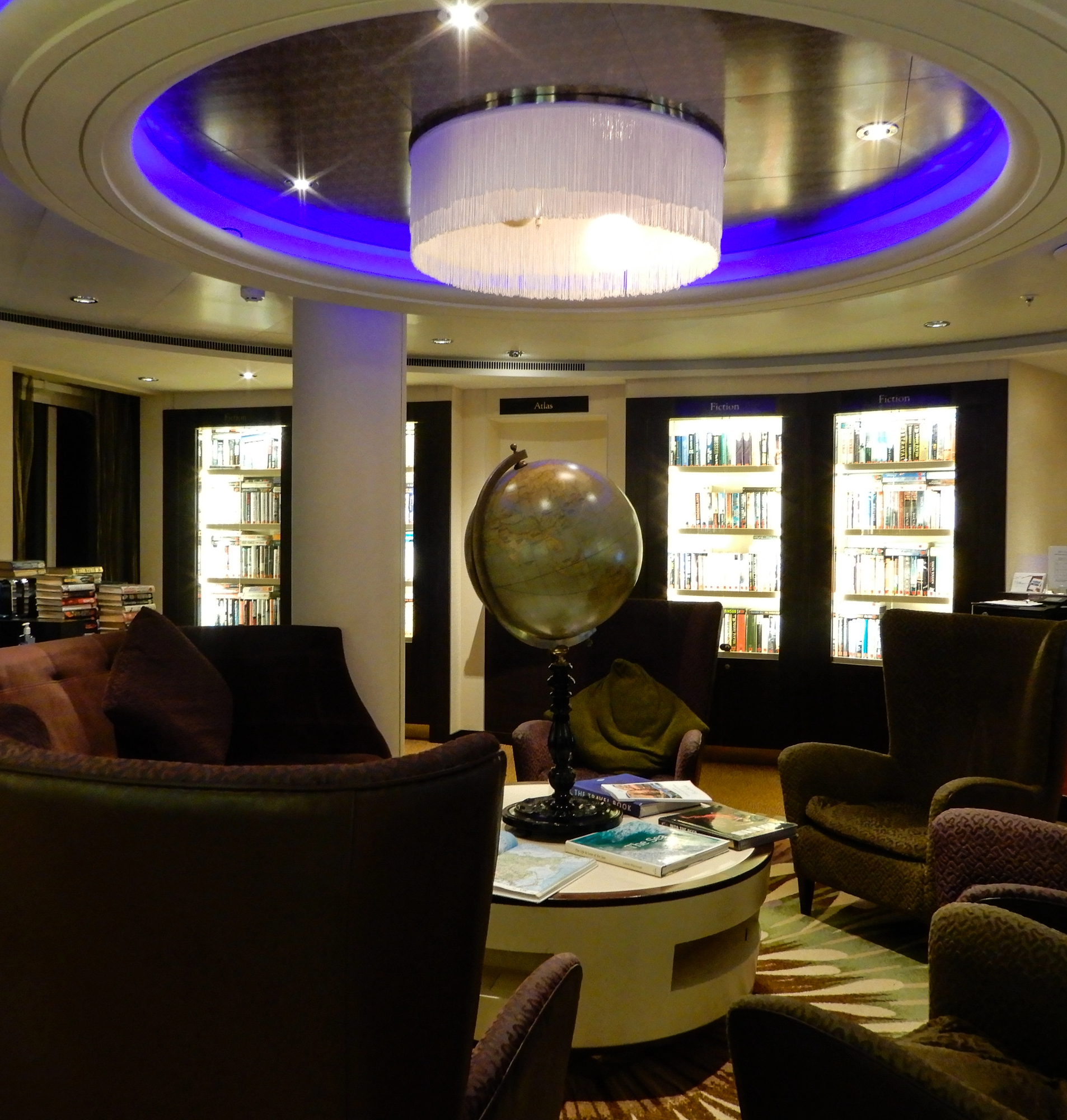
Book lovers could visit the ship’s library and borrow from hundreds of volumes without paying extra fees. Comfortable chairs and writing desks filled the room, making it a quiet refuge from the busier public spaces.
The library also stocked current newspapers and magazines, though these would be several days old by the time passengers read them. This space attracted people who wanted peace and quiet rather than the constant socializing happening in other parts of the ship.
Squash court for recreation
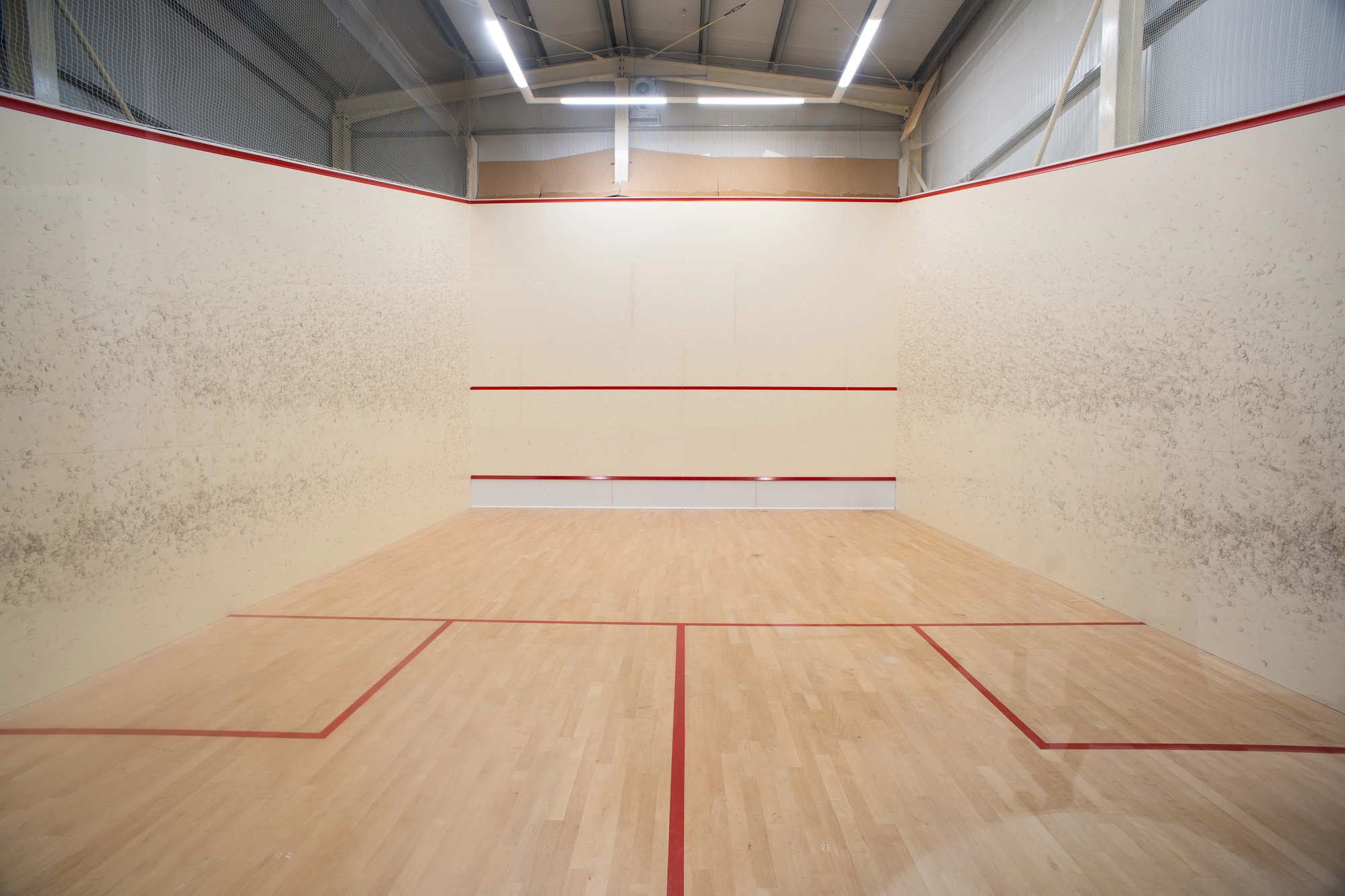
Athletic passengers could book time on the ship’s squash court, located on a lower deck where the sound of bouncing orbs wouldn’t disturb anyone. A professional squash player served as the court attendant and gave lessons to people wanting to learn the game.
The court followed regulation dimensions and came equipped with proper walls and flooring. Playing squash on a moving ship added an extra challenge since the vessel’s motion affected how the orb bounced.
Barber shop and salon
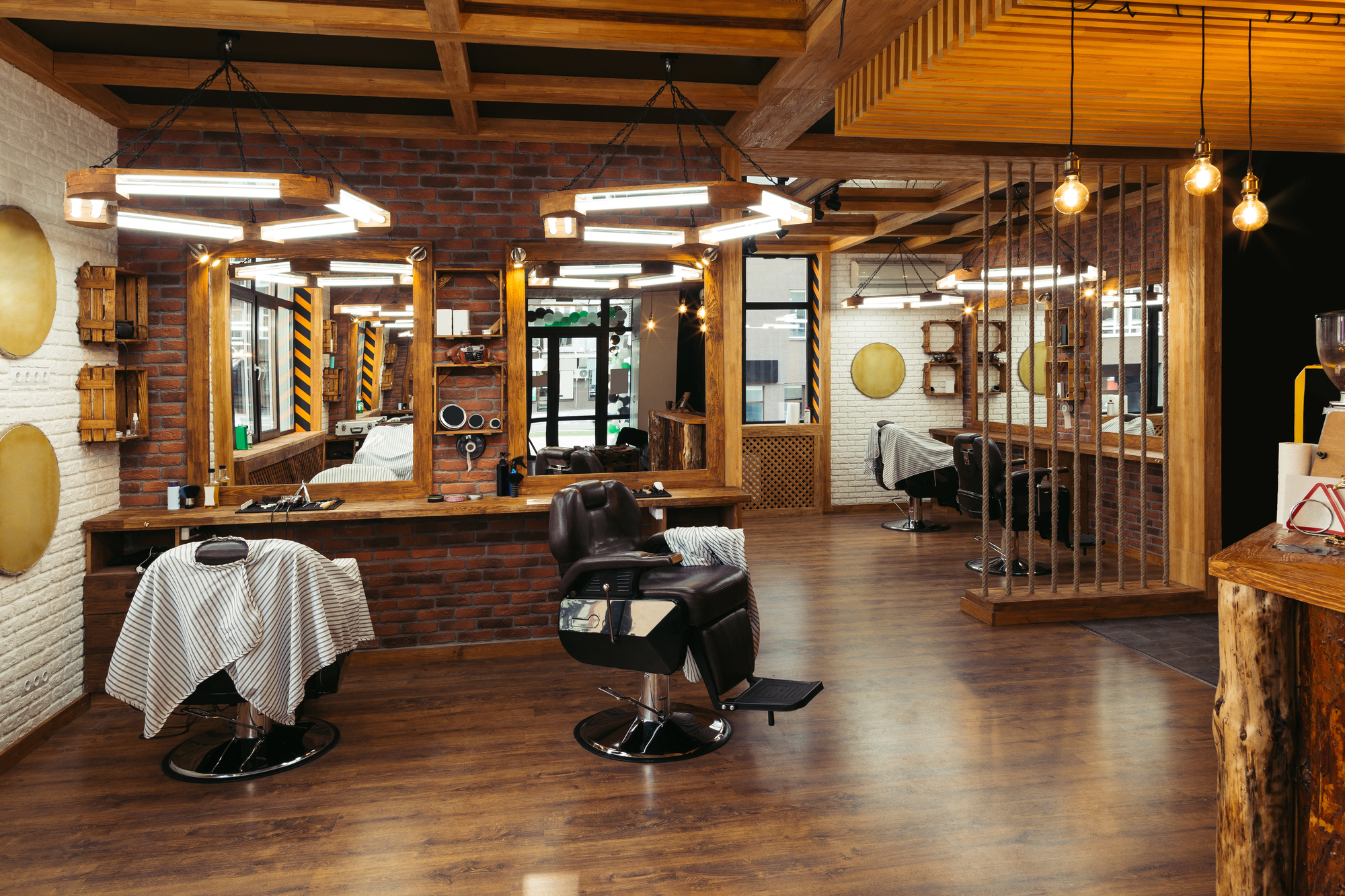
Men could get haircuts and shaves from a professional barber without leaving the ship, while women had access to hairdressing services in a separate area. The barber shop sold toiletries and grooming products, functioning like a small department store for personal care items.
Attendants kept everything spotless and provided heated towels and quality razors for shaving. Looking good mattered to passengers who would be photographed and written about in newspapers when they arrived in New York.
Kennel facilities for pets

Wealthy passengers traveling with dogs could house their animals in proper kennels rather than keeping them in cabins. The kennels had fresh air and enough space for dogs to move around, plus staff members who fed and exercised the animals daily.
Several dogs were traveling on the Titanic when it sank, and only a few small dogs survived because their owners smuggled them into lifeboats. The ship’s designer clearly thought about every possible passenger need, even for four-legged travelers.
Automated watertight doors
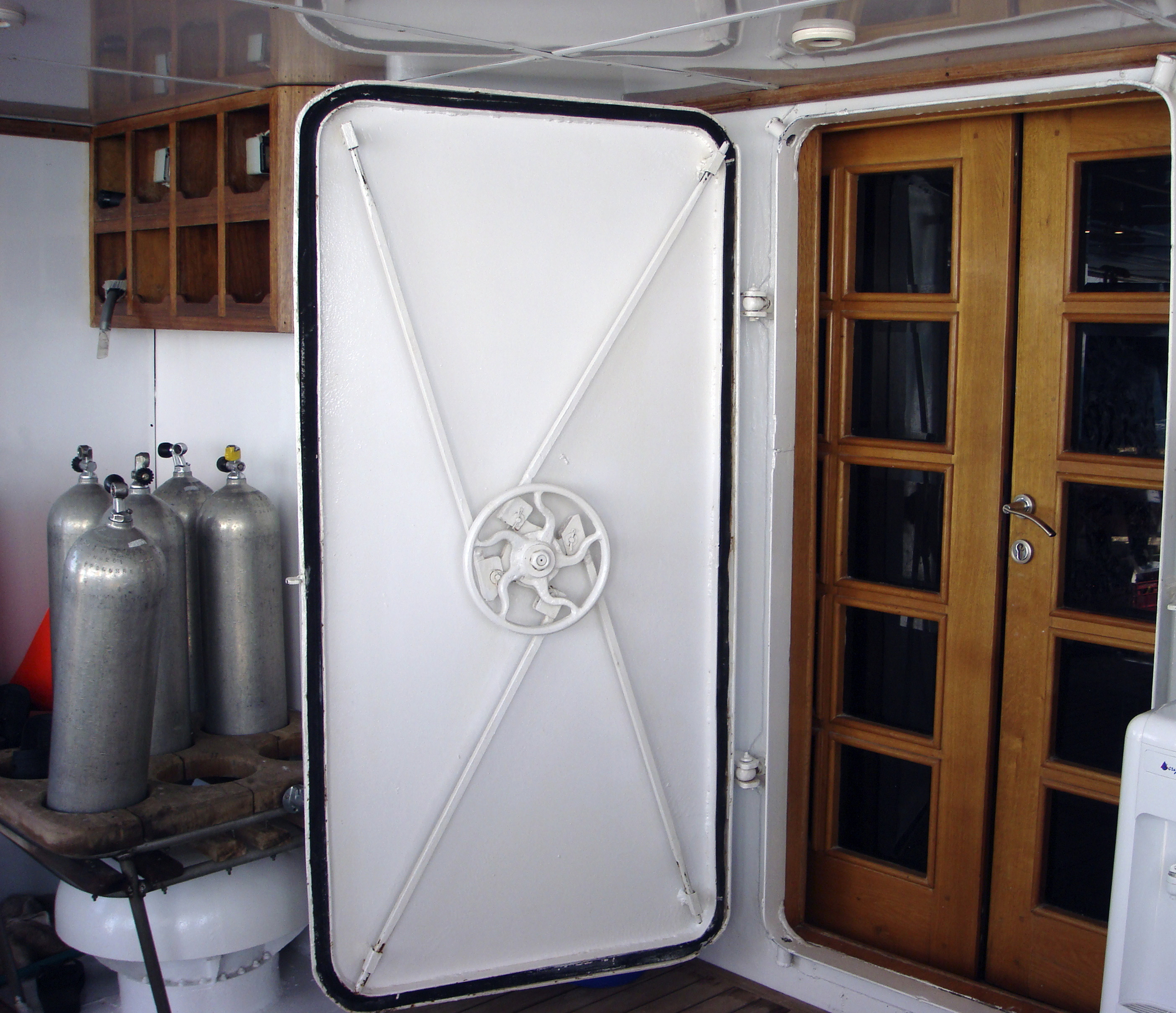
The Titanic featured sixteen compartments separated by doors that could seal shut at the flip of a switch on the bridge. This system was supposed to prevent flooding from spreading if the hull got damaged, and it could be activated automatically or manually.
Engineers believed the ship could stay afloat even if four compartments flooded, which seemed impossible to overcome. Unfortunately, the iceberg damage opened up six compartments, overwhelming the safety system and dooming the vessel.
A separate hospital ward
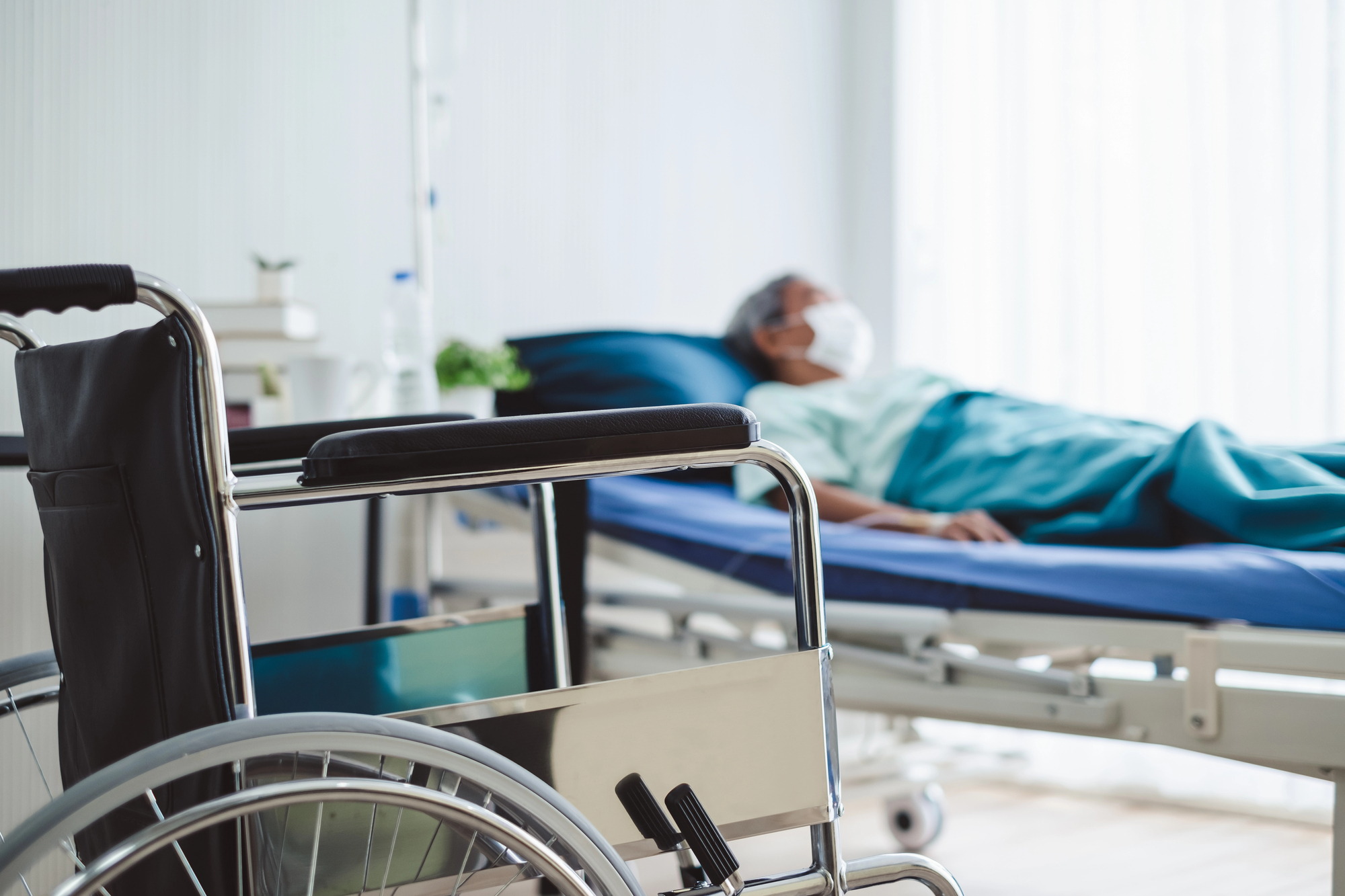
The ship carried a fully equipped hospital staffed by a doctor and nurses who could handle medical emergencies at sea. The medical facilities included an operating room with proper surgical equipment and a pharmacy stocked with medications.
This was standard on large passenger ships but still impressive given the distance from real hospitals on land. The medical staff treated minor illnesses and injuries during the voyage, though they faced an overwhelming crisis once the ship started sinking.
Heating and ventilation systems
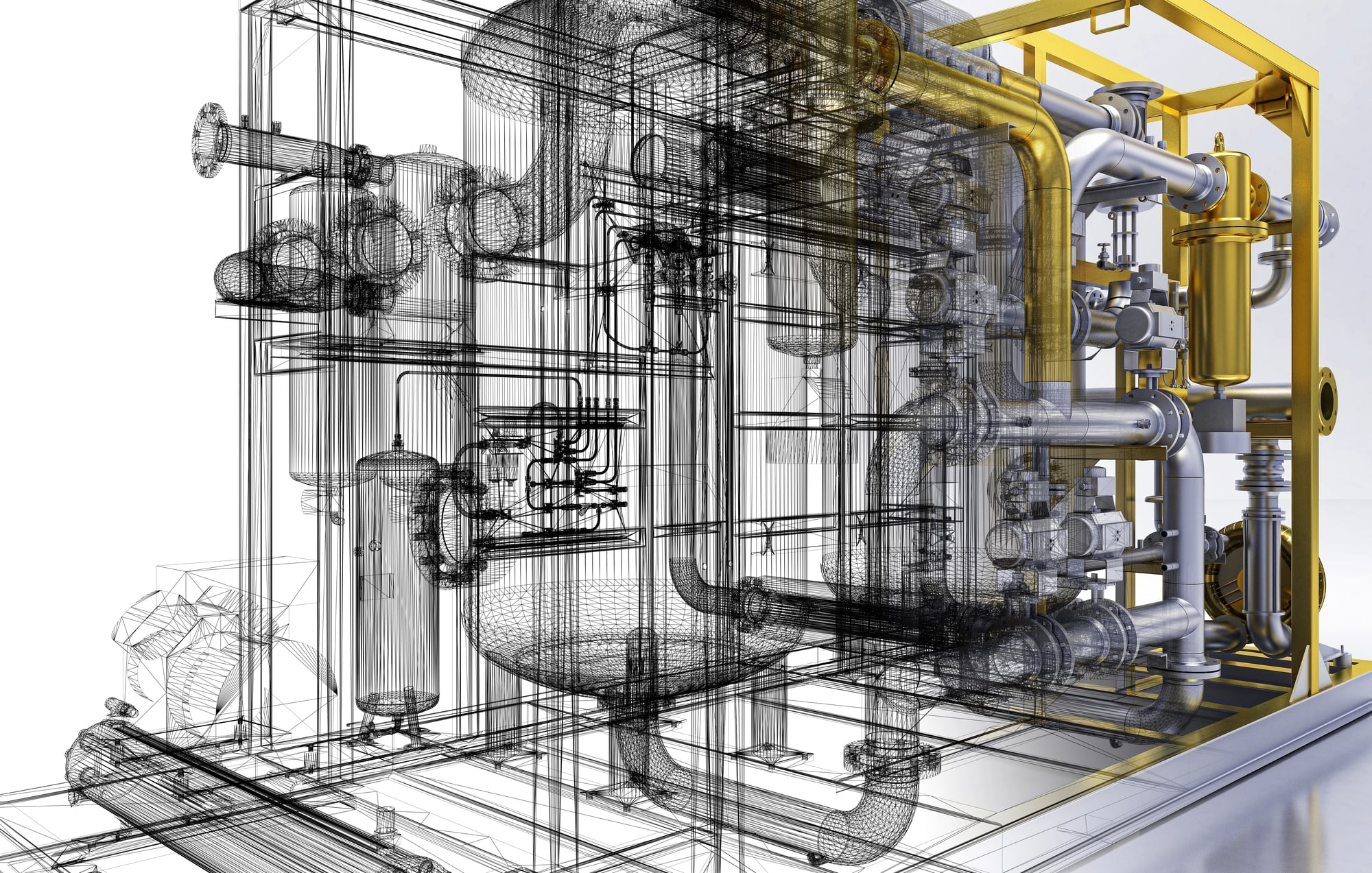
Engineers designed a complex system of fans and ducts that moved fresh air throughout the ship while removing stale air from enclosed spaces. Steam radiators in each cabin let passengers control their room temperature, which was a rare luxury for the time.
The system worked so well that people rarely complained about stuffiness or poor air quality despite being surrounded by ocean. Keeping thousands of people comfortable in an enclosed metal structure required serious engineering skills.
Separate galleys and kitchens
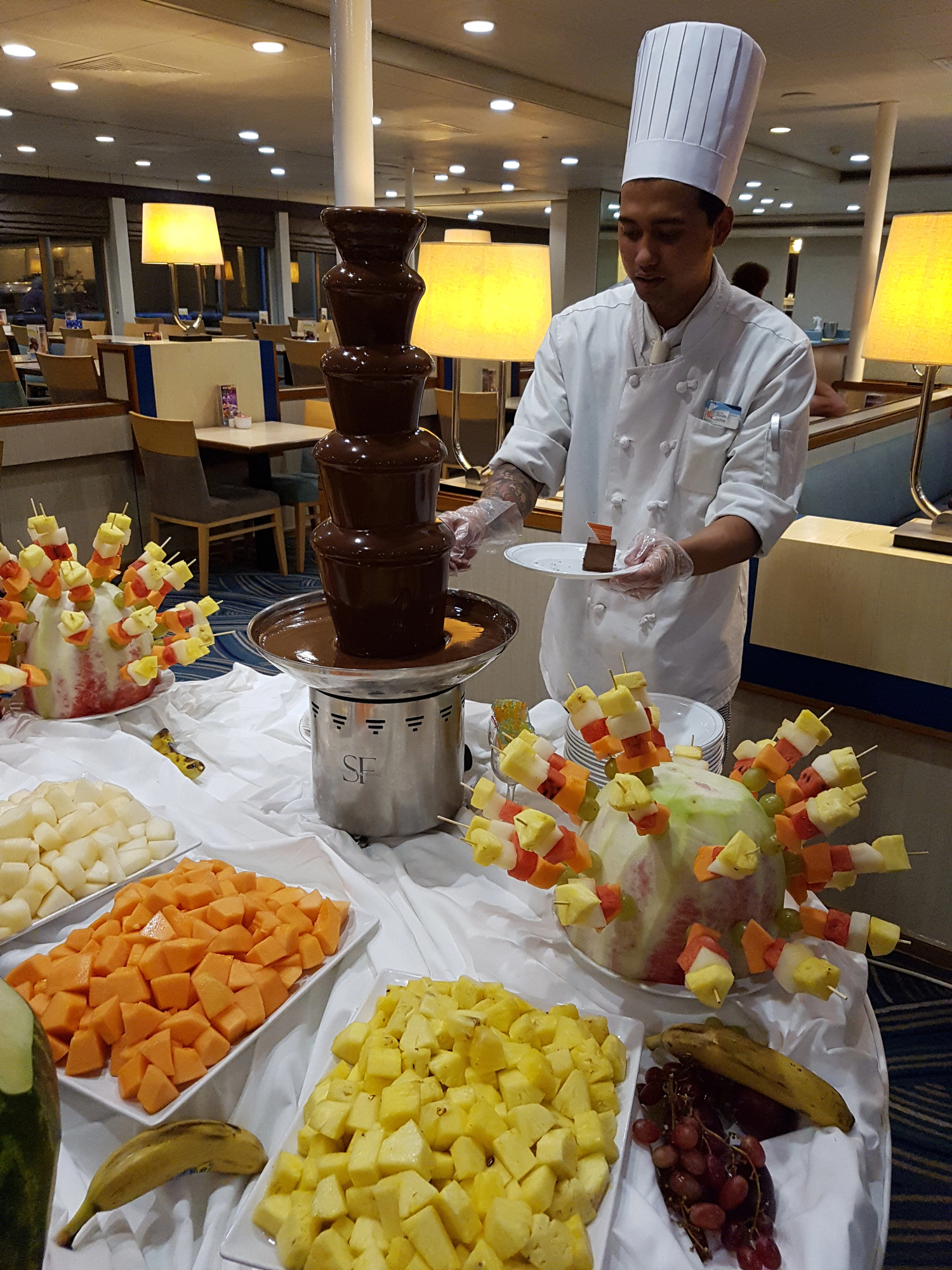
Built to serve more than two thousand passengers daily, the vessel housed several cooking areas handling breakfasts, lunches, dinners, along with snacks and midnight options for anyone still hungry. Separate galley spaces meant high-end French dishes stayed far from basic rations served in lower decks.
Chefs labored nonstop, chopping ingredients, scrubbing pots, sketching out tomorrow’s meal plans before today even ended. Gadgets like electric stoves and cold storage systems made sure nothing spoiled during the long voyage across open water.
Reinforced hull design
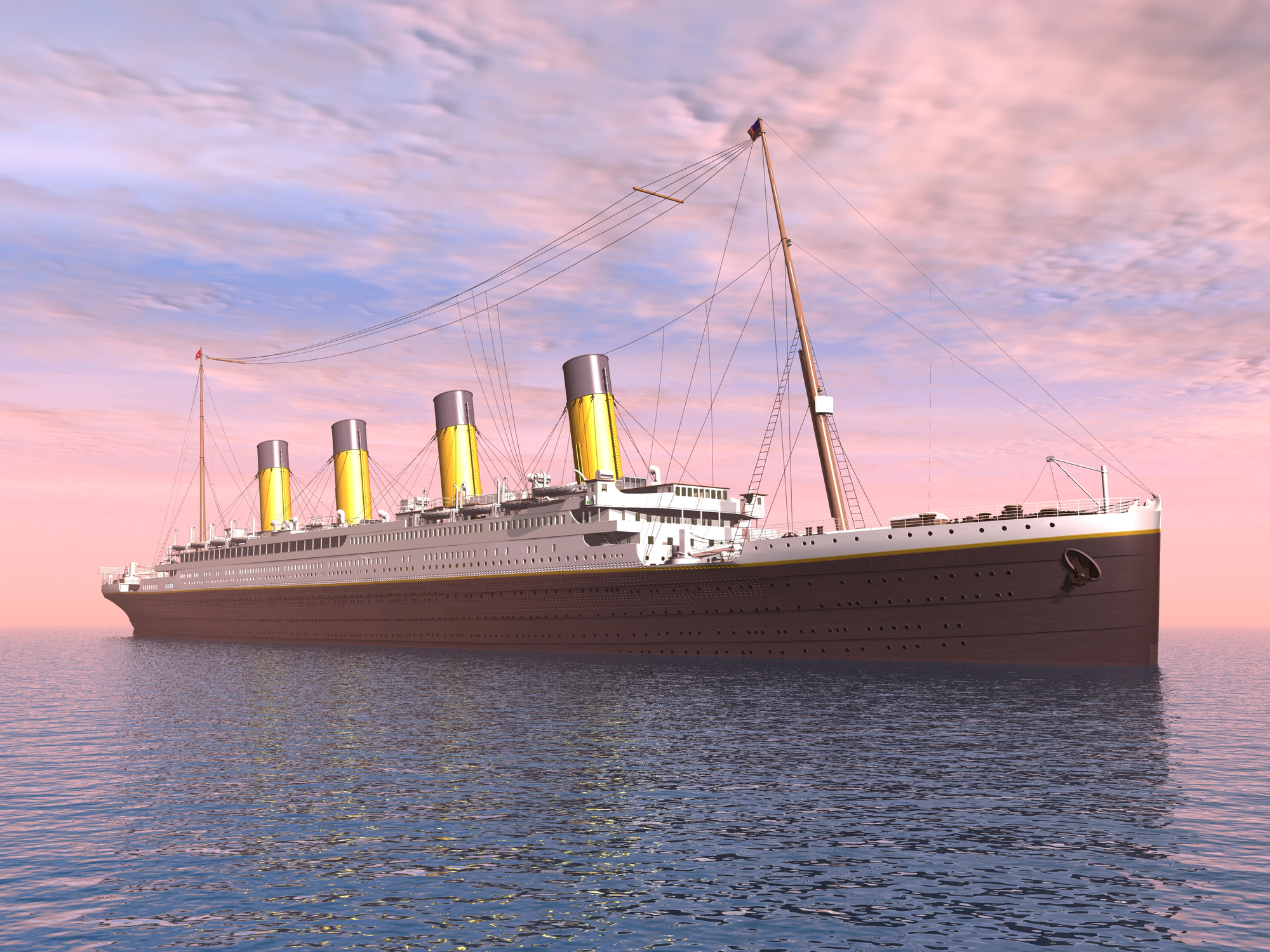
Built with two layers beneath, the ship aimed to survive small crashes or scraping the ocean floor. Steel sheets made up its outside shell whereas inner sections below stayed sealed unless flooded on impact.
Back then in 1912, this way of building felt like progress, making people trust it would stay afloat easily. Trouble came because those watertight areas stopped too low, so when the bow dipped, water simply poured over into each chamber one after another.
Right there – how things sit today
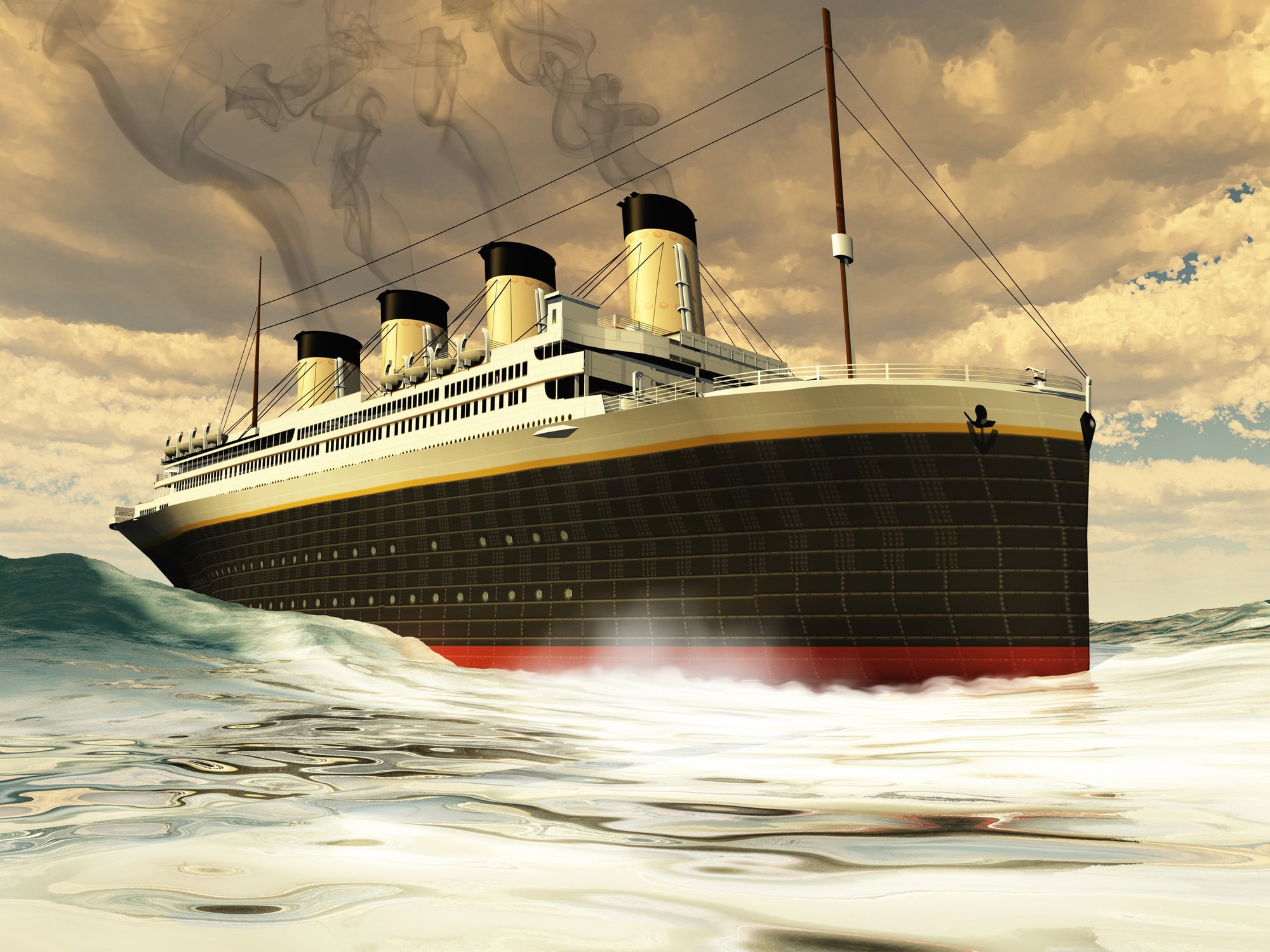
Down where the ocean presses hard and cold, these incredible parts lie hidden, quietly breaking down. Pictures taken by explorers on dark dives reveal ghostly scenes – the huge stairway, fine rooms – now still and empty.
What was built into the Titanic shaped how ships were made long afterward, urging others to aim higher. Even though disaster defines its story, the craft and comfort behind its creation stand out as something truly notable from that era.
More from Go2Tutors!

- The Romanov Crown Jewels and Their Tragic Fate
- 13 Historical Mysteries That Science Still Can’t Solve
- Famous Hoaxes That Fooled the World for Years
- 15 Child Stars with Tragic Adult Lives
- 16 Famous Jewelry Pieces in History
Like Go2Tutors’s content? Follow us on MSN.