Inventions That Were Supposed to Fail
Some of the most useful things around today were once seen as bad ideas.
History is full of inventions that people laughed at, doubted, or even rejected completely.
Yet, against all odds, they worked—and often changed everyday life in ways no one saw coming.
It’s funny how time can turn a “terrible idea” into something we can’t live without.
Let’s take a look at some inventions that almost didn’t make it but ended up shaping the world.
Post-it Notes

When a chemist at 3M made a weak adhesive that wouldn’t stick properly, it seemed useless.
But another employee saw a chance to use it for bookmarks that stayed in place without tearing paper.
That tiny spark turned into Post-it Notes—now one of the most popular office supplies on the planet.
The telephone

When Alexander Graham Bell showed his invention, many thought it was pointless.
People said, ‘Why would anyone want to talk to someone far away when we have telegrams?’
Now, it’s hard to imagine a world without phones connecting us instantly.
The airplane

Before the Wright brothers took flight, experts insisted that humans weren’t meant to fly.
Even after their first success, critics dismissed it as a short stunt.
Today, air travel makes global movement so common that many people complain more about airport lines than the miracle of flight itself.
The light bulb

Thomas Edison wasn’t the first to try making a light bulb, but he was the one who refused to give up after thousands of attempts.
Many thought his obsession with glowing wires was nonsense.
Once he got it right, the world quite literally lit up overnight.
The internet

At first, the internet was just a military project that few outside the government cared about.
Some experts claimed it would never have public value.
Decades later, it became the backbone of modern communication, entertainment, and business.
The personal computer
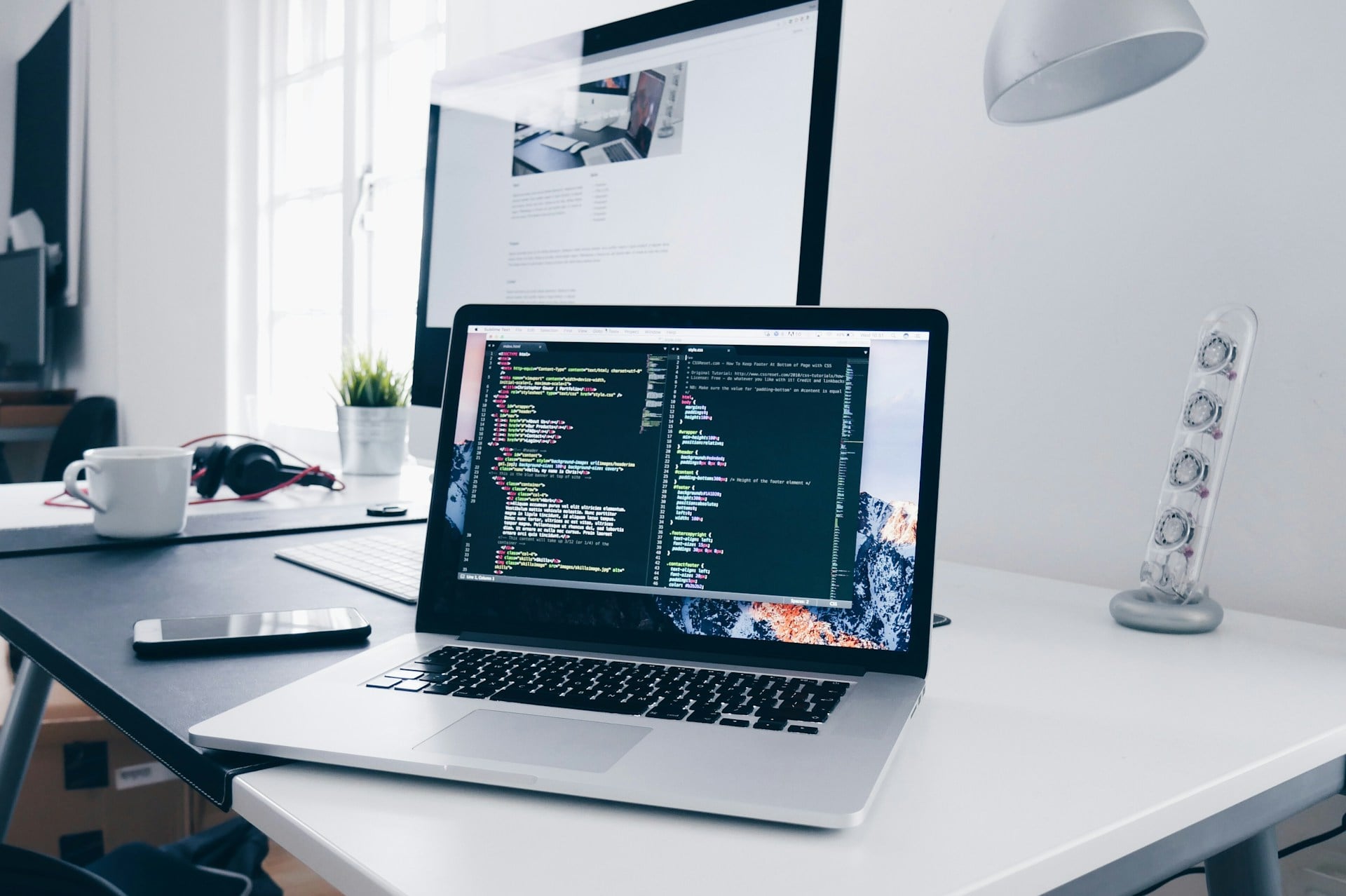
Early computers were massive, expensive, and mostly used by researchers.
When smaller, personal versions came out, big companies doubted anyone at home would want one.
That skepticism didn’t last long once people saw how powerful and useful PCs could be.
The microwave oven

When a radar engineer noticed a candy bar melting in his pocket during an experiment, most thought it was just a weird fluke.
That moment led to the microwave oven.
Today, it’s a kitchen staple used to reheat leftovers in seconds.
The credit card

When banks first introduced credit cards, critics said people would never trust plastic over cash.
Others feared it would encourage bad spending habits.
Despite that, credit cards became a major part of modern finance, making it easier to buy, borrow, and build credit.
The umbrella

When umbrellas first appeared in England, people laughed at those who used them.
They saw them as silly accessories rather than practical tools.
Now, few things are more comforting than the pop of an umbrella opening during a sudden rainstorm.
The bicycle

Early bicycles were awkward and hard to ride, earning them the nickname ‘bone shakers.’
Still, the design improved, and soon everyone wanted one.
It became a simple, eco-friendly way to move around—and a symbol of freedom for many generations.
The coffee filter

When Melitta Bentz invented the coffee filter, she just wanted a cleaner cup of coffee.
People thought her idea was unnecessary and overcomplicated.
It turned out to be a hit, transforming morning routines all over the world.
The zipper

The first versions of the zipper jammed easily, and tailors refused to use them.
It took years of redesigns before the zipper finally caught on.
Once it did, it quietly replaced buttons everywhere—from jackets to jeans.
The safety pin

Invented by Walter Hunt, the safety pin started as a way to pay off a debt.
It looked too simple to be valuable, but it turned out to be one of the most practical tools ever made.
From fashion to first aid, it’s still saving the day in small ways.
The wristwatch
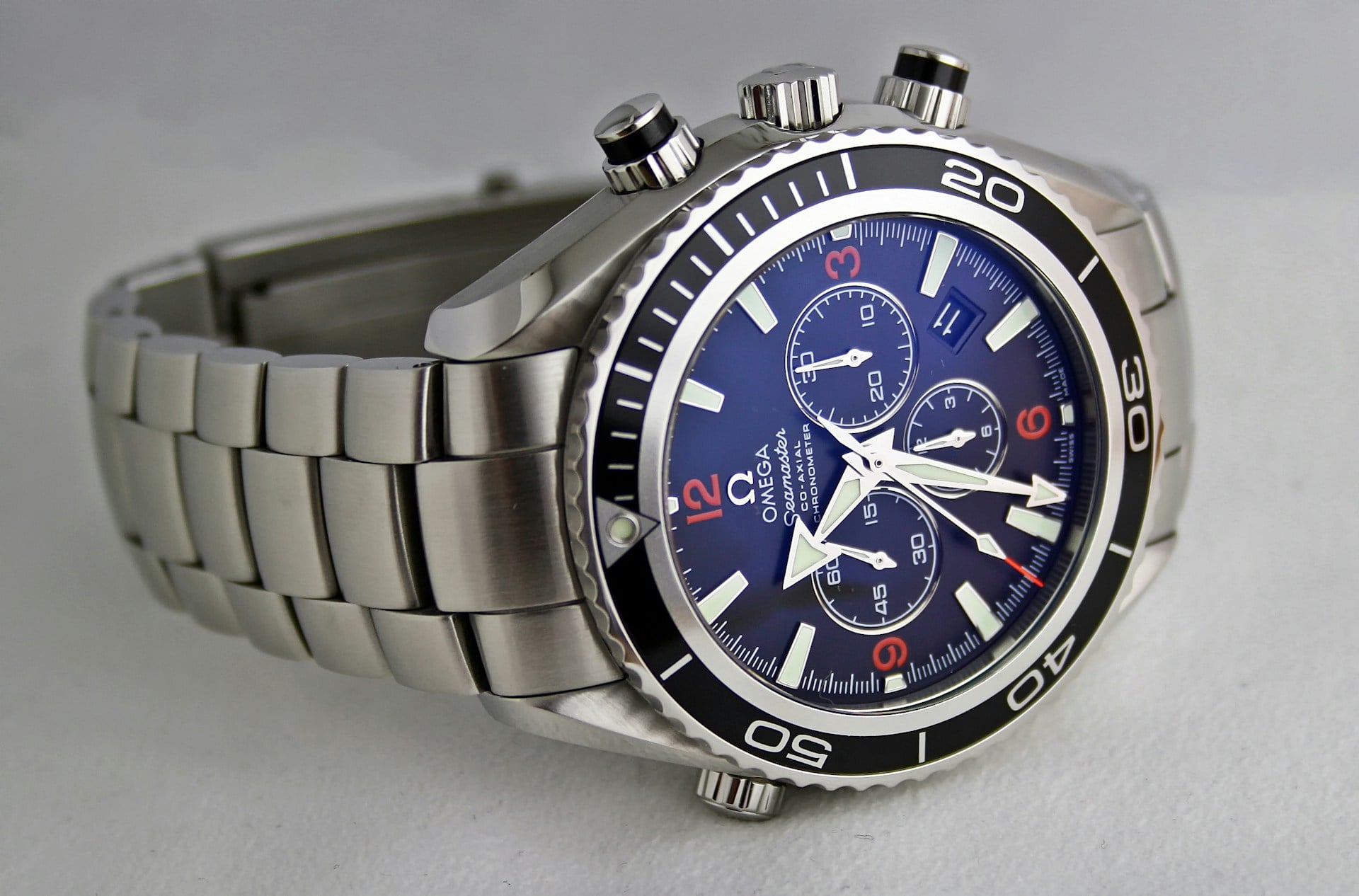
Initially, wristwatches were viewed as jewelry for women rather than as accurate timepieces.
Everything changed when soldiers began wearing them for convenience during World War I.
Wristwatches quickly became indispensable for both style and utility.
The refrigerator

People used to store food in iceboxes, so they didn’t think a machine that could do the same was necessary.
But with the advent of electric refrigerators, the convenience was undeniable.
They changed how food was preserved and how family meals were planned.
The paper clip

The paper clip looks so basic that it’s hard to imagine anyone doubted it.
Early on, though, people thought it would never hold papers securely.
Its simple design proved everyone wrong and became one of the most-used office tools ever.
The ATM

When banks launched the first ATMs, many assumed people wouldn’t trust a machine with their money.
But the idea of getting cash anytime quickly won everyone over.
Now, ATMs are so common that they’re part of daily life in almost every city.
Velcro

A Swiss engineer came up with Velcro after noticing burrs sticking to his clothes during a walk.
The idea of copying nature’s hooks and loops seemed odd at the time.
It went on to become a favorite in clothing, shoes, and even space suits.
How failure gave us progress

Each of these inventions teaches a simple truth: doubt can’t stop a good idea.
What once looked silly or impossible often becomes normal over time.
Mistakes, surprises, and second chances built the world we live in today.
The next great invention might already be sitting in someone’s ‘bad idea’ pile, just waiting for its turn to shine.
More from Go2Tutors!

- The Romanov Crown Jewels and Their Tragic Fate
- 13 Historical Mysteries That Science Still Can’t Solve
- Famous Hoaxes That Fooled the World for Years
- 15 Child Stars with Tragic Adult Lives
- 16 Famous Jewelry Pieces in History
Like Go2Tutors’s content? Follow us on MSN.



