Absurdly Expensive Foods Only Billionaires Eat
Money can buy a lot of things, but some foods take luxury to a whole new level.While most people think twice about splurging on a fancy dinner, billionaires drop thousands of dollars on single meals without blinking.
These aren’t just expensive because they taste good.They’re rare, hard to get, or take years to make.
Here are some of the most ridiculously priced foods that only the super-rich can afford to put on their plates.
White pearl albino caviar

This caviar comes from a rare albino sturgeon that can live over 100 years, and getting the eggs takes incredible patience.Only one fish farm in Austria produces it, and they wait decades for their sturgeons to mature before harvesting.
A single tin costs around $300,000, which is more than most houses.The eggs are pale gold and supposedly taste creamy and nutty, though honestly, very few people will ever actually know for sure.
Yubari King melons

Japan takes fruit way more seriously than most countries, and these melons from Hokkaido show exactly how far that goes.Farmers grow them in greenhouses with perfect conditions, giving each melon its own little hat to protect it from the sun.
Two of these melons once sold at auction for $27,000, and people genuinely thought that was reasonable.Buyers usually give them as luxury gifts to impress bosses or celebrate huge business deals, not just to eat at breakfast.
Kopi luwak coffee

This coffee gets its crazy price from a pretty weird process involving small cat-like animals eating coffee cherries.The Asian palm civets digest the fruit part but poop out the beans, which then get collected, cleaned really well, and roasted.
A single cup can cost $100 or more at fancy cafes, though plenty of coffee experts say it doesn’t actually taste better than good regular coffee.Animal welfare groups have also raised serious concerns about civets being kept in terrible conditions on farms that mass-produce it.
Densuke watermelon
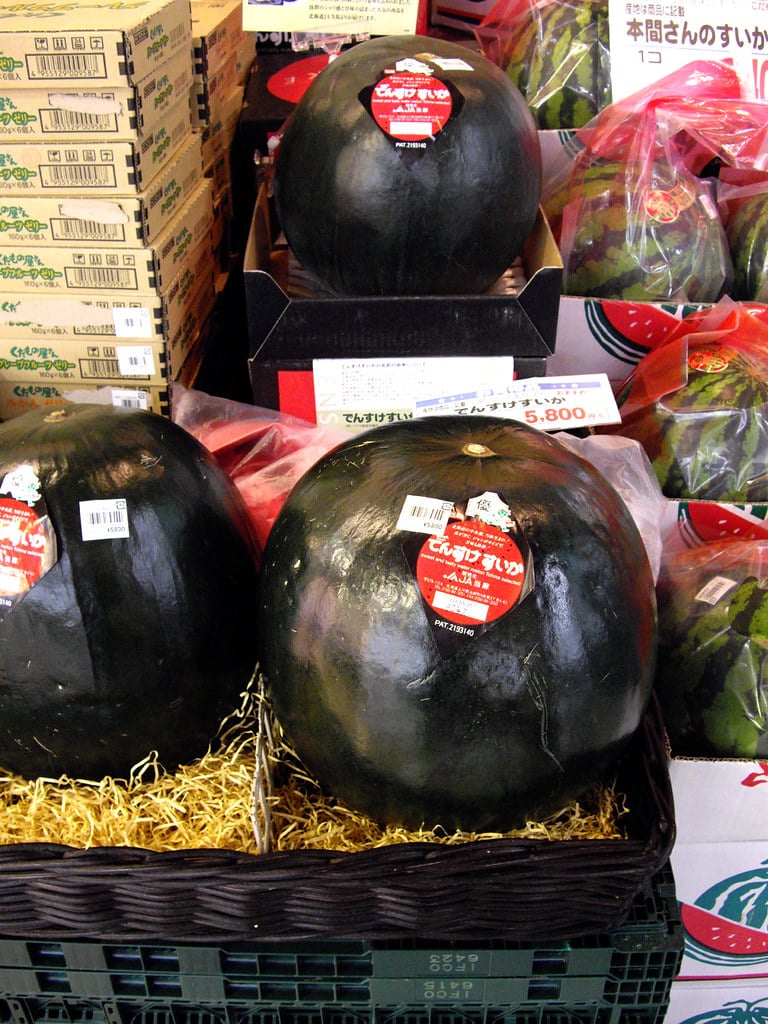
These jet-black watermelons grow only on Hokkaido, and farmers produce maybe a few dozen each year.The dark skin makes them look cool, but people really shell out money for how sweet and crisp they are inside.
One sold for $6,100 at auction, which seems insane for something that’s basically just a watermelon.They’re almost always given as really impressive gifts rather than just sliced up for a summer picnic.
Almas caviar
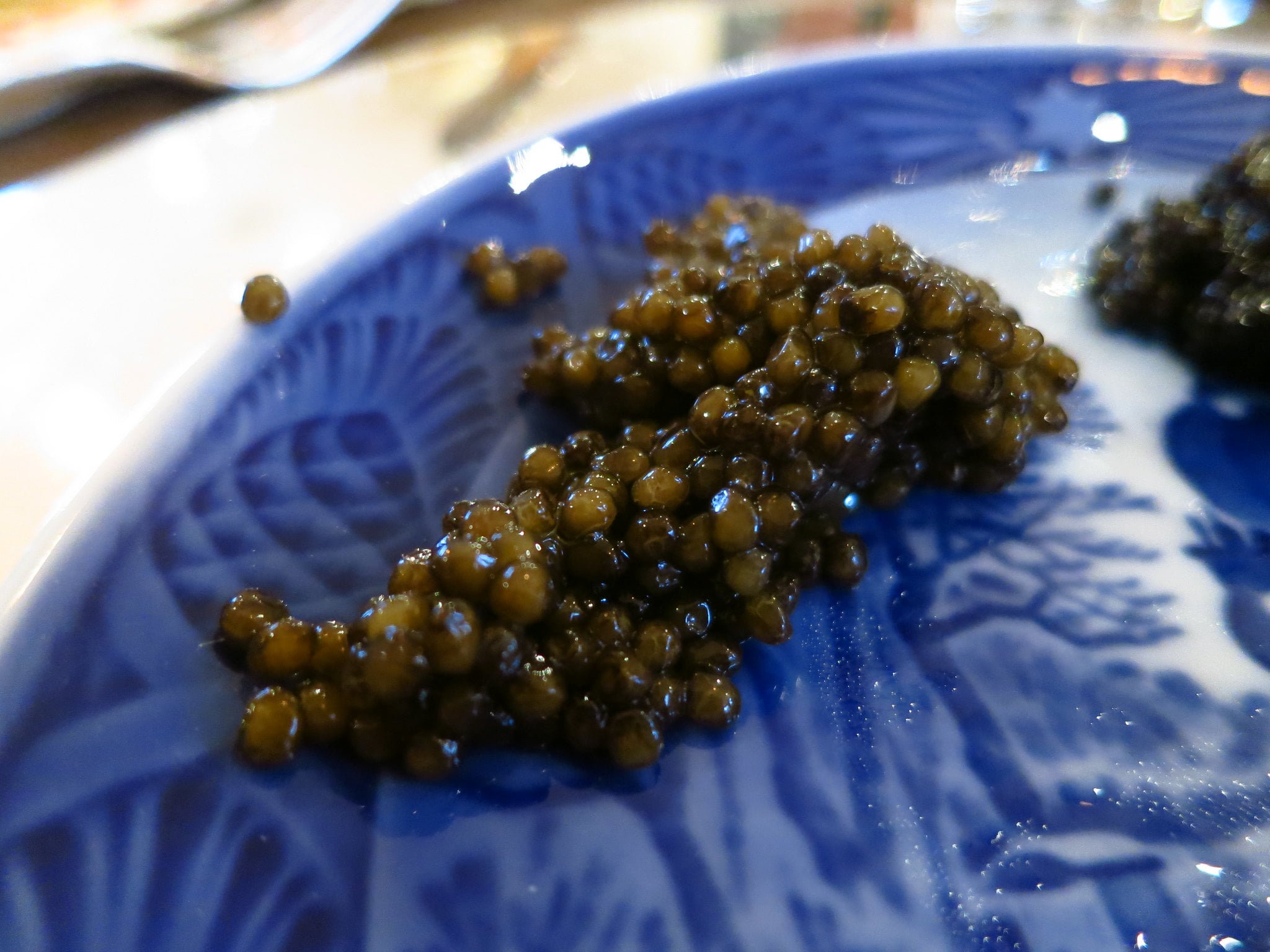
This caviar comes from Iranian beluga sturgeons that are between 60 and 100 years old, which makes finding them incredibly difficult.The eggs are pale and come packaged in a 24-karat gold tin, because apparently regular packaging wouldn’t cut it.
It costs about $25,000 per tin, and you can only buy it at a handful of stores worldwide.The Caviar House & Prunier in London is one of the few places that actually stocks it for billionaires who want to try it.
Wagyu beef from Kobe

Real Kobe beef comes from a specific breed of cattle raised in Japan’s Hyogo Prefecture under ridiculously strict rules.The cows get special feed and careful handling, and there are stories about them getting massages and beer, though farmers say that’s mostly exaggerated.
A steak easily costs $200 per pound, and the fat marbling creates this texture that practically dissolves in your mouth.For years, restaurants around the world sold fake Kobe beef, so people who pay top dollar now really care about getting certificates proving it’s authentic.
Saffron

This spice actually costs more per ounce than gold, and that’s not an exaggeration.Workers have to pick the tiny red threads from crocus flowers by hand, one flower at a time, and it takes roughly 75,000 flowers to make a single pound.
That pound will run you $5,000 or more, making even a small pinch pretty expensive for a home cook.The flavor adds this earthy, slightly sweet taste to dishes, and it turns everything a bright yellow color.
Matsutake mushrooms
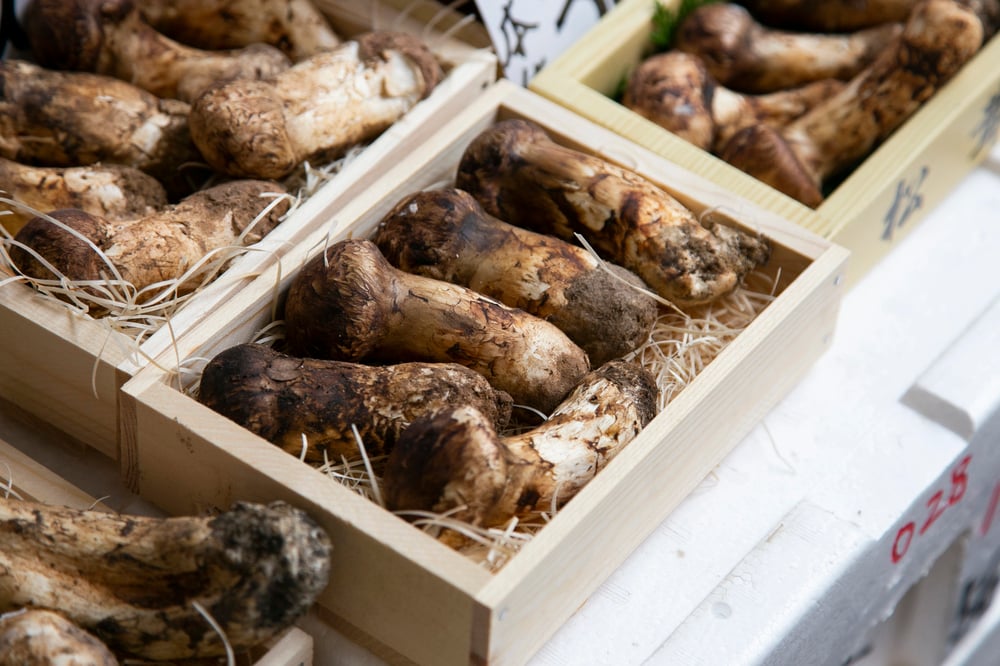
These Japanese mushrooms grow in specific forests and have gotten harder to find every year as insects and diseases kill the trees they need.They smell spicy and earthy, kind of like if cinnamon and pine trees had a baby.
The rarest ones cost $1,000 per pound, and chefs go nuts for their unique flavor and meaty texture.Climate change has made the situation worse, so prices keep climbing as they become scarcer.
Foie gras from endangered geese
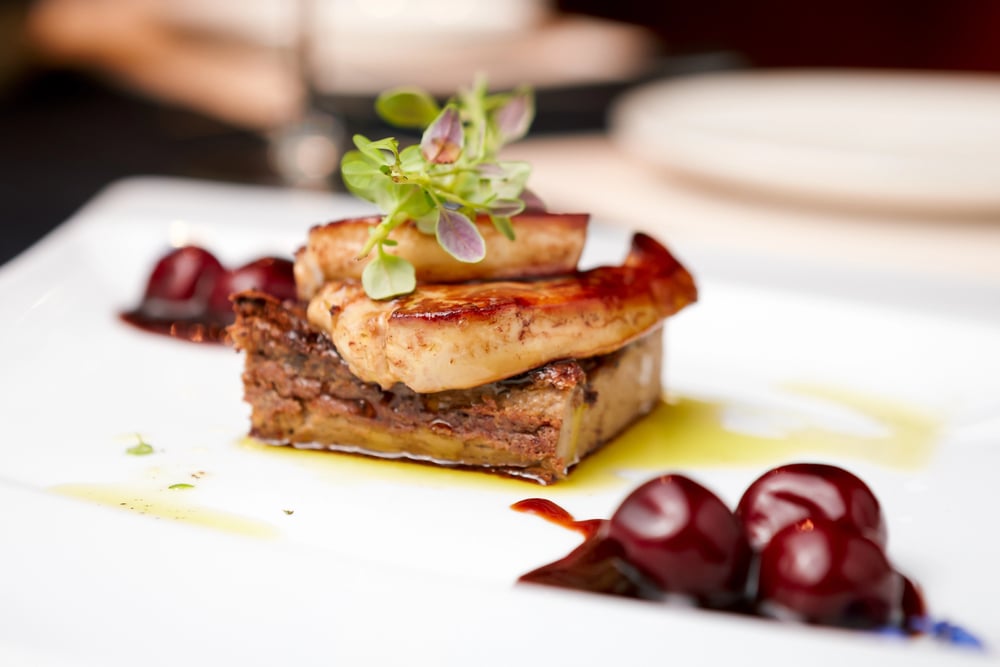
The priciest foie gras comes from rare heritage breed geese in Hungary raised the old-fashioned way.Producers hand-feed the geese to fatten up their livers, which animal rights activists hate and have protested for years.
A single serving at a top restaurant can cost several hundred dollars.California and New York City have banned it, along with several countries, which makes it even harder to get in places where it’s still legal.
Bluefin tuna

One bluefin tuna sold for $3.1 million at a Tokyo fish auction, though that was partly a publicity stunt by a restaurant owner.Even normal bluefin runs about $200 per pound because we’ve fished so many of them that they’re endangered.
The fatty belly meat, called otoro, is so rich it basically melts on your tongue.Conservation groups keep begging people to stop eating it before we wipe them out completely, but high-end sushi restaurants still charge premium prices.
Bird’s nest soup

This Chinese delicacy comes from the dried spit of swiftlet birds that build nests on steep cave walls.People risk their lives climbing up rickety bamboo structures to collect the nests, which then get cleaned and soaked for soup.
A bowl at an upscale restaurant costs $100 or more, and lots of people believe it’s good for your health and skin.The texture is slippery and gelatinous, and honestly, the taste is pretty bland for something so expensive and dangerous to harvest.
Moose cheese
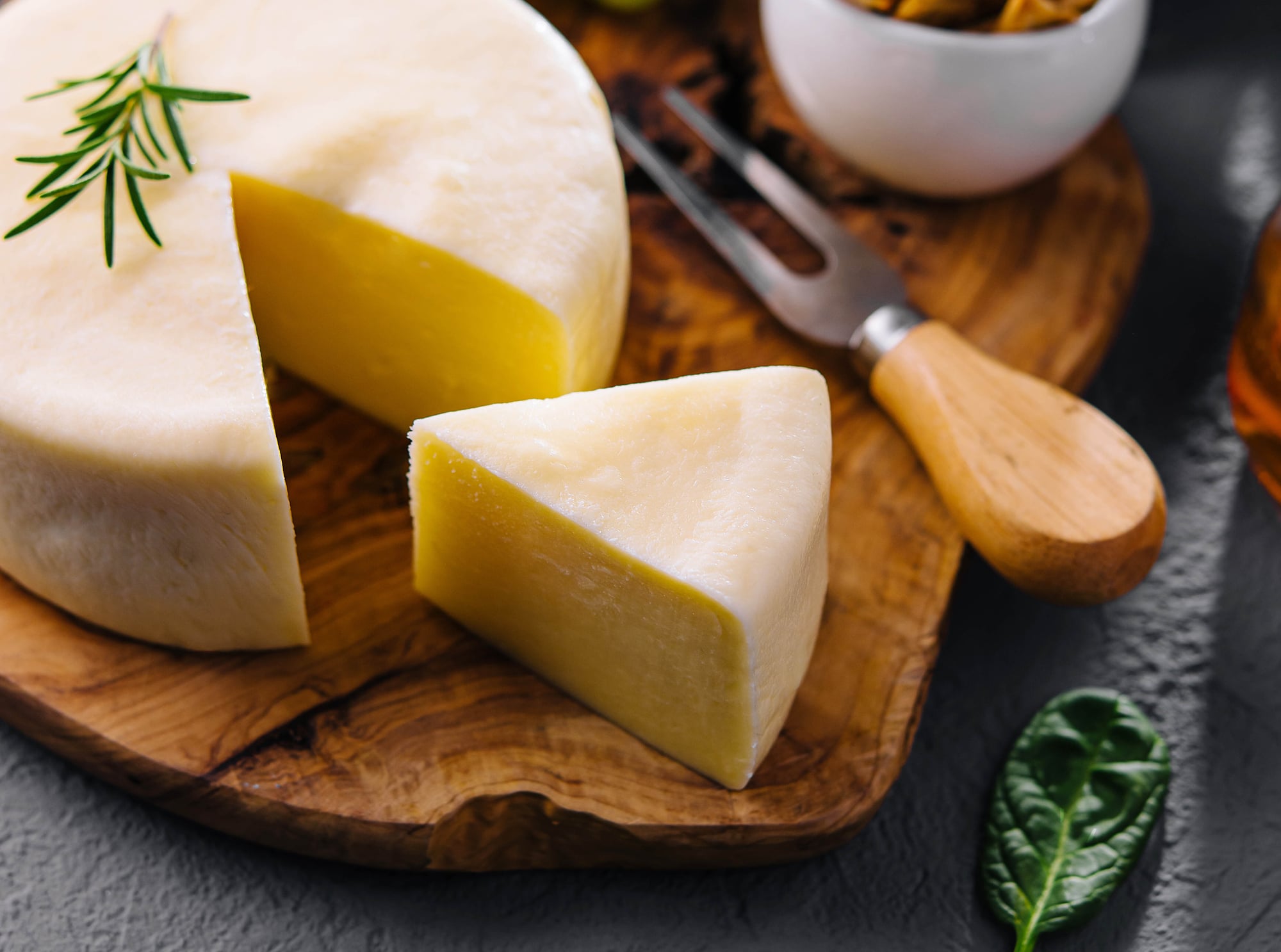
One farm in Sweden makes the world’s only moose cheese because they’re the only ones with moose that tolerate being milked.They have three moose, and they can only milk them during certain months when the animals are in the mood to cooperate.
It costs about $500 per pound, and the farm makes so little that most gets used in their own restaurant.Apparently moose can get pretty cranky about the whole milking process, which explains why nobody else has tried to compete.
White truffles from Alba

These Italian truffles grow underground near oak tree roots, and the only way to find them is with dogs that can smell them through the soil.The season only lasts from October to December, and a really good truffle can cost $3,000 per pound or way more.
Their smell is intense and garlicky, and just shaving a little bit over pasta or scrambled eggs transforms the whole dish.Bad weather and climate shifts have made harvests unpredictable lately, pushing prices even higher.
Pule cheese

This Serbian cheese comes from Balkan donkey milk, and it takes 25 liters of milk to make just over two pounds of cheese.A pound costs around $600, earning it the title of world’s most expensive cheese.
The farm that makes it only has about 100 donkeys that can be milked, so production is tiny.The cheese is white and crumbly with this tangy flavor that’s apparently hard to compare to anything else.
Gold-leafed desserts

Some restaurants slap edible gold leaf on desserts, which adds absolutely zero flavor but jacks up the price like crazy.You can find sundaes topped with gold flakes for $1,000 or more at certain spots in New York and Dubai.
The gold just passes straight through your digestive system without doing anything, so it’s purely about the Instagram photo.Still, plenty of people seem to think that’s worth paying for.
Swallow’s nest drink

This is different from the soup version and comes bottled up as a health drink marketed mostly in Asia. Companies process the swiftlet nests into a thick liquid and sell bottles for $100 each or higher.
People swear it improves skin and boosts energy, though scientists haven’t found much proof of that. It’s sweet and jelly-like if sugar gets added, but the plain version doesn’t taste like much of anything.
Ayam Cemani chicken

This Indonesian chicken breed is completely black from head to toe, inside and out, which looks pretty wild. The meat supposedly tastes richer and better than regular chicken, and some cultures think it has mystical properties.
A single bird can sell for $2,500, making it one of the priciest chickens you can buy. Almost no restaurants serve it, so most people who buy them are breeders or collectors showing them off.
To-Bu beef

This ultra-premium Japanese beef comes from cows in Tochigi Prefecture raised under even crazier rules than regular wagyu. Only a few hundred cows qualify for the To-Bu label each year based on how the meat looks and feels.
A steak runs over $300 per pound, and most of it never leaves Japan. The fat content is so high that the meat starts melting if you leave it out at room temperature for too long.
Where luxury gets ridiculous

These foods prove that when people have unlimited money, they’ll pay for almost anything that other people can’t have. Most of these things probably don’t taste much better than cheaper options, but scarcity and showing off drive the prices through the roof.
The weird part is billionaires likely don’t even pause before ordering them, while everyone else just stares at the prices in disbelief. These foods will probably stay completely out of reach for normal people as long as somebody out there wants to brag about eating something almost nobody else can afford.
More from Go2Tutors!

- The Romanov Crown Jewels and Their Tragic Fate
- 13 Historical Mysteries That Science Still Can’t Solve
- Famous Hoaxes That Fooled the World for Years
- 15 Child Stars with Tragic Adult Lives
- 16 Famous Jewelry Pieces in History
Like Go2Tutors’s content? Follow us on MSN.