Airports With the Most Dangerous Runways
Landing a plane takes skill under normal circumstances. But some airports test even the most experienced pilots.
Short runways that end at cliff edges. Approaches through mountain valleys where one wrong turn means disaster.
Strips of pavement where crosswinds hit so hard that planes land sideways. These airports exist because people need to reach remote places, and sometimes the only option is to build where the terrain refuses to cooperate.
Tenzing-Hillary Airport, Nepal

The runway sits at 9,334 feet above sea level in the Himalayas. It’s only 1,729 feet long and slopes downward at a 12% grade.
Mountains surround the airport on all sides. Pilots get one shot at landing—there’s no space to circle back for another attempt.
If you miss the approach, you keep flying and hope you have enough fuel to reach somewhere else. The airport serves as the main gateway to Mount Everest.
Trekkers and climbers fly in despite the risks because the alternative involves days of additional travel. The thin air at that altitude affects engine performance.
Weather changes rapidly in the mountains. Clouds roll in without warning and visibility drops to nothing.
Only specially trained pilots can land here. Even then, flights only operate during daylight hours with good weather.
The airport has seen multiple crashes over the years. But it remains open because the local economy depends on tourism, and tourists need a way in.
Princess Juliana International Airport, St. Maarten

Planes approach this Caribbean airport so low that beachgoers can practically touch them. The runway measures 7,546 feet, which sounds reasonable until you factor in that it starts almost immediately after a public beach.
Large aircraft need every inch of that pavement to stop. The approach path crosses directly over Maho Beach.
People gather there specifically to experience jet blast from departing planes and to photograph arriving aircraft flying overhead at what feels like impossible proximity. The wind from departing jets has knocked people over and thrown them against barriers.
Signs warn about the danger, but tourists ignore them for the photo opportunity. Pilots need to time their descent perfectly.
Come in too high and you overshoot the runway into the ocean. Too low and you risk clipping the fence or hitting the beach.
Crosswinds from the ocean add another variable. The airport handles hundreds of flights weekly despite these challenges because the island depends on tourism revenue.
Courchevel Altiport, France

This French Alps airport serves one of the world’s most exclusive ski resorts. The runway is 1,722 feet long with an 18.5% gradient—the steepest in Europe.
It slopes upward dramatically, which helps arriving planes slow down but makes takeoffs terrifying. You accelerate uphill and then suddenly there’s nothing but a valley below you.
Mountains block approaches from most directions. Pilots must navigate through a narrow corridor with peaks on either side.
There’s no instrument landing system. Weather in the Alps changes in minutes.
What starts as clear skies becomes whiteout conditions before you can abort. Only helicopters and small aircraft can use this runway.
The airport doesn’t even have lights for night operations. But wealthy skiers pay premium prices to land here instead of driving up winding mountain roads.
The convenience matters more than the risk to people who can afford it.
Paro International Airport, Bhutan

Fewer than two dozen pilots worldwide have certification to land at Paro. The approach requires flying through a valley so narrow that pilots follow the river below them, banking sharply between peaks.
You can’t see the runway until the final moments of approach. The airport sits at 7,364 feet elevation in the Himalayas.
Mountains rise 18,000 feet on either side of the approach path. Pilots memorize landmarks—a red roof here, a monastery there—because instruments alone won’t get you down safely.
Flights only operate during daylight. Weather conditions change constantly.
Wind shear from the valleys creates turbulence that makes passengers reconsider their travel plans. Bhutan limits tourist numbers deliberately, and the challenging airport helps enforce that restriction.
Only Bhutan’s national carrier and a couple of other airlines fly here. The government could build a less dangerous airport elsewhere, but the current location serves their controlled tourism model.
Juancho E. Yrausquin Airport, Saba
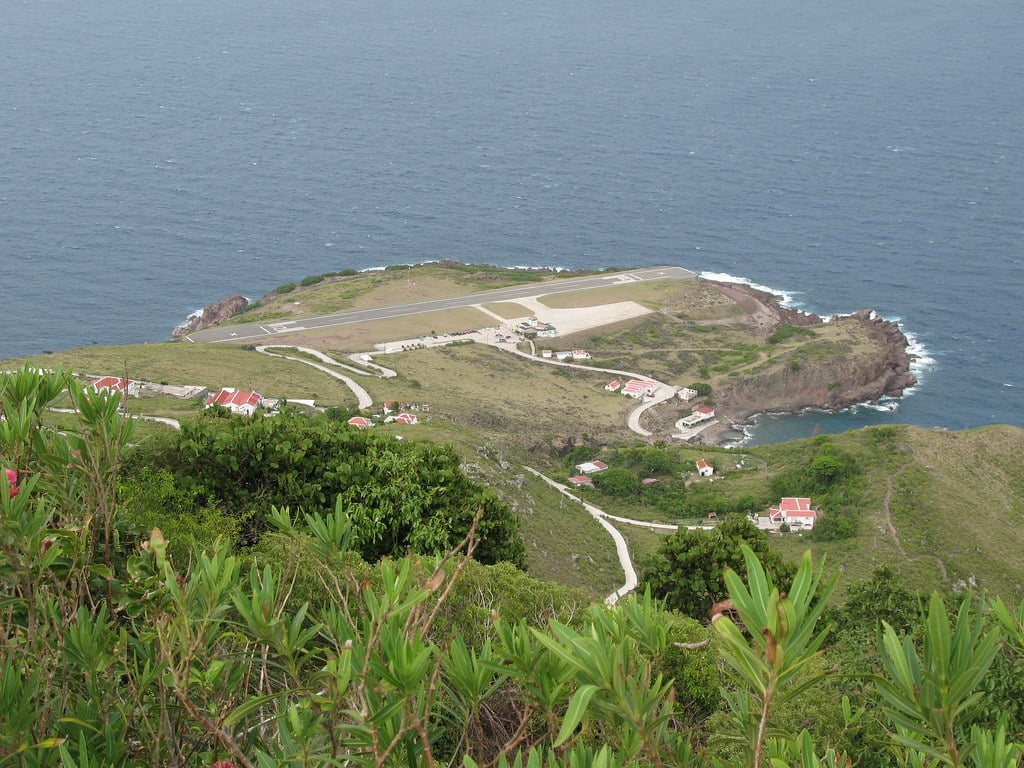
This Caribbean island airport has the shortest commercial runway in the world at just 1,300 feet. Cliffs drop into the ocean on both ends.
There’s no room for error. You land, or you die.
Those are essentially the only two options once you commit to the approach. The island is tiny—just five square miles—and mountainous.
Engineers built the runway on the only piece of flat land available, which happened to be a small plateau with sheer drops on multiple sides. Weather affects operations constantly.
Wind, rain, or poor visibility grounds all flights immediately. Only small propeller planes can land here.
Larger aircraft physically cannot stop in time. The few airlines that serve Saba employ pilots with extensive training for this specific runway.
Tourists visit the island despite—or sometimes because of—the dramatic landing. The approach and departure provide views that would be stunning if you weren’t gripping your armrest.
Gibraltar International Airport
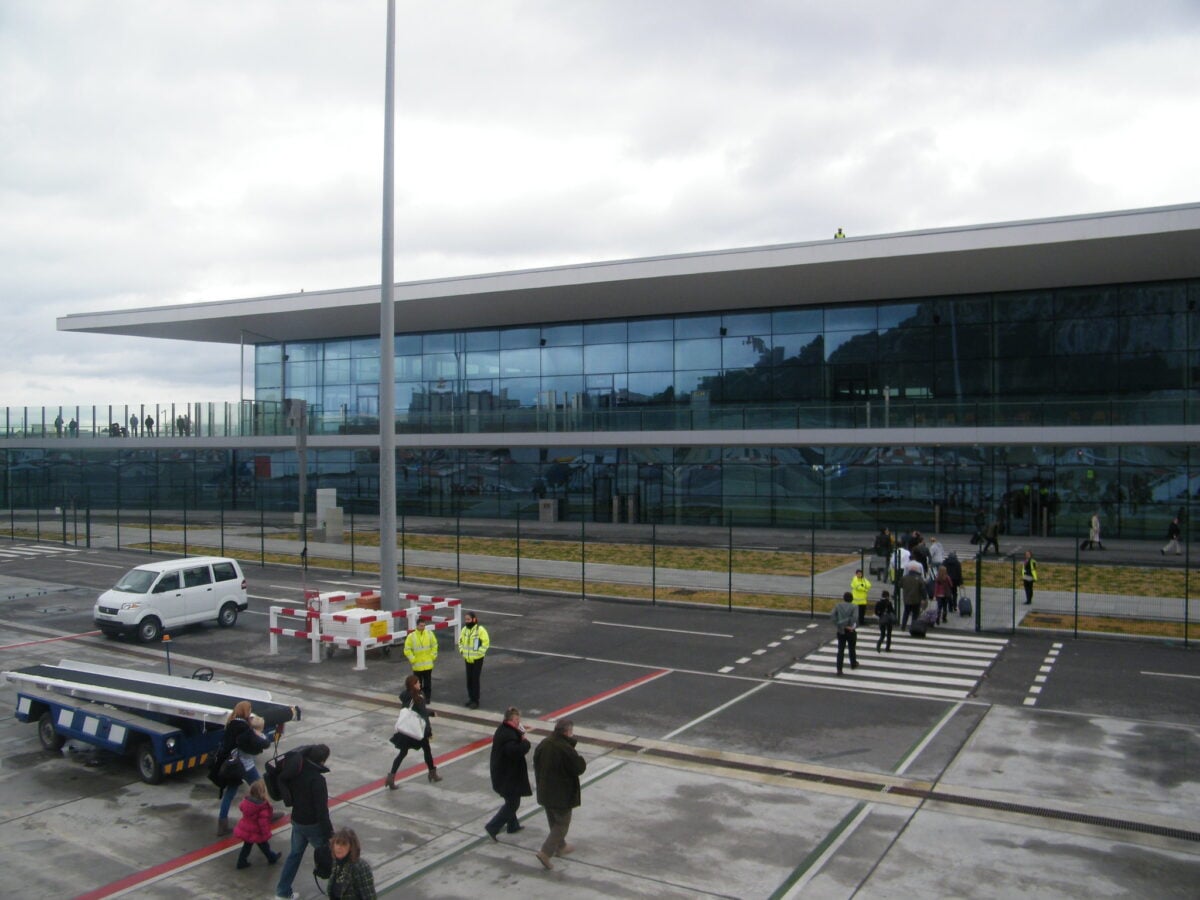
The runway crosses Winston Churchill Avenue, the main road into Gibraltar. Traffic stops when planes land or take off.
Barriers come down like railroad crossing gates, cars wait, and aircraft roll across the intersection. This setup exists nowhere else in the world for good reason.
Gibraltar sits on a narrow peninsula with the Rock of Gibraltar taking up most of the space. Engineers had limited options for runway placement.
They built it across the only flat area available, which happened to have a road running through it. Strong crosswinds from the Mediterranean Sea complicate landings.
The Rock creates turbulence as wind bounces off it. Pilots must account for wind shear, a short runway, and the odd sensation of landing across a road where people were driving minutes ago.
The airport handles commercial traffic despite these issues because Gibraltar needs air access for both military and civilian purposes. Expanding the runway into the sea has been discussed but remains complicated by territorial disputes.
Madeira Airport, Portugal
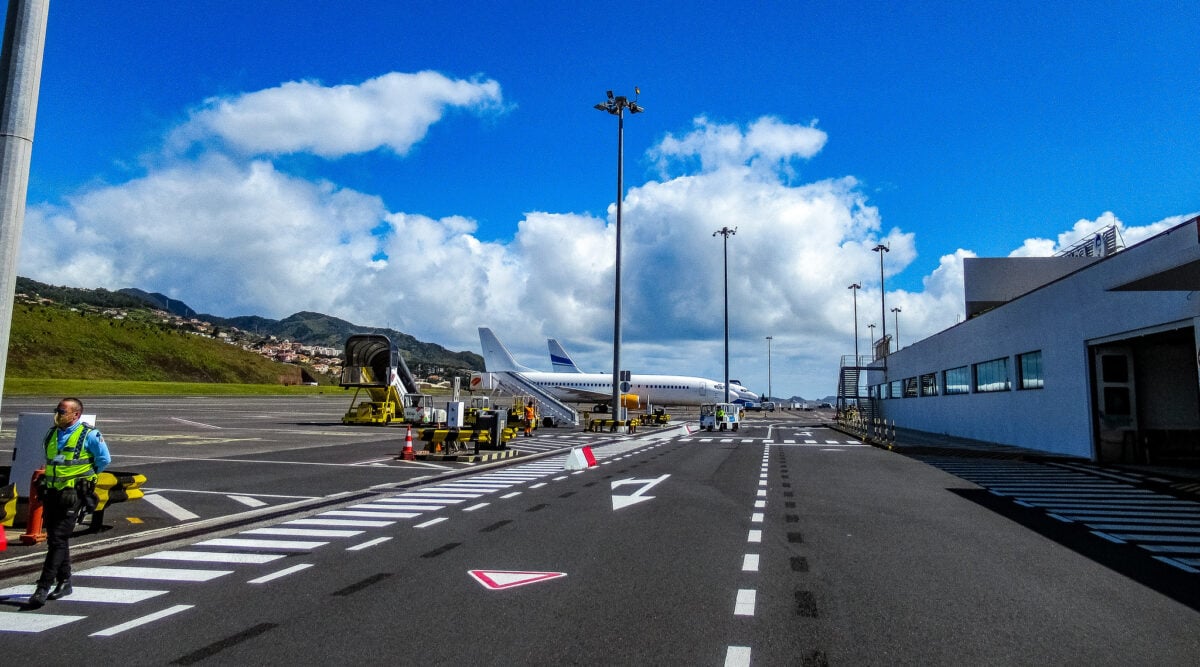
This airport extended its runway by building a platform over the ocean, supported by columns. Half the runway sits on solid ground.
The other half hovers above water on a structure that won seven engineering awards. The original runway was too short and too dangerous, but there was nowhere to expand except out to sea.
Mountainous terrain forces approaches over water. Wind patterns around Madeira create severe turbulence.
The airport sits in a valley surrounded by peaks that affect wind direction unpredictably. Pilots train specifically for Madeira’s conditions.
Some airlines require pilots to practice on simulators before attempting a real landing. The island depends on tourism, and tourists need to fly in.
The engineering solution—building half a runway on stilts—sounds insane but works. The runway extension cost millions and took years to complete.
But it made the airport safer than the original configuration where pilots regularly overshot the too-short pavement.
McMurdo Air Station, Antarctica

Ice runways present unique challenges. McMurdo operates on a frozen surface that shifts with seasons.
Engineers monitor ice thickness constantly. Too thin and planes break through.
But the ice needs to be thick enough to support heavy cargo aircraft. Temperature changes affect runway conditions daily.
Weather shuts down operations frequently. Whiteout conditions make the horizon disappear.
You can’t tell where the sky ends and the ice begins. Wind chill drops to deadly temperatures.
Equipment failures become life-threatening because there’s nowhere to go if something breaks. The station supports scientific research in Antarctica.
Cargo planes bring supplies that researchers need to survive. Despite the danger, flights operate because there’s no alternative.
Ships can’t reach McMurdo year-round due to ice. Air access keeps the research station functioning.
Barra Airport, Scotland

Planes land on the beach. The tides determine the flight schedule.
When water covers the runway, nothing lands. When the tide goes out, revealing firm sand, aircraft can operate.
The three runways are simply different sections of beach marked with wooden poles. This is the only airport in the world where scheduled flights use a tidal beach as a runway.
It exists because the island of Barra is remote, small, and flat. Building a traditional runway would cost more than the island could justify.
The beach solution works most of the time. Pilots must check tide tables before planning approaches.
Wind, weather, and wave conditions all affect whether landing is safe. Cockle pickers—people harvesting shellfish—share the beach with incoming flights.
Everyone watches the sky and yields when they hear engines. It sounds chaotic but has worked for decades.
Toncontin International Airport, Honduras

The runway sits in a valley surrounded by mountains. The approach requires a dramatic last-minute turn at low altitude.
Pilots must bank sharply while descending rapidly, then level out just in time to touch down. Get the timing wrong and you either hit a mountain or overshoot the runway.
The airport serves Tegucigalpa, Honduras’s capital. The city grew in a valley with limited flat space.
Relocating the airport has been discussed for years, but the cost and logistical challenges keep it where it is. Meanwhile, pilots continue navigating one of Central America’s most challenging approaches.
Steep valley walls create wind shear and turbulence. The runway is relatively short for an international airport.
Weather in the mountains changes quickly. Fog rolls in and visibility drops.
Despite these factors, the airport remains operational because the city needs air access for business and tourism.
Congonhas Airport, Brazil

This airport sits in the middle of São Paulo, one of the world’s largest cities. Skyscrapers surround the runway.
The approach path crosses densely populated neighborhoods. The runway measures 6,365 feet, which is short for the volume of large aircraft it handles.
Buildings create turbulence. Weather patterns affected by urban heat islands complicate approaches.
The runway has a history of accidents, including a major crash in 2007 that killed 199 people. Calls to close the airport surface regularly, but it remains open because downtown São Paulo needs air access.
The airport handles over 20 million passengers annually. Moving that volume to airports farther from the city center would create massive transportation challenges.
The runway underwent improvements after crashes, but the fundamental limitations remain. Pilots familiar with Congonhas know it demands respect and precision.
Narsarsuaq Airport, Greenland

Frozen channels, towering ice chunks, drifting in on shifting winds – Narsarsuaq reveals itself slowly. At the edge of a deep inlet, the strip lies boxed in by steep slopes and ancient rivers of ice.
Getting there means threading through narrow waterways, tilting past sheer frozen cliffs. Cold breath off the glaciers crashes into damp sea currents, stirring up sudden gusts.
Each turn along the route demands attention, shaped by air that never settles. Fog sweeps inland fast, cutting sight before anyone notices.
Out of nowhere, mist surges across the water and swallows the inlet whole. Though the strip stretches sufficiently, reaching it means crossing ground where errors stick around.
Forecasts shift quicker than aircraft can respond. Down south in Greenland, getting there by plane beats boats or trekking through rough terrain – those ways drag on much longer, held back by unpredictable storms.
Though icy winds howl and snow piles up, runways stay open; people cut off from supplies and services rely on these lifelines. Flights keep moving, not because they are easy, but because villages far away cannot wait for perfect skies.
Where Risk Meets Necessity

These airports exist because geography doesn’t care about aviation safety requirements. Mountains don’t move.
Islands don’t expand. Weather patterns don’t change to accommodate flight schedules.
Engineers and pilots work within constraints that would make most people choose a different career. The airports on this list handle thousands of flights and passengers despite their dangers.
That fact speaks to both human ingenuity and human determination to reach remote places. Technology improves.
Training gets better. But some runways will always test the limits of what’s possible in aviation.
They remain operational because the alternative—isolating entire communities—isn’t acceptable. So pilots train extensively, wait for good weather, and make approaches that would be illegal anywhere else.
And usually, they land safely.
More from Go2Tutors!

- The Romanov Crown Jewels and Their Tragic Fate
- 13 Historical Mysteries That Science Still Can’t Solve
- Famous Hoaxes That Fooled the World for Years
- 15 Child Stars with Tragic Adult Lives
- 16 Famous Jewelry Pieces in History
Like Go2Tutors’s content? Follow us on MSN.