15 Surprising Facts About Holiday Bells
Bells have been part of winter celebrations for centuries, ringing out across snowy landscapes and filling homes with their distinct sound. These instruments carry meaning that goes far beyond their simple chime.
From ancient traditions to modern decorations, bells connect people to memories, rituals, and stories that span cultures and continents. Their presence during the holidays feels natural now, but the reasons behind this tradition reveal fascinating history.
The sound of bells during December didn’t happen by accident. Each ring carries centuries of tradition and purpose that most people never think about.
Church bells once announced Christmas at midnight

Churches across Europe began the tradition of ringing bells at midnight on Christmas Eve to mark the exact moment of celebration. The practice started in the Middle Ages when most people couldn’t read and relied on bells to tell time and signal important events.
Twelve chimes would ring out to represent the twelve apostles, followed by a joyful peal that could be heard for miles. Communities would gather in town squares or walk through snow to reach their local church, guided by the sound.
This tradition continues in many places today, though fewer people venture out into the cold to hear it in person.
Sleigh bells were originally a safety device

Those jingling bells attached to horse-drawn sleighs served a critical practical purpose before they became festive decorations. Snow muffled the sound of hooves and wheels, making it nearly impossible for pedestrians to hear approaching sleighs.
Bells warned people to step aside and prevented accidents on busy winter streets. Different bell arrangements created unique sound patterns that let people identify who was coming before the sleigh came into view.
The larger and wealthier the family, the more elaborate their bell setup typically became, turning a safety tool into a status symbol.
Salvation Army bell ringers started in San Francisco
The red kettle and hand bell combination began in 1891 when Salvation Army Captain Joseph McFee needed to fund Christmas dinners for poor families. He remembered seeing a large pot in Liverpool, England, where sailors would toss coins for charity.
McFee placed a similar pot at a San Francisco pier with a sign reading ‘Keep the Pot Boiling.’ The bell came later as a way to draw attention to the kettle, and the combination proved so effective that it spread nationwide.
Today, those bells raise around $150 million annually during the holiday season.
Jingle Bells wasn’t written as a Christmas song

James Lord Pierpont composed the tune in 1857 for Thanksgiving, not Christmas. The original title was ‘One Horse Open Sleigh,’ and the lyrics describe a sleigh race rather than a peaceful winter ride.
The song became associated with Christmas later because of its winter theme and catchy melody. Pierpont wrote it while living in Medford, Massachusetts, though Savannah, Georgia also claims the song originated there during one of his visits.
The song’s popularity grew slowly over decades before it became the holiday standard everyone recognizes today.
Handbells require teams to play complex music

English handbells demand coordination between multiple people because each person holds only a few bells covering specific notes. A full set contains bells ranging from tiny ones that fit in a palm to massive ones requiring two hands to lift.
Players must ring their specific bells at exactly the right moment to create a melody, making it more like an orchestra than a solo instrument. The technique requires practice and timing since even a slight delay throws off the entire piece.
Change ringing, a British tradition, involves ringing bells in mathematical patterns that can continue for hours.
Cowbells became Christmas decorations by accident

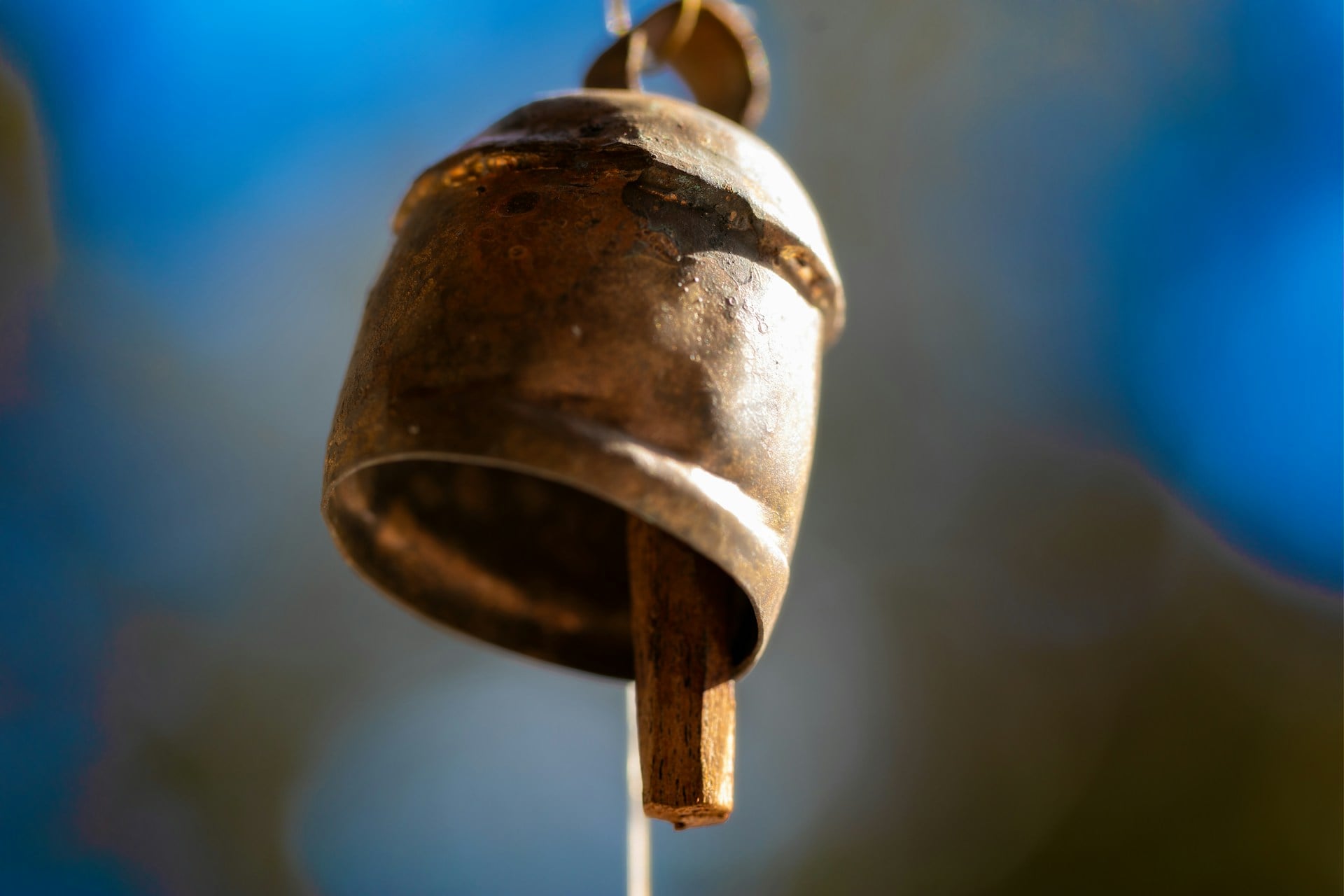
Swiss cowbells entered holiday décor through tourists who brought them back as souvenirs from Alpine regions. These large, clanking bells traditionally helped farmers locate their cattle in mountain pastures where fog and distance made visibility difficult.
American and British travelers associated the bells with picturesque winter scenes of snow-covered Swiss villages. Craft makers began incorporating them into wreaths and garland arrangements, and the trend stuck.
Real cowbells produce a much harsher sound than the gentle jingles people imagine, which is why decorative versions typically use smaller, lighter bells.
Bell metal contains specific copper and tin ratios

The best bells use an alloy called bell bronze, which contains about 80 percent copper and 20 percent tin. This exact mixture creates the clear, resonant tone that pure metals cannot achieve.
Variations in the ratio by even a few percentage points noticeably affect the sound quality and durability. Bell founders guard their specific recipes as trade secrets passed down through generations.
The alloy is brittle and difficult to work with, requiring specialized casting techniques that take years to master.
Different cultures use bells in unique holiday ways
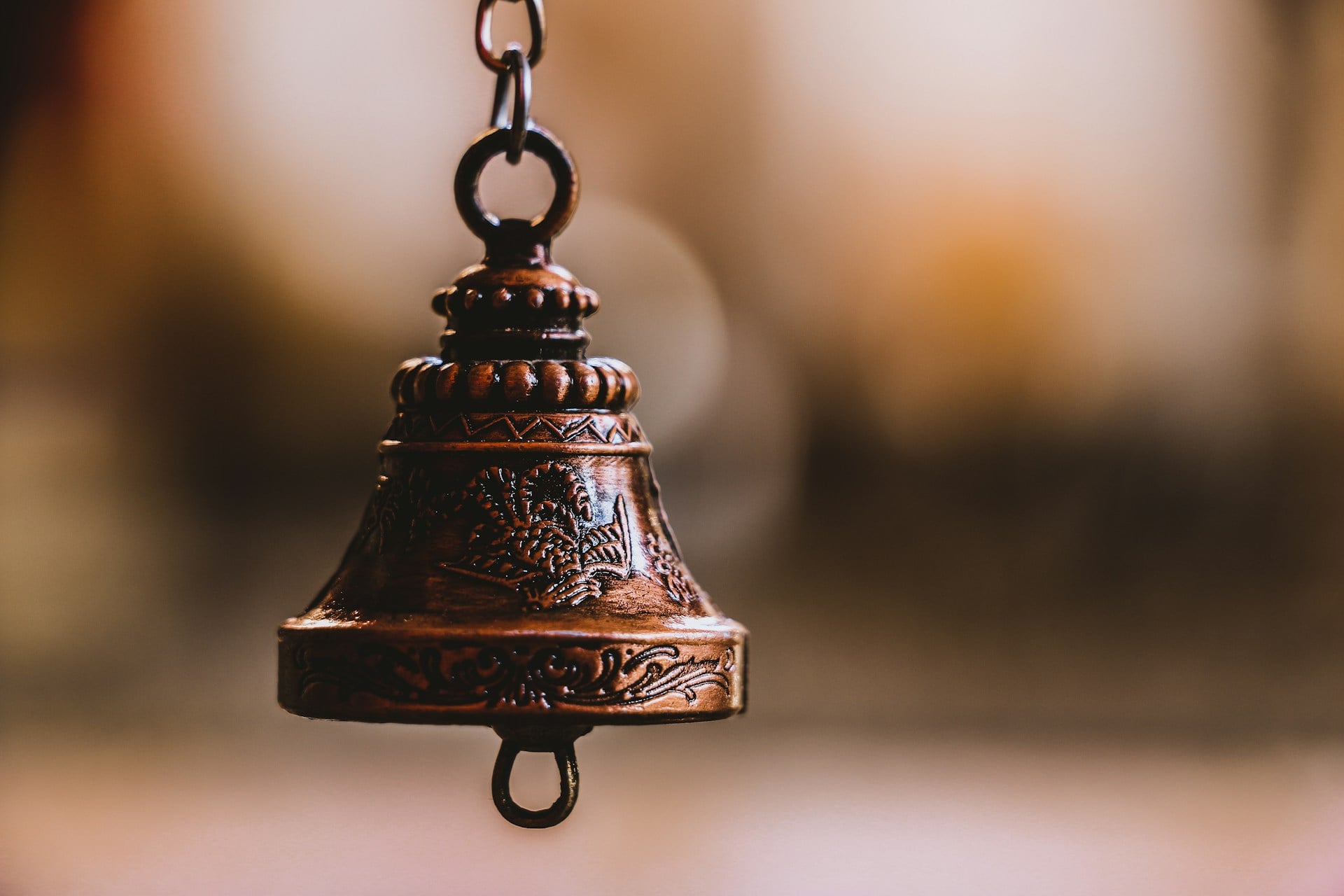
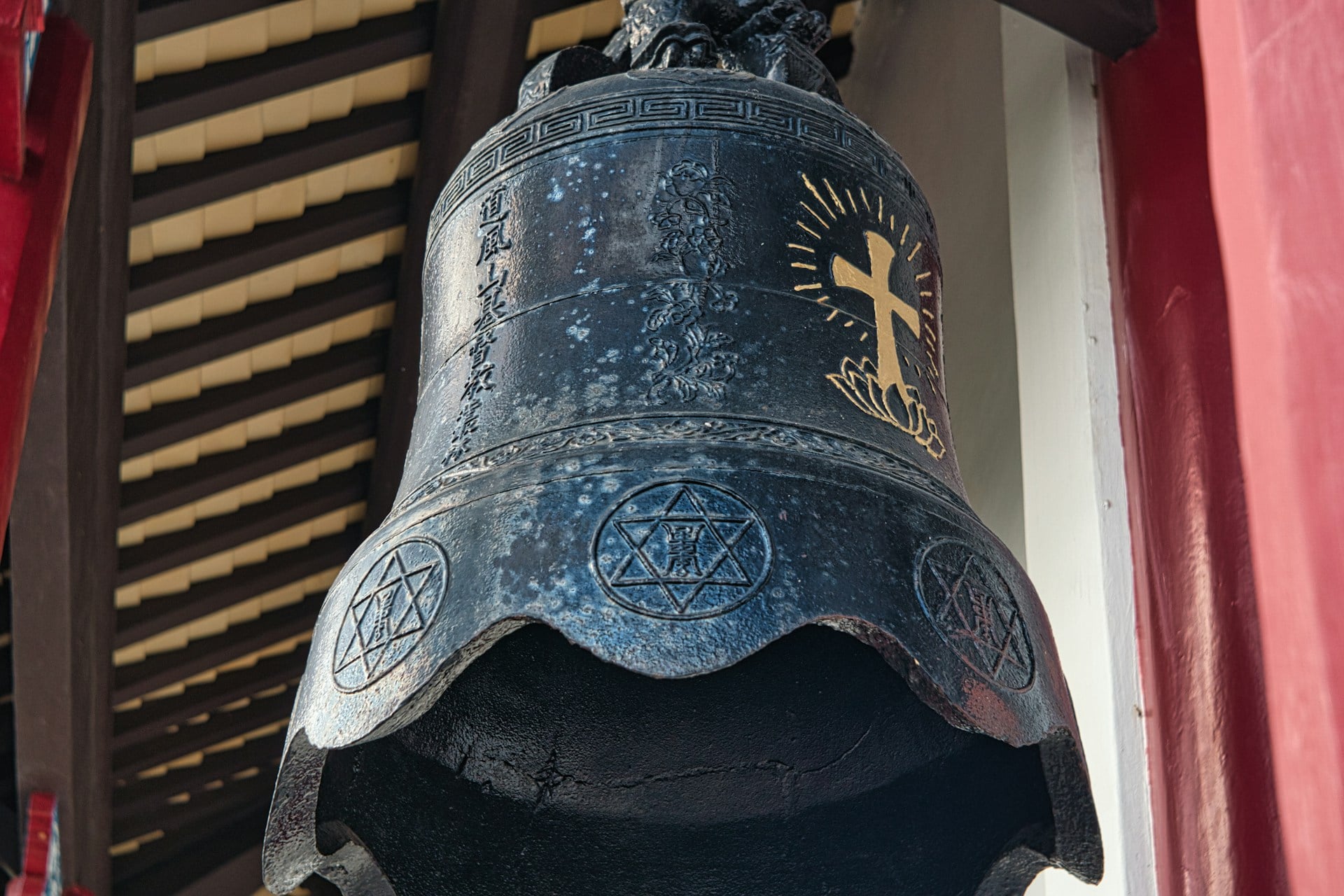
Scandinavian countries hang bells on Christmas trees to represent angels announcing Christ’s birth, while Italian families ring bells during the Feast of the Epiphany. In some parts of Mexico, bells play during Las Posadas, the nine-day celebration reenacting Mary and Joseph’s search for shelter.
Japanese Buddhist temples ring their bells 108 times on New Year’s Eve to cleanse the 108 earthly desires that cause suffering. Each tradition assigns different meanings to the sound, but the core idea of bells marking sacred or special time remains consistent across cultures.
Carol of the Bells came from Ukraine
The melody originated as a Ukrainian folk chant called ‘Shchedryk,’ which celebrated the coming spring rather than winter holidays. Composer Mykola Leontovych arranged it in 1916 based on traditional melodies sung by village carolers.
Peter Wilhousky added English lyrics in 1936, transforming it into a Christmas carol about bells. The repetitive four-note pattern mimics the sound of bells ringing, creating an almost hypnotic effect.
The song gained popularity slowly but became a holiday staple by the 1960s, with countless artists recording their own versions.
Liberty Bell-style cracks actually improve sound
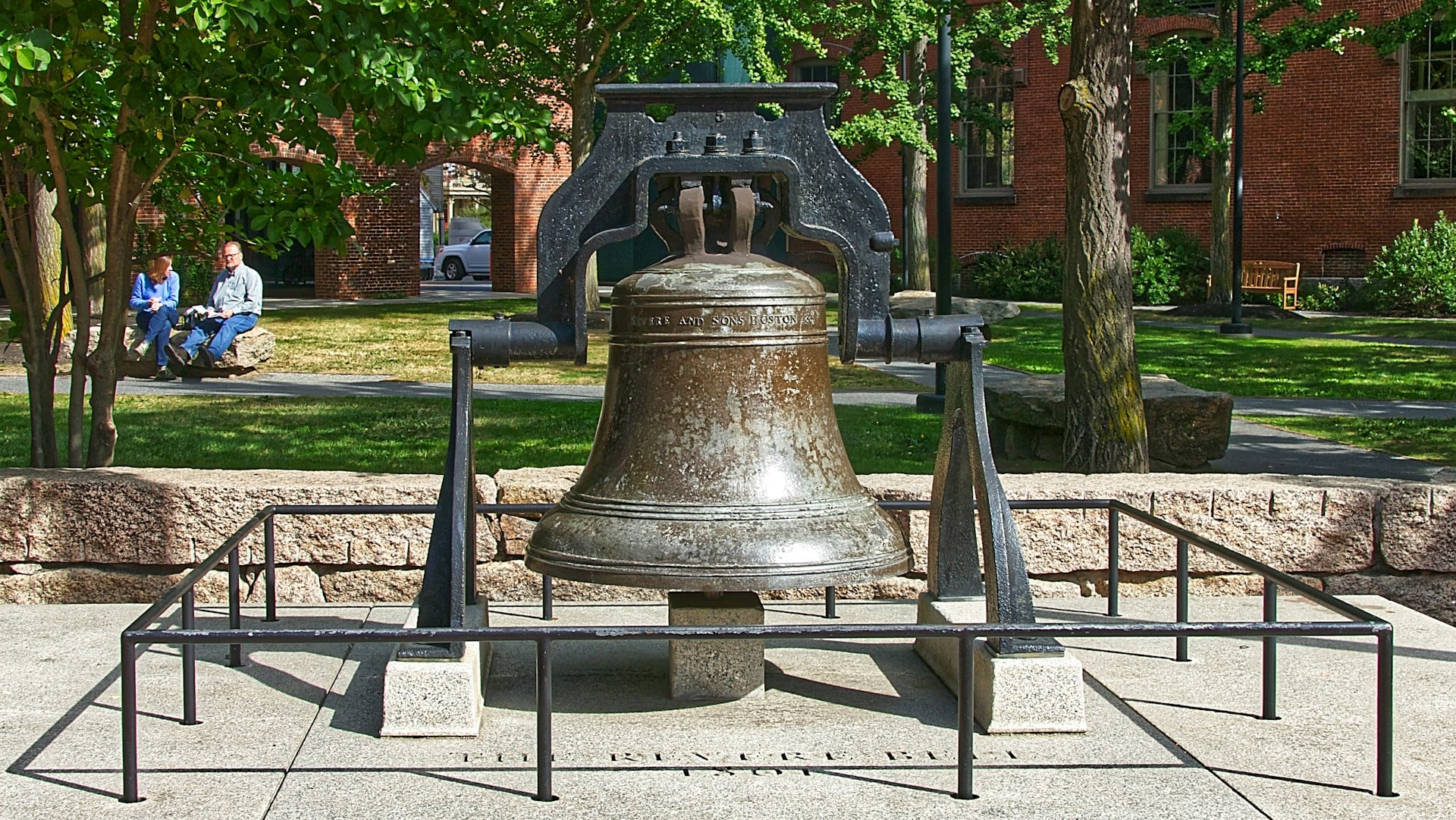
Small cracks in bells can enhance their tone by adding overtones and complexity to the sound. Bell makers sometimes intentionally create controlled cracks or file grooves to achieve specific acoustic properties.
The famous Liberty Bell’s crack actually makes it produce a distinctive thud rather than a ring, but smaller cracks in functional bells create richer tones. However, large cracks that split the bell completely ruin the sound entirely.
The difference between a helpful crack and a destructive one comes down to location and size.
Victorian homes started the decorative bell trend
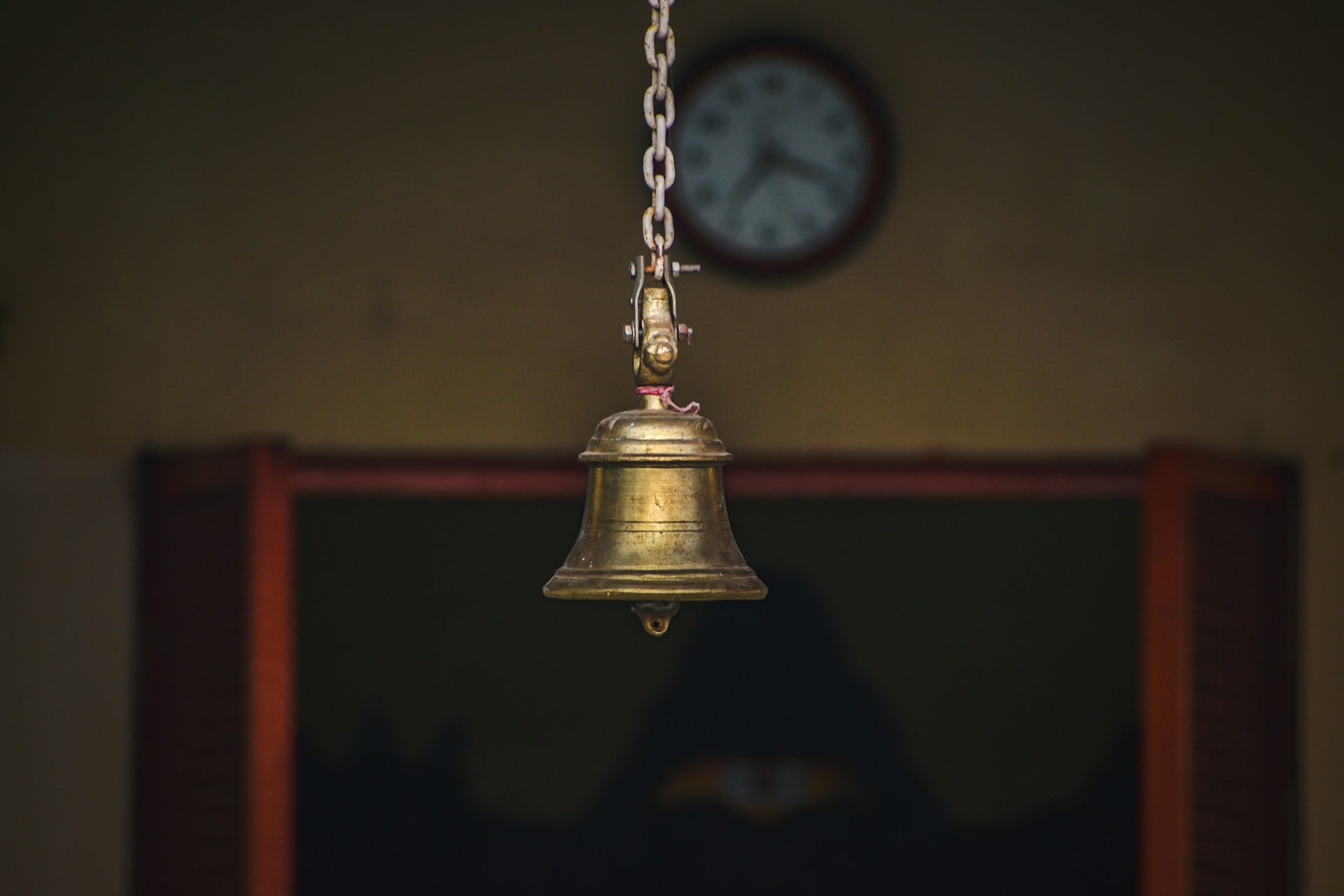
Middle-class Victorian families in the 1800s began using small bells as Christmas tree ornaments and table decorations. Glassblowers in Germany and Bohemia created delicate glass bells specifically for this market, often hand-painting them with winter scenes.
The bells served no functional purpose but added elegance to holiday displays. Wealthier families commissioned sterling silver bells engraved with their family crests.
This shift from functional to purely decorative bells reflected broader changes in how people celebrated Christmas as a domestic, gift-giving holiday.
Fresh off a silent workshop, workers adjust pitch by removing tiny bits of bronze within

Each stroke changes how it sings when struck later. Shaving tiny bits off a bell’s inner surface changes its voice.
From the rim, thinning pulls notes downward. Work near the top brings them higher.
One slip – too deep – and the sound breaks forever. Some holy towers wait weeks while artisans shape their giants note by note.
Today’s makers study vibrations with machines, mapping each cut. Still, only human hands guide the tool.
Precision lives in touch, not code.
Reindeer bells serve a practical purpose

Out in snowy stretches of Scandinavia and Russia, real reindeer tenders tie bells onto their animals – just like those jingling on sleigh rides. When blizzards wipe out visibility or night drapes over the land for weeks, it is the ringing that guides people to the herd.
Each bell sings its own note; bigger ones boom while smaller ones ping, and seasoned herders learn which animal belongs to which chime. Sound travels through frozen air, pulling stragglers back toward the group since reindeer move where noise leads.
Some now slip tracking gadgets under fur, yet the old brass rings remain close at hand when signals fail. Metal music still matters when silence swallows everything.
Working bell casters were part of tightly held trade groups

Bells of old needed skills so rare that workers banded together in groups, training newcomers through long, rigid programs. A flawless casting might demand ten years – or longer – to master.
These founders moved from place to place; few villages had enough need for someone who only made bells. Their work tied together molten metal, sound science, numbers, and beliefs – bells rang inside churches, after all.
Some families guarded their methods like buried treasure, passing quiet know-how down line after line, century upon century.
Silver bells in songs refer to actual instruments
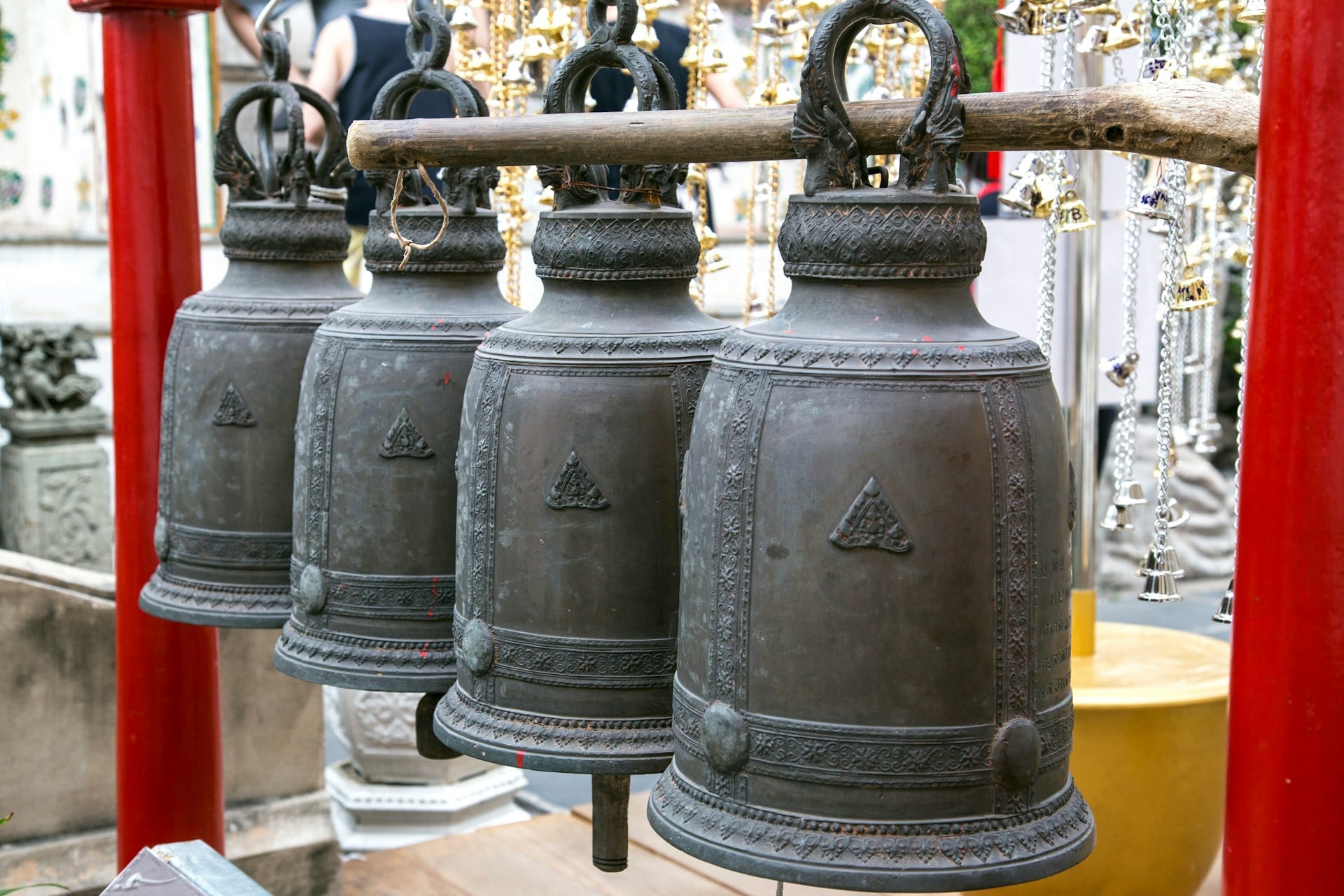
Out on winter sidewalks, those “silver bells” from the holiday tune were more than shiny trinkets – they rang out in hands during marches and gatherings. Usually coated in silver, they gave off a sharp, lively chime suited to joyful moments.
People selling goods or singing door to door shook them to catch attention. The words paint scenes of towns lit up at Christmas, filled with that crisp ringing cutting through cold air.
Today, many hear the phrase and picture silent decorations hanging still – overlooking how they once moved, sounded, mattered.
When bells stop ringing

Time after time, bells pulled folks into rhythm with life’s big moments – births, losses, alerts, delight. Long before screens and speakers showed up, these clangs stitched communities tight through seasons and stories.
Joyful clinks during holidays? That is old wisdom wearing new clothes. Even when phones play jingle tones or machines hum festive notes, the heart of it stays rooted in shared presence.
A true bell hit – the sharp ring of steel on steel – cuts deeper than any speaker can fake. Metal singing to air somehow speaks where silence fails.
More from Go2Tutors!

- The Romanov Crown Jewels and Their Tragic Fate
- 13 Historical Mysteries That Science Still Can’t Solve
- Famous Hoaxes That Fooled the World for Years
- 15 Child Stars with Tragic Adult Lives
- 16 Famous Jewelry Pieces in History
Like Go2Tutors’s content? Follow us on MSN.