Amazing Tourist Spots Of Countries With 5-Letter Names
A few trips get sorted by region, weather, or famous sights. Not this list – instead, it lines up nations with just one thing in common: their names have exactly five letters.
Sounds minor, yet out come places full of contrast, like old towns, quiet islands, wild terrain.
Odd chance links these spots, not maps or traditions. Yet every location stands apart, molded by its past, surroundings, and those living there.
What connects them? Not borders – just timing, maybe luck.
A handful of standout destinations pop up in nations whose names have just five letters. Some surprises wait where short country titles meet big scenery.
Travelers often overlook these places, though they hold strong charm. Where name length is small, experiences can grow large.
Each spot carries its own rhythm, shaped by location and local life. Not every site draws crowds, yet each has reasons to stay.
Five-letter countries sometimes host what bigger ones cannot.
Italy
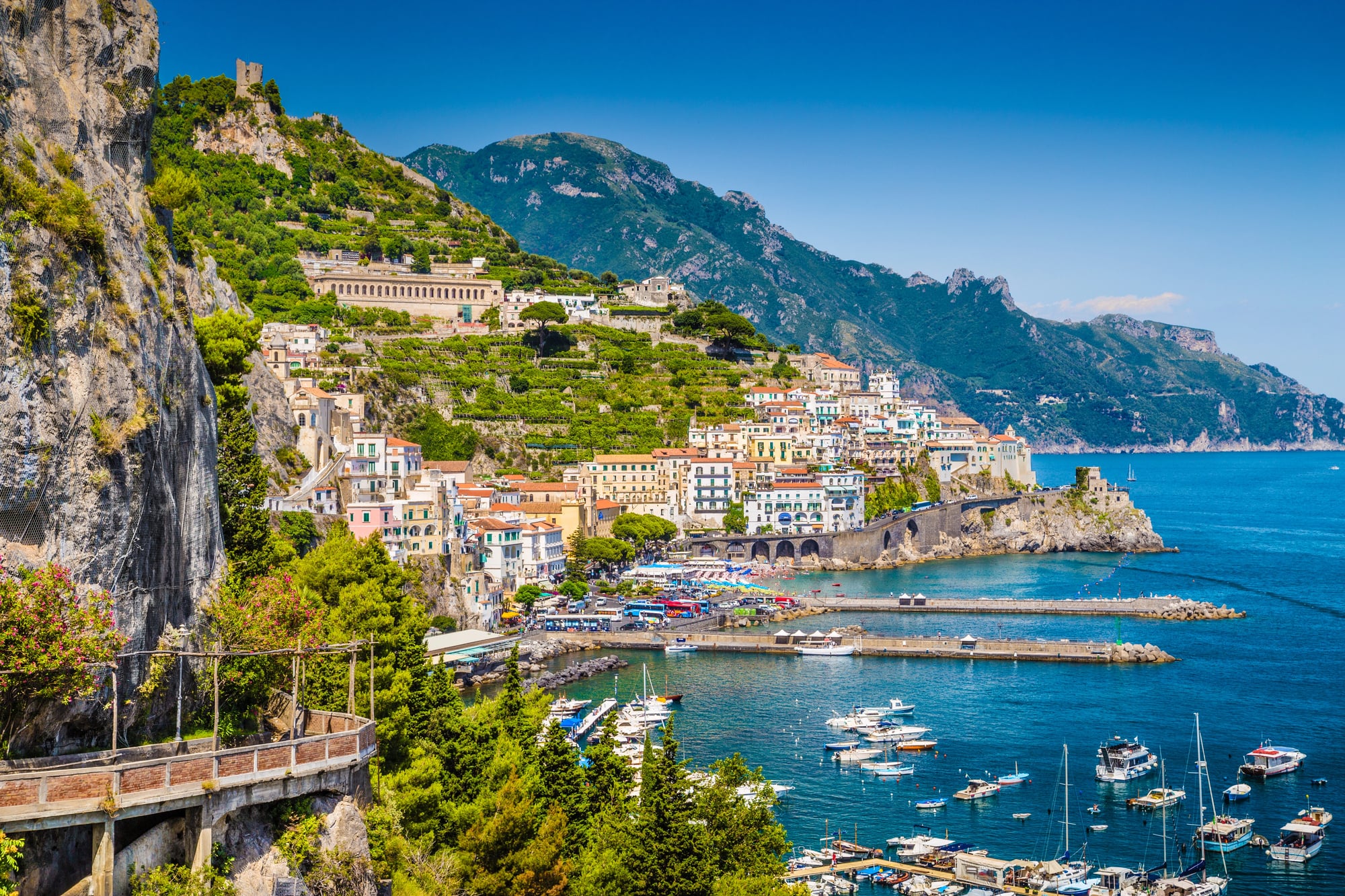
Italy has no shortage of iconic destinations, but the Amalfi Coast stands out for its combination of natural beauty and human design. Cliffs rise sharply from the sea, dotted with pastel-colored villages that seem to cling effortlessly to the landscape.
The winding coastal roads and terraced hillsides create a setting that feels carefully composed, even though it developed over centuries. It’s a place where scenery and lifestyle blend into something that feels both relaxed and visually striking.
Spain
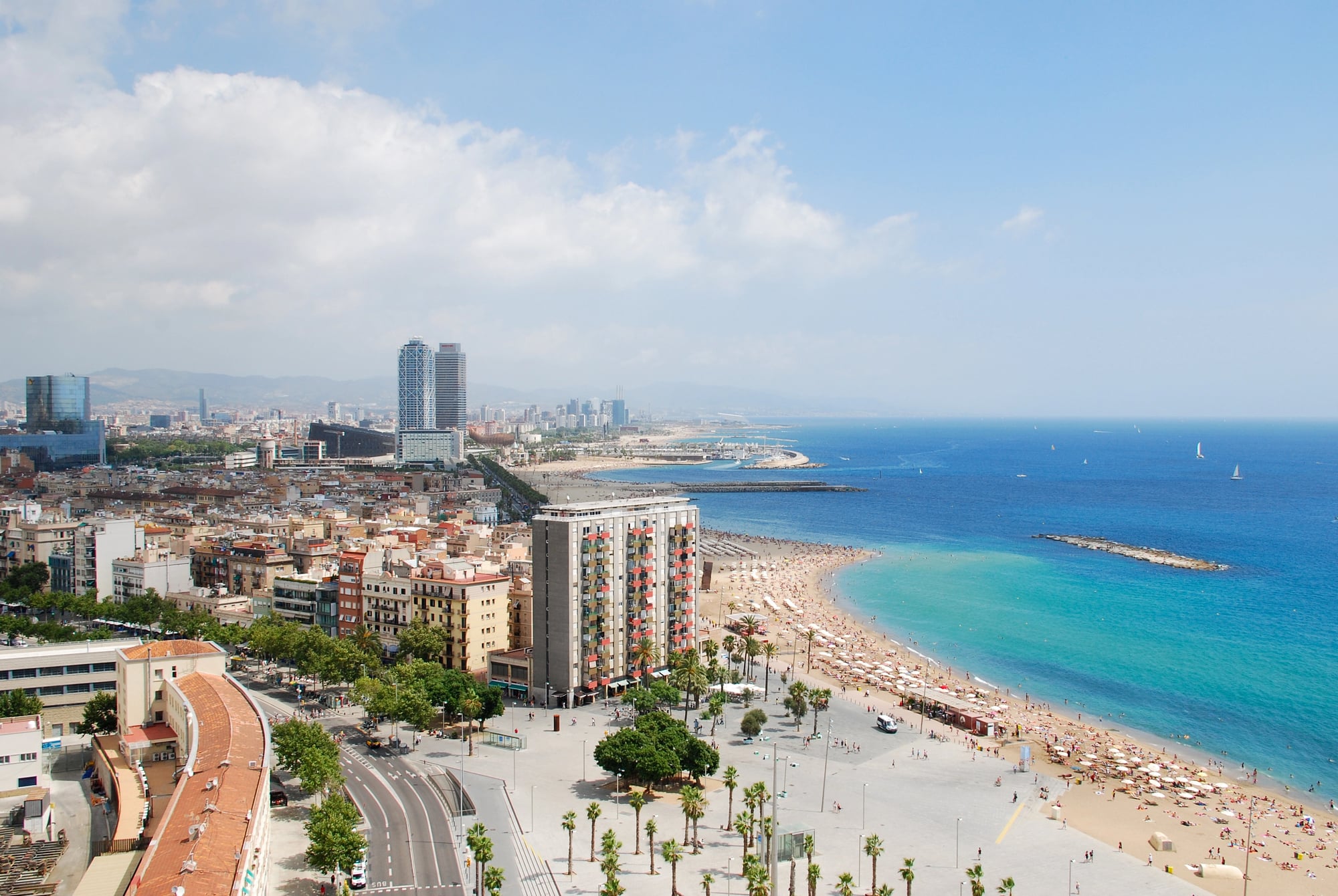
Barcelona captures a different kind of charm, shaped heavily by the work of architect Antoni Gaudí. Landmarks like the Sagrada Família and Park Güell give the city a distinct visual identity that feels almost dreamlike.
Beyond its architecture, Barcelona balances urban energy with coastal calm. The city moves at its own pace, where historic streets and modern culture exist side by side without competing for attention.
Japan

Kyoto offers a glimpse into Japan’s more traditional side, with its temples, shrines, and preserved districts. The city is especially known for its seasonal beauty, from cherry blossoms in spring to vibrant foliage in autumn.
Even so, Kyoto doesn’t feel frozen in time. It blends history with everyday life, where centuries-old structures stand quietly alongside modern routines.
China
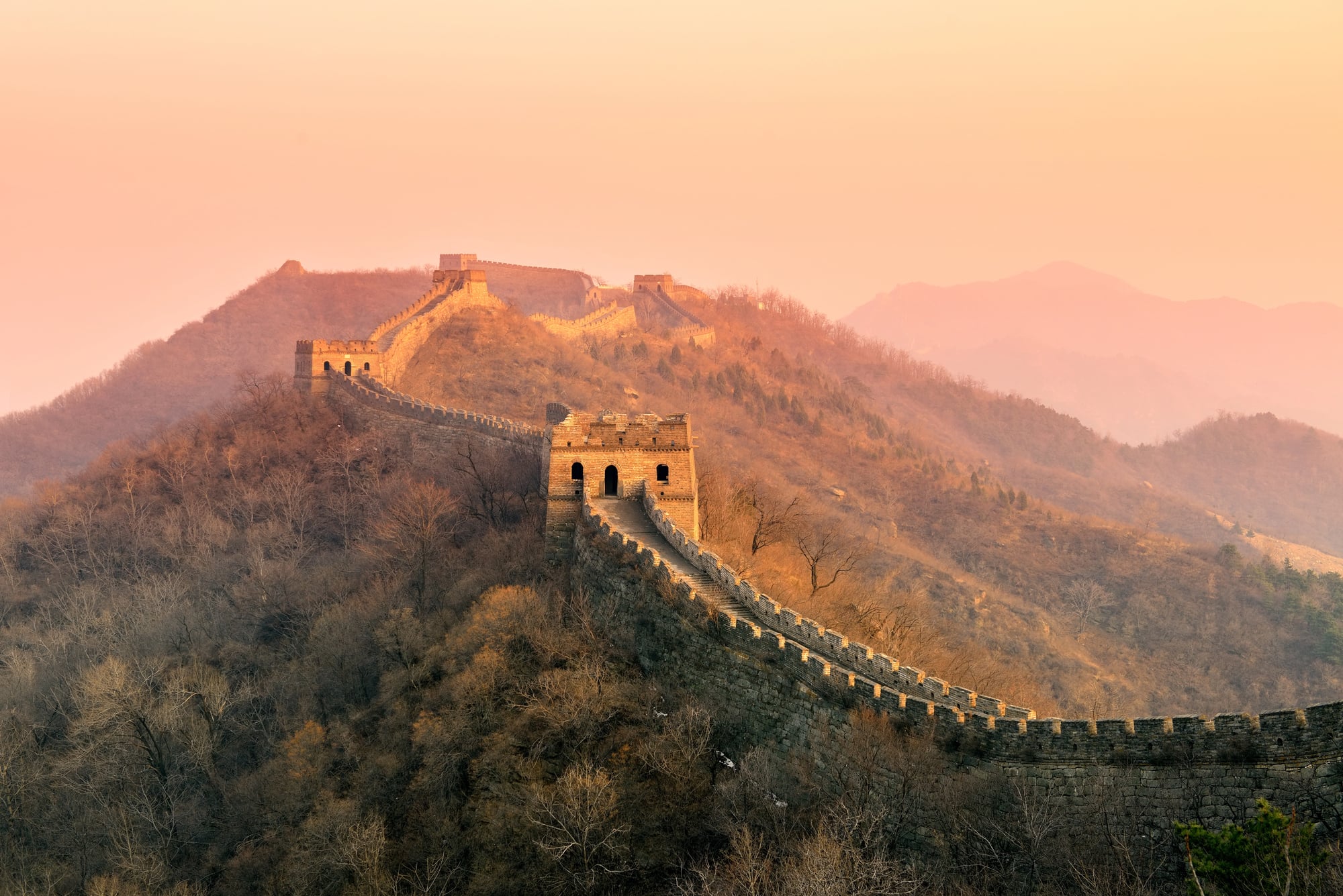
The Great Wall of China stretches for thousands of miles, crossing mountains, deserts, and plains. While not all sections are preserved, the parts open to visitors reveal both the scale and ambition behind its construction.
Walking along the wall gives a sense of its original purpose, but also its lasting symbolism. It represents both defense and unity, shaped by the realities of its time.
India

The Taj Mahal remains one of the most recognized landmarks in the world, known for its symmetry and white marble construction. Built as a mausoleum, it carries a sense of balance and quiet detail rather than overwhelming scale.
Its design changes subtly with the light throughout the day, giving it a different presence from morning to evening. That shifting quality adds to its lasting appeal.
Nepal
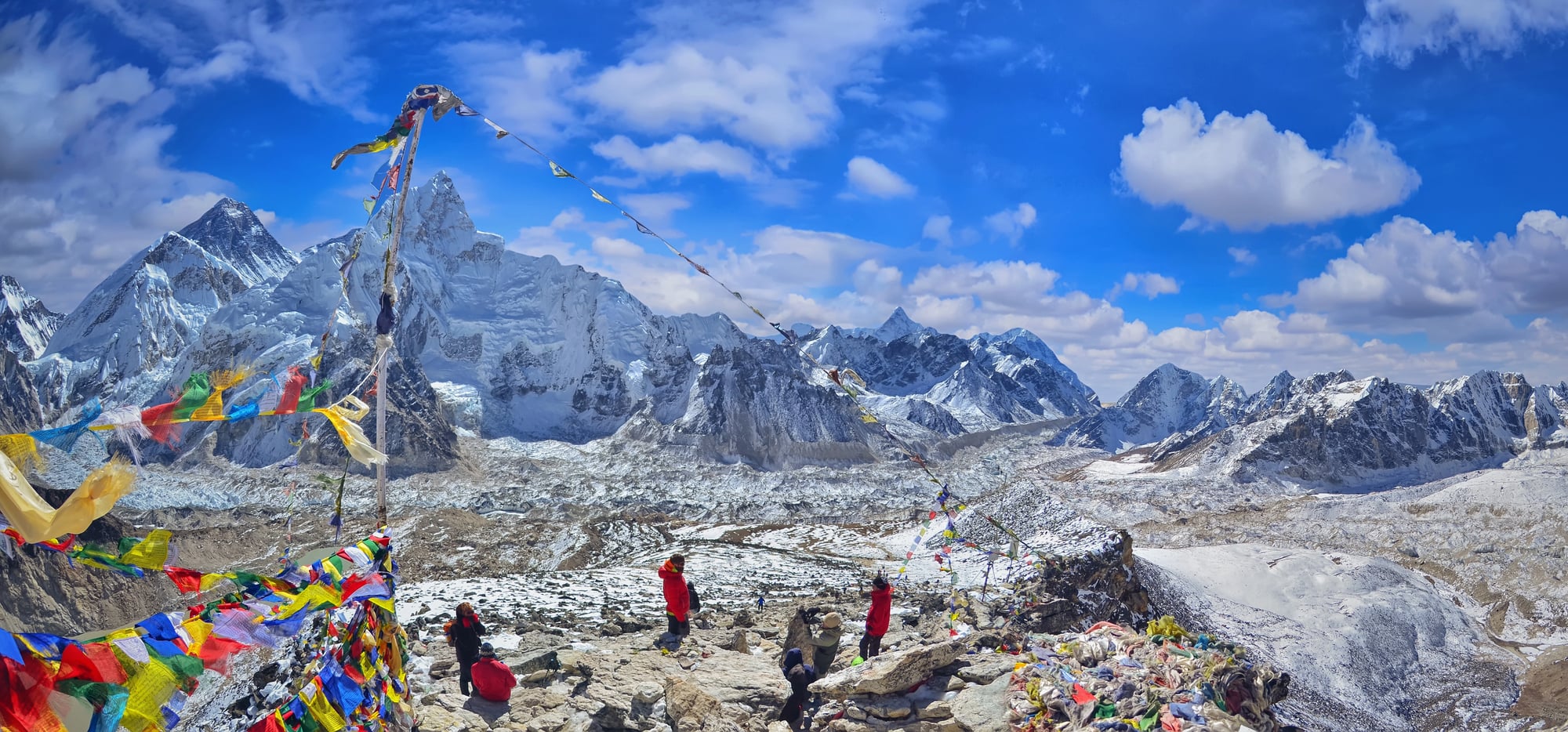
Mount Everest draws attention as the highest point on Earth, but the surrounding Himalayan region offers just as much to explore. Trekking routes pass through villages, forests, and high-altitude landscapes that feel both vast and intimate.
The experience isn’t just about reaching a destination. It’s shaped by the gradual change in environment and the rhythm of life in the mountains.
Chile
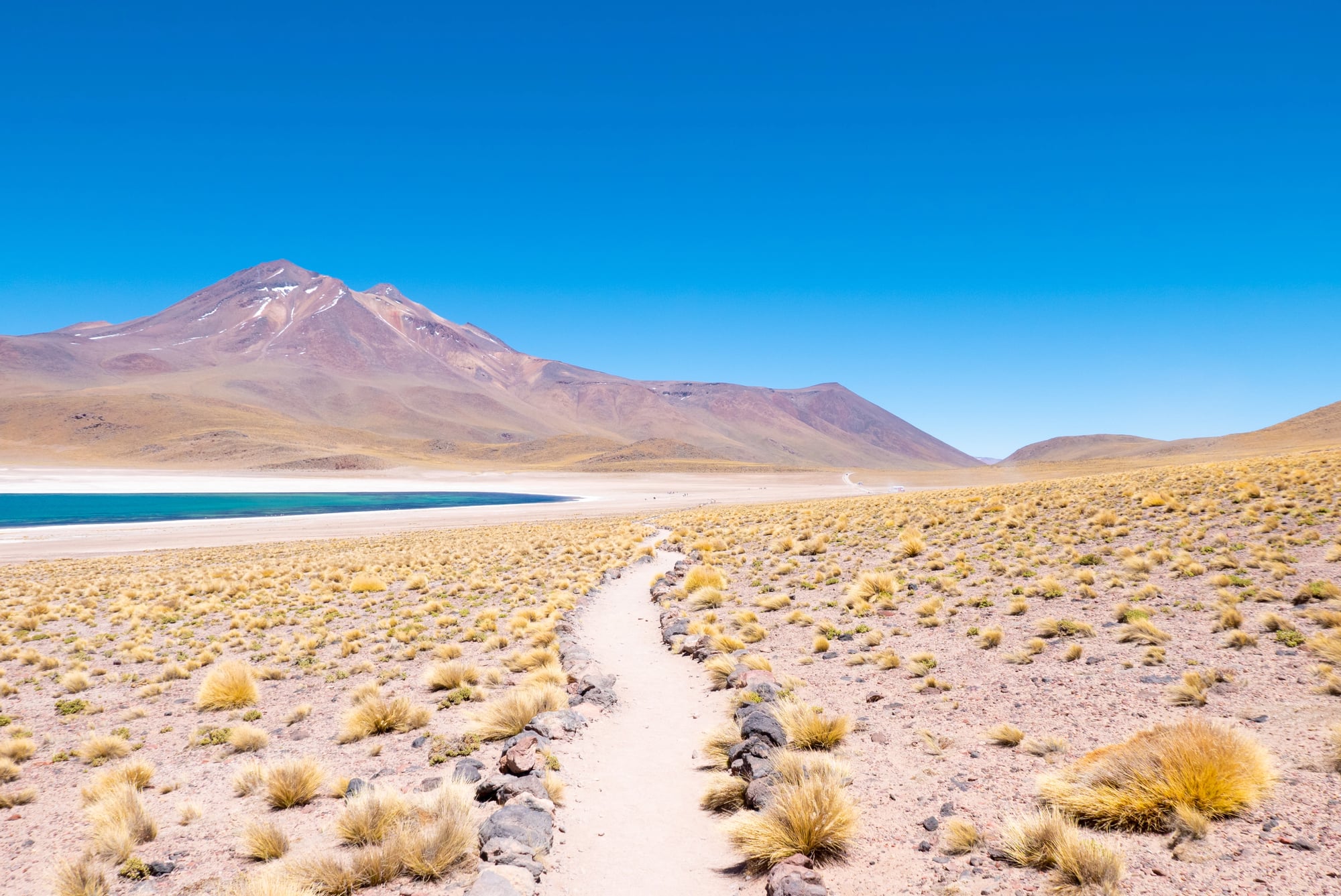
The Atacama Desert is one of the driest places on Earth, creating a landscape that feels almost otherworldly. Salt flats, geysers, and rock formations stretch across the horizon with very little interruption.
At night, the lack of light pollution reveals a sky filled with stars. The contrast between the harsh terrain and the clarity of the night sky gives the region a unique atmosphere.
Egypt

The Pyramids of Giza remain one of the most enduring symbols of ancient civilization. Their scale and precision continue to draw attention, even thousands of years after they were built.
Standing near them brings a sense of perspective, not just in terms of size, but in terms of time. They represent a level of planning and effort that still feels difficult to fully grasp.
Kenya
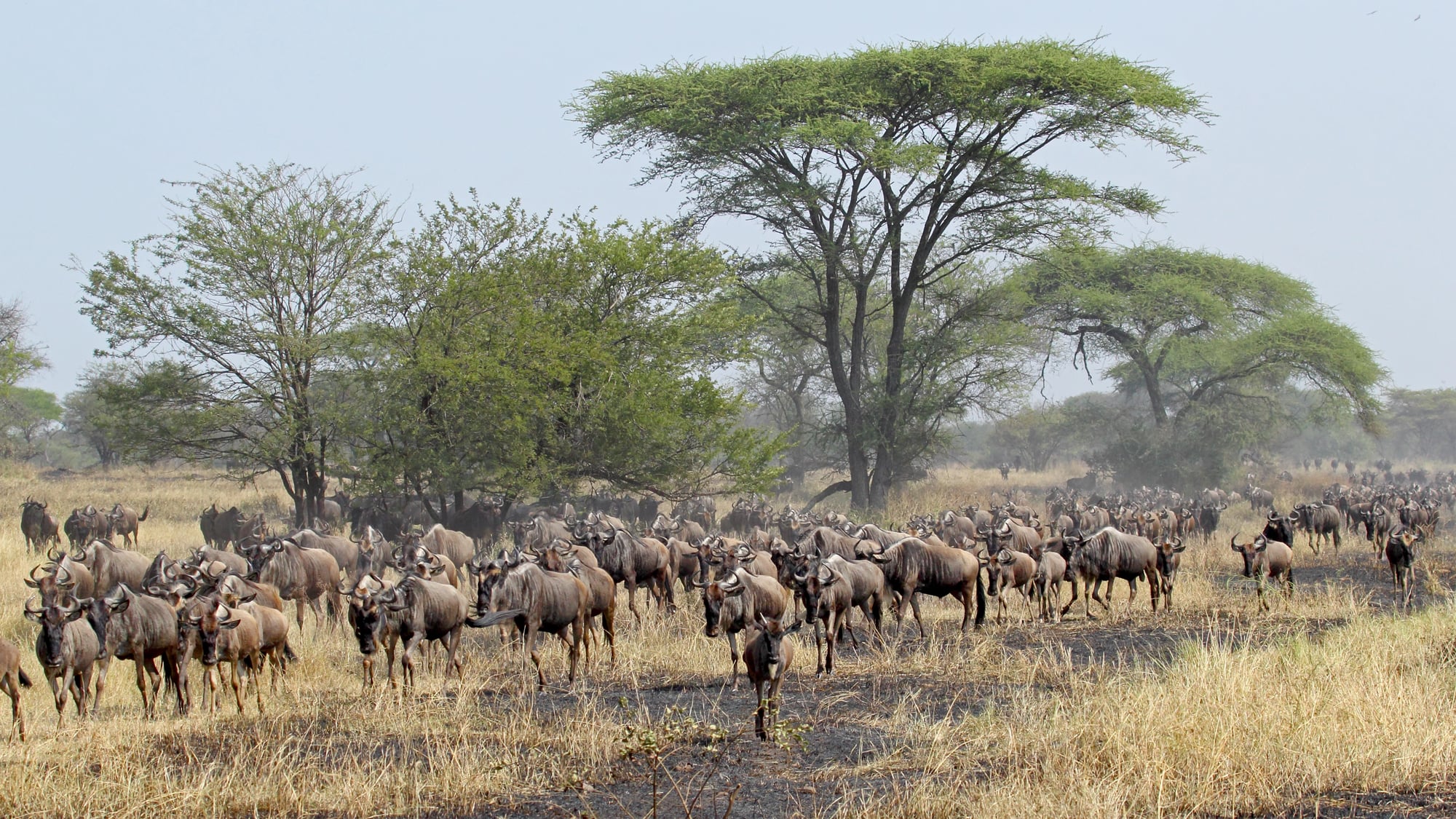
The Maasai Mara National Reserve is known for its wildlife and open landscapes. It plays a central role in the Great Migration, when large numbers of animals move across the plains in search of food and water.
The setting feels expansive, with long stretches of land and a constant sense of movement. It’s a place where nature operates on its own terms, largely unchanged by modern development.
Haiti

The Citadelle Laferrière stands high in the mountains, built as a fortress in the early 19th century. Its location offers wide views of the surrounding landscape, reinforcing its original defensive purpose.
Beyond its structure, the site carries historical weight. It reflects a period of independence and resilience that continues to shape Haiti’s identity.
Qatar

Doha’s skyline has developed rapidly, with modern architecture defining much of the city. The Museum of Islamic Art stands out for its design, combining geometric precision with cultural symbolism.
The building’s clean lines and waterfront setting create a sense of calm within a fast-growing city. It reflects how tradition and modernity can coexist in a single space.
Samoa
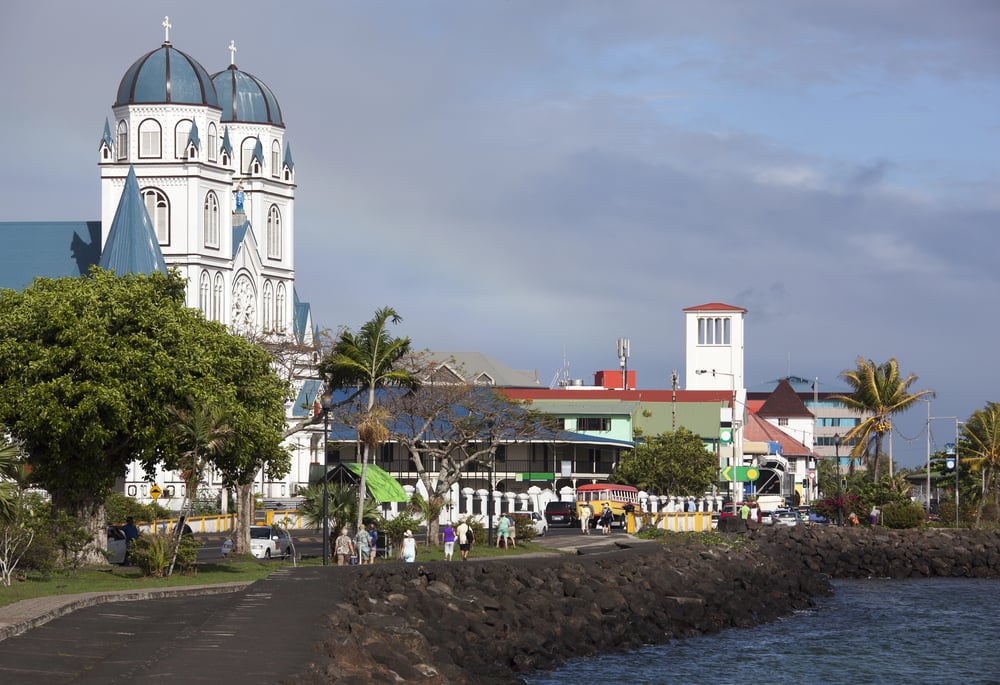
Samoa offers a more relaxed island experience, with natural features like To Sua Ocean Trench drawing visitors. This swimming spot, set within a deep natural pool, feels both secluded and visually striking.
The surrounding landscape remains largely untouched, giving the area a sense of quiet. Life here tends to move at a slower pace, shaped by the ocean and local traditions.
Tonga

Tonga’s appeal lies in its simplicity and connection to nature. The islands are known for clear waters, coral reefs, and opportunities to see marine life up close.
Unlike more heavily developed destinations, Tonga maintains a sense of calm and space. The experience feels less structured, allowing visitors to engage with the environment more directly.
Nauru
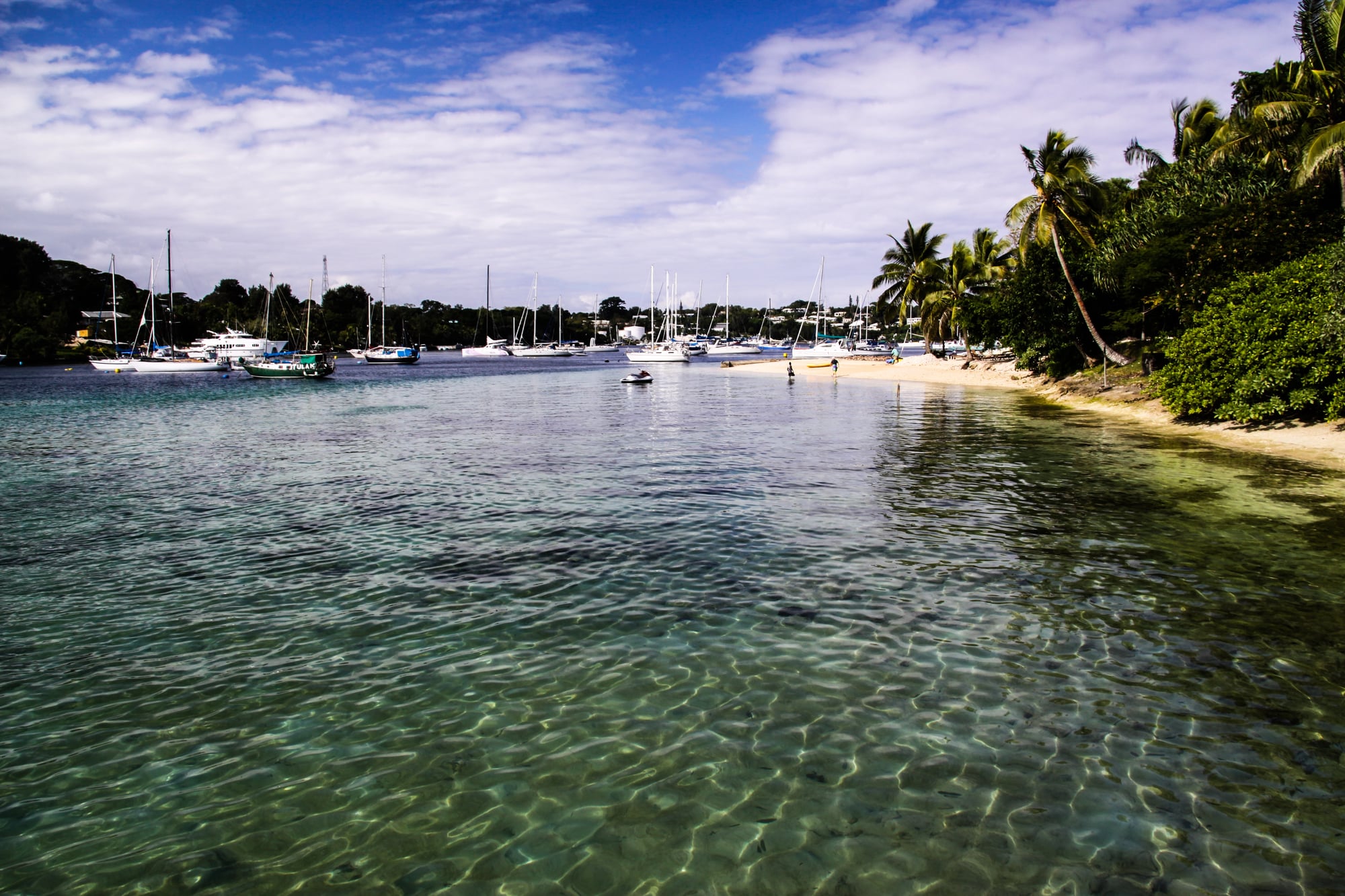
Nauru is one of the smallest countries in the world, both in size and population. Its coastal scenery and central plateau create a landscape that feels isolated and distinct.
Tourism is limited, which adds to its sense of remoteness. Visiting Nauru offers a different perspective, where the absence of crowds becomes part of the experience.
Gabon
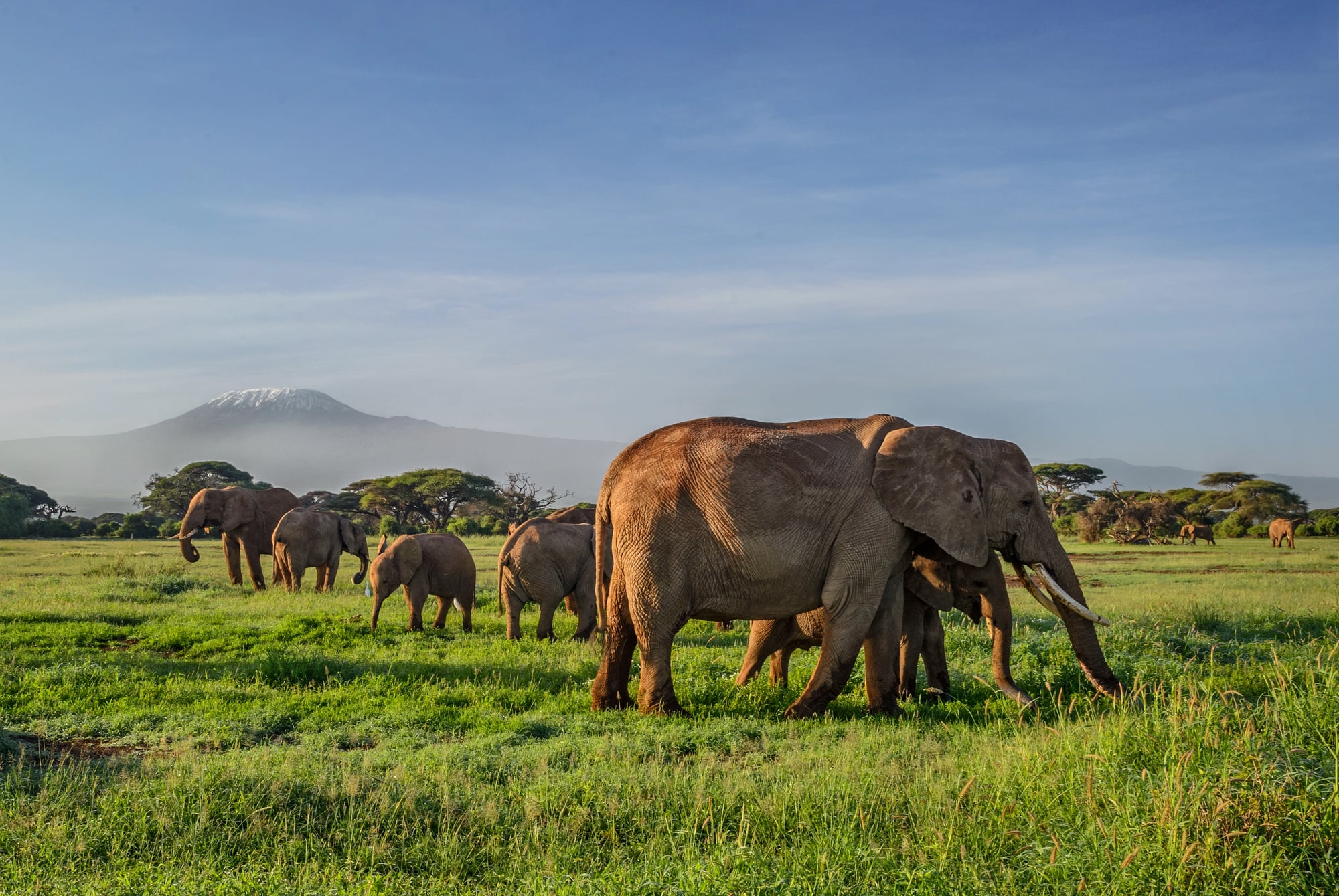
Gabon is known for its national parks, which protect large areas of rainforest and coastline. Loango National Park is often highlighted for its mix of wildlife and ocean views.
The country’s approach to conservation has helped preserve these environments. It’s a destination where nature remains the main focus, rather than infrastructure.
Niger
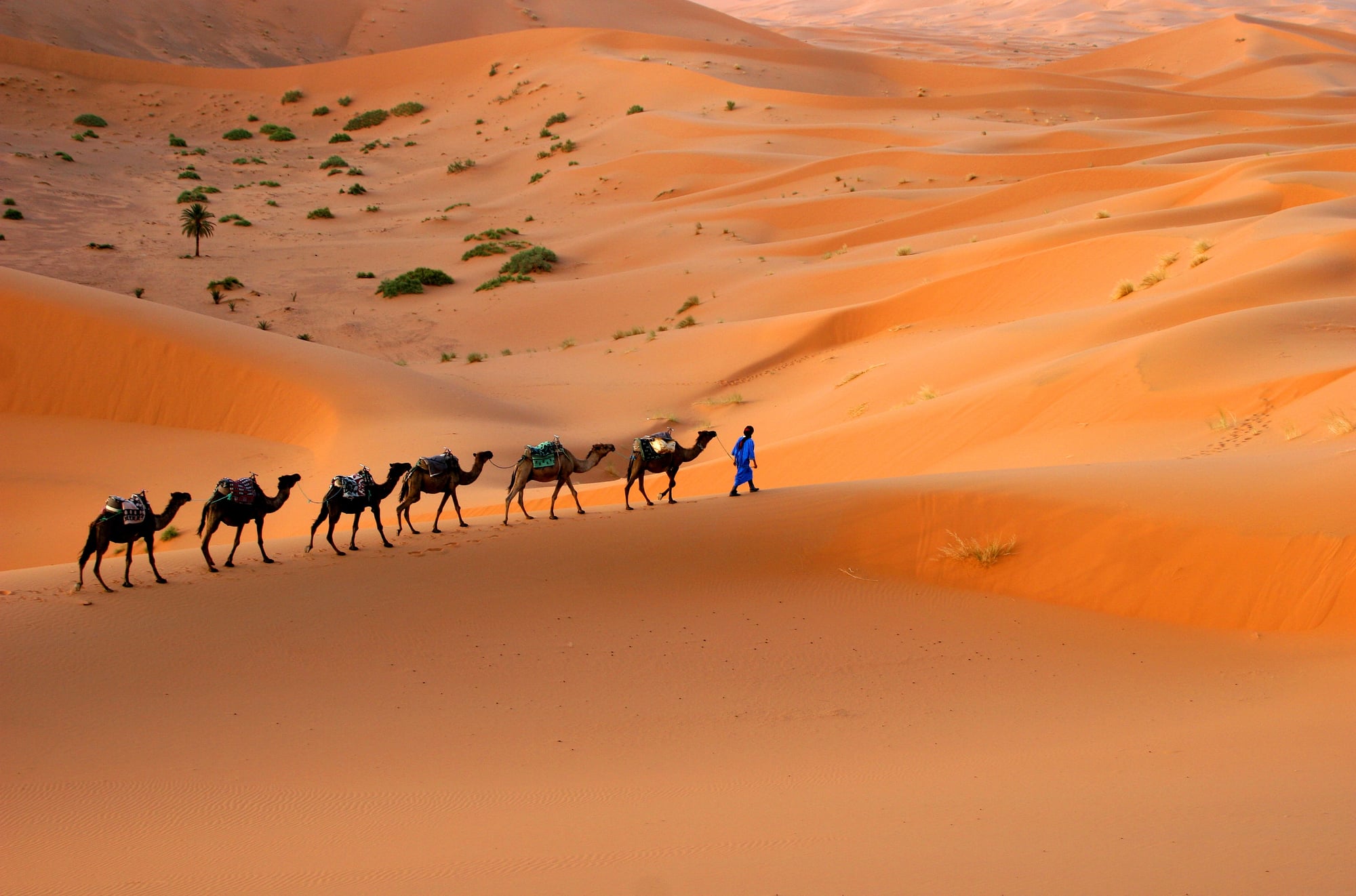
Niger’s Sahara Desert offers vast stretches of sand dunes and open space. The landscape can feel endless, shaped by wind and time rather than human activity.
While conditions can be harsh, the desert holds a quiet beauty. It’s a place where scale and simplicity create a lasting impression.
Where Patterns Lead To Discovery

A shared name length might appear too small a thread to link nations together. Yet inside such tight limits, huge differences start to emerge.
Historic sites sit beside untouched wilderness areas – proof that special spots ignore borders, ignoring scale just the same.
A single moment might shift how you see far-off places. Curiosity often sneaks in through quiet moments, not grand plans.
A short name, just five letters long, could spark it. Journeys grow richer when odd links appear out of nowhere.
Each place visited slips quietly into your memory, changing what came before.
More from Go2Tutors!

- The Romanov Crown Jewels and Their Tragic Fate
- 13 Historical Mysteries That Science Still Can’t Solve
- Famous Hoaxes That Fooled the World for Years
- 15 Child Stars with Tragic Adult Lives
- 16 Famous Jewelry Pieces in History
Like Go2Tutors’s content? Follow us on MSN.