Trivia about LEGO Bricks
Those colorful plastic bricks scattered across floors worldwide have been bringing joy and pain (especially to bare feet) for decades. LEGO started as simple wooden toys in Denmark during the 1930s and grew into one of the most recognized brands on the planet.
But beyond building castles and spaceships, LEGO bricks have some genuinely surprising stories behind them. Here are some facts about these little plastic pieces that might change how you see them.
The Name Means ‘Play Well’ in Danish

Ole Kirk Christiansen founded the company in 1932 and picked the name LEGO by combining two Danish words: ‘leg’ and ‘godt.’ Together, they mean ‘play well.’
Christiansen started as a carpenter making wooden toys in his workshop in Billund, Denmark. Interestingly, LEGO also means ‘I put together’ in Latin, though Christiansen didn’t know that when he picked the name.
A Single Brick Can Support Nearly 1,000 Pounds

Engineers at the Open University tested LEGO bricks using a hydraulic press to see how much weight they could handle. A standard 2×2 brick held up to around 950 pounds of force before it finally gave way.
That’s the equivalent of stacking about 375,000 other LEGO bricks on top of one piece. If you built a tower that tall, it would reach over 2 miles into the sky before the bottom brick crumbled from the weight.
LEGO Is the World’s Largest Tire Manufacturer

This sounds impossible, but it’s true. LEGO produces more tires than any other company on Earth, making over 300 million rubber tires each year.
Nearly half of all LEGO sets include wheels of some kind, from tiny cars to massive Technic vehicles. Guinness World Records officially recognized LEGO for this achievement in 2012.
Bricks from 1958 Still Work With Modern Sets

The LEGO brick design was patented on January 28, 1958, and the company has kept the same measurements ever since. A brick made in 1958 will click perfectly into place with a brick made today.
This consistency means collections can span generations without any compatibility issues. Grandparents can pass down their old LEGO sets to grandchildren, and everything still fits together exactly as it should.
The Plural Is LEGO, Not LEGOs
The company insists that LEGO is both singular and plural. You don’t have ‘LEGOs’ in your closet, you have LEGO bricks or LEGO sets.
Whether you’re talking about one brick or a thousand pieces, the correct term is just LEGO. Most people ignore this rule in everyday conversation, but now you know the official stance.
Each Brick Is Incredibly Precise
The molds used to make LEGO bricks are accurate to within two-thousandths of a millimeter. This extreme precision means only about 18 bricks in every million fail to meet the company’s quality standards.
That level of accuracy explains why LEGO bricks snap together so satisfyingly and hold tight without being impossible to pull apart. The company invests heavily in maintaining these molds because even tiny variations would make the bricks not fit properly.
There Are Enough Bricks for Everyone on Earth

LEGO has produced over 400 billion bricks since the company started making plastic pieces. If you divided all those bricks among every person alive today, each person would get at least 50 bricks.
The company makes around 36 billion new bricks each year, adding to this massive total constantly. Some estimates suggest there are enough bricks that every person could have closer to 80 or even more.
More Than 4 Billion Minifigures Exist
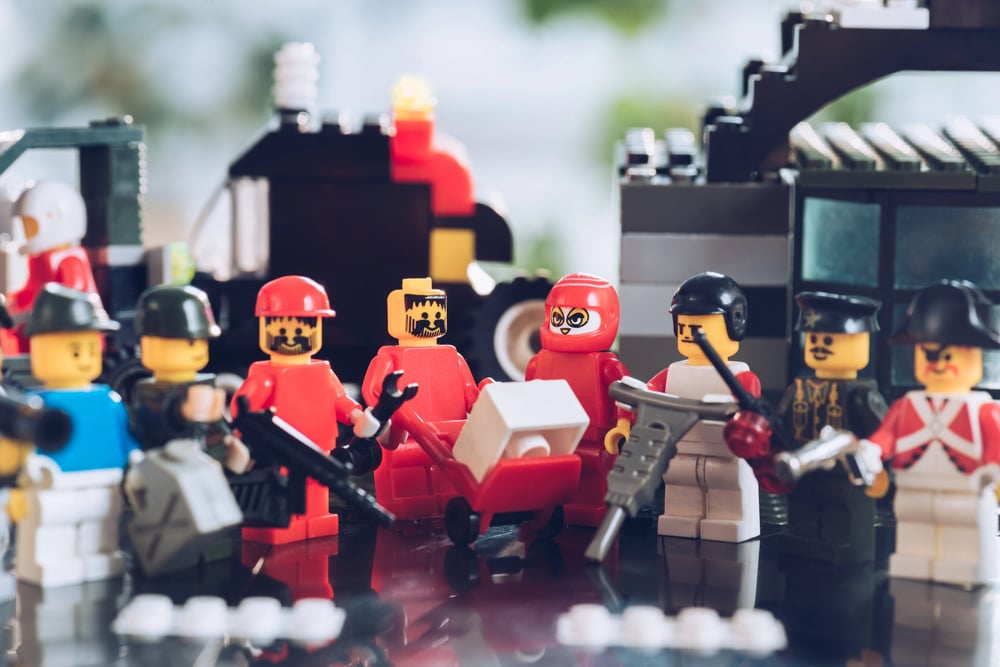
LEGO introduced minifigures in 1978, and they’ve become just as iconic as the bricks themselves. The first minifigure was a police officer, and since then, the company has made over 4 billion of these little yellow people.
The company started making minifigures with different skin tones and facial expressions in 1989, creating much more variety. If minifigures were real and counted as a population, they would outnumber any country on Earth.
Six Bricks Can Combine in Over 915 Million Ways
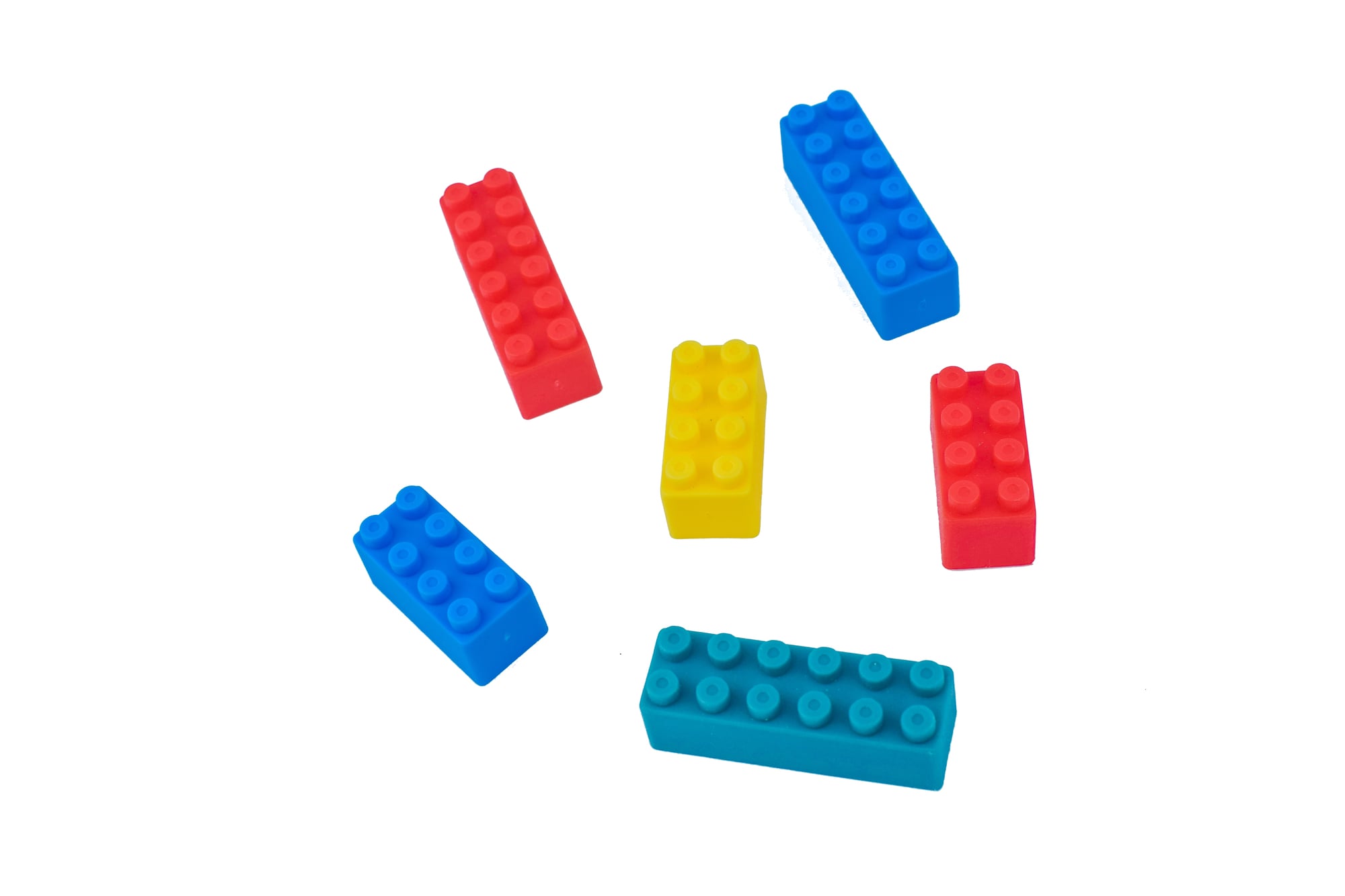
A mathematician worked out exactly how many different combinations you can create with just six standard 2×4 LEGO bricks. The answer is 915,103,765 different arrangements.
Even with just two 2×4 bricks, you can make 24 different combinations. Three bricks give you 1,060 possible arrangements, and the number grows exponentially with each additional brick.
LEGO Sets Have Gone to Space

Astronauts took 13 LEGO sets to the International Space Station in 2011 as part of a program to see how the bricks behave in microgravity. A high-altitude balloon also carried a mini space shuttle filled with 1,000 ‘Legonauts’ to the edge of space from Slovakia.
The balloon reached about 21 miles up before bursting and returning to Earth under a parachute. LEGO bricks worked just fine in space, snapping together the same way they do on Earth.
The Most Expensive Set Costs Thousands

Some LEGO sets sell for eye-watering prices, especially rare or retired ones. The Taj Mahal set contains over 5,900 pieces and can cost thousands of dollars depending on where you buy it.
Limited edition sets and special promotional pieces fetch even higher prices. A 14-karat gold Boba Fett minifigure is considered one of the rarest LEGO items ever made, and a platinum C-3PO minifigure sold for $15,000 in 2014.
Production Runs Constantly at Massive Scale

LEGO factories produce around 36 billion bricks every year, which works out to about 68,000 bricks every single minute. The main factory in Billund, Denmark, operates alongside facilities in Hungary, Mexico, Czech Republic, and China.
This global production network ensures the company can meet demand worldwide. The scale of operation is genuinely industrial, with specialized machinery running around the clock to shape heated plastic into precise brick forms.
The Tallest LEGO Tower Reached Over 115 Feet

LEGO enthusiasts love building tall towers to see how high they can go. The tallest tower verified by Guinness World Records stood 114.1 feet high in Budapest, Hungary.
It used around 550,000 bricks and required careful construction to prevent collapse. An even taller tower was built in Tel Aviv that measured about 118 feet, though Guinness hasn’t officially verified it yet.
Every Brick Has a Tiny Number Inside

Check inside a LEGO block—you’ll spot a tiny three-digit code marked on the inner side. This number shows which mold shaped the piece and when it rolled off the assembly line.
When flaws pop up, LEGO uses it to track down the faulty mold right away. By doing so, they keep every batch consistent, even though they make countless units.
LEGO Began by Crafting Toys Out of Wood

Back when plastic wasn’t a thing, Ole Kirk built little wooden playthings from bits of spare timber. After losing work in the economic crash, he began carving toys for his four kids out of leftover wood chunks.
Plastic didn’t come into the picture till 1947, and the click-together block idea wasn’t perfected until 1949. Wooden ones hung on a while longer, but by 1960, those were gone for good.
The Business Almost Collapsed Back in 2003

Facing big money problems in the 2000s, LEGO was once far from thriving. Rapid growth pushed them into launching countless items—most flopped badly.
Heavy losses piled up, bringing the brand close to shutting down. A fresh team stepped in, slashing weak product lines while sharpening focus on classic building bricks, partnering with hit franchises like Star Wars and Harry Potter to make a strong comeback.
Sets Get Planned Way Ahead of Time

LEGO creators begin crafting new kits three or four years before you can buy them. First comes drawing rough concepts, then trying out how parts fit during assembly.
They test connections carefully so everything snaps together right. Cost plays a role, themes need licensing approvals, and availability of specific blocks must be checked, which slows down the process even more.
LEGO Bricks Usually Skip the Dump

Families keep LEGO sets for years since the blocks last a long time, working just as well now as in the past. Made from tough ABS plastic, each brick resists damage nearly indefinitely, hardly ever cracking or wearing out.
While this sturdiness helps avoid rapid trash buildup, it also means nature can’t break them down easily. LEGO is testing alternative materials like plant-derived polymers for some parts to ease ecological worries.
Where Plastic Mixes With Creativity

LEGO blocks mean way more than playthings alone. These tiny shapes are built super exact—yet they somehow fire up imagination across the world.
Thanks to rock-solid build, mix-and-match ease, and room to invent wild stuff, this brand sticks around in homes after nearly a century. A woodworker’s scraps kicked things off; now it’s a massive factory empire making even more wheels than big tire names put together.
More from Go2Tutors!

- The Romanov Crown Jewels and Their Tragic Fate
- 13 Historical Mysteries That Science Still Can’t Solve
- Famous Hoaxes That Fooled the World for Years
- 15 Child Stars with Tragic Adult Lives
- 16 Famous Jewelry Pieces in History
Like Go2Tutors’s content? Follow us on MSN.



