18 First Ladies Who Shaped Their Husband’s Era
The role of First Lady carries no official job description, yet history’s most memorable presidential spouses wielded enormous influence behind the scenes. Some transformed social norms while others reshaped policy through quiet counsel or public advocacy. These women navigated the delicate balance between supporting their husbands and pursuing their own agendas — often facing criticism for being either too involved or insufficiently engaged.
Presidential marriages operate under unique pressures where personal relationships intersect with national politics. The most effective First Ladies understood how to leverage their position without appearing to overstep traditional boundaries, though many pushed those limits in ways that permanently altered American expectations. Their influence extended far beyond the White House’s entertaining and fashion choices. Here is a list of 18 First Ladies whose impact fundamentally shaped their husband’s presidential legacy.
Abigail Adams
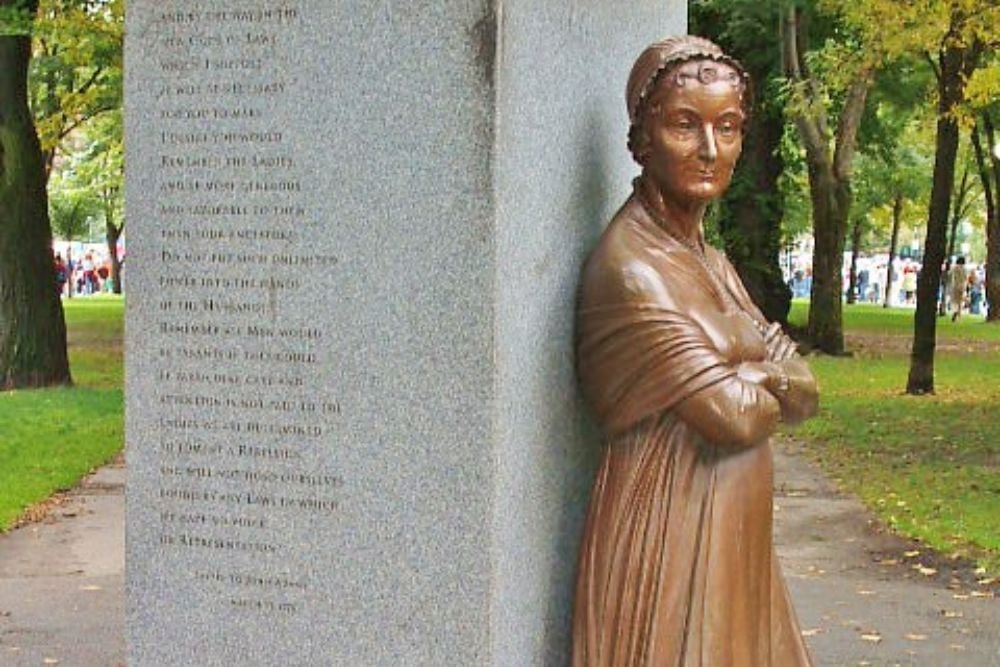
Abigail Adams served as John Adams’ most trusted political advisor during the revolutionary period and early presidency, offering counsel that influenced major decisions. Her famous plea to “remember the ladies” in new legal codes reflected progressive thinking that was centuries ahead of its time — establishing her as America’s first feminist voice in presidential politics.
Dolley Madison
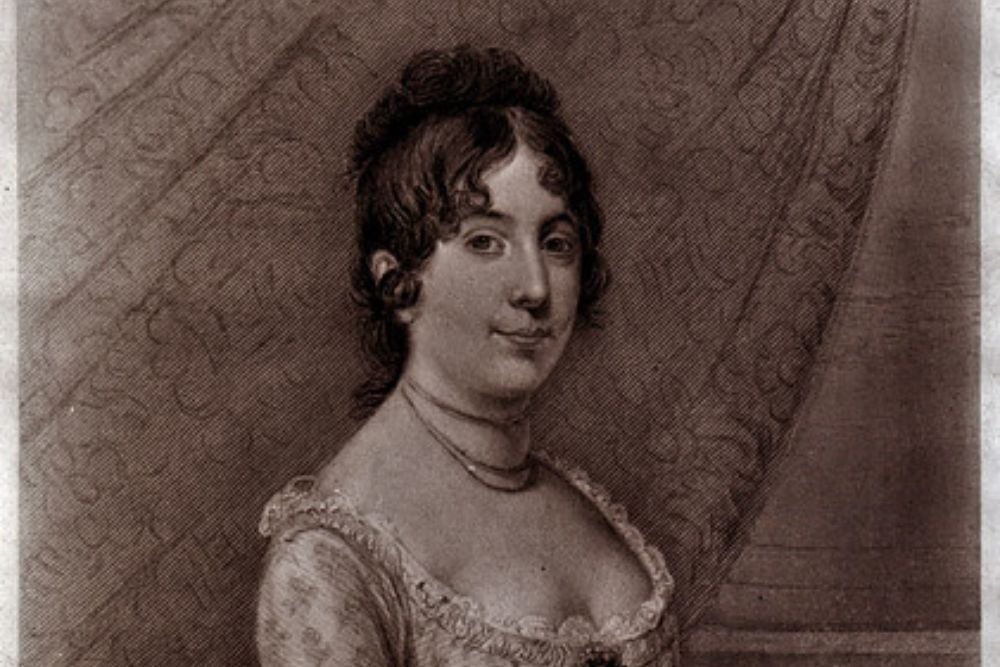
Dolley Madison essentially created the modern role of First Lady through her legendary social skills and political networking during James Madison’s presidency. Her weekly salons brought together opposing political factions in informal settings — helping to reduce partisan tensions while gathering intelligence that proved invaluable to her husband’s administration.
Like Go2Tutors’s content? Follow us on MSN.
Mary Todd Lincoln

Mary Lincoln’s mental health struggles and extravagant spending created public relations nightmares. Her emotional support proved crucial to Lincoln during the Civil War’s darkest moments.
She also influenced his positions on spiritualism and pushed for more aggressive prosecution of Confederate leaders, demonstrating how personal relationships could affect wartime policy decisions.
Frances Cleveland

Frances Cleveland became the youngest First Lady in history when she married Grover Cleveland in the White House, creating a media sensation that transformed presidential coverage. Her popularity with the public exceeded her husband’s approval ratings, making her a political asset who helped humanize Cleveland’s often stern public image.
Edith Wilson

Edith Wilson effectively ran the executive branch for months after Woodrow Wilson’s stroke, screening visitors and deciding which matters required presidential attention. Her unprecedented assumption of executive responsibilities sparked constitutional questions about presidential succession, while demonstrating how personal relationships could determine national policy during crisis periods.
Like Go2Tutors’s content? Follow us on MSN.
Eleanor Roosevelt

Eleanor Roosevelt revolutionized the First Lady role by holding press conferences, writing newspaper columns, and advocating publicly for civil rights and social justice causes. Her influence on Franklin Roosevelt’s New Deal policies was substantial, particularly regarding programs benefiting women, minorities, and the economically disadvantaged throughout the Great Depression.
Bess Truman

Bess Truman served as Harry Truman’s primary political advisor and closest confidant, reviewing speeches and offering strategic counsel on major decisions including the atomic bomb deployment. Her influence remained largely behind the scenes — yet Truman often noted that he made no important decisions without consulting her first.
Mamie Eisenhower

Mamie Eisenhower’s warm public persona and dedication to military families helped soften Dwight Eisenhower’s sometimes cold image during the tense Cold War years. Her emphasis on traditional domesticity provided stability that many Americans craved — while her health struggles humanized the presidential family during an era of nuclear anxiety.
Like Go2Tutors’s content? Follow us on MSN.
Jacqueline Kennedy

Jackie Kennedy transformed White House culture through her emphasis on arts, history, and intellectual discourse, elevating American cultural standards on the international stage. Her televised White House tour brought unprecedented attention to presidential history — while her grace during the national tragedy became a defining moment in American memory.
Lady Bird Johnson
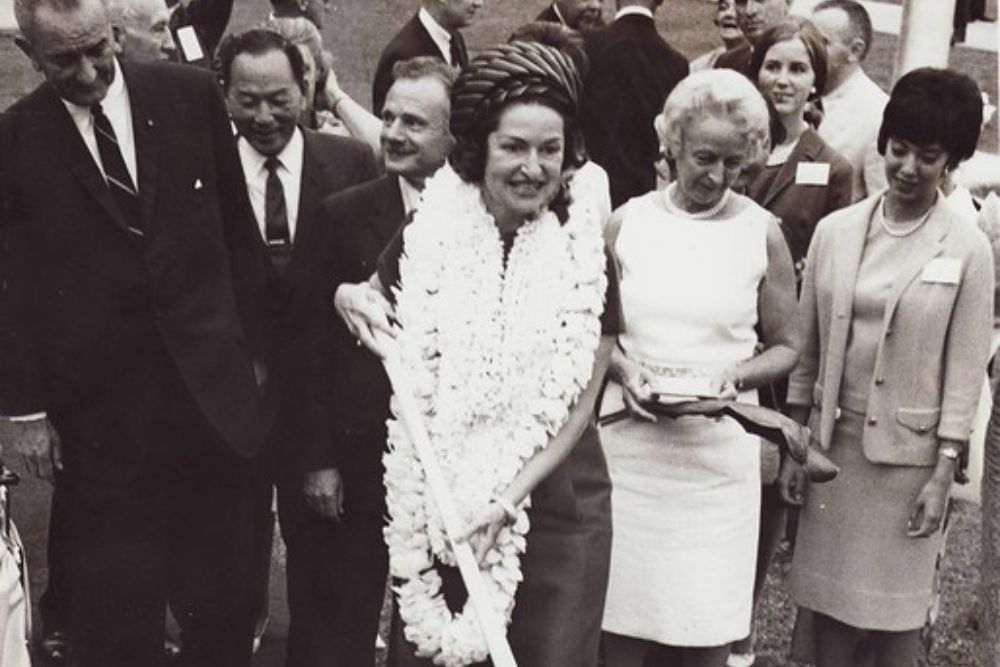
Lady Bird Johnson championed environmental conservation through her beautification campaigns, which led to significant legislation protecting American landscapes and highways. Her influence on Lyndon Johnson’s Great Society programs was substantial — particularly regarding environmental protection measures that established foundations for modern conservation policy.
Pat Nixon

Pat Nixon modernized White House operations while serving as an informal diplomatic representative during international travels that enhanced American foreign relations. Her behind-the-scenes counsel helped Richard Nixon navigate complex political situations — though her influence became overshadowed by the Watergate scandal developments.
Like Go2Tutors’s content? Follow us on MSN.
Betty Ford
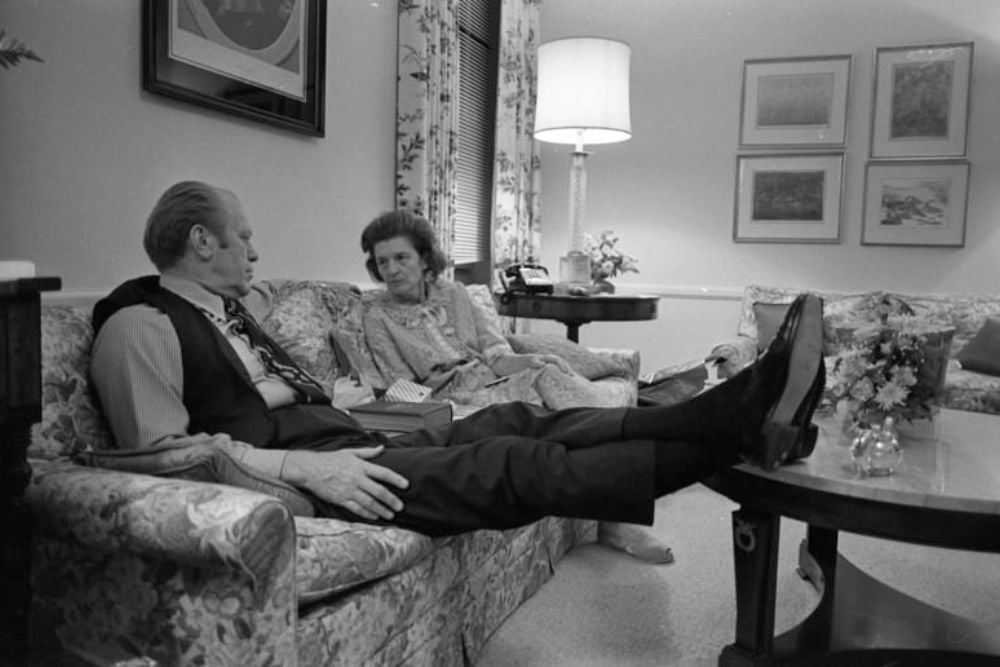
Betty Ford’s openness about her breast cancer diagnosis and struggles with addiction broke traditional First Lady silence on personal issues, encouraging national conversations about women’s health. Her advocacy for the Equal Rights Amendment and pro-choice positions often contradicted her husband’s political base — demonstrating remarkable independence that influenced Gerald Ford’s moderate positions on social issues.
Rosalynn Carter

Rosalynn Carter attended cabinet meetings and served as Jimmy Carter’s envoy to Latin America, establishing unprecedented formal roles for presidential spouses in policy formation. Her mental health advocacy led to significant legislative changes — while her political instincts often proved sharper than her husband’s during challenging economic times.
Nancy Reagan

Nancy Reagan’s influence on Ronald Reagan’s schedule, personnel decisions, and policy timing was substantial, often determining which advisors gained presidential access. Her “Just Say No” anti-drug campaign became a defining domestic policy initiative — while her behind-the-scenes role in encouraging Soviet relations helped shape Cold War diplomacy.
Like Go2Tutors’s content? Follow us on MSN.
Barbara Bush

Barbara Bush’s focus on literacy and education helped establish these issues as national priorities during George H.W. Bush’s presidency. Her sharp wit and grandmother-like appeal made her one of the most popular First Ladies — providing crucial political support during economic downturns that threatened her husband’s reelection chances.
Hillary Clinton
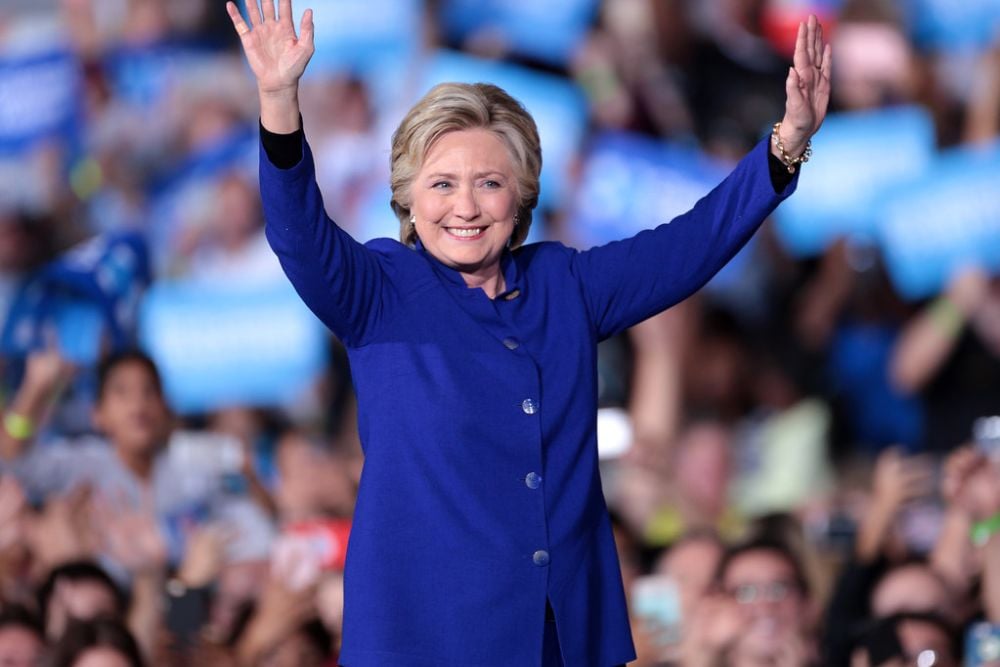
Hillary Clinton’s active role in healthcare reform and policy development represented the most significant expansion of First Lady responsibilities in history. Her influence on Bill Clinton’s domestic agenda was extensive — though her high-profile policy failures also demonstrated the political risks of an overly visible presidential spouse.
Laura Bush
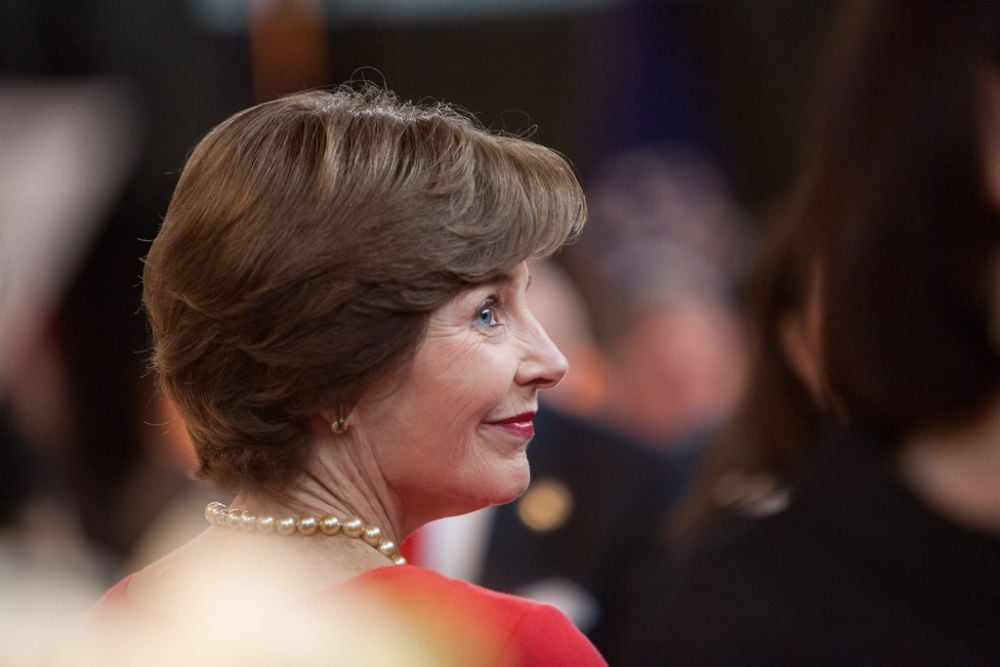
Laura Bush’s education advocacy and international humanitarian work enhanced George W. Bush’s compassionate conservative image during the controversial war years. Her calming presence during 9/11 and subsequent crises provided stability — while her library science background influenced significant increases in federal education funding.
Like Go2Tutors’s content? Follow us on MSN.
Michelle Obama
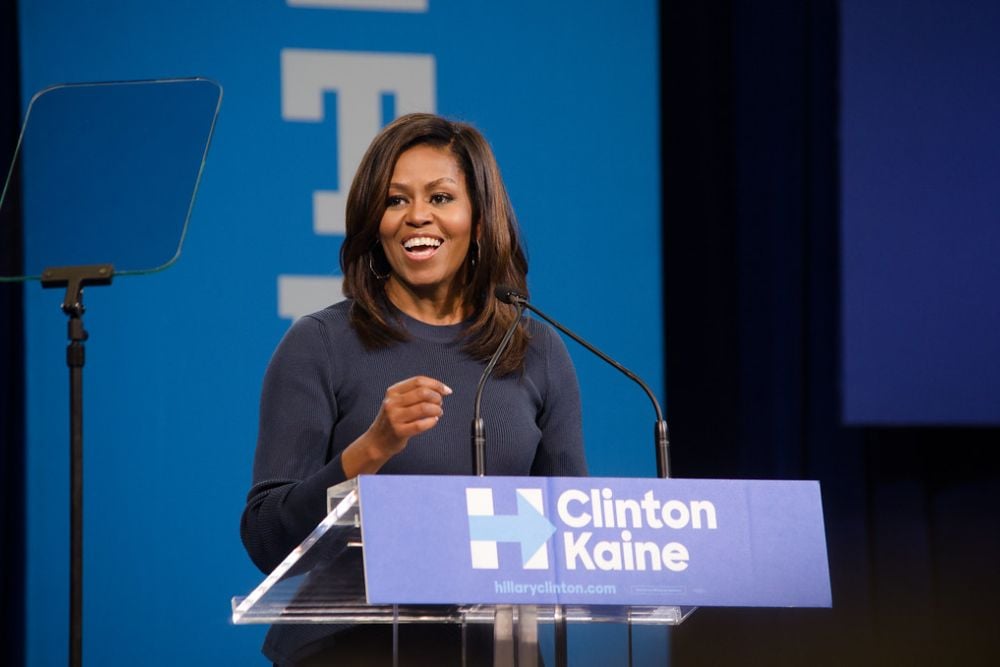
Michelle Obama’s initiatives on childhood obesity and military family support created lasting policy changes while enhancing Barack Obama’s appeal to key demographic groups. Her popularity often exceeded her husband’s approval ratings — making her a valuable campaign asset whose influence extended well beyond traditional ceremonial First Lady functions.
Behind Every President

These women demonstrate that presidential partnerships extend far beyond personal relationships into the realm of national governance and historical change. Their influence operated through informal channels that often proved more effective than official policy processes, showing how personal dynamics can shape national destiny.
The most successful First Ladies understood that their unique position allowed them to champion causes and influence decisions in ways that elected officials couldn’t, creating legacies that often outlasted their husbands’ political careers.
More from Go2Tutors!

- 16 Restaurant Chains That Went Too Fast
- 12 Things Sold in the 80s That Are Now Illegal
- 15 VHS Tapes That Could Be Worth Thousands
- 17 Historical “What Ifs” That Would Have Changed Everything
- 18 TV Shows That Vanished Without a Finale
Like Go2Tutors’s content? Follow us on MSN.