Most Expensive Beds You Can Buy in the World
Sleep has always been a necessity, but for some people, it’s become an art form — one they’re willing to pay extraordinary amounts to perfect. The world of luxury bedding has evolved far beyond thread counts and memory foam into a realm where beds cost more than houses, where diamonds replace buttons, and where a single night’s rest can carry a six-figure price tag.
These aren’t just places to sleep; they’re statements, investments, and sometimes complete works of art that happen to be functional furniture.
Hastens Vividus

This Swedish masterpiece takes four months to build by hand. No machines, no shortcuts, no compromises.
The Vividus costs around $400,000 and every component earns that price — natural horsehair from the manes and tails of horses, hand-teased cotton, wool from Swedish sheep, and flax that’s been cultivated specifically for this bed. The frame uses solid pine that’s been aged for decades.
Hastens has been making beds since 1869, and the Vividus represents everything they’ve learned in nearly two centuries of craftsmanship. Only a handful are made each year because finding artisans who can execute this level of detail has become increasingly rare.
Baldacchino Supreme

Stuart Hughes, the designer behind some of the world’s most expensive everything, created this $6.3 million sleeping experience that’s less bed and more architectural statement. The frame incorporates 107 kilograms of solid gold and gets topped with the finest Italian silk and cotton that’s been hand-picked and hand-woven to specifications that would make Renaissance royalty envious.
But here’s the thing about Hughes’s approach to luxury (and this is where his work either fascinates or irritates, depending on your perspective): he doesn’t just use expensive materials, he uses them in quantities that border on the absurd. The gold alone could fund a small business, but it’s there because excess, not subtlety, is the entire point.
And yet, for all its ostentation, people who’ve experienced it report that it actually delivers on comfort — which is saying something when you’re sleeping on what amounts to a small treasure hoard.
Quantum Sleeper
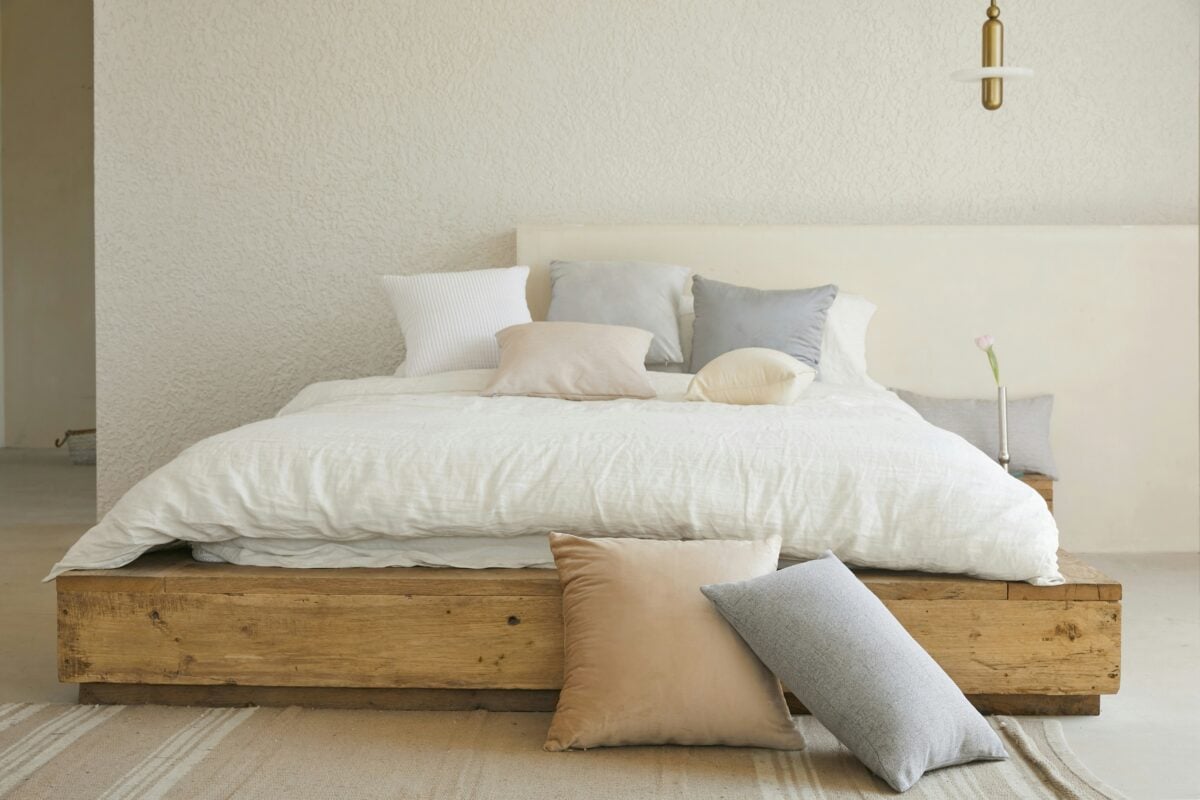
Picture a bed that doubles as a panic room, and you’re getting close to understanding what the Quantum Sleeper offers for its $1.6 million price tag. This isn’t just furniture — it’s a fortress that happens to be comfortable, a piece of bedroom equipment that could survive scenarios most people prefer not to think about but some feel compelled to prepare for anyway.
The design philosophy here circles around a particular kind of modern anxiety: the fear that comfort and security can’t coexist, that luxury makes you vulnerable. So the Quantum Sleeper refuses to choose.
It offers Egyptian cotton sheets inside a shell that can withstand chemical attacks, biological threats, and forced entry attempts that would defeat most home security systems. The bed seals completely, runs its own air filtration system, and includes communication equipment that connects to the outside world when the outside world becomes something you want to reconnect with.
Some might call this paranoia made comfortable. Others see it as the logical endpoint of bedroom security, a piece of furniture that acknowledges the world’s unpredictability without asking you to sacrifice a good night’s sleep.
Floating Bed by Janjaap Ruijssenaars

Magnets hold this bed suspended in mid-air. No tricks, no hidden supports — just opposing magnetic fields strong enough to keep a full-size bed floating permanently six inches off the ground.
At $1.6 million, you’re paying for physics made practical and the kind of engineering most people assumed would remain theoretical. Ruijssenaars spent six years solving the technical problems that make this work.
The magnets are powerful enough to lift 2000 pounds, which covers the bed, mattress, and two adults comfortably. Lying on it feels exactly like sleeping on a regular bed, except for the psychological effect of knowing nothing solid connects you to the floor below.
Sphere Bed
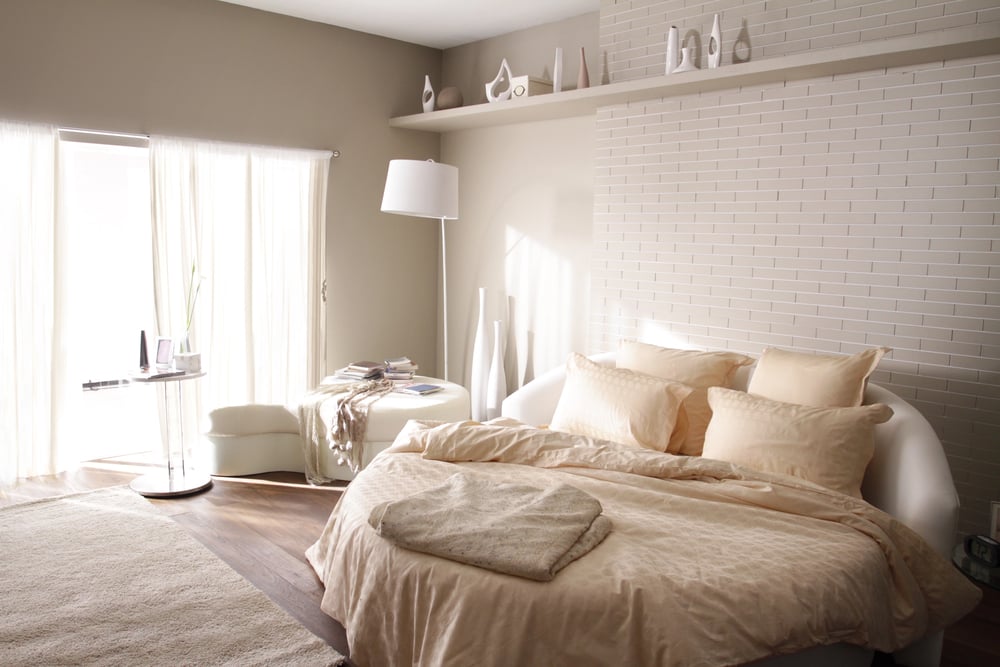
This $50,000 sphere opens like a giant clamshell to reveal a circular mattress surrounded by built-in speakers, LED lighting systems, and climate controls that turn the interior into whatever environment helps you sleep best. Close the sphere and you’re in a private world that blocks outside light and sound completely.
The design assumes that sleep problems come from external interference — light pollution, noise, temperature fluctuations, and the general chaos that modern life brings into bedrooms. Fair enough. The sphere eliminates all of it by creating a controlled environment where every variable gets managed precisely.
Some find this level of isolation deeply restful. Others report feeling slightly claustrophobic, which defeats the entire purpose.
The technology works flawlessly, but whether spending this much to escape your bedroom while staying in your bedroom makes sense depends entirely on how much external control over your sleep environment matters to you.
Magnetic Floating Bed by Universe Architecture

Universe Architecture took magnetic levitation and refined it into something that looks less like a science experiment and more like furniture a wealthy person might actually want in their home (and this comes from someone who appreciates both good design and impressive engineering, but recognizes that most people want beds that don’t require explaining to houseguests). At $146,000, their approach costs less than Ruijssenaars but delivers the same core experience: sleeping on a bed that defies gravity.
The magnetic system here uses permanent magnets rather than electromagnets, which means no electrical consumption and no risk of power outages dropping your bed to the floor mid-sleep. The field strength stays constant indefinitely, creating a suspension system that’s both more reliable and more energy-efficient than alternatives that require active power management.
But the real difference lies in the aesthetic execution — this looks like a bed that happens to float rather than a floating platform that happens to be comfortable. The distinction matters more than it sounds because most people buying expensive beds want luxury that enhances their bedroom rather than overwhelming it.
The Bed by Tempur-Pedic
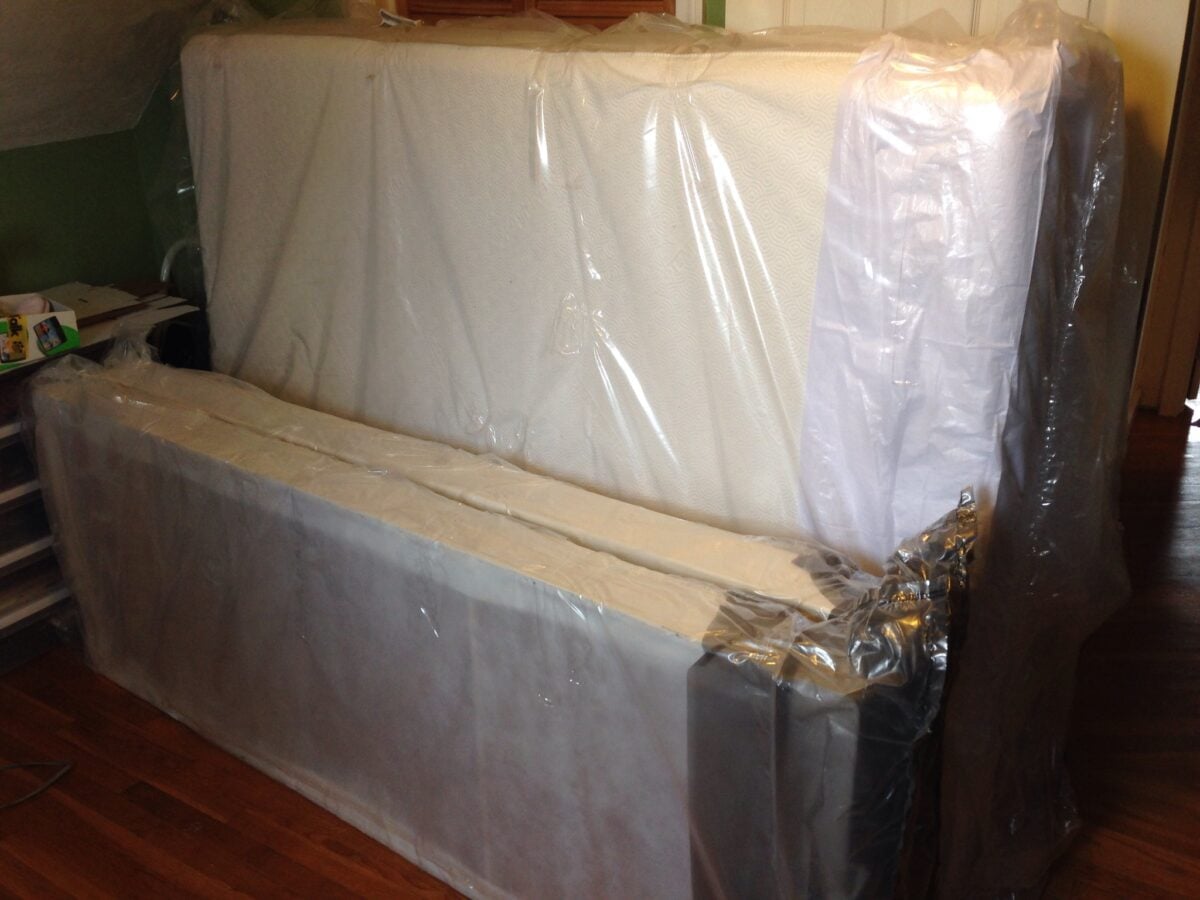
Tempur-Pedic’s flagship model costs around $8,000 and represents the practical end of expensive sleeping. No diamonds, no gold, no magnetic fields — just memory foam that’s been engineered to a degree that borders on obsessiveness and a design philosophy that prioritizes function over spectacle.
The foam formula is based on viscoelastic foam technology developed for aerospace applications, which Tempur-Pedic licensed and refined for consumer use. The company spent decades developing and perfecting this material for terrestrial applications, creating a foam that responds to body heat and weight in ways that provide support precisely where individual bodies need it most.
The result feels custom-made for whoever sleeps on it, which explains why people who switch to these beds rarely switch back.
Savoir Beds No. 2
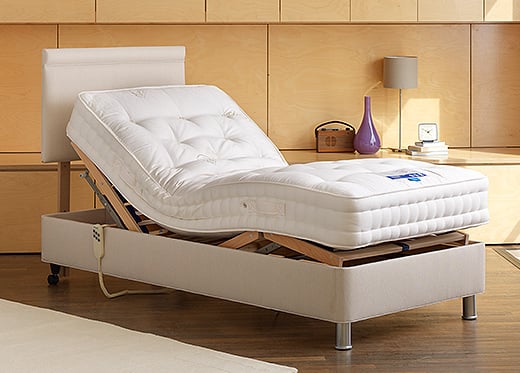
Savoir makes beds for the Savoy Hotel in London, and their No. 2 model at $175,000 represents what happens when a company that’s been perfecting hotel luxury for over a century decides to create something for private homes. Every component gets sourced from suppliers who’ve been providing materials to Savoir for decades — horsehair from South America, silk from China, wool from Scotland, and cotton from Egypt.
The construction process takes twelve weeks because each bed gets built specifically for the person who’ll sleep on it. Savoir’s craftsmen adjust spring tension, padding thickness, and firmness levels based on detailed consultations about sleeping positions, body weight, and personal preferences that most people never think to articulate but definitely notice when they’re wrong.
This level of customization costs accordingly, but people who commission these beds report sleeping better than they have since childhood. Whether that’s worth the price depends entirely on how much better sleep matters to you and whether you believe craftsmanship at this level delivers results that justify the expense.
Starry Night Sleep Technology Bed

This $50,000 creation combines fiber optic lighting with standard luxury bedding to create a sleeping surface that mimics a starfield. Thousands of tiny lights embedded in the mattress and headboard create constellations that slowly fade as you fall asleep, then gradually brighten to simulate sunrise when morning arrives.
The technology draws from research into how light affects sleep cycles and attempts to recreate the natural lighting conditions humans evolved with before electric lights complicated our relationship with darkness. The system tracks your sleep patterns and adjusts the lighting accordingly, providing brighter “stars” when you need to stay alert and dimmer light when your body needs to prepare for deep sleep.
Some users find this remarkably effective at regulating their circadian rhythms. Others report that sleeping on what amounts to a giant display screen feels unnatural no matter how carefully the lighting gets calibrated.
The technology works exactly as advertised, but whether artificial stars improve your sleep experience seems to depend on individual psychology as much as physiology.
Hypnos Regency
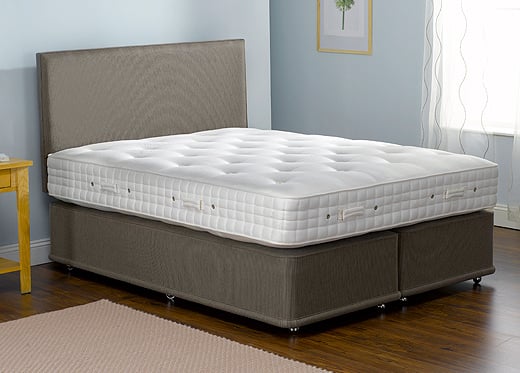
Hypnos holds Royal Warrants to provide beds for the British royal family, and their Regency model at $85,000 represents the same construction techniques and materials used in royal bedrooms. Every spring gets tied by hand using techniques that date back generations, and the padding layers use natural materials exclusively — no synthetics, no foam, no modern shortcuts that might compromise durability or comfort.
The company philosophy rests on the idea that sleeping comfort hasn’t fundamentally changed in centuries, so the techniques that worked for previous generations will continue working indefinitely if executed properly. This approach produces beds that last for decades without losing their shape or support characteristics, which makes the initial expense easier to justify when calculated over the bed’s expected lifespan.
The Kluft Beyond Luxury Collection
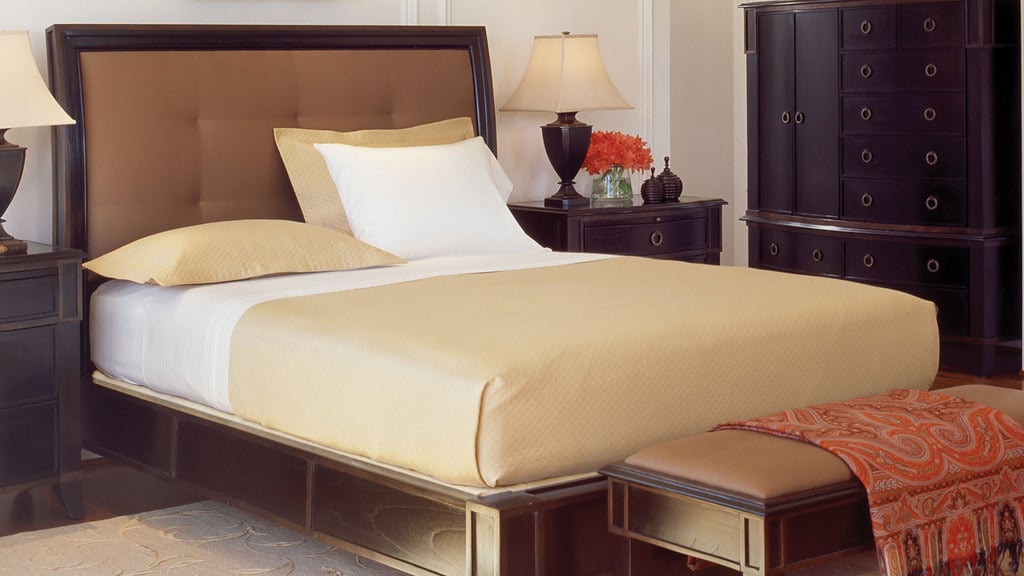
Kluft’s Beyond Luxury line starts around $100,000 and represents American craftsmanship applied to bedding with the same attention to detail that goes into custom furniture or architectural millwork. Each bed uses materials sourced specifically for that individual order — cashmere from Scotland, silk from France, cotton from Peru — and gets assembled by craftsmen who’ve been working for Kluft for decades.
The construction process takes eight weeks because every component gets inspected multiple times and adjusted based on specifications that customers provide during lengthy consultations about their sleep preferences. This level of customization produces beds that feel exactly right for the people who commission them, but it also means that each bed is essentially a one-off creation that can’t be replicated exactly.
Duxiana DUX 8008

This Swedish bed costs around $18,000 and focuses entirely on achieving perfect spinal alignment through a spring system that’s been refined continuously since 1926. DUX beds use springs arranged in zones that provide different levels of support for different parts of the body, creating a sleeping surface that keeps your spine in proper alignment regardless of your preferred sleeping position.
The engineering here prioritizes function over luxury materials or impressive technology. The springs are steel, the padding is cotton and wool, the construction is straightforward — but every element has been calculated to work together in ways that support healthy sleep posture.
People who switch to DUX beds often report that chronic back pain disappears within weeks, which makes the price easier to justify for anyone dealing with sleep-related physical discomfort.
The Ultimate Bed
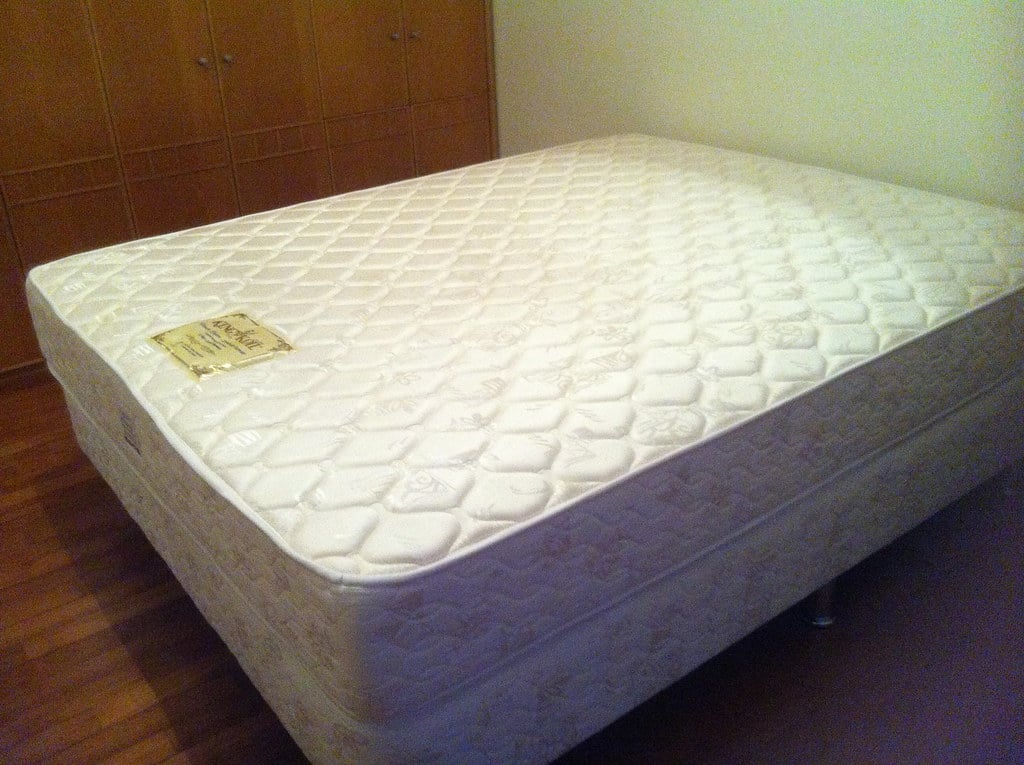
This $25,000 creation from a luxury furniture maker combines traditional craftsmanship with modern materials to create something that looks classic but performs better than historical beds ever could. The frame uses hardwood that’s been aged for years to eliminate warping, while the mattress combines natural latex with micro-coil springs to provide support that adjusts continuously as you move during sleep.
The design philosophy acknowledges that most people want beds that look timeless rather than futuristic, but they also want the comfort benefits that modern materials and engineering can provide. This approach produces beds that fit into traditional bedroom decor while delivering sleep quality that surpasses what previous generations could achieve with the best materials available to them.
Where Dreams Meet Reality

The most expensive beds in the world reveal something interesting about human priorities: when money becomes unlimited, sleep becomes art. These beds cost more than cars, more than down payments on houses, sometimes more than entire houses — but people buy them anyway because sleep matters that much, or because owning something extraordinary matters that much, or because the intersection of comfort and craftsmanship creates value that transcends practical considerations.
Whether any bed justifies spending six figures depends entirely on individual circumstances and values. But these creations prove that furniture makers can push boundaries just as far as any other industry when clients demand perfection and cost becomes irrelevant.
More from Go2Tutors!

- The Romanov Crown Jewels and Their Tragic Fate
- 13 Historical Mysteries That Science Still Can’t Solve
- Famous Hoaxes That Fooled the World for Years
- 15 Child Stars with Tragic Adult Lives
- 16 Famous Jewelry Pieces in History
Like Go2Tutors’s content? Follow us on MSN.