Ancient Rituals That Still Exist in Modern Form
Rituals are one of the oldest parts of human life. Long before phones or cities, people gathered to mark time, show respect, ask for luck, or celebrate something important.
Many of those old traditions have faded, but a surprising number are still around — just in different forms. Some have changed a lot, others only a little. But if you look closely, you’ll see bits of the ancient world still alive in today’s habits.
Weddings
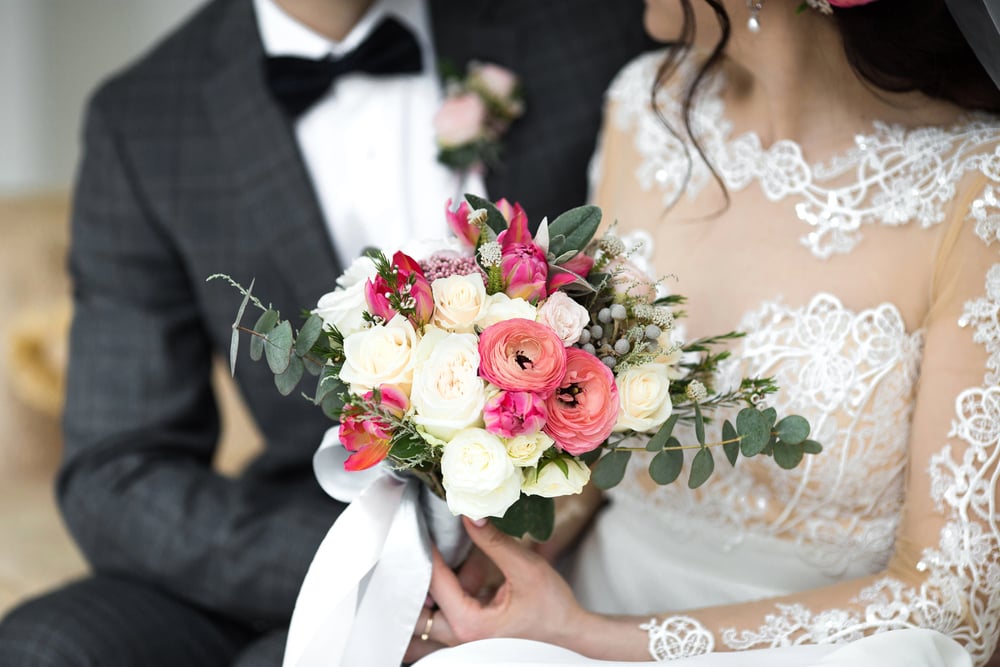
Thousands of years ago, weddings weren’t just about love — they were about family ties, land, or deals between groups. In ancient Rome and Egypt, people used rings, feasts, and symbolic clothes, much like today.
Jumping the broom, throwing rice, or wearing white all have deep roots. These traditions started with meaning and carried through time. Even now, weddings mix old beliefs with modern style.
Funeral ceremonies
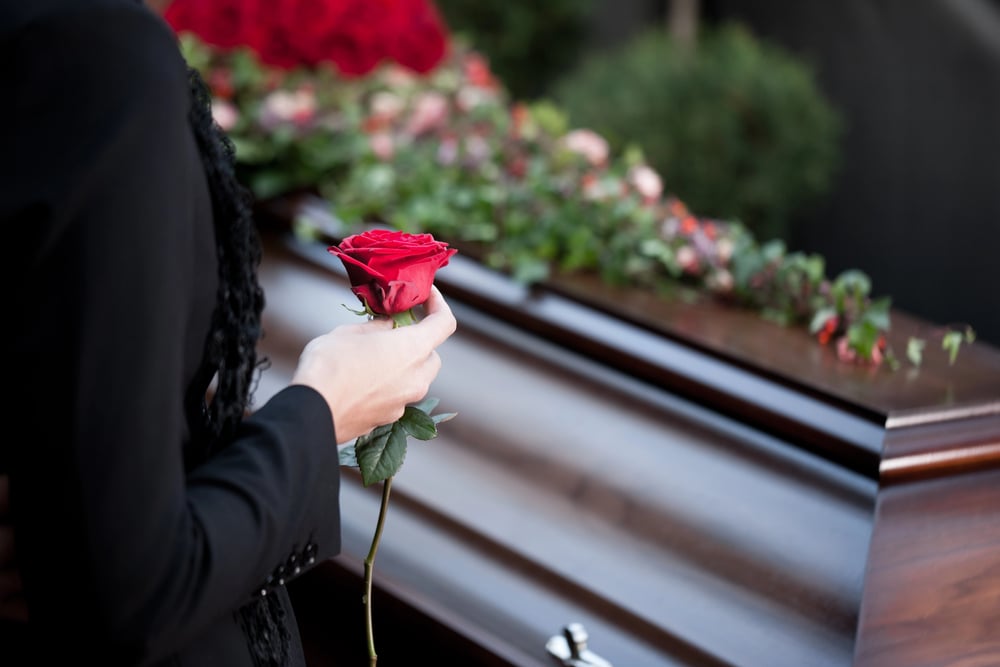
Long before modern funerals, ancient people buried their dead with tools, food, or jewelry to help them in the afterlife. Egyptians, Greeks, and many others believed in honoring the dead through specific rituals.
Today’s funerals may look different, but they still serve the same purpose — remembering, showing respect, and finding comfort. Whether it’s lighting candles or saying a few words, it all goes back to something very old. Grief has always needed a process.
Like Go2Tutors’s content? Follow us on MSN.
New Year’s celebrations
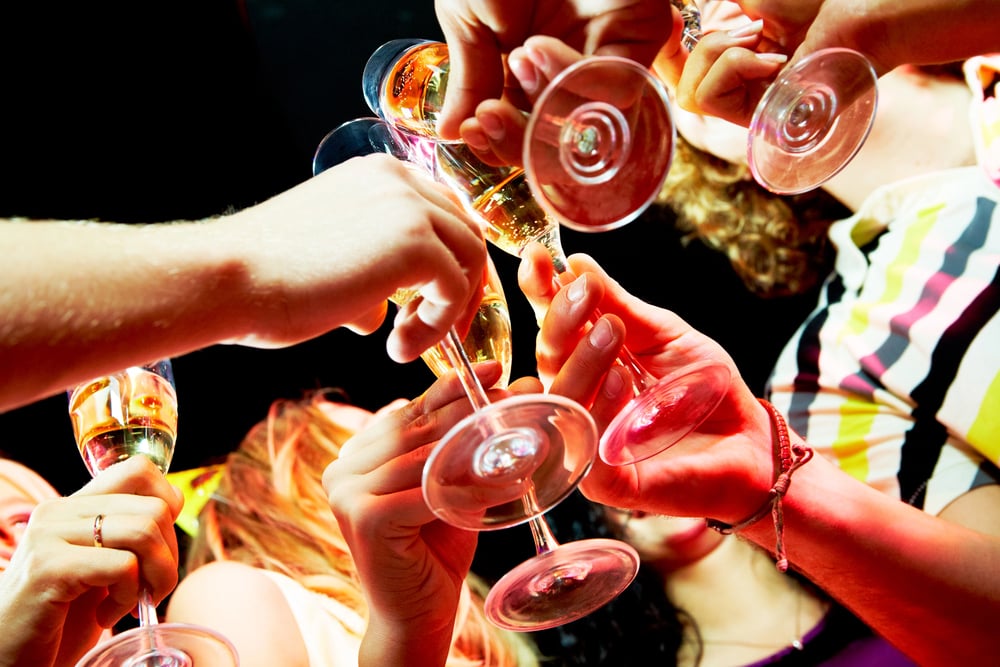
Celebrating the new year didn’t start with fireworks or champagne. Babylonians held huge festivals around 4,000 years ago to mark the spring harvest.
Romans changed the calendar and created January as a time to reflect and start fresh. Today, people still make resolutions, count down to midnight, and hope the next year is better. The idea of closing one chapter and starting another is deeply human.
Handshakes

The handshake goes back to ancient Greece as a symbol of peace, showing that neither person held a weapon. Romans used different versions depending on rank and trust.
Today, people use it to greet, seal deals, or show respect. Even with changes in health habits, the handshake still pops up in formal settings. It’s a small gesture with a long history.
Birthday parties

People didn’t always celebrate birthdays the way we do now. In ancient Egypt and Persia, only royalty had birthday events, often tied to gods or the stars.
Later, Greeks offered cakes to moon goddesses with candles. Now we celebrate everyone’s birthday, often with cake and candles still involved. It’s a mix of ancient beliefs, cultural habits, and personal joy.
Like Go2Tutors’s content? Follow us on MSN.
Tattoos

Ancient tribes across Asia, Africa, and the Pacific Islands used tattoos to show rank, achievements, or protection. They weren’t just for looks — they had meaning.
Today, tattoos are often personal or artistic, but many still carry symbols, names, or memories. Whether spiritual or just expressive, the idea remains: using skin to tell a story.
Victory parades
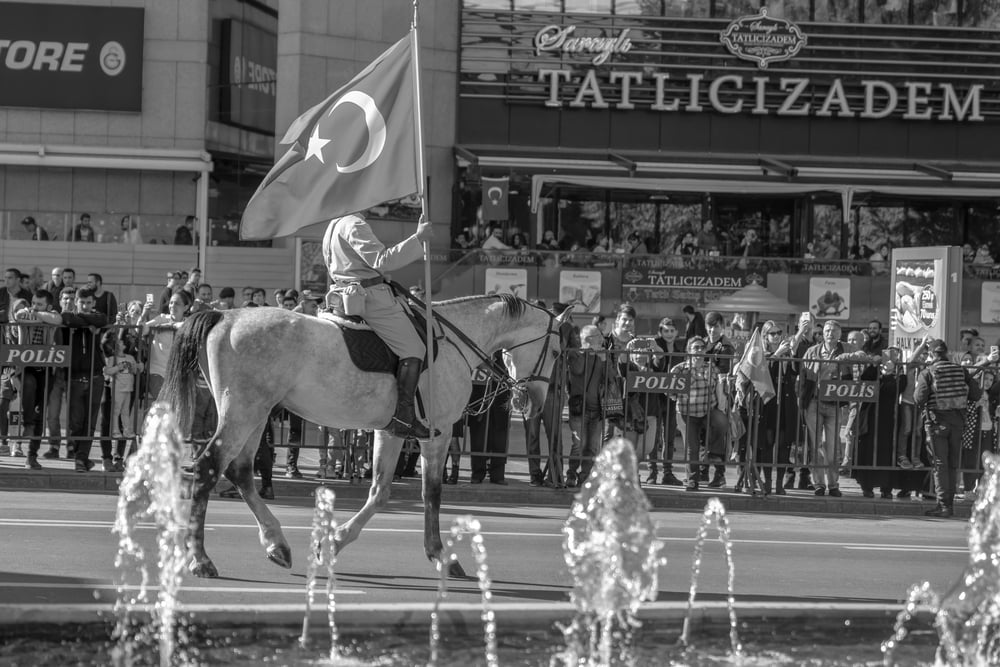
Romans celebrated military wins with parades, music, and public cheering. Victorious generals rode through the city with trophies and prisoners to show their power.
Today’s sports teams or political winners do something similar. Open cars, cheering crowds, and confetti feel a lot like those old marches. People still love honoring their champions in public.
Public fasting
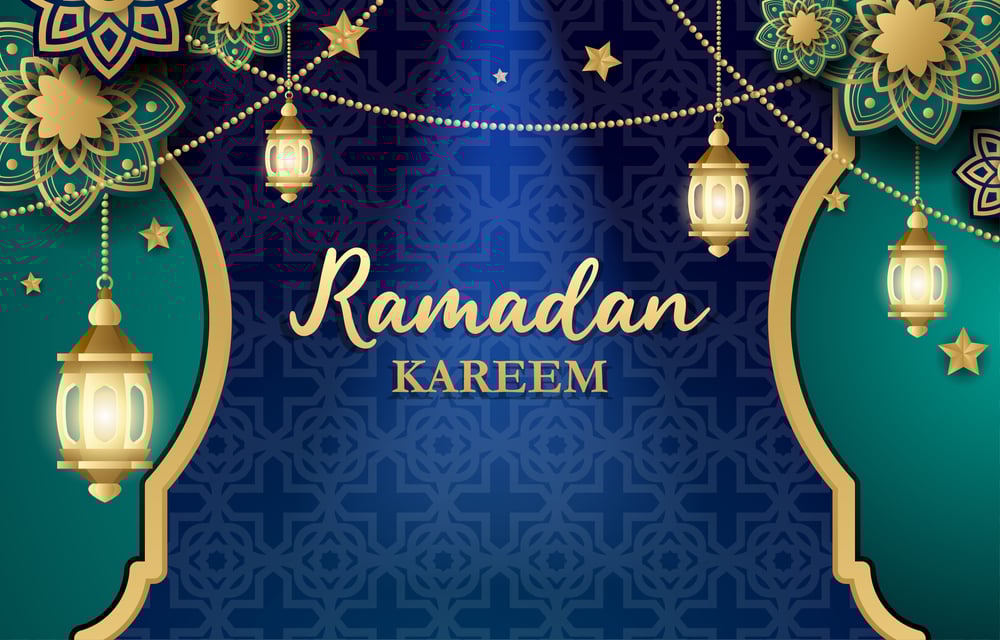
Ancient fasting was common in many religions and tribes as a way to purify, seek guidance, or show devotion. People would stop eating for hours or days to prepare their body and mind.
Today, many still fast during Ramadan, Lent, or other spiritual times. Even outside religion, fasting has found new life in health trends. The reasons have shifted, but the method is familiar.
Like Go2Tutors’s content? Follow us on MSN.
Candle lighting
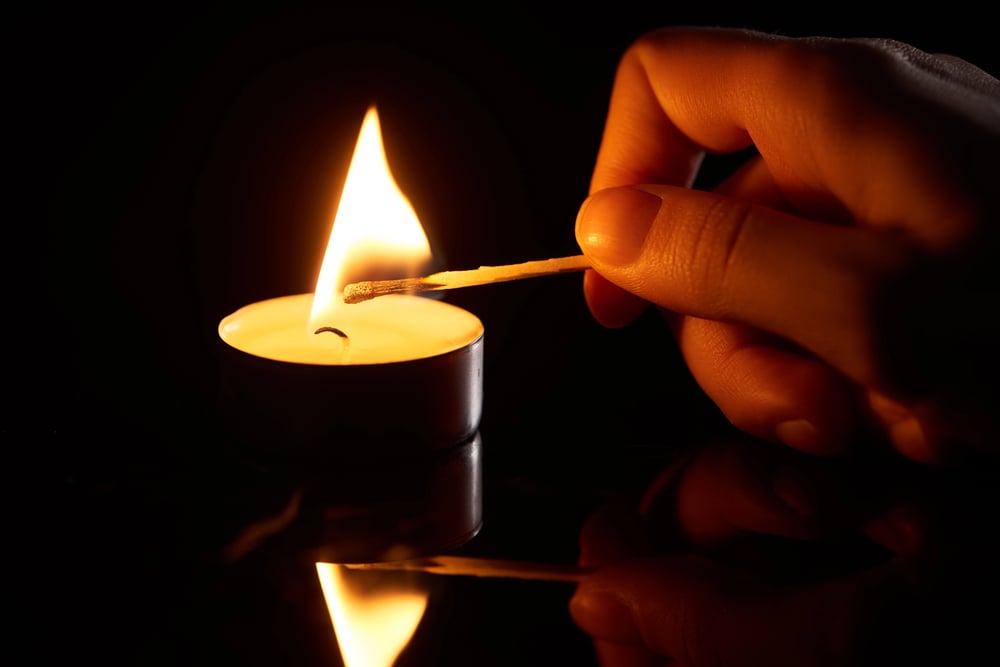
Lighting a flame has always symbolized life, hope, or presence. In temples, caves, and shrines, ancient people lit fires or candles to call on spirits or mark special moments.
Today, candles are still used in birthdays, prayer, remembrance, and ceremonies. That tiny flame still holds deep meaning in both quiet moments and major events.
Dance circles
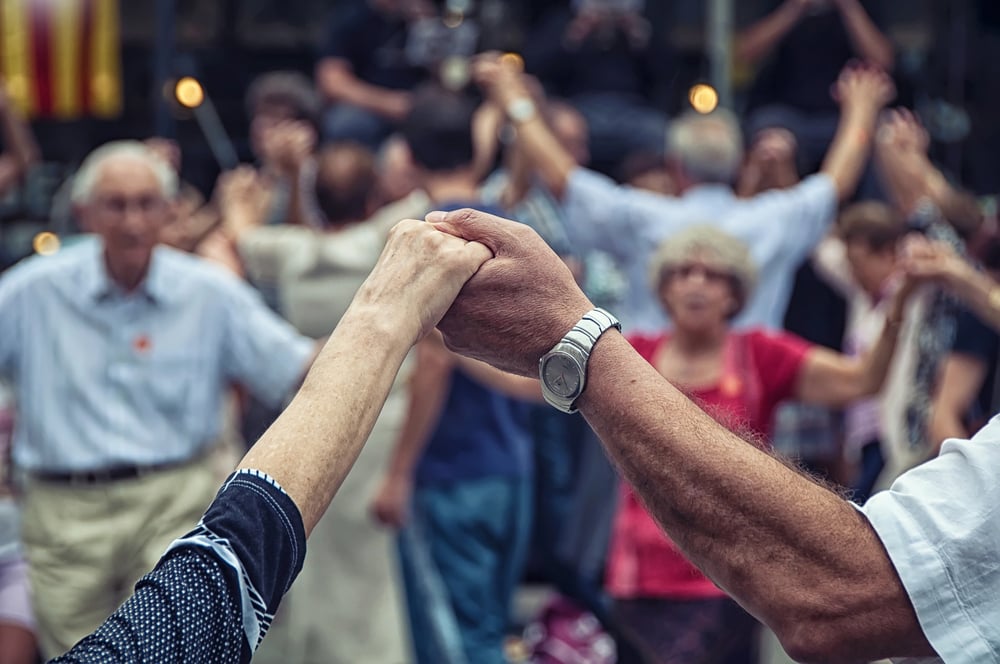
Tribes around the world danced in circles during rituals, harvests, and celebrations. These dances were a way to connect — with each other, the earth, or something higher.
You can still find versions of this in folk dances, festivals, and even weddings. When people join hands and move in rhythm, something ancient shows through.
Feasting after harvest
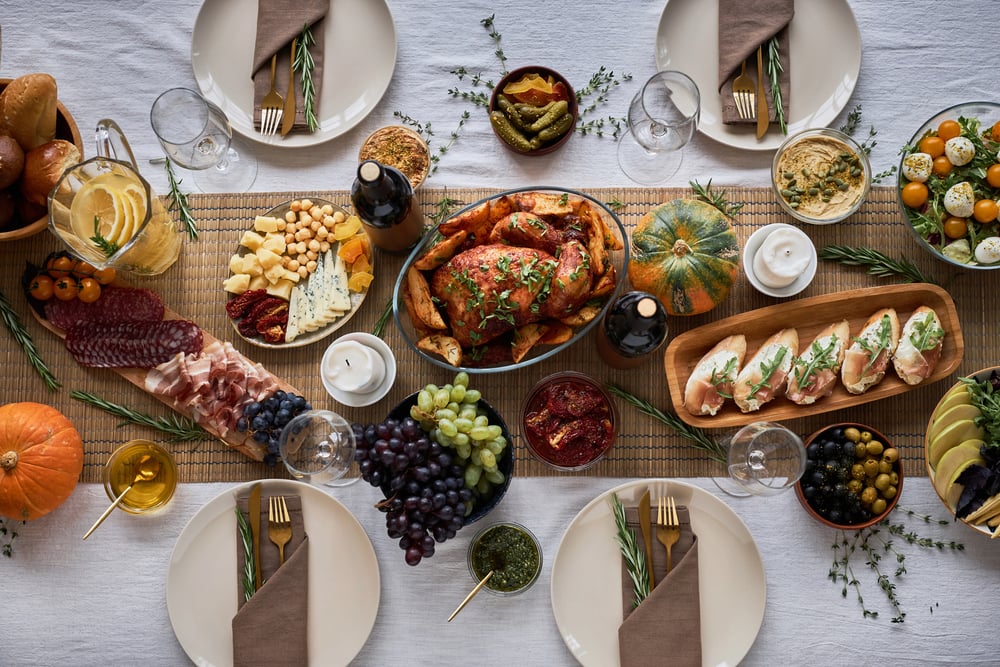
Harvest festivals go back thousands of years. People gathered after collecting crops to eat, rest, and give thanks.
In many cultures, it was the biggest event of the year. Today, holidays like Thanksgiving and other fall feasts follow that same idea. Eating together after hard work feels just as important now as it did then.
Like Go2Tutors’s content? Follow us on MSN.
Storytelling around fire
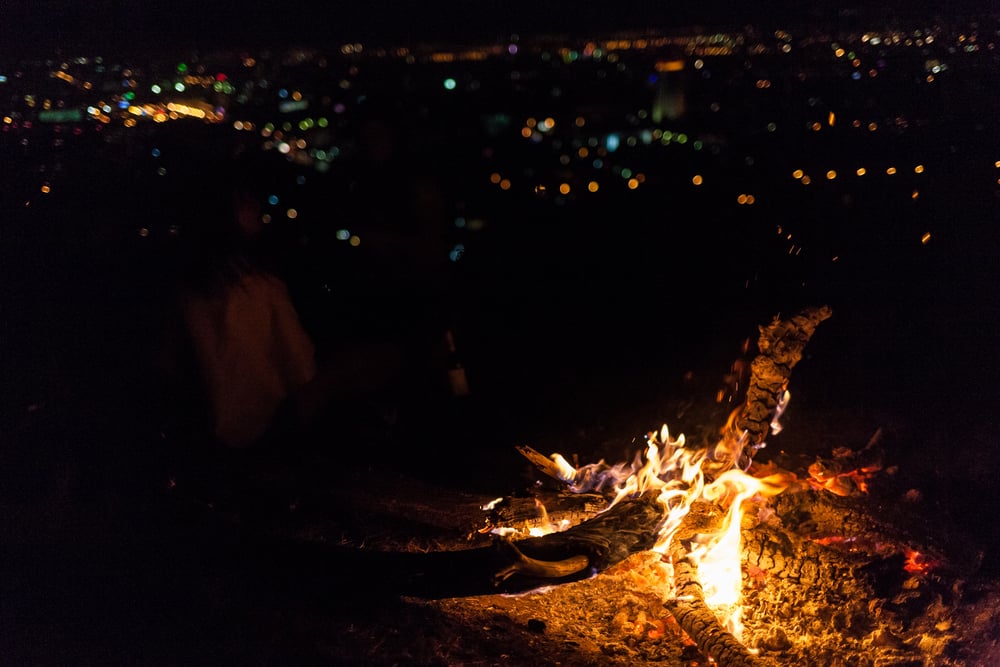
Before books or screens, stories were shared face-to-face — often around a fire at night. It was how knowledge, values, and lessons passed from one generation to the next.
Today, families still gather to tell stories, whether it’s at camp, during holidays, or just before bedtime. The setting may change, but the habit of sharing stories stays strong.
Wearing special clothing for rituals
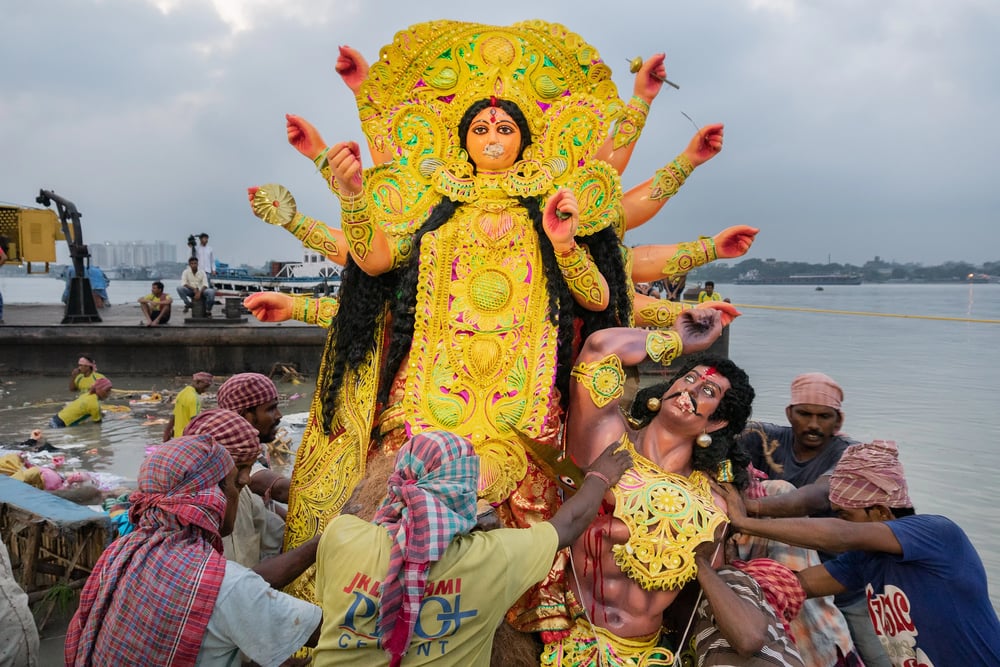
Robes, beads, feathers, or face paint all played a part in old ceremonies. What people wore often showed status, purpose, or spiritual meaning.
Today, people still dress up for church, weddings, graduations, and cultural festivals. Even something as simple as wearing all black for a funeral connects to old rules about showing respect through clothing.
Using herbs and plants in rituals

Ancient healers used plants for both health and spiritual reasons. Burning herbs like sage, using oils, or drinking special teas all had ritual meaning.
Today, people still use these practices in wellness, prayer, and meditation. The science and beliefs may have shifted, but the core idea hasn’t left us.
Like Go2Tutors’s content? Follow us on MSN.
Carving symbols into stone or wood
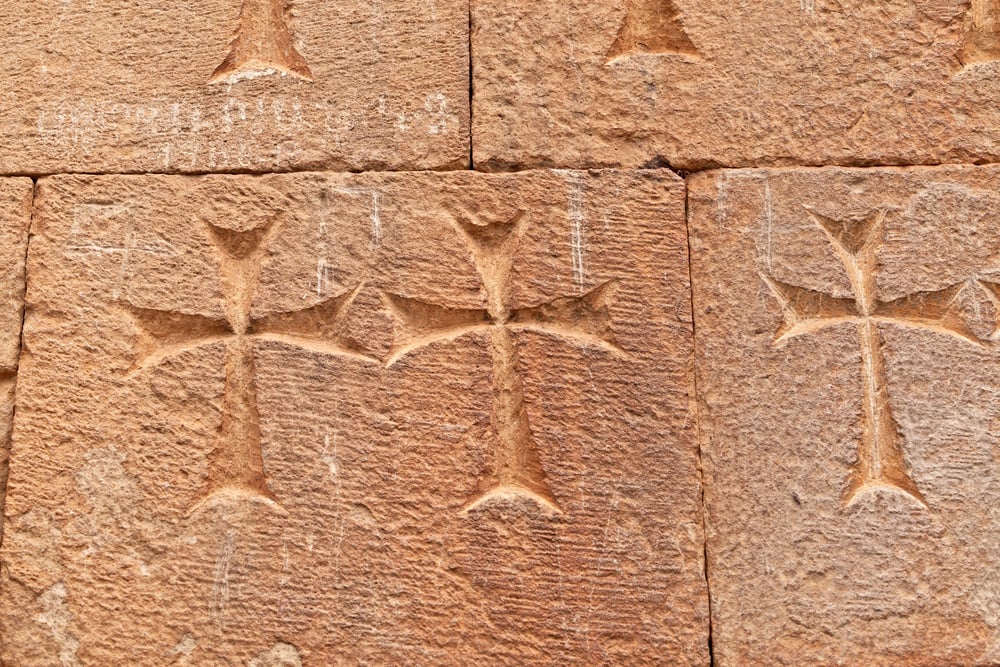
Carvings on temples, totems, and cave walls were more than art — they were part of rituals. They told stories, warned others, or asked for help from beyond.
Today, people still carve names into benches, symbols into gravestones, or create artwork that holds meaning. That old human urge to leave a mark hasn’t gone anywhere.
Washing before prayer or meals
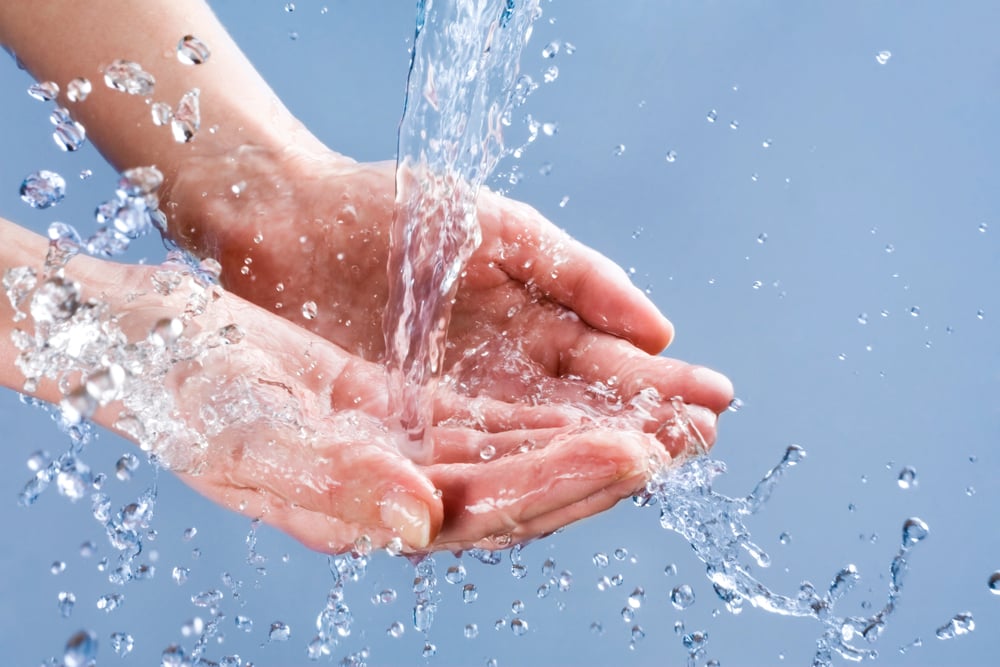
In many ancient cultures, washing hands, face, or feet before entering a sacred space was part of the ritual. It was about more than staying clean — it meant being ready, in body and mind.
Today, many still follow this practice in religious settings or traditional homes. The purpose stays the same: prepare yourself before you connect.
Marking time with the moon or stars

Before calendars, people watched the sky to plan events. Full moons, eclipses, and star patterns helped decide when to plant, pray, or gather.
Some traditions, like Lunar New Year or solstice festivals, still follow this system. Even now, people look to the sky to mark special moments.
Like Go2Tutors’s content? Follow us on MSN.
Why these rituals still feel familiar
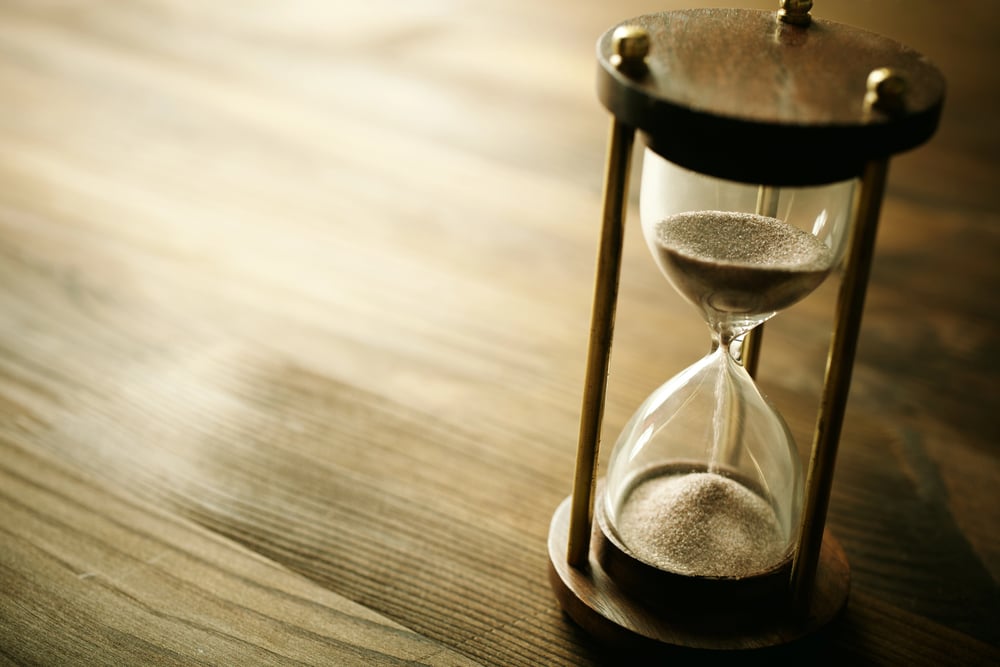
Even as the world changes, people still need ways to mark time, honor others, and feel connected. These old rituals remind us that tradition doesn’t always fade — sometimes it just finds a new shape.
Whether it’s a simple candle, a shared meal, or a song passed down, the meaning stays. Ancient habits live on not because we copy them exactly, but because they still speak to something deep and human. That’s why they never really go away.
More from Go2Tutors!

- 16 Historical Figures Who Were Nothing Like You Think
- 12 Things Sold in the 80s That Are Now Illegal
- 15 VHS Tapes That Could Be Worth Thousands
- 17 Historical “What Ifs” That Would Have Changed Everything
- 18 TV Shows That Vanished Without a Finale
Like Go2Tutors’s content? Follow us on MSN.



