15 Cars from the ’50s, ’60s, and ’70s That Are Still Worth a Fortune Today
The golden age of automotive design produced some of the most stunning and innovative vehicles ever built. From muscular American icons to elegant European masterpieces, many classic cars have transcended their status as mere transportation to become rolling works of art and highly sought-after collector’s items.
Here is a list of vintage automobiles from the ’50s through the ’70s that continue to command astronomical prices at auctions and private sales around the world.
Ferrari 250 GTO

The Ferrari 250 GTO stands as perhaps the most valuable production car ever made. Built between 1962 and 1964, with only 36 examples produced, this racing legend has repeatedly shattered auction records.
A 1963 model sold for $70 million in a private sale in 2018, making it the most expensive car ever sold at that time.
Mercedes-Benz 300SL Gullwing

Instantly recognizable by its upward-opening doors, the 300SL Gullwing remains one of Mercedes’ most celebrated creations. Introduced in 1954 as a road-going version of the company’s successful racing car, pristine examples now regularly fetch between $1-2 million.
The car’s tubular frame, fuel-injected engine, and those iconic doors make it a true automotive milestone
Shelby Cobra 427
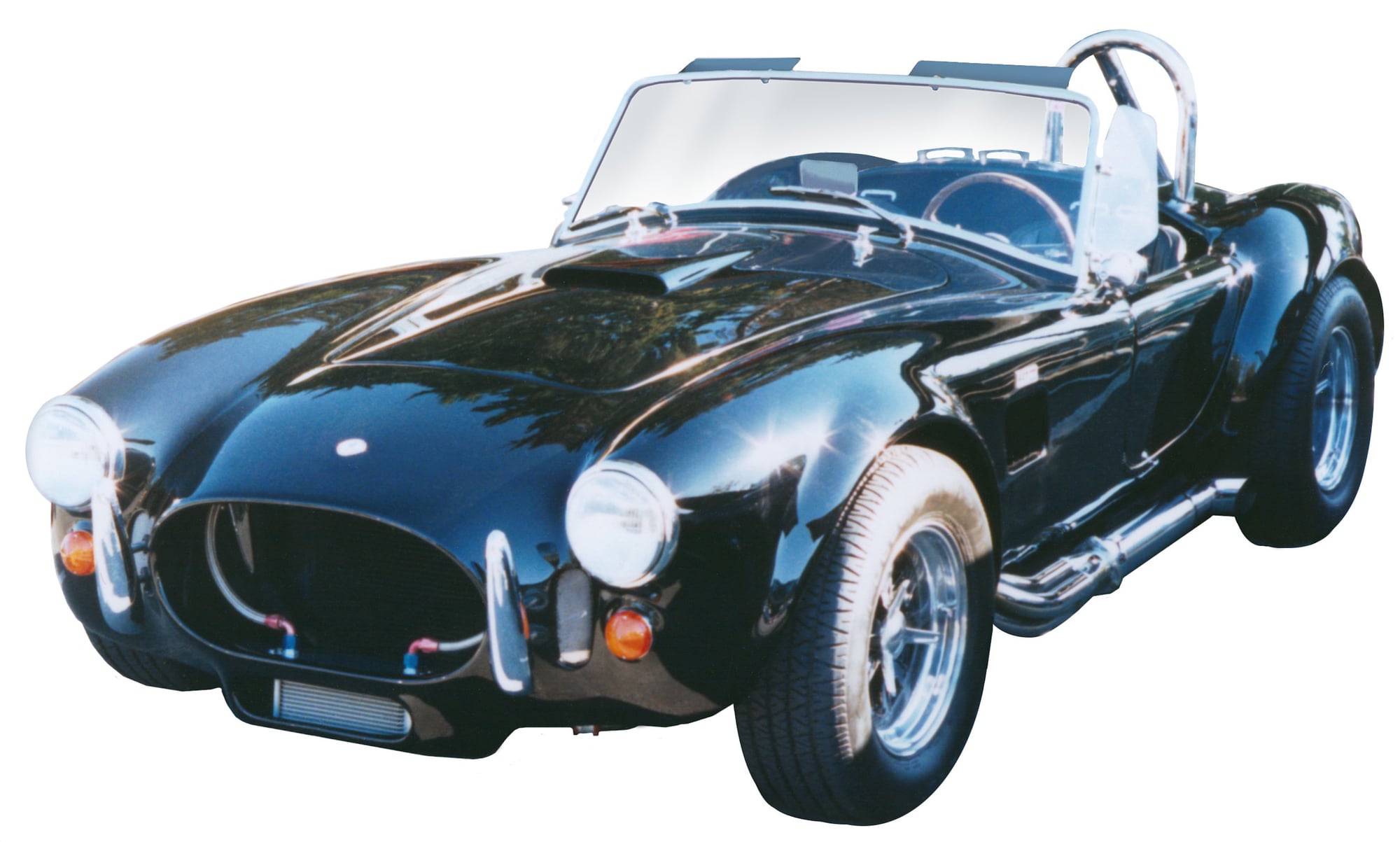
Carroll Shelby’s work of art melds British refinement with unadulterated American power. With its enormous 7.0-liter Ford V8 engine, the 427 variant is the final culmination of the Cobra concept.
Even authorized continuation cars fetch considerable money; original examples with confirmed history can fetch prices far over $5 million.
Aston Martin DB5
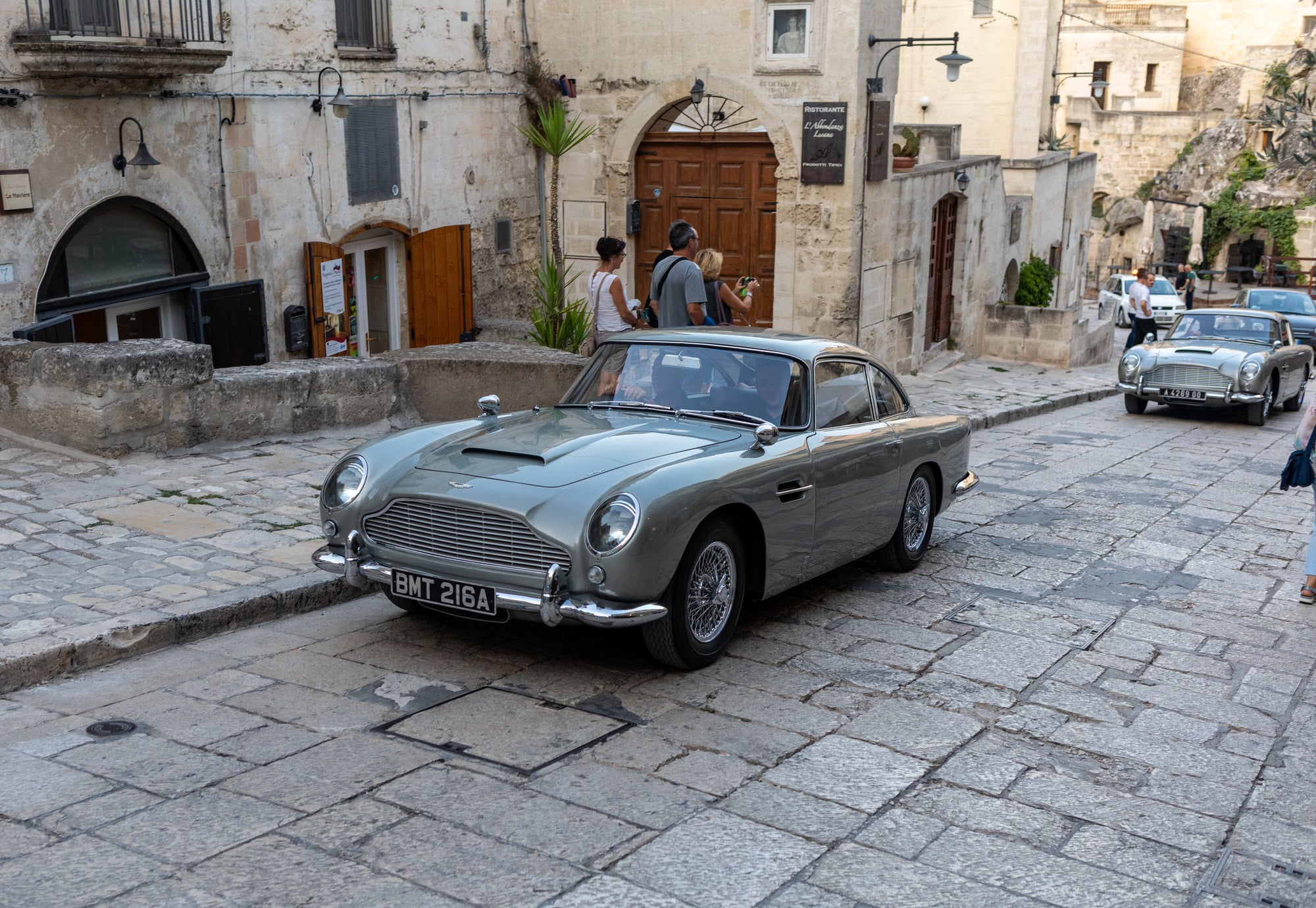
Always linked to James Bond, the DB5 became ageless when it was featured in the 1964 movie ‘Goldfinger.’ Apart from its movie notoriety, the DB5 is renowned for its great performance and ideal dimensions.
With particular versions going far higher, these beautiful grand tourers now often change hands for over $1 million.
Lamborghini Miura
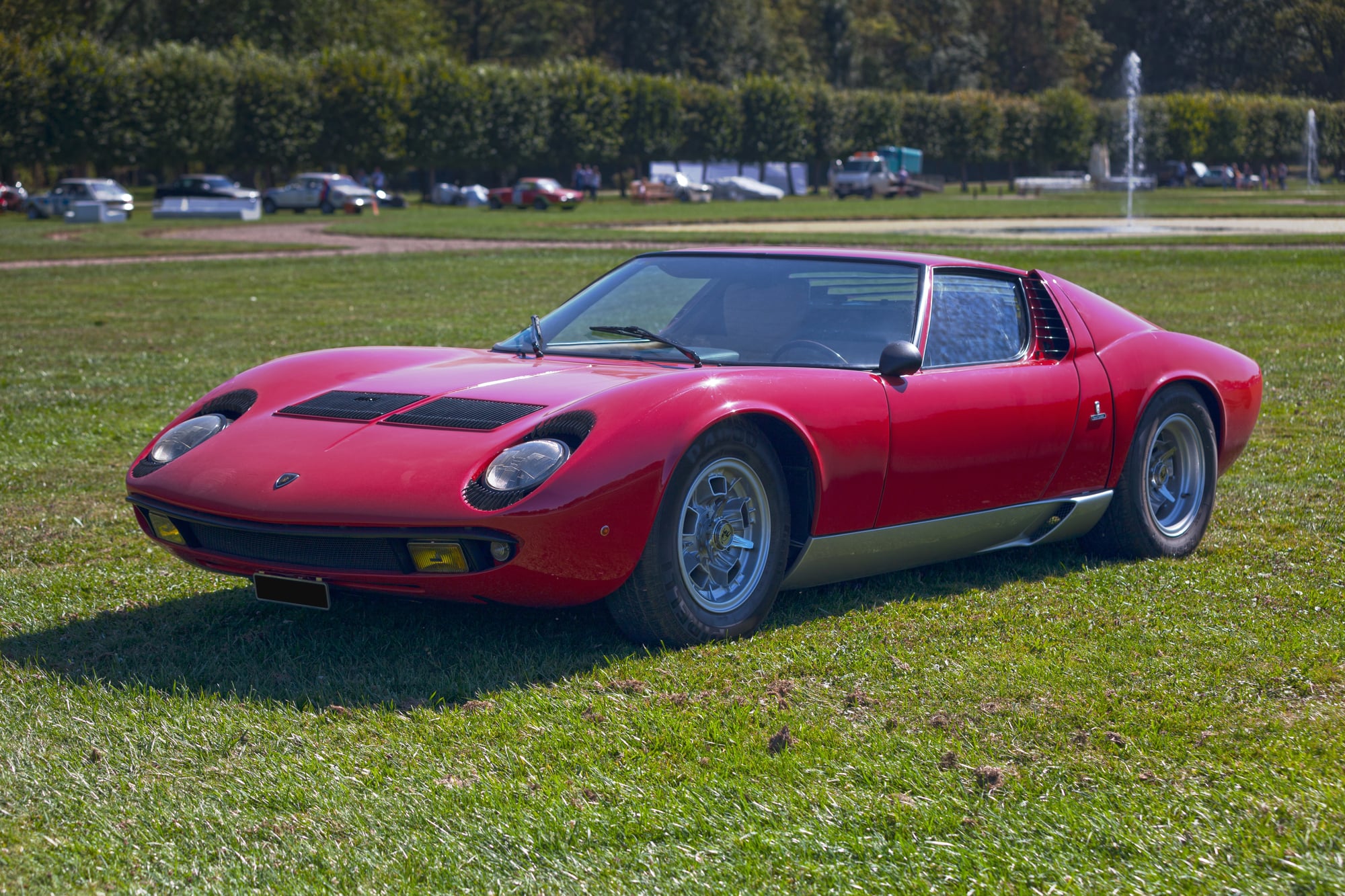
Often considered the world’s first supercar, the Miura stunned the automotive world upon its debut in 1966. Its mid-mounted V12 engine and breathtaking styling by Marcello Gandini revolutionized sports car design.
The most desirable SV models now command prices well above $2 million, with exceptional examples reaching toward $4 million.
Jaguar E-Type
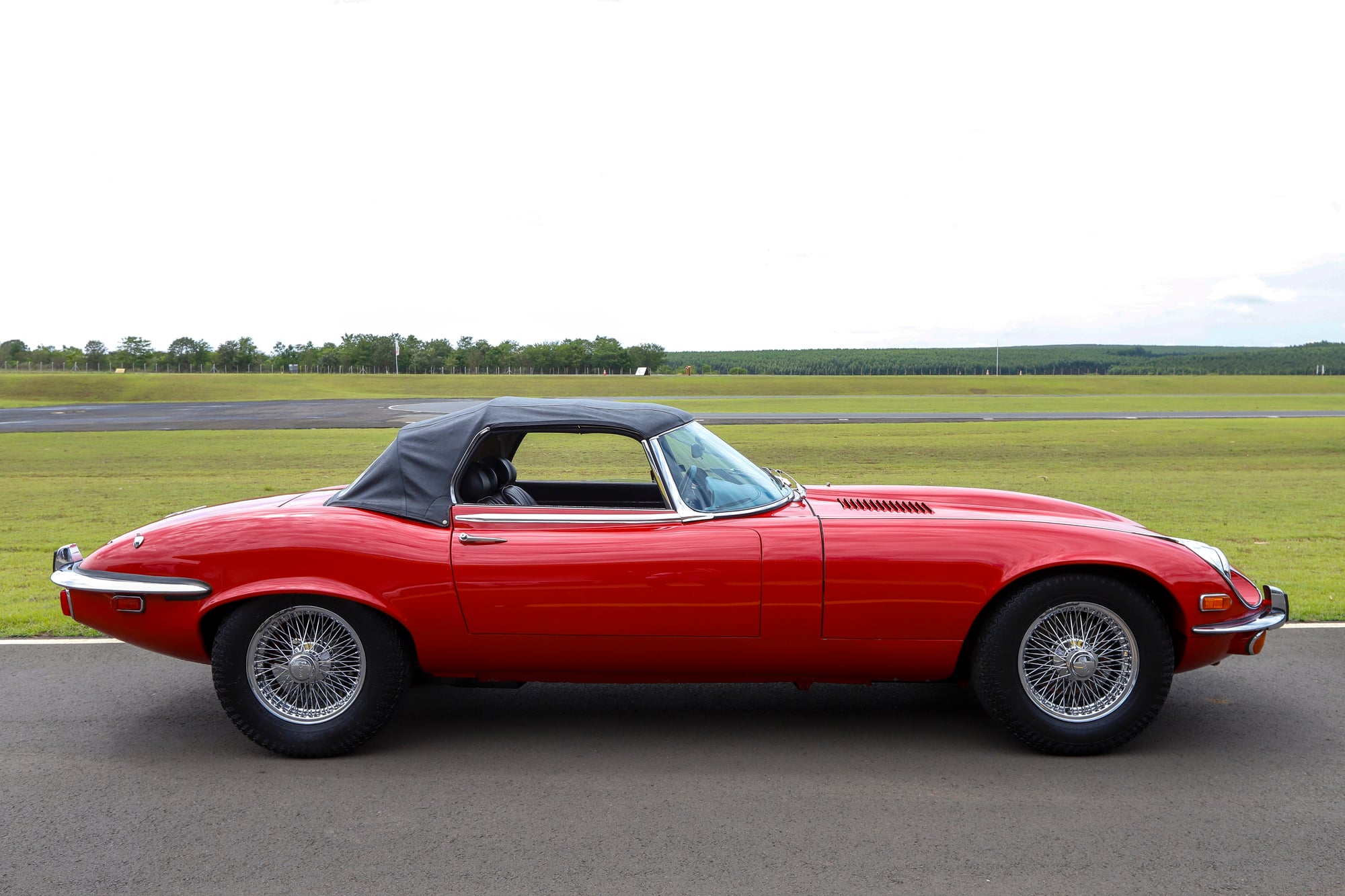
Enzo Ferrari himself called it ‘the most beautiful car ever made,’ and the market continues to agree with him. Launched in 1961, the E-Type combined stunning looks with genuine performance at a fraction of the price of its exotic competitors.
Early Series 1 roadsters with the 3.8-liter engine are particularly valuable, with pristine examples now worth $300,000 to $500,000.
Toyota 2000GT
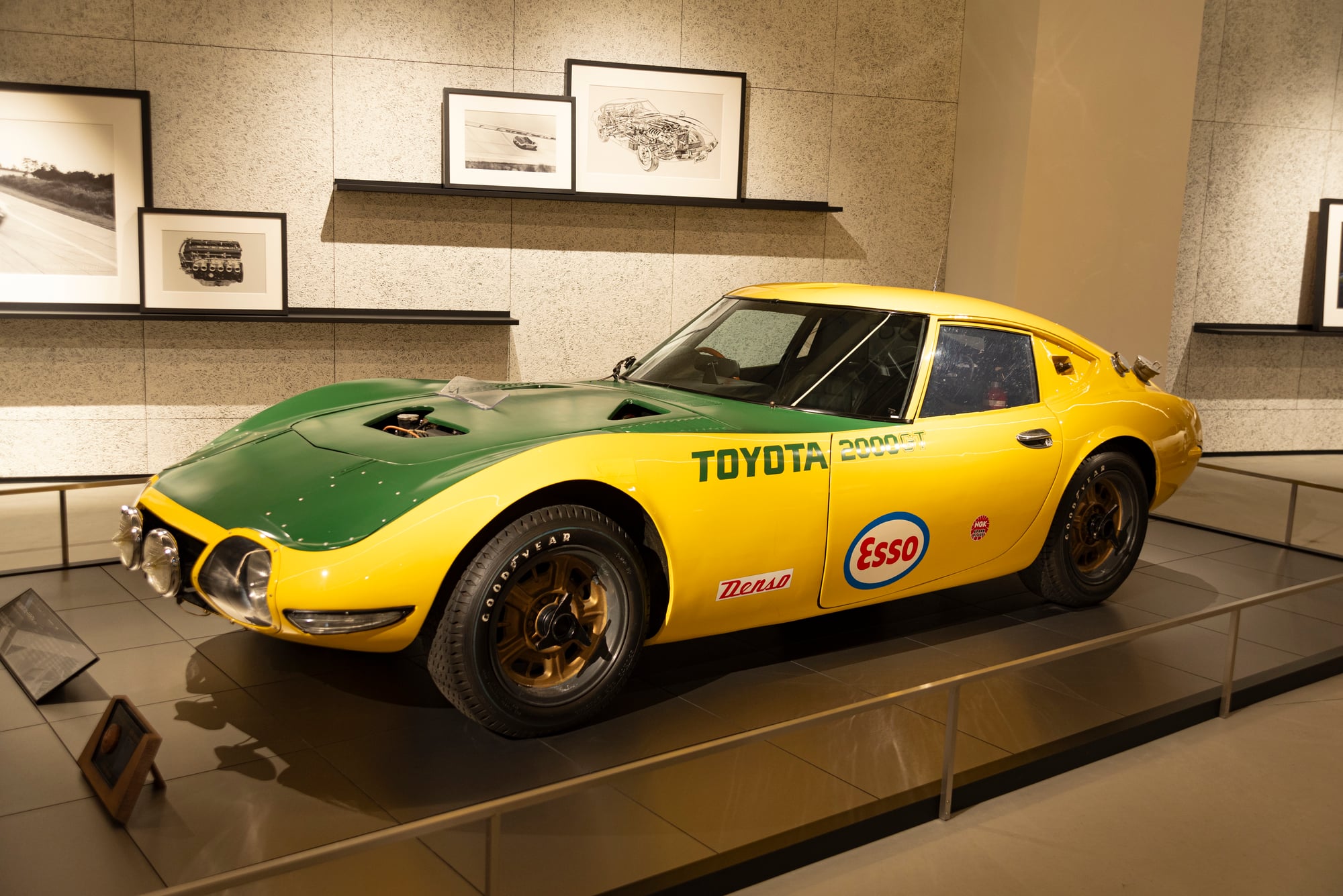
Japan’s first supercar proved the country could produce world-class sports cars. With only 351 examples built between 1967 and 1970, the 2000GT combines rarity with exquisite styling often compared to the Jaguar E-Type.
These once-overlooked classics now routinely sell for over $1 million, cementing their status as blue-chip collectibles.
Porsche 911 Carrera RS 2.7
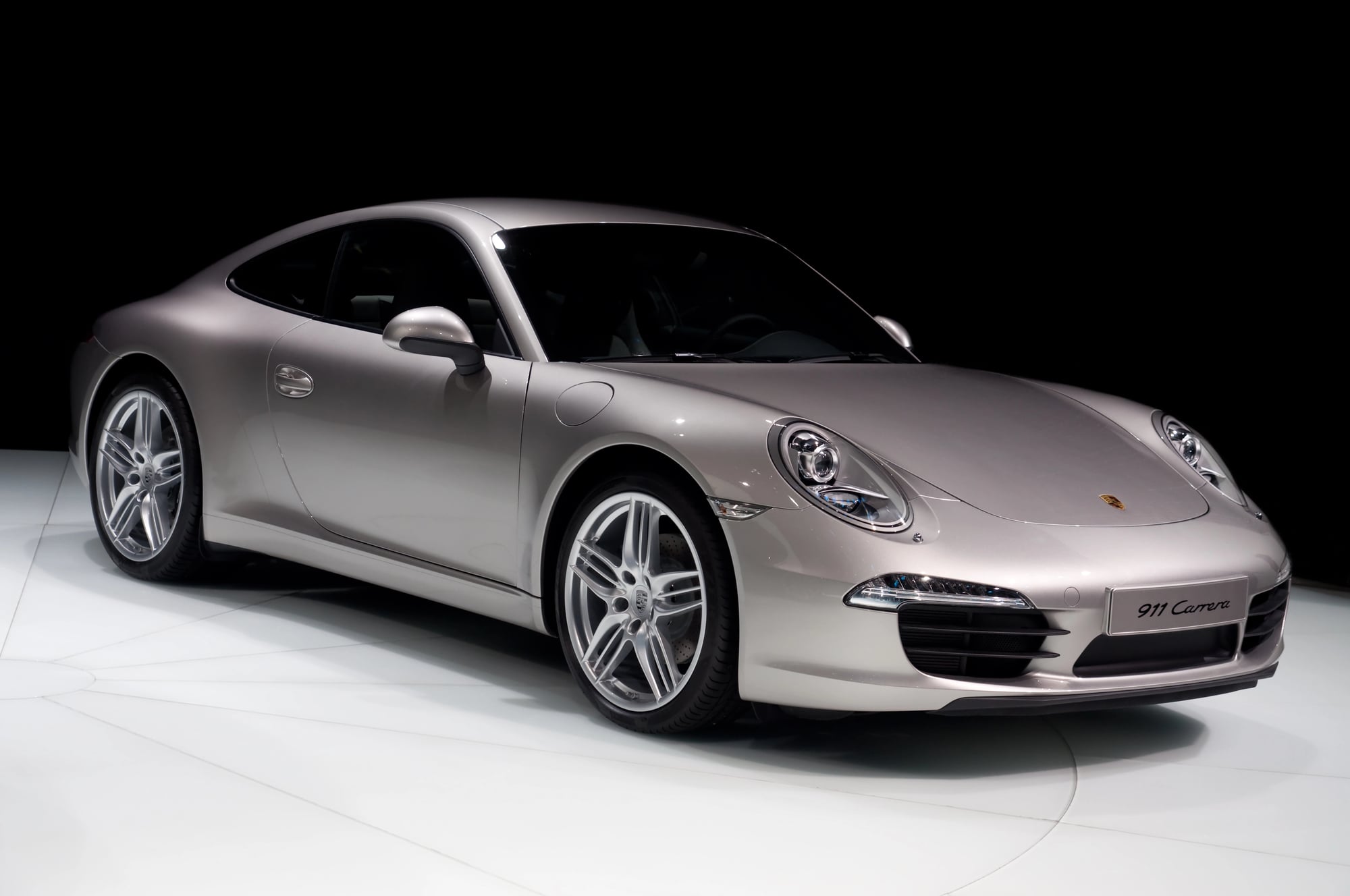
Built as a homologation car for racing, the 1973 Carrera RS is a high water mark in 911 development. The RS set the standard for decades of performance 911s to come with its unique “ducktail” back spoiler and strong 2.7-liter engine.
Lightweight cars now go for $1-1.5 million; uncommon racing variants fetch considerably more.
Chevrolet Corvette L88

While many Corvettes have appreciated in value, the rare L88 models stand head and shoulders above the rest. Produced from 1967 to 1969, these track-focused beasts featured a conservatively rated 430-horsepower engine and numerous racing-oriented components.
With fewer than 200 ever made, L88 Corvettes regularly sell for $1.5-3 million.
Ferrari Dino 246 GT
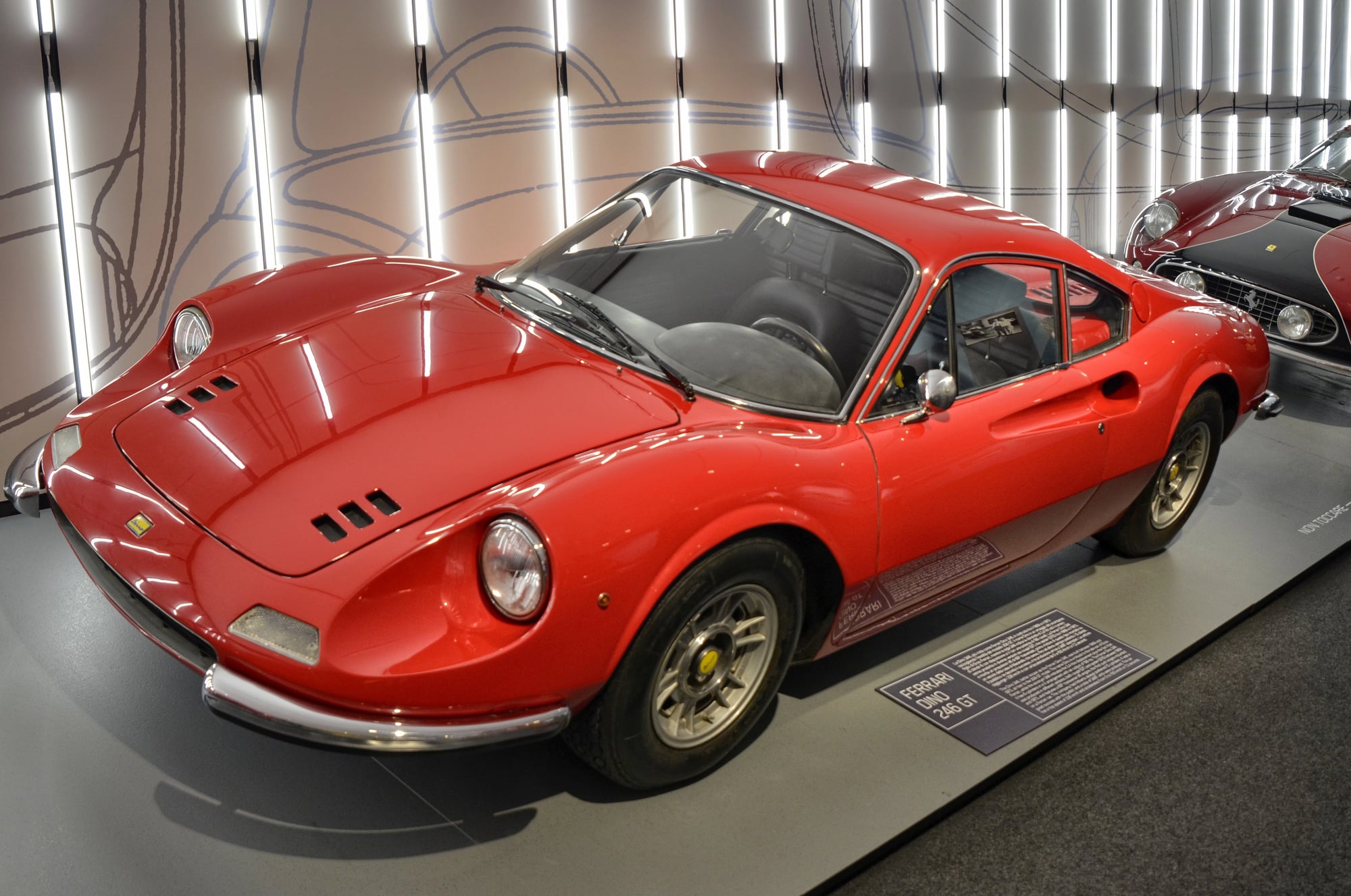
Originally marketed as a separate brand to Ferrari, the Dino has long since earned its place in the Maranello pantheon. Named after Enzo Ferrari’s late son, the Dino 246 GT offers sublime handling and a glorious V6 soundtrack.
Once the ‘affordable’ Ferrari, well-preserved examples now change hands for $350,000 to $500,000.
Plymouth Hemi ‘Cuda Convertible
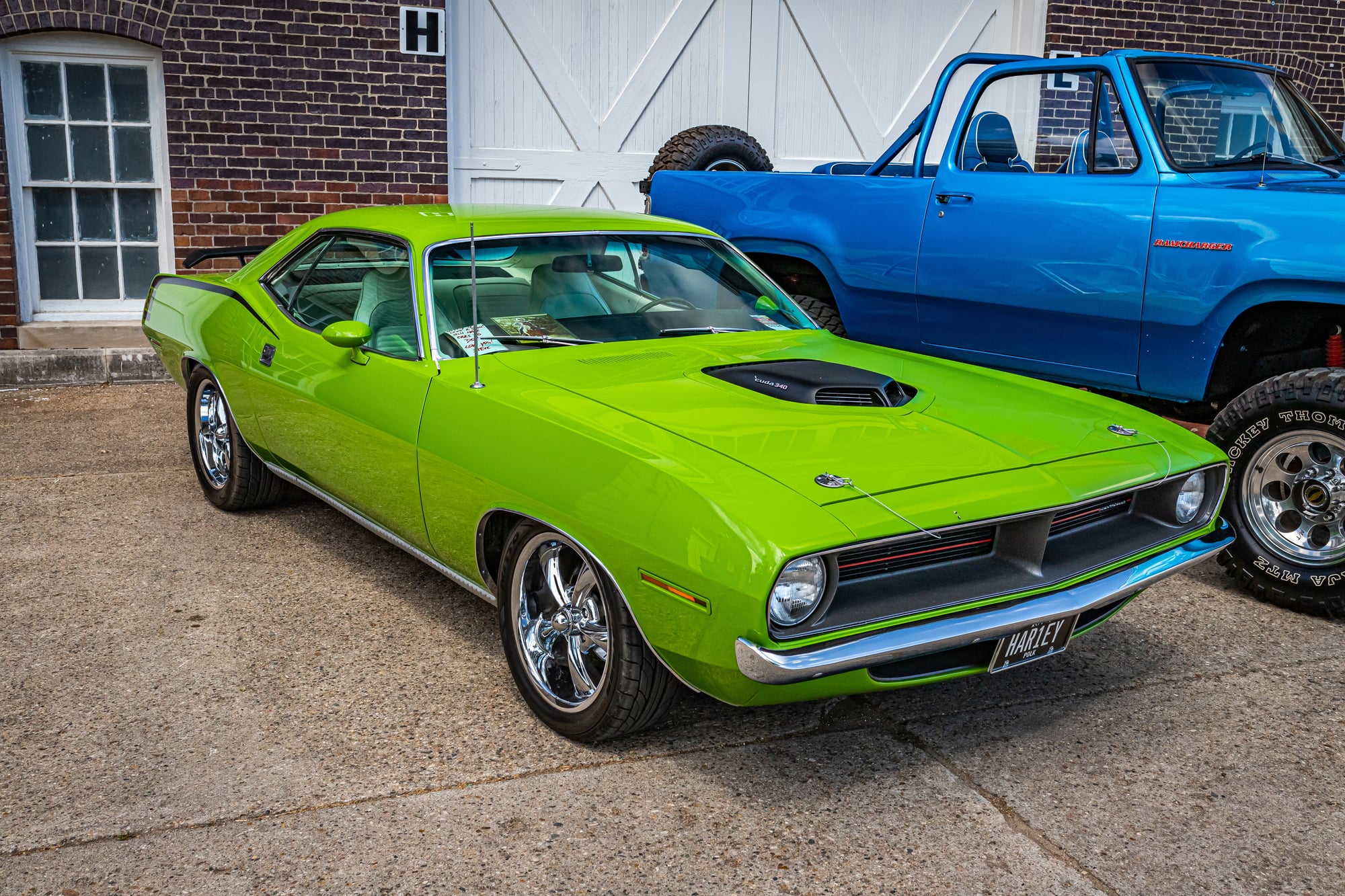
The rarest of the rare among muscle cars, the 1970-71 Hemi ‘Cuda convertibles combine outrageous performance with open-air thrills. With just 21 cars produced over two years, these cars represent the pinnacle of muscle car collectibility.
The combination of scarcity and mythical status has pushed prices to an astonishing $2-3 million.
BMW 507
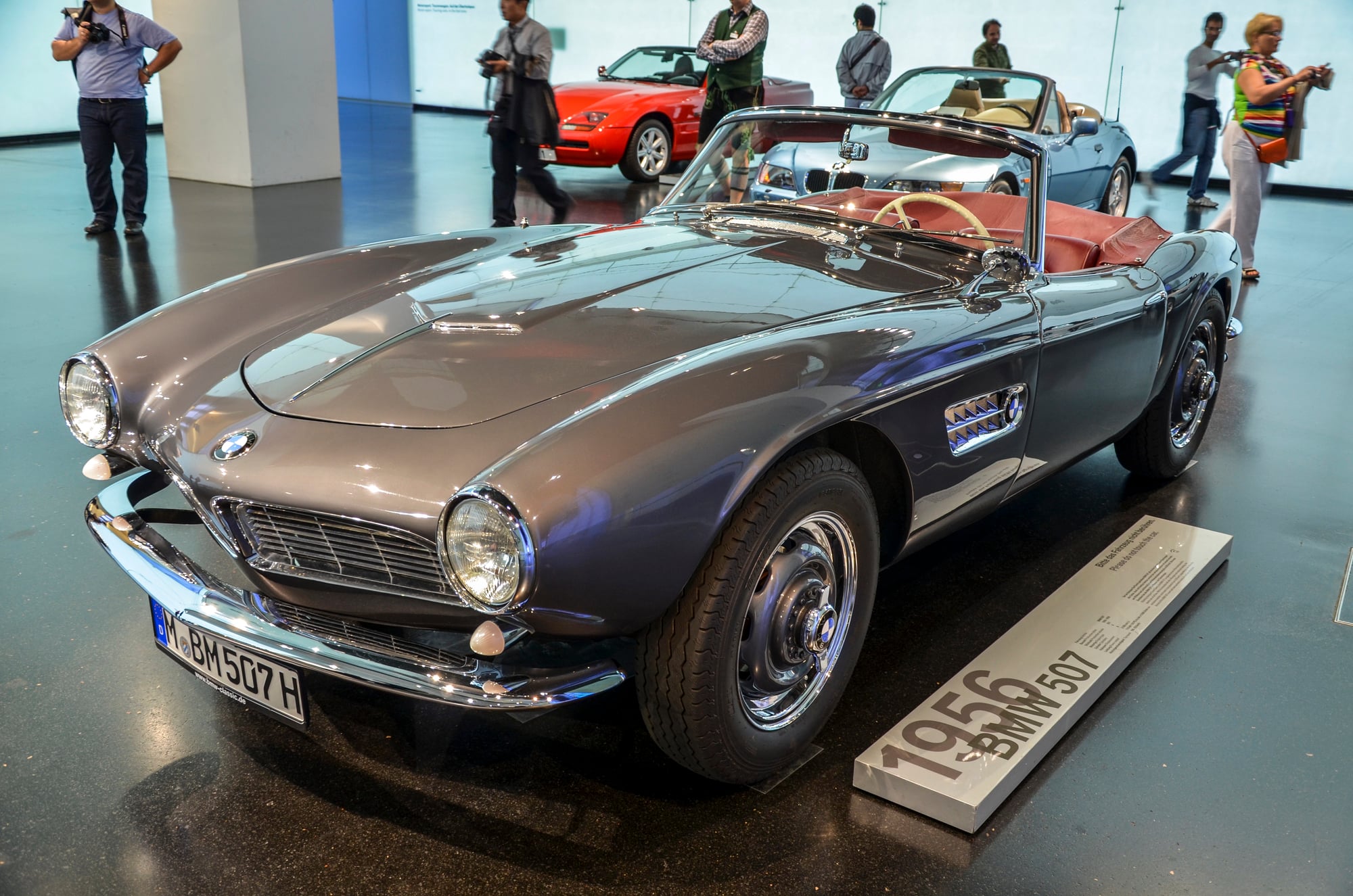
This gorgeous roadster nearly bankrupted BMW when it was new due to its high production costs. Only 252 were built between 1956 and 1959, with owners including Elvis Presley.
The 507’s lasting influence on BMW design and its incredible rarity have pushed values to extraordinary heights, with examples now selling for $2-3 million.
Mercedes-Benz 300SL Roadster
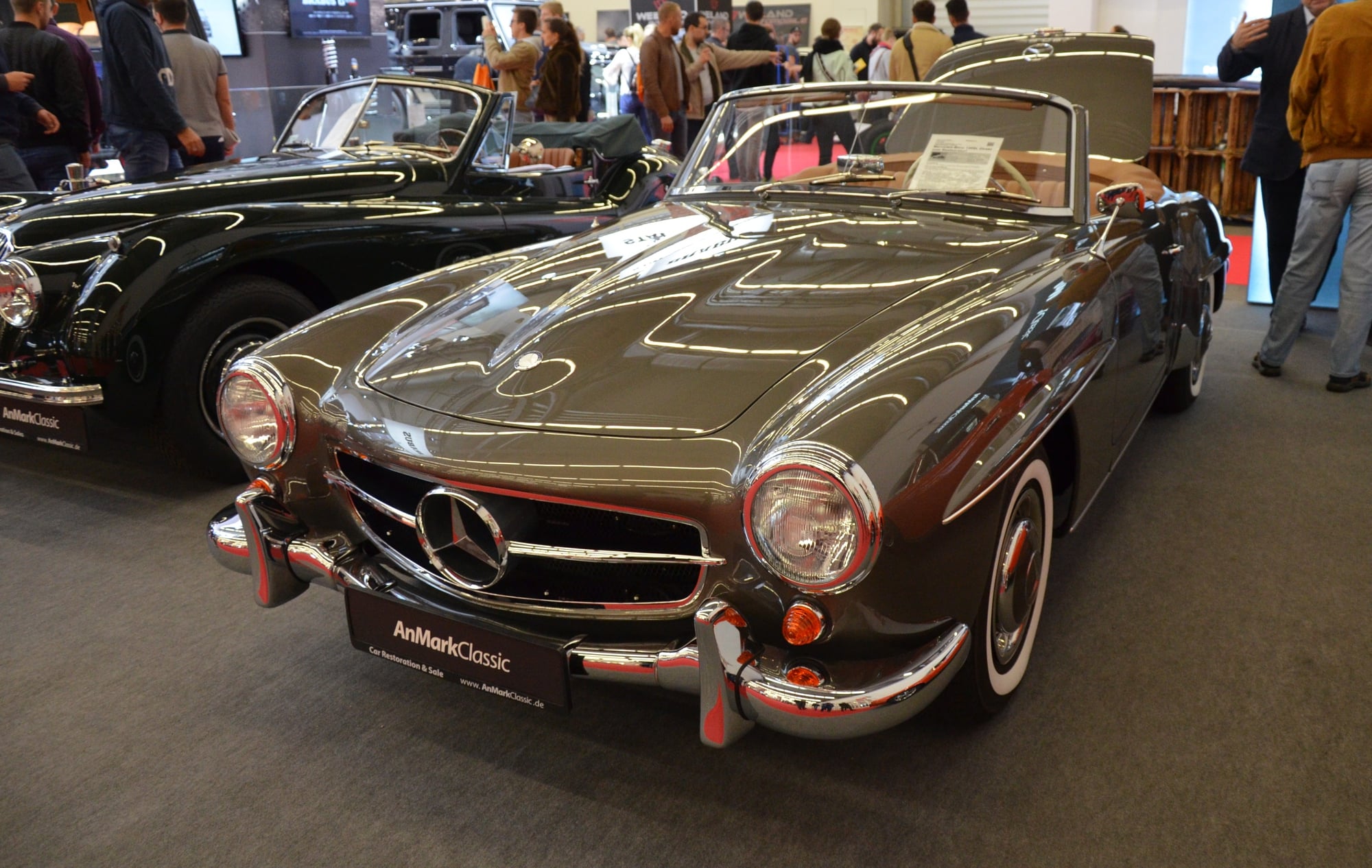
Often overshadowed by its Gullwing sibling, the 300SL Roadster has become equally desirable among collectors. Offering open-air motoring with the same impressive performance, these elegant convertibles now command prices similar to the coupes.
Late-production examples with disc brakes and the desirable aluminum engine block are particularly valuable.
Dodge Charger Daytona
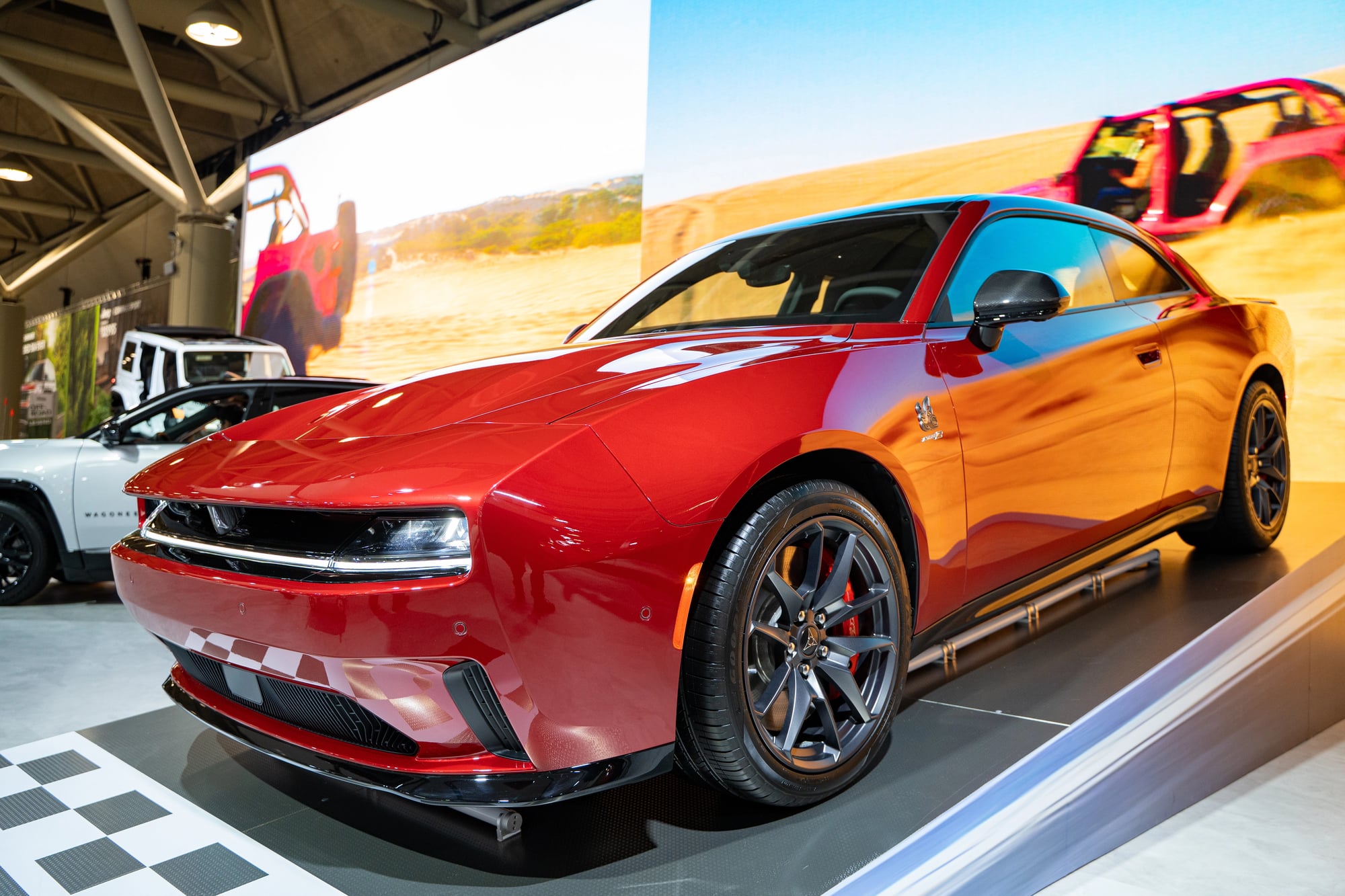
NASCAR homologation rules gave birth to this aerodynamic monster with its massive rear wing and pointed nose cone. Only 503 were built for the 1969 model year, and these outrageous machines now represent the pinnacle of Mopar collecting.
Pristine examples with the optional 426 Hemi engine have changed hands for over $1 million.
Ford GT40
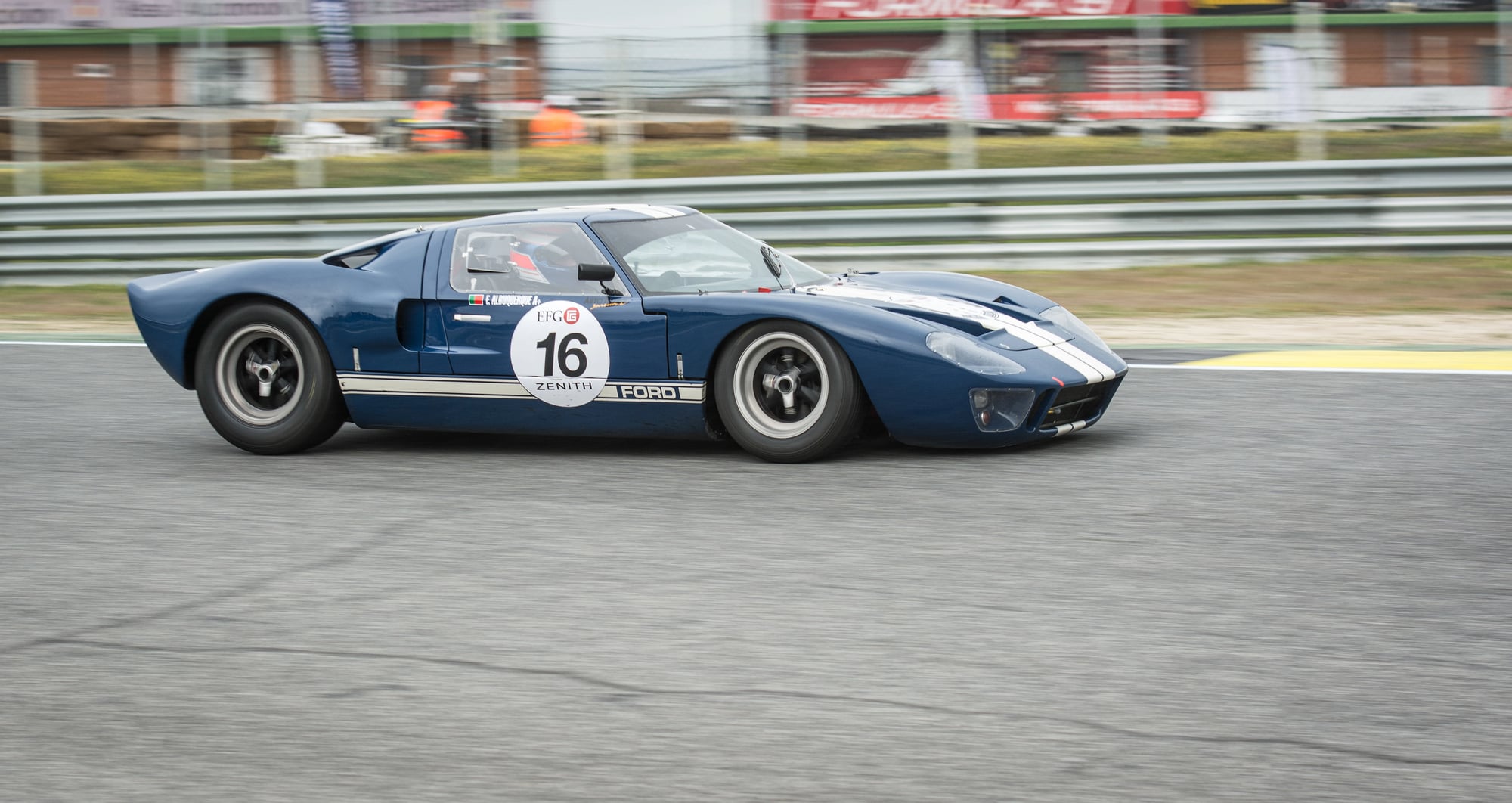
Originally built to beat Ferrari at Le Mans (which it did, four times consecutively), the GT40 represents Ford’s finest racing hour. The road-going Mk III version is exceptionally rare, with just seven produced.
Original GT40s of any variety are now multimillion-dollar collector items, with racing examples and significant history commanding the highest prices.
Timeless Value in a Changing World

These automotive treasures continue to be appreciated not just because of their rarity, but because they represent milestones in design, engineering, and cultural significance. Unlike modern vehicles, which typically depreciate rapidly, these classics have proven to be genuine financial investments.
Their enduring value reminds us that certain objects transcend their utilitarian purpose to become genuine works of art, appreciated across generations for their beauty, performance, and historical importance.
More from Go2Tutors!

- The Romanov Crown Jewels and Their Tragic Fate
- 13 Historical Mysteries That Science Still Can’t Solve
- Famous Hoaxes That Fooled the World for Years
- 15 Child Stars with Tragic Adult Lives
- 16 Famous Jewelry Pieces in History
Like Go2Tutors’s content? Follow us on MSN.



