Ancient Tattoos Found on Mummies
The human body tells stories long after death. When archaeologists unwrap preserved remains from frozen mountains or desert tombs, they sometimes discover more than bones and tissue.
Ink marks on ancient skin reveal that people thousands of years ago decorated their bodies with permanent designs, just like today. These discoveries change how you think about ancient cultures.
Tattoos weren’t just a modern rebellion or recent trend. They existed across continents and millennia, serving purposes that ranged from healing to spirituality to simple decoration.
The Frozen Hunter Who Started Everything
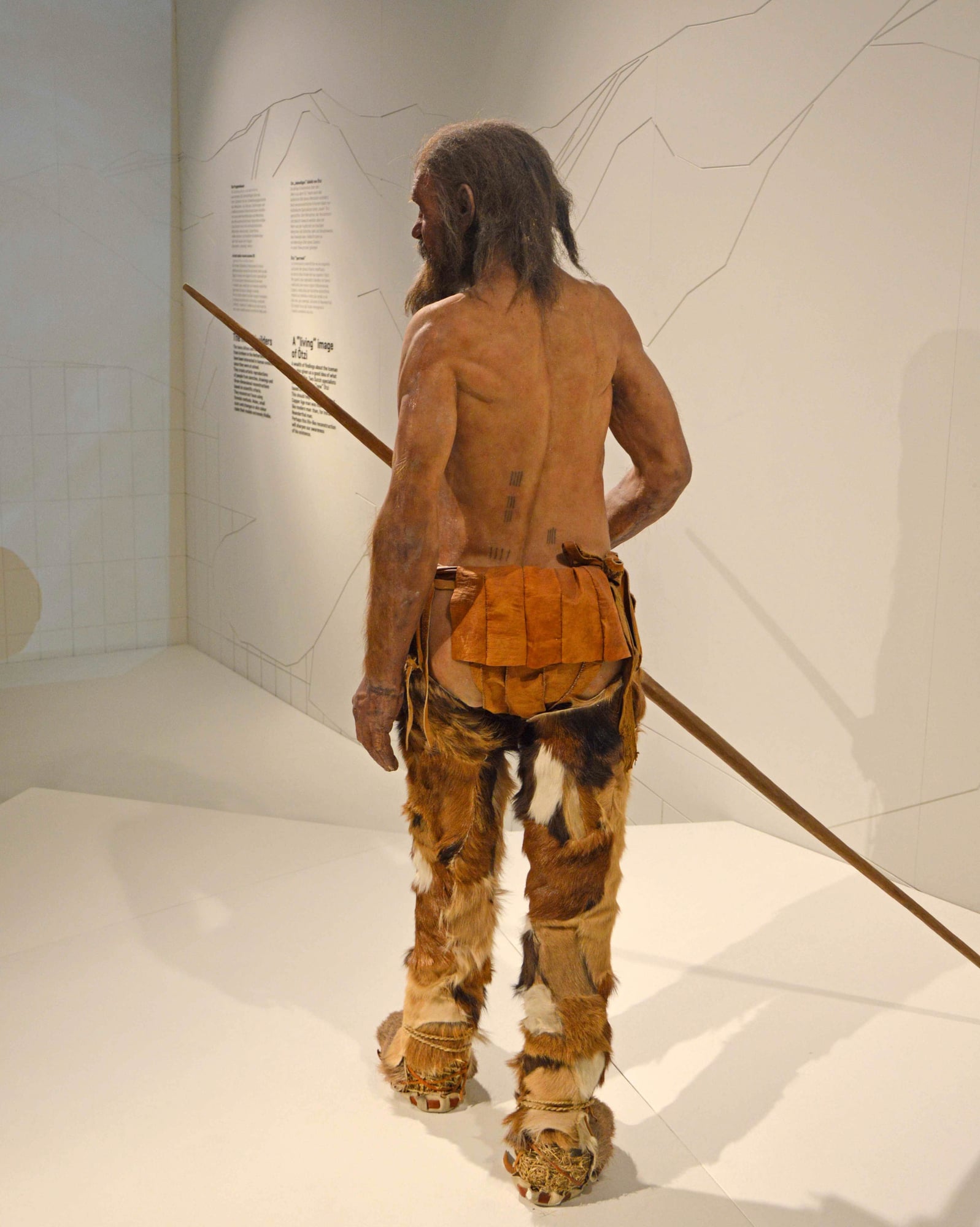
Ötzi the Iceman emerged from an Alpine glacier in 1991 with 61 tattoos still visible on his mummified skin. He died around 3370 BCE, making his body art over 5,000 years old.
His tattoos consisted of simple lines and crosses, placed primarily on his lower back, knees, and ankles. Scientists believe these marks served a therapeutic purpose, similar to acupuncture points used to treat joint pain and arthritis.
Egyptian Priestesses Wore Complex Patterns

Ancient Egypt gave us some of the most elaborate tattooed mummies. A woman named Amunet, who served as a priestess around 2000 BCE, bore parallel lines across her abdomen and geometric patterns on her thighs.
Female mummies from this period show tattoos far more frequently than male ones. The patterns often featured dots and dashes arranged in meaningful configurations that likely held religious significance.
The Pazyryk Princess Brought Mythology to Life
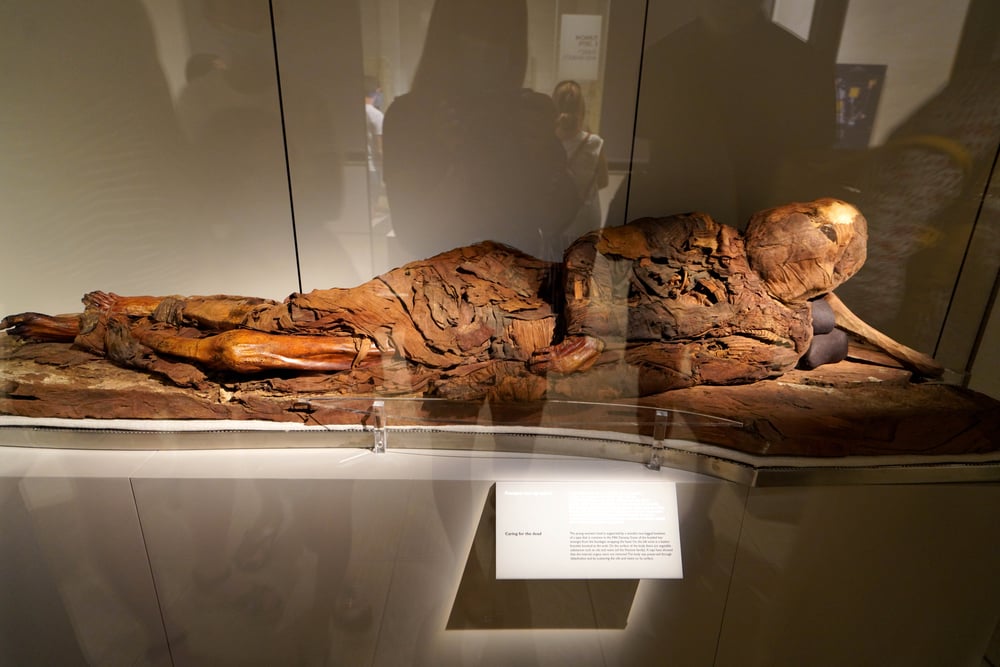
High in the Siberian Altai Mountains, archaeologists found a young woman from 500 BCE whose arms displayed intricate animal designs. Local people call her the Ice Maiden or the Ukok Princess.
Her tattoos depicted mythological creatures with antlers and transformed features. The artistry showed remarkable skill, with flowing lines that wrapped around her shoulders and hands like elaborate sleeves.
Therapeutic Marks Targeted Pain Points

Many ancient tattoos appear on joints and areas prone to wear. The pattern repeats across different cultures and time periods, suggesting people understood that marking specific body locations could provide relief.
Acupuncture-style placement shows up on mummies from Europe, Asia, and North Africa. The correlation between tattoo locations and areas that typically experience chronic pain seems too consistent to be coincidental.
Spiritual Protection Required Permanent Symbols

Religious beliefs motivated much of ancient body art. Tattoos served as permanent amulets that protected the wearer in life and accompanied them into the afterlife.
The Egyptian goddess Bes appeared frequently in tattoo form on ancient bodies. This deity protected women during childbirth, and her image on skin offered constant divine guardianship.
Tools Were Surprisingly Sophisticated

Ancient tattoo artists used needles made from bone, bronze, or thorns. They created pigments from soot, plant materials, and minerals that proved remarkably stable over millennia.
Carbon-based inks survived burial conditions that destroyed other organic materials. The permanence of these pigments explains why you can still see detailed designs on skin that has been dead for thousands of years.
Status Symbols Separated Social Classes

Not everyone in ancient societies wore tattoos. The practice often indicated specific roles, achievements, or social standing within a community.
High-ranking individuals from Pazyryk culture displayed more elaborate and extensive tattoos than common people. The time and resources required to create complex body art made it a luxury that signaled wealth and position.
Gender Patterns Varied by Culture

Egyptian evidence suggests tattoos appeared almost exclusively on women, particularly those associated with religious rites. But other cultures showed different patterns entirely.
Male mummies from Polynesian and South American sites display extensive tattooing that covered large portions of their bodies. Each culture developed its own rules about who could be tattooed and why.
The Practice Spanned Continents
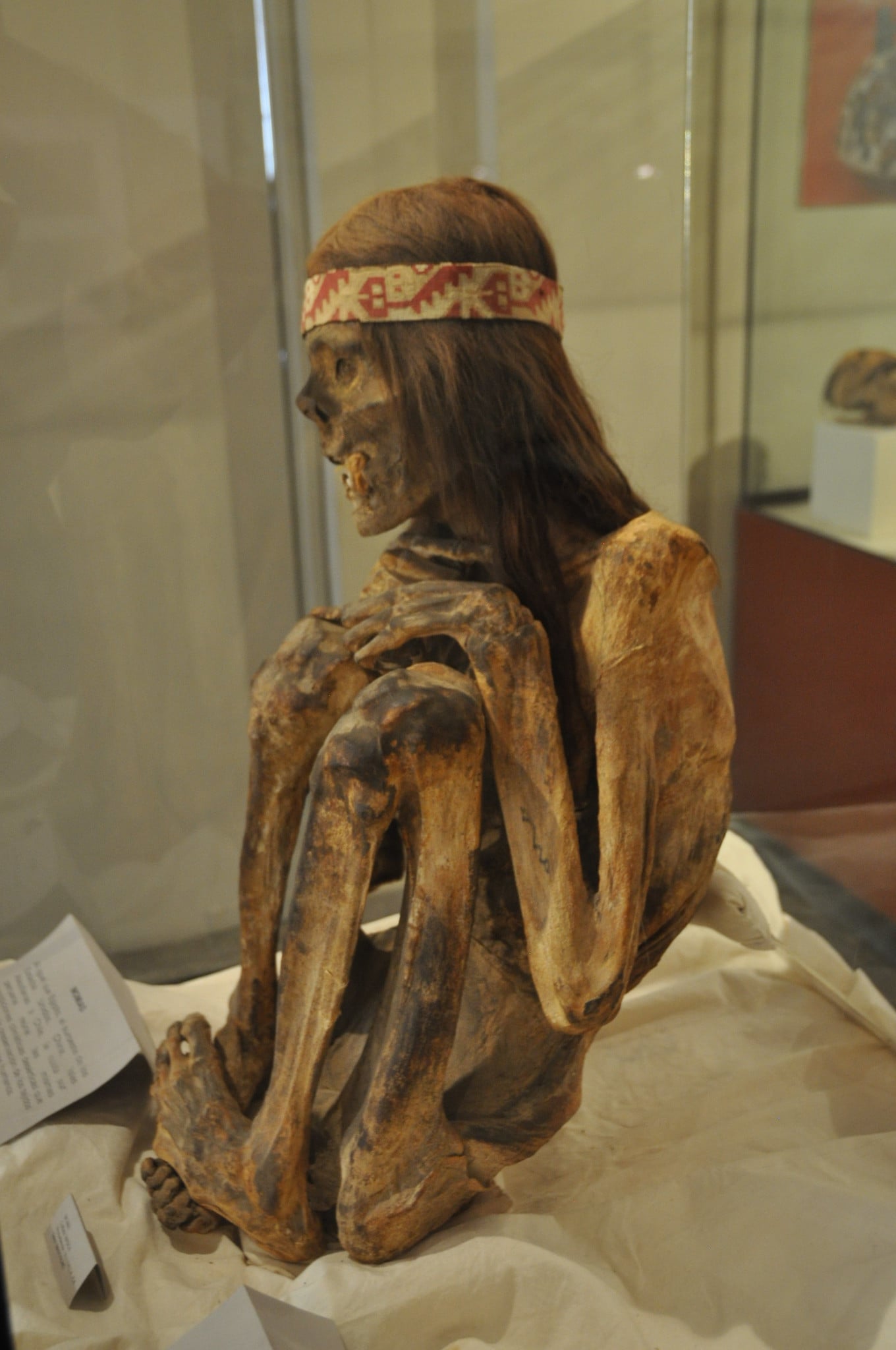
Tattooed mummies turn up in locations separated by thousands of miles. From Peru to China, from Egypt to Siberia, ancient people independently developed tattooing techniques and traditions.
This geographic distribution proves that body art emerged naturally in human societies worldwide. The impulse to permanently mark skin appears to be deeply rooted in human nature rather than borrowed from a single source.
Modern Technology Reveals Hidden Art

Many tattoos remained invisible to the unaided eye until scientists applied new imaging techniques. Infrared photography and 3D scanning can detect ink that has faded or become obscured by discoloration.
Digital imaging has doubled or tripled the number of known tattooed mummies. Designs that archaeologists missed during initial examinations now appear clearly under specialized lighting and filters.
Climate Determines Preservation
Only specific environmental conditions allow tattooed skin to survive. Extreme cold, desert dryness, or oxygen-free bog environments prevent normal decomposition processes.
Frozen permafrost provides the best preservation, keeping skin supple and ink vibrant for millennia. Most tattooed mummies come from these rare preservation zones rather than typical burial sites.
Patterns That Connect Across Time

Stand in a modern tattoo parlor and look at designs on the wall. Some patterns echo images found on 5,000-year-old skin.
Geometric shapes, animal forms, and symbolic marks persist because they mean something fundamental to humans. Ancient tattoos remind you that people haven’t changed as much as you might think.
The desire to mark your body, to carry permanent images that express identity or belief or memory, connects you directly to someone who died before writing was invented. The ink fades, but the impulse remains.
More from Go2Tutors!

- The Romanov Crown Jewels and Their Tragic Fate
- 13 Historical Mysteries That Science Still Can’t Solve
- Famous Hoaxes That Fooled the World for Years
- 15 Child Stars with Tragic Adult Lives
- 16 Famous Jewelry Pieces in History
Like Go2Tutors’s content? Follow us on MSN.