Animated Characters Based on Real People
Out there beyond gravity and logic, animation plays by its own rhythm. Bouncing limbs, wild faces—things nobody could do.
Still, some of the strongest cartoon characters started right here on earth. A twitch from a neighbor.
The way someone sips coffee. Those small habits feed into design.
Voices lifted from bus rides or old films. Expressions pinched from relatives at dinner.
What seems made up often has roots in someone actual. Watching people becomes quiet research.
Not every influence looks just like the real thing. What keeps animation alive is stretching things way beyond normal, either paring them down or turning them up until they stick in your mind.
Even so, past the wild shapes and big reactions, you can usually spot something truly familiar from real life. Knowing where that comes from gives weight to figures who’d seem made out of thin air.
A peek behind the scenes shows cartoon figures based on actual humans—those roots adding depth. Real-life models gave quirks that stuck.
Some gestures came straight from a person’s habit.A voice, a glance, even posture slipped into animation.
Those details sparked recognition. Viewers connected without knowing why. The blend of truth and fiction blurred just enough.
Moments felt familiar, though invented. Inspiration didn’t shout—it whispered through motion.
Snow White
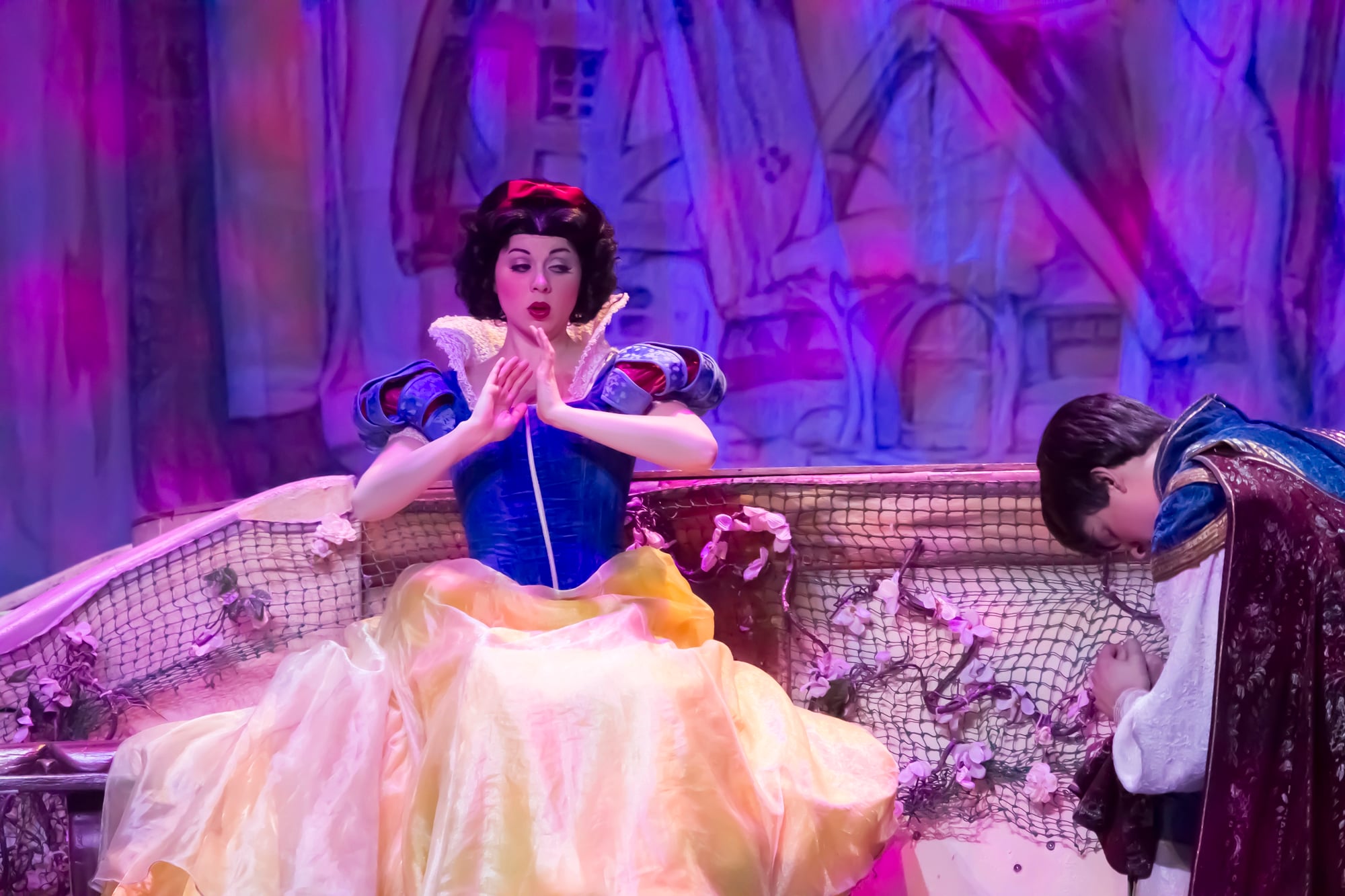
Snow White was one of the earliest animated characters to be directly shaped by a real performer. During production, live-action reference footage was used to capture realistic movement and expression.
The animators studied the actress’s posture, facial expressions, and gestures to give the character a natural presence. This approach grounded Snow White in realism at a time when animation was still finding its language.
Her softness and grace came from human observation rather than pure imagination. That connection helped audiences emotionally engage with a character who might otherwise have felt distant or abstract.
Betty Boop
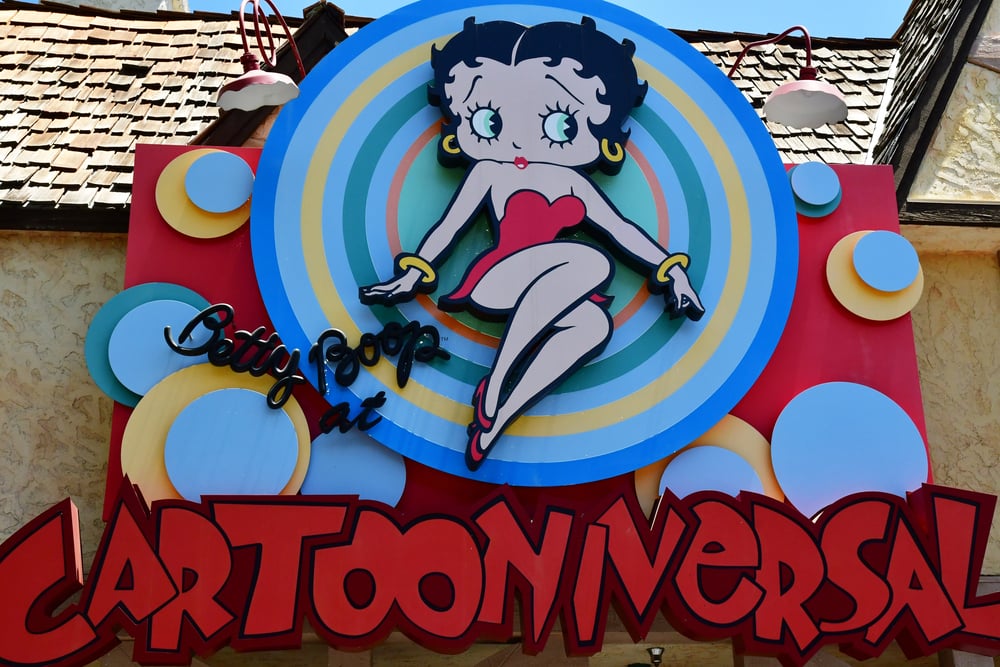
Betty Boop emerged during an era when animation leaned heavily into caricature and bold personality. Her design and mannerisms were influenced by popular performers of the time, particularly singers and entertainers known for playful energy and distinctive vocal styles.
Rather than copying a single individual, Betty Boop blended traits from multiple real-world influences. Her exaggerated expressions and movements reflected how animation could distill cultural trends into a single figure.
The result was a character who felt both of her moments and larger than life.
Bugs Bunny
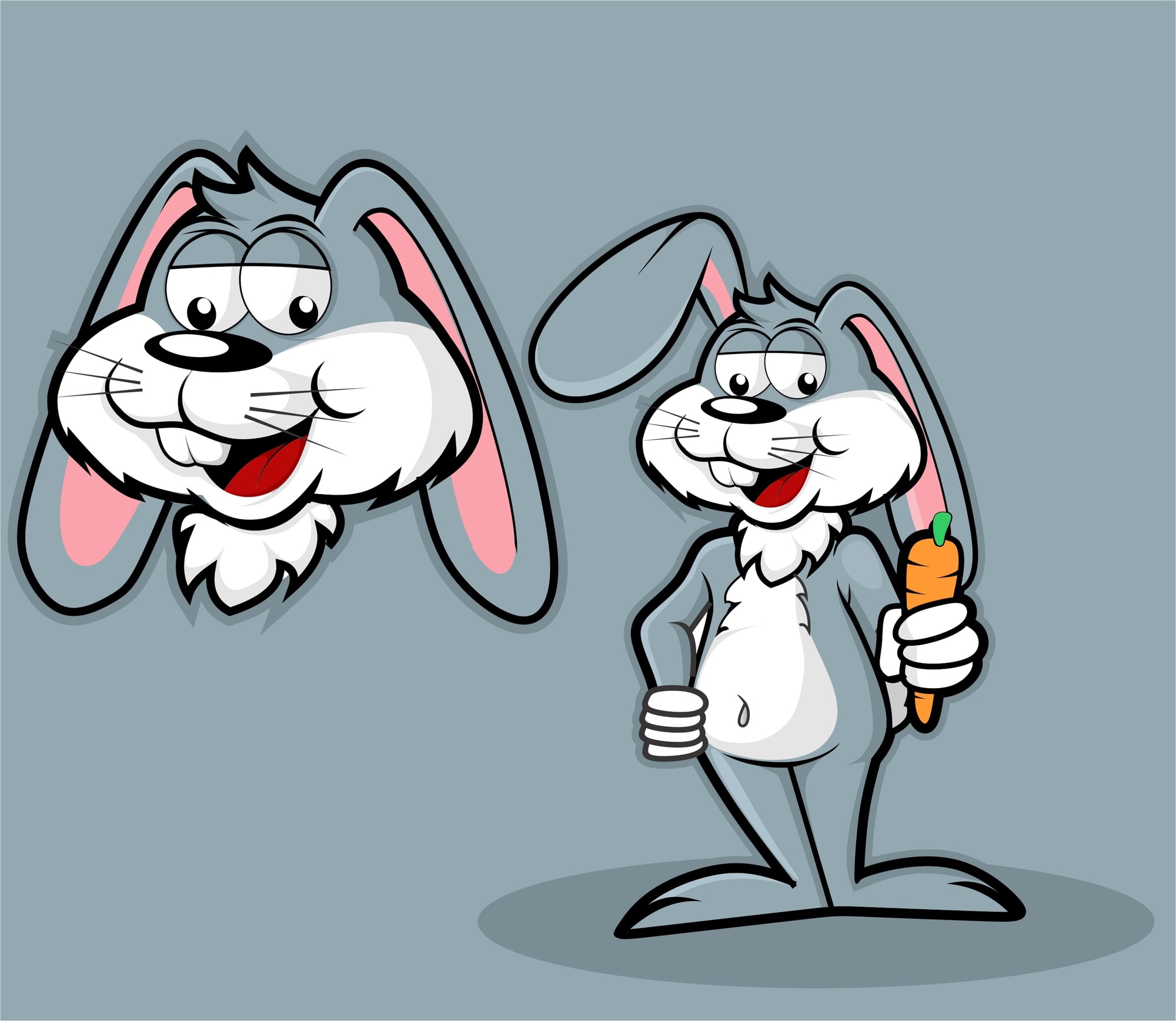
Bugs Bunny’s cool confidence and quick wit did not come out of nowhere. His personality drew heavily from the style of certain live-action comedians known for relaxed delivery and self-assured humor.
By translating real comedic timing into animated form, the character gained a sense of rhythm that felt natural rather than forced. Bugs Bunny did not rush jokes or overplay reactions.
This restraint made him stand out and helped establish animation as a medium capable of subtlety as well as spectacle.
Fred Flintstone
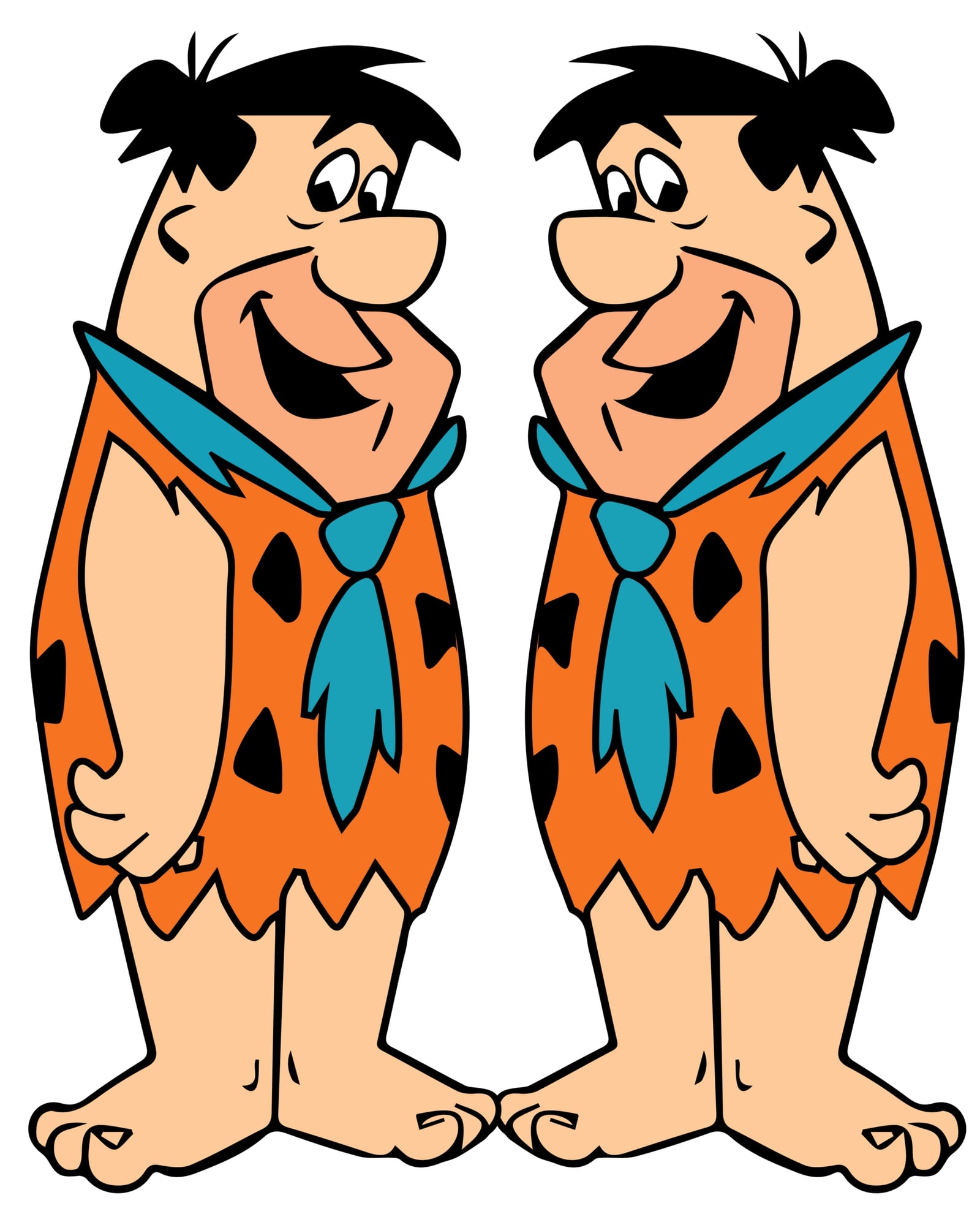
Fred Flintstone was intentionally modeled after a familiar television archetype. His voice, mannerisms, and temperament closely mirrored a popular sitcom character of the era.
The goal was to create immediate recognition through behavior rather than appearance. This choice made Fred feel relatable despite his exaggerated setting.
Viewers recognized the frustrations, bravado, and domestic dynamics because they reflected everyday life. The character worked because the audience already understood the type of person he represented.
Jessica Rabbit
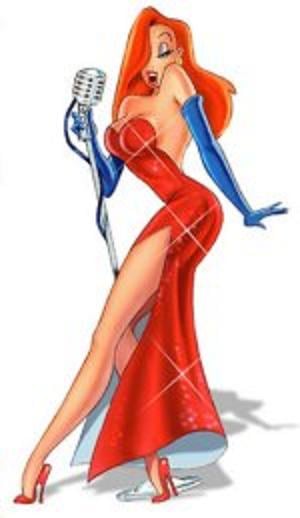
Jessica Rabbit was designed as a parody of classic film icons rather than a single individual. Her look and movement drew from multiple performers known for glamour and dramatic presence.
Animators emphasized fluid motion and exaggerated elegance to echo that influence. What made the character memorable was the contrast between appearance and personality.
While visually dramatic, her behavior often undercut expectations. This blend of real-world inspiration and animated exaggeration allowed the character to comment on perception itself, turning influence into narrative tool.
Aladdin

Aladdin’s personality evolved significantly during development. Early versions leaned toward a more traditional heroic figure, but later revisions incorporated traits inspired by contemporary performers known for charm and humor.
This shift gave the character warmth and relatability. The influence showed in Aladdin’s body language and delivery. He moved and spoke like someone improvising through life rather than following a script.
That human looseness helped modernize the character and made him resonate with audiences beyond the fantasy setting.
Edna Mode
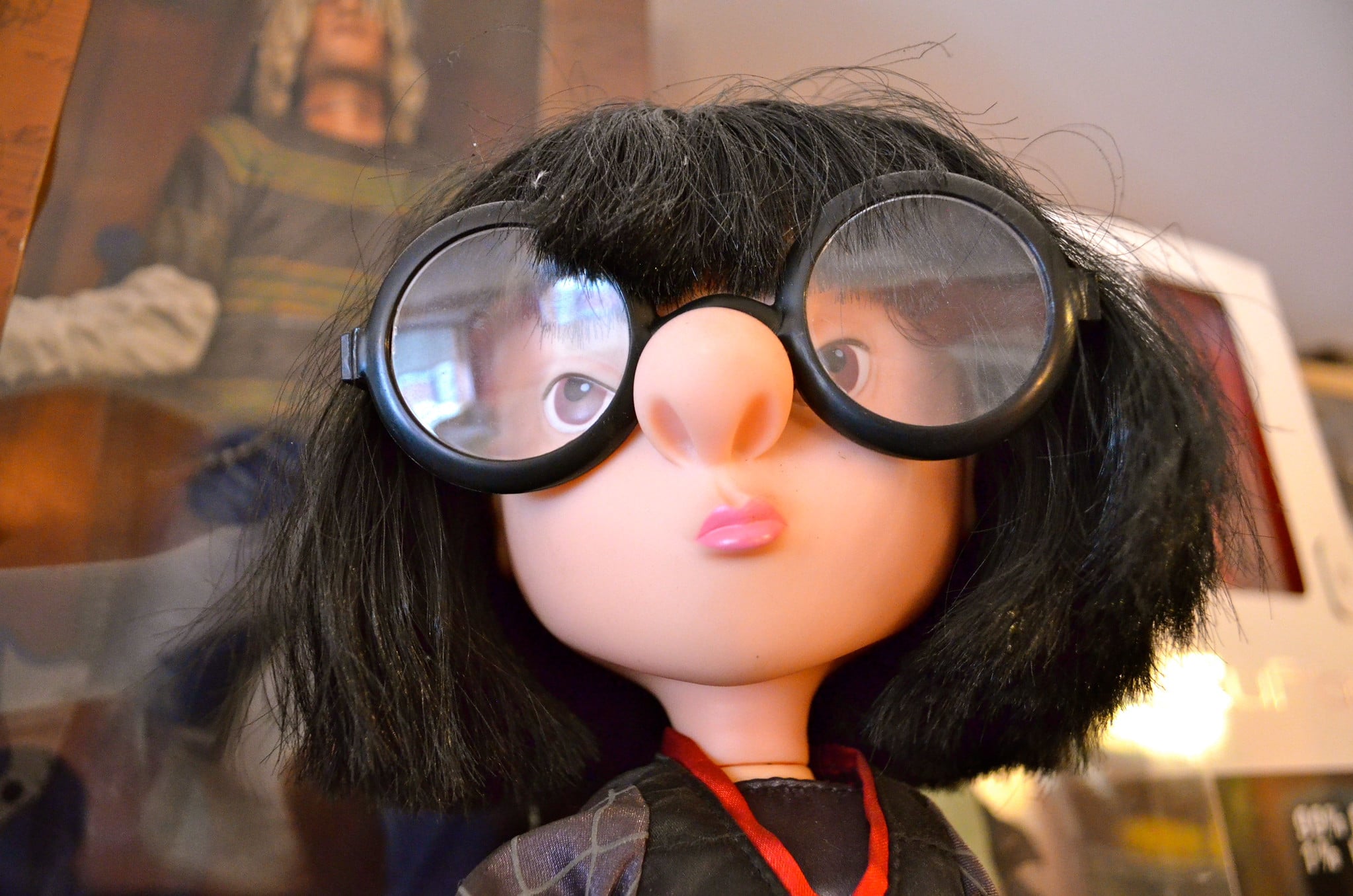
Edna Mode’s distinctive presence came from blending multiple real-world fashion figures into a single animated persona. Her sharp delivery, bold opinions, and theatrical gestures reflected the world of high design and its larger-than-life personalities.
Rather than aiming for realism, the character leaned into heightened traits that felt authentic to those environments. Edna’s confidence and precision worked because they were rooted in observed behavior. Animation allowed those traits to be amplified without losing credibility.
Shrek
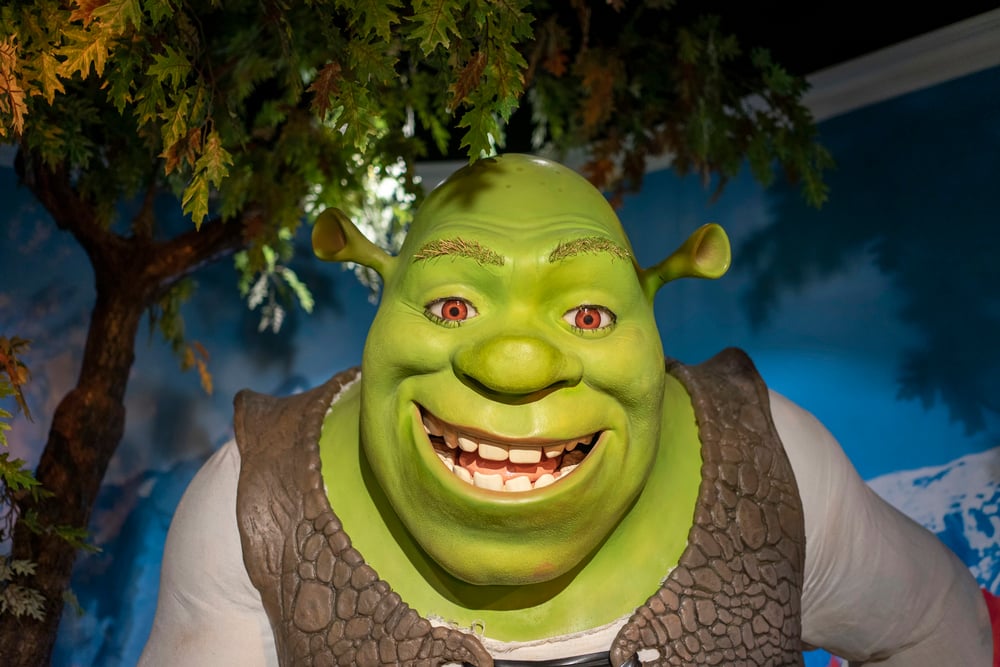
Shrek’s voice and physicality were shaped by the performer who portrayed him, whose delivery brought warmth and humor to the character. Subtle pauses, inflection changes, and expressive timing gave Shrek emotional depth beneath the rough exterior.
This influence helped balance comedy with sincerity. Shrek’s reactions often felt spontaneous, as though the character was discovering situations in real time. That sense of immediacy made the character feel alive rather than purely constructed.
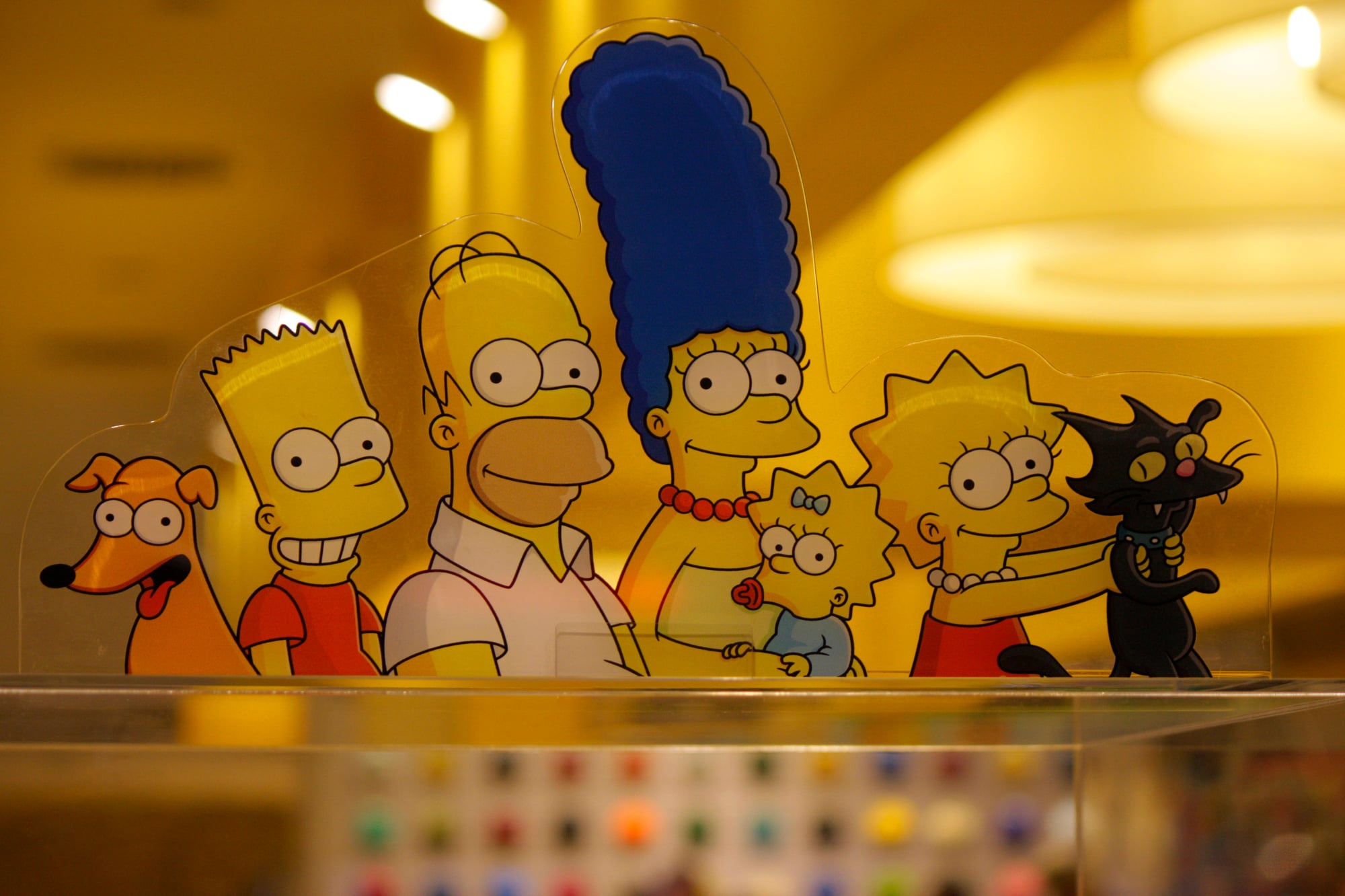
Marge Simpson
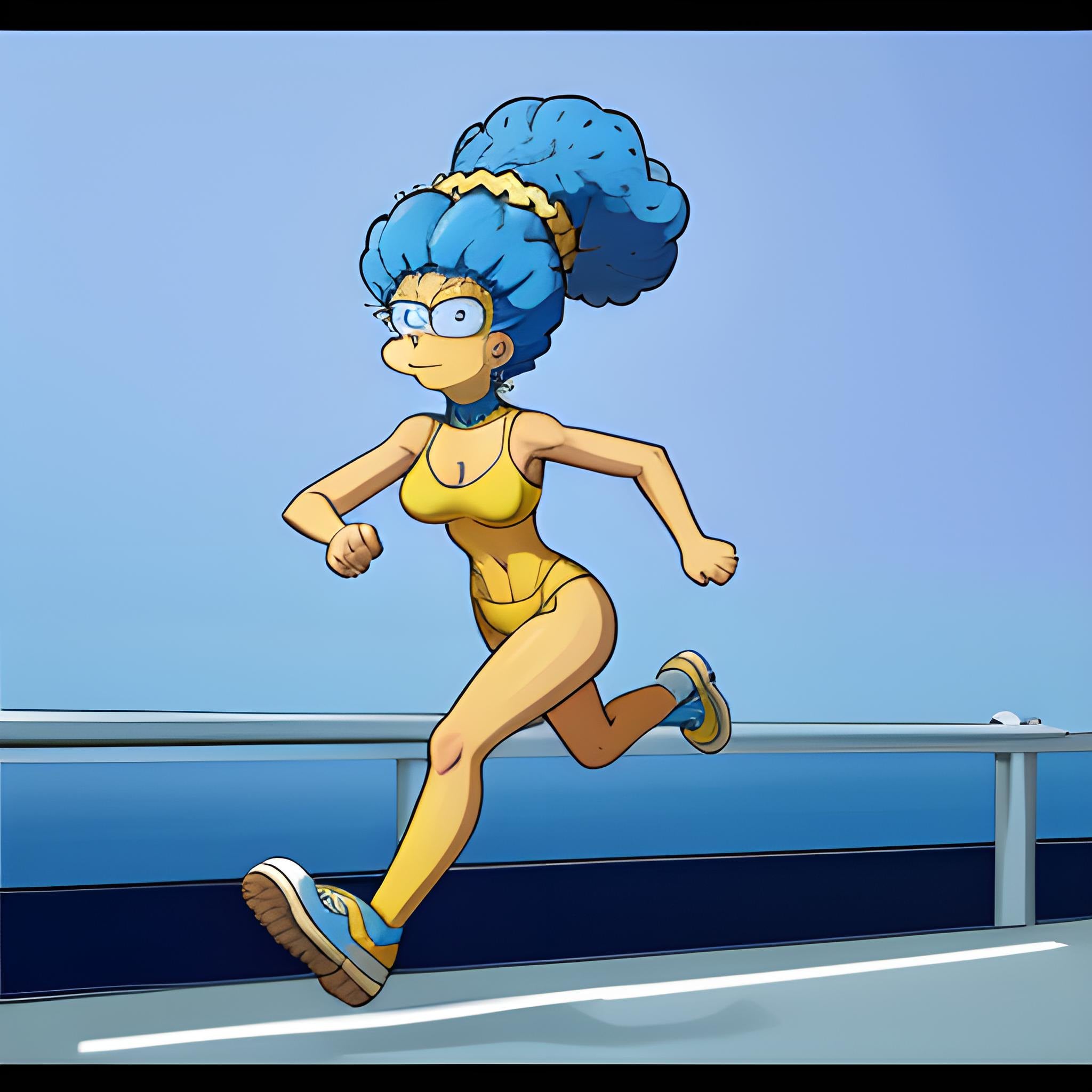
Marge Simpson’s voice was inspired by a real person known to the creator, resulting in a distinctive tone that immediately set the character apart. The vocal choice shaped how Marge was written and animated, reinforcing her calm, patient demeanor.
This influence anchored the character emotionally. While the surrounding world of the show often veered into absurdity, Marge’s grounded presence provided contrast. Her realism helped stabilize the show’s tone, making its exaggeration more effective.
Po from Kung Fu Panda
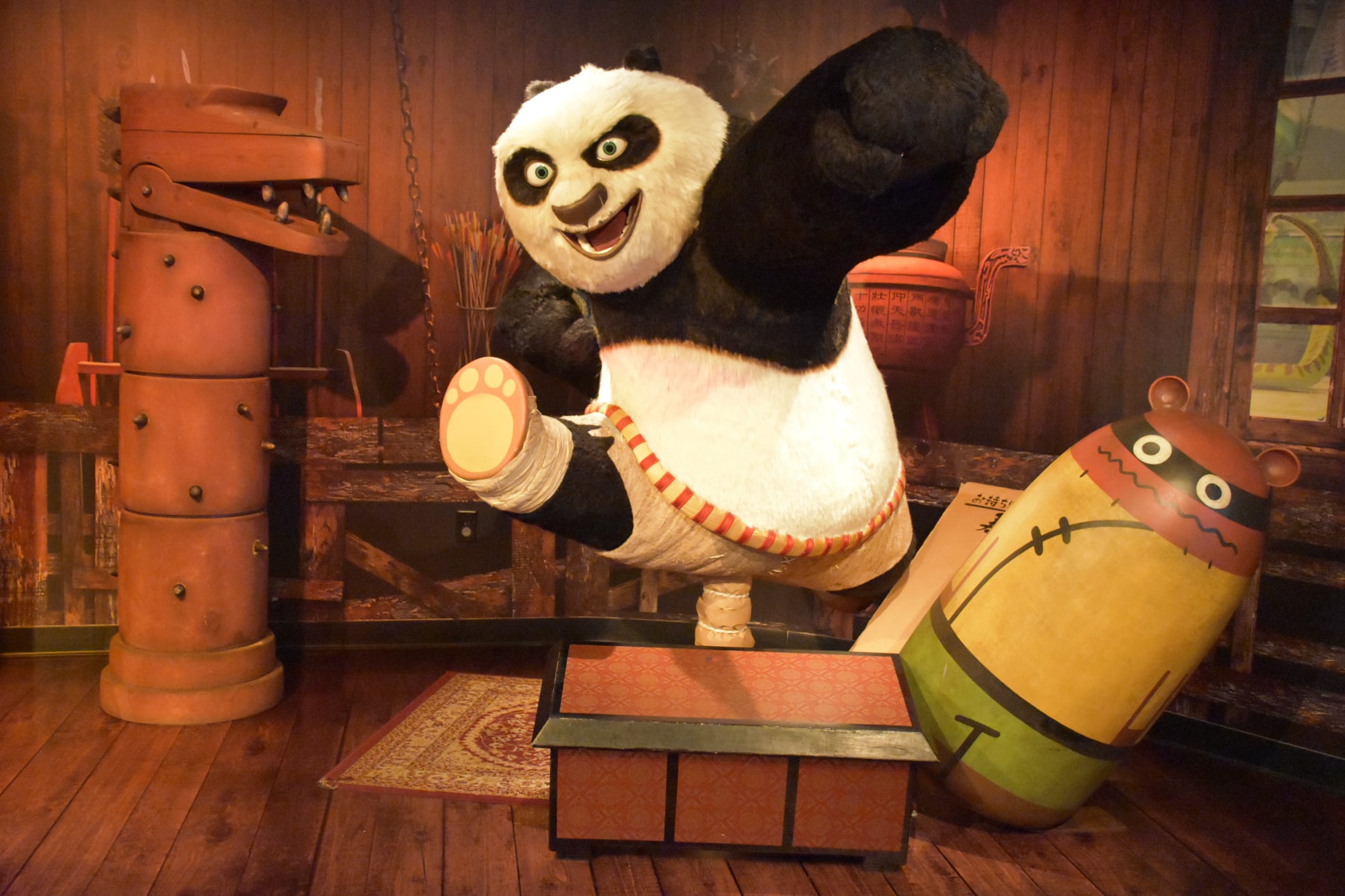
Po’s personality drew heavily from the performer who voiced him, whose enthusiasm and timing shaped the character’s energy. The influence extended beyond voice into physical comedy and emotional expression.
Po’s appeal lies in his awkward sincerity. His reactions feel unfiltered and genuine, reflecting real human insecurity and excitement. By grounding the character in a recognizable personality, the film made a fantastical story feel personal and accessible.
Why Real People Shape Animated Characters So Well
Animation may exaggerate reality, but it still relies on truth. Real people provide that truth, offering textures of behavior that are difficult to invent from scratch.
Small gestures, speech patterns, and emotional rhythms make characters believable even when their worlds are not. These inspirations also help animation age well. Characters rooted in human observation tend to feel timeless rather than tied to a specific trend.
Their exaggerated qualities work because they are anchored in something familiar. Animated characters based on real people remind us that imagination does not replace reality. It transforms it.
By starting with genuine human traits, animation creates figures that feel alive long after their creators step away. These characters endure because, beneath the drawings, there is always a recognizable spark of real life.
More from Go2Tutors!

- The Romanov Crown Jewels and Their Tragic Fate
- 13 Historical Mysteries That Science Still Can’t Solve
- Famous Hoaxes That Fooled the World for Years
- 15 Child Stars with Tragic Adult Lives
- 16 Famous Jewelry Pieces in History
Like Go2Tutors’s content? Follow us on MSN.



