Arcade Cabinets That Defined Gaming’s Golden Age
Flashing lights, electronic beeps, the characteristic click of joysticks, and the steady clink of quarters falling into coin slots would overwhelm you if you walked into any arcade between 1978 and 1983. Arcade cabinets were more than just machines during this heyday of gaming; they were cultural icons that influenced a whole generation.
In an effort to surpass high scores or just make it through another level, children and adults alike lined up with pockets full of change. With their colorful artwork, luminous marquees, and creative controls that gave each game a distinct feel, the cabinets themselves were works of art.
These were large, audacious devices that required your undivided attention and spare change, not the home consoles that would eventually take over living rooms. This is a list of 12 arcade cabinets that helped to define this extraordinary time period and permanently alter gaming.
Space Invaders
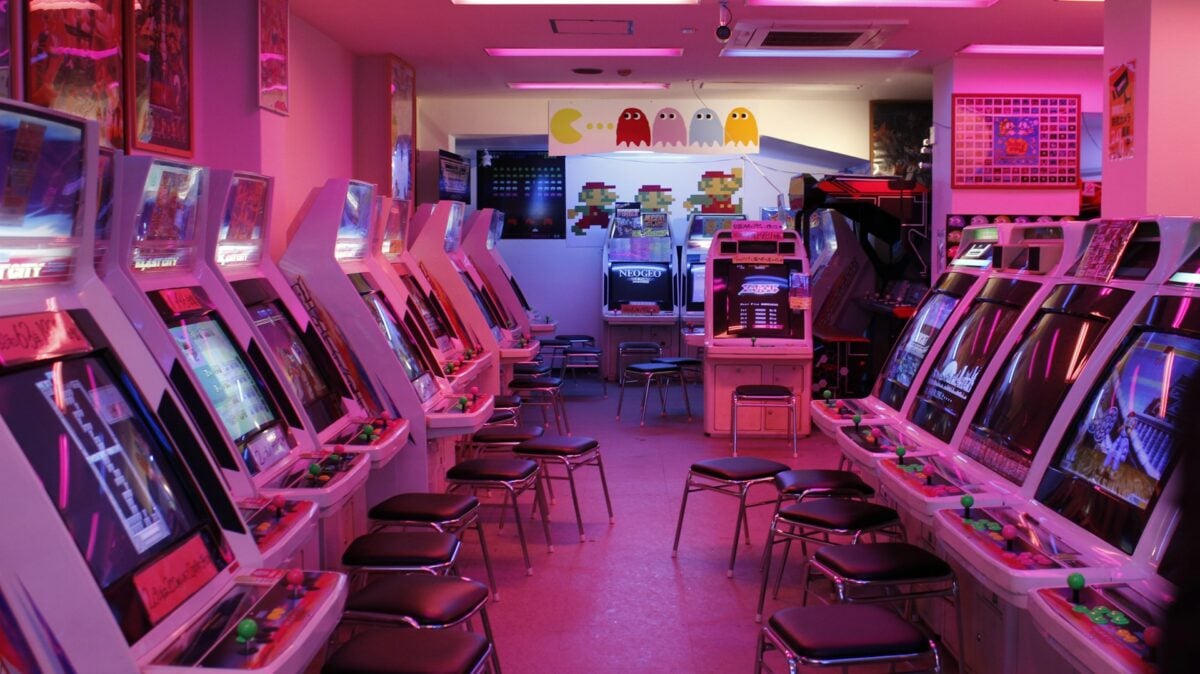
Taito’s 1978 release kicked off the golden age and became the first true blockbuster arcade game, selling over 360,000 cabinets worldwide. Space Invaders pioneered the shoot-em-up genre and introduced features like multiple lives, destructible barriers, and a dynamic soundtrack that sped up as enemies approached.
By 1982, the game had grossed $2 billion in quarters, making it among the highest-grossing entertainment products of its era, even rivaling Star Wars at the box office.
Pac-Man
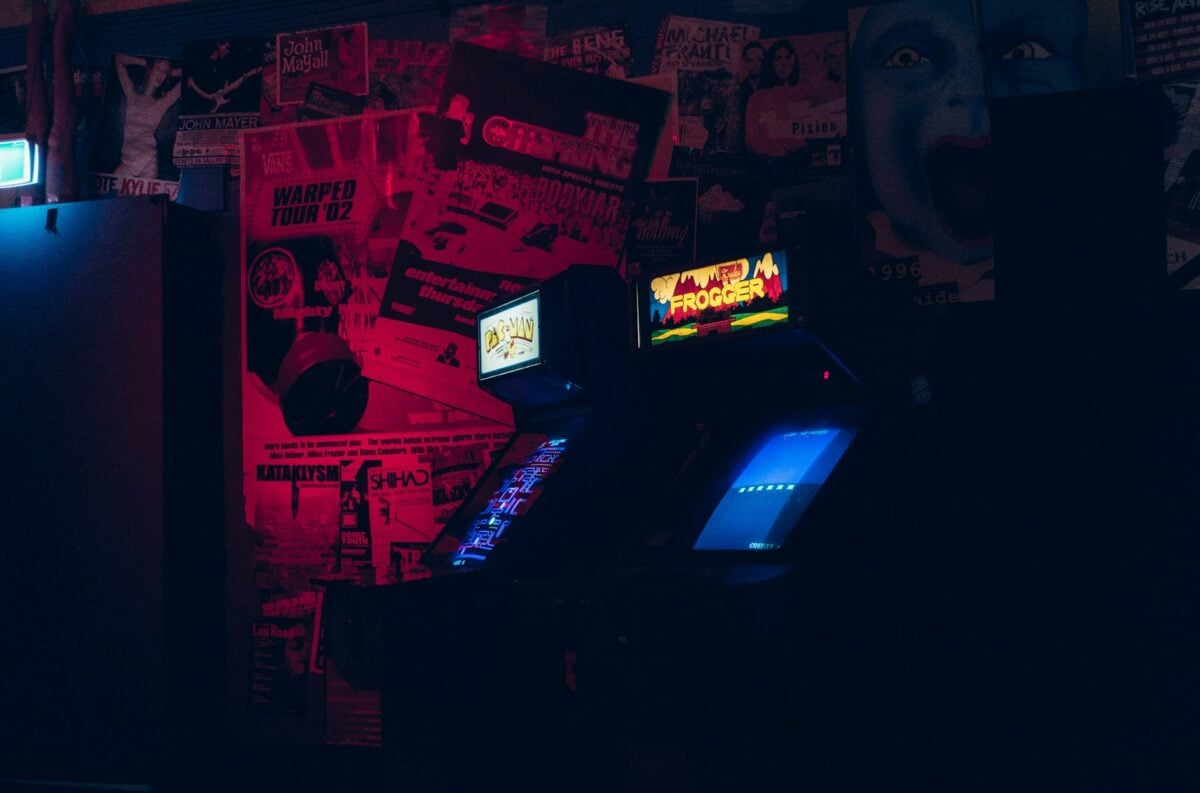
Namco’s 1980 maze-chase phenomenon sold approximately 400,000 cabinets at $2,400 each and became the highest-grossing arcade game of all time with over $3.5 billion in revenue by 1990. Designer Toru Iwatani wanted to create a non-violent game that would appeal to women and couples, basing the gameplay around eating after observing that women enjoyed desserts.
Pac-Man became the first gaming mascot character and spawned merchandise, an animated series, and the hit song ‘Pac-Man Fever.’
Like Go2Tutors’s content? Follow us on MSN.
Donkey Kong
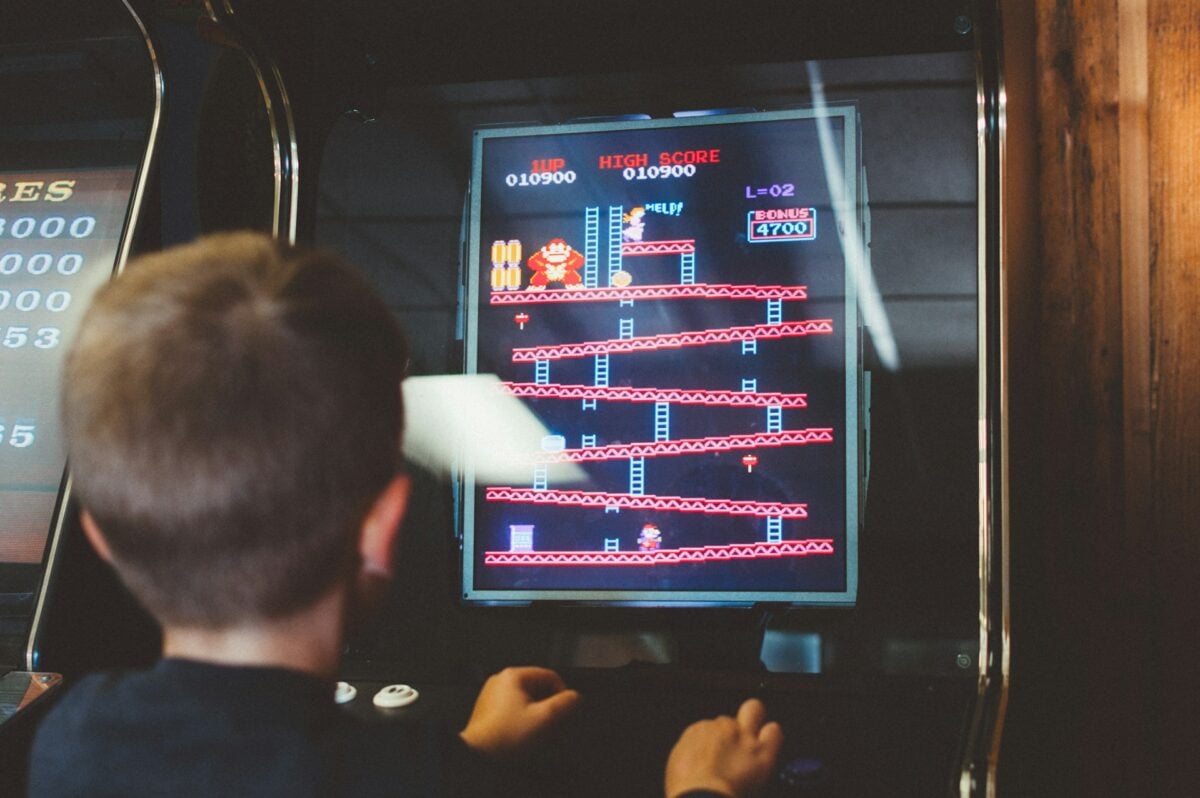
Nintendo’s 1981 platformer sold over 60,000 cabinets and introduced the world to Jumpman, later renamed Mario, who would become gaming’s most famous character. The game was significant as the first hugely successful platform game and brought a cute, fantastical concept rooted in Japanese culture to Western audiences.
Donkey Kong proved that arcade games didn’t need to be about shooting or racing to capture players’ imaginations and quarters.
Asteroids
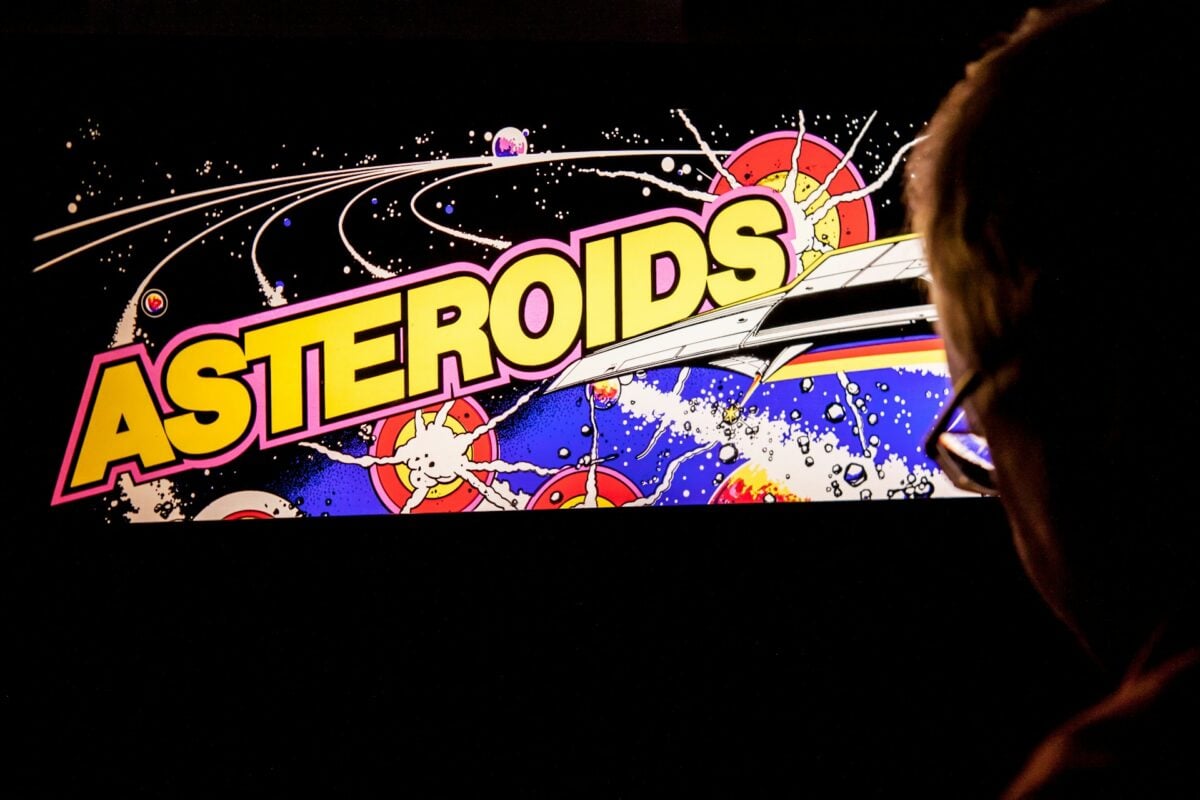
Atari’s 1979 vector graphics masterpiece sold over 70,000 cabinets and became the company’s best-selling arcade game ever. The game featured a unique control scheme with a rotate button, thrust button, fire button, and hyperspace button that let players teleport to random locations as a last resort.
Asteroids’ stark black background with bright white vector lines created a distinctive visual style that players found mesmerizing, and its simple yet addictive gameplay kept them coming back.
Ms. Pac-Man
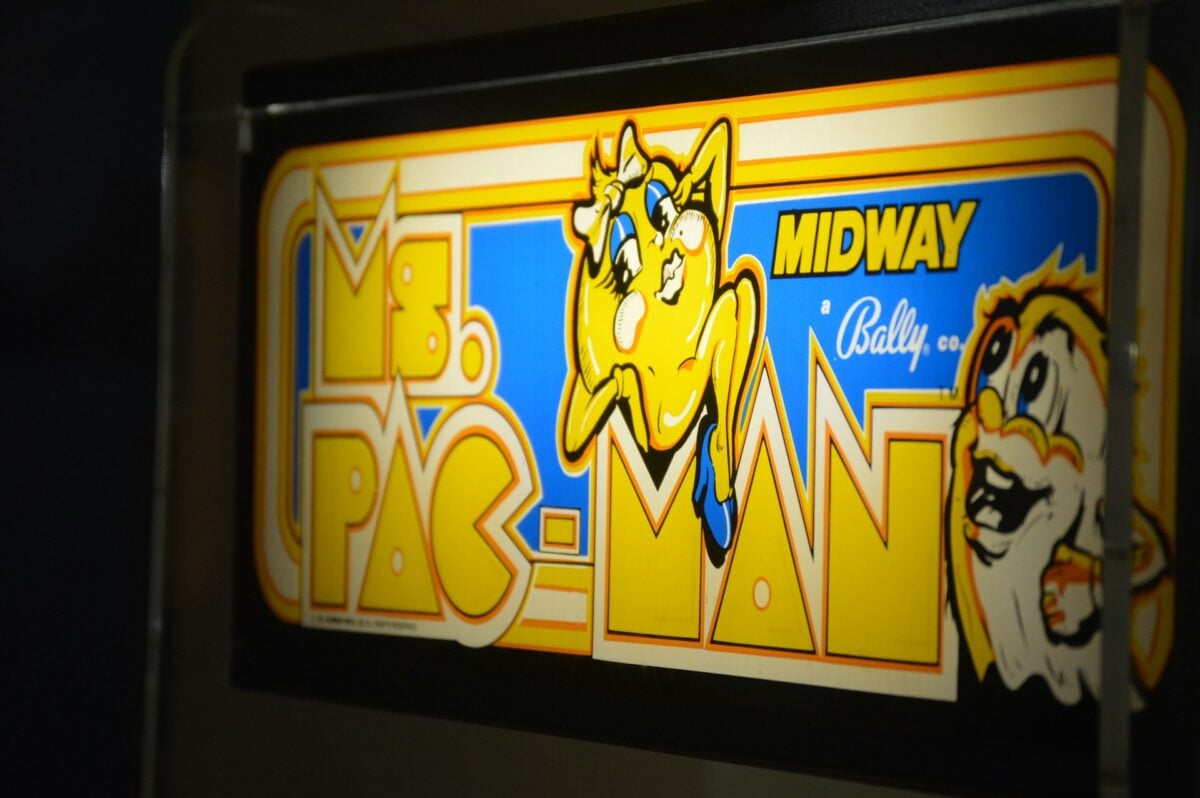
Released in 1981, Ms. Pac-Man became the best-selling American arcade release with over 115,000 cabinets sold, surpassing Pac-Man’s U.S. performance, though Pac-Man sold more worldwide. The game added moving fruit, smarter ghost AI, and four different mazes that kept gameplay fresh and challenging.
Ms. Pac-Man became particularly popular with female players and cemented the Pac-Man franchise as arcade royalty.
Like Go2Tutors’s content? Follow us on MSN.
Defender
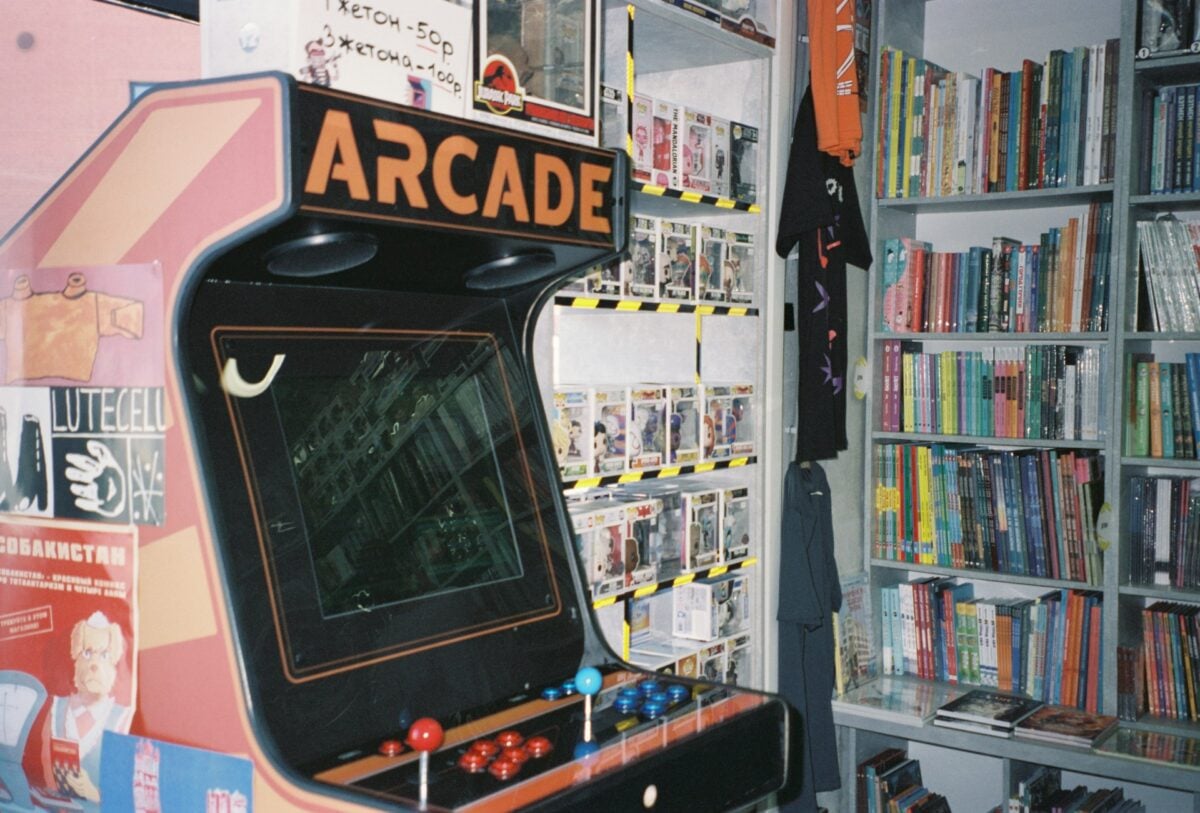
Williams Electronics’ 1981 horizontally scrolling shooter sold over 55,000 cabinets and featured an intimidatingly complex control scheme with a joystick and five buttons. The game’s designer Eugene Jarvis combined elements from Space Invaders and Asteroids while adding a rescue element where players saved astronauts from alien abduction.
Defender was slow to catch on due to its complexity, but once players mastered the controls, it became one of the most beloved and challenging games of the era.
Galaga
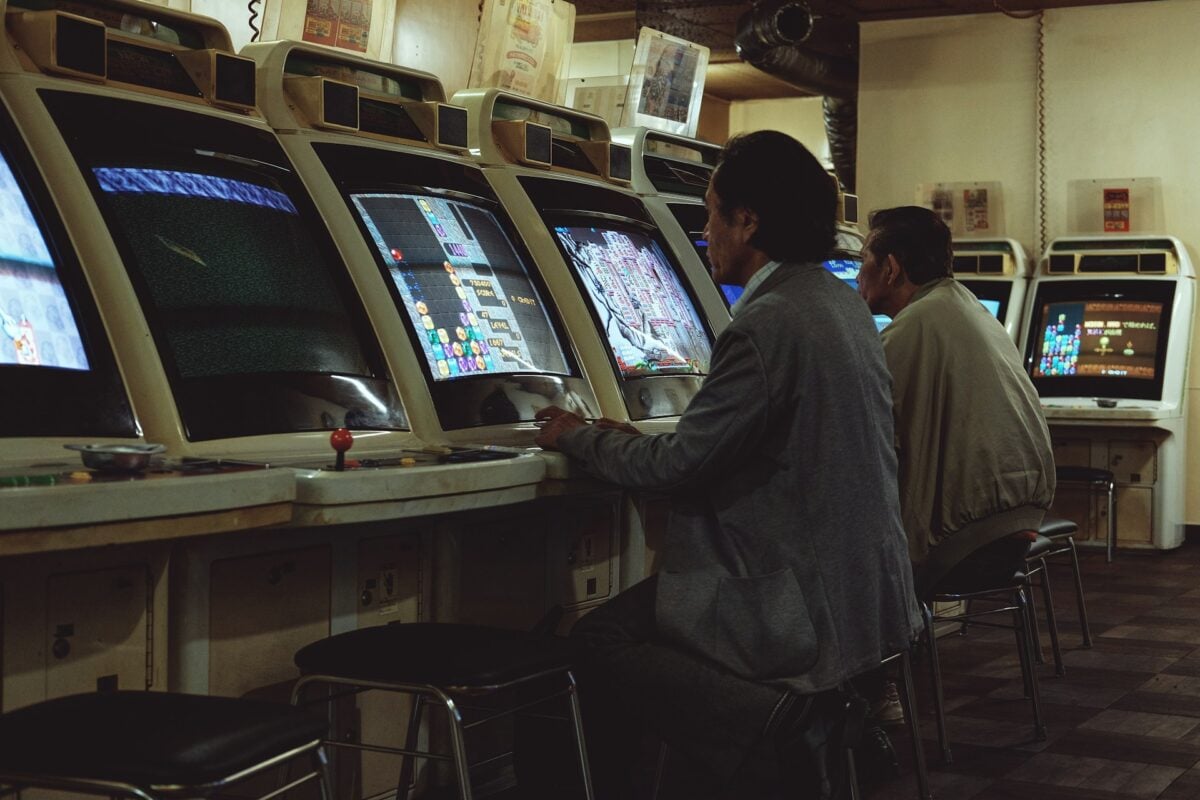
Namco’s 1981 sequel to Galaxian sold approximately 42,500 cabinets and innovated the fixed shooter genre by allowing players to create a ‘dual fighter’ by letting enemies capture and then recapturing their ship. The game’s colorful graphics, challenging patterns, and bonus stages made it an instant classic.
Galaga cabinets were often placed next to Pac-Man machines, and the two games became the dynamic duo of early 1980s arcades.
Centipede

Atari’s 1981 shooter designed by Dona Bailey sold over 46,000 cabinets and became one of the first arcade games to attract a significant female audience. The game featured a trackball controller instead of a joystick, allowing for precise aiming as players shot at a descending centipede and other garden creatures.
Centipede’s bright colors and relatively non-violent theme made it approachable for players intimidated by space shooters.
Like Go2Tutors’s content? Follow us on MSN.
Frogger
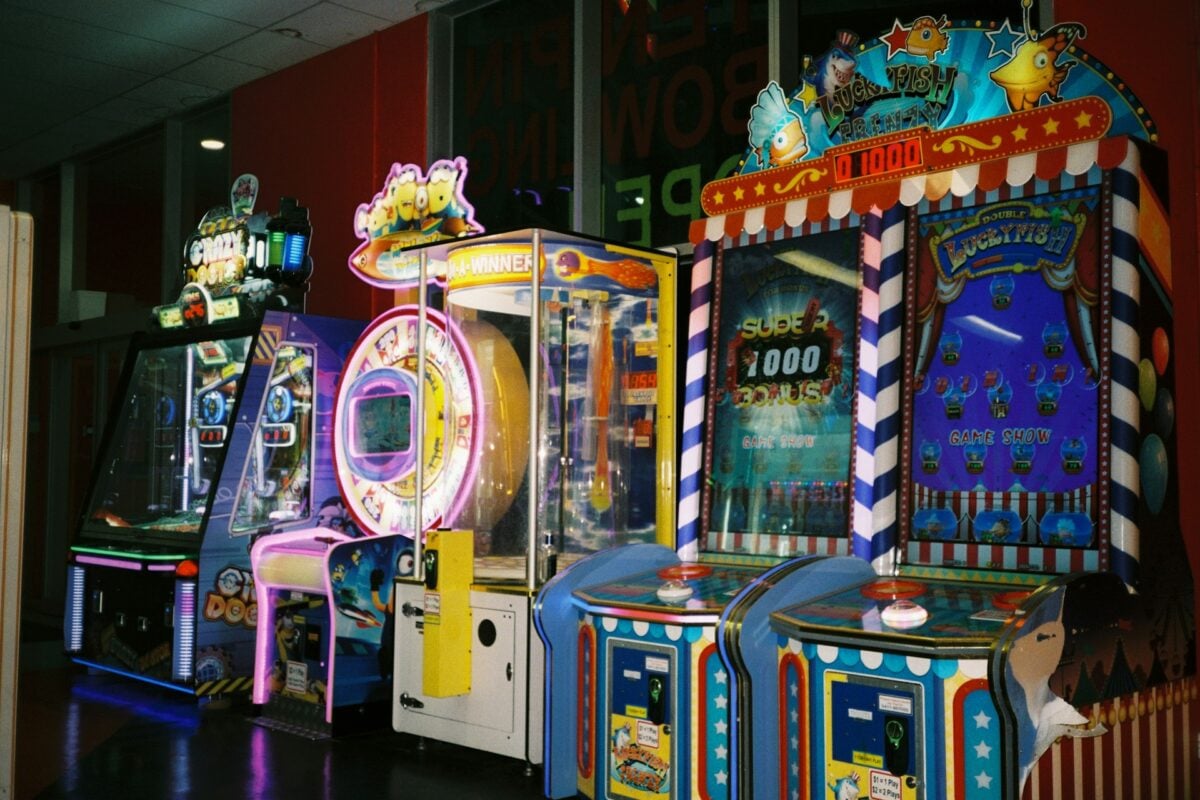
Konami’s 1981 action game challenged players to guide a frog across busy roads and rivers without getting squashed or drowned. The game’s simple concept masked genuinely challenging gameplay that required perfect timing and planning.
Frogger cabinets became fixtures in convenience stores and restaurants, introducing arcade gaming to locations beyond traditional arcades.
Tempest

Atari’s 1981 vector graphics shooter featured a unique rotating controller that let players zip around the edges of geometric shapes while blasting enemies. The game’s abstract visual style and intense gameplay created an almost hypnotic experience.
Tempest cabinets stood out on arcade floors with their distinctive control setup and became favorites among hardcore players seeking a challenge.
Pole Position
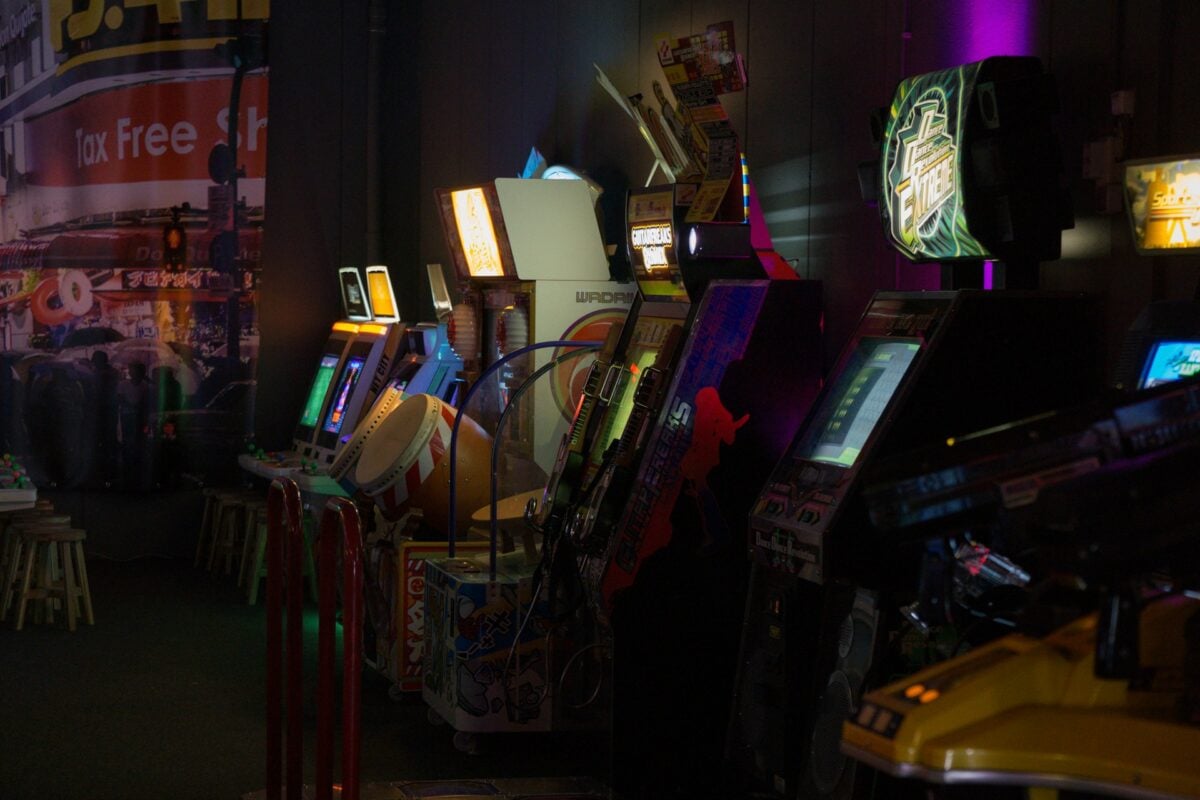
Namco’s 1982 racing game sold extremely well and introduced 16-bit graphics to arcades, pushing visual fidelity to new heights. The game featured a steering wheel, gas pedal, and brake pedal that created a more immersive driving experience than previous racing games.
Pole Position’s use of a qualification lap before the main race added structure and replayability that kept players feeding quarters.
Like Go2Tutors’s content? Follow us on MSN.
Joust

Williams Electronics’ 1982 game featured players riding flying ostriches in competitive aerial combat, selling well despite its bizarre premise. The game supported two-player cooperative play where friends could work together or turn on each other at any moment.
Joust’s unique flapping button mechanic and momentum-based movement created gameplay that felt fresh and challenging.
The Quarter Economy
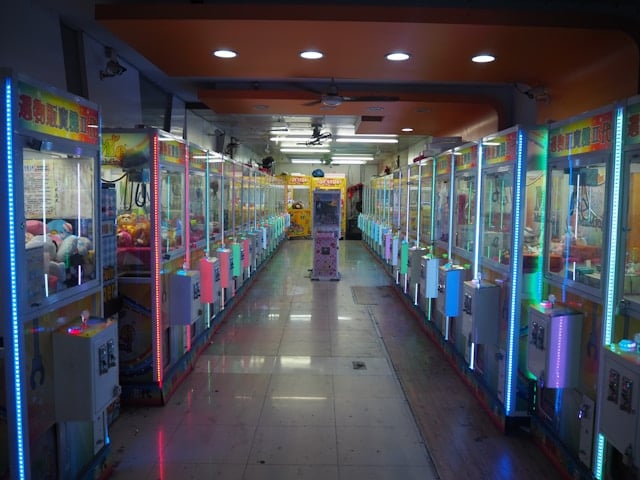
These cabinets powered a billion-dollar industry and were more than just amusement. During the heyday, top-performing arcade machines could bring in $400 to 600 a week in quarters, and by 1982, there were more than 13,000 arcades in the US.
A delicate balance that characterized arcade design philosophy was created by purposefully making games difficult enough to consume quarters but fair enough to keep players coming back. The influence of these cabinets on gaming culture is still evident, as contemporary independent games and retro collections continue to pay homage to these imposing monuments of gaming history.
The golden age of gaming eventually faded as home consoles advanced and were able to replicate the arcade experience.
More from Go2Tutors!

- 16 Historical Figures Who Were Nothing Like You Think
- 12 Things Sold in the 80s That Are Now Illegal
- 15 VHS Tapes That Could Be Worth Thousands
- 17 Historical “What Ifs” That Would Have Changed Everything
- 18 TV Shows That Vanished Without a Finale
Like Go2Tutors’s content? Follow us on MSN.