Facts About Different Countries and Their Animals
From the misty highlands of Scotland to the isolated forests of Madagascar, every corner of our planet tells a story through its animals. These creatures didn’t just happen to end up where they are—millions of years of isolation, adaptation, and survival shaped them into the remarkable beings we see today.
Some lay eggs despite being mammals, others have horns that spiral like nature’s own sculpture, and a few can’t even fly despite being birds. Here is a list of 15 fascinating facts about different countries and their animals.
Australia hosts the world’s only egg-laying mammals
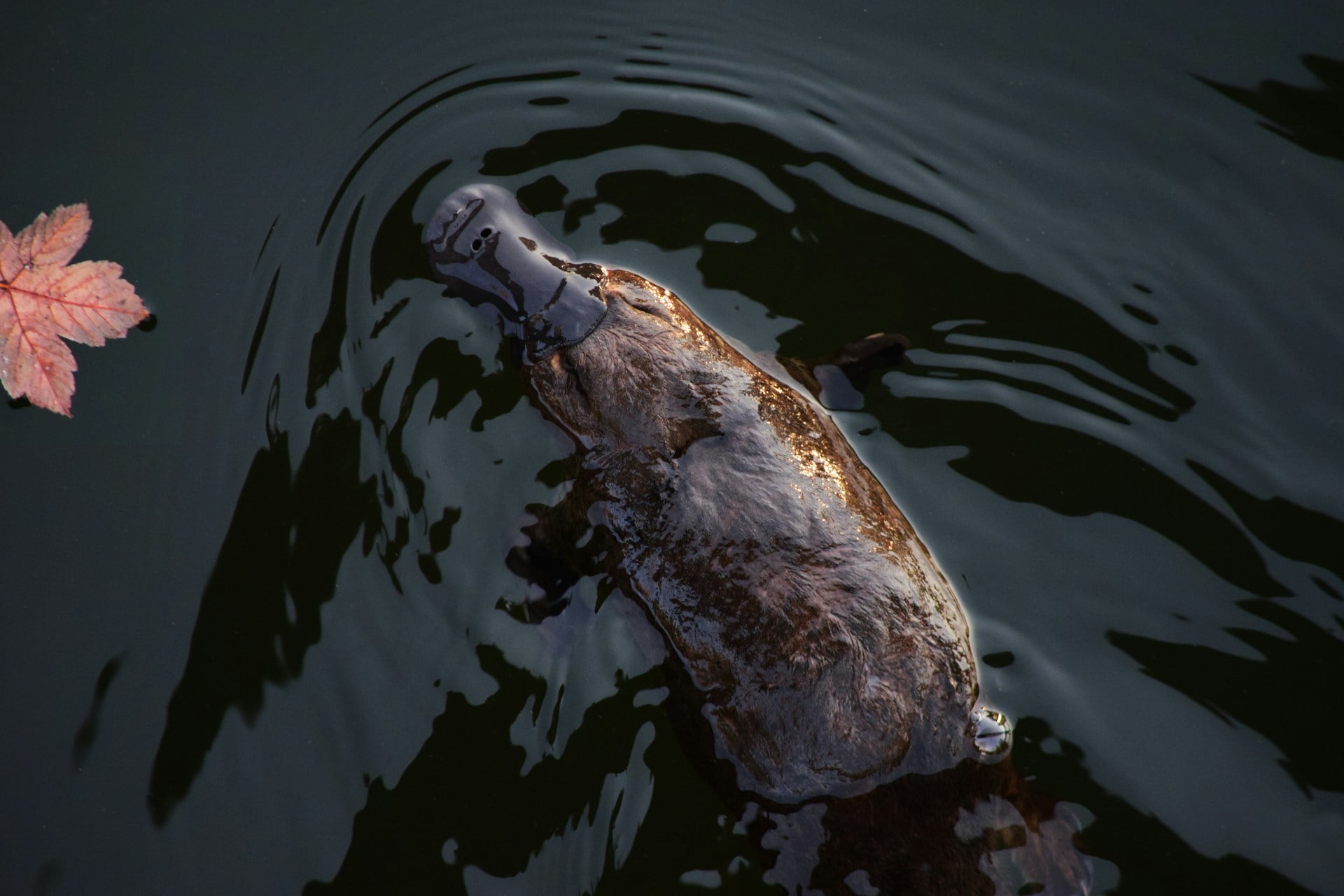
Australia is home to something truly bizarre in the animal kingdom—monotremes. The platypus and echidna are the only mammals on Earth that lay eggs instead of giving birth to live young.
When European scientists first examined a preserved platypus in 1799, they thought someone had stitched together parts from different animals as a hoax. The duck-billed, beaver-tailed, venomous creature seemed too strange to be real.
Male platypuses have venomous spurs on their hind legs that can deliver excruciating pain to humans, though it won’t kill you.
Madagascar’s lemurs exist nowhere else on the planet
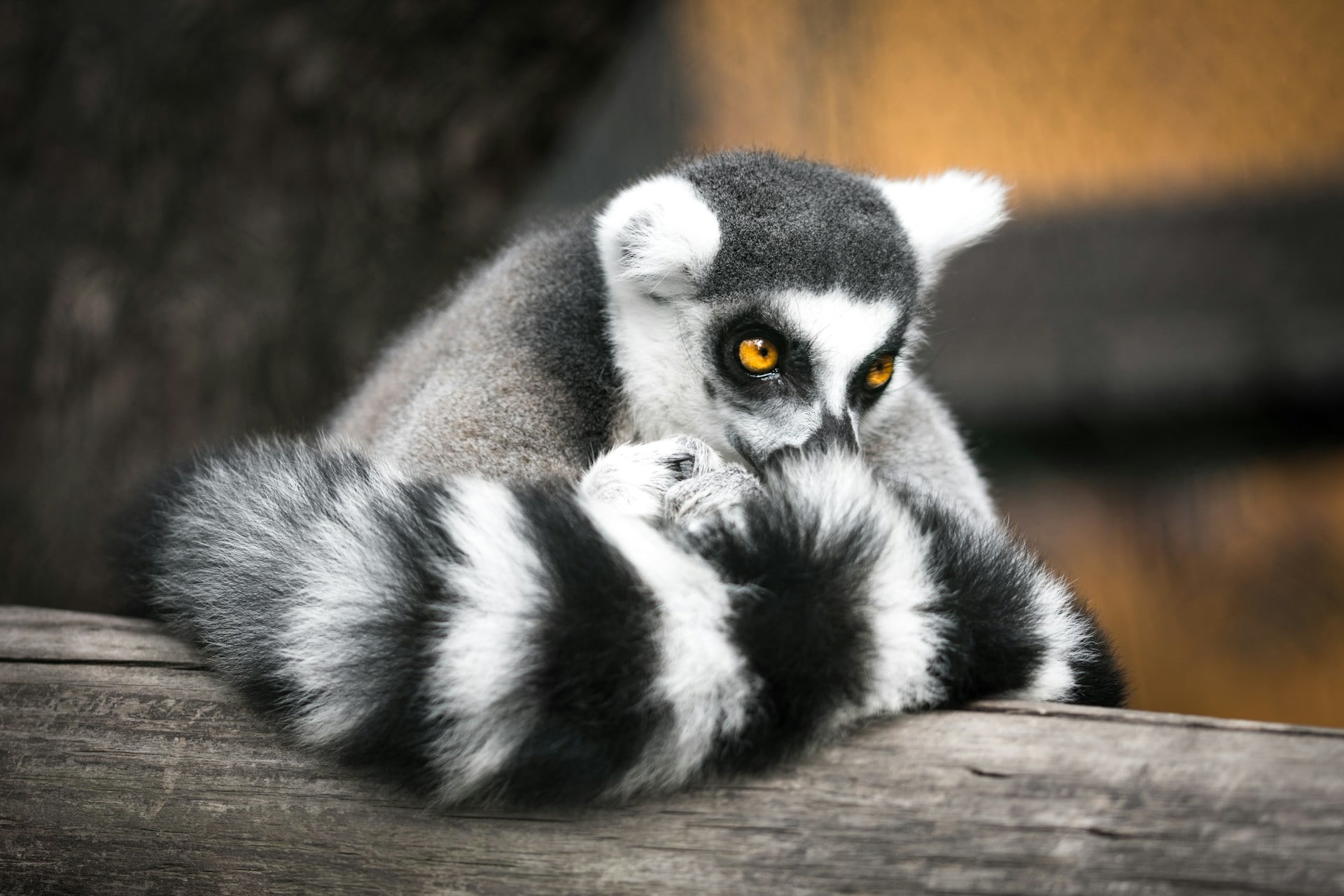
Every single one of Madagascar’s 100-plus lemur species lives exclusively on this island nation off Africa’s east coast. Scientists believe ancestral lemurs rafted across the Mozambique Channel from Africa on floating vegetation mats about 65 to 75 million years ago.
Once they arrived, these primates diversified into an astonishing variety of species, from the 30-gram Madame Berthe’s mouse lemur to the 9-kilogram indri. They’re the oldest living primates on Earth and represent a direct link to our evolutionary past.
New Zealand’s kiwi bird lays an egg that’s 20% of its body weight
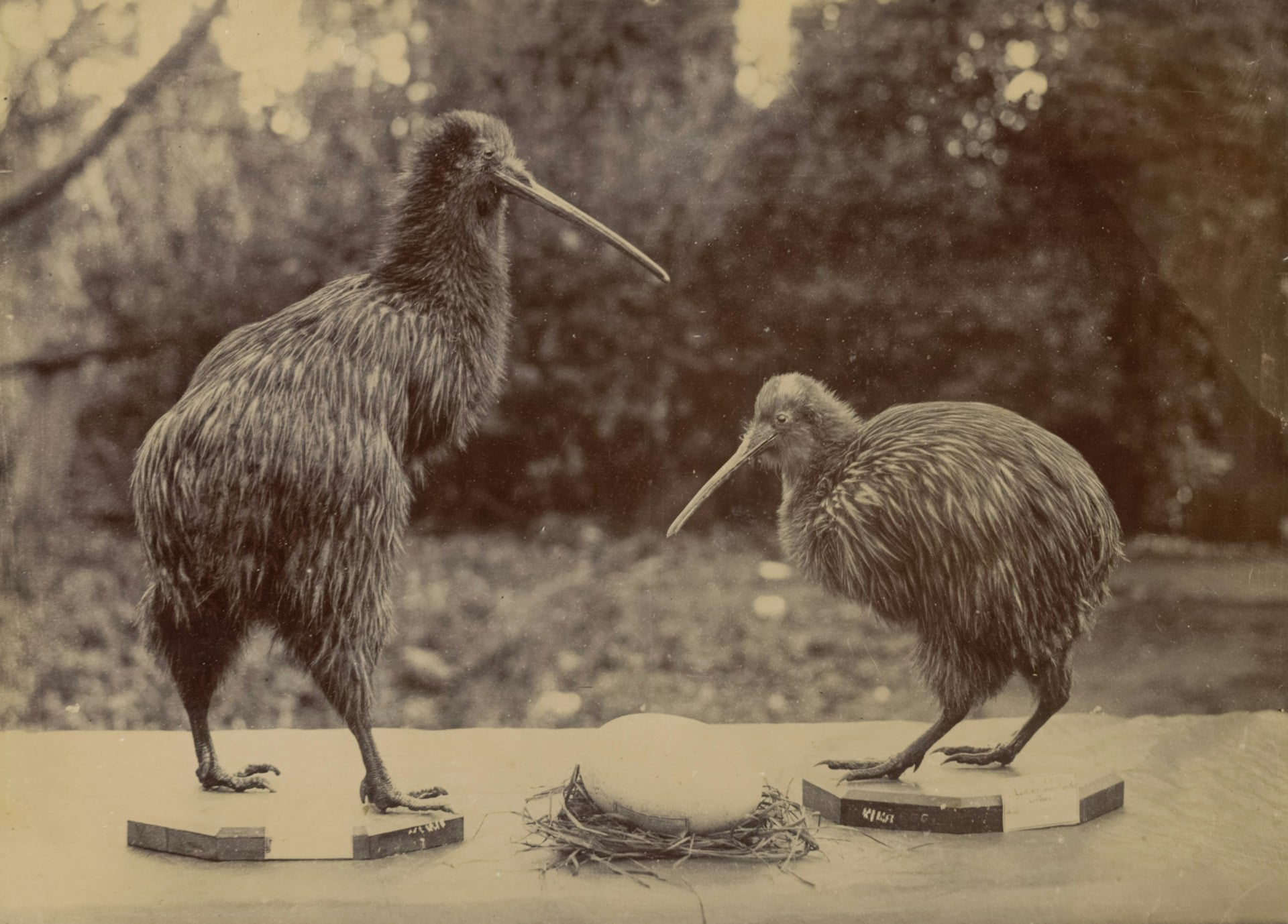
The kiwi holds the record for the largest egg relative to body size of any bird in the world. Imagine a human giving birth to a 40-pound baby and you’ll get a sense of what a female kiwi experiences.
These flightless, nocturnal birds have nostrils at the tip of their long beaks, making them the only birds with this adaptation. They use their exceptional sense of smell to hunt for insects and worms underground, a trait almost unheard of in the bird world.
Scotland’s Highland cattle are the oldest registered breed
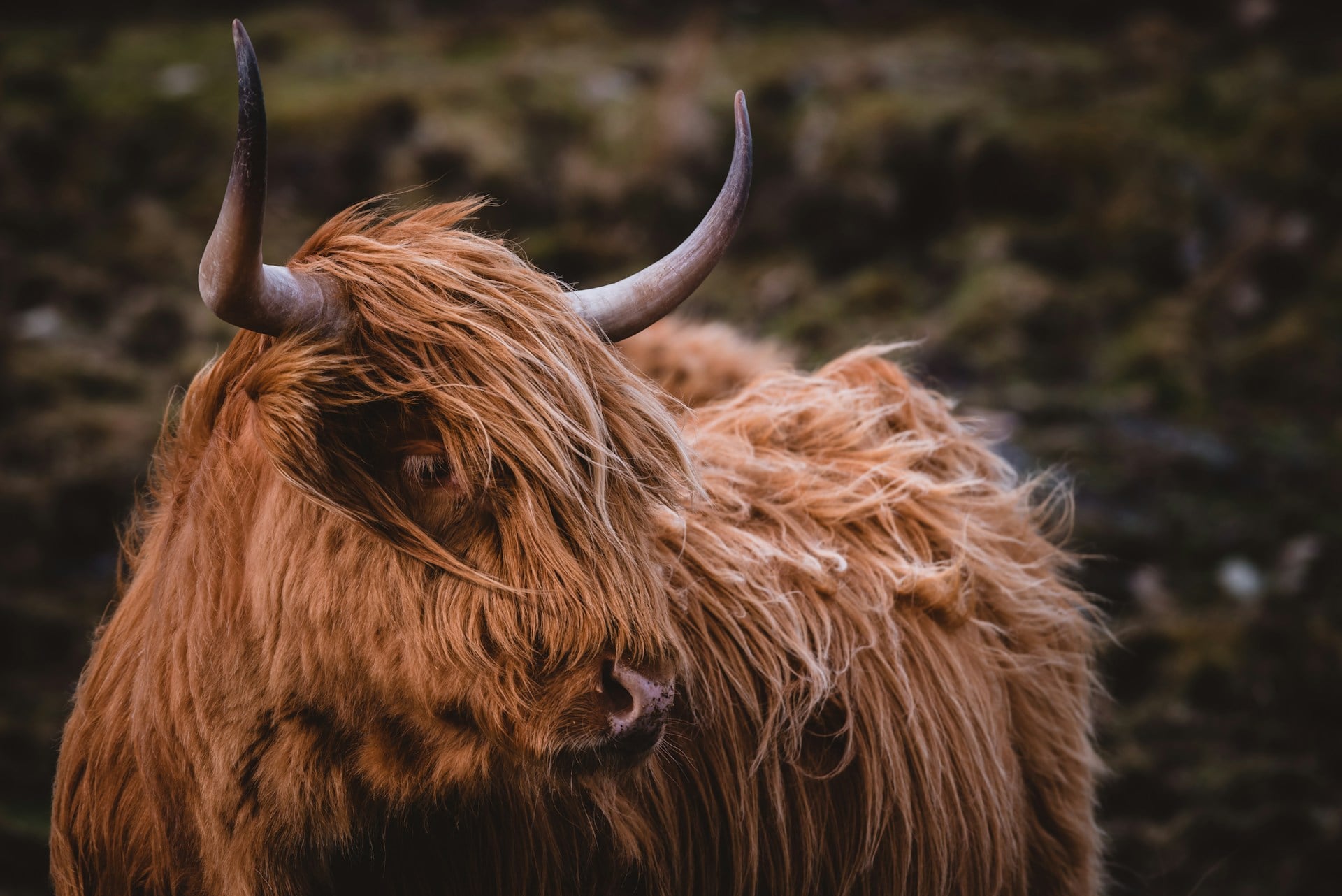
Highland cattle have been roaming Scotland since at least the 6th century, making them the oldest registered cattle breed in the world with a herd book dating back to 1884. These shaggy beasts sport a remarkable double coat of hair—a downy undercoat for insulation and long, oily outer hair that can grow over a foot long.
Their thick coats mean they don’t need a layer of fat for warmth, resulting in beef that’s leaner than chicken. Queen Elizabeth II kept an award-winning herd at Balmoral Castle and reportedly would only eat Highland beef.
China’s giant pandas survive on an incredibly inefficient diet
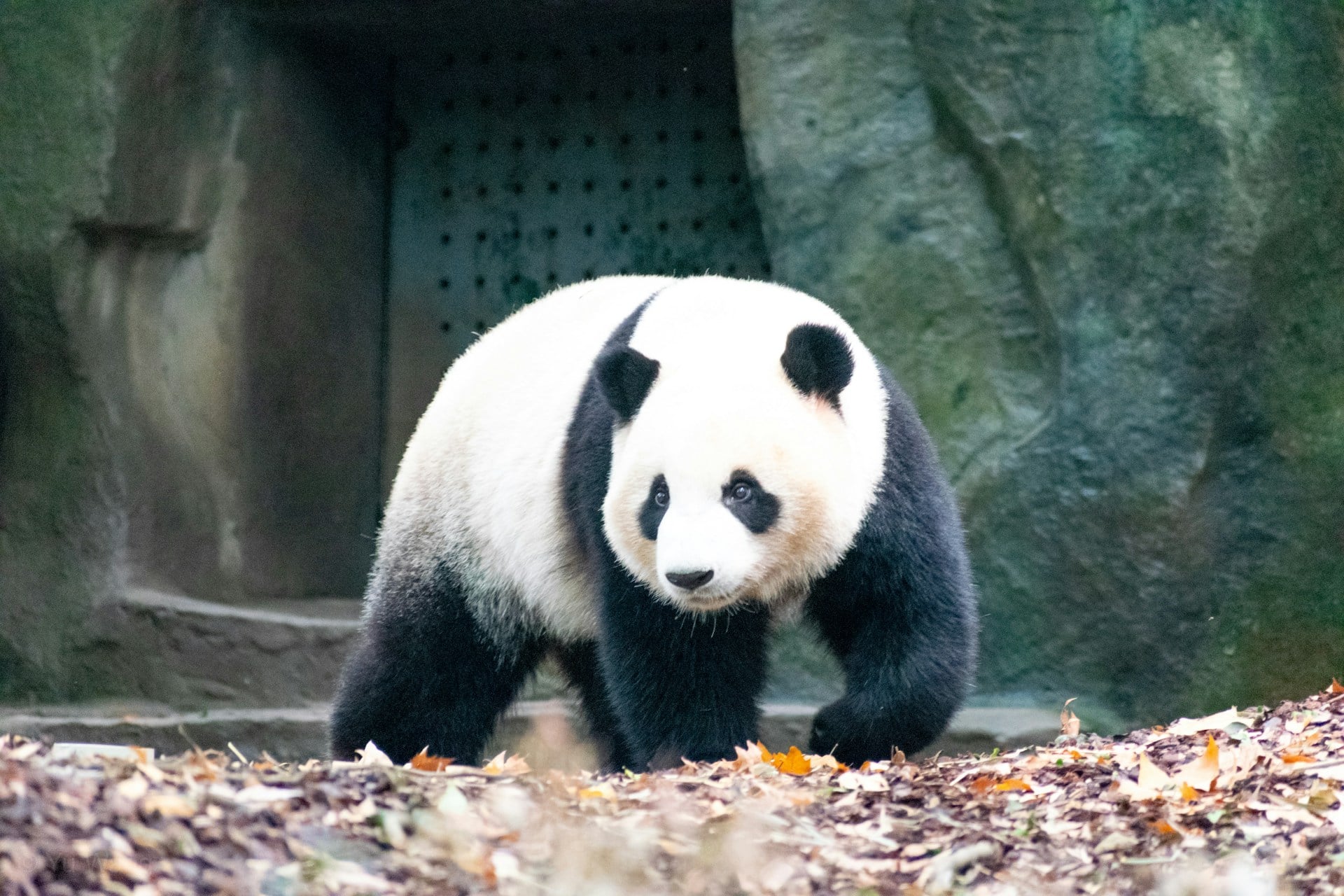
Giant pandas are classified as carnivores but spend up to 14 hours a day eating bamboo, which provides very little nutrition. Their digestive systems haven’t adapted to process plant matter efficiently, so they need to consume around 26 to 84 pounds of bamboo daily just to meet their energy needs.
Fewer than 1,900 giant pandas remain in the wild today, making them one of the world’s most endangered species. China considers them a national treasure, and they’re part of a worldwide conservation program with 27 zoos in 21 countries housing pandas.
Over 80% of Australia’s mammals are found nowhere else
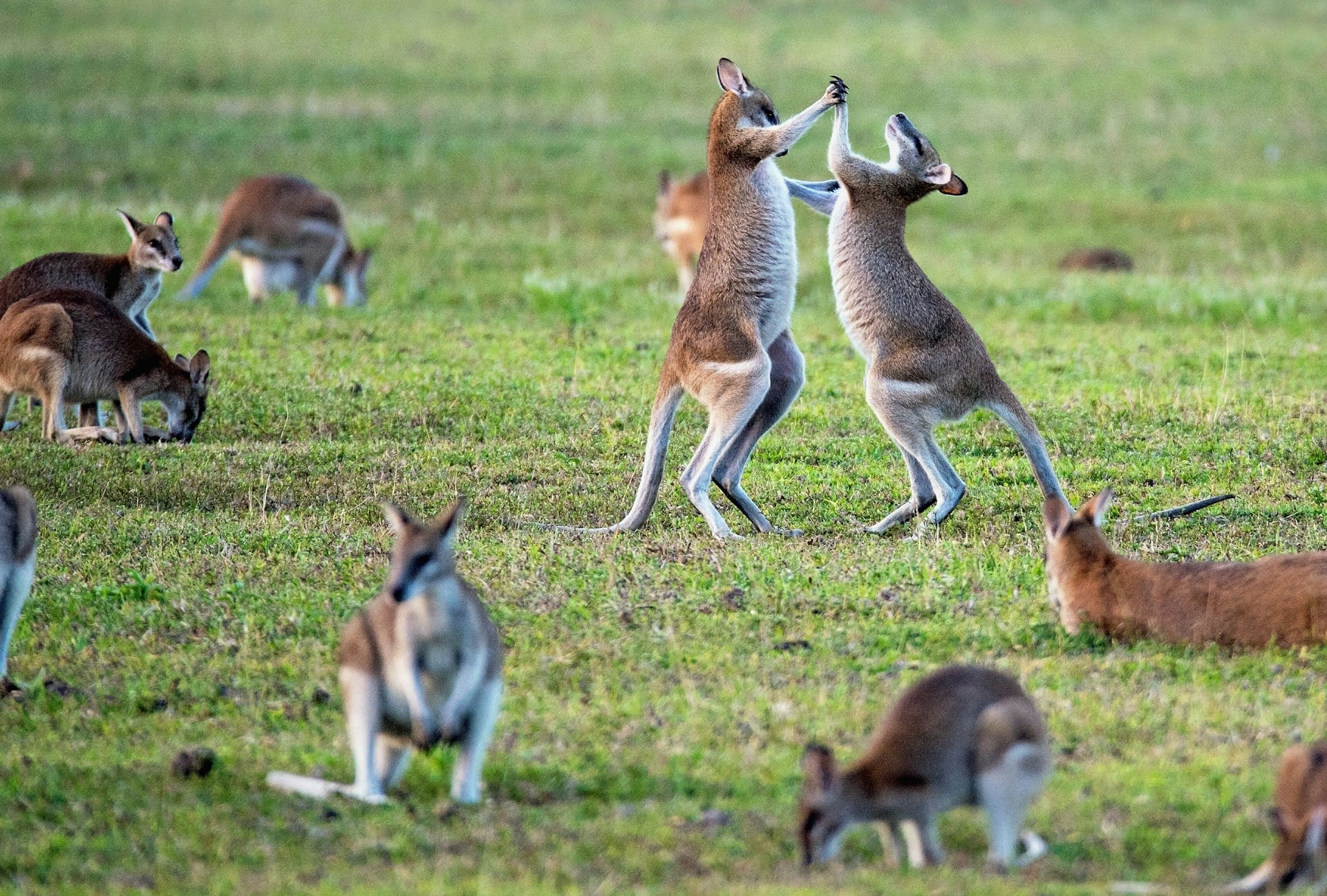
Australia’s geographic isolation for about 30 million years created one of the most unique wildlife laboratories on Earth. About 80% of its plants, mammals, reptiles, and frogs are endemic, meaning they exist only in Australia.
Marsupials—mammals that carry their young in pouches—dominate the landscape because they filled ecological niches that placental mammals occupy elsewhere. From kangaroos that can leap 25 feet in a single bound to wombats that dig extensive burrow systems, Australian mammals evolved without competition from the rest of the world’s fauna.
Madagascar is called the eighth continent for good reason
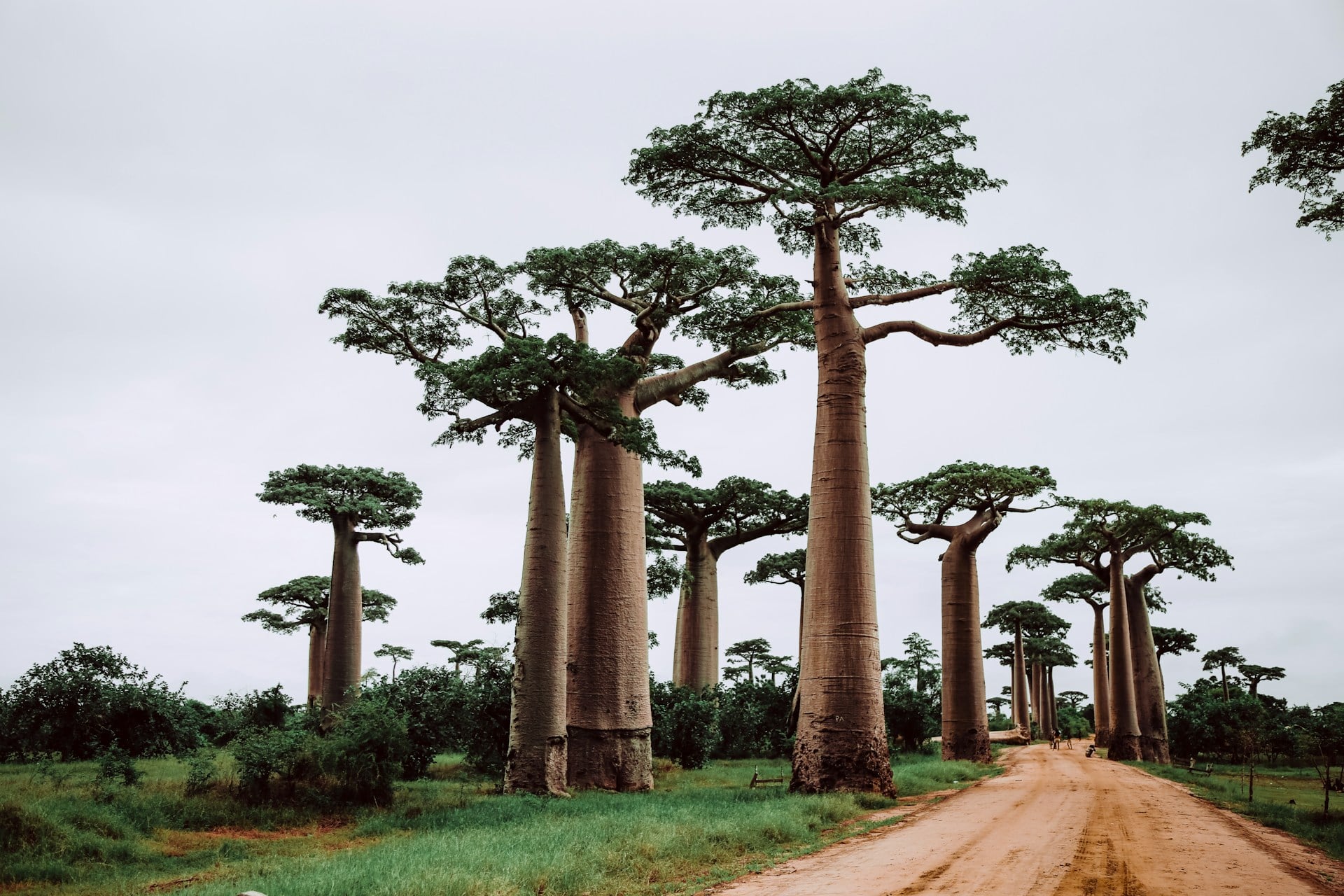
Approximately 90% of all plant and animal species found in Madagascar are endemic. The island broke away from India about 88 million years ago and has been evolving in isolation ever since.
This created an explosion of unique life forms, including two-thirds of the world’s chameleon species and the carnivorous fossa, which looks like a cross between a cat and a mongoose. The island also hosts the world’s smallest chameleon, Brookesia micra, which grows to just one inch long in adulthood.
India’s Bengal tiger population is critically endangered
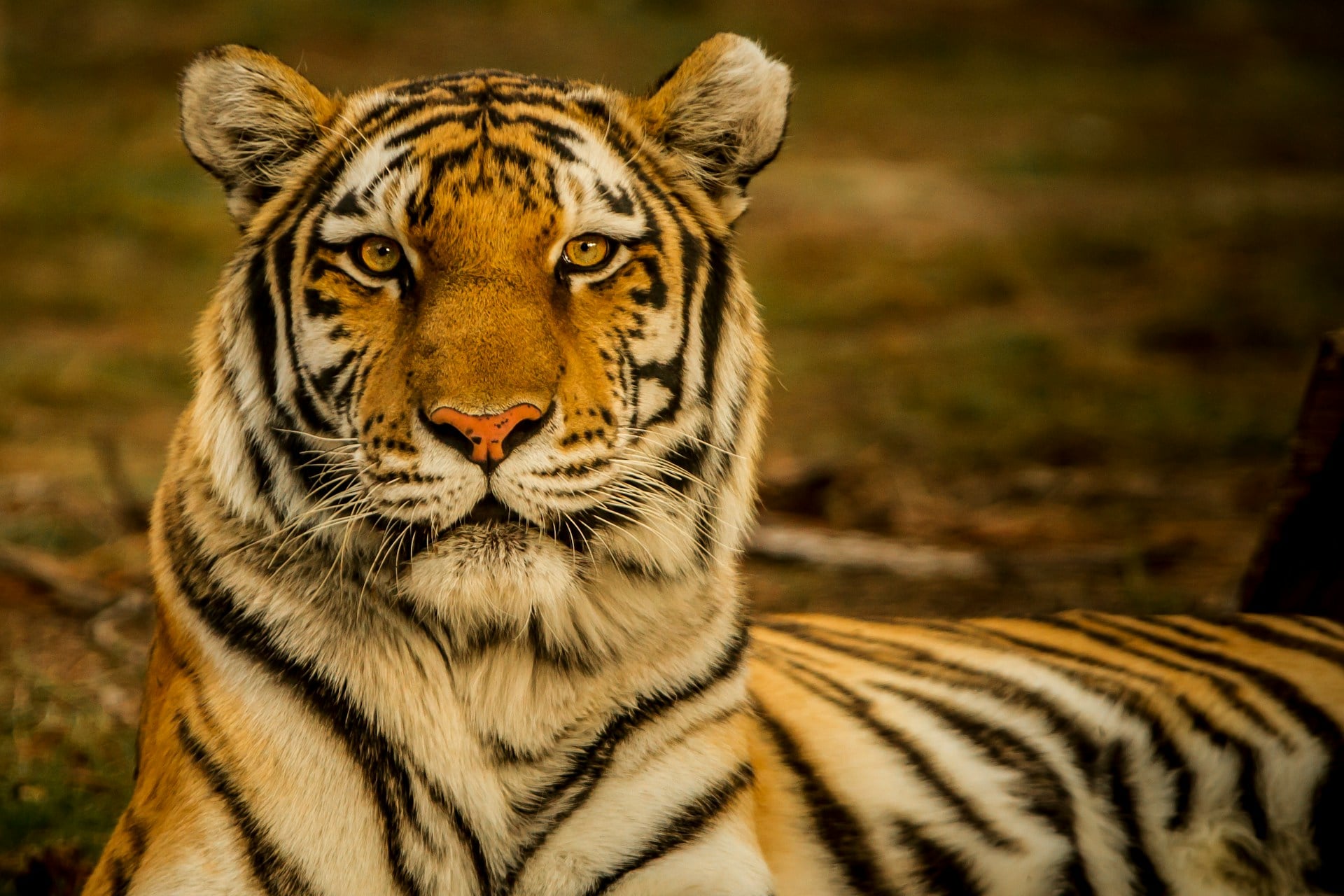
The Bengal tiger was officially designated as India’s national animal in 1972. These magnificent cats are among the world’s largest, with males weighing up to 600 pounds and measuring over 9 feet from nose to tail.
Sadly, fewer than 3,000 individuals remain in the wild today. They’re found throughout various regions of India, including the Sundarbans mangrove forests, the Himalayan foothills, and the forests of Central and South India.
Pakistan’s markhor has spiral horns up to five feet long
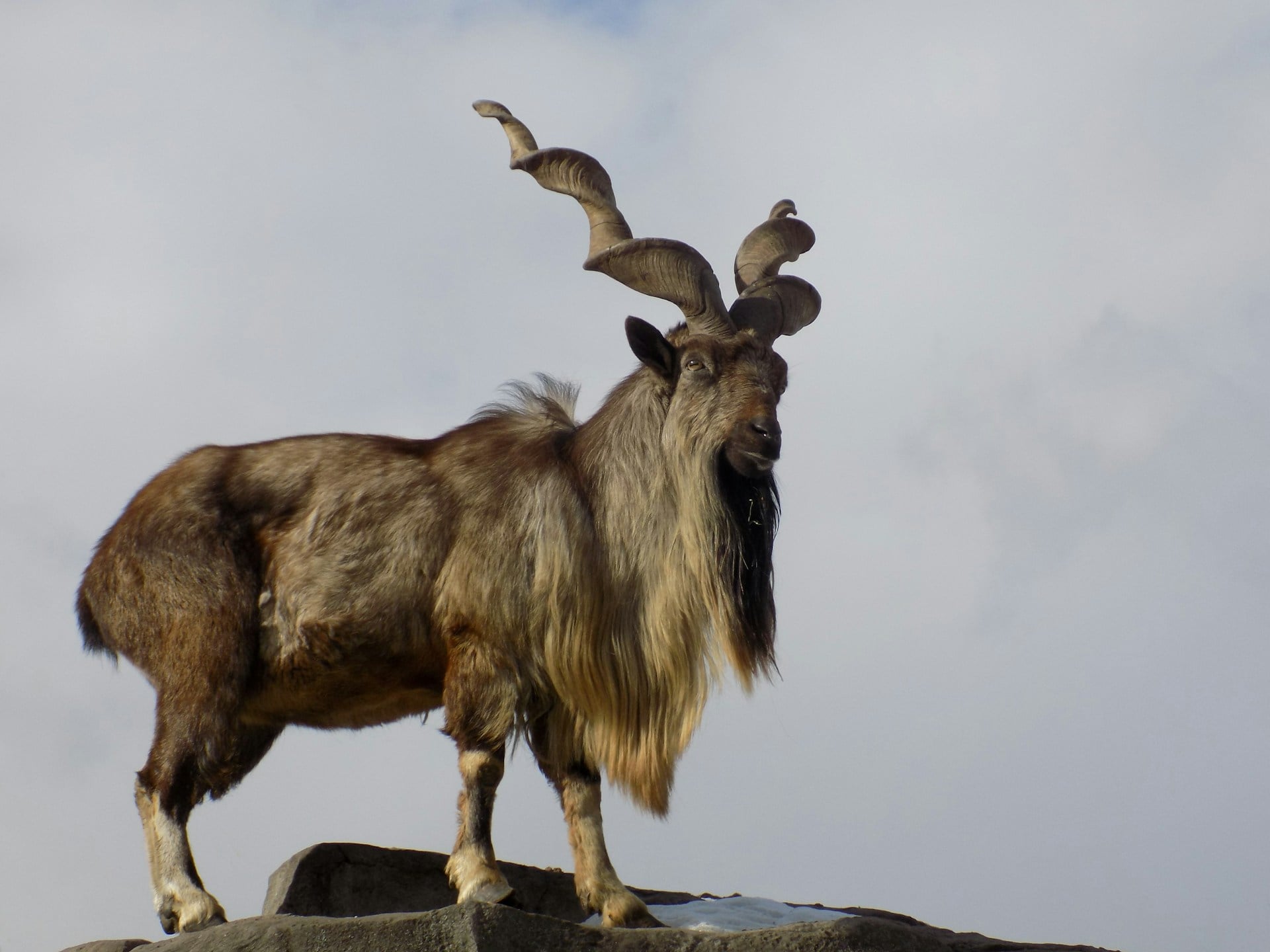
The markhor became Pakistan’s official national animal in 1972 and serves as a symbol of strength and cultural heritage. These wild goats possess distinctive corkscrew horns that can grow up to five feet in length, with tight spirals that give them their name—markhor means “snake eater” in the local language.
These impressive climbers can scale steep, rocky terrain with ease while searching for food in the northern regions of Pakistan and parts of Afghanistan. Their remarkable horns aren’t just for show—they use them in dramatic battles during mating season.
New Zealand has more flightless bird species than anywhere else
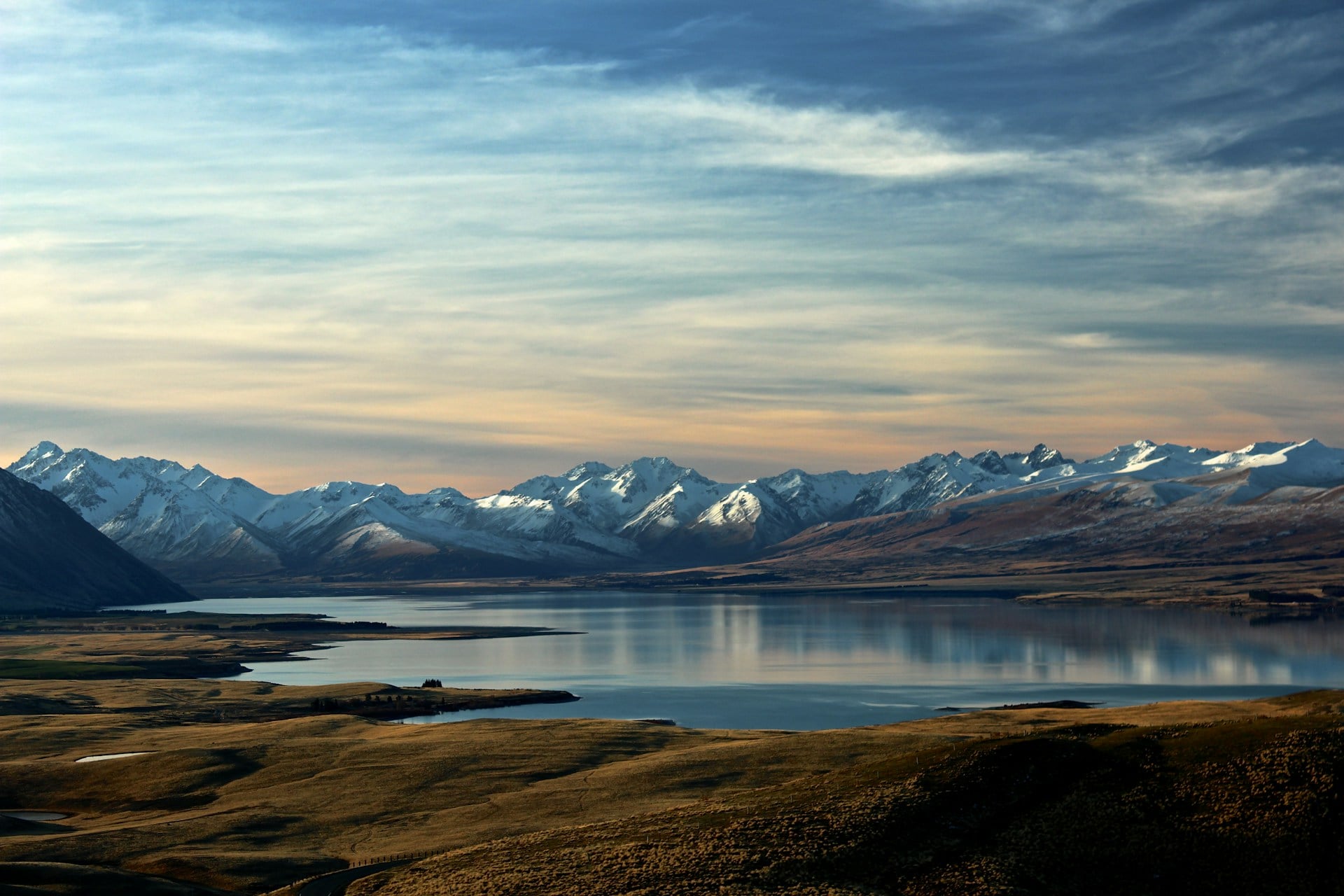
New Zealand is home to more flightless bird species than any other country on Earth, both living and extinct. Before humans arrived about 1,000 years ago, there were no land-based mammalian predators on the islands.
Without threats from ground-dwelling hunters, birds like the kiwi, kakapo, and takahē could safely forage on the forest floor, nest on the ground, and gradually lose their ability to fly. Flying requires enormous energy, so these birds evolved to walk instead, saving calories in an environment where the ground was perfectly safe.
Indonesia is the world’s most biodiverse country

Indonesia holds the title of the most biodiverse country on Earth and has the largest number of mammal species on the planet. This Southeast Asian nation consists of over 17,000 islands stretching across the equator, creating countless isolated habitats where unique species evolved.
The variety of ecosystems—from tropical rainforests to coral reefs—supports an extraordinary range of wildlife. This biodiversity makes Indonesia a critical area for conservation efforts, as many species found here exist nowhere else in the world.
Madagascar’s fossa is the island’s largest predator

The fossa is a cat-like carnivore endemic to Madagascar and serves as the island’s top predator. Despite looking like a feline, it’s actually more closely related to the mongoose family.
Growing up to 6 feet long from nose to tail, the fossa prowls the forests hunting lemurs, rodents, reptiles, and birds. Its ability to climb trees makes it a formidable hunter, as it can pursue prey both on the ground and high in the forest canopy.
Australian koalas sleep up to 20 hours per day
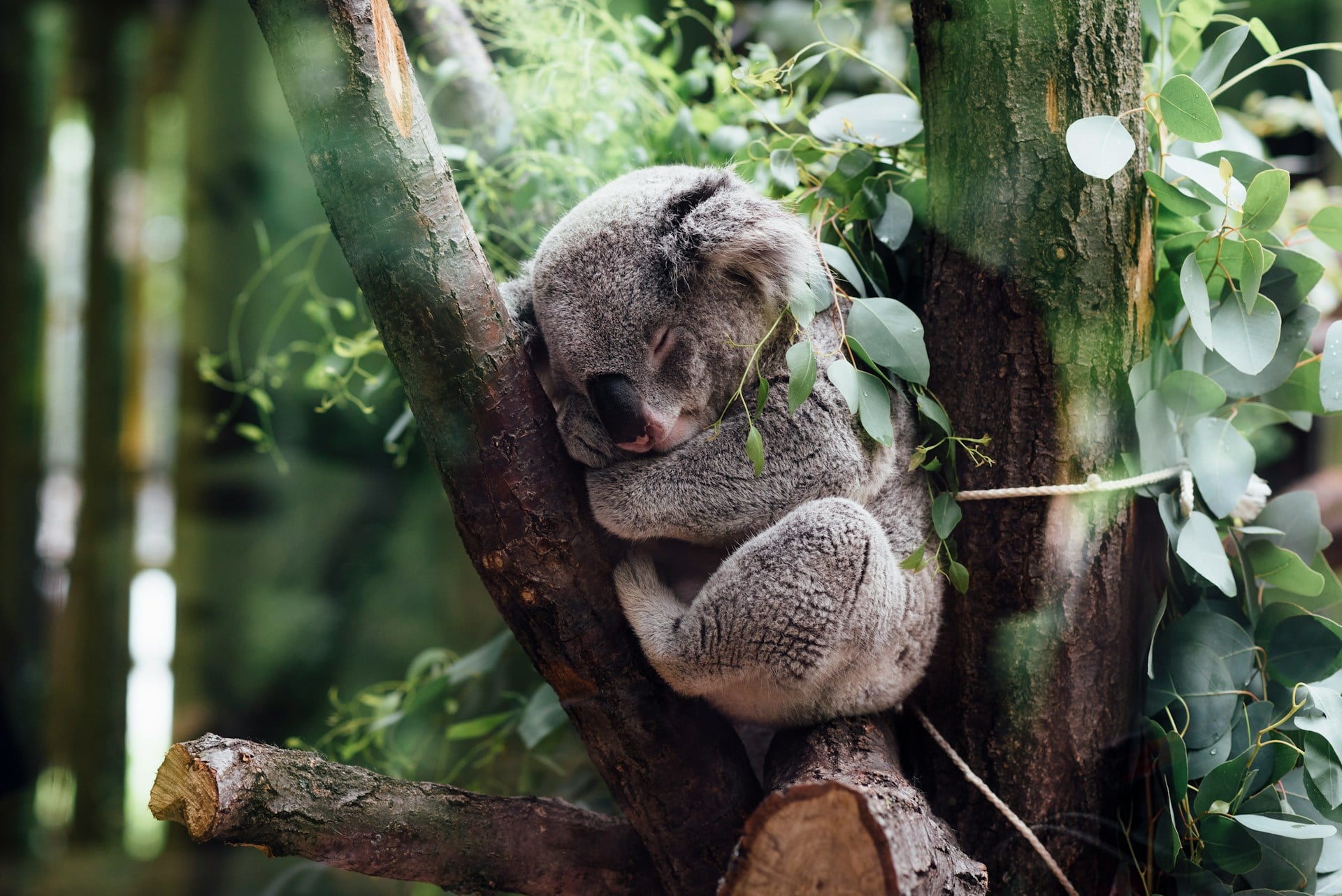
Koalas have one of the most specialized diets in the animal kingdom, feeding almost exclusively on eucalyptus leaves. These leaves are highly toxic and extremely low in nutrition, requiring massive amounts of energy to digest.
To conserve energy, koalas sleep between 18 and 20 hours each day, curled up in the forks of eucalyptus trees. Newborn koalas, called pinkies, are born blind and about the size of a jellybean before immediately crawling into their mother’s pouch where they’ll stay for 6 to 7 months.
Scotland’s Highland cattle can thrive in extreme cold
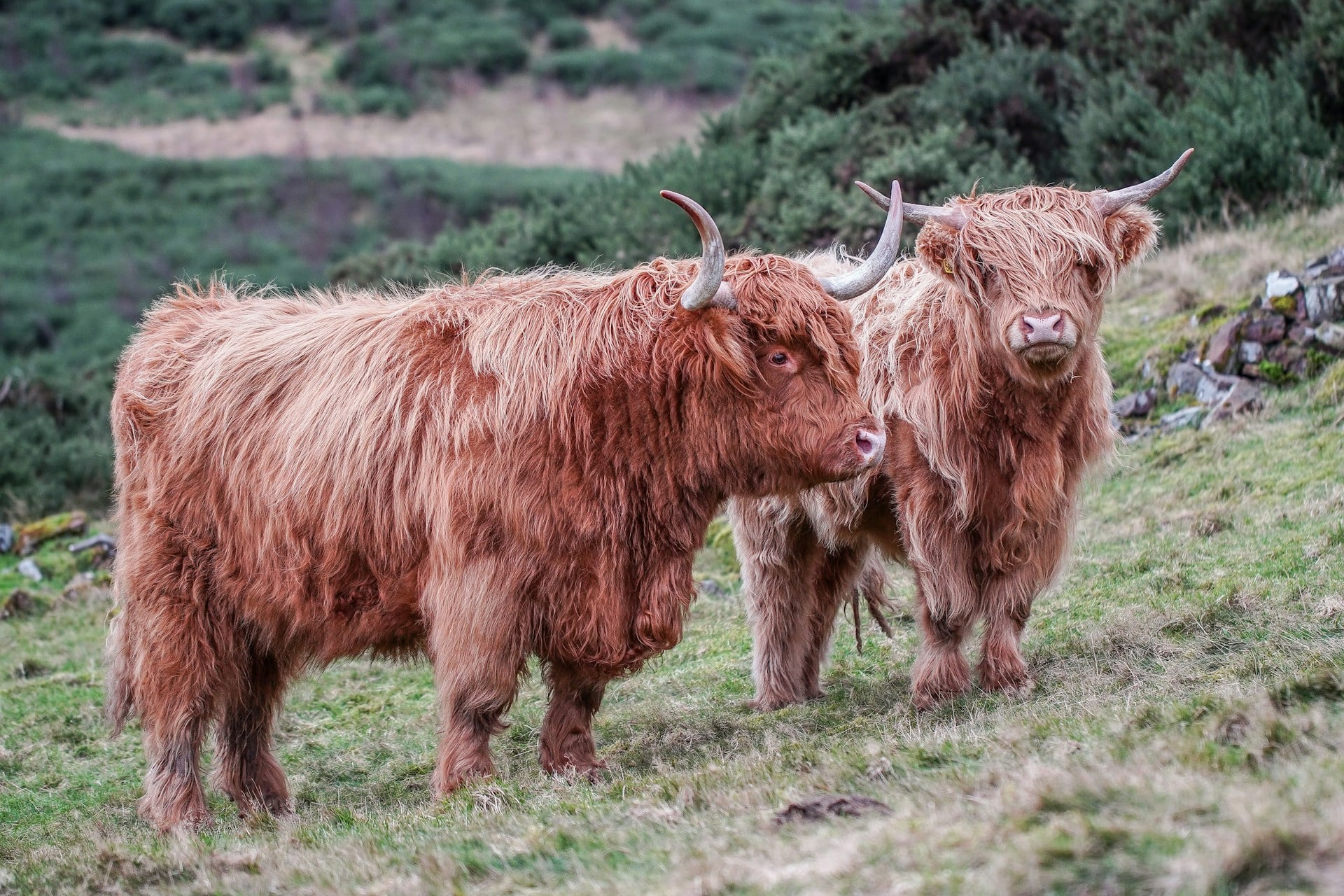
Highland cattle have been described as “almost as cold-tolerant as arctic-dwelling caribou and reindeer.” Their incredible adaptation to harsh weather comes from that famous double coat of hair, which adjusts to their environment—a Highland cow in northern Scotland will grow a thicker coat than one in warmer Australia.
They can withstand temperatures and conditions that would be fatal to most other cattle breeds. Interestingly, a group of Highland cattle isn’t called a herd—it’s called a fold, named after the stone shelters where farmers kept them during winter.
The kiwi’s closest relative lived in Madagascar
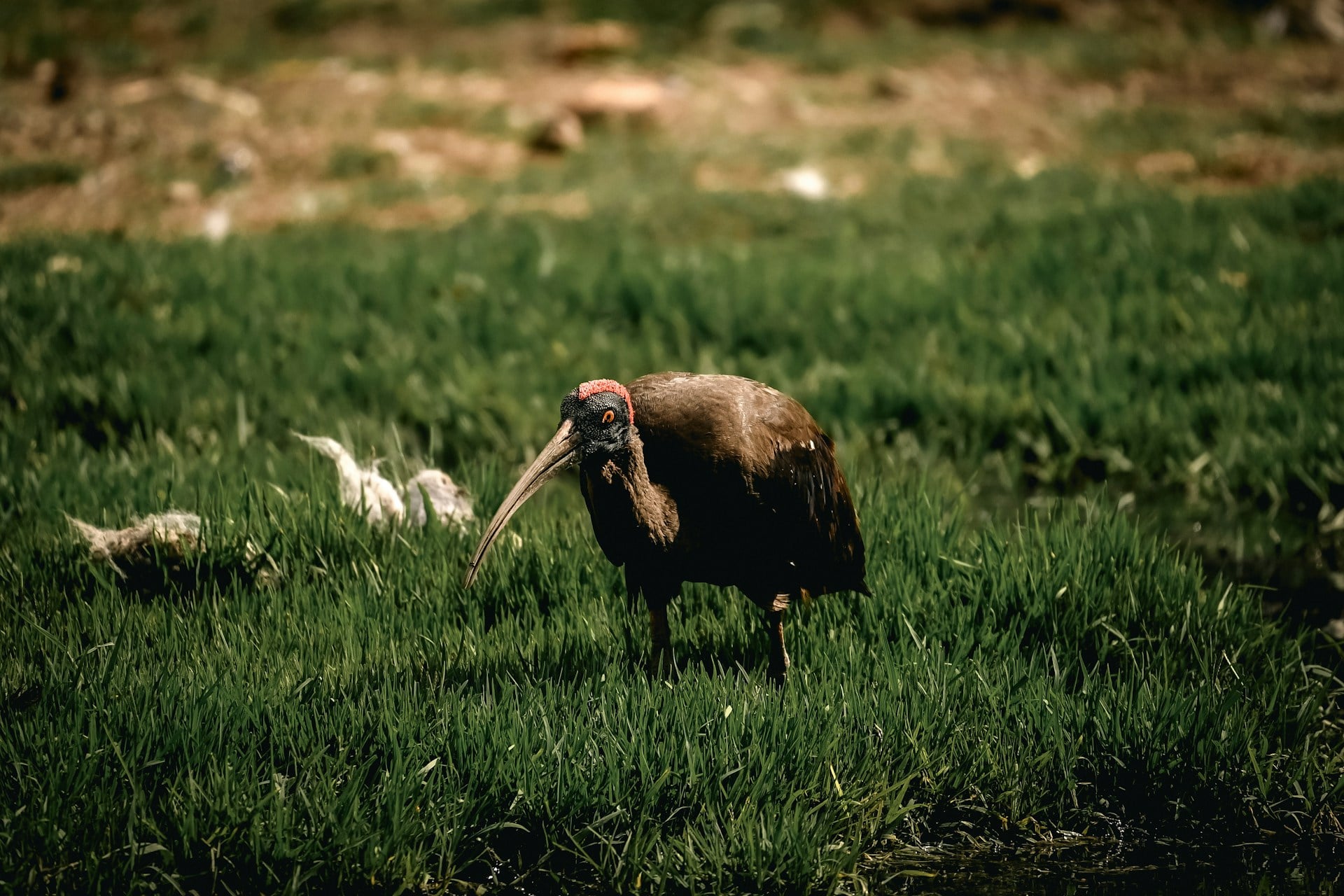
For years, scientists believed the kiwi was most closely related to New Zealand’s extinct moa birds. However, recent DNA studies revealed a surprising truth—the kiwi’s closest relative is actually Madagascar’s extinct elephant bird, not the moa at all.
This discovery suggests that kiwis and elephant birds shared a common ancestor, and that the kiwi’s ancestors flew to New Zealand from elsewhere rather than evolving from flightless birds already on the islands. Among living birds, kiwis are more closely related to emus and cassowaries than to any New Zealand species.
From isolation to adaptation
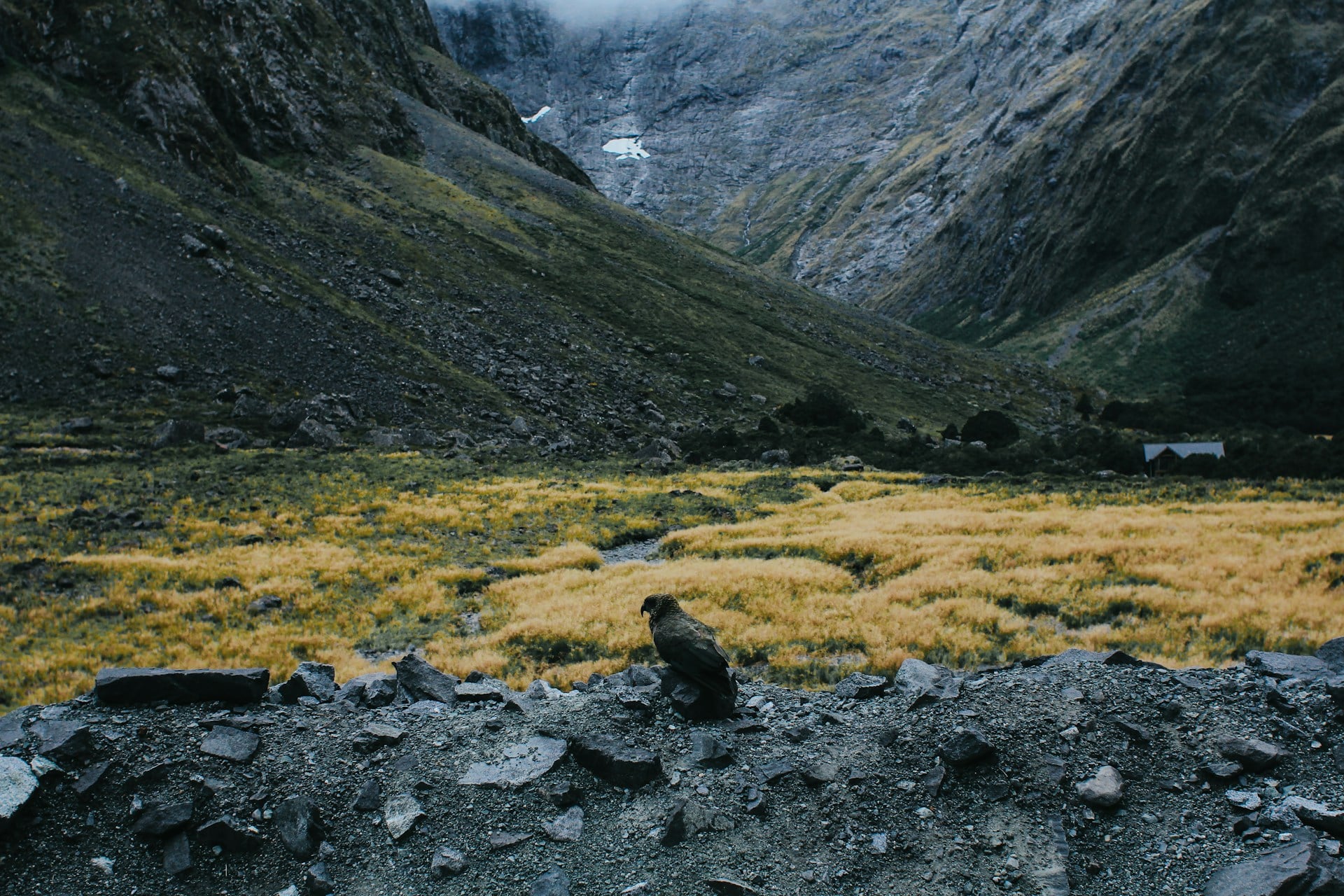
The thread connecting these remarkable animals is clear—isolation breeds uniqueness. Whether it’s an island that drifted away millions of years ago or a mountain range that became an impenetrable barrier, geographic separation allowed animals to evolve in extraordinary directions.
Australia’s egg-laying mammals, Madagascar’s lemurs, and New Zealand’s flightless birds all tell the same story of adaptation without outside competition. These animals remind us that nature doesn’t follow a single blueprint but instead creates endless variations, each perfectly suited to its home.
More from Go2Tutors!

- The Romanov Crown Jewels and Their Tragic Fate
- 17 Halloween Costumes Once Considered Taboo
- Famous Hoaxes That Fooled the World for Years
- 15 Child Stars with Tragic Adult Lives
- 16 Famous Jewelry Pieces in History
Like Go2Tutors’s content? Follow us on MSN.



