Arcade Games Designed to Be Impossible
Walking into an arcade in the 1980s meant stepping into a world of flashing lights, buzzing sounds, and quarters disappearing faster than anyone could count. Those colorful machines lined up against the walls weren’t just entertainment.
They were carefully programmed money traps that looked fun but hid a dark secret: many were designed so players could never actually win. Game developers knew exactly what they were doing when they built these machines.
Let’s look at the clever (and sometimes sneaky) ways they made sure those coins kept dropping.
Dragon’s Lair
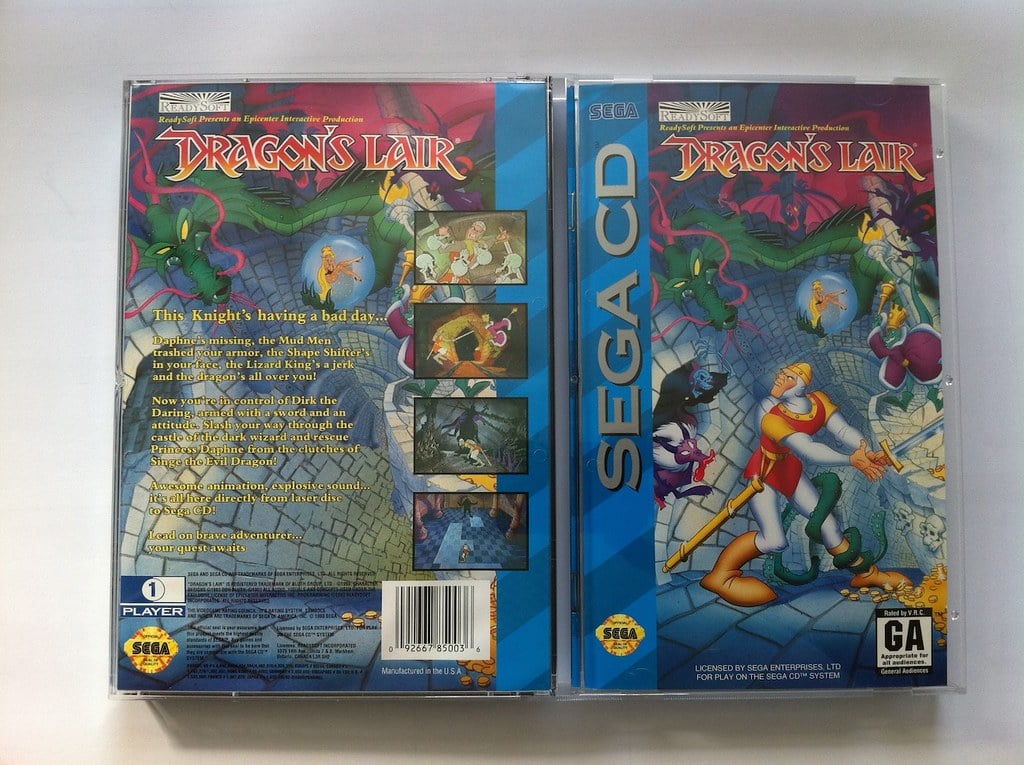
The animated beauty of Dragon’s Lair fooled everyone who walked past it in 1983. Players controlled Dirk the Daring through scenes that looked like a real cartoon, but the game gave almost no time to react to dangers.
The controls felt sluggish and unresponsive, and the timing windows for correct moves were so tight that even memorizing every scene didn’t guarantee success. Death came from directions players couldn’t predict, and the game loved throwing in random variations that made learning patterns nearly worthless.
Paperboy

Delivering newspapers sounds simple enough, but this 1985 game turned a morning route into a nightmare of perfect timing and cruel physics. The isometric view made judging distances almost impossible, and obstacles appeared with barely enough warning to react.
Houses wanted papers in exact spots, and the margin for error was razor thin. The difficulty ramped up so fast that even skilled players found themselves crashing into everything by day three or four.
Teenage Mutant Ninja Turtles
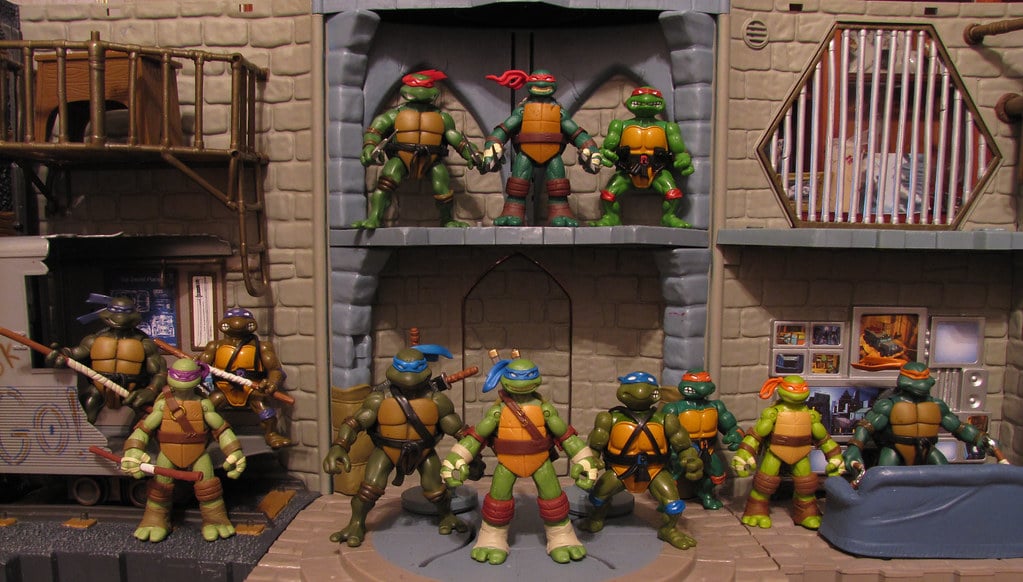
Konami’s 1989 beat-em-up ate quarters like a hungry monster despite having four playable characters. The game drained health constantly through cheap enemy hits and environmental hazards that were hard to avoid.
That underwater bomb defusal level became infamous for killing players who hadn’t memorized every single seaweed obstacle. Even with three friends helping, the later levels threw so many enemies on screen that taking damage became unavoidable.
Marble Madness
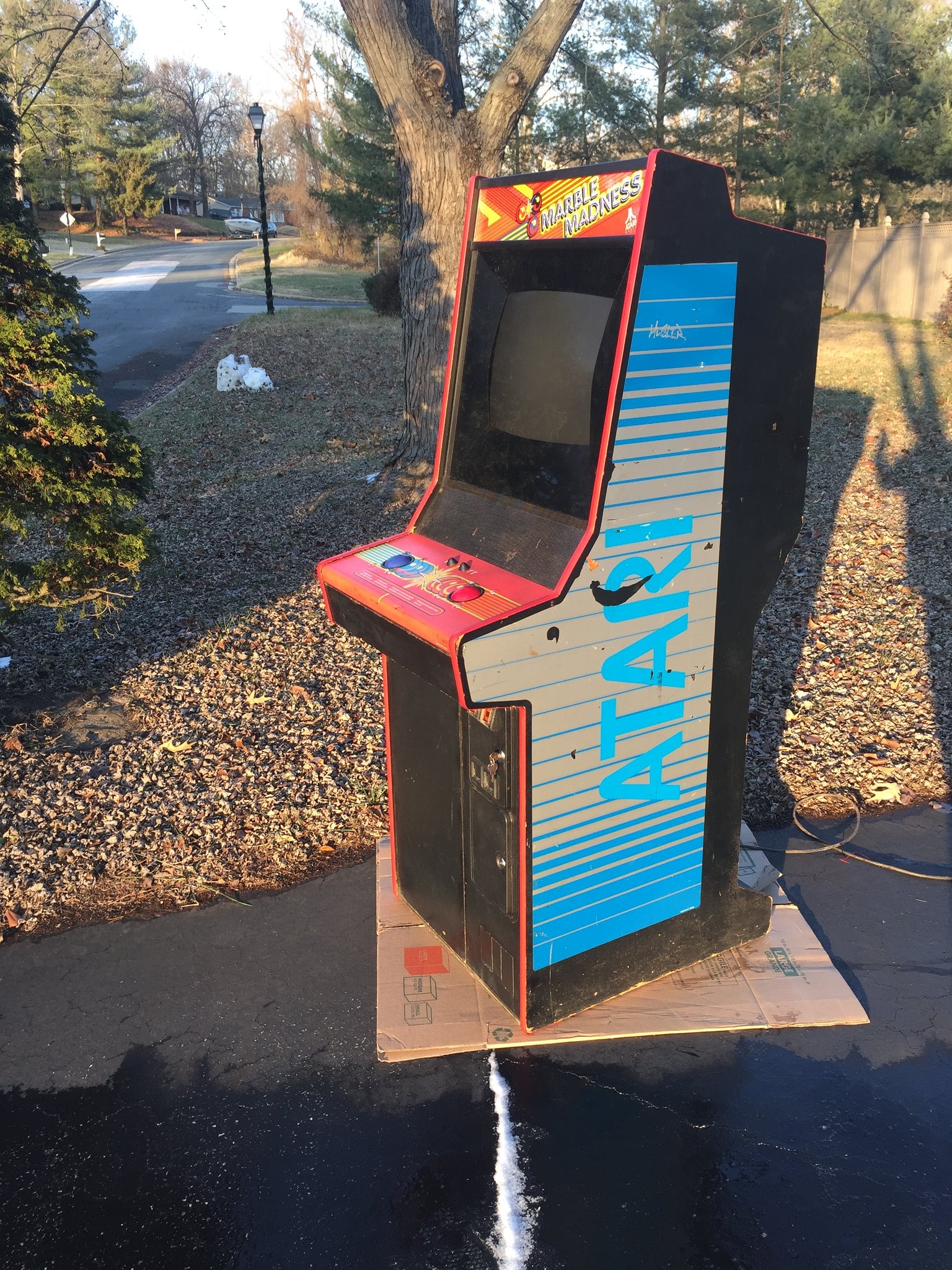
Rolling a marble through obstacle courses looked charming when Atari released this game in 1984. The trackball controls were too sensitive for the precision the game demanded, and levels had edges everywhere just waiting for one tiny mistake.
Later stages introduced ice physics and enemy marbles that knocked players off cliffs with no way to recover. The time limits added pressure that made careful play impossible, forcing players to rush and make fatal errors.
Battletoads
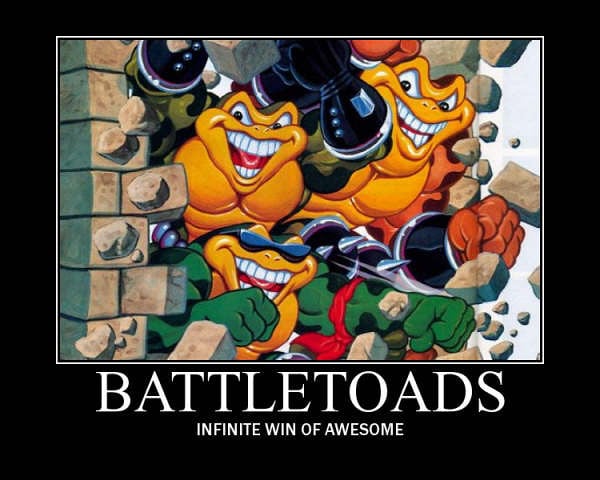
Rare’s 1991 game became legendary for being one of the most punishing arcade experiences ever created. The third level speeder bike section required memorizing every obstacle and having reflexes that bordered on superhuman.
Lives disappeared in seconds, and the game offered almost no margin for error on any level past the first few. Even the cooperative mode worked against players by letting them accidentally hurt each other, turning teamwork into another way to lose.
Ghosts ‘n Goblins
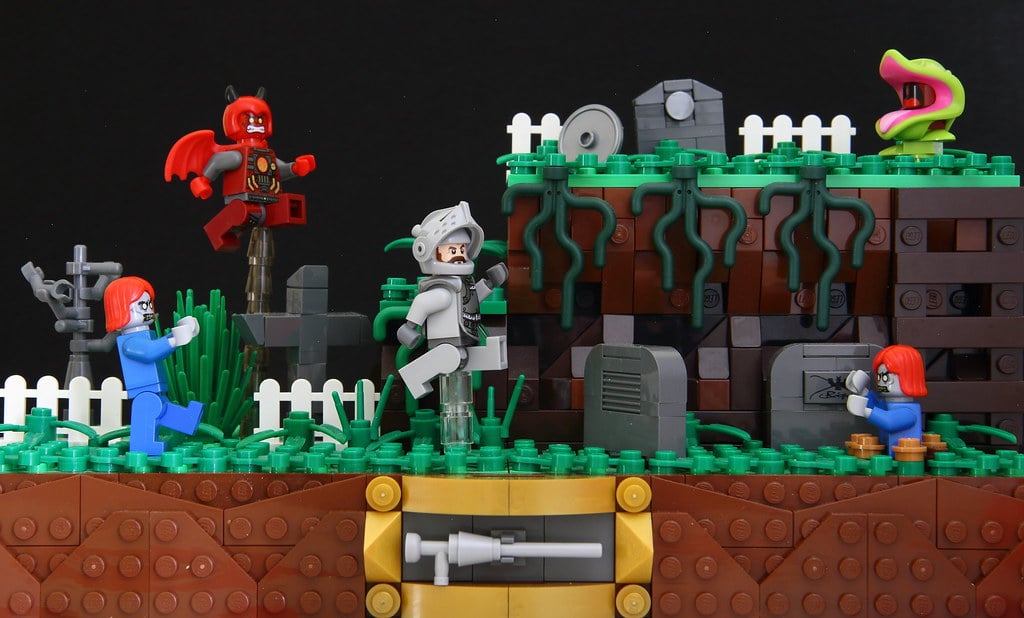
Capcom released this platformer in 1985 and made it absurdly difficult from the very first screen. Arthur moved stiffly, could only throw weapons in limited directions, and died in two hits while enemies took multiple strikes to defeat.
The game forced players to beat it twice to see the real ending, and the second loop ramped up the difficulty even higher. Enemies spawned in patterns designed to hit players who were still recovering from previous attacks.
Gauntlet
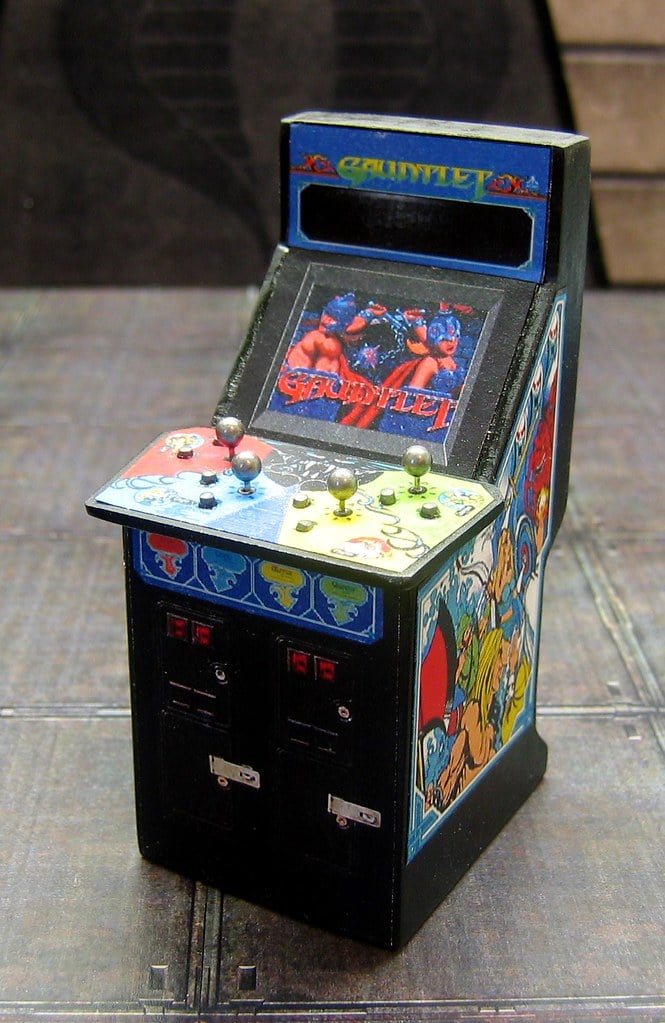
Atari’s 1985 dungeon crawler looked like a cooperative adventure but was really a race against constantly draining health. Food pickups cost extra quarters, and the game placed them just far enough apart to keep players desperate.
Each character needed food at different rates, but the game never gave quite enough to keep everyone alive for long. Monsters spawned endlessly from generators that took forever to destroy, making progress feel like swimming against a current.
Space Ace

Don Bluth’s follow-up to Dragon’s Lair in 1984 took everything frustrating about the first game and cranked it higher. The multiple paths through the game meant players couldn’t just memorize one route to victory.
Quick-time events came faster and with less warning than before. Derf’s transformations between adult and kid forms added another layer of confusion about which moves would work in each situation.
Star Wars
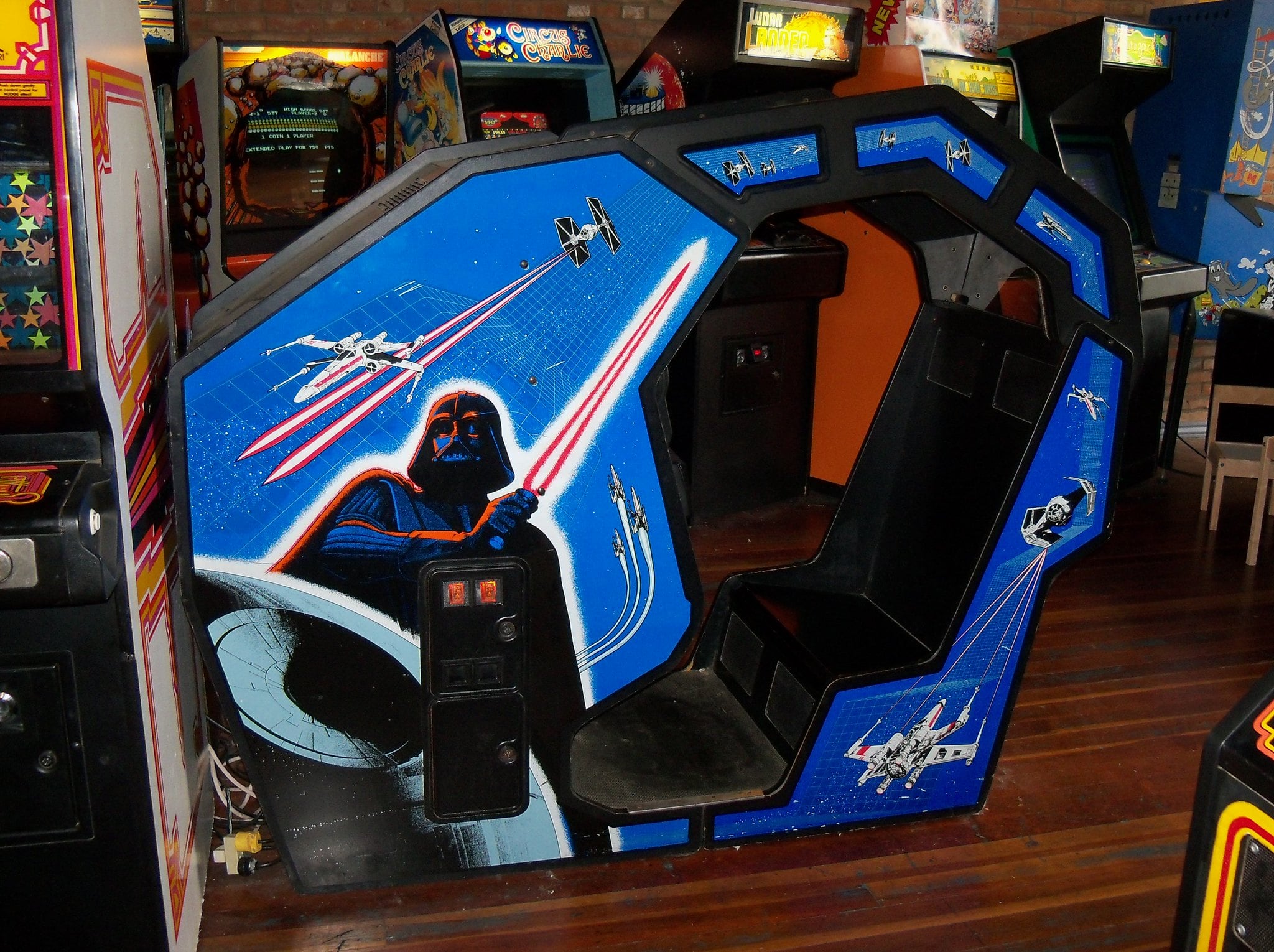
The 1983 arcade shooter from Atari blew minds visually – yet felt harsh on anyone trying to play. Dodging barriers fast was a must during tunnel stretches, where one slip meant instant failure.
Bullets crisscrossed in nasty clusters, leaving zero room to squeeze through safely. Each stage ramped up the challenge way too quick, blocking access to end-game scenes for nearly everyone.
Sinistar
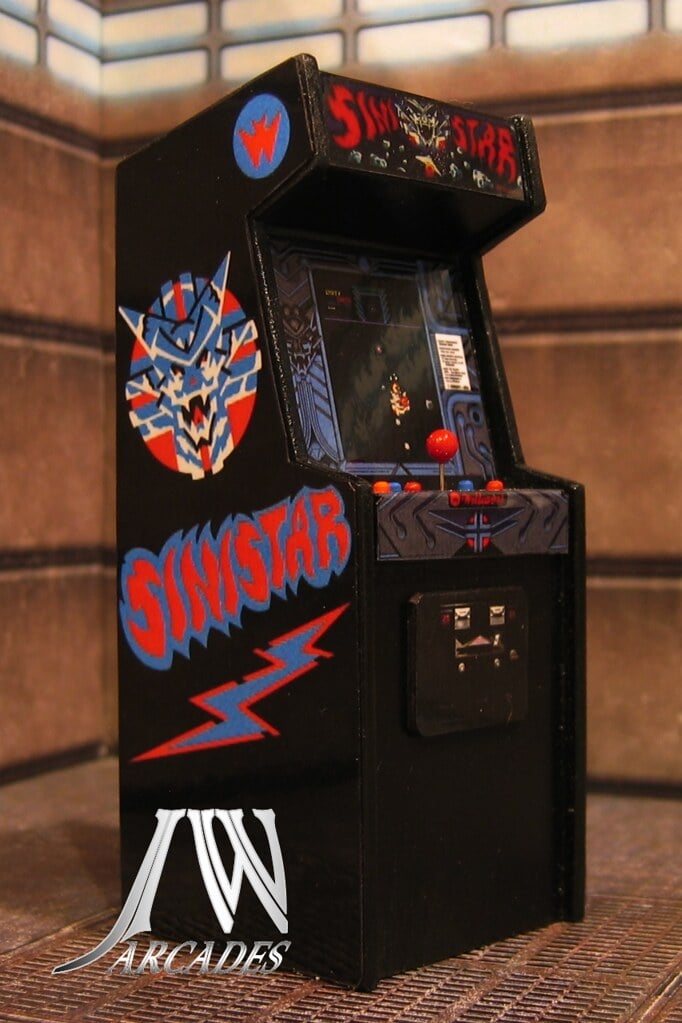
Back in 1982, Williams Electronics came up with a space shooter that felt truly scary. Instead of attacking right away, the enemy ship – Sinistar – built itself piece by piece while chasing you down.
Its loud voice yelling “Run, coward!” didn’t help your nerves one bit. You had to dig out crystals just to stay alive, meanwhile dodging wave after wave of foes.
Getting enough bombs to take it down usually took more time than anyone lasted. If you played well, things got tougher fast – better skills meant nastier odds.
I, Robot
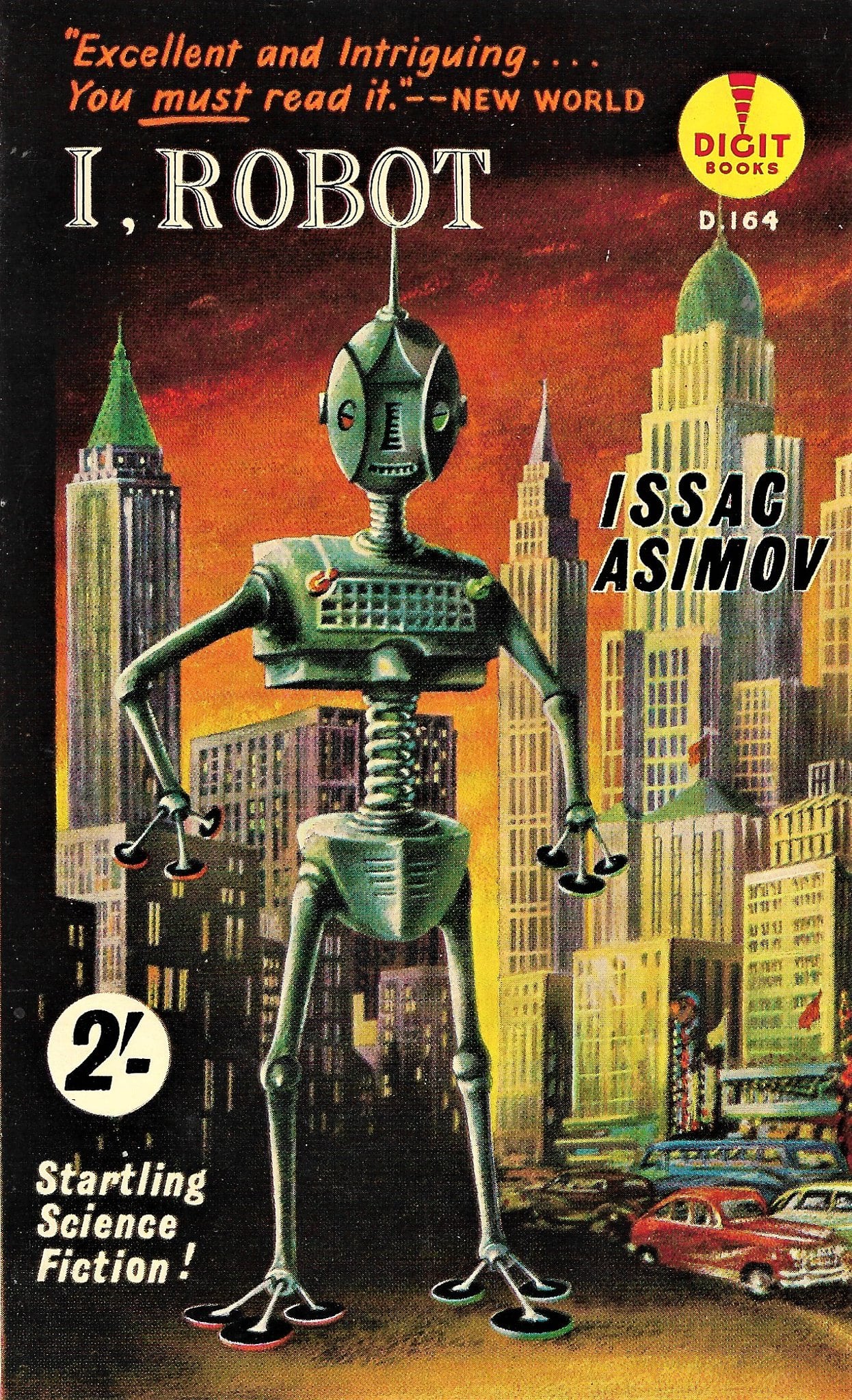
Back in ’84, Atari took a big swing – yet the gameplay felt harsh and tight. Instead of smooth navigation, depth perception stumbled due to clunky 3D views for that era.
Threats popped up from blind spots the camera barely caught. With ticking clocks pushing players fast, mistakes like missed leaps or slips happened constantly.
Clever concepts got lost thanks to shaky handling and goals that never quite clicked.
Indiana Jones and the Temple of Doom

Atari’s 1985 title jumped from mode to mode so fast, getting good at one part barely mattered. In the mine cart stages, you had to react instantly – hesitation meant disaster.
Combat put Indy in tight spots where options were few, yet foes came nonstop from every side. New rules popped up all the time, but there was never quite enough room to figure them out.
Black Tiger
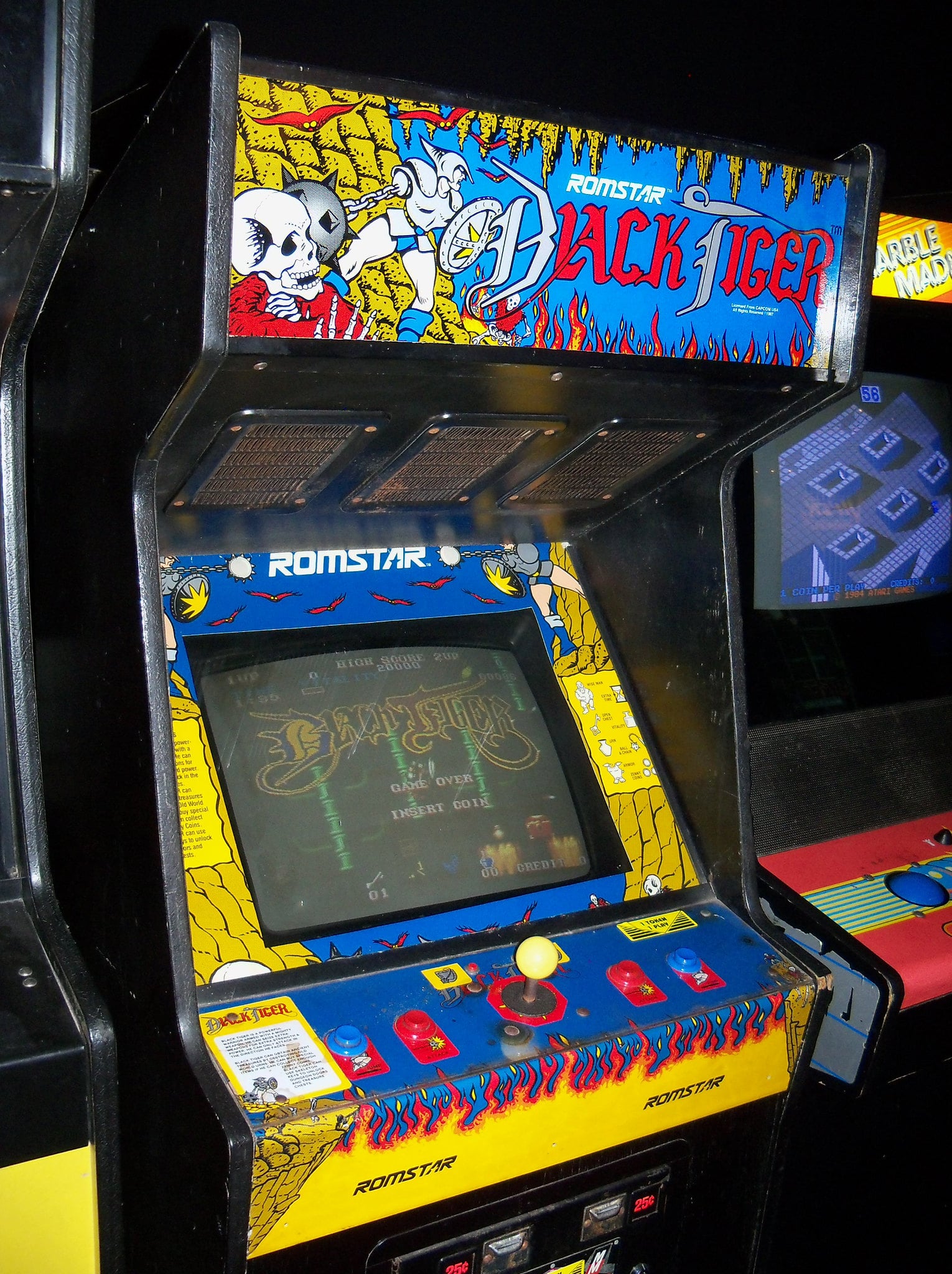
Capcom’s 1987 side-scroller seemed easier than Ghosts ’n Goblins – yet packed just as much sneaky harshness. Foes soaked up way more hits than you’d expect, while your attacks barely scratched them, so fights dragged on forever.
Jumping? It lacked grip, almost slippery, which messed up timing when hopping between platforms. Items like stronger gear or protection ate cash, but coins were always running low, meaning tough calls: boost offense now or save for defense later.
Ninja Gaiden

Tecmo’s 1989 arcade edition hit harder than the versions on consoles. Enemies kept coming back nonstop, swarming in tight groups that were tough to handle.
Right after combat bits, sudden drops showed up – easy to stumble into and die. Beating bosses meant memorizing moves down to the frame, barely scraping by without getting hit; continuing just dumped you way earlier, so advancement felt fake.
Ikari Warriors
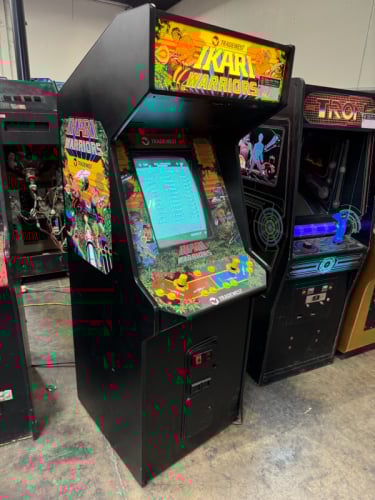
SNK’s 1986 shooter dropped you right into chaos – death seemed inevitable almost instantly. Bullets flew nonstop from all sides, while enemies swarmed without warning; the spinning stick made dodging a pain when things got tense.
Ammo vanished fast, so getting up close became unavoidable – but that chewed through your life bar quickly. Respawning puts you back near the exact spot you kicked off, meaning one mistake could wipe out multiple lives before you even reacted.
Rampage
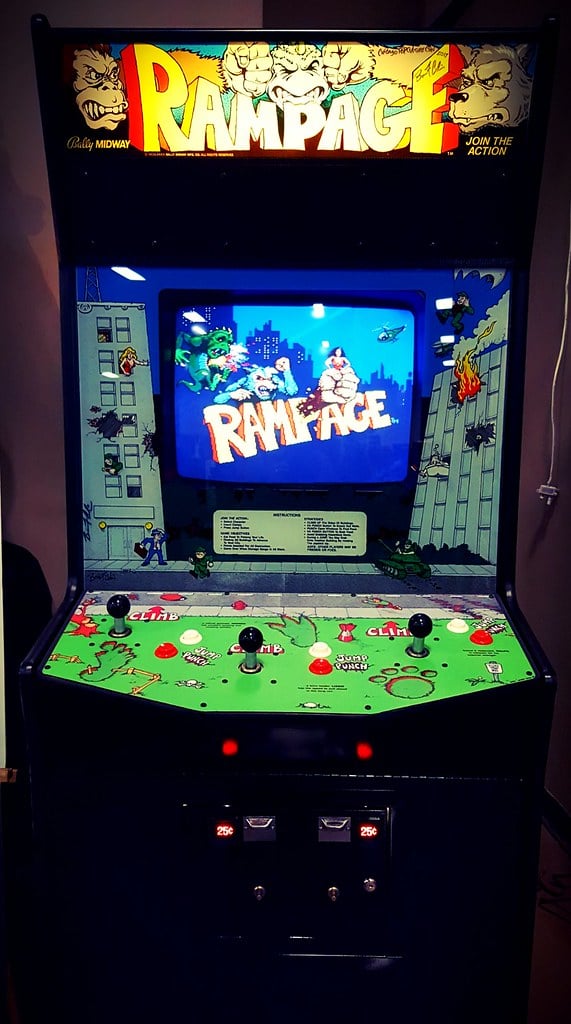
Bally Midway’s 1986 city-smashing game looked simple – yet it dragged on purpose. Structures barely broke apart, meanwhile soldiers kept whittling monster HP bit by bit.
When skyscrapers toppled, they’d often hurt you instead of helping. Sure, there was a finale lurking past countless stages; however, getting close meant dumping way more cash and hours than anyone sane would tolerate.
Tapper
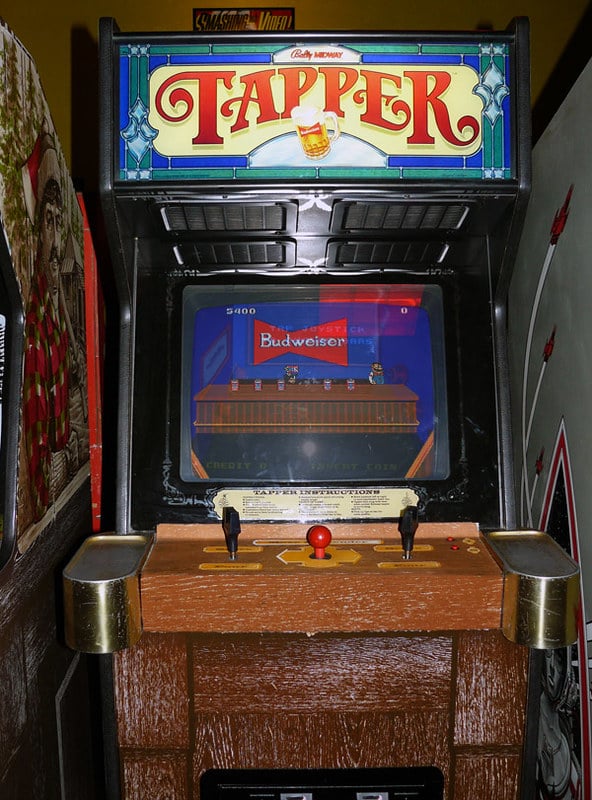
The 1983 drink-pouring arcade game by Bally Midway began slow – then turned wild real quick. Juggling several counters at once was tough because drinkers paced themselves differently, so hitting the serve just right felt like luck.
When empty glasses zipped back, being late even once cost you a turn. As things went on, patrons sped up while extra bars popped up, piling pressure until no person could keep up.
The coins kept calling us – no way to say no

Back then, the crazy-hard arcade machines showed kids how to keep going, spot repeating moves, or know when to quit while you’re behind. Flashy boxes with wild action made each coin seem like your lucky break could come next.
Most arcades are gone these days, yet the idea of tricky design – how close fun gets to feeling unfair – is still around in modern games. Only now, failing just means hitting restart instead of hunting pockets for extra quarters.
More from Go2Tutors!

- The Romanov Crown Jewels and Their Tragic Fate
- 13 Historical Mysteries That Science Still Can’t Solve
- Famous Hoaxes That Fooled the World for Years
- 15 Child Stars with Tragic Adult Lives
- 16 Famous Jewelry Pieces in History
Like Go2Tutors’s content? Follow us on MSN.