17 Historical Hoaxes That Fooled the World
History has a way of revealing uncomfortable truths, and one of the most uncomfortable is how easily entire societies can be duped. The human desire to believe in something extraordinary — or sometimes just to avoid looking foolish — has created fertile ground for deception on a massive scale.
These weren’t small lies told in back rooms. These were elaborate fabrications that convinced scholars, fooled governments, and shaped public opinion for years, sometimes decades.
The Cardiff Giant
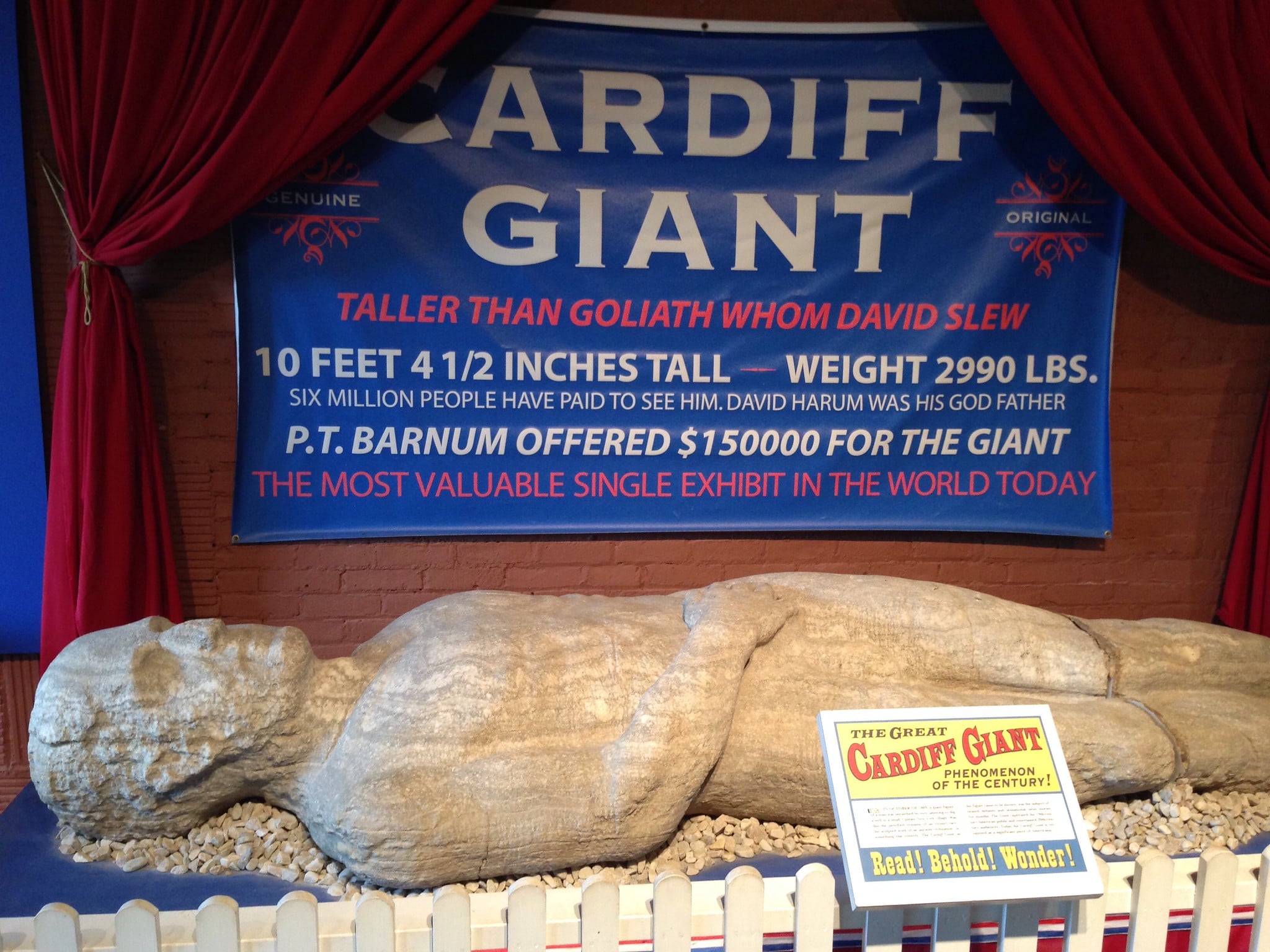
A ten-foot-tall petrified man discovered on a farm in Cardiff, New York in 1869 drew crowds willing to pay fifty cents just to glimpse what many believed was proof of biblical giants. George Hull, a cig maker and atheist, had commissioned the statue after an argument about scripture with a Methodist minister.
Hull hired sculptors to carve the figure from gypsum, aged it with acid and sand, and buried it on his cousin’s property. The cousin “discovered” it while digging a well.
Even after Hull confessed to the hoax, people continued to visit. P.T. Barnum created his own replica when Hull wouldn’t sell him the original, leading to the phrase “There’s a sucker born every minute” — though Barnum probably never said those words either.
Piltdown Man
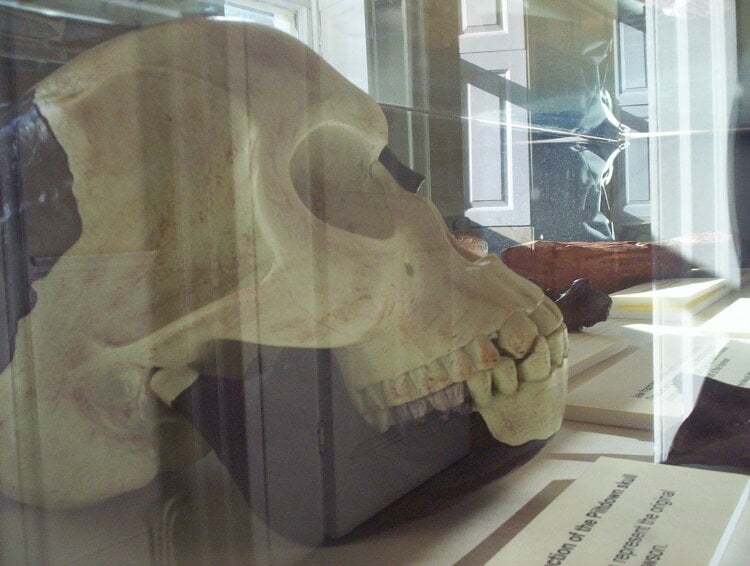
The missing link between humans and apes turned up in a gravel pit in Sussex, England in 1912 (or so it seemed), and for forty years, Piltdown Man held a place of honor in the story of human evolution. Scientists celebrated the discovery as proof that the enlarged brain had evolved before other human characteristics — a theory that flattered British intellectual pride.
The skull fragments and primitive tools convinced experts because they confirmed what many wanted to believe: that human evolution had followed a neat, logical progression, with brain development leading the way.
So when chemical testing in 1953 revealed the skull to be a medieval human cranium paired with an orangutan’s jaw, the embarrassment spread far beyond the hoax’s still-unknown perpetrator (though Charles Dawson, the amateur archaeologist who made the “discovery,” remains the prime suspect). The scientific method had worked, eventually — but it had taken four decades to question something that felt too convenient to doubt.
The War Of The Worlds Broadcast
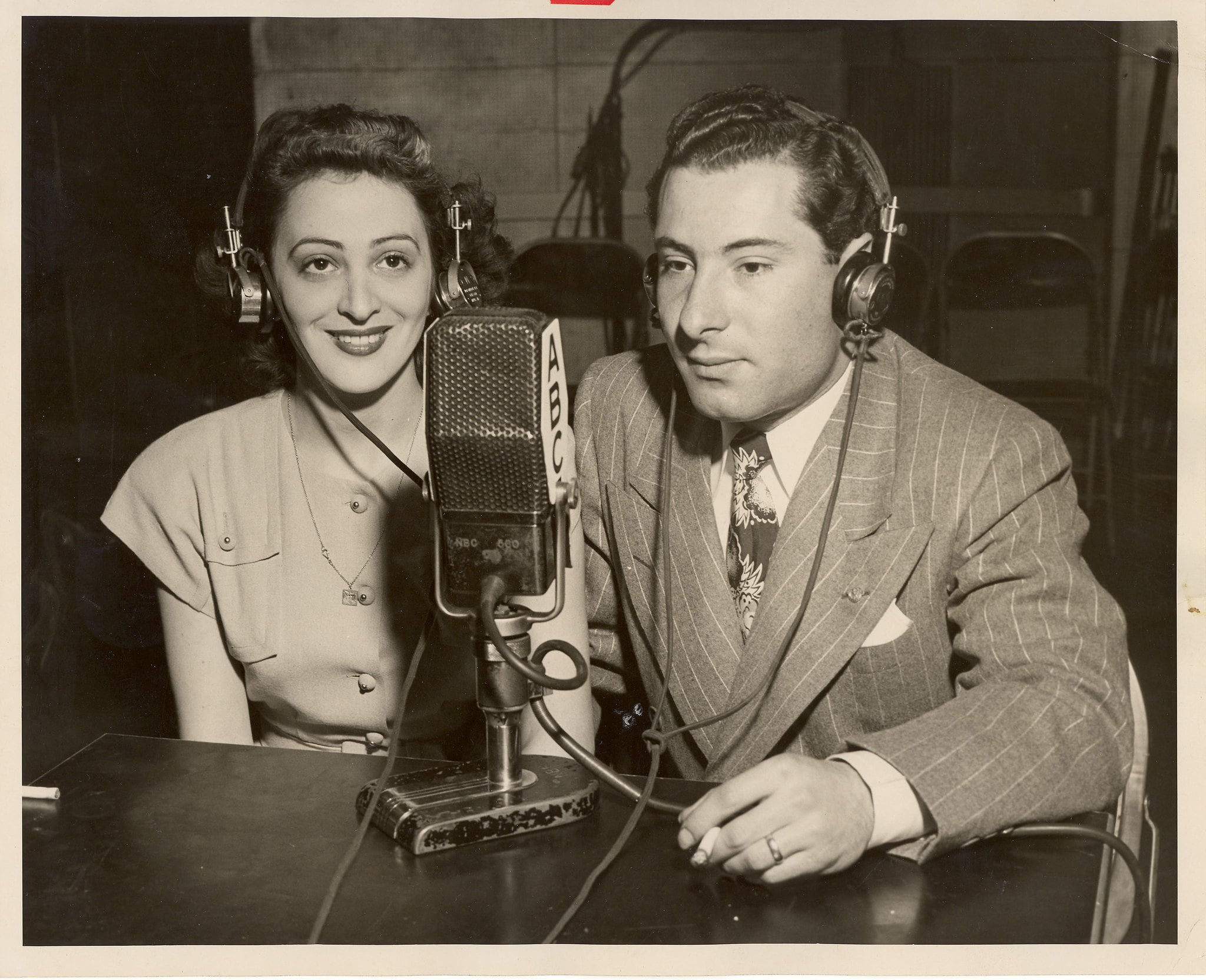
Radio was still new enough in 1938 that people weren’t sure what to expect from it. Orson Welles and his Mercury Theatre presented H.G. Wells’ “The War of the Worlds” as a series of realistic news bulletins interrupting regular programming, complete with on-the-scene reporters describing Martian heat rays reducing crowds to ash.
The panic that followed became legendary — though probably exaggerated. Some listeners did call police stations and flee their homes, but most understood they were hearing a radio drama.
The real story isn’t mass hysteria; it’s how quickly the idea of mass hysteria took hold and became more famous than the broadcast itself. News reports of widespread panic sold more papers than the truth: that most Americans had simply enjoyed a well-crafted piece of entertainment.
The Hitler Diaries
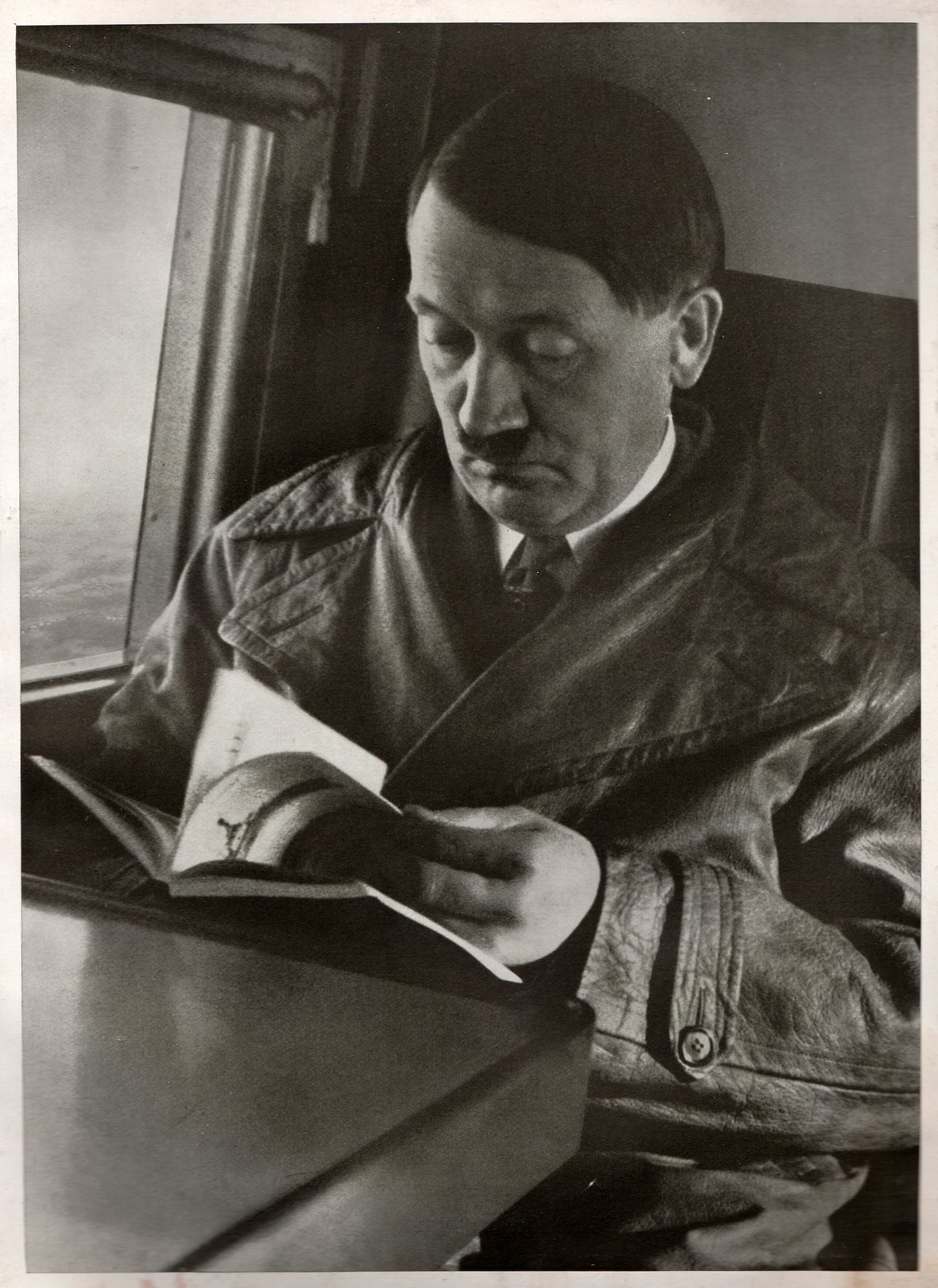
In 1983, the German magazine Stern paid 9.3 million marks for what they believed were Adolf Hitler’s personal diaries, discovered in a plane crash site in East Germany. The story captivated the world — here, potentially, were the private thoughts of history’s most studied monster, written in his own hand and hidden for nearly forty years.
The authentication process should have been more thorough, but the diaries told editors and historians what they wanted to hear: that Hitler was more concerned with mundane daily matters than genocide, that he might have been a more complex figure than previously understood.
The handwriting looked authentic (forger Konrad Kujau had practiced for years), and the paper appeared appropriately aged. But forensic analysis revealed the paper contained chemicals not used until after World War II, and the ink was barely dry.
The diaries were poorly researched fiction, filled with historical errors any undergraduate could have spotted. Kujau had based much of his work on a published collection of Hitler’s speeches, copying even the typographical errors.
The hoax succeeded not because it was sophisticated, but because people wanted to believe they were getting unprecedented access to one of history’s most significant figures.
The Balloon Boy

A homemade weather balloon floating across Colorado skies in 2009 supposedly carried six-year-old Falcon Heene, whose family claimed he had climbed into the basket before it broke free from their backyard. The story had everything: a child in danger, a race against time, and concerned parents pleading for their son’s safe return.
Television networks provided wall-to-wall coverage as the balloon drifted for hours, eventually landing in an empty field. No child was found.
Falcon, it turned out, had been hiding in the family’s garage attic the entire time. The hoax unraveled when Falcon told reporters on live television that “we did this for the show” — referring to his family’s hopes of landing a reality TV series.
The incident cost emergency services time and money, diverted law enforcement resources, and grounded flights at Denver International Airport. Richard Heene, Falcon’s father, served jail time for the stunt.
But the hoax worked exactly as intended in one respect: it made the Heene family famous, at least briefly.
Orgueil Meteorite Contamination
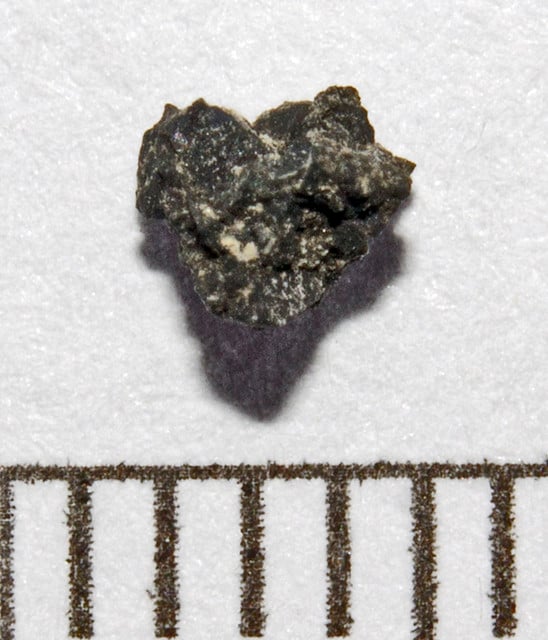
The Orgueil meteorite fell in France in 1864, and scientists have been studying fragments of it ever since, making important discoveries about the early solar system. But in 1962, researchers examining a sample noticed something odd: what appeared to be fossilized microscopic life forms embedded in the rock.
The discovery would have been revolutionary — proof that life existed elsewhere in the universe, preserved in a chunk of space rock. The fossils looked convincing under microscopic examination, and the meteorite sample came from a prestigious museum collection.
Some scientists were ready to announce the finding to the world. Further analysis revealed the “fossils” to be terrestrial seeds and plant matter that had been carefully inserted into a crack in the meteorite and glued in place, then polished smooth.
Someone, probably in the 19th century, had deliberately contaminated the sample — though whether as a prank or a more serious attempt at scientific fraud remains unclear. The hoax was sophisticated enough to fool modern researchers for months.
The Archaeoraptor
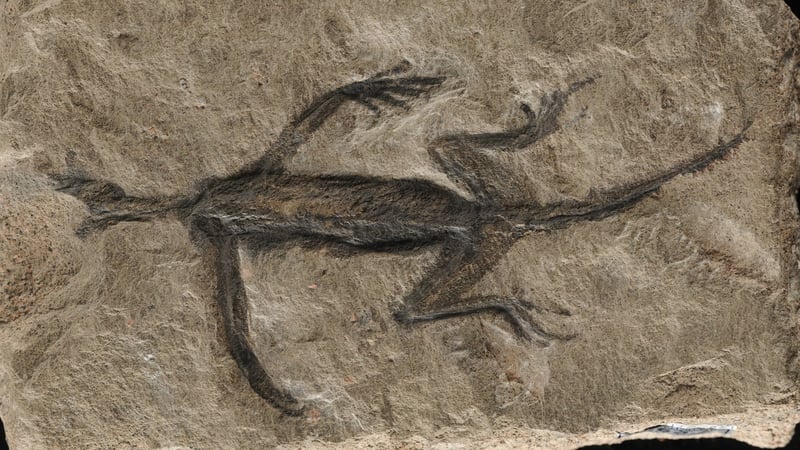
National Geographic announced the discovery of Archaeoraptor in 1999, presenting it as the missing link between dinosaurs and birds — a feathered dinosaur that could finally settle debates about avian evolution. The fossil had been discovered in China and showed clear evidence of both dinosaur skeletal structure and bird-like feathers preserved in remarkable detail.
The magazine’s article generated enormous excitement in both scientific and popular circles, appearing to confirm theories about the dinosaur-bird connection that had been debated for decades. Here was physical proof, beautifully preserved and professionally documented.
But CT scans revealed the fossil to be a composite — the tail of a small dinosaur carefully glued to the body of a primitive bird. Chinese fossil dealers had combined two separate specimens to create something more valuable than either piece alone.
The hoax succeeded initially because it told scientists what many already believed to be true, making them less critical of evidence that supported their theories.
The Berners Street Hoax

Theodore Hook bet a friend in 1810 that he could make any house in London the most talked-about address in the city. He chose 54 Berners Street, home of Mrs. Tottenham, a widow who had done nothing to attract attention.
Hook sent thousands of letters requesting services, deliveries, and visits, all scheduled for the same day. Chimney sweeps arrived by the dozen.
Fishmongers delivered cartloads of coal. Physicians came to treat patients. Undertakers brought coffins.
Clergy arrived to perform last rites. The Archbishop of Canterbury showed up, as did the Governor of the Bank of England.
Mrs. Tottenham’s house became the center of chaos as London’s streets filled with confused tradespeople and angry officials. Hook watched the pandemonium from across the street, having successfully turned an ordinary address into the most famous location in the city.
The hoax required no technology, no special expertise — just an understanding of human nature and excellent organizational skills.
Crop Circles
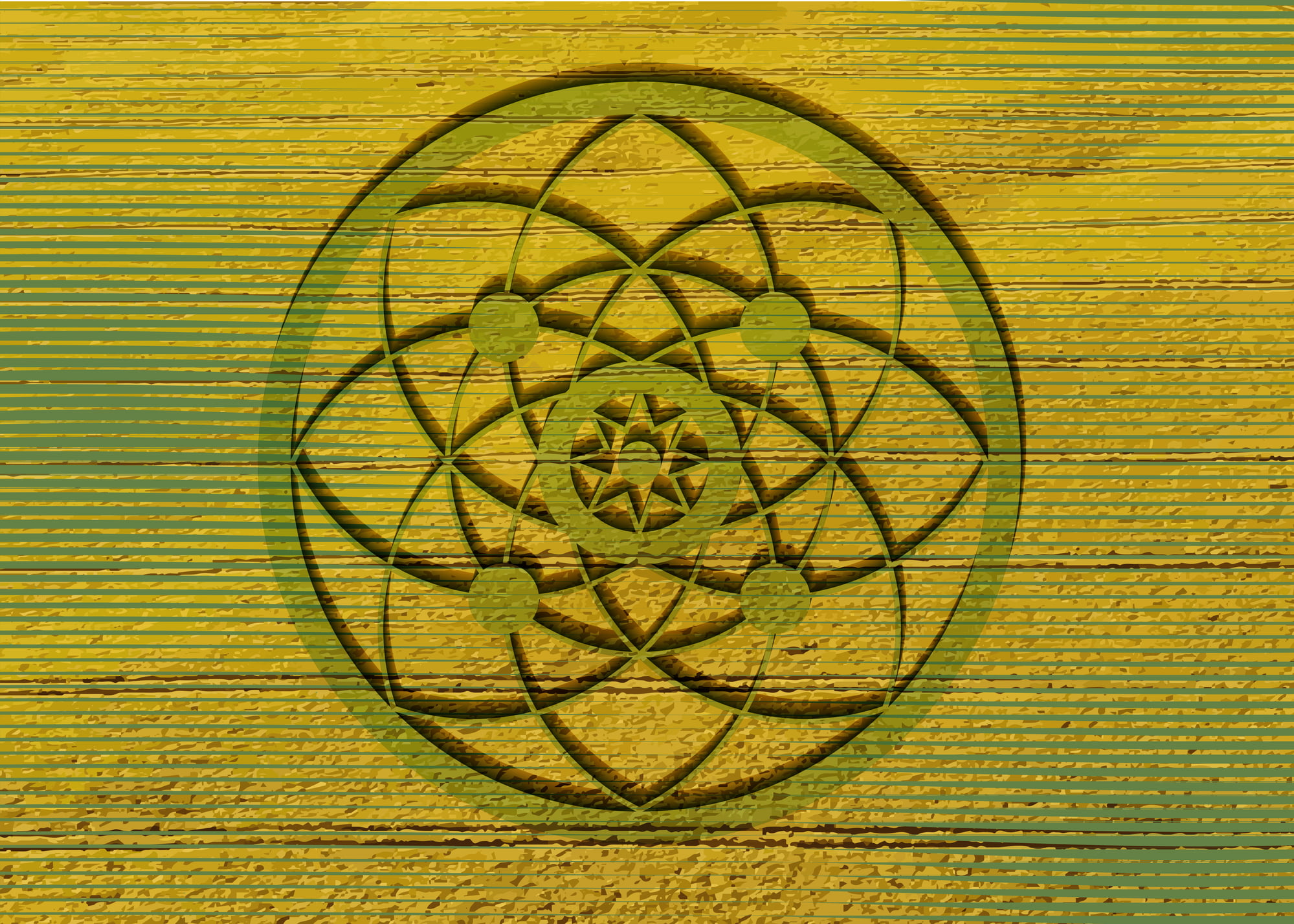
Two elderly men with planks, rope, and a love of mischief created one of the most enduring mysteries of the late 20th century. Doug Bower and Dave Chorley began making crop circles in English wheat fields in 1978, using simple tools to flatten crops into increasingly elaborate geometric patterns.
The circles attracted global attention. UFO enthusiasts saw them as evidence of extraterrestrial visitation. New Age believers interpreted them as messages from higher consciousness.
Scientists studied the flattened crops for signs of unusual energy or radiation. Books were written, documentaries were filmed, and theories multiplied.
Bower and Chorley finally confessed in 1991, demonstrating their technique for reporters. But the phenomenon had taken on a life of its own.
Other hoaxers had begun creating their own circles, each trying to outdo the last in complexity and scale. Even after the confession, many people preferred to believe in supernatural explanations rather than accept that two retirees with basic tools had launched an international mystery.
The Surgeon’s Photograph

For sixty years, a grainy photograph taken at Scotland’s Loch Ness in 1934 served as the most compelling evidence for the existence of the legendary monster. The image showed what appeared to be a long neck emerging from dark water — exactly what you’d expect to see if a prehistoric creature lived in the lake’s depths.
The photograph’s credibility came from its source: Robert Kenneth Wilson, a respected London surgeon who claimed to have snapped the picture while driving along the loch’s shore. Wilson’s professional reputation lent weight to his story, and the image’s poor quality actually helped it seem more authentic — this was clearly a candid shot, not a staged publicity stunt.
The truth emerged in the 1990s when one of the hoax’s participants confessed on his deathbed. The “monster” was a toy submarine fitted with a sculpted head, photographed in shallow water to create the illusion of size.
Wilson had been recruited to give the story credibility, but the real architects were Marmaduke Wetherell (who had been ridiculed by the Daily Mail for an earlier failed Nessie hunt) and his son Ian, seeking revenge on the newspaper that had embarrassed them.
The Protocols Of The Elders Of Zion

This fabricated document purporting to reveal a secret Jewish conspiracy for world domination became one of history’s most destructive hoaxes. Created by the Russian secret police around 1903, it was largely plagiarized from earlier fictional works, including a 19th-century novel and a tract criticizing Napoleon III.
The Protocols spread across Europe and eventually worldwide, providing a seemingly authoritative source for anti-Semitic beliefs. Despite being exposed as fraudulent by multiple investigations in the 1920s, the document continued to circulate and influence political movements throughout the 20th century.
The hoax succeeded because it gave people something to blame for social and economic problems they couldn’t otherwise understand or control. It offered simple explanations for complex issues, naming specific villains responsible for abstract fears.
Even when proven false, the Protocols remained useful to those who needed someone to blame — truth was less important than having a target for anger and frustration.
The Cottingley Fairies
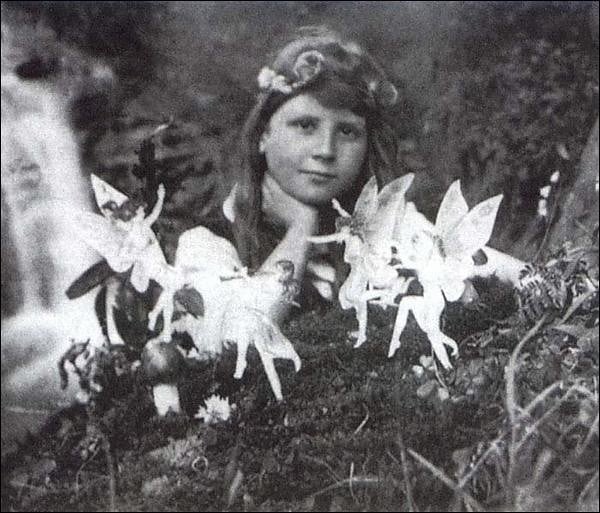
In 1917, two young cousins in Yorkshire photographed themselves with what appeared to be tiny winged creatures dancing around them in their garden. Elsie Wright, 16, and Frances Griffiths, 9, claimed the fairies were real, and their photographs caused a sensation that lasted for decades.
The images caught the attention of Sir Arthur Conan Doyle, creator of the logical detective Sherlock Holmes, who was also a devoted believer in spiritualism. Doyle championed the photographs in magazine articles and lectures, using his considerable reputation to argue for their authenticity.
Photography experts examined the images and found no evidence of obvious tampering. The girls maintained their story for more than sixty years, finally admitting in the 1980s that four of the five photographs showed cardboard cutouts copied from a children’s book illustration.
They had held the figures in place with hatpins and photographed them with a simple camera. Frances maintained until her death that the fifth photograph showed a real fairy, but Elsie admitted that all five were fake — though she insisted they really had seen fairies in the garden, just not in the photographs.
The Great Moon Hoax
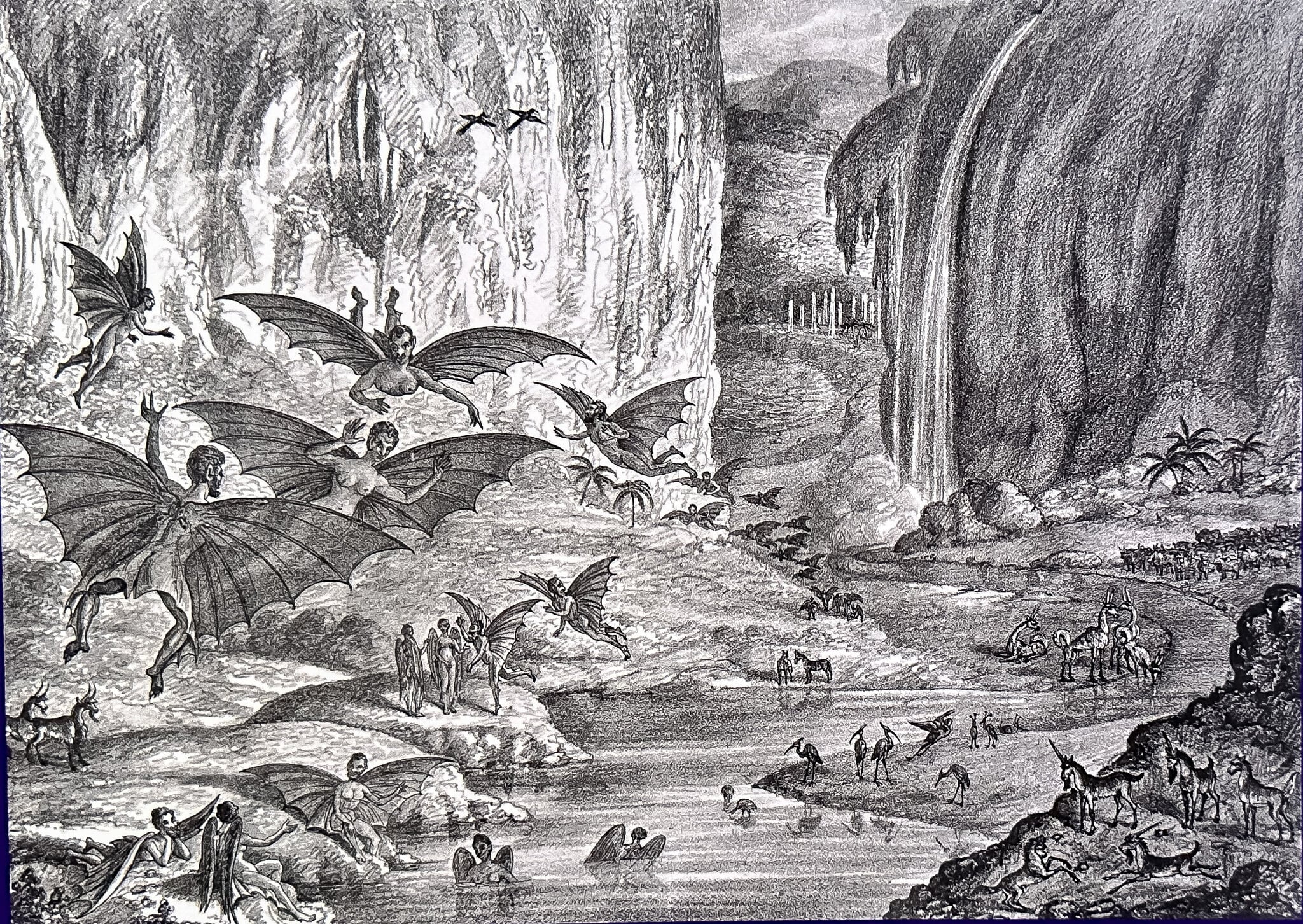
The New York Sun published a series of articles in 1835 claiming that astronomer Sir John Herschel had discovered life on the moon using a powerful new telescope. The reports described a lunar landscape populated by winged humanoids, unicorn-like creatures, and advanced civilizations living in crystal cities.
The articles were presented as reprints from the Edinburgh Journal of Science (which had actually ceased publication years earlier), lending them apparent scientific credibility. Readers were fascinated by detailed descriptions of lunar geography and biology, and the Sun’s circulation increased dramatically during the weeks-long series.
The hoax was the brainchild of Richard Adams Locke, a Sun reporter who intended to satirize some of the wilder astronomical theories of his day. But readers took the stories seriously, and Locke never found a good moment to reveal the joke.
The series ended abruptly without explanation, leaving many readers to assume that subsequent discoveries had been too sensitive to publish. Even after the hoax was exposed, some people continued to believe that life on the moon had been discovered and then covered up.
Janet Cooke’s Jimmy
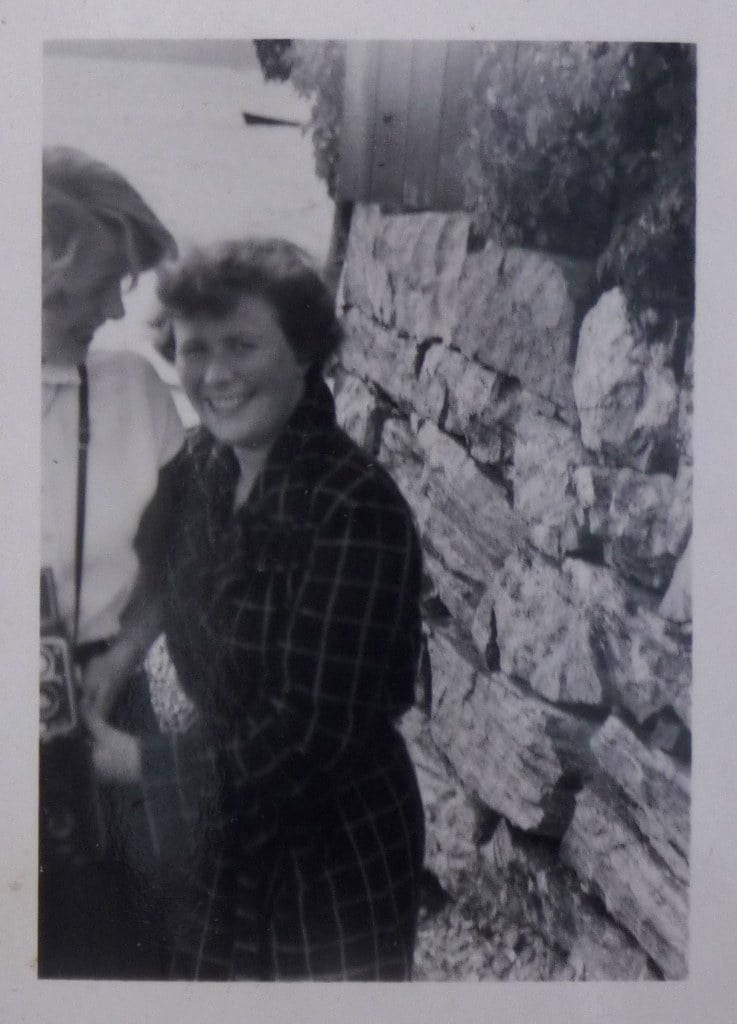
In 1981, Washington Post reporter Janet Cooke won a Pulitzer Prize for “Jimmy’s World,” a heartbreaking story about an 8-year-old heroin addict living in Washington D.C. The article portrayed Jimmy as a victim of adult negligence and urban decay, describing in vivid detail his daily drug use and the adults who supplied him.
Cooke’s story prompted citywide searches for Jimmy, with police and social workers desperate to find and help the child. The mayor’s office offered rewards for information leading to Jimmy’s location.
The article became a symbol of urban crisis and government failure to protect children. Cooke had fabricated Jimmy entirely, composing her story from interviews with drug dealers and social workers but never encountering the specific child she described.
The hoax unraveled when inconsistencies in Cooke’s biography surfaced during post-Pulitzer publicity. She had lied about her educational background and work experience, raising questions about her reporting.
Under pressure, Cooke admitted that Jimmy didn’t exist — she had created a composite character from multiple sources and presented him as a real person. She returned the Pulitzer Prize and resigned from the Post, but her story continued to influence discussions about urban poverty and drug policy for years afterward.
The Tasaday Tribe

In 1971, anthropologists announced the discovery of the Tasaday, a Stone Age tribe of 26 people living in complete isolation in the Philippine rainforest. The tribe appeared to have no knowledge of agriculture, metalworking, or the outside world, representing a living window into humanity’s prehistoric past.
The discovery generated enormous scientific and popular interest. National Geographic featured the Tasaday on its cover. Documentaries were made.
Scholars studied their primitive tools and hunter-gatherer lifestyle. The Philippine government declared their territory a protected reserve and restricted access to preserve their ancient culture.
Doubts began emerging in the 1980s when researchers noticed inconsistencies in the Tasaday’s story. Their language contained words for agricultural concepts they supposedly didn’t know.
Their tools showed signs of modern construction. Most damaging, some Tasaday admitted they were actually farmers from nearby villages who had been paid to play primitive roles for visiting researchers and journalists.
The hoax appears to have been orchestrated by Manuel Elizalde Jr., a Philippine government official who controlled access to the tribe. Whether he intended to protect the area from development, attract tourism revenue, or simply fool the world remains unclear.
The real Tasaday, it turned out, were neither Stone Age relics nor complete fabrications, but local people caught between their actual lives and the story others wanted to tell about them.
The Amityville Horror

The Lutz family’s account of supernatural terror in their Long Island home became one of the most famous haunted house stories in American history. After purchasing 112 Ocean Avenue in Amityville — the site of a brutal murder the previous year — George and Kathy Lutz claimed to experience 28 days of paranormal activity before fleeing in terror.
Their story included classic haunting phenomena: strange odors, temperature drops, mysterious sounds, and religious artifacts turning upside down. The house seemed to have a malevolent presence that grew stronger each day.
The Lutzes documented their experiences in detail, providing specific dates, times, and descriptions of supernatural events. Jay Anson’s book “The Amityville Horror” became a bestseller, and the subsequent film launched a franchise that continues today.
The story tapped into fundamental fears about home and safety — if a family couldn’t feel secure in their own house, where could they feel safe? The hoax began falling apart when William Weber, the lawyer for Ronald DeFeo Jr. (who had murdered his family in the house), admitted he had helped the Lutzes fabricate their story over “many bottles of wine.”
Weber had provided details about the house’s layout and the murder case, while the Lutzes supplied the supernatural elements. The goal was to create a story profitable enough to share the proceeds — a plan that worked better than anyone expected.
The Drake Plate
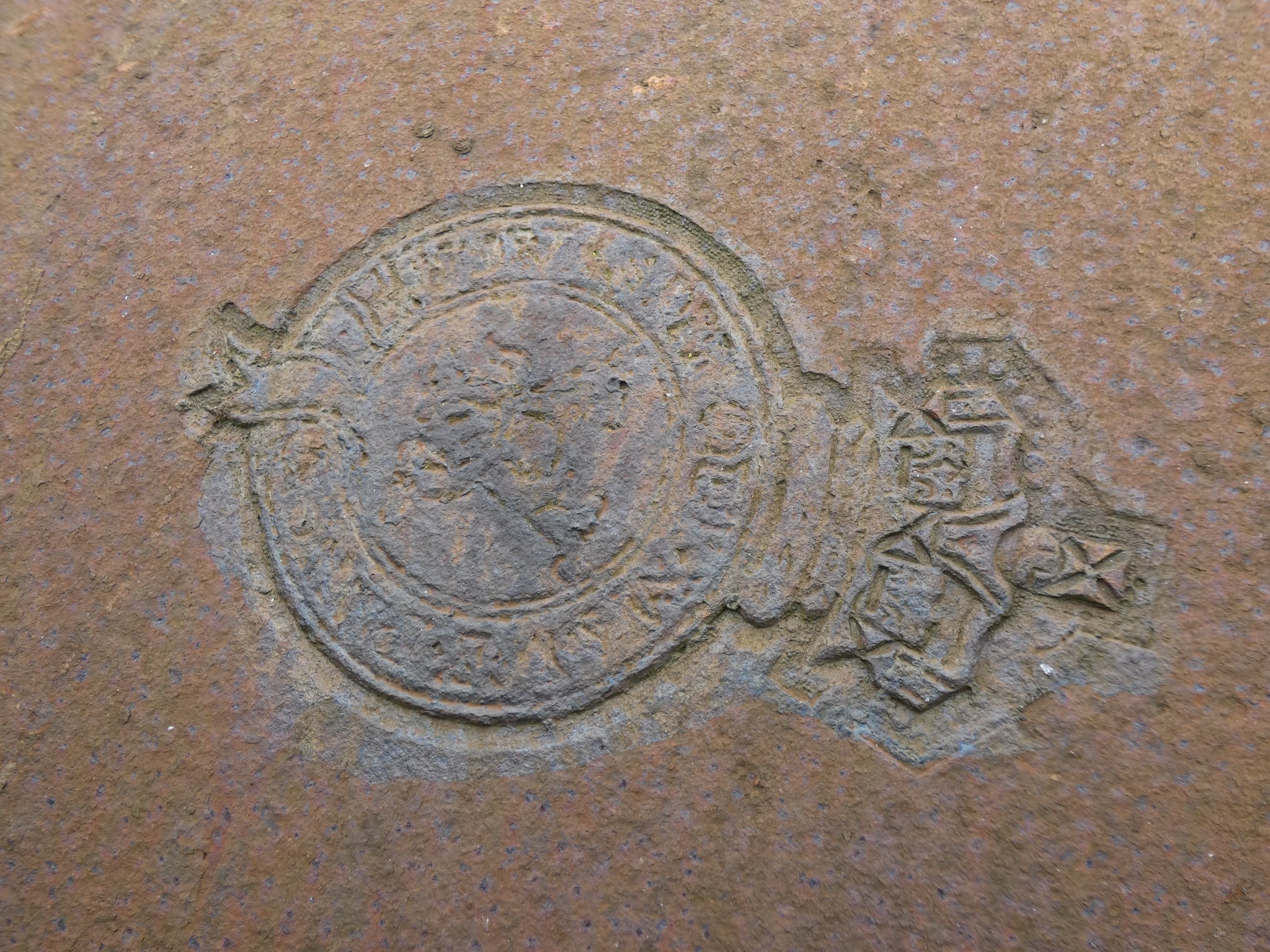
In 1936, a historical artifact surfaced that seemed to solve one of California’s oldest mysteries. A metal plate inscribed with Elizabethan English claimed to mark the spot where Sir Francis Drake had landed during his circumnavigation voyage in 1579, taking possession of the territory for Queen Elizabeth I.
The plate’s discovery generated enormous excitement among historians and the public. Here was physical proof of Drake’s legendary California landing, described in historical accounts but never precisely located.
The metal appeared appropriately aged, and the inscription matched the language Drake would have used. Museums displayed the plate as a priceless piece of American prehistory.
More from Go2Tutors!

- The Romanov Crown Jewels and Their Tragic Fate
- 13 Historical Mysteries That Science Still Can’t Solve
- Famous Hoaxes That Fooled the World for Years
- 15 Child Stars with Tragic Adult Lives
- 16 Famous Jewelry Pieces in History
Like Go2Tutors’s content? Follow us on MSN.



