Athletes With the Most Olympic Medals
The Olympics bring out something different in certain athletes. While most competitors feel satisfied with a single medal—or even just making it to the Games—a select few keep coming back, year after year, adding to collections that grow beyond what seems possible.
These athletes don’t just win once. They win repeatedly, across multiple Games, sometimes across different events, building legacies that define entire eras of their sports.
Michael Phelps: Swimming’s Unstoppable Force
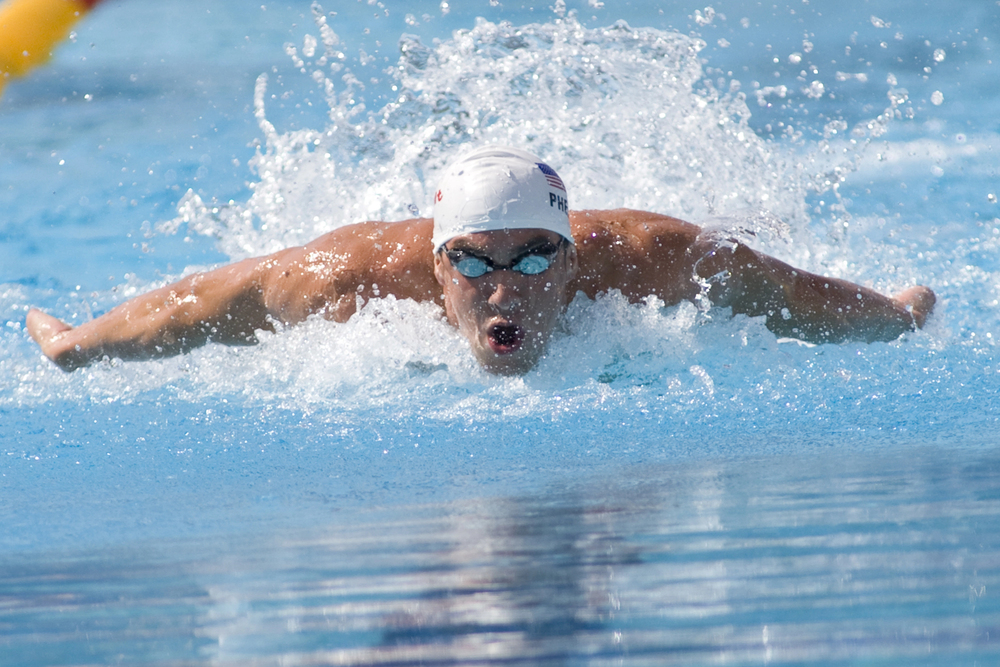
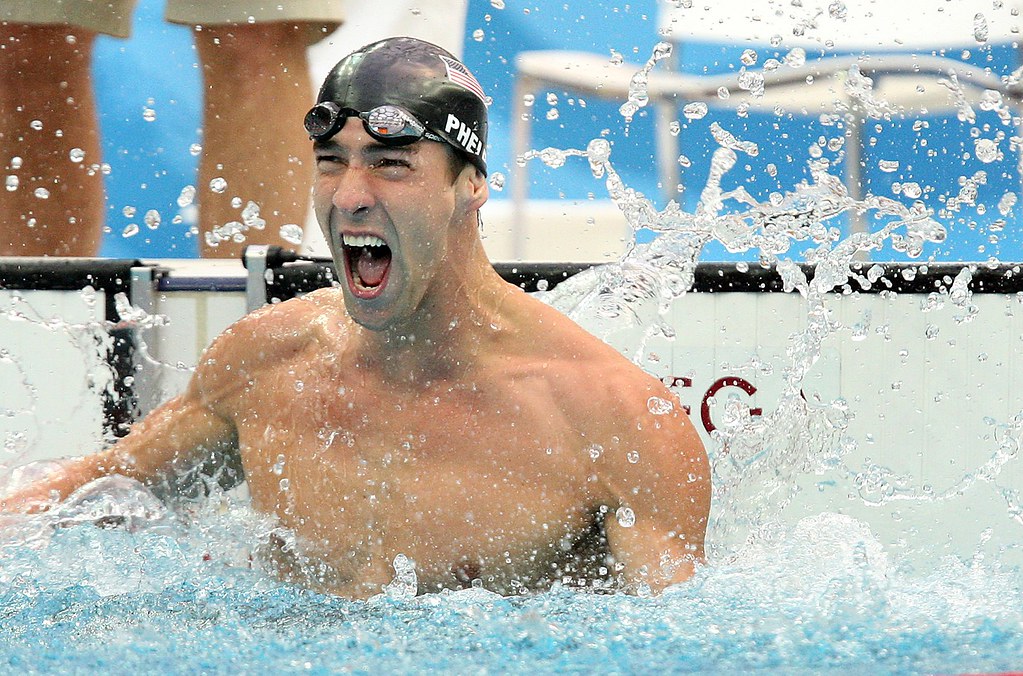
Michael Phelps stands alone at the top with 28 Olympic medals. That number still doesn’t fully capture what he accomplished.
Between 2004 and 2016, Phelps dominated swimming in a way the sport had never seen before. He won 23 gold medals—more than most countries win in total at a single Olympics.
What made Phelps exceptional wasn’t just his talent. His body seemed built specifically for swimming, with an unusually long torso and arm span.
But plenty of athletes have physical advantages. Phelps combined his natural gifts with an obsessive training regimen and a competitive drive that pushed him through moments when his body screamed for rest.
He competed in multiple events at each Olympics, sometimes swimming several races in a single day, and still managed to break records while doing it. His final Olympics in Rio showed something remarkable about his longevity.
At 31, when most swimmers have long since retired, Phelps added five more golds and a silver to his collection. He didn’t just participate—he dominated.
Larisa Latynina: The Gymnast Who Started It All

Before Phelps, Larisa Latynina held the record for most Olympic medals with 18. The Soviet gymnast competed in three Olympics between 1956 and 1964, winning medals in nearly every event she entered.
Her nine gold medals stood as the record for decades. Latynina represented a different era of gymnastics—one that emphasized grace and balletic movement over the explosive power you see today.
She excelled in floor exercise and helped define what artistic gymnastics could be. After retiring from competition, she coached the Soviet team and influenced generations of gymnasts who followed.
Nikolai Andrianov: Mastering the Apparatus
Nikolai Andrianov collected 15 Olympic medals during his career, making him one of the most decorated male gymnasts in history. The Soviet athlete competed in three Olympics from 1972 to 1980, winning seven golds across different apparatus events.
Andrianov’s strength showed particularly on floor exercise and vault, where his powerful tumbling runs set him apart. He won the all-around title in Montreal and continued competing successfully even as younger gymnasts emerged.
His career spanned a period when Soviet gymnastics dominated the sport. He stood out even among that elite group.
Ole Einar Bjørndalen: Winter’s Greatest

The Winter Olympics have their own medal kings, and Ole Einar Bjørndalen sits at the top with 13 medals in biathlon. The Norwegian competed in six Winter Games between 1998 and 2014, winning his final medals at age 40.
Biathlon demands an unusual combination of skills—you need the endurance for cross-country skiing and the precision for rifle shooting. Your heart rate spikes during the skiing portion, then you must calm yourself enough to hit targets barely larger than a fist from 50 meters away.
Bjørndalen mastered this balance better than anyone. He won medals in both sprint and distance events, proving his versatility across the sport’s different disciplines.
Paavo Nurmi: The Flying Finn
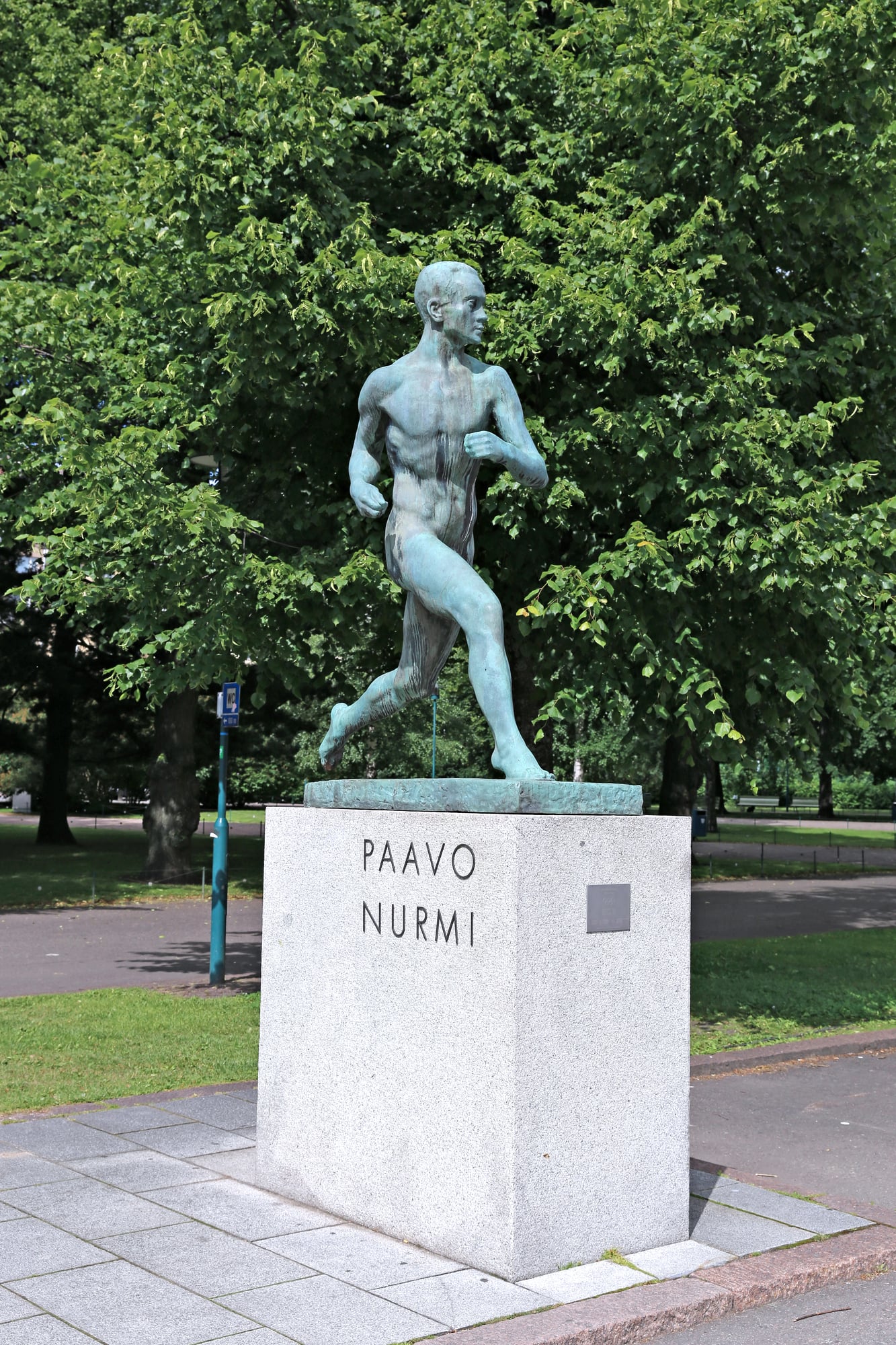
Paavo Nurmi competed in the 1920s, yet his 12 Olympic medals—nine of them gold—remain legendary in track and field. The Finnish distance runner redefined what seemed possible in middle and long-distance running.
He won the 1,500 meters and 5,000 meters at the 1924 Paris Olympics with less than an hour between races. Nurmi approached running with scientific precision unusual for his era.
He carried a stopwatch during races and trained with meticulous attention to pace and timing. His training methods influenced generations of runners who came after him.
When you watch modern distance runners check their splits, you’re seeing Nurmi’s legacy.
Birgit Fischer: Kayaking’s Iron Woman

Birgit Fischer earned 12 Olympic medals in sprint kayaking across six different Olympics from 1980 to 2004. That 24-year span between her first and last medals shows extraordinary longevity in a sport that demands intense physical strength.
Fischer won her first gold at 18 and her last at 42. She took time off for pregnancy and returned to competition stronger than before.
Kayaking requires explosive power in your core and upper body, and Fischer maintained that power well into her forties. She competed for both East Germany and the unified Germany, adapting to political changes while maintaining her competitive edge.
Dara Torres: Defying Age
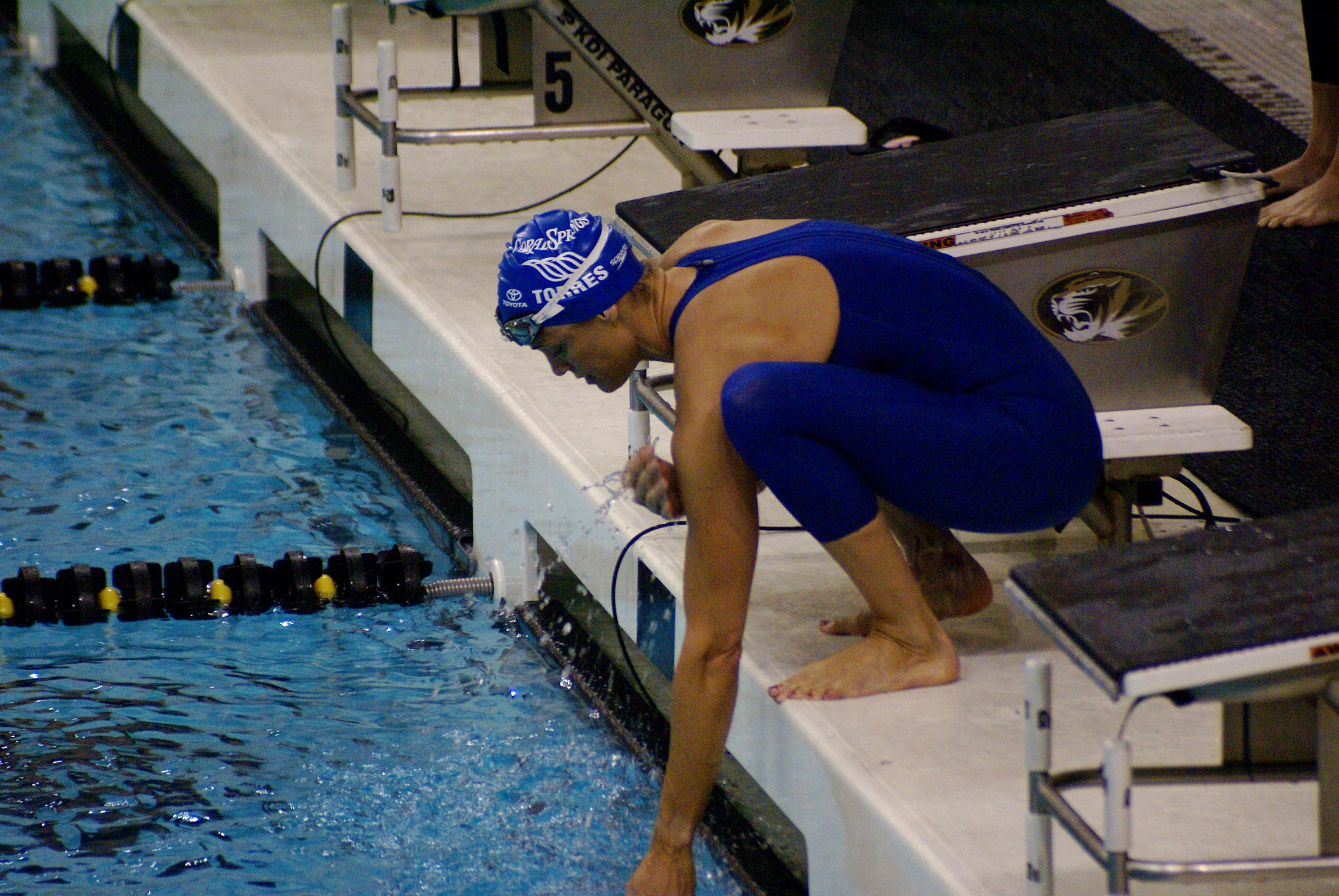
Dara Torres collected 12 Olympic medals across five Olympic Games spanning 24 years. She first competed in 1984 at age 17 and made her final Olympic team in 2008 at 41, becoming the oldest swimmer to compete for the United States.
Torres’s comeback story after having a child inspired athletes everywhere. She trained with a team of specialists who helped her maintain speed and power that rivaled swimmers half her age.
At the Beijing Olympics, she missed winning gold in the 50-meter freestyle by one-hundredth of a second—the narrowest margin possible. That race showed she wasn’t just participating for nostalgia—she genuinely competed at the highest level decades after her career should have ended.
Natalie Coughlin: Versatility in the Pool

Natalie Coughlin earned 12 Olympic medals swimming backstroke, freestyle, and butterfly events. She competed in three Olympics from 2004 to 2012, and her versatility across strokes made her invaluable to U.S. relay teams.
Coughlin became the first woman to swim the 100-meter backstroke in under a minute. She also studied at Cal Berkeley, where she became the first woman to win six individual NCAA titles in a single year.
Her technical precision in backstroke—particularly her underwater dolphin kicks off the walls—influenced how the stroke is swum today.
Mark Spitz: Before Phelps, There Was Spitz

Mark Spitz won 11 Olympic medals, with nine golds, primarily at the 1972 Munich Olympics where he won seven golds in a single Games. That performance stood as the pinnacle of Olympic swimming for decades until Phelps surpassed it.
Spitz competed in an era before high-tech swimsuits and modern training techniques. He trained in simple pools and wore a swimsuit that would look primitive compared to today’s technology.
His seven golds in Munich came with seven world records, showing he didn’t just win—he redefined what times seemed possible. His iconic mustache and confident demeanor made him one of swimming’s first major celebrities.
Matt Biondi: Power in the Water
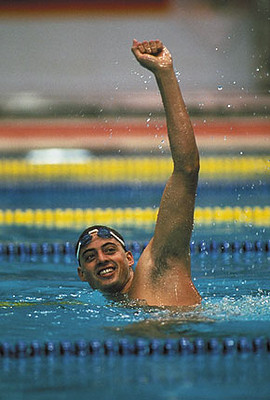
Matt Biondi collected 11 Olympic medals across three Olympics from 1984 to 1992. The California swimmer stood 6’7″ and used his size to generate extraordinary power in the water, particularly in sprint freestyle events.
Biondi’s 1988 Seoul Olympics showed both triumph and heartbreak. He won five golds but also suffered close losses in events he expected to win, finishing second by mere fractions of a second.
Those near-misses revealed the razor-thin margins at Olympic level—and how an athlete’s legacy can shift based on hundredths of a second.
Viktor Chukarin: Gymnastics Pioneer
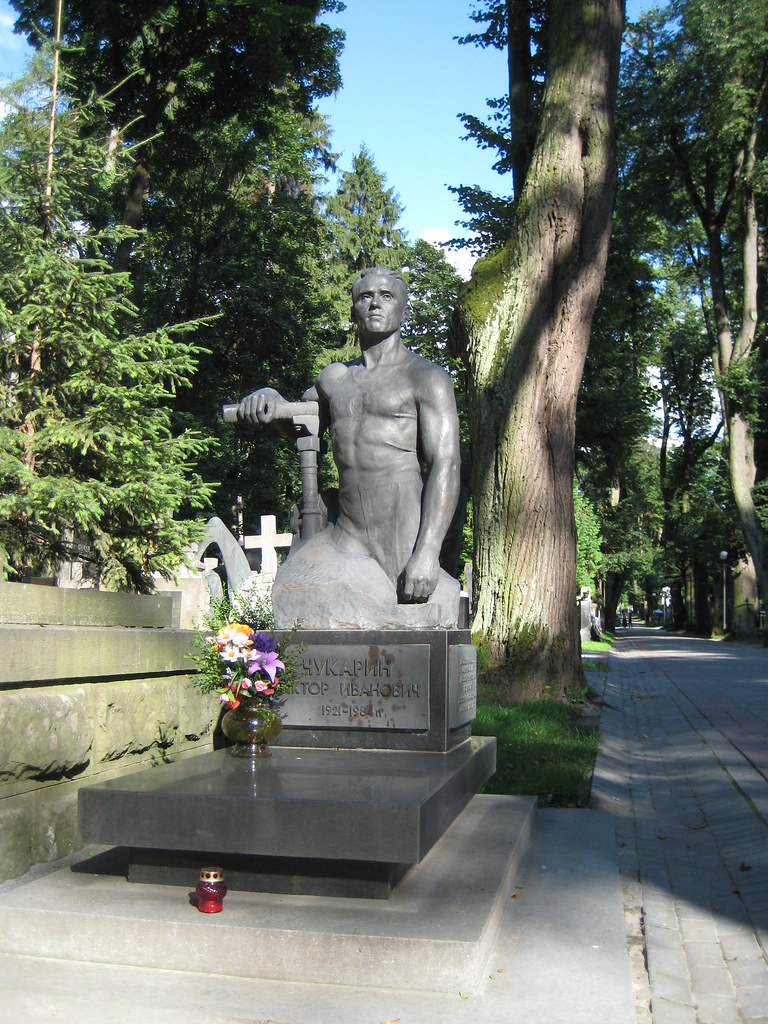
Viktor Chukarin won 11 Olympic medals for the Soviet Union in the 1950s. He competed in just two Olympics—Helsinki in 1952 and Melbourne in 1956—but dominated both competitions.
Chukarin served in World War II before becoming a gymnast, which delayed the start of his Olympic career. He won the all-around title at both Games he attended and helped establish Soviet supremacy in gymnastics that would last for decades.
His technical precision and consistency across apparatus events set standards that influenced how the sport developed.
Věra Čáslavská: Grace Under Pressure

Věra Čáslavská stood on Olympic podiums seven times as champion, collecting eleven medals total for Czechoslovakia. Her journey unfolded across just two Games – Tokyo 1964 followed by Mexico City four years later.
Fans grew deeply attached to her grace under pressure. Gymnastics saw few shine as brightly during that era.
Back in 1968, her time on the mat in Mexico City meant something bigger. Only weeks earlier, she’d added her name to a public letter against the Soviet move into Czechoslovakia.
Once the events started, Soviet-appointed judges gave her unusually low marks – this sparked strong reactions from those watching. Even with tension rising, she stayed poised; winning gold anyway shifted how people saw those moments.
Though framed as sport, it played out within global tensions too real to ignore. Her experience unfolded when staying silent on politics wasn’t really an option for competitors.
When Numbers Don’t Show Everything

Counting medals gives a quick scorecard for success, yet leaves out big pieces of the story. Swimming offered Phelps eight chances to compete, whereas sprinters on the track often got just three.
In team games, even if someone stands head and shoulders above others, they still take home only one medal every four years. Yet greatness isn’t just measured in records.
Through seasons long after others faded, they kept rising – shifting with updated rules, different drills, even fresh faces on the podium. Pain didn’t keep them away; neither did stress.
Awards mark victory, sure, yet it’s the quiet grind beneath that reveals true staying power. What lasts longer than gold is how they refused to let go.
More from Go2Tutors!

- The Romanov Crown Jewels and Their Tragic Fate
- 13 Historical Mysteries That Science Still Can’t Solve
- Famous Hoaxes That Fooled the World for Years
- 15 Child Stars with Tragic Adult Lives
- 16 Famous Jewelry Pieces in History
Like Go2Tutors’s content? Follow us on MSN.