32 Cultural Traditions That Survived Centuries of Oppression
Throughout history, empires have risen and fallen, borders have shifted, and dominant cultures have tried to erase the practices of those they conquered. Yet some traditions refuse to disappear.
They adapt, hide, and persist through generations of people who understand that losing their culture means losing themselves. These traditions survived not because governments protected them or museums preserved them, but because ordinary people decided they were worth the risk.
They passed down songs in whispered voices, practiced ceremonies in hidden places, and taught their children languages that were forbidden in schools. Each tradition represents thousands of small acts of defiance that accumulated over centuries.
Aboriginal Dreamtime Stories
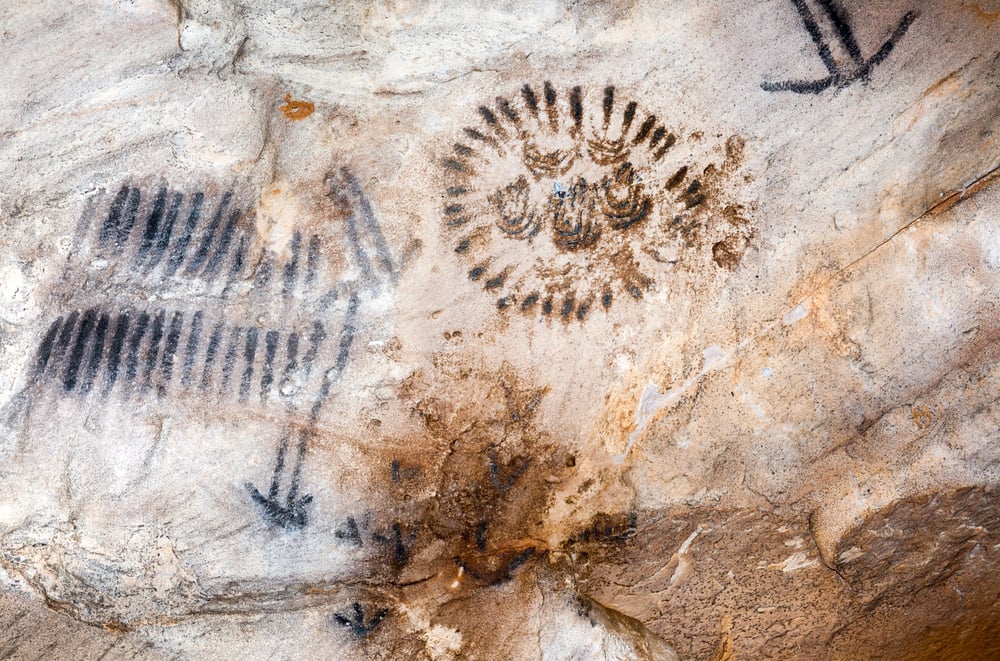
The British tried to suppress Aboriginal culture for over two centuries. Children were taken from families, languages were banned, and ceremonies were criminalized. Dreamtime stories survived anyway. These aren’t just tales — they’re maps, legal systems, and spiritual guidance encoded in narratives that explain how the land was formed and how people should live on it.
Every rock, waterhole, and mountain has a story connecting the physical world to the spiritual one. The knowledge survived because it was embedded in the land itself, making it impossible to confiscate.
Jewish Shabbat Observance

Shabbat kept Judaism alive through expulsions, pogroms, and systematic attempts at cultural destruction. When Jews were forbidden to practice openly, families still lit candles on Friday nights behind closed doors and heavy curtains.
The tradition adapted to survival. Sabbath meals became simpler, prayers were whispered, and rituals were compressed into moments that could be completed quickly if authorities arrived. But the essence remained: one day each week belonged to something larger than the immediate demands of staying alive.
Native American Powwows
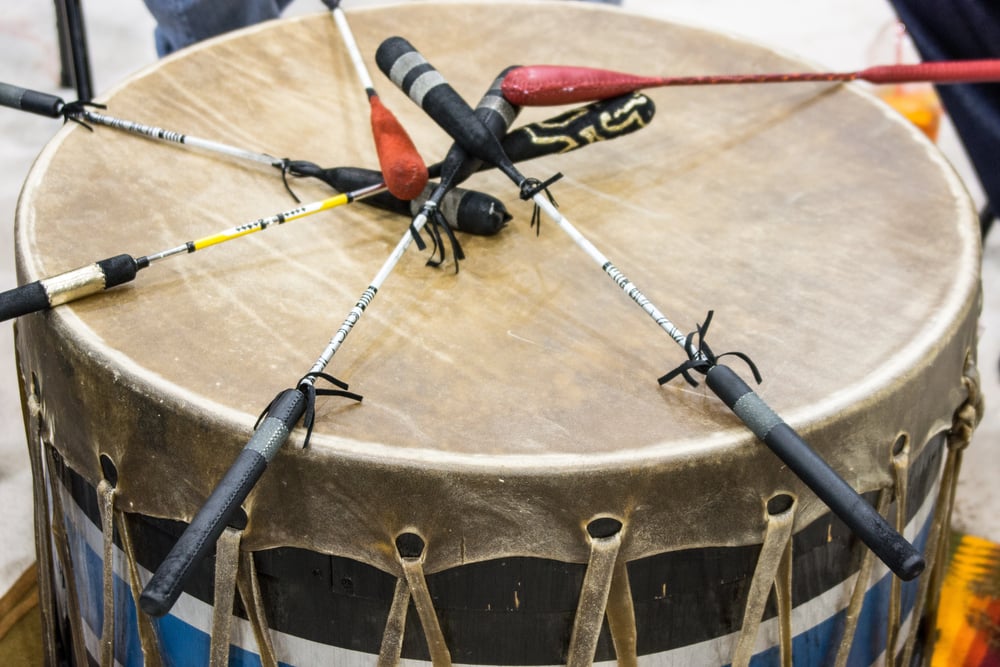
The U.S. government banned Native American ceremonies through the Code of Indian Offenses from 1883, with restrictions enforced until the American Indian Religious Freedom Act of 1978. Powwows went underground during those decades, held in remote locations where participants could gather without detection.
The songs, dances, and regalia were preserved by people who risked serious consequences to maintain their connection to ancestral traditions. When restrictions were finally lifted, powwows didn’t need to be reconstructed from historical records — they had never truly stopped. Today, when you watch dancers move to the rhythm of drums at a modern powwow, you’re watching an unbroken chain of cultural transmission that survived nearly a century of systematic suppression.
Irish Language and Music

The Irish language was literally beaten out of children in schools for centuries. Speaking Gaelic earned students physical punishment through a system of tally sticks, and families were told their children would never succeed if they didn’t abandon their “backward” tongue.
Irish music faced similar suppression, particularly after rebellions when English authorities recognized that songs carried political messages and cultural identity. Musicians learned to encode resistance in melodies and lyrics that sounded innocent to outsiders but carried deeper meanings for those who understood the context. Traditional sessions still happen in pubs and homes across Ireland and the diaspora — the tunes passed down through generations who refused to let them die.
Flamenco
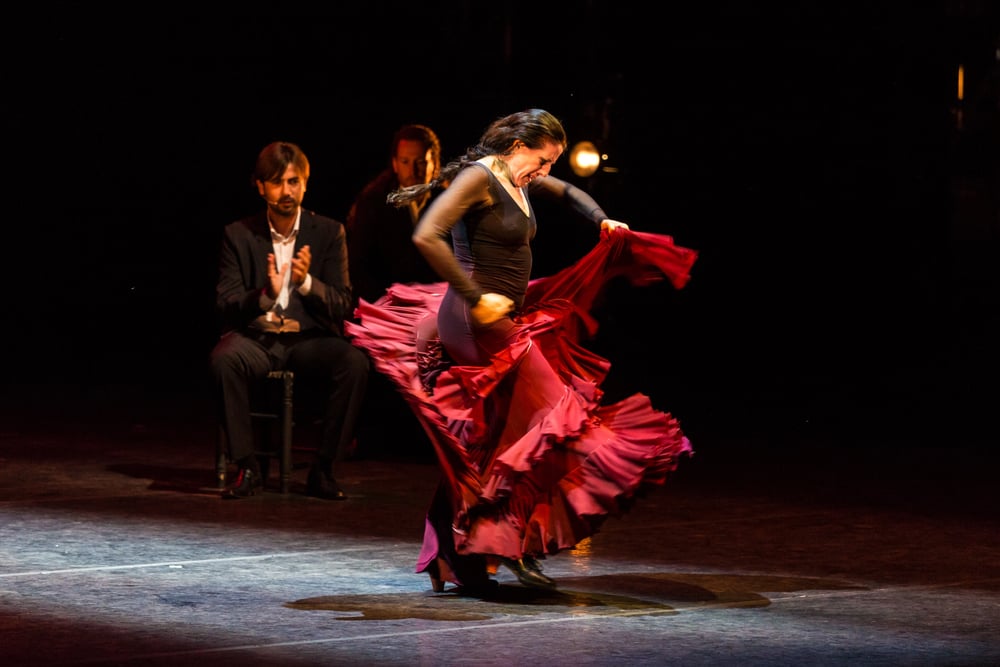
Flamenco emerged from the marginalized communities of Andalusia — Roma, Moors, and Jews who faced centuries of persecution. The Spanish Inquisition and subsequent cultural suppression drove these communities to the edges of society, where they developed an art form that channeled pain, resistance, and survival into music and dance.
The tradition survived because it was portable and required no institutions — just voices, hands for clapping, and bodies for dancing. Families gathered in private courtyards and passed down songs that told stories the official histories wouldn’t record.
Tibetan Buddhist Practices

When China consolidated control over Tibet in 1950, systematic destruction of Tibetan culture began. Monasteries were destroyed, monks were imprisoned or killed, and religious practices were banned.
The Dalai Lama’s exile in 1959 marked the beginning of a sustained effort to preserve Tibetan Buddhism outside its homeland. Tibetan refugees carried their traditions across the Himalayas, often with nothing but the knowledge in their heads. Monks rebuilt monasteries in India and Nepal, teaching new generations the complex philosophical systems, meditation practices, and ritual traditions that had developed over more than a thousand years. Culture turned out to be more durable than the political systems trying to destroy it.
Sami Joik Singing
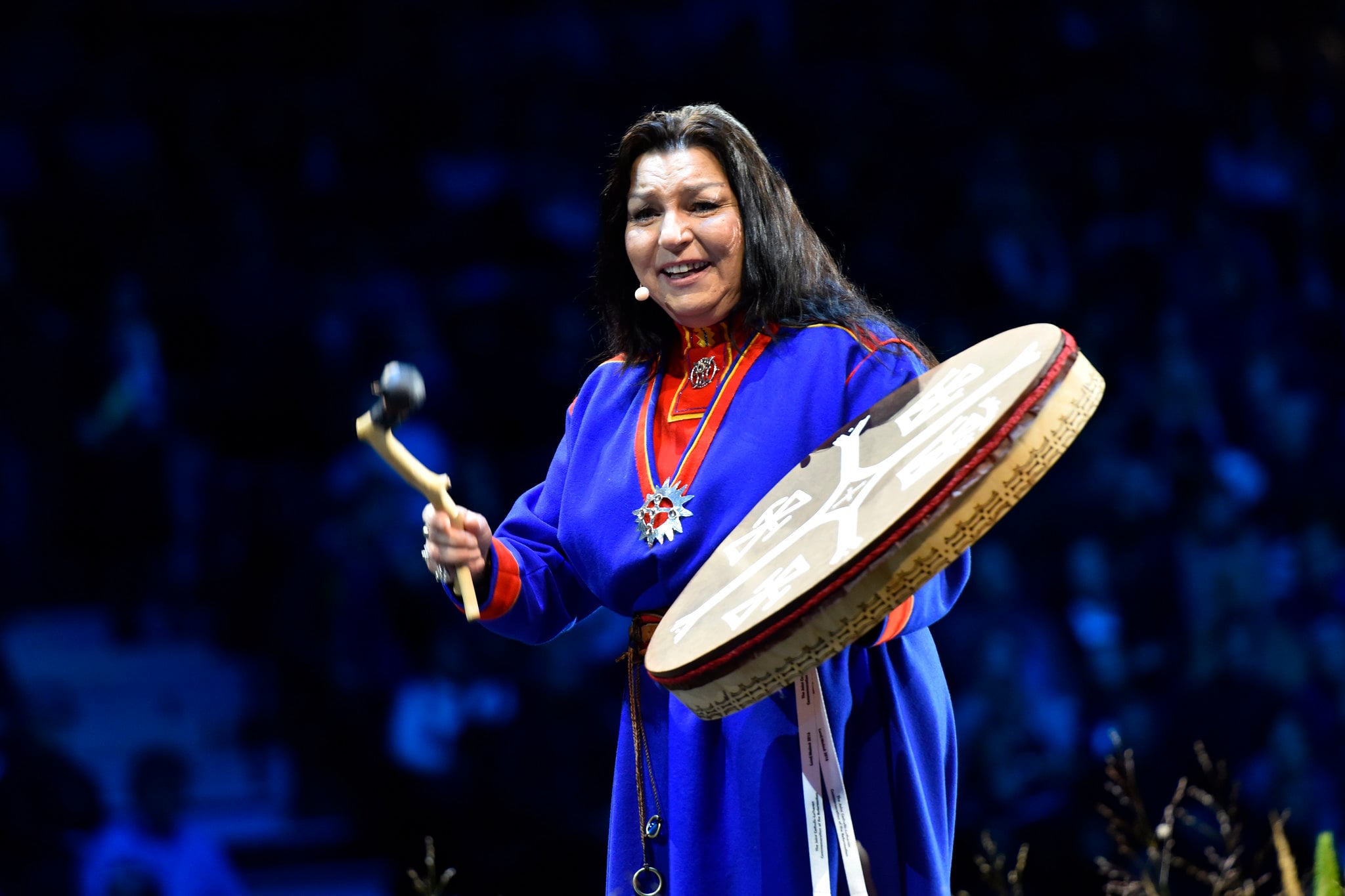
The Sami people faced aggressive assimilation policies across Norway, Sweden, Finland, and Russia for centuries. Their children were sent to boarding schools where Sami language and culture were forbidden, and joik singing was branded as primitive or even satanic by Christian missionaries.
Joik is a form of traditional Sami music that doesn’t just describe subjects — it embodies them. Each joik captures the essence of a person, place, or animal in a way that’s both personal and spiritually significant. Families preserved joiks by singing them quietly at home and teaching them to children despite the risks.
Māori Haka and Language
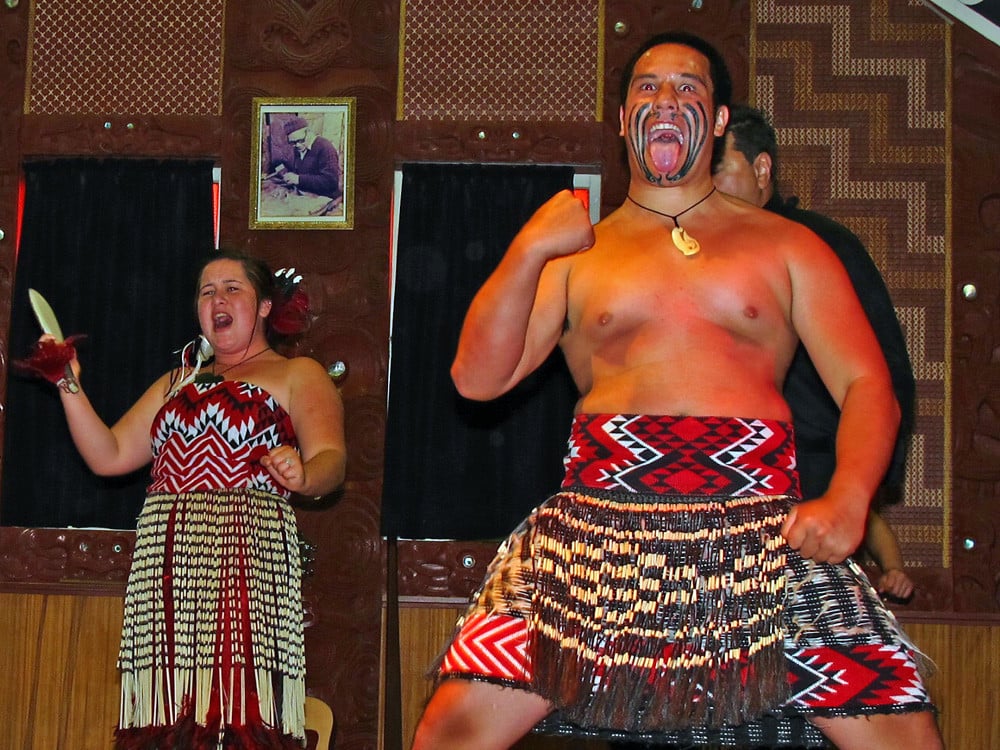
British colonization of New Zealand included systematic efforts to suppress Māori culture and language. Children were punished for speaking Māori in schools, and traditional practices were discouraged or banned outright. By the 1970s, the Māori language was severely endangered, with most fluent speakers elderly. The haka survived partly because it was too visually and emotionally powerful to be hidden or forgotten.
But more importantly, it survived because Māori communities recognized it as a fundamental expression of their identity and fought to preserve it despite official discouragement. The language revival that followed, including immersion schools and official bilingual policy, was only possible because people had kept these traditions alive during the darkest periods.
Andean Weaving Traditions
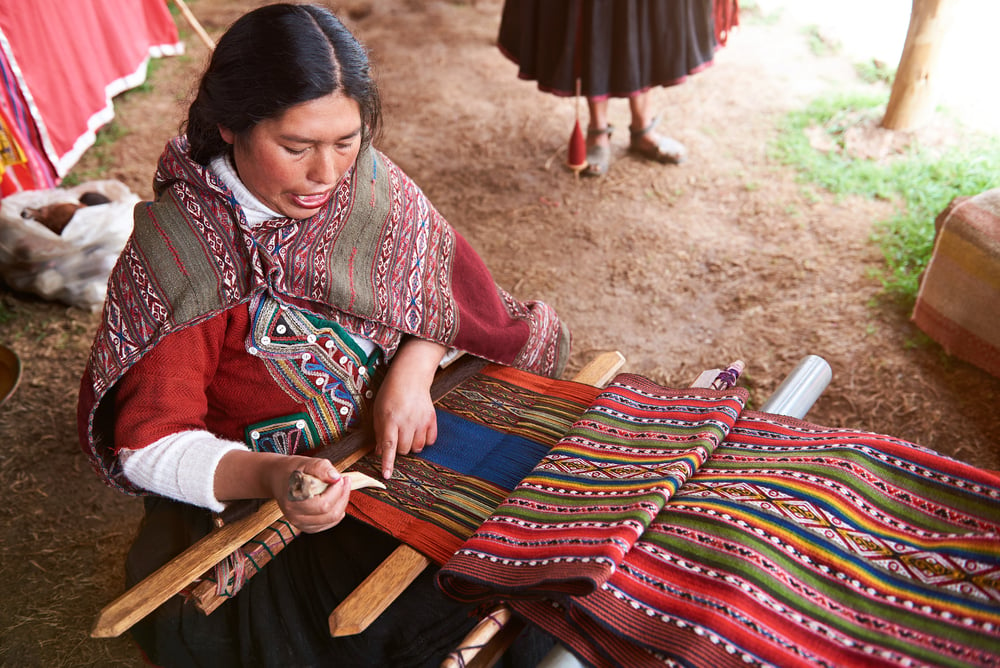
Spanish colonization of the Andes sought to replace indigenous practices with European ones, but Andean weaving proved remarkably resilient. The Spanish needed textiles and couldn’t completely suppress the communities that produced them, which created space for traditions to survive in altered forms.
Weavers developed ways to incorporate traditional symbols and techniques into products that appeared acceptable to colonial authorities. Patterns carrying spiritual and cultural significance were preserved within designs that looked decorative to outsiders. Each textile was both a useful object and a form of cultural transmission.
Cajun Music and Language
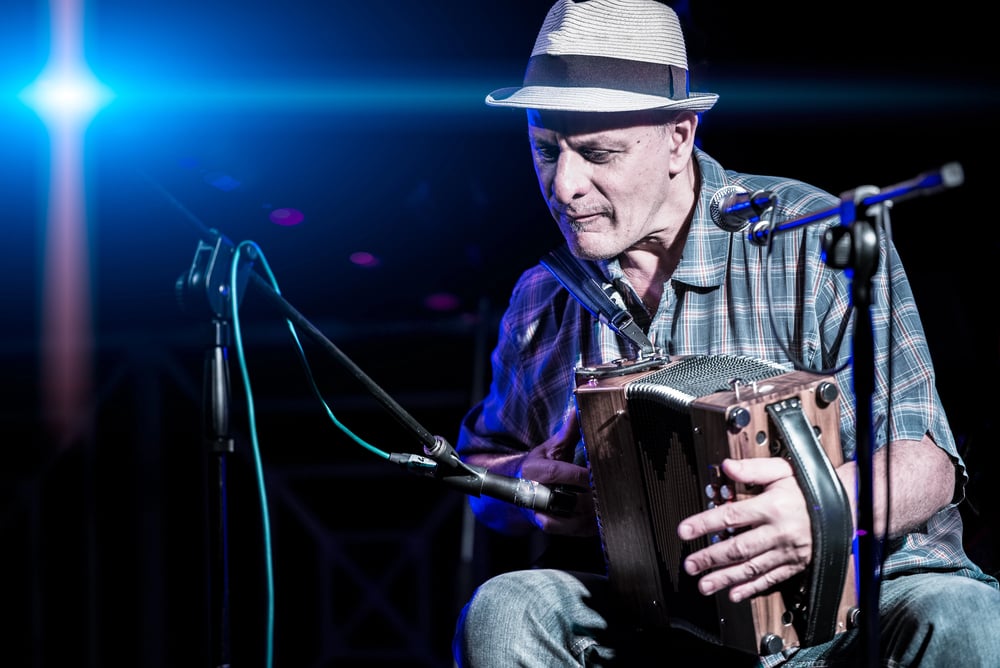
The Acadian people were expelled from Nova Scotia by the British in 1755, and those who eventually settled in Louisiana faced ongoing pressure to assimilate. Louisiana’s public schools banned French in the early 20th century, and Cajun children were punished for speaking their native language.
Cajun music survived in house parties and family gatherings where accordion players, fiddlers, and singers maintained songs that carried the history and identity of their displaced people. The music was a form of cultural resistance that required no official recognition — it just needed people willing to play and sing, which it always had. The language came close to dying out before cultural revival movements of the 1960s and 70s pulled it back.
Korean Ancestral Rituals

Japanese colonial rule in Korea from 1910 to 1945 included systematic efforts to erase Korean culture and identity. Koreans were forced to adopt Japanese names, speak Japanese, and abandon traditional practices. Ancestral rituals — fundamental to Korean cultural and spiritual life — were banned or severely restricted. Families maintained these practices in secret, often at great personal risk.
The rituals were simplified and compressed, but the essential elements survived: the reverence for ancestors, the connection between generations, and the understanding that the living and dead remain connected through proper observance. These weren’t just religious practices but the foundation of Korean family structure and social organization.
Romani Music and Storytelling

The Romani people have faced persecution across Europe for centuries, including slavery, forced assimilation, and genocide during the Holocaust. Their survival has depended partly on mobility and partly on maintaining cultural practices that could travel with them.
Romani music and storytelling traditions adapted to nomadic existence while preserving the essential elements connecting scattered communities to shared origins and values. The oral tradition was particularly important because it required no physical objects that could be confiscated or destroyed.
Highland Scottish Clan Culture
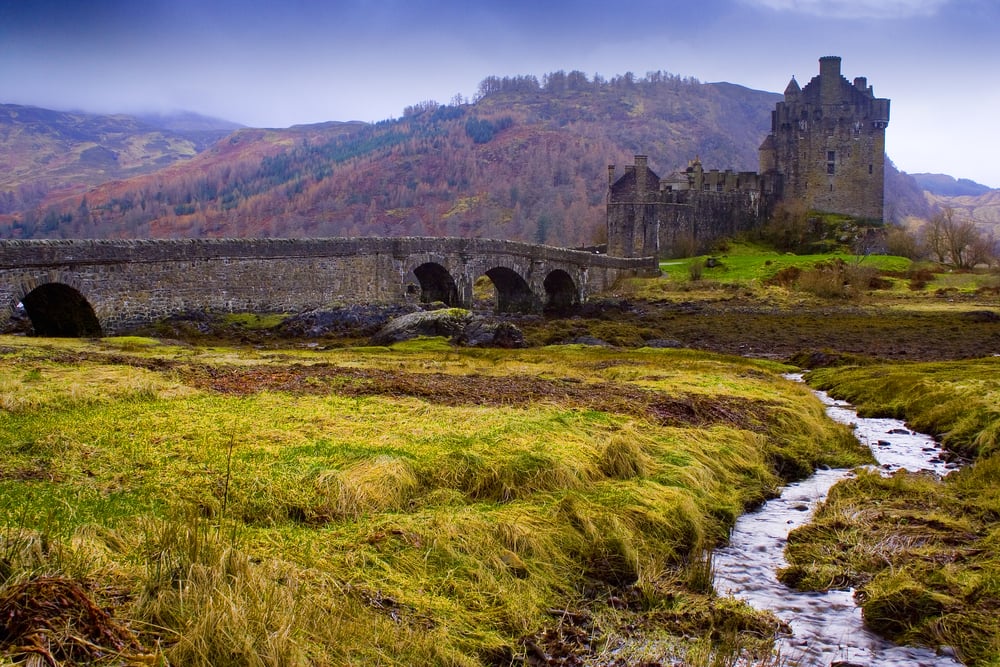
After the 1745 Jacobite uprising, the British government launched a systematic campaign to destroy Highland Scottish culture. The Dress Act banned tartans and traditional dress, carrying weapons was forbidden, and the clan system was dismantled through legal and economic pressure.
Highland culture survived in modified forms, often in places far from Scotland where emigrants recreated the traditions they remembered from home. The Highland Games that take place across North America today represent a reconstructed version of traditions that were nearly lost to deliberate suppression. The music — pipe tunes and clan songs — survived because it lived in memory and required no visible symbols that authorities could confiscate.
Aboriginal Australian Corroborees
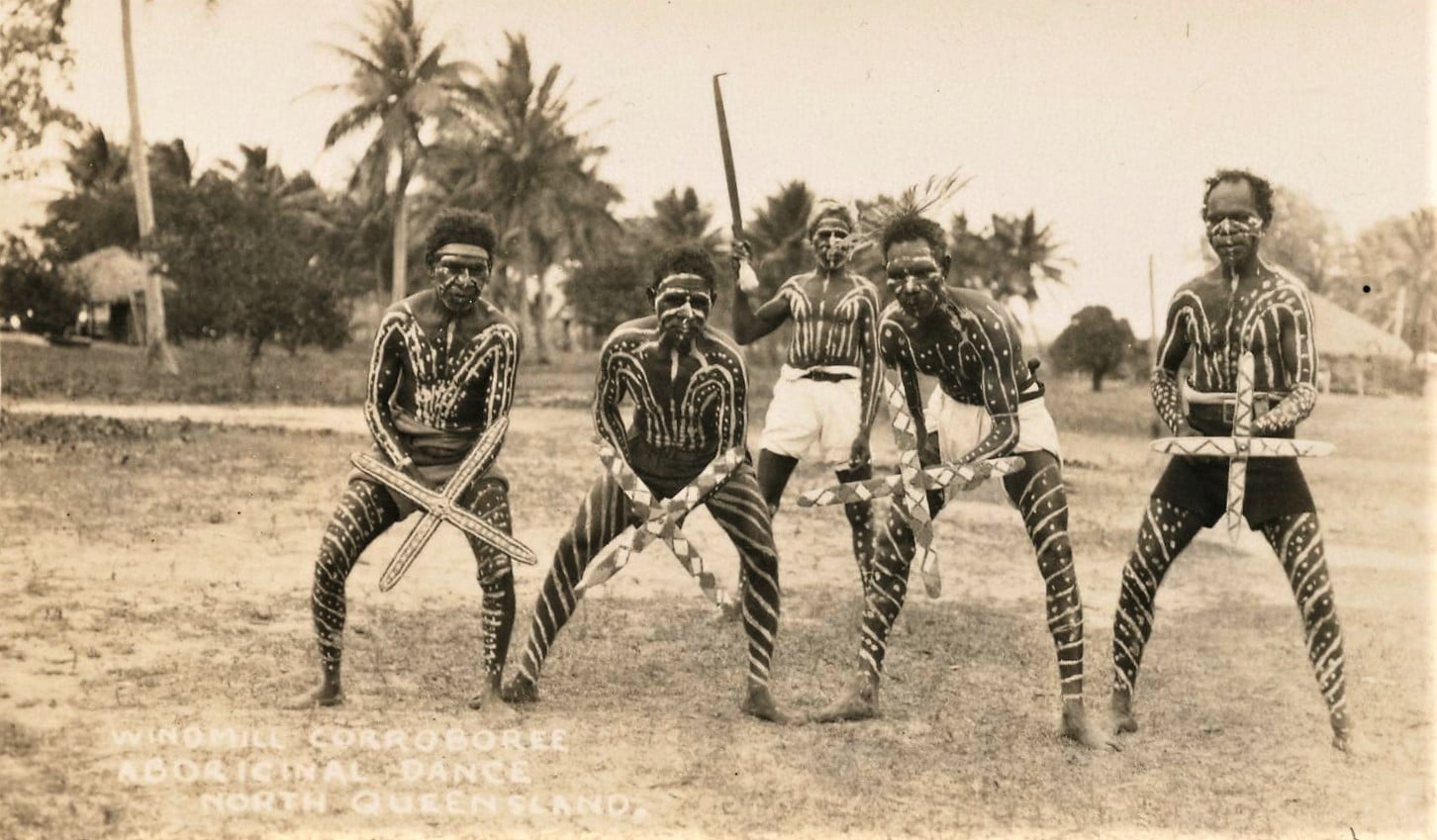
Europeans dismissed Aboriginal ceremonies as “primitive” entertainment, which ironically helped some traditions survive because they were seen as harmless rather than threatening. But many corroborees were banned when authorities recognized their role in maintaining Aboriginal law and social organization.
Communities developed ways to conduct modified versions of traditional ceremonies that appeared to comply with restrictions while preserving essential cultural and spiritual content. The adaptations required deep cultural knowledge to execute — you had to understand what was essential and what could be altered without losing the tradition’s meaning.
Quechua Language and Oral Traditions
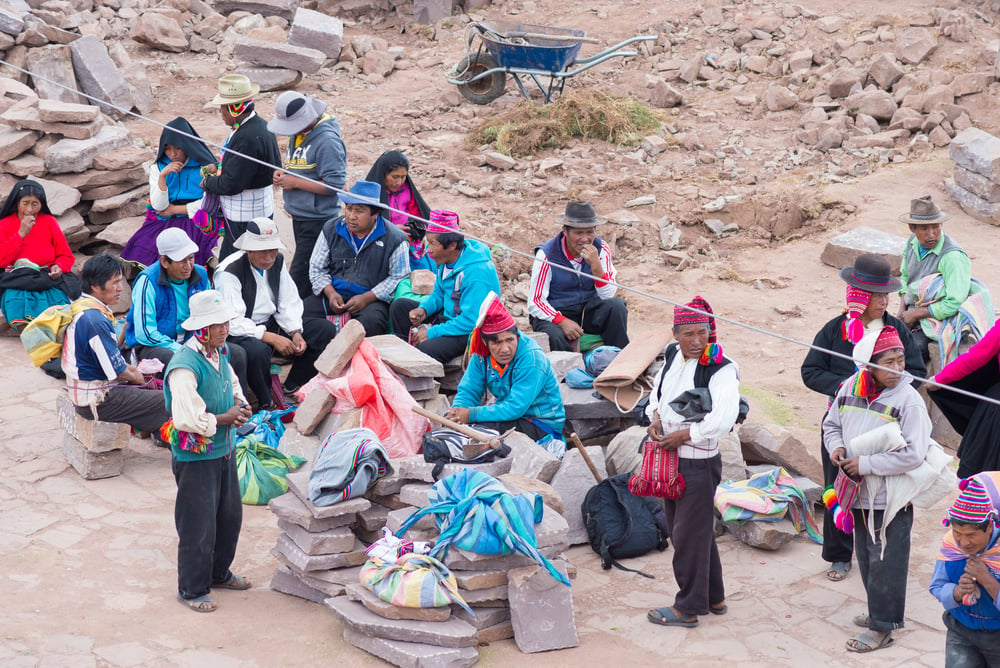
Spanish colonization sought to replace Quechua with Spanish across the Andes, but the language’s deep connection to the landscape and agricultural practices made it impossible to eliminate completely. Quechua speakers developed ways to maintain their language in contexts that served colonial interests while preserving its role in cultural transmission.
The oral traditions carried in Quechua included agricultural knowledge, historical narratives, and spiritual practices that couldn’t be translated into Spanish without losing essential meaning. This practical necessity helped preserve the language even when political pressure favored abandoning it. Quechua remains one of the most widely spoken indigenous languages in the Americas today.
Appalachian Ballad Traditions

The ballad traditions of Appalachia represent a remarkable example of cultural preservation. These communities maintained British and Irish ballads largely unchanged for centuries while developing new songs that reflected their particular experiences of isolation and hardship.
The tradition survived because it served multiple functions simultaneously: entertainment, historical record, and emotional expression. Families passed down songs that told stories their children needed to know, even when those children moved to cities and adopted different ways of life.
Ballad singing became a way of maintaining connection to a world that was vanishing — and the songs that survived did so because they captured something about human experience that couldn’t be found elsewhere.
Jewish Klezmer Music
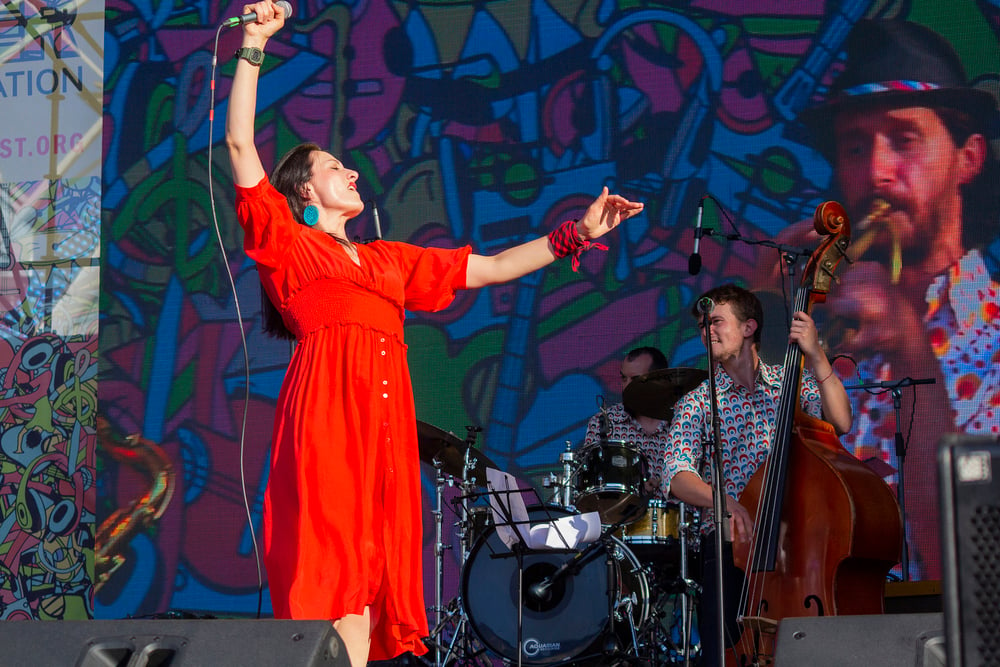
Klezmer music faced suppression from multiple directions: religious authorities who viewed it as too worldly, secular governments that saw it as backward, and the Holocaust, which destroyed the Eastern European Jewish communities where the tradition flourished. Musicians adapted by moving to new countries and modifying their repertoires to suit different audiences, but they maintained the essential musical language that made klezmer distinctive.
The music served as cultural memory, preserving the sound and spirit of communities that had been destroyed. The revival of klezmer in the late 20th century was possible only because musicians had kept the tradition’s core elements alive during decades when it seemed irrelevant to modern life.
Basque Language and Pelota
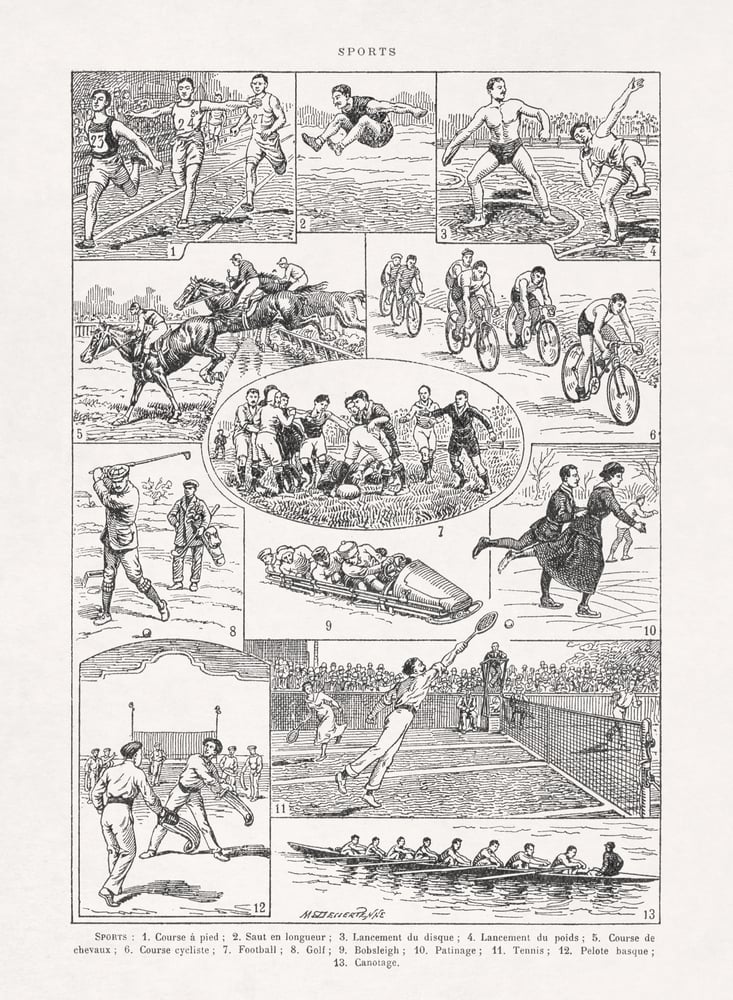
The Basque people have maintained their distinct culture despite centuries of pressure from Spanish and French governments. During Franco’s dictatorship, the Basque language (Euskara) was banned in public life, and cultural practices were suppressed as threats to Spanish unity.
Pelota survived partly because it could be presented as sport rather than cultural practice, making it less threatening to authorities — but it also served as a gathering point where language and traditions could be maintained informally. The game required specific skills and knowledge that could only be transmitted through direct cultural participation, making it an effective vehicle for broader cultural preservation. Euskara itself survived in rural communities and family networks, and its revival after Franco is one of Europe’s most successful examples of language restoration.
Native Hawaiian Hula

American missionaries and colonial authorities banned hula as immoral and pagan, viewing it as an obstacle to Hawaiian conversion to Christianity and assimilation to Western culture. The tradition went underground, preserved by families and teachers who understood its role in maintaining Hawaiian history and spiritual practices.
Hula isn’t just dance — it’s a form of historical record that preserves genealogies, place names, and cultural knowledge that exists nowhere else. The tradition’s revival in the 20th century, particularly from the Hawaiian Cultural Renaissance of the 1970s onward, demonstrated how cultural practices can persist through private transmission and then reemerge powerfully when conditions allow.
Mongolian Throat Singing
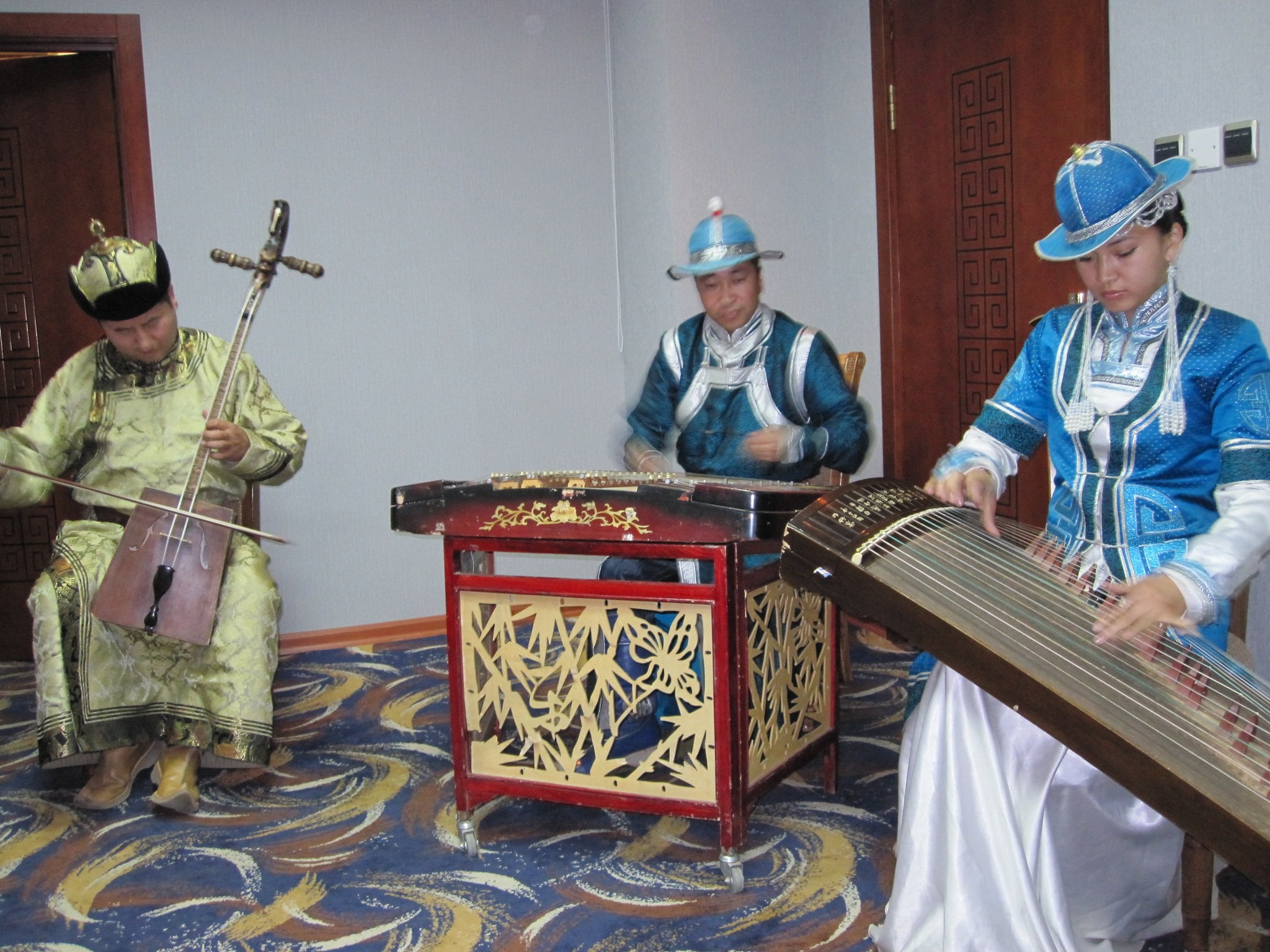
Chinese cultural policies in Inner Mongolia and Soviet policies in Outer Mongolia both sought to modernize Mongolian society by replacing traditional practices with more “progressive” alternatives. Throat singing was viewed as backward and incompatible with modern development.
The tradition survived among herders who maintained nomadic lifestyles where government oversight was limited and traditional practices remained functionally important. Throat singing wasn’t just entertainment but a form of communication and connection to the landscape that served real purposes in nomadic life. When political conditions changed, the tradition was still alive in these remote communities, ready to be shared with the wider world.
Mexican Day of the Dead
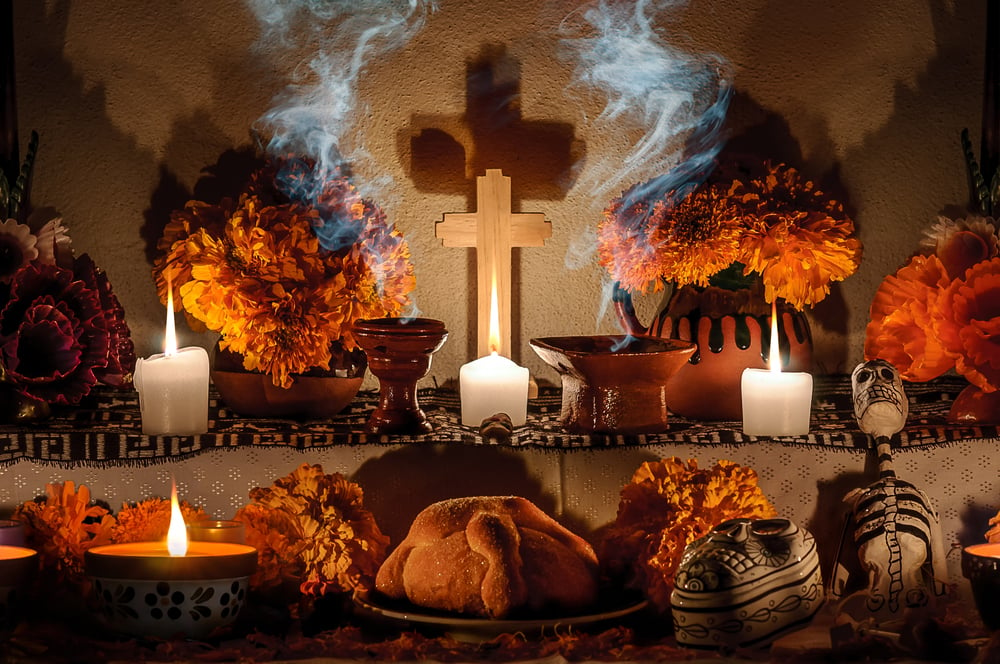
Spanish colonial authorities and Catholic clergy tried to suppress indigenous death rituals as pagan practices incompatible with Christian beliefs. The traditions survived by adapting to Catholic symbolism while maintaining their essential character.
Día de los Muertos represents a successful cultural synthesis where indigenous practices were preserved within a framework that appeared acceptable to colonial authorities. Families continued to honor their ancestors and maintain connections between the living and dead, but did so incorporating Catholic imagery and timing. The tradition addressed fundamental human needs that couldn’t be replaced by imported practices, no matter how aggressively those were promoted.
Sufi Whirling Ceremonies
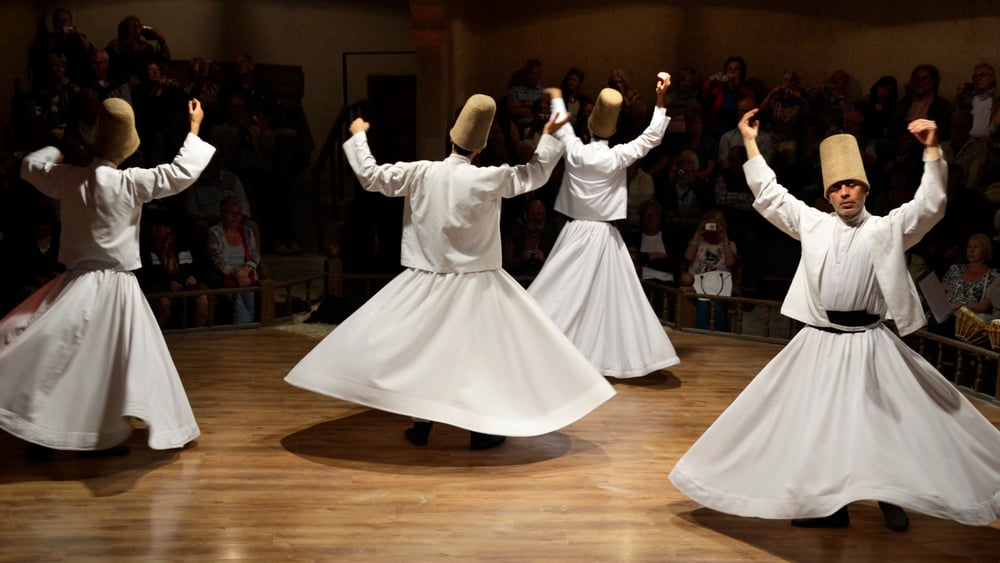
Sufi mystical practices faced suppression from orthodox Islamic authorities and from secular governments that viewed them as politically dangerous or incompatible with modernity. The whirling ceremonies of the Mevlevi order were banned in Turkey following the 1925 reforms that abolished religious orders.
The tradition required initiates to undergo years of training, creating communities of practitioners deeply committed to preservation. When Turkey eventually permitted the ceremonies again, the practitioners who had maintained the tradition privately were ready to restore it publicly. The intensive preparation made the tradition resilient — it couldn’t be casually abandoned or easily reconstructed from external sources.
Oaxacan Zapotec Weaving
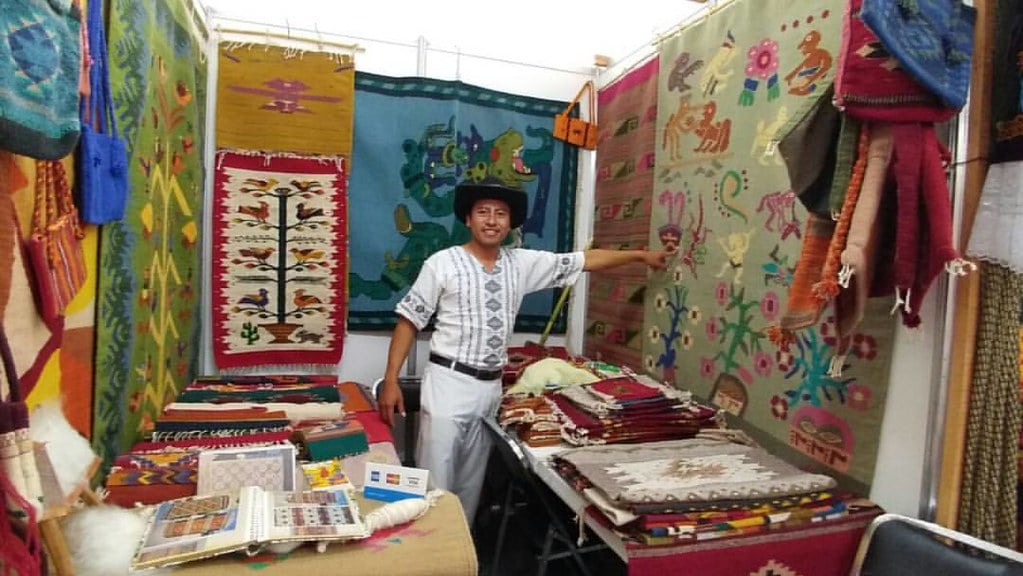
Spanish colonization of Oaxaca sought to integrate indigenous communities into colonial economic and cultural systems, but weaving traditions proved remarkably persistent. The Spanish needed textiles and allowed certain production to continue, which created space for traditional techniques to survive.
Zapotec weavers developed ways to maintain traditional patterns and techniques within products that served colonial markets. The cultural knowledge embedded in weaving — from plant-based dyes to symbolic patterns — was preserved alongside the practical skills. Contemporary Zapotec textiles still carry traditional designs and techniques that date to pre-Columbian times.
Maasai Pastoral Traditions
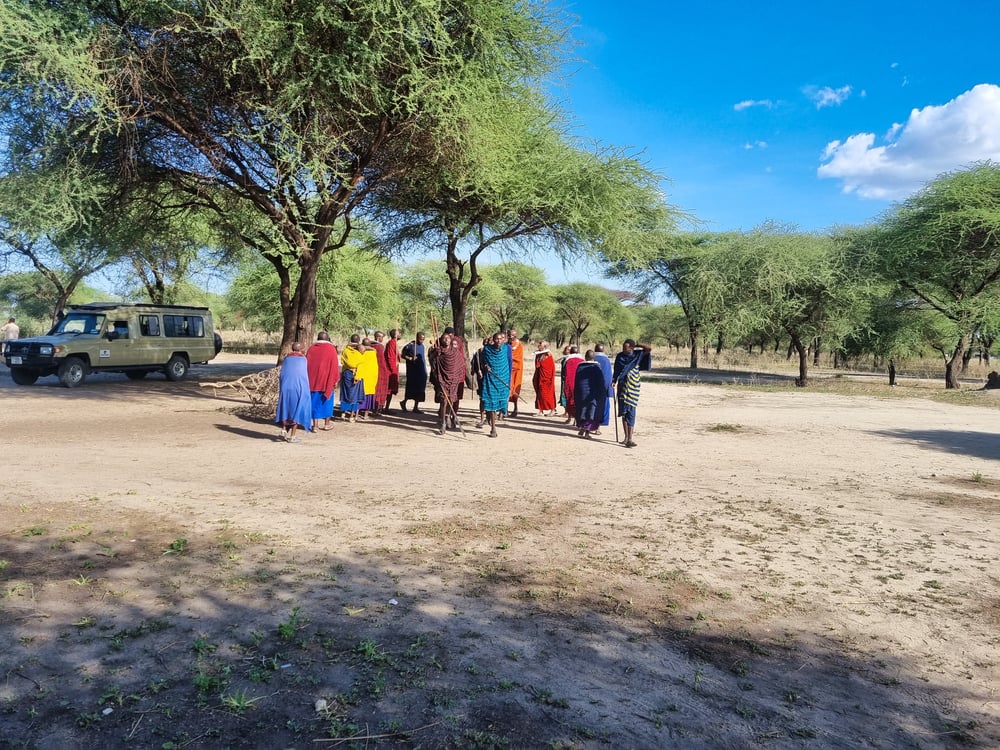
British colonial authorities in East Africa viewed Maasai pastoral practices as primitive and economically inefficient, implementing policies designed to force communities into settled agriculture and wage labor. They disrupted traditional patterns of seasonal migration and cattle management that had sustained the Maasai in semi-arid environments for generations.
The traditions survived partly because they were ecologically adapted to environments where alternative land uses were less successful. When colonial policies failed to produce better outcomes, traditional practices reasserted themselves. Maasai communities maintained their pastoral knowledge despite decades of pressure to abandon it — proof that traditional ecological systems can be more resilient than the policies designed to replace them.
Andean Potato Cultivation

Spanish colonization introduced new crops and farming methods to the Andes, but indigenous communities maintained their traditional potato cultivation techniques because they were essential for survival at high altitudes where Spanish crops couldn’t reliably grow. These farming traditions preserved not just agricultural techniques but the cultural knowledge associated with them: ceremonies tied to planting and harvest cycles, ecological understanding of high-altitude environments, and social systems organized around collective labor.
Modern Peru now recognizes traditional potato farming as crucial for maintaining biodiversity and food security — recognition that was only possible because communities had preserved thousands of years of knowledge through centuries when it was dismissed as backward.
Cherokee Syllabary and Language

The Cherokee language faced systematic suppression through boarding schools and assimilation policies that punished children for speaking their native tongue. By the 1960s, fluent speakers were mostly elderly, and the language appeared headed for extinction.
Sequoyah’s syllabary, developed in the 1820s, provided a writing system that helped preserve Cherokee literature and legal documents during periods when the oral tradition was under severe pressure. Families maintained the writing system even when using it was discouraged. Language revitalization efforts beginning in the 1970s were possible only because some speakers had maintained fluency and the syllabary provided written resources for teaching new learners.
Andean Textile Dyeing
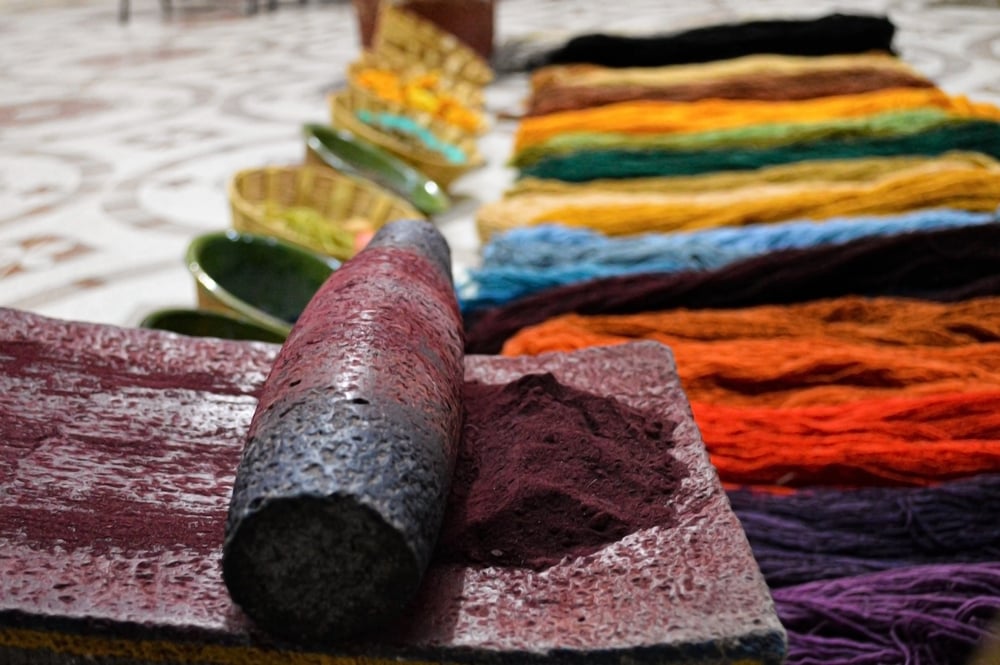
Traditional dyeing techniques using native plants and minerals survived Spanish colonization partly because they produced colors that couldn’t be easily replicated with imported materials. The knowledge was maintained within family and community networks that passed down complex recipes and techniques across generations.
These weren’t just craft techniques but repositories of ecological knowledge — which plants grew where, which combinations produced which colors, which mordants fixed the dye in which fibers. This knowledge was inseparable from the landscape itself, embedded in the names and uses of native plants that colonial authorities didn’t know to suppress. The dyes persist today in Andean textiles whose colors come from the same sources they came from five centuries ago.
Welsh Language (Cymraeg)

The Welsh language survived centuries of pressure from English rule, including the notorious Welsh Not — a wooden block that children were forced to wear around their necks if they were caught speaking Welsh at school, passed from one child to the next, with the child wearing it at day’s end punished. The system aimed to make Welsh children themselves police each other’s language use.
Welsh survived in chapels, in music, and in the closely knit communities of the valleys and rural areas where English economic penetration was slower. The eisteddfod tradition — a competitive festival of poetry, music, and performance conducted in Welsh — continued through the darkest periods and helped keep the literary language alive. Today Welsh is the most widely spoken Celtic language, with over half a million speakers and active revitalization programs that include Welsh-medium schools, broadcasting, and government services. Its survival is one of the more striking examples of a minority language refusing to die.
Yiddish Language and Literature

Yiddish — the vernacular language of Ashkenazi Jews, a fusion of High German, Hebrew, and Slavic elements — faced suppression from multiple directions simultaneously. Secular Jewish movements in the early 20th century viewed it as a language of the shtetl to be left behind. Soviet authorities suppressed it as nationalist. And then the Holocaust destroyed the communities where it lived most fully, killing perhaps the majority of the world’s Yiddish speakers in a few years. What survived did so through extraordinary determination. Writers, scholars, and ordinary families on multiple continents kept the language alive in newspapers, theaters, literature, and homes.
The YIVO Institute for Jewish Research, founded in Vilna in 1925 and relocated to New York after the war, became a center for Yiddish scholarship and preservation. The language has experienced genuine revival in recent decades, with new speakers learning it not as a mother tongue but as an act of cultural connection and remembrance.
Hopi Kachina Traditions
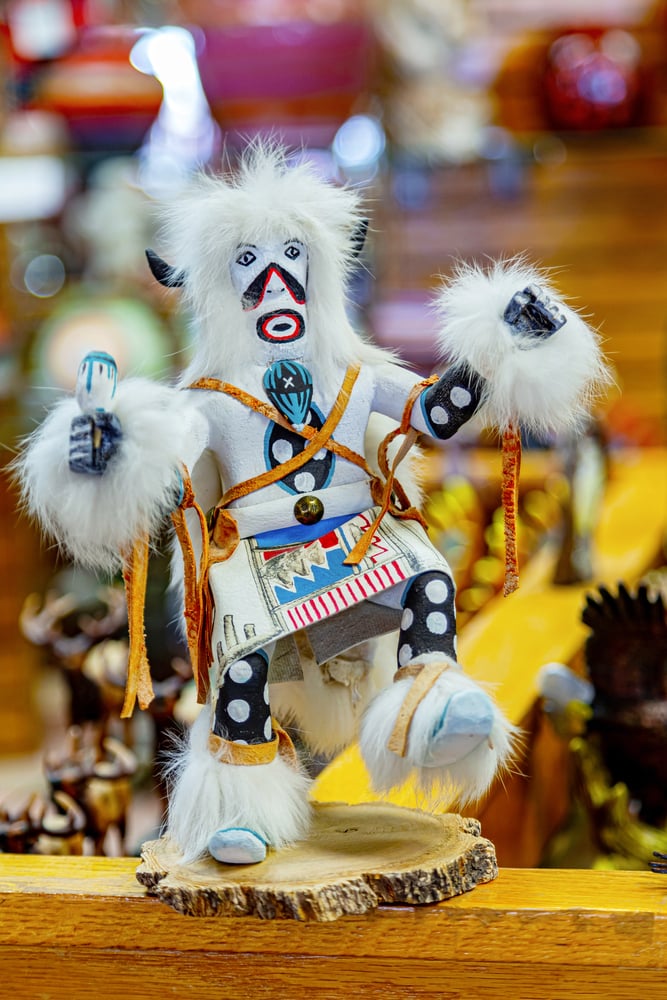
The Hopi people of the American Southwest maintained their kachina (katsina) ceremonial traditions through centuries of pressure — Spanish colonial suppression, later U.S. government policies, and the persistent intrusion of outside religions. Kachinas are spiritual beings central to Hopi religious life and cosmology, honored through ceremonies, dances, and the carved dolls given to children as educational tools.
The traditions survived partly through geographic isolation — the Hopi mesas of northeastern Arizona were among the more remote communities in the Southwest — and partly through deep communal commitment to maintaining ceremonial knowledge. Many kachina ceremonies remain closed to outsiders, a deliberate protection that has helped preserve their sacred character. The traditions continue today as living religious practice rather than historical reenactment.
Vodou in Haiti
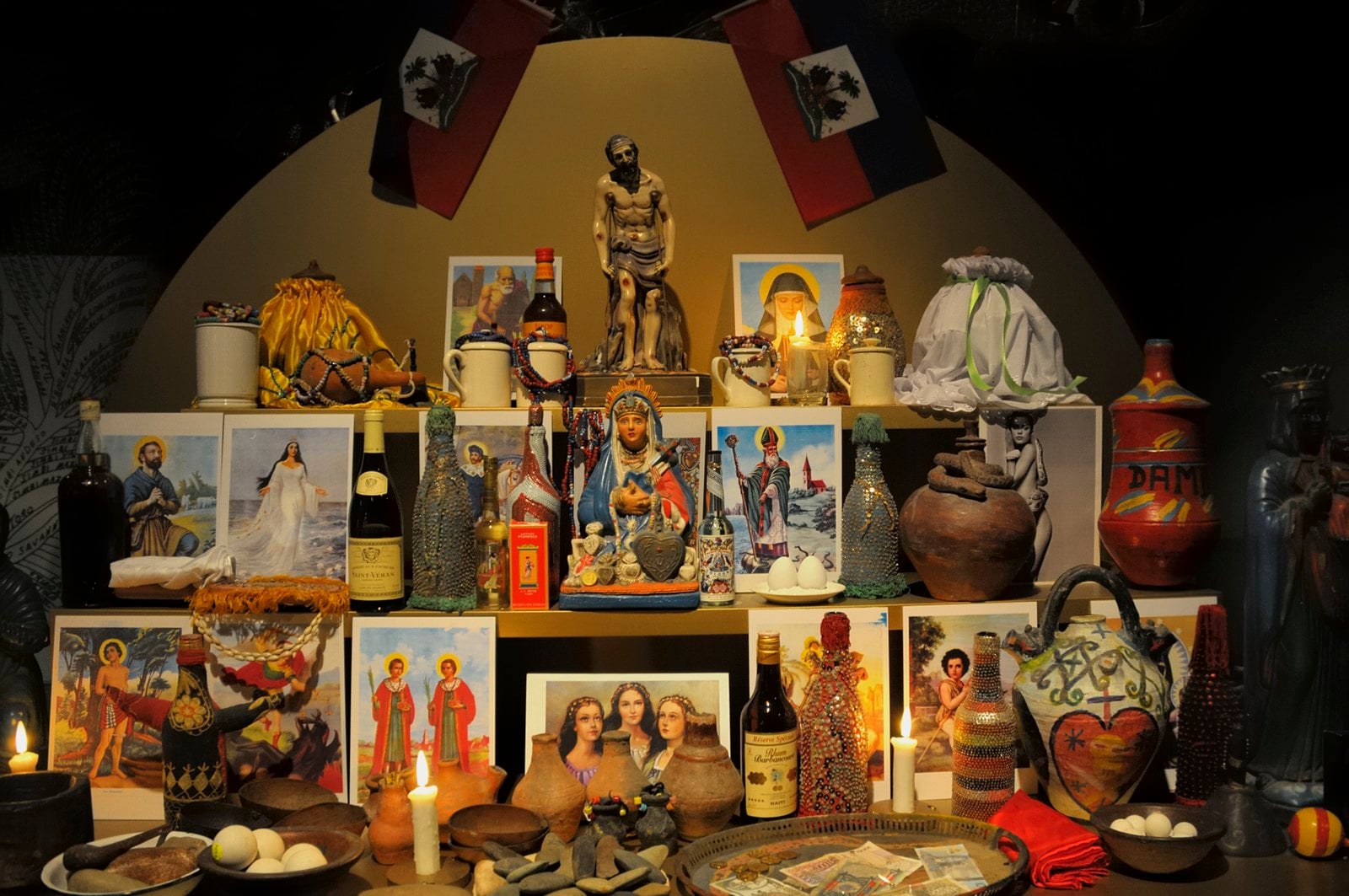
Haitian Vodou faced relentless suppression from French colonial authorities, Catholic missionaries, and later from periodic anti-superstition campaigns mounted by the Haitian government itself — notably in the 1940s, when the Church and state collaborated to destroy Vodou objects and prosecute practitioners. Despite all of this, the tradition never came close to dying.
Vodou survived because it was deeply interwoven with every aspect of life: healing, community organization, agricultural practice, and the memory of the Haitian Revolution itself, which Vodou ceremonies helped inspire and sustain. The religion absorbed Catholic imagery without abandoning its African roots, creating a synthesis that was both adaptive and resilient. It remains a living tradition practiced by a significant portion of the Haitian population.
Armenian Oral Epic Traditions

The Armenian people have faced catastrophic attempts at cultural erasure, most devastating in the Genocide of 1915, which killed an estimated 600,000 to 1.5 million Armenians and scattered survivors across the world. Armenian language, literature, and cultural traditions were direct targets of the destruction.
Armenian oral epic traditions — particularly the Sasna Tsrer (Daredevils of Sassoun), a medieval epic transmitted orally for centuries before being written down — survived in diaspora communities across the Middle East, Europe, and the Americas. Armenian communities in the diaspora maintained language schools, cultural institutions, and traditions that preserved a cultural identity under the most extreme pressure imaginable. The traditions that survived did so because communities understood, with terrible clarity, what losing them would mean.
What Survival Costs

Look across these 32 traditions and the mechanism of survival is remarkably consistent. None of them persisted because they were protected. They persisted because ordinary people — often at real personal risk — decided that losing them was worse than whatever consequences came with keeping them. Songs were sung quietly at home. Ceremonies moved to hidden places. Languages were taught in whispers to children who would be punished for speaking them in school.
What these traditions also share is adaptability. The ones that survived were rarely preserved unchanged — they found ways to remain useful, encoding their essential meaning in forms that could pass through hostile conditions. Irish musicians hid resistance in melodies that sounded innocent. Andean weavers embedded sacred patterns in products the colonizers wanted to buy. Sufi practitioners kept their ceremonies alive in private rooms. The adaptation wasn’t dilution. It was camouflage. And underneath it, the essential things held.
More from Go2Tutors!

- The Romanov Crown Jewels and Their Tragic Fate
- 13 Historical Mysteries That Science Still Can’t Solve
- Famous Hoaxes That Fooled the World for Years
- 15 Child Stars with Tragic Adult Lives
- 16 Famous Jewelry Pieces in History
Like Go2Tutors’s content? Follow us on MSN.