Bands That Formed Behind Bars
Prison might seem like the last place you’d expect a band to form, but some musicians found their rhythm behind bars. These groups didn’t just pass time with their instruments.
They created real music that people on the outside actually wanted to hear. Let’s look at the bands that got their start in the most unlikely recording studio of all.
The Prisonaires
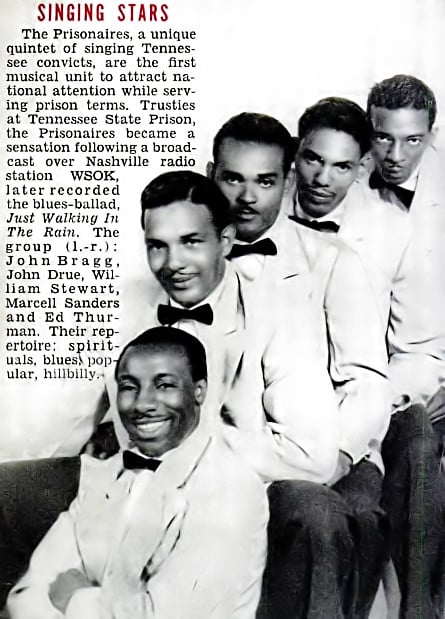
This group made history in 1953 when they became the first inmates to record music outside prison walls. Five men at Tennessee State Penitentiary got permission to leave the facility under armed guard to record at Sun Studio in Memphis.
Their song ‘Just Walkin’ in the Rain’ became a hit, and the experience was so surreal that one member later said he thought he was dreaming the whole time. The track eventually sold over a million copies when Johnnie Ray covered it, proving that talent doesn’t care about zip codes or cell blocks.
The Escorts
Formed at Rahway State Prison in New Jersey during the 1960s, The Escorts showed that rehabilitation could include harmonizing. They performed for other inmates and occasionally got to play for visitors.
Their doo-wop style reminded everyone that music could exist anywhere, even in a place designed to restrict freedom.
The Inmates
This punk rock band from Dartford, England took their name literally when they formed in the late 1970s. Wait, scratch that.
They weren’t actually in prison, but they sure made people think about it with their gritty sound and rebellious image. The confusion around their name just added to their mystique.
Flipside

At San Quentin State Prison in California, a group of inmates formed this band in the 1970s and got to perform for other prisoners. Music programs at San Quentin had a long tradition, partly because Johnny Cash’s famous concerts there proved that inmates craved live performances.
Flipside carried on that legacy, giving hope to guys who needed something to look forward to besides release dates.
The Gangster Disciples

Several members of this Chicago street organization formed musical groups while serving time in Illinois prisons during the 1990s. Their music often reflected life on both sides of the bars.
The beats were raw, the lyrics were unfiltered, and the message was clear: music could be a way out, even if the path was complicated.
The Jailbirds
This group from Texas performed country and blues music inside prison walls during the 1960s. They weren’t trying to sugarcoat their situation or pretend they were anywhere else.
Their songs talked about regret, redemption, and the long road back to normal life. Guards and inmates alike appreciated the honesty.
Goree All Girl String Band
In the 1940s, female inmates at the Goree State Farm for Women in Texas formed this country and western band. They performed on radio shows and at local events, breaking stereotypes about both women and prisoners.
The group existed for nearly 20 years, giving dozens of women a chance to develop real musical skills they could use after release.
The Caged Birds
Angola State Penitentiary in Louisiana has produced several musical groups over the decades, and The Caged Birds were among the most memorable. Formed in the 1980s, they played gospel and blues for prison events.
Angola has always had a strong music tradition, probably because the prison sits on a former plantation where work songs were once the only entertainment available.
The Chain Gang
Not technically a formal band, but groups of prisoners working on road crews in the American South often sang together to maintain rhythm and pass time. These impromptu performances influenced blues and gospel music in ways that musicologists still study today.
The songs were functional but deeply emotional, turning hard labor into something that at least felt bearable.
The Jordanaires
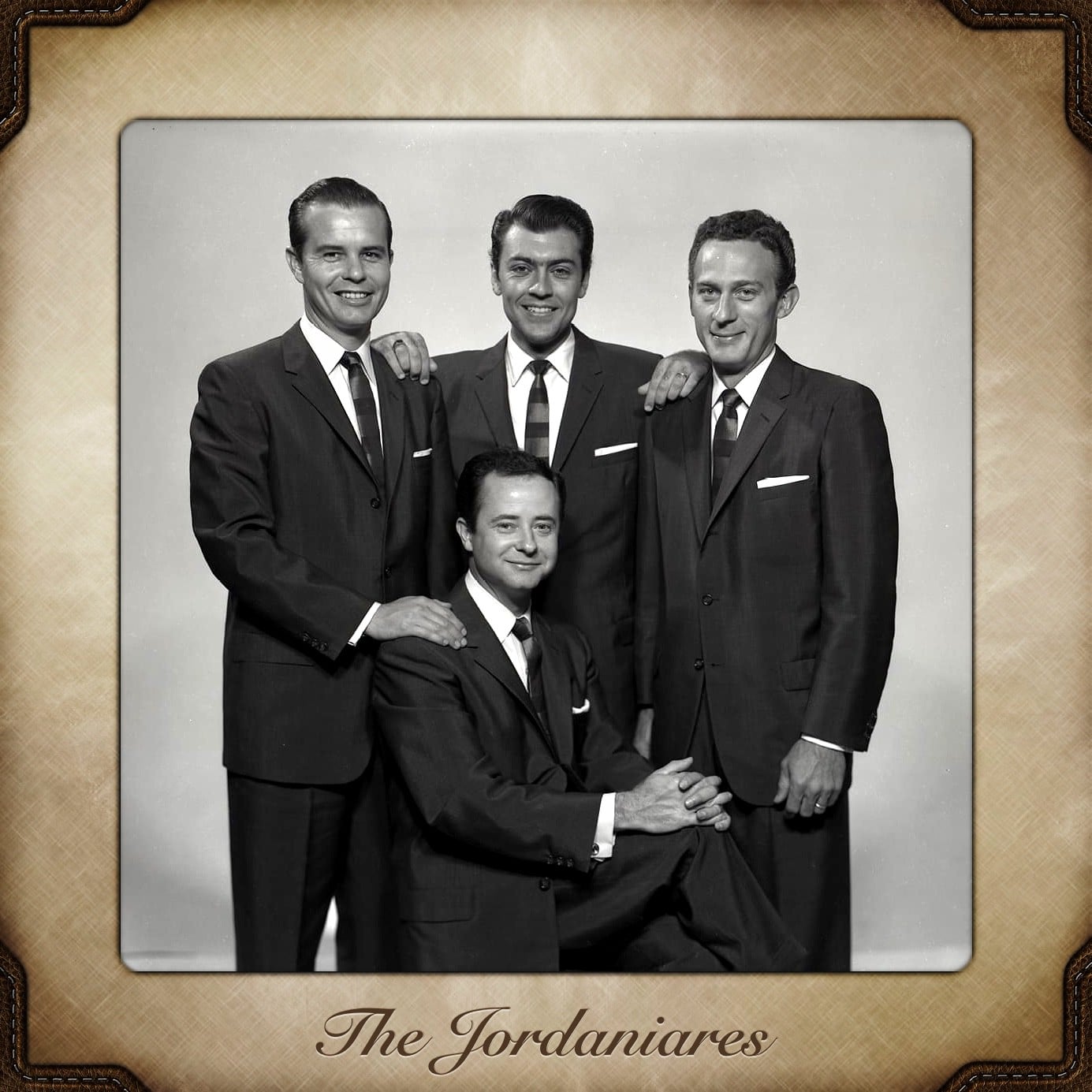
Before becoming Elvis Presley’s backup singers, some early members of this group performed in various institutions, though the details remain fuzzy. What matters is that they understood how music could transform a space, whether it was a prison yard or a recording studio.
Their gospel roots came from places where people needed hope most.
The Tennessee Three
Johnny Cash’s backing band didn’t form in prison, but they spent so much time performing at correctional facilities that inmates considered them honorary residents. The musicians witnessed firsthand how powerful music could be for people with limited freedom.
Those experiences shaped their sound and their approach to performance for decades.
Metal Heads
At a facility in Pennsylvania during the 2000s, a group of inmates formed this heavy metal band. Prison officials allowed them to practice and perform because the music program showed measurable improvements in behavior and mental health.
The band members channeled aggression into riffs instead of fights, which everyone agreed was a better option.
The Hard Timers
This blues band formed at Parchman Farm in Mississippi, one of America’s most notorious prisons. They performed at the annual rodeo held at the facility, giving inmates and visitors alike a chance to hear authentic Delta blues from guys who understood hardship on a personal level.
The music was sad, defiant, and strangely uplifting all at once.
The Rhythm Makers
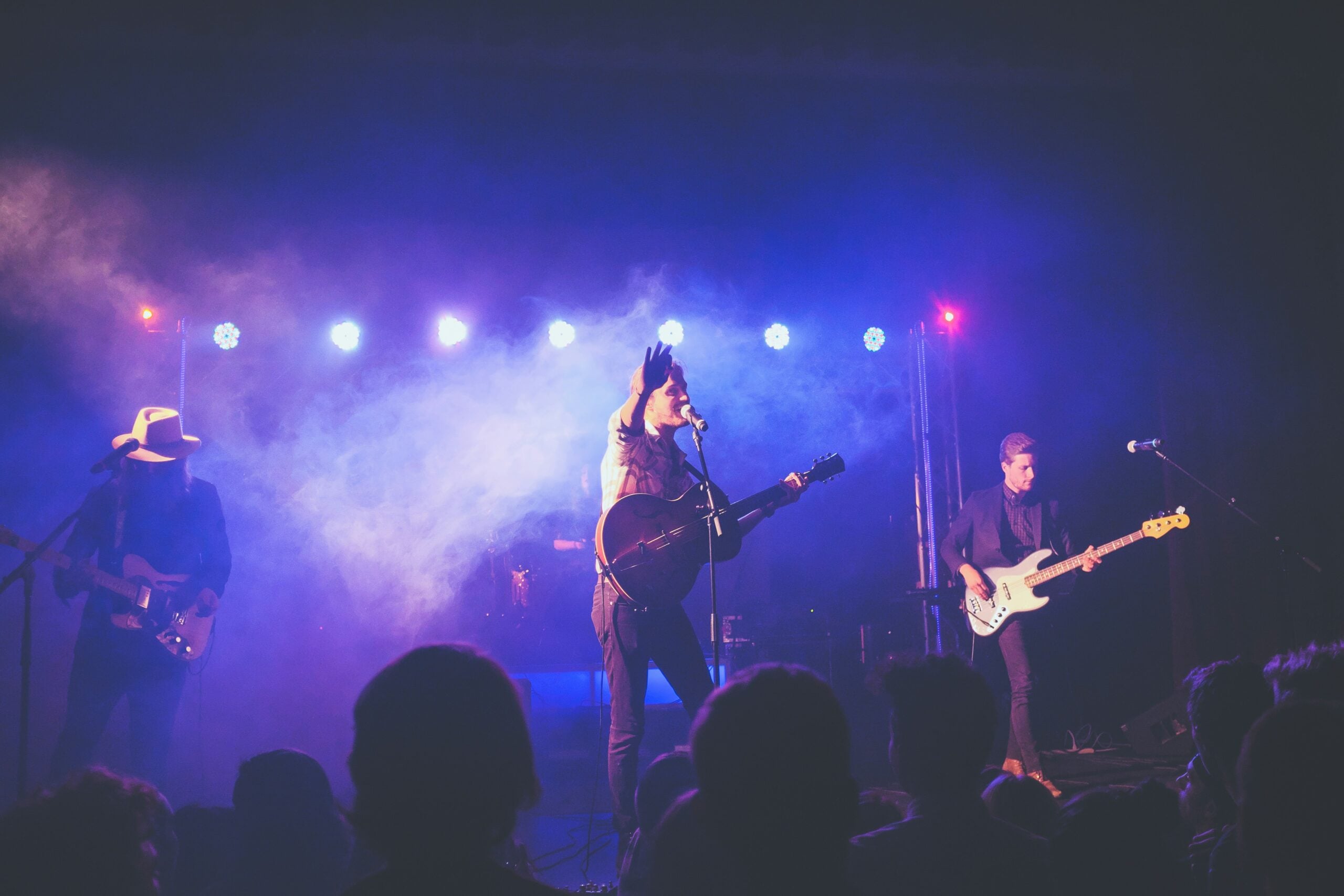
Formed at a California youth correctional facility in the 1970s, this band gave teenage offenders a productive outlet. The program was controversial because some people thought inmates didn’t deserve nice things like music lessons.
But the results spoke louder than critics: participants were far less likely to return to prison after release.
The Pen Pushers
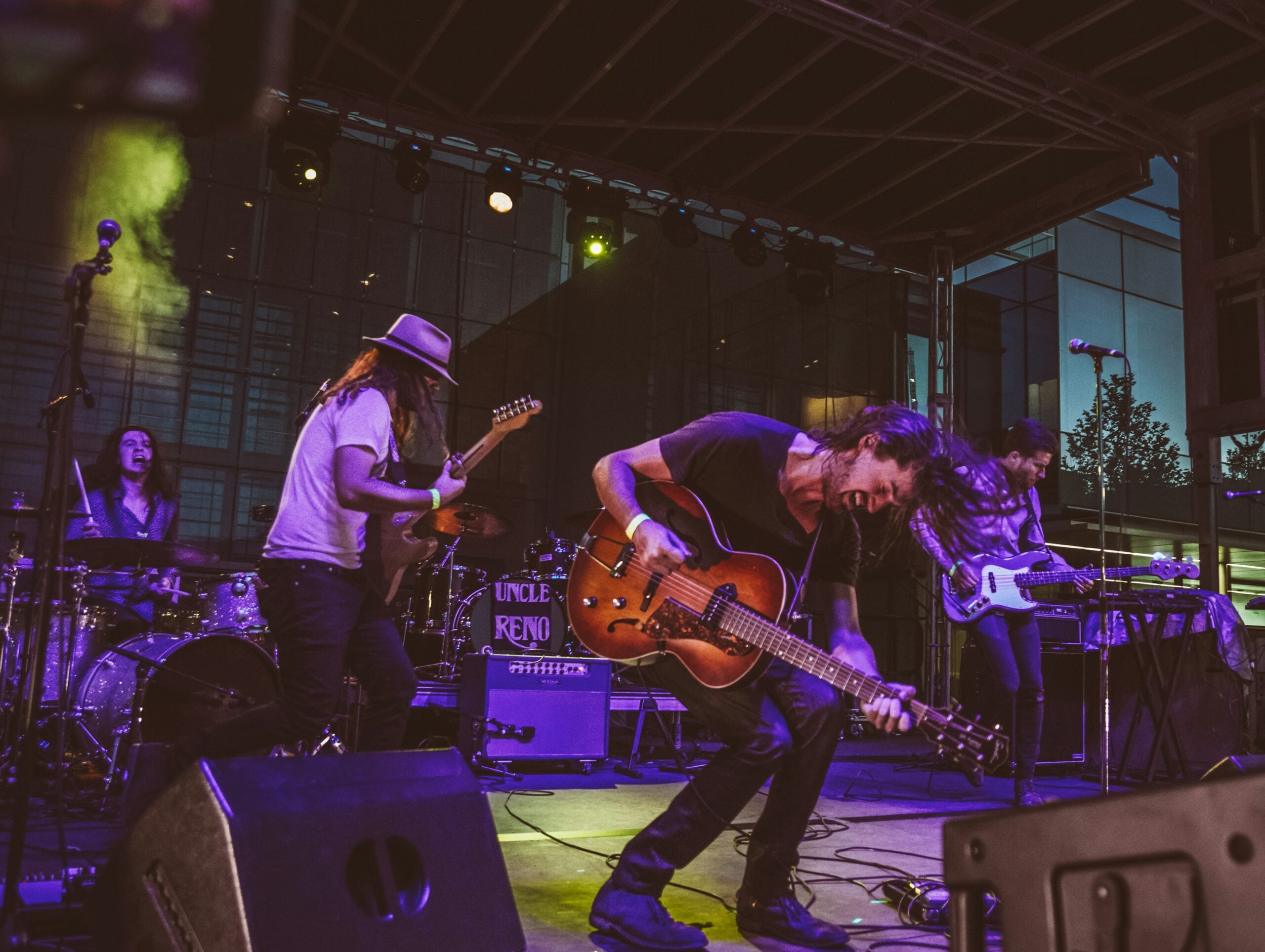
At Attica Correctional Facility in New York, this hip-hop group formed in the 1990s and recorded tracks that later got released on underground labels. Their lyrics described prison life without glorifying it, offering a perspective that most people never get to hear.
The music was rough around the edges, but that authenticity made it compelling.
The Inside Out Band
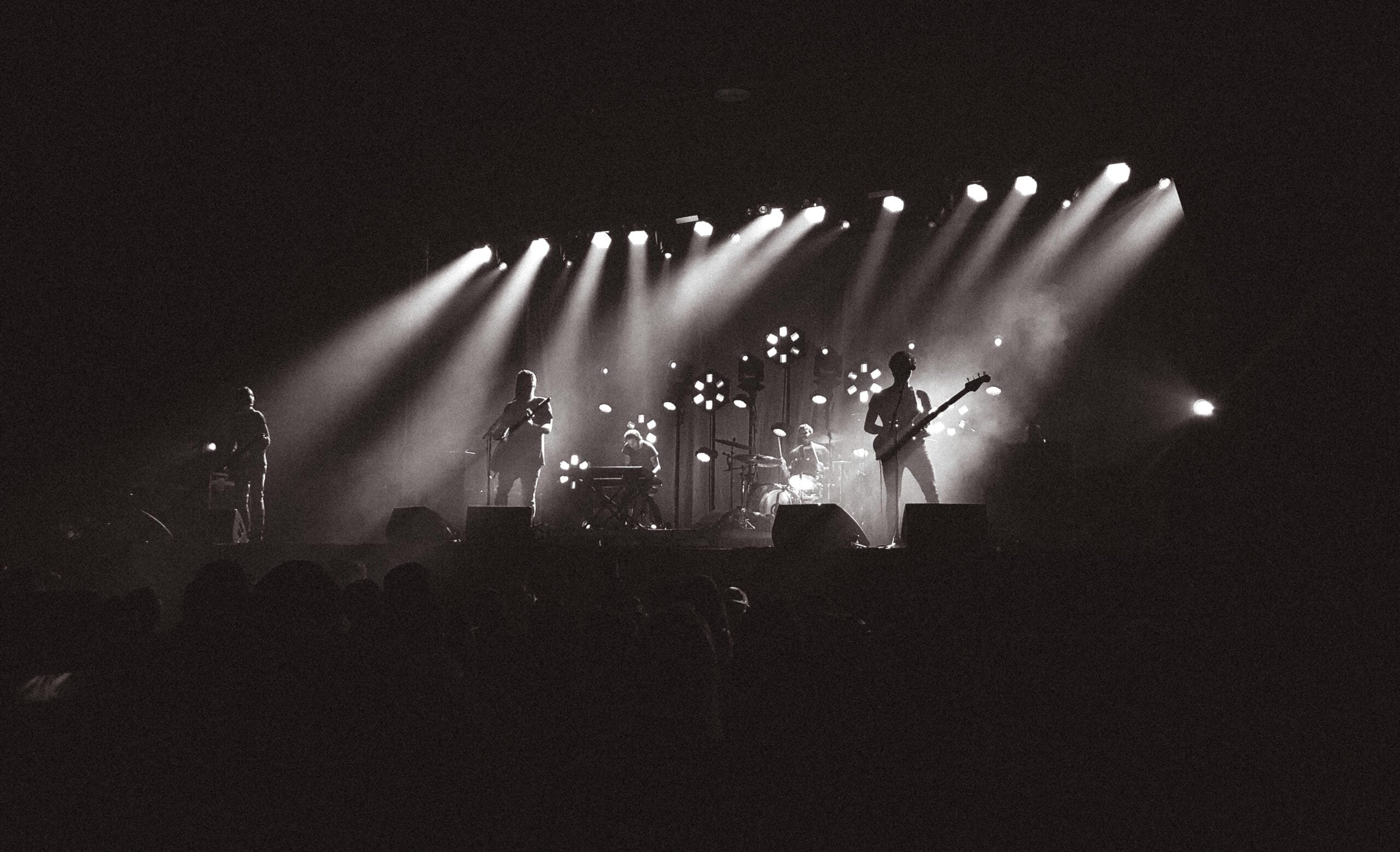
This jazz ensemble at a federal prison in Kentucky brought some sophistication to the prison music scene in the 1980s. They had actual trained musicians who’d made bad decisions, and their performances reminded everyone that one mistake doesn’t erase years of skill and practice.
Visitors were often shocked by how good they sounded.
The Lifers Group

Music started showing up in prisons around Pennsylvania when people locked up for life began forming bands during rehab efforts. Out of those, one crew called the Lifers Group stood out by turning hip-hop into a tool.
Instead of just rapping for themselves, they took their lyrics to schools and neighborhood spots. Their real-life experiences shaped every performance, aimed at steering young listeners away from crime.
Behind bars, they found rhythm; outside, it sparked change.
The Second Chancers
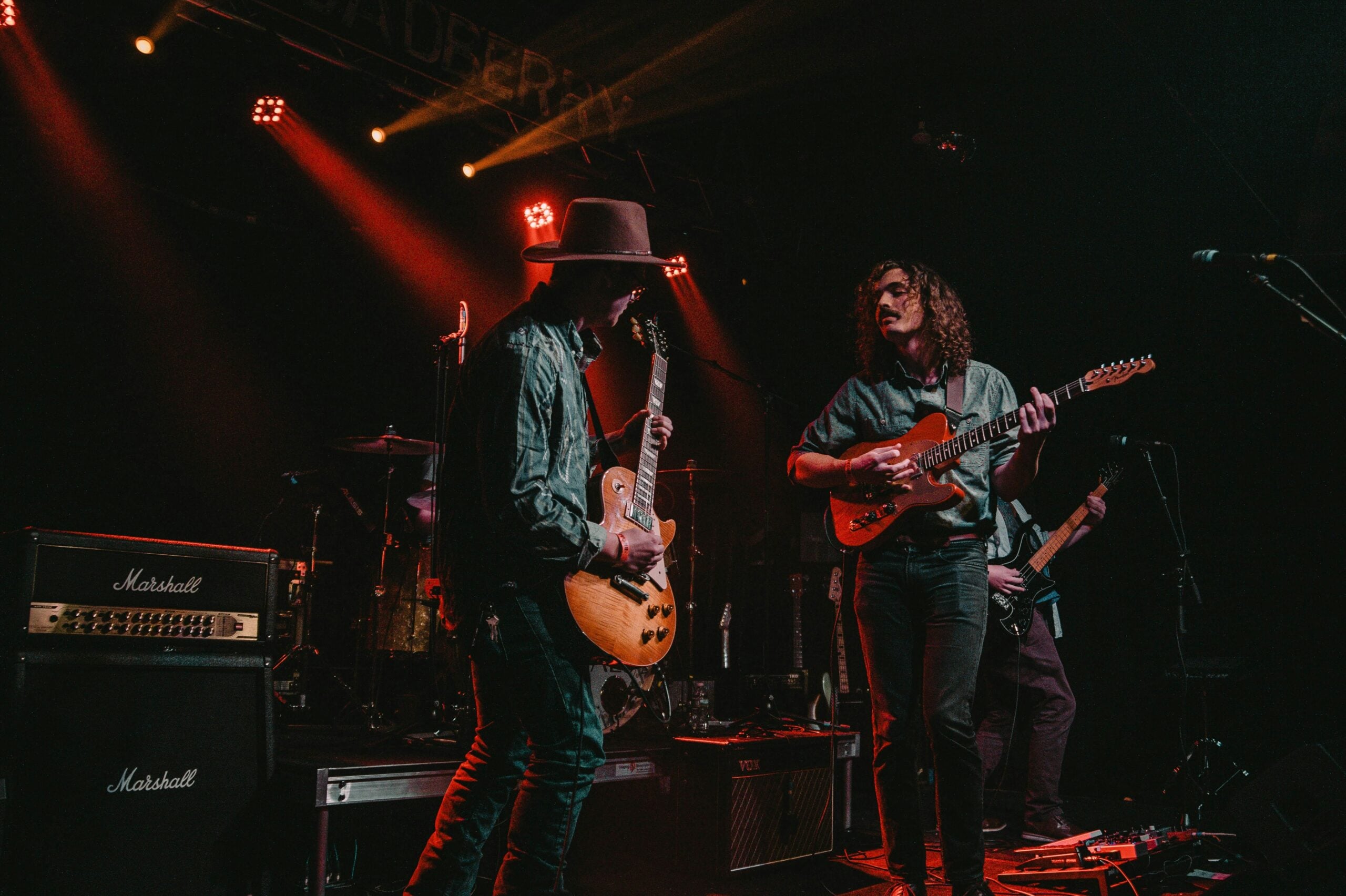
Music started later for some inside an Arizona women’s prison. Out of that came the Second Chancers, shaping country tunes since 2010 – but with raw honesty woven in.
Each lyric carried weight: fresh beginnings, mending paths, life rebuilt piece by piece. Most had never held instruments before arriving behind bars.
Still, hours shaped skill, note after note chipped into rhythm. Growth didn’t come fast, yet it arrived.
Proof hides in their voices – talent can surface long past its expected arrival.
Where the music still plays
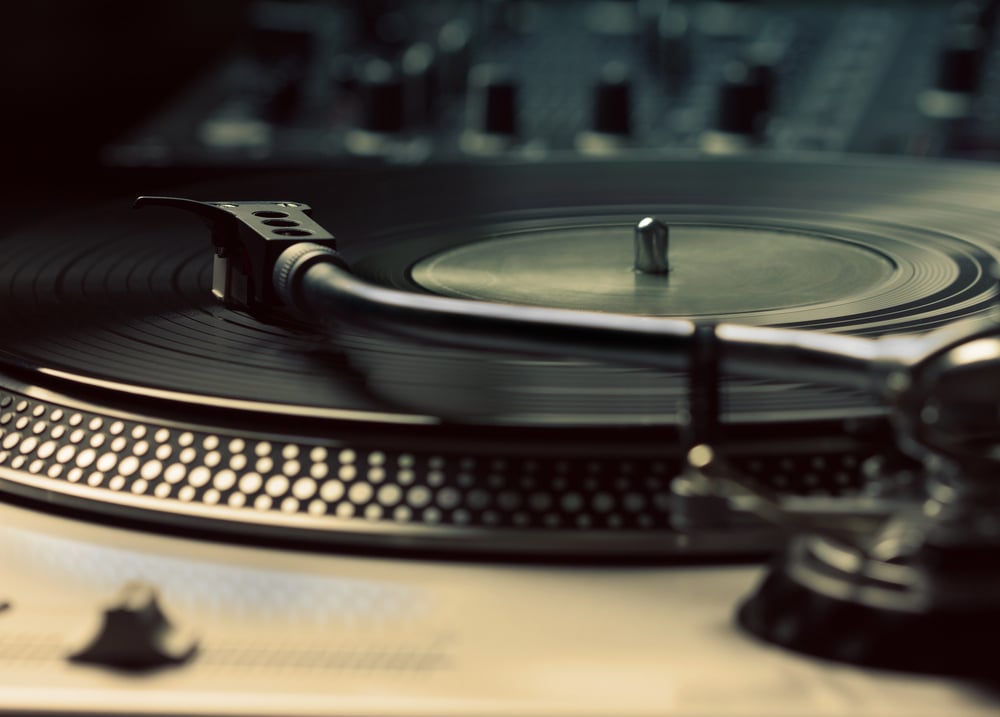
Today, music lives inside American prisons, even if support shifts unpredictably. Inside certain jails, people record full albums using studio gear.
Are these efforts treats or paths to change? That argument hasn’t ended.
Still, signs point more to healing than privilege. When someone discovers music while locked up, staying free afterward becomes more likely –
a win that spreads beyond one person.
More from Go2Tutors!

- The Romanov Crown Jewels and Their Tragic Fate
- 13 Historical Mysteries That Science Still Can’t Solve
- Famous Hoaxes That Fooled the World for Years
- 15 Child Stars with Tragic Adult Lives
- 16 Famous Jewelry Pieces in History
Like Go2Tutors’s content? Follow us on MSN.