12 Famous Buildings Constructed Over Ancient Burial Grounds
Throughout history, civilizations have built their most important structures wherever land was available, often without much consideration for what lay beneath. Cities grew organically, expanding outward and upward, sometimes directly over places where previous generations had laid their dead to rest.
This practice wasn’t necessarily disrespectful—it was simply practical urban development in societies where space was limited and records were incomplete. Here is a list of 12 famous buildings that were constructed over ancient burial grounds, each with its own fascinating story of discovery and historical significance.
Westminster Abbey
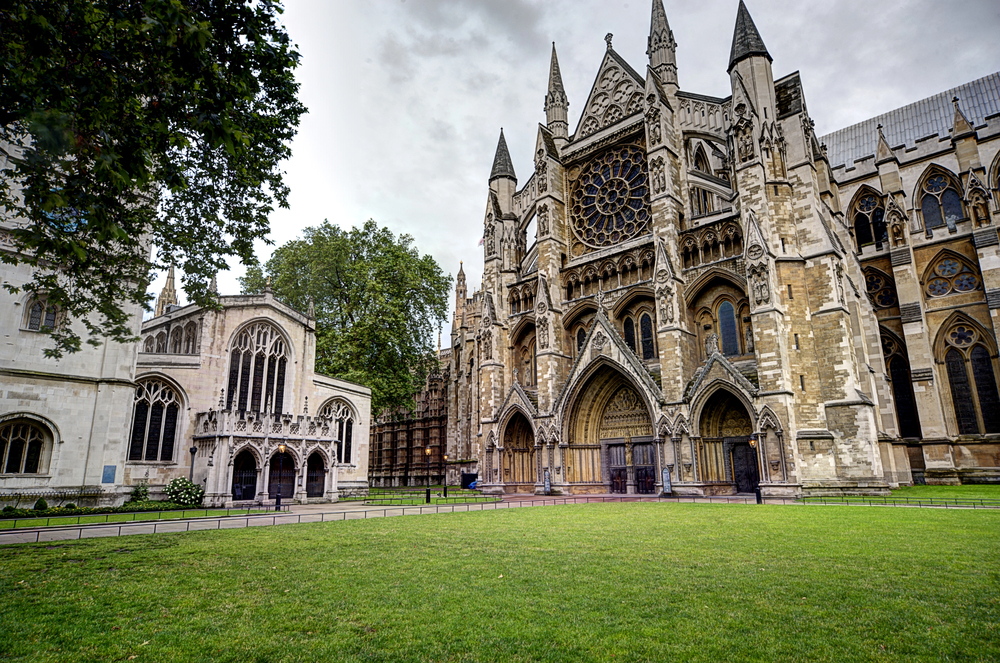
Westminster Abbey sits atop what was once a Roman cemetery, with archaeological evidence showing burials dating back nearly 2,000 years. The original Saxon church was built directly over these ancient graves, and when the Norman abbey was constructed in the 11th century, builders discovered countless Roman artifacts and burial remains.
The abbey’s famous Poet’s Corner now rests above layers of Roman-era tombs, creating an unintentional connection between ancient and modern memorial traditions.
St. Paul’s Cathedral
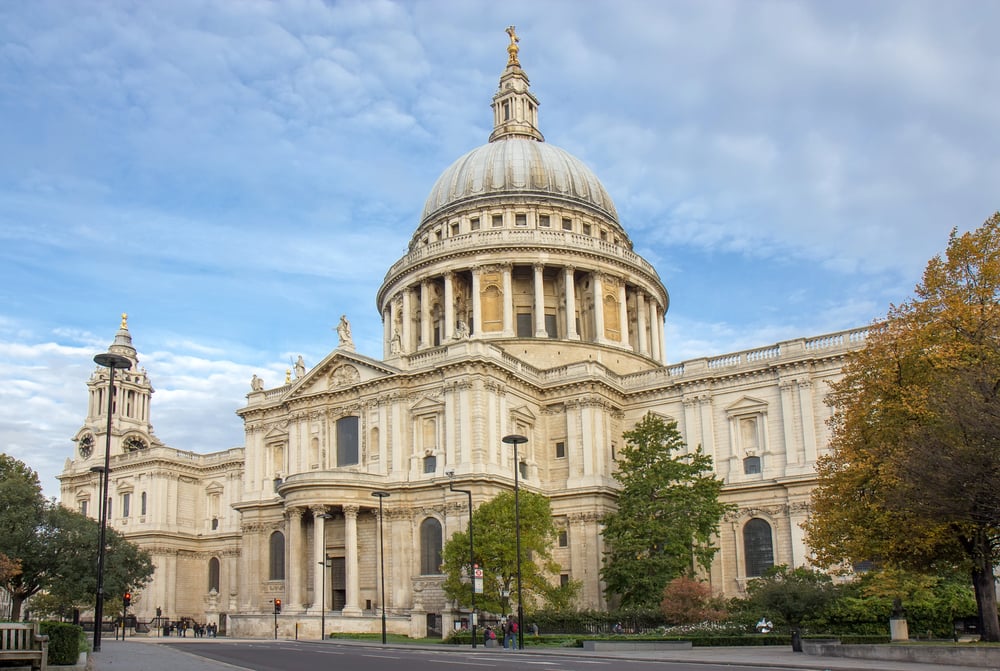
London’s iconic St. Paul’s Cathedral stands on ground that has been a burial site for over 1,400 years. The original Saxon church was built over a Roman temple and cemetery, and each subsequent reconstruction—including Christopher Wren’s masterpiece after the Great Fire of London—has revealed more ancient remains.
During restoration work in the 20th century, workers uncovered Saxon graves directly beneath the cathedral’s foundation, along with evidence of Roman cremation burials.
Like Go2Tutors’s content? Follow us on MSN.
Notre-Dame Cathedral
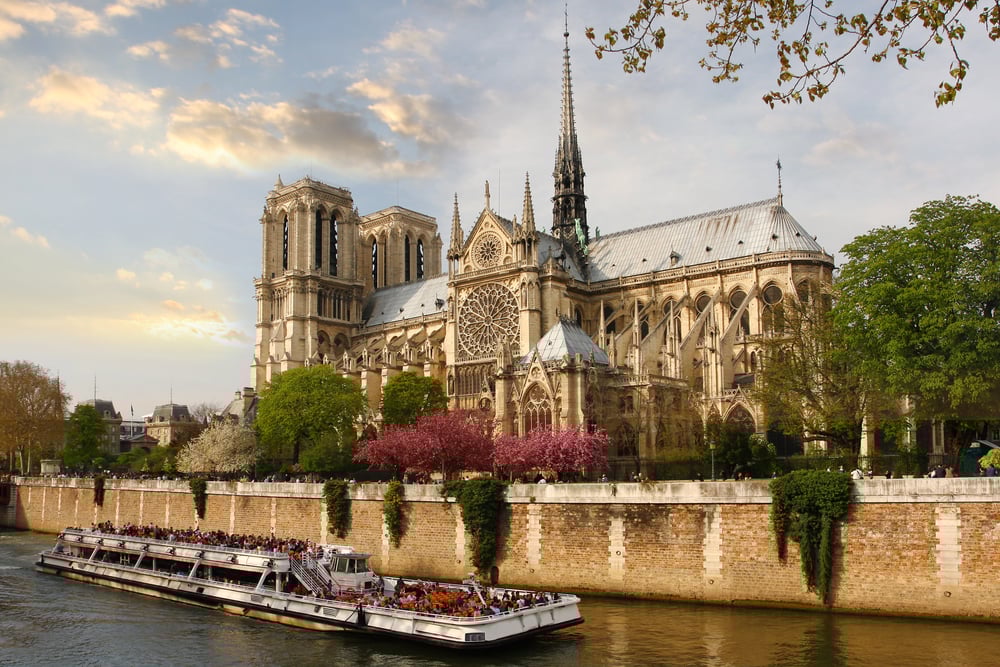
Paris’s Notre-Dame Cathedral was constructed over a Gallo-Roman necropolis that served the ancient city of Lutetia. Archaeological excavations have revealed that the cathedral’s choir sits directly above a Roman cemetery dating to the 1st century CE.
The medieval builders likely knew about these ancient burials, as Roman tombstones were frequently reused as building materials in the cathedral’s foundation walls.
Trinity Church
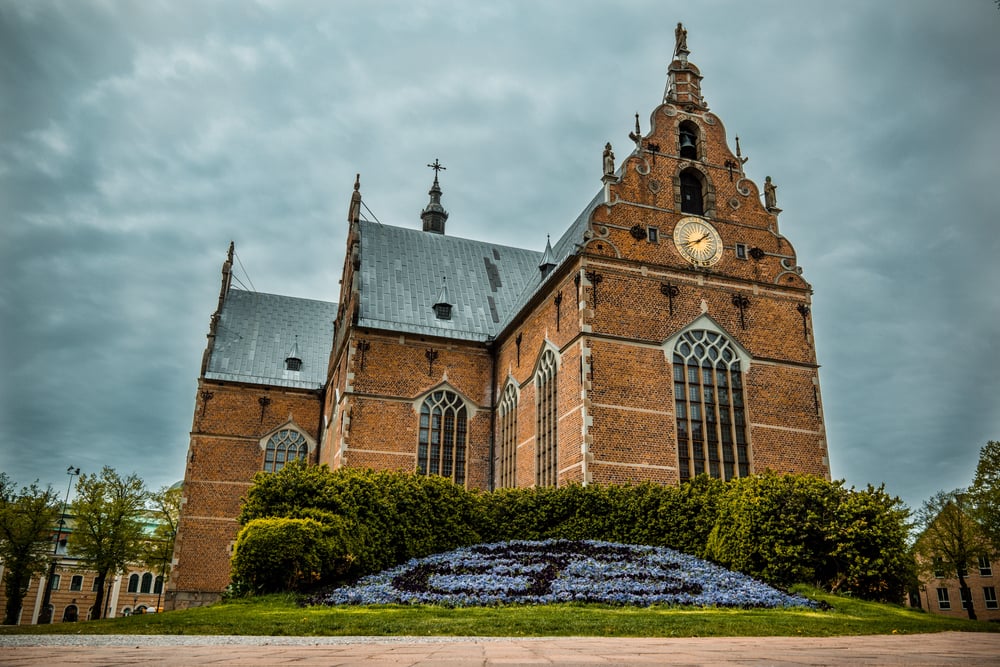
New York City’s Trinity Church, located in lower Manhattan, was built over a colonial-era burial ground that had been in use since the 1600s. The churchyard itself contains thousands of graves, but the church building sits atop an even older cemetery that was relocated when Wall Street was expanded.
During subway construction in the early 1900s, workers discovered colonial-era coffins and burial artifacts directly beneath the church’s foundation.
Mexico City Cathedral

Mexico City’s massive cathedral stands on the ruins of the Aztec Templo Mayor, which included extensive burial chambers and sacrificial sites. Spanish conquistadors deliberately chose this location to symbolically replace indigenous religious practices with Christianity.
Archaeological work has revealed that the cathedral’s foundation encompasses multiple layers of Aztec burials, including royal tombs and ritual burial chambers that date back to the 14th century.
Like Go2Tutors’s content? Follow us on MSN.
Cologne Cathedral

Germany’s Cologne Cathedral was built over a Roman cemetery that had been in continuous use for over 400 years. The original 4th-century church was constructed directly above Roman graves, and each expansion of the cathedral has revealed more ancient burial sites.
During World War II bomb damage repairs, archaeologists discovered Roman sarcophagi and burial goods directly beneath the cathedral’s famous twin spires.
Canterbury Cathedral

Canterbury Cathedral in England sits above a Saxon cemetery that was established in the 6th century, which itself was built over Roman burial grounds. The cathedral’s crypt contains evidence of multiple burial layers, with Roman graves at the deepest level and Saxon burials above them.
Thomas Becket’s shrine, one of the cathedral’s most famous features, is positioned directly over an ancient Saxon burial chamber.
Hagia Sophia
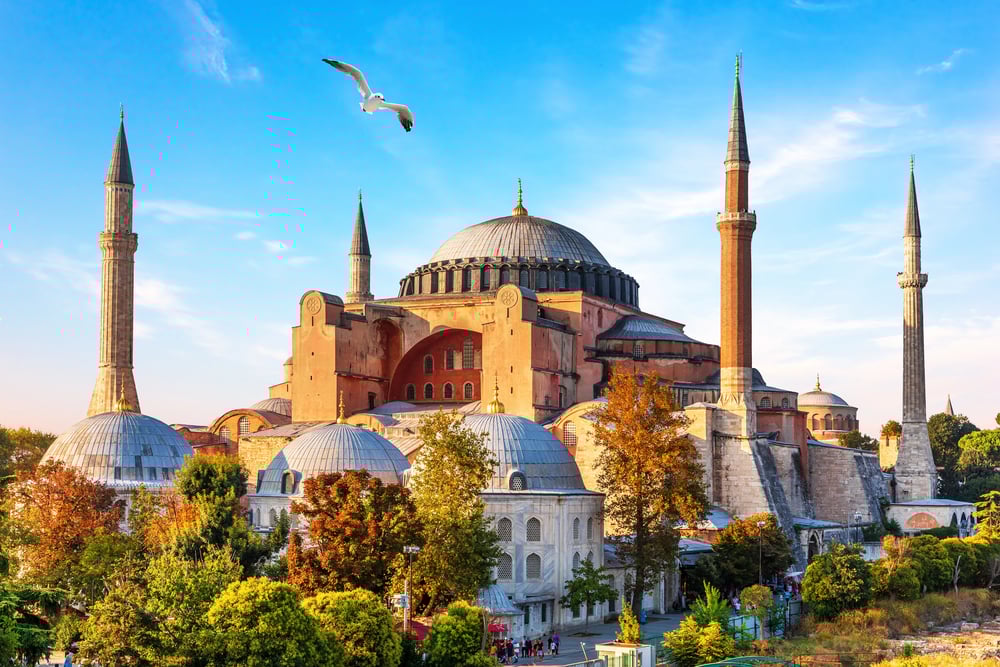
Istanbul’s Hagia Sophia was constructed over a Byzantine cemetery that had been in use since the city’s founding as Constantinople. The original church, built in the 4th century, incorporated existing burial sites into its foundation, and the current structure reveals multiple layers of graves dating back 1,500 years.
Archaeological surveys have shown that the building’s massive foundation stones rest directly on top of early Christian burial chambers.
Like Go2Tutors’s content? Follow us on MSN.
St. Peter’s Basilica

Vatican City’s St. Peter’s Basilica was deliberately built over the tomb of Saint Peter, but the construction also encompassed a much larger Roman cemetery. The Vatican Necropolis, discovered in the 1940s, reveals that the basilica sits above a extensive burial ground that was used for centuries before Christianity arrived in Rome.
The papal altar is positioned directly over what archaeologists believe to be Saint Peter’s actual grave site.
Sagrada Familia

Barcelona’s famous Sagrada Familia was built over a medieval cemetery that served the surrounding neighborhoods for over 600 years. Construction began in 1882 on land that had been recently cleared of graves, but archaeological work has shown that many burial sites remain beneath the basilica’s foundation.
The church’s unique design actually incorporates some of the original cemetery walls into its structural elements.
Church of the Holy Sepulchre

Jerusalem’s Church of the Holy Sepulchre was built over an ancient Jewish cemetery that had been in use during the time of Jesus. The church’s location was chosen specifically because early Christians believed this was where Christ was buried, but the entire area had been a traditional burial ground for centuries.
Archaeological excavations have revealed multiple layers of ancient tombs beneath the church’s foundation, including first-century Jewish burial caves.
Like Go2Tutors’s content? Follow us on MSN.
Milan Cathedral

Milan’s Gothic cathedral stands on the site of an early Christian basilica that was built over a Roman cemetery. The original 4th-century church incorporated existing Roman burial sites, and the current cathedral’s construction in the 14th century revealed extensive ancient grave sites.
The cathedral’s famous spires rise directly above what archaeologists have identified as a Roman necropolis that was in use for over 300 years.
Where the Past Meets the Present

These remarkable buildings demonstrate how cities have always grown organically, layering new construction over old burial grounds without necessarily intending disrespect. Many of these discoveries have actually enhanced our understanding of ancient cultures and burial practices, turning construction sites into valuable archaeological opportunities.
The fact that some of humanity’s most sacred and beautiful buildings rest above ancient graves creates an unintentional but profound connection between past and present worship traditions. Rather than being unsettling, these discoveries often remind us that these locations have been considered sacred ground for far longer than we initially realized.
More from Go2Tutors!

- 16 Historical Figures Who Were Nothing Like You Think
- 12 Things Sold in the 80s That Are Now Illegal
- 15 VHS Tapes That Could Be Worth Thousands
- 17 Historical “What Ifs” That Would Have Changed Everything
- 18 TV Shows That Vanished Without a Finale
Like Go2Tutors’s content? Follow us on MSN.