Bands That Only Had One Big Hit
You probably know more one-hit wonders than you realize. These songs become part of the cultural landscape—played at weddings, sporting events, and summer barbecues for decades.
But the bands behind them? Most people couldn’t name another song if you asked. The phenomenon cuts across every genre and generation.
Some artists fought hard to escape the shadow of their one massive hit. Others embraced it, touring on that single song for the rest of their careers.
And a few just disappeared entirely, leaving behind nothing but that one perfect moment captured on tape.
A-ha
“Take On Me” became impossible to escape in 1985. The pencil-sketch music video played constantly on MTV, and that synthesizer hook wormed its way into everyone’s brain.
The Norwegian band had other songs that charted in Europe, but American radio moved on quickly. They kept making albums for decades, but nothing else broke through.
The band members resented being labeled a one-hit wonder. They pointed to their success overseas, where they maintained a solid following.
But in the U.S., they remain frozen in time—three guys in a rotating comic book, chasing a girl through drawn hallways.
Dexys Midnight Runners

“Come On Eileen” owns 1982. Those overalls, that fiddle, and Kevin Rowland’s passionate vocals created something that felt both nostalgic and fresh.
The song topped charts worldwide and became a staple at every school dance and wedding reception for the next forty years. The band had actually scored a number one hit in the UK before with “Genie in a Bottle,” but American audiences only knew “Eileen.”
Rowland kept reforming the band under various lineups, trying different sounds and styles. Nothing stuck.
He eventually performed solo shows where he’d play the hit multiple times per night, just because people demanded it.
Soft Cell
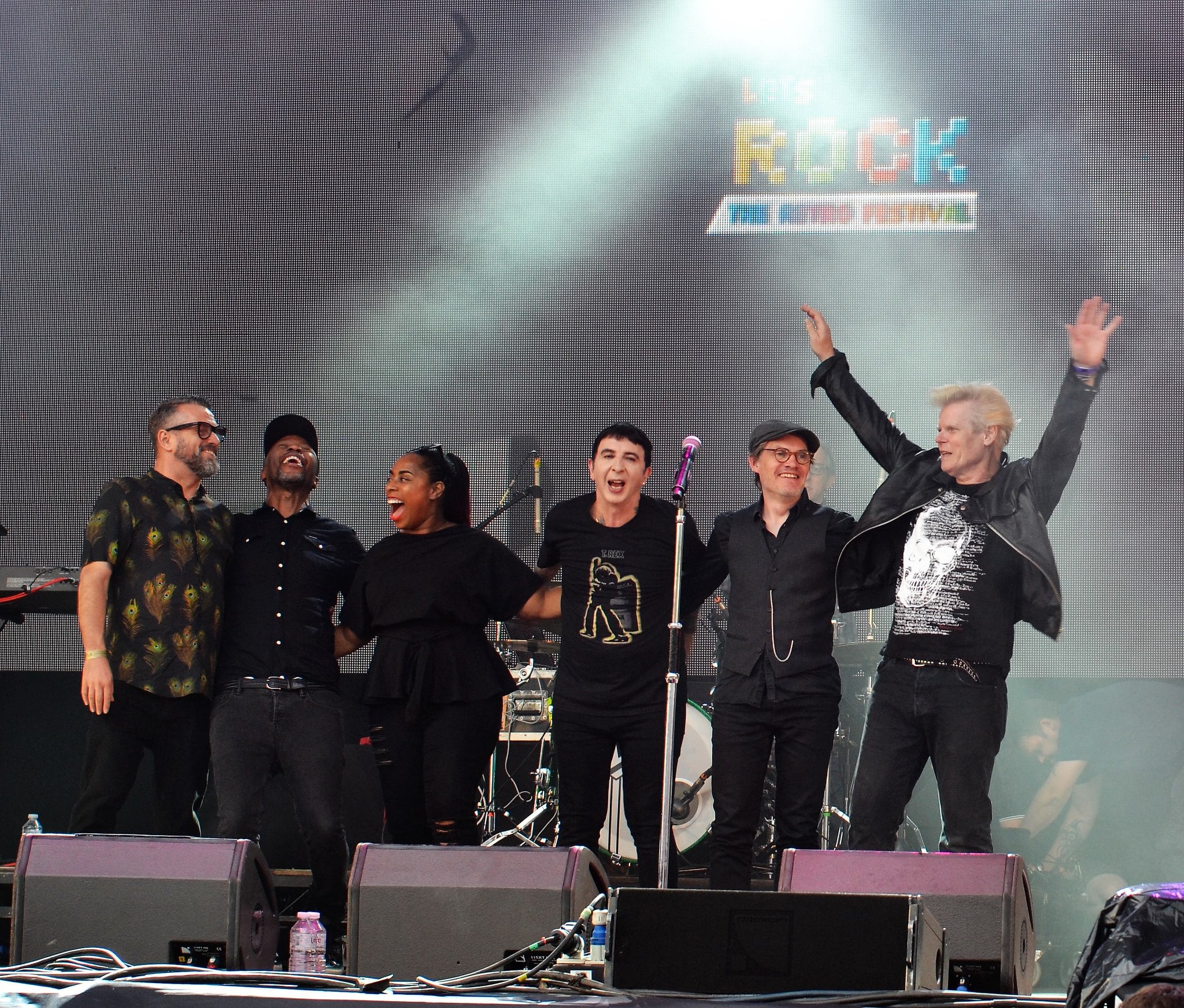
Marc Almond’s voice dripped with desperation on “Tainted Love.” The 1981 synth-pop cover transformed an obscure northern soul track into a global phenomenon.
The electronic production felt futuristic, but the emotion felt ancient—betrayal, jealousy, heartbreak. Soft Cell released several albums and had moderate success with other singles in the UK.
But “Tainted Love” overshadowed everything else they did. The song became bigger than the band, covered and sampled endlessly.
Almond went on to have a respected solo career, but most people still only know him as the guy from “Tainted Love.”
Blind Melon
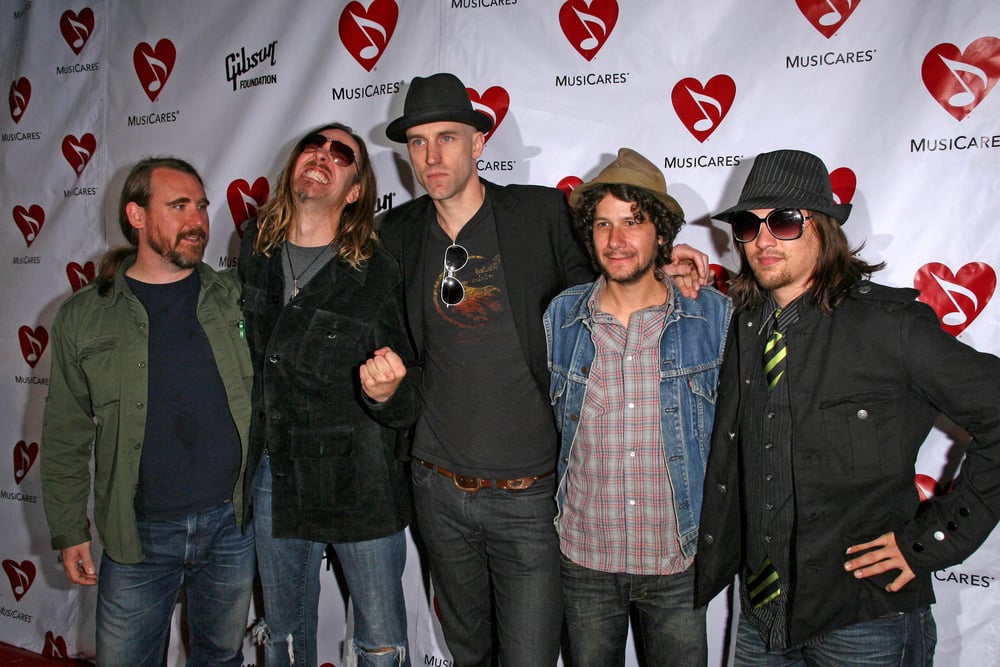
Shannon Hoon’s voice carried both sunshine and sadness. “No Rain” became a defining song of 1993, and that music video with the bee girl struck a chord with the MTV generation.
The track felt optimistic on the surface, but something darker lurked underneath—a quality that made more sense after Hoon died of an overdose just two years later. The band’s self-titled debut went multi-platinum, but radio only cared about one song.
Their follow-up album received good reviews but barely sold. After Hoon’s death, Blind Melon became a cautionary tale.
That one song survived, though, still played on alternative rock stations today.
The Verve
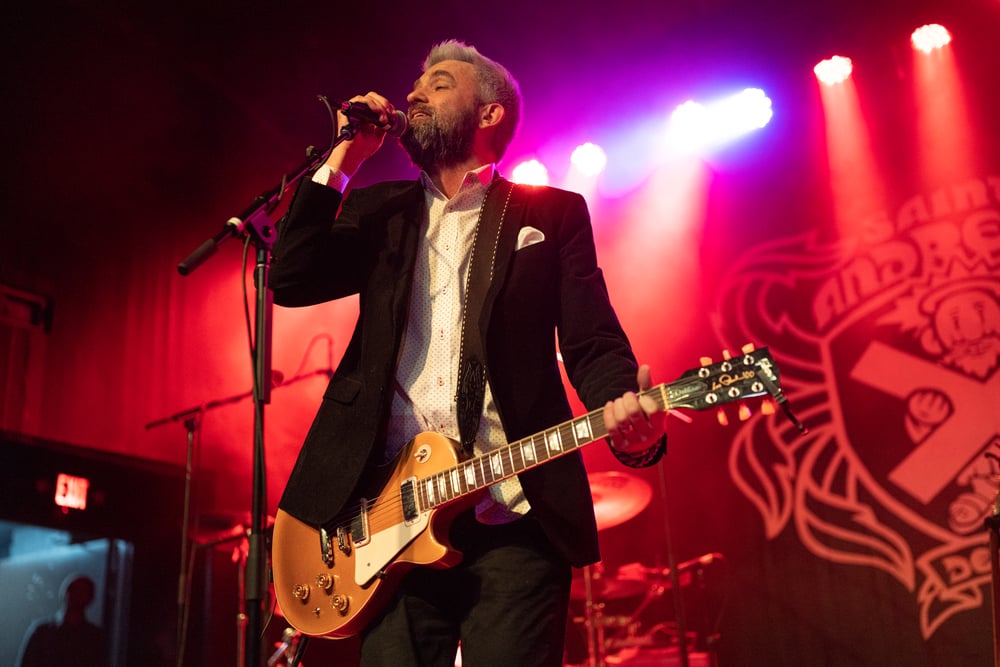
“Bitter Sweet Symphony” builds and builds, that string sample creating waves of emotion. Richard Ashcroft walking down the street in the video, refusing to move for anyone, became an iconic image of the late 90s.
The song felt epic and intimate at the same time. The legal troubles around the sample overshadowed everything.
The Rolling Stones’ former manager took all the songwriting credits and royalties, leaving the band with nothing. The Verve had other songs that charted in the UK, but American audiences tuned out after this one.
Ashcroft went solo and never escaped comparisons to that one perfect track.
Spacehog
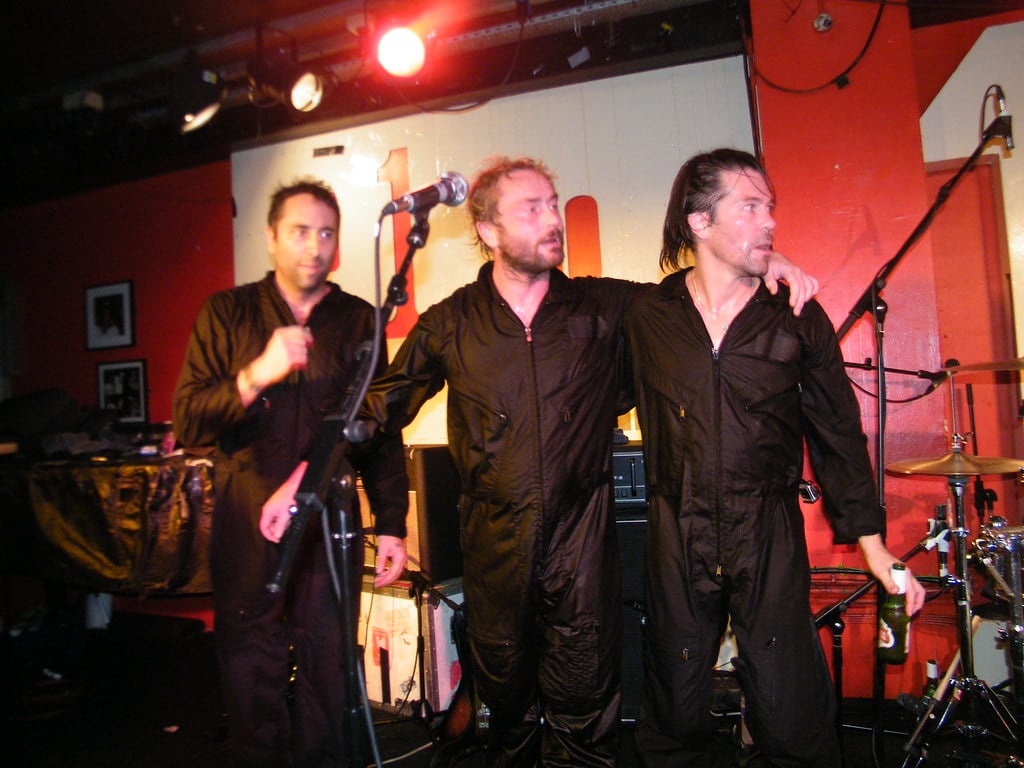
“In the Meantime” sounds like glam rock filtered through 90s alternative production. Released in 1996, the song had swagger and hooks for days.
The video played constantly on MTV2, and rock radio embraced it immediately. Then nothing.
Spacehog released three more albums, but none made an impact. The band members seemed confused by their own success—they’d been aiming for a cult following, not mainstream radio play.
They got their wish, though not in the way they wanted. After “In the Meantime” faded, they became exactly what they’d hoped to be: a band with a devoted but small fanbase.
The Baha Men
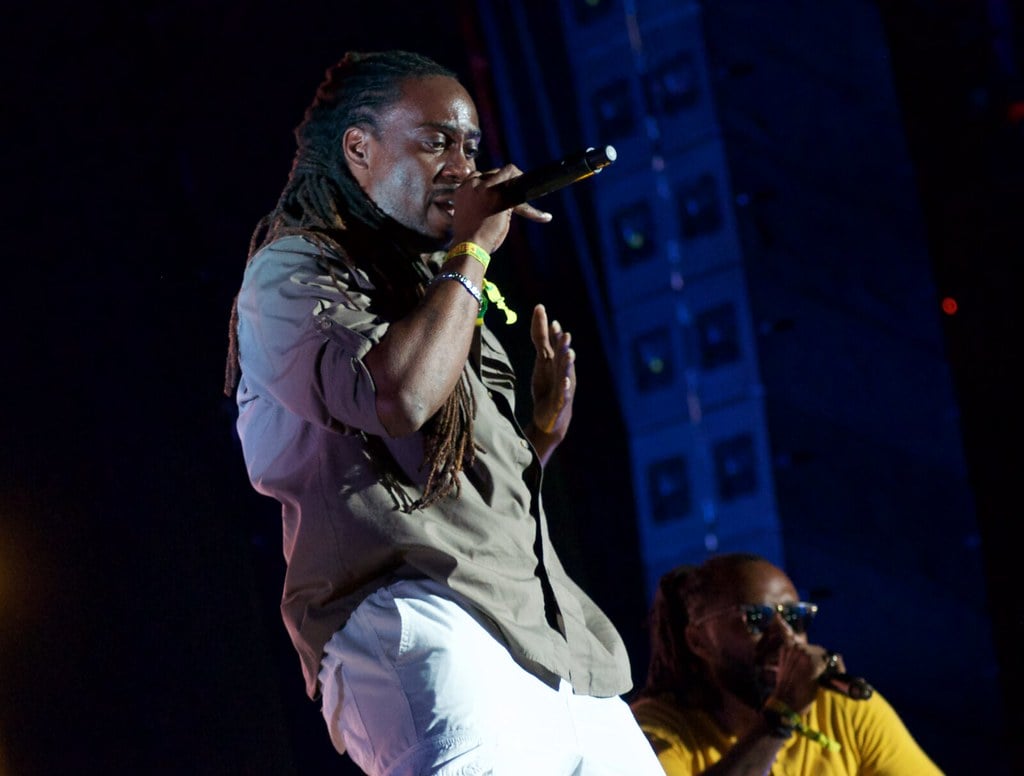
You can’t think about 2000 without hearing “Who Let the Dogs Out.” The song became inescapable—sports arenas, commercials, children’s parties, everywhere.
The Bahamian group had been making music for years before this novelty track took off. They probably wish they’d never recorded it.
The song made them rich but also made them a punchline. They released more albums, won a Grammy, and toured extensively.
But you can’t fight cultural memory. They’re the “Who Let the Dogs Out” band, and that’s all they’ll ever be to most people.
Chumbawamba

“Tubthumping” captures a very specific moment in 1997—optimistic, defiant, and impossibly catchy. The chorus became an anthem for underdogs everywhere.
People sang it at protests and parties, often without knowing any other lyrics from the song. Chumbawamba had been a radical anarchist collective for over a decade before this hit.
They made punk music and political statements, not pop songs. The massive success of “Tubthumping” complicated their identity.
They used the money to fund activist causes, but the contradiction never fully resolved. They broke up in 2012, having never come close to replicating that one moment of chart success.
Tonic

“If You Could Only See” dominated rock radio in 1997. Emerson Hart’s yearning vocals and that minor key progression created something that felt both romantic and tragic.
The song had staying power—it still gets played on classic rock stations today. Tonic released four albums and had a few other songs chart modestly.
But “If You Could Only See” remained their calling card. The band went on hiatus multiple times, with Hart pursuing solo projects.
But they kept reuniting to tour, mostly because venues wanted to book them for that one song. Hart seemed at peace with it, understanding that lightning rarely strikes twice.
Ini Kamoze

“Here Comes the Hotstepper” burned up the charts in 1994. The reggae-inflected hip-hop track felt fresh and fun, with Kamoze’s delivery threading the line between singing and toasting.
The “na na na na na” hook made it perfect for radio. Kamoze had a long career in Jamaica as a reggae artist before this crossover hit.
He worked with Sly and Robbie, released multiple albums, and maintained respect in the reggae community. But none of that mattered to American audiences.
They wanted more “Hotstepper,” and when he didn’t deliver, they moved on.
Marcy Playground

Their song drips with 90s alternative atmosphere. That slide guitar, the mumbly vocals, the cryptic lyrics—it all created a mood that defined late-night MTV in 1997.
The song felt mysterious and slightly dangerous. John Wozniak wrote incredibly personal, often dark lyrics for Marcy Playground’s other songs.
Critics praised his songwriting, but radio didn’t care. The band kept making albums for years, building a small but dedicated following.
Wozniak seemed okay with being a one-hit wonder, as long as he could keep making music on his own terms.
Harvey Danger
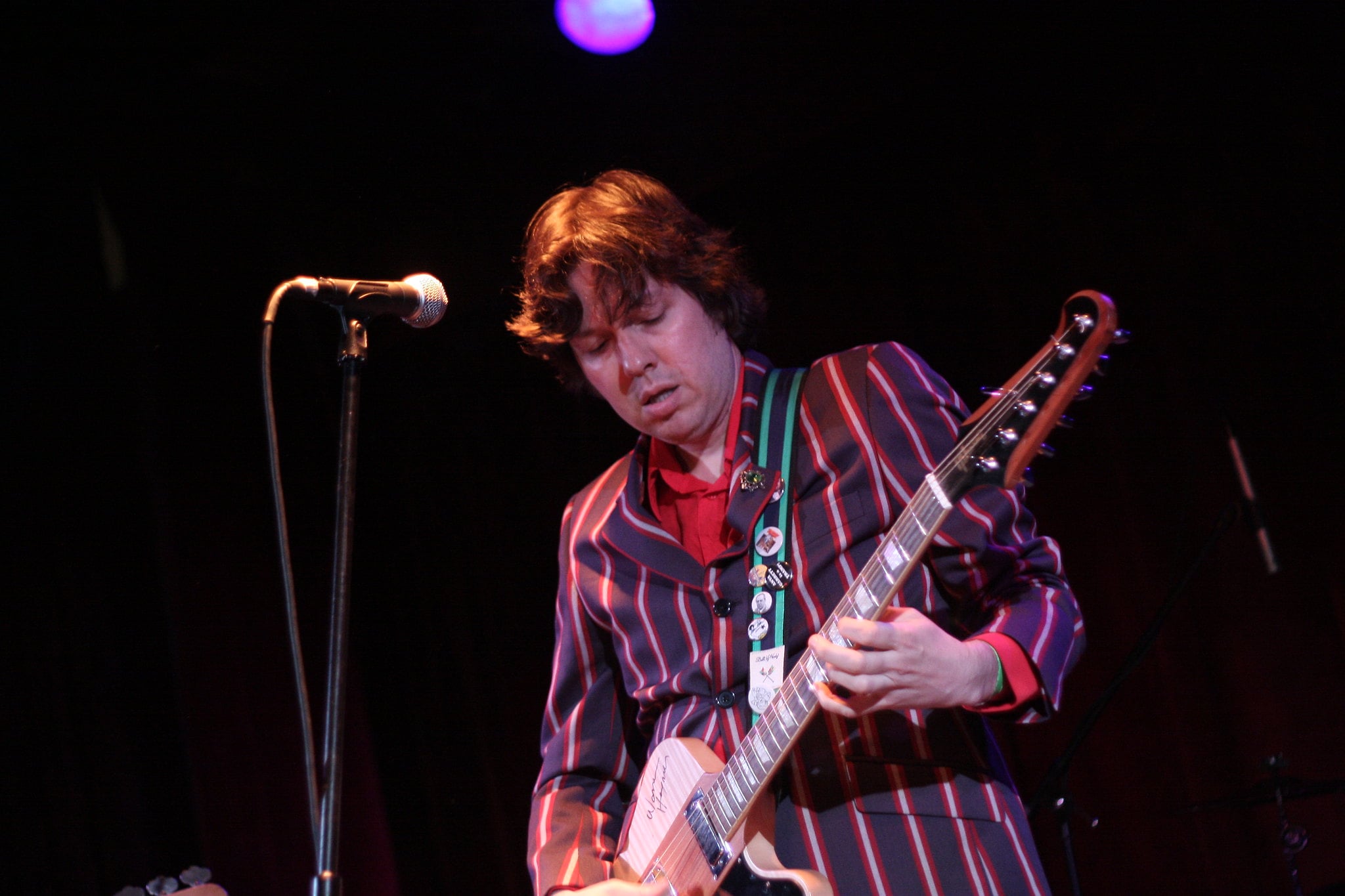
“Flagpole Sitta” became an anthem for smart-aleck teenagers in 1998. Sean Nelson’s rapid-fire delivery of clever, bitter lyrics resonated with the disaffected youth who’d grown tired of earnest alternative rock.
The song felt like a knowing wink to everyone who got the joke. Harvey Danger made three more albums, each one receiving good reviews and selling poorly.
They eventually gave their music away for free online, acknowledging that the traditional music industry had given up on them. The band broke up in 2009, but “Flagpole Sitta” lives on, still played at college parties and alternative nights at clubs.
Sixpence None the Richer

First dances everywhere carried that tune once “Kiss Me” arrived in 1998. A hush came with Leigh Nash’s voice, soft against the quiet strum of guitar.
It wasn’t loud, yet somehow it stayed present, lingering past moments meant for two. Decades might pass – still sounds like it belongs.
Out of church circles they came, putting out records through faith-based outfits till things shifted wider. That track “Kiss Me” hit like lightning – then the next release fizzled fast.
Split apart by 2004, though time pulled them back together down the road. These days gigs pop up here and there, mostly filled with folks just waiting for those familiar opening notes.
Songs That Live Beyond the People Who Made Them
Some groups made music that just sticks around. You hear their tracks while buying groceries, riding up in lifts, or waiting through ads on TV.
Whole generations tie those sounds to personal recollections. Those who sang them exist in an odd space – widely recognized for a single hit, yet overlooked for all their other efforts.
Now and then, people latch onto strange things. Some welcomed it right away.
Not everyone did – some spent entire working lives pushing back. Luck shapes what sticks around.
Maybe you labor for years perfecting every detail. Hundreds of tracks might come out of that effort.
Still, only a short clip survives – three minutes taped on an unremarkable afternoon in some recording room.
More from Go2Tutors!

- The Romanov Crown Jewels and Their Tragic Fate
- 13 Historical Mysteries That Science Still Can’t Solve
- Famous Hoaxes That Fooled the World for Years
- 15 Child Stars with Tragic Adult Lives
- 16 Famous Jewelry Pieces in History
Like Go2Tutors’s content? Follow us on MSN.