15 Abandoned Projects That Cost Millions Before Being Shut Down
Ambitious projects sometimes leave behind just hollow promises and depleted financial accounts when they fail. These great failures serve as a reminder that even with significant money and lofty goals, projects can nevertheless struggle under the burden of mismanagement, shifting priorities, or technological constraints.
Here are 15 abandoned projects that consumed millions of dollars before dying prematurely.
The Superconducting Super Collider
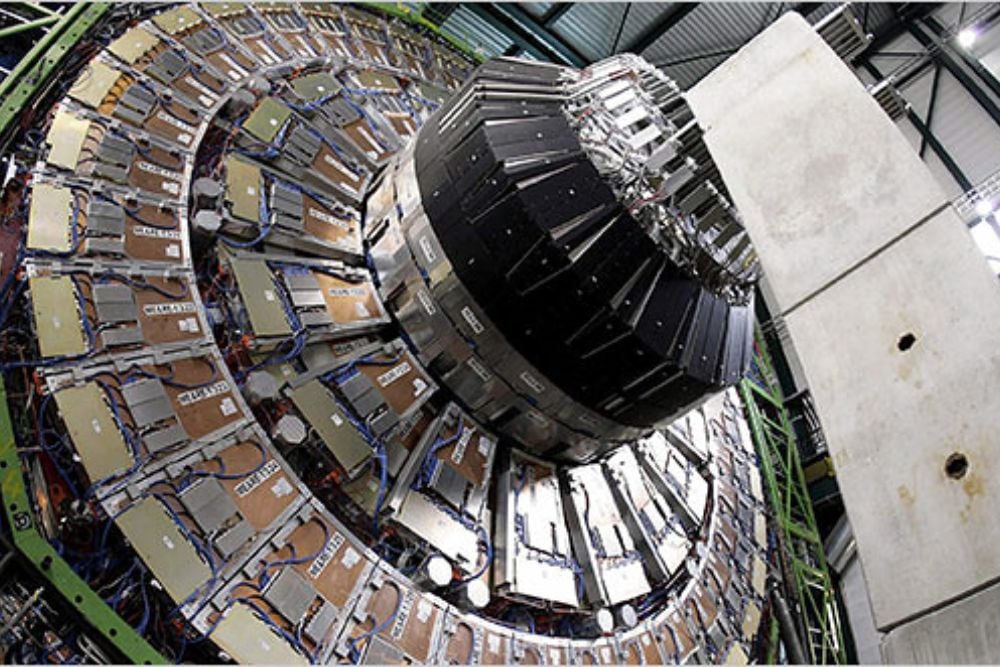
The United States once dreamed of building the world’s largest particle accelerator in Texas during the late 1980s. After spending $2 billion and completing 14 miles of tunnels, Congress canceled funding in 1993.
The abandoned site, which would have revolutionized physics research, now sits empty with sealed tunnels as a monument to shifting scientific priorities.
Montreal’s Olympic Stadium Tower
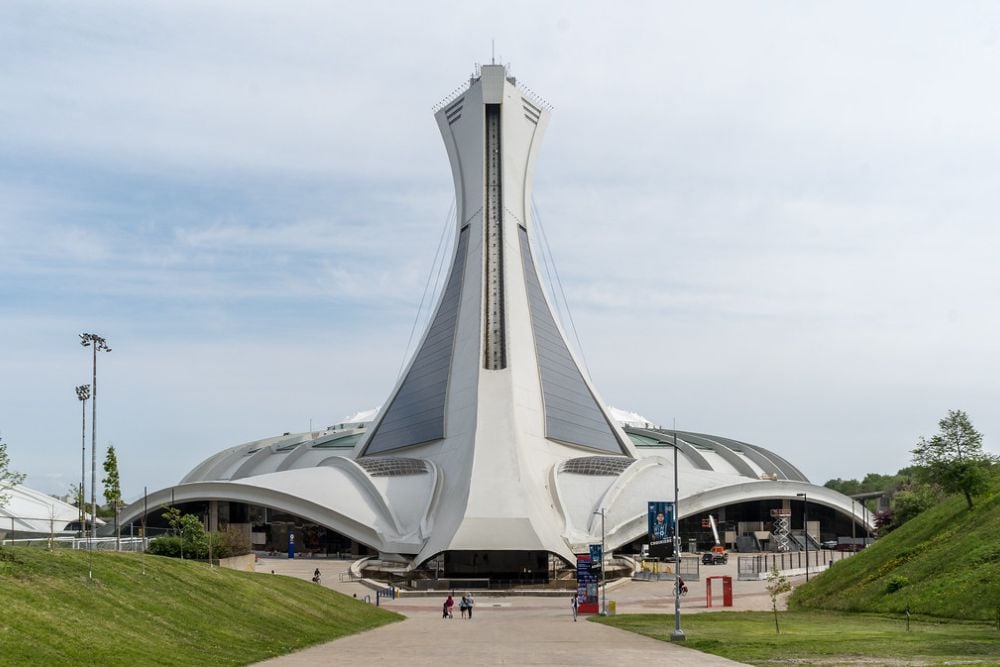
Nicknamed ‘The Big O’ (or less flatteringly, ‘The Big Owe’), Montreal’s Olympic Stadium wasn’t completed until 1987, despite the Olympics being held in 1976. The retractable roof never properly functioned despite $1.5 billion in costs.
Authorities eventually abandoned attempts to make the roof work properly, converting it to a fixed structure after decades of failures.
California’s High-Speed Rail
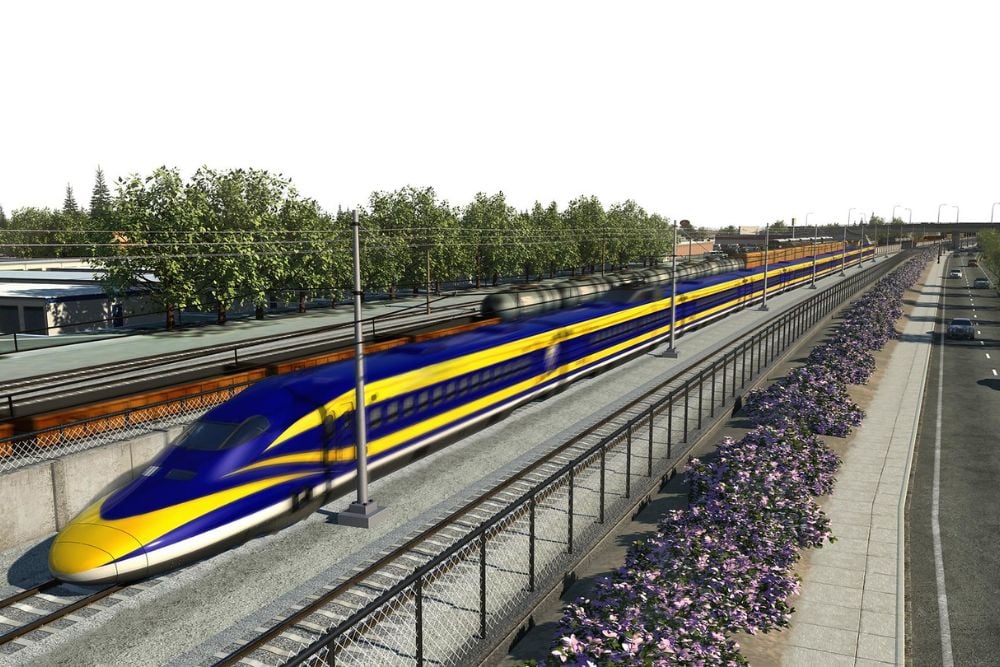
Since voters endorsed California’s bold proposal to link Los Angeles and San Francisco with high-speed trains in 2008, it has encountered unrelenting challenges. Though it has spent more than $10 billion, the project has only finished a little center section.
Initial projections of $33 billion swelled to almost $100 billion as political backing declined, causing completion dates to be pushed back many times.
The Ryugyong Hotel
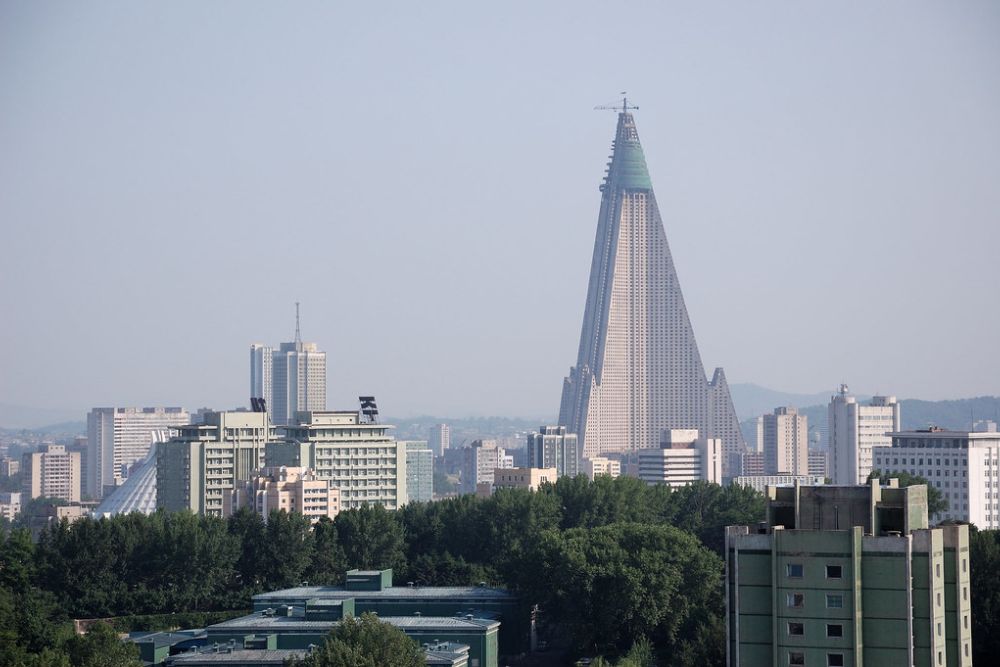
North Korea began construction on what would have been the world’s tallest hotel in 1987, only to abandon the project in 1992 after spending an estimated $750 million. The 105-story concrete shell remained empty for 16 years until construction resumed in 2008.
Despite exterior completion, the interior remains unfinished, and no guests have ever stayed in this “Hotel of Doom.”
Miami Marine Stadium
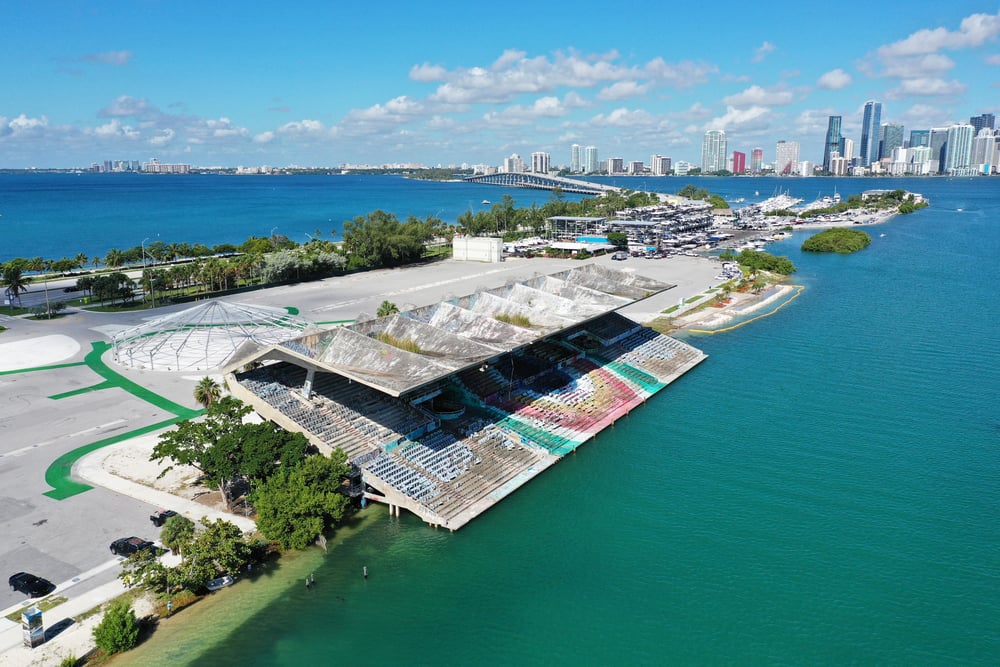
This modernist concrete structure hosted boat races and concerts on Biscayne Bay from 1963 until Hurricane Andrew damaged it in 1992. Officials deemed it unsafe and abandoned the venue after spending millions on its construction and maintenance.
The distinctive landmark became a canvas for graffiti artists for decades until recent preservation efforts began to restore it at a cost of $45 million.
The Denver International Airport Automated Baggage System
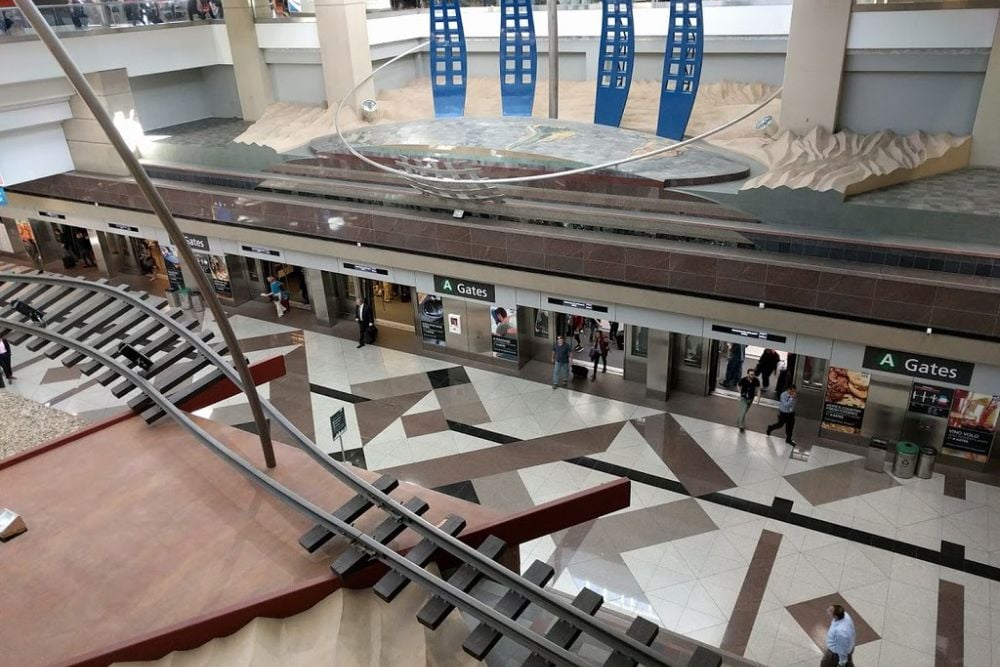
When Denver International Airport opened in 1995, its revolutionary automated baggage system was supposed to transport luggage at 20 mph through 26 miles of track. After spending $238 million, the system mangled and misplaced bags during testing.
The airport opened 16 months late and eventually abandoned the automated system entirely, reverting to traditional baggage handling methods.
Disney’s America Theme Park
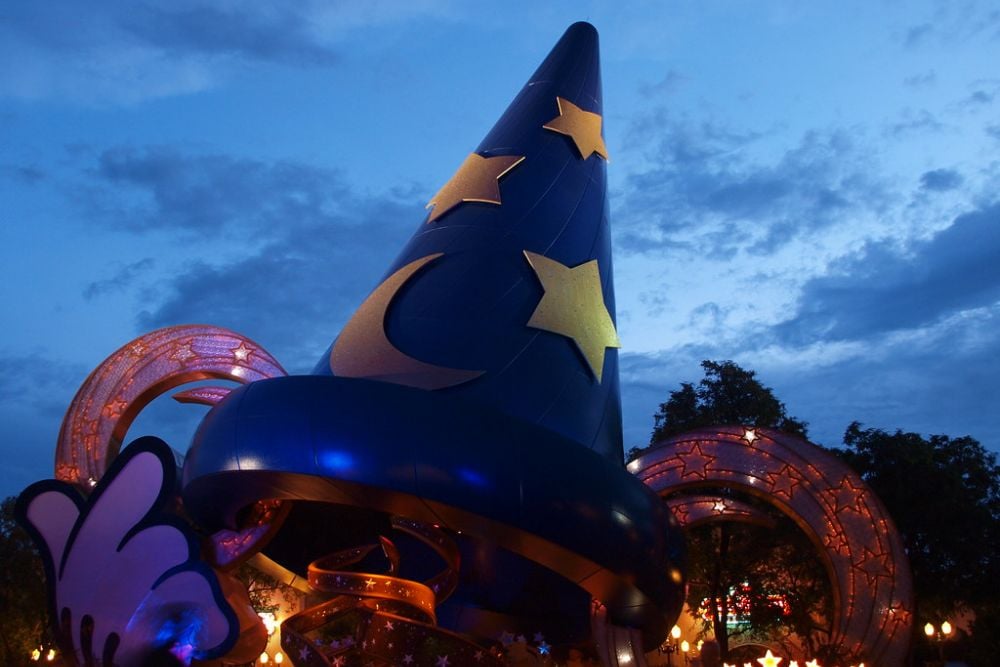
Disney spent around $100 million developing plans for a history-themed park in Virginia during the early 1990s. Local opposition to the project’s potential environmental impact and concerns about historical trivialization led Disney to abandon the concept entirely in 1994.
The land was sold without a single attraction being built, making it one of Disney’s most expensive abandoned concepts.
The New York City Pneumatic Transit
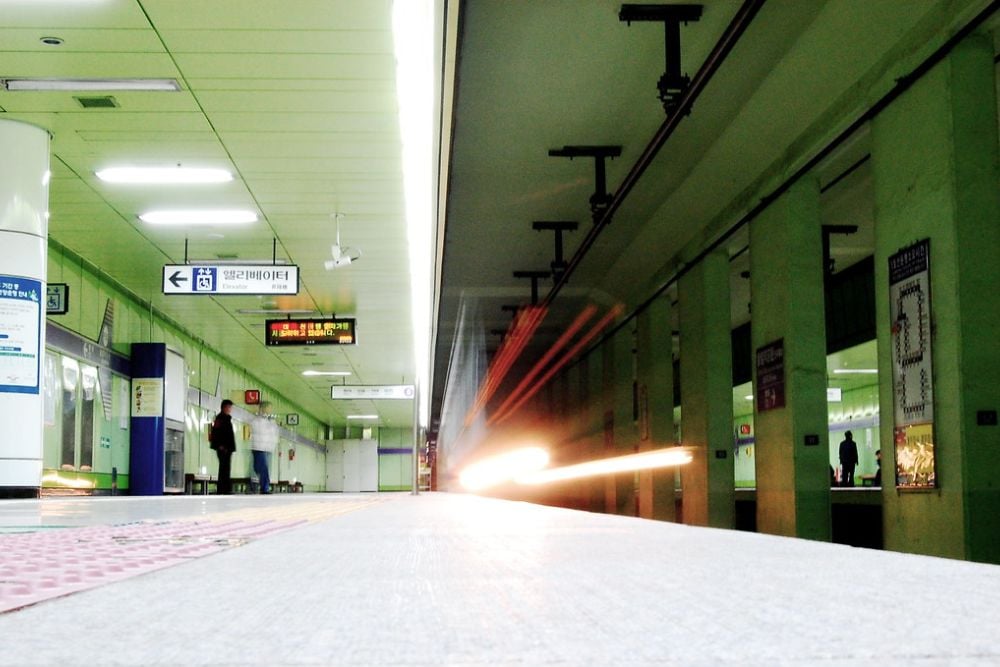
In 1870, Alfred Beach secretly built a pneumatic subway demonstration beneath Broadway using air pressure to propel rail cars. After spending the equivalent of millions in today’s dollars, financial difficulties following the 1873 market crash killed further development.
The tunnel was sealed and largely forgotten until construction workers rediscovered it in 1912.
The R.J. Reynolds Premier Cigarette
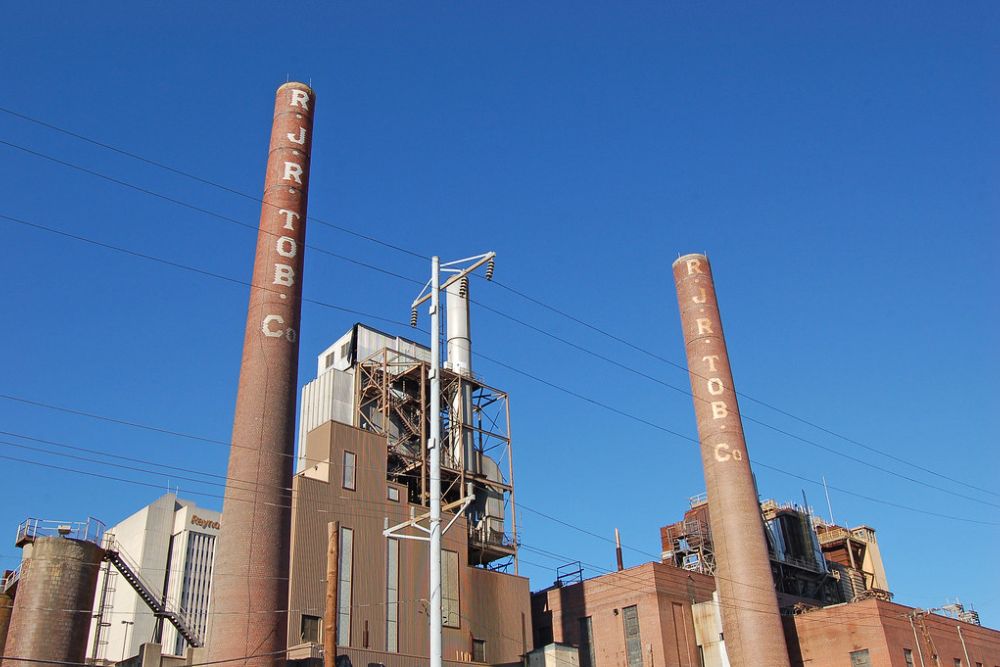
In the 1980s, R.J. Reynolds invested around $1 billion creating a smokeless cigarette known as Premier. Consumers loathed the product despite the great expenditure, calling its flavor “burning plastic” and grumbling about the difficult lighting procedure.
After only four months, the company removed Premier from stores, so ranking it among the most expensive product failures ever.
The Mixed Oxide Fuel Fabrication Facility
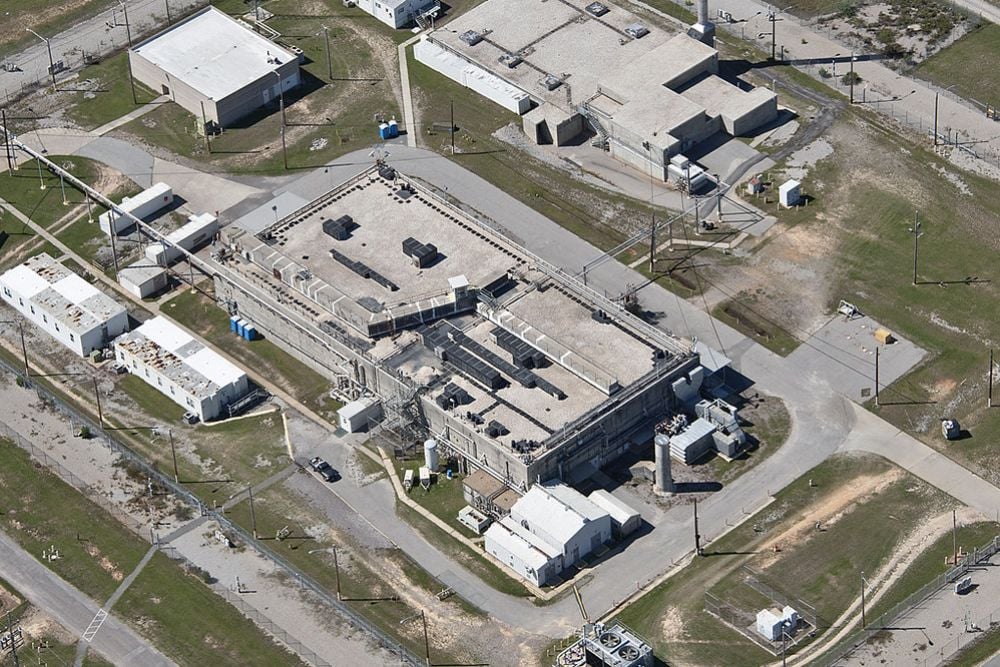
The U.S. Department of Energy began construction on this South Carolina facility in 2007 to convert weapons-grade plutonium into nuclear fuel. After spending $7.6 billion—with completion costs projected to reach $17 billion—the government terminated the project in 2018.
The partially built facility now sits abandoned, a costly reminder of changing nuclear priorities.
The Chicago Spire
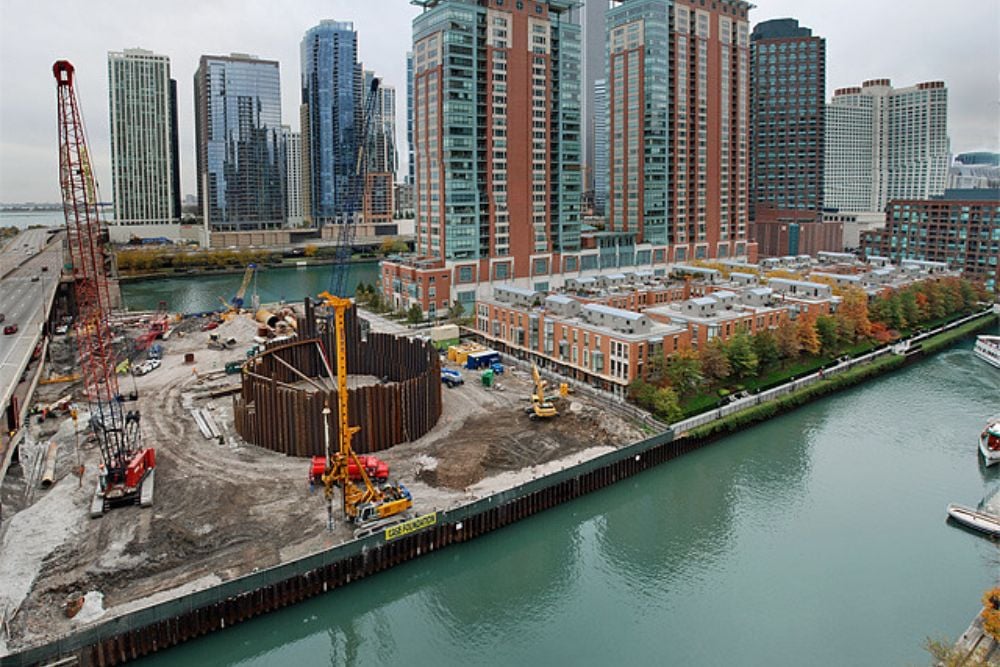
Designed to be the tallest building in the Western Hemisphere at 2,000 feet, the Chicago Spire broke ground in 2007 but only completed its foundation before the 2008 financial crisis hit. After spending approximately $300 million, developers abandoned the project, leaving nothing but a circular hole in the ground that locals dubbed ‘the bathtub’ until the site was finally filled in years later.
The World Islands
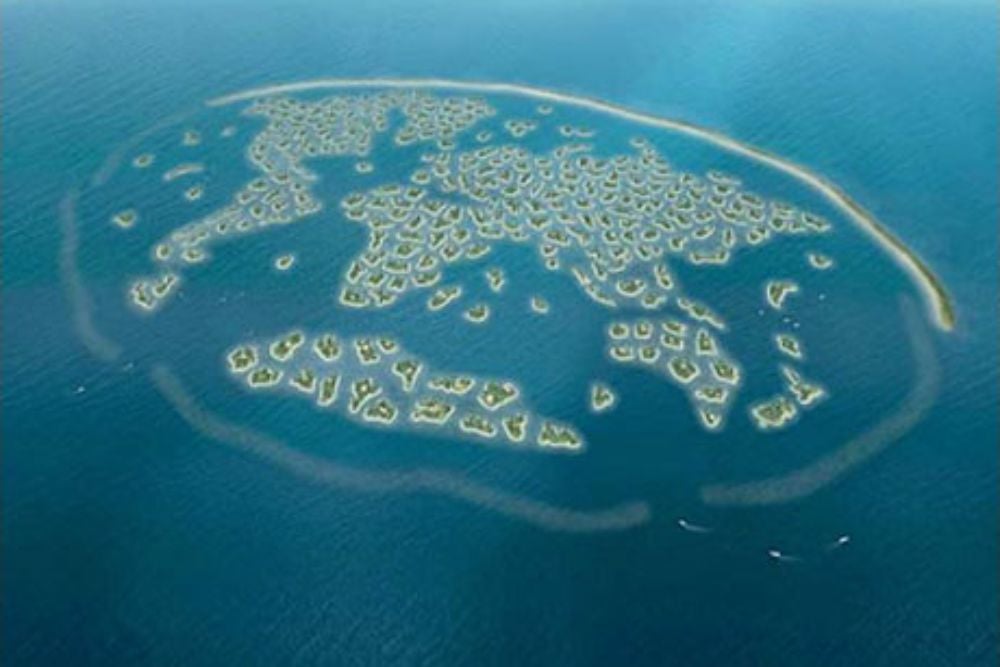
Dubai’s ambitious artificial archipelago consists of 300 islands arranged to resemble a world map. Construction began in 2003, costing $14 billion to complete the islands themselves.
However, development stalled after the 2008 financial crisis, with most islands remaining empty. Despite the massive investment, only a handful of islands saw any construction, with most returning to their natural state as erosion took its toll.
Xanadu Meadowlands
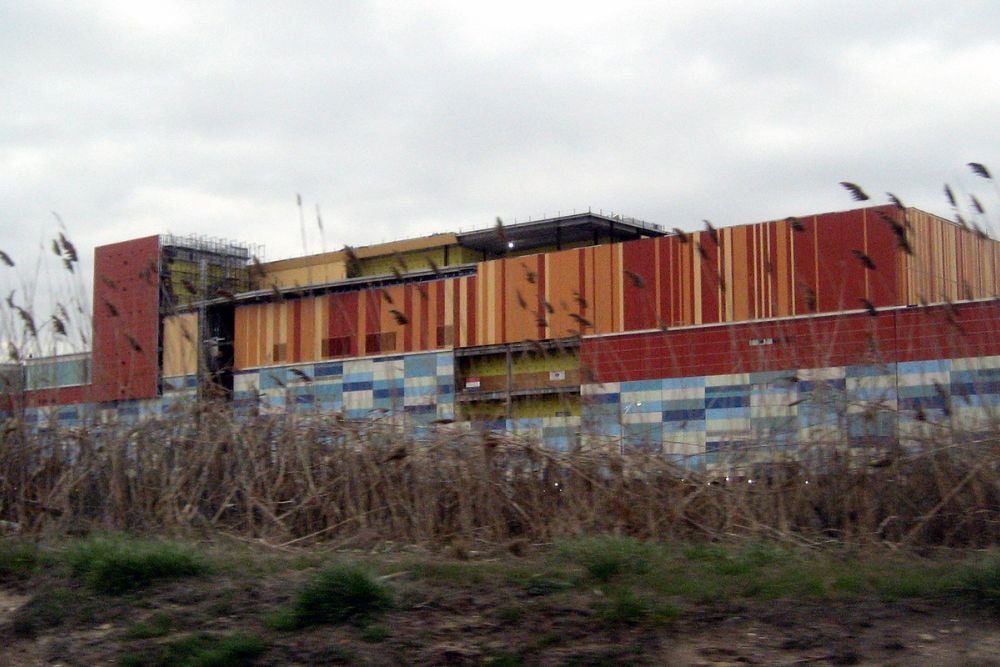
This massive New Jersey entertainment complex began construction in 2004 with an estimated cost of $1.3 billion. After multiple ownership changes and over $5 billion spent, the gaudy, multicolored structure sat unfinished for years.
The abandoned project, once called ‘the ugliest building in New Jersey,’ was eventually reimagined as the American Dream mall, which opened in 2019 after 15 years of development.
The Bloomfield Science Museum IMAX
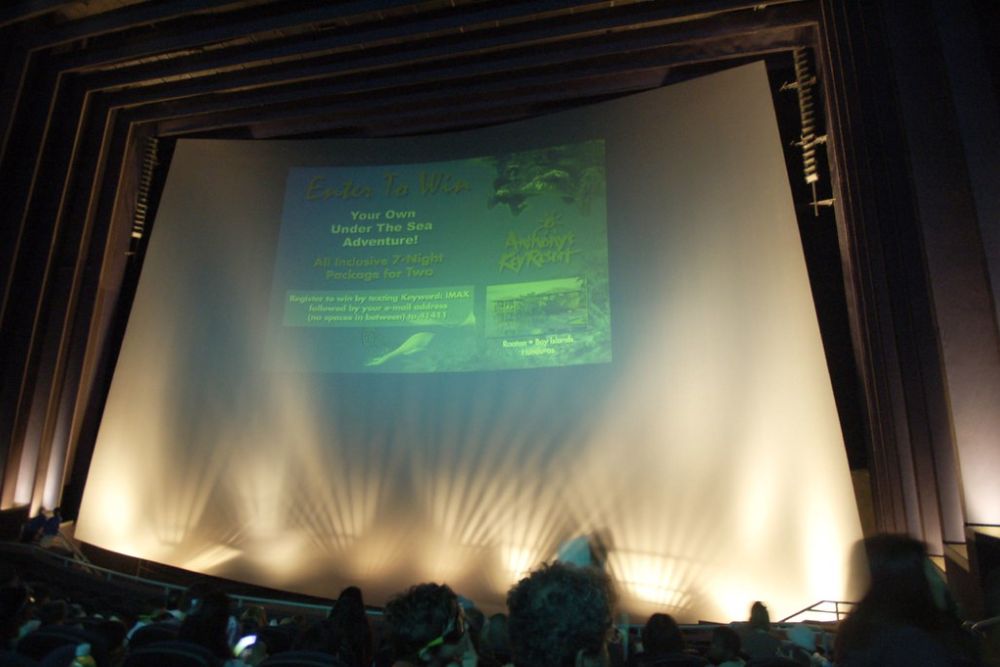
In the early 1990s, Jerusalem’s Bloomfield Science Museum invested almost $4 million constructing an IMAX cinema. Low attendance and technological issues caused the facility to close after only a few years of operation.
Much of the costly projection equipment was dismantled; the large area and specialized tools lay unused for more than ten years before being turned into normal exhibition space.
The Central Artery/Tunnel Project
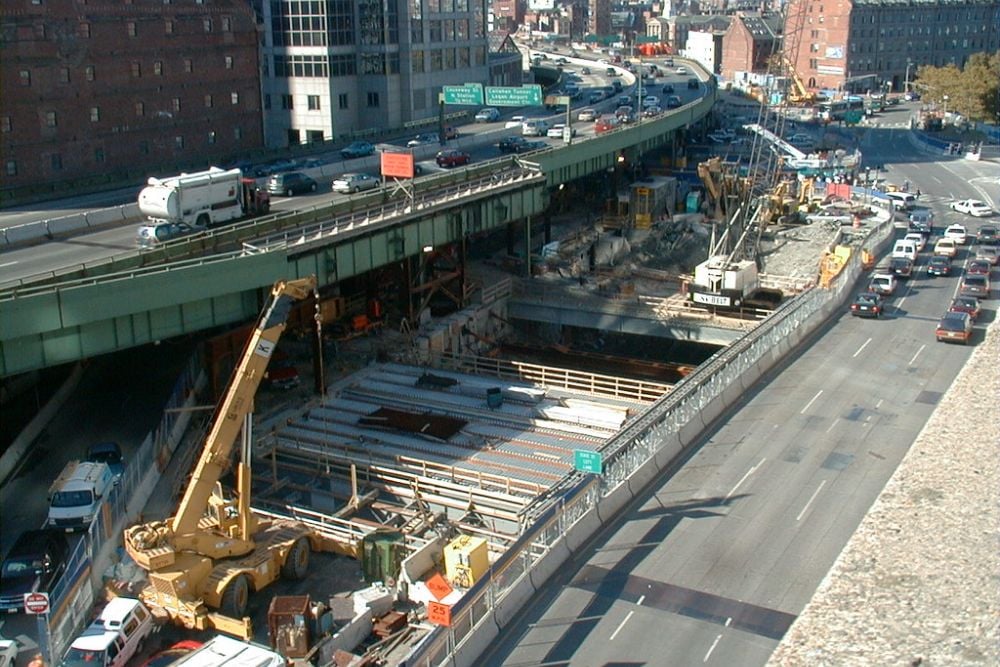
Boston’s “Big Dig” wasn’t technically abandoned, but parts of the project were significantly altered or eliminated. The original scope included a rail connection between the city’s two main train stations that was ultimately scrapped after preliminary work had begun.
The project’s final cost of $24.3 billion—a 190% increase from initial estimates—made it the most expensive highway project in U.S. history.
The Ghosts of Good Intentions

These abandoned megaprojects remind us that vision alone cannot guarantee success. Each represents a perfect storm of economic shifts, political changes, technical challenges, and sometimes simple hubris.
Today’s ambitious projects would do well to study these costly lessons from history before breaking ground on the next potential billion-dollar mistake.
More from Go2Tutors!

- The Romanov Crown Jewels and Their Tragic Fate
- 13 Historical Mysteries That Science Still Can’t Solve
- Famous Hoaxes That Fooled the World for Years
- 15 Child Stars with Tragic Adult Lives
- 16 Famous Jewelry Pieces in History
Like Go2Tutors’s content? Follow us on MSN.



