17 Military Weapons That Backfired on Their Armies
Military innovation has always been a double-edged sword. Throughout history, armies have invested enormous resources into developing weapons they believed would give them decisive advantages on the battlefield. However, good intentions and brilliant engineering don’t always translate to practical success in combat situations.
From ancient times to modern warfare, some of the most ambitious military projects have ended up causing more problems than they solved. Here is a list of 17 military weapons that spectacularly backfired on the armies that deployed them.
Greek Fire

The Byzantine Empire’s secret weapon turned out to be as dangerous to its own forces as it was to enemies. Greek fire was an incendiary mixture that could burn on water, making it devastating against enemy ships.
The problem was that nobody could control where the flames went once they started spreading. Byzantine soldiers often found themselves trapped by their own weapon when wind conditions changed or when the fire spread beyond intended targets.
The exact formula was kept so secret that it was eventually lost entirely, leaving the Byzantines unable to reproduce their own creation when they needed it most.
The Puckle Gun

James Puckle’s 1718 invention promised to revolutionize warfare with its rapid-fire capability, but it became a costly disappointment for the British military. The Puckle Gun could theoretically fire 63 rounds in seven minutes, which was impressive for its time.
However, the weapon was incredibly heavy, required a tripod mount, and jammed frequently during actual combat. The British Army spent considerable resources on these guns only to discover they were less reliable than traditional muskets.
Most units abandoned them after a few battles, returning to simpler weapons that actually worked when needed.
The Maginot Line
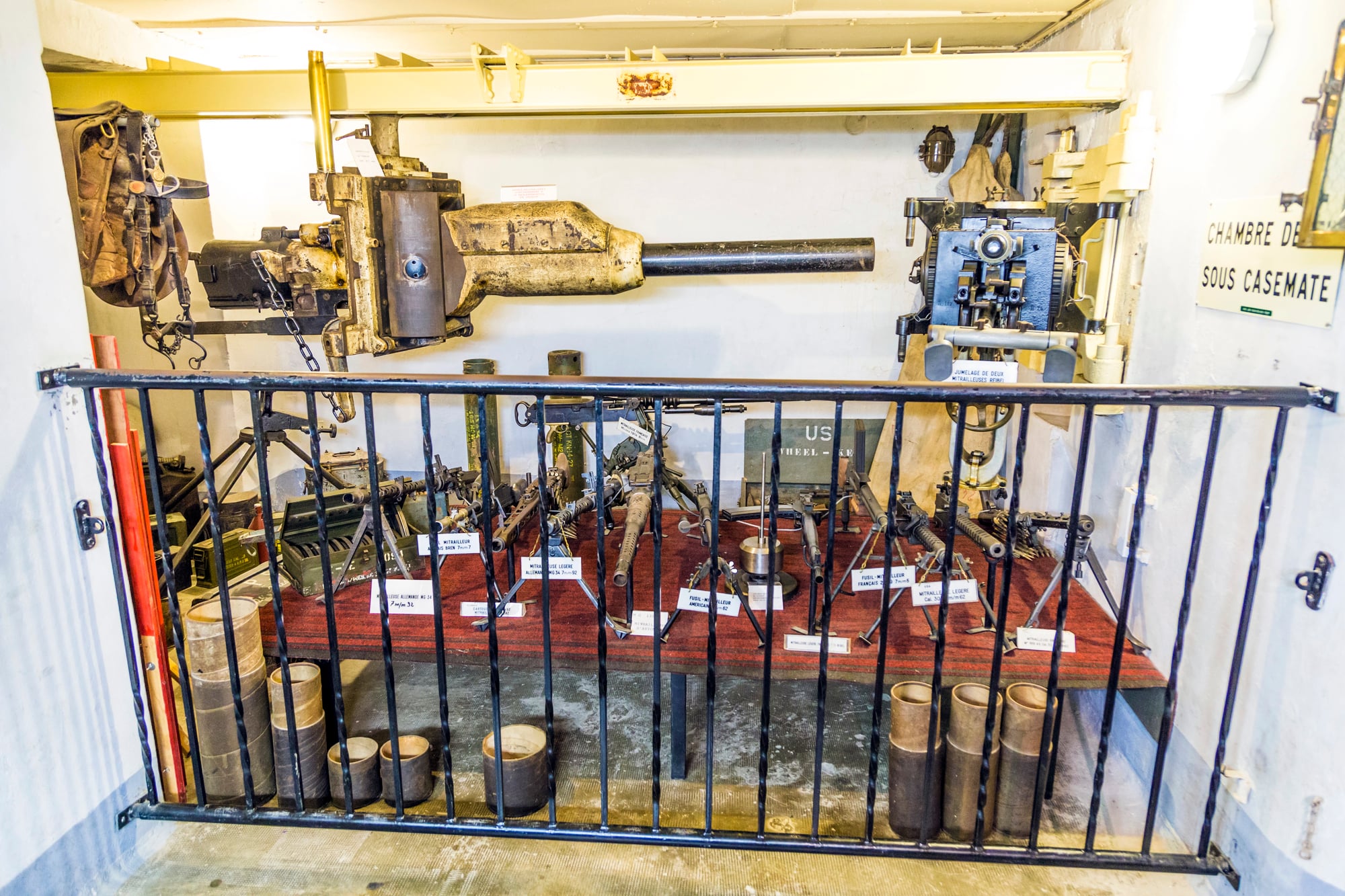
France’s massive fortification system represents one of history’s greatest strategic miscalculations. Built at enormous cost during the 1930s, the Maginot Line was supposed to make France impregnable against German invasion.
Instead, it created a false sense of security that made French military planners complacent. When Germany simply went around the fortifications through Belgium in 1940, the entire defensive system became irrelevant overnight.
The resources invested in static defenses could have been used for mobile forces that might have actually stopped the German advance.
The Novgorod

The Russian Imperial Navy’s circular battleship looked like something from science fiction, but it performed like a comedy of errors. Launched in 1873, the Novgorod was designed to be unsinkable and provide a stable gun platform.
The circular hull made it nearly impossible to steer effectively, and the ship would spin uncontrollably when firing its main guns. Russian crews nicknamed it ‘the flying pancake’ because of its bizarre handling characteristics.
The Navy eventually relegated it to harbor defense, where its inability to navigate properly would be less of a problem.
The Zeppelin

Germany’s airship program seemed promising at first but quickly became a liability during World War I. Zeppelins were massive, slow-moving targets filled with highly flammable hydrogen gas.
Early air defenses couldn’t reach them, making them appear invulnerable to ground fire. However, as aircraft improved and incendiary ammunition became available, Zeppelins turned into death traps for their crews.
The psychological impact of losing these expensive machines in spectacular fireballs often outweighed any damage they inflicted on enemy targets.
The Paris Gun

Germany’s super-long-range artillery piece could shell Paris from 75 miles away, but it was more of a propaganda stunt than an effective weapon. The Paris Gun required a massive crew to operate and could only fire a few rounds before the barrel wore out completely.
Each shot was incredibly expensive to produce and had minimal military impact. The gun’s location was easily detected by Allied forces, making it a target for counterattacks.
Resources spent on this prestige project could have been used for conventional artillery that would have been far more effective.
The Bat Bomb
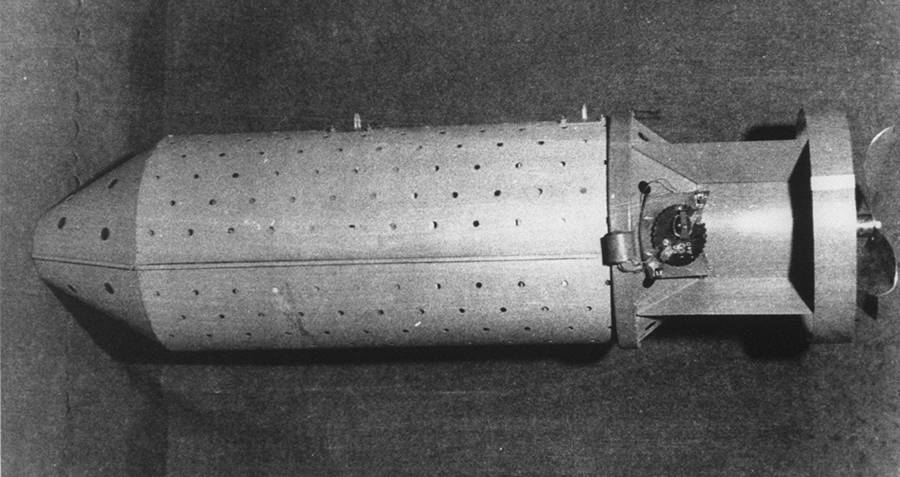
The U.S. military’s plan to use bats as incendiary delivery systems was as strange as it sounds and predictably problematic. The idea was to attach small incendiary devices to bats and release them over Japanese cities, where they would roost in wooden buildings and start fires.
During testing, the bats frequently flew back to American bases and set them on fire instead. The project consumed millions of dollars and never progressed beyond experimental stages.
By the time researchers worked out the technical problems, the atomic bomb had made the entire concept obsolete.
The Tsar Cannon

Russia’s massive artillery piece was built to intimidate enemies, but it was too large to be practical in actual warfare. Cast in 1586, the Tsar Cannon had a bore diameter of 35 inches and weighed 40 tons.
Moving it required enormous effort, and there’s no evidence it was ever fired in combat. The cannon was essentially a very expensive piece of propaganda that consumed resources without providing any military benefit.
It spent most of its existence as a monument rather than a functional weapon.
The Focke-Wulf Triebflügel

Germany’s vertical takeoff interceptor was an ambitious attempt to solve aircraft runway problems, but it created far more difficulties than it solved. The Triebflügel was designed to take off and land vertically like a helicopter while flying like a conventional aircraft.
The complex rotor system made it incredibly difficult to control, and test pilots reported that it was nearly impossible to fly safely. The project consumed valuable resources during the final years of World War II when Germany desperately needed conventional aircraft instead of experimental designs.
The Davy Crockett

The U.S. Army’s nuclear recoilless rifle put atomic weapons in the hands of individual soldiers, which was both impractical and dangerous. The Davy Crockett had a range of only 1.25 miles, meaning the crew would likely be within the blast radius of their own weapon.
The system was so complex that it required extensive training, and the nuclear warheads were difficult to maintain in field conditions. Military planners eventually realized that giving nuclear weapons to frontline troops was asking for accidents and removed the system from service.
The Phantom Ray

Boeing’s experimental stealth drone was supposed to demonstrate the future of unmanned combat aircraft, but it became a costly lesson in over-engineering. The Phantom Ray incorporated so many advanced technologies that it was incredibly expensive to build and maintain.
During testing, the complex systems frequently malfunctioned, and the aircraft was difficult to control remotely. The military eventually canceled the program after spending hundreds of millions of dollars with little to show for it except proof that simpler designs work better.
The Goliath Tracked Mine

Germany’s remote-controlled demolition vehicle was an early attempt at unmanned warfare that proved more trouble than it was worth. The Goliath was designed to be driven by wire control into enemy positions and detonated.
However, the control wires were easily cut by enemy fire, and the slow-moving vehicle was vulnerable to small arms fire. German forces often found themselves unable to control their own weapons, and many Goliaths were captured intact by Allied forces.
The resources spent on these devices could have been used for more conventional explosives with better results.
The Hafnium Bomb

The U.S. military’s research into gamma-ray weapons consumed enormous resources while producing nothing practical. Scientists theorized that hafnium could be triggered to release gamma rays, creating a powerful weapon without radioactive fallout.
Years of research and millions of dollars later, researchers discovered that the concept was fundamentally flawed. The energy required to trigger hafnium would be far greater than the energy released, making the entire idea physically impossible.
The project was quietly abandoned after consuming resources that could have been used for proven weapons systems.
The Ratte
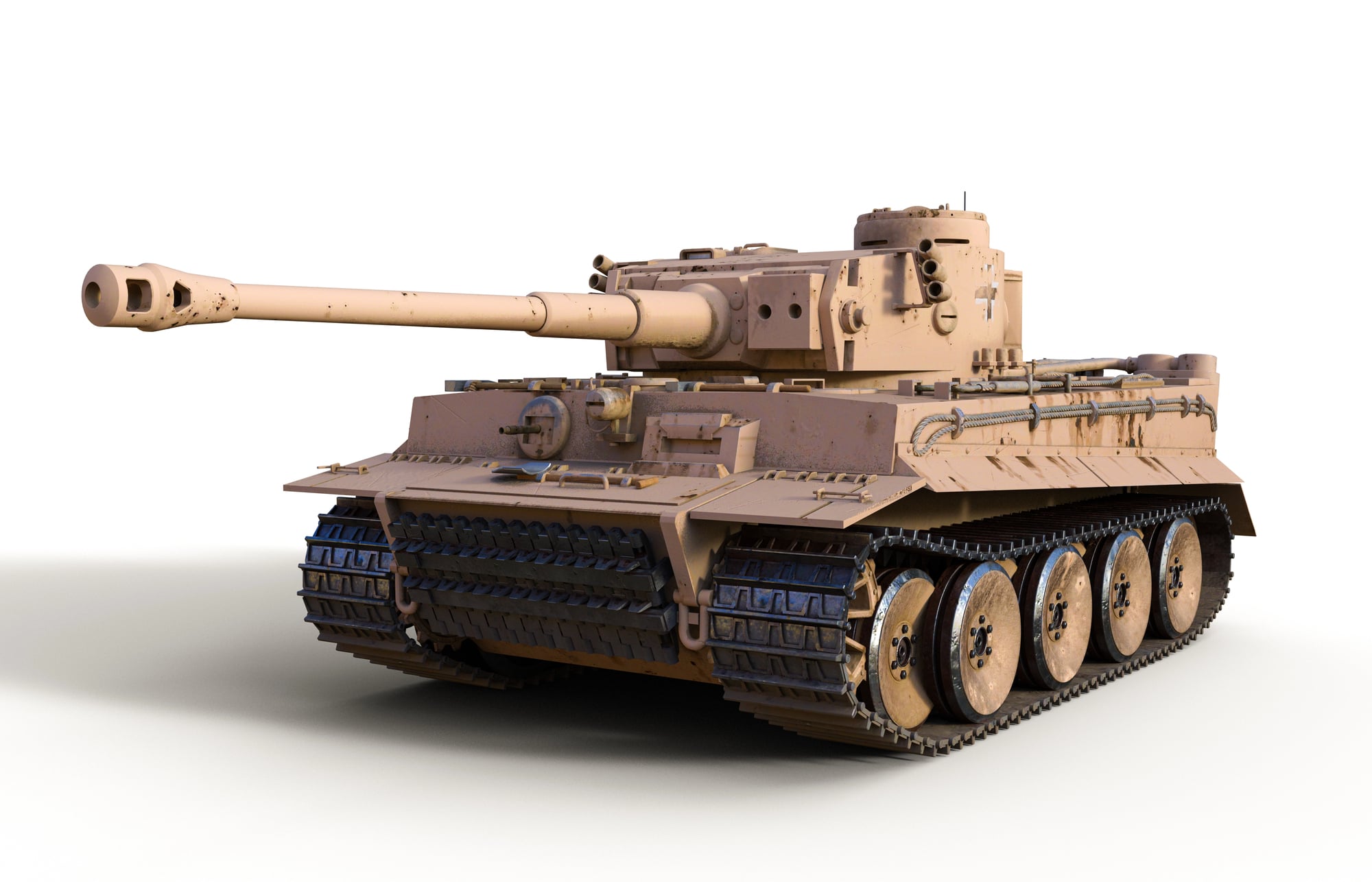
Germany’s proposed super-heavy tank would have been larger than most buildings and completely impractical for actual combat. The Ratte was designed to weigh 1,000 tons and mount battleship guns, making it more of a mobile fortress than a tank.
The massive weight would have made it impossible to cross bridges, and its size would have made it an easy target for aircraft. The project never progressed beyond planning stages, but it consumed engineering resources that could have been used for practical armored vehicles.
The Active Denial System

The U.S. military’s ‘pain ray’ was supposed to provide a non-lethal way to disperse crowds, but it created more problems than it solved. The Active Denial System uses millimeter waves to heat the surface of human skin, causing intense pain without permanent damage.
However, the system is vulnerable to weather conditions and can be defeated by simple reflective materials. Military units found it was often easier and more effective to use conventional crowd control methods.
The expensive system remains largely unused despite years of development.
The XM25 Airburst System

The U.S. Army’s smart grenade launcher was supposed to revolutionize infantry combat but became a maintenance nightmare. The XM25 could program grenades to explode at specific distances, allowing soldiers to hit targets behind cover.
However, the complex electronic systems frequently malfunctioned in field conditions, and the special ammunition was extremely expensive. Soldiers often preferred conventional weapons that worked reliably in combat situations.
The Army eventually canceled the program after spending over $400 million with little practical benefit.
The Sea Shadow

The U.S. Navy’s experimental stealth ship was designed to test radar-evading technologies, but it proved that some concepts don’t scale well. The Sea Shadow incorporated angular surfaces and special materials to reduce its radar signature.
However, the unusual design made it unstable in rough seas and difficult to operate effectively. The ship was so expensive to maintain that it was eventually scrapped rather than converted to operational use.
The Navy learned that stealth technology needs to be balanced with practical seamanship requirements.
When Innovation Meets Reality

These failed weapons remind us that military innovation is far more complex than simply having good ideas or advanced technology. The gap between theoretical capability and battlefield effectiveness has claimed countless projects throughout history.
Modern military planners have learned to balance innovation with practical testing, ensuring that new weapons actually work before committing massive resources to their development. The lessons learned from these failures continue to influence how armies approach new technologies today.
More from Go2Tutors!

- The Romanov Crown Jewels and Their Tragic Fate
- 13 Historical Mysteries That Science Still Can’t Solve
- Famous Hoaxes That Fooled the World for Years
- 15 Child Stars with Tragic Adult Lives
- 16 Famous Jewelry Pieces in History
Like Go2Tutors’s content? Follow us on MSN.