15 Famous Buildings That Were Almost Built in a Completely Different Location
The iconic skylines and landmarks we know today could have been a far cry from how they are if history had proceeded slightly differently. Some of the world’s best-known buildings were originally intended for completely different places, their lives changing due to financing problems, political disputes, or plain cold feet.
Here’s a list of 15 famous buildings that almost ended up in totally different locations on the map, changing how we could have enjoyed these architectural gems.
Eiffel Tower
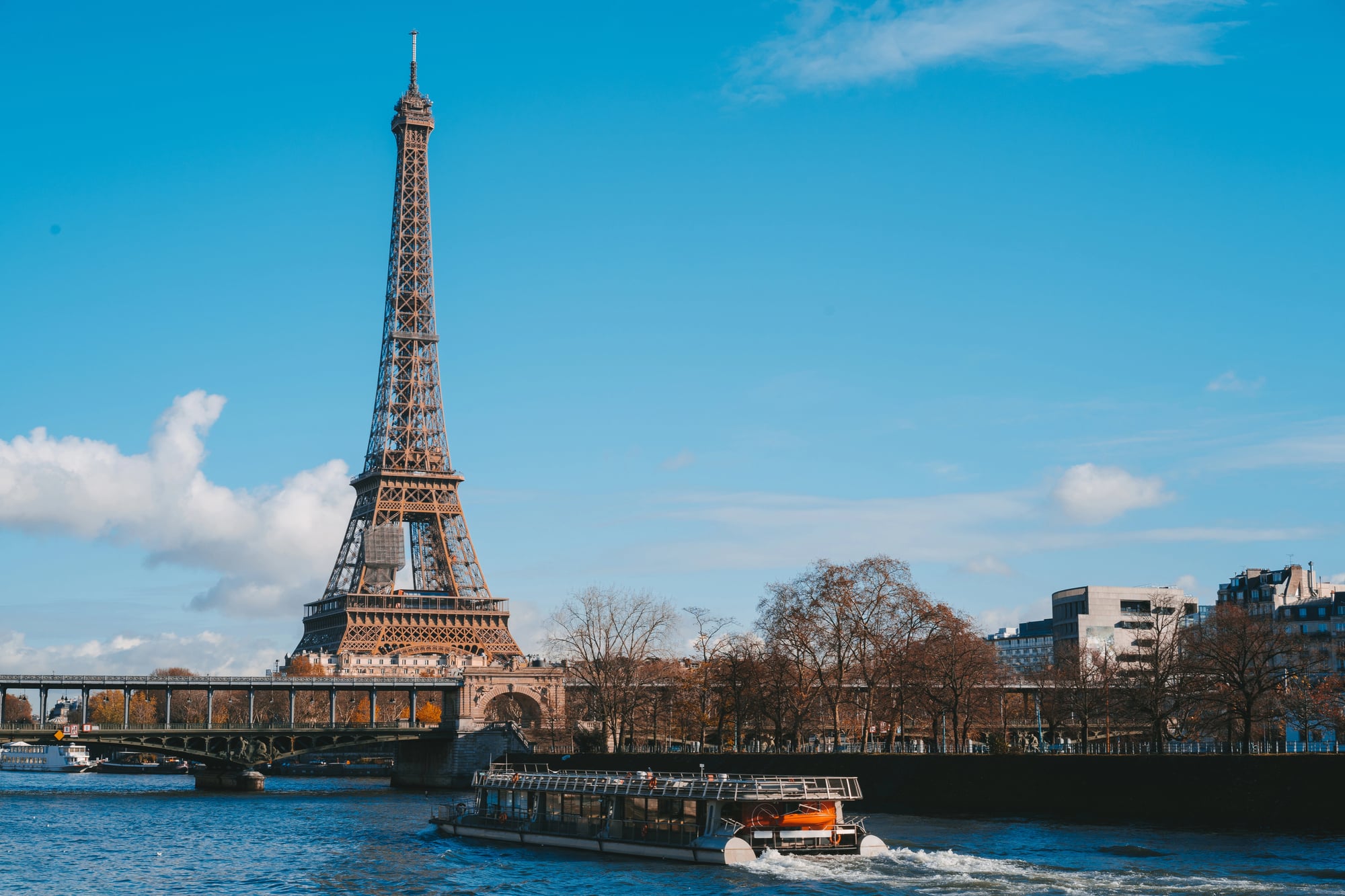
The beloved symbol of Paris was almost exported to Barcelona, Spain. Gustave Eiffel initially pitched his tower design to Barcelona for their Universal Exposition, but city officials rejected it as too expensive and impractical.
The French capital scooped up the design instead, forever changing its skyline. The tower was meant to be temporary but proved too popular to dismantle.
Statue of Liberty
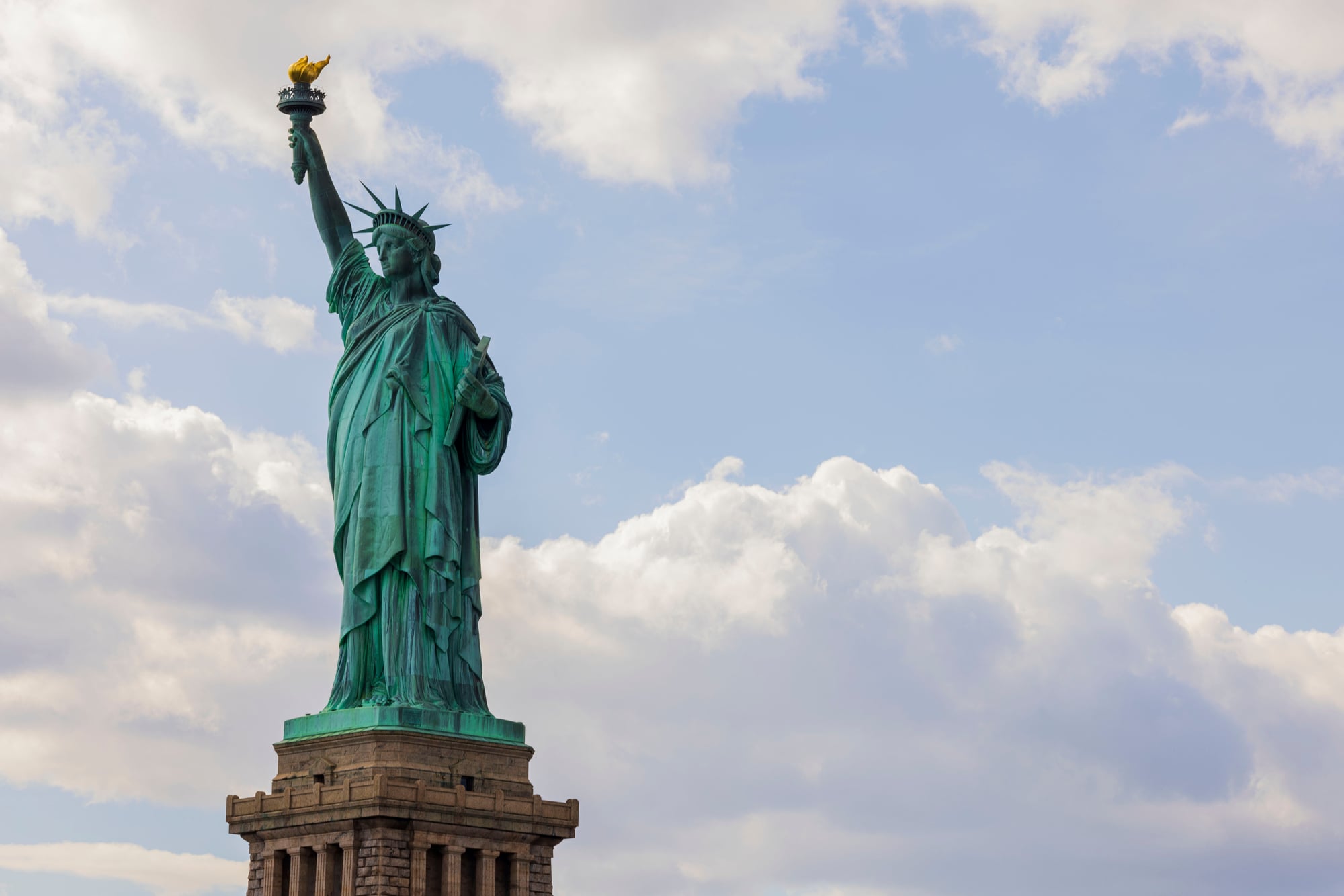
Lady Liberty nearly called a different harbor home. The colossal copper statue was originally conceived as a lighthouse for the entrance to the Suez Canal in Egypt.
Financial difficulties forced Egypt to abandon the project, allowing the sculptor Frédéric Auguste Bartholdi to repurpose his design as a gift to the United States. The statue’s torch might have illuminated Mediterranean waters rather than the Atlantic.
Sydney Opera House
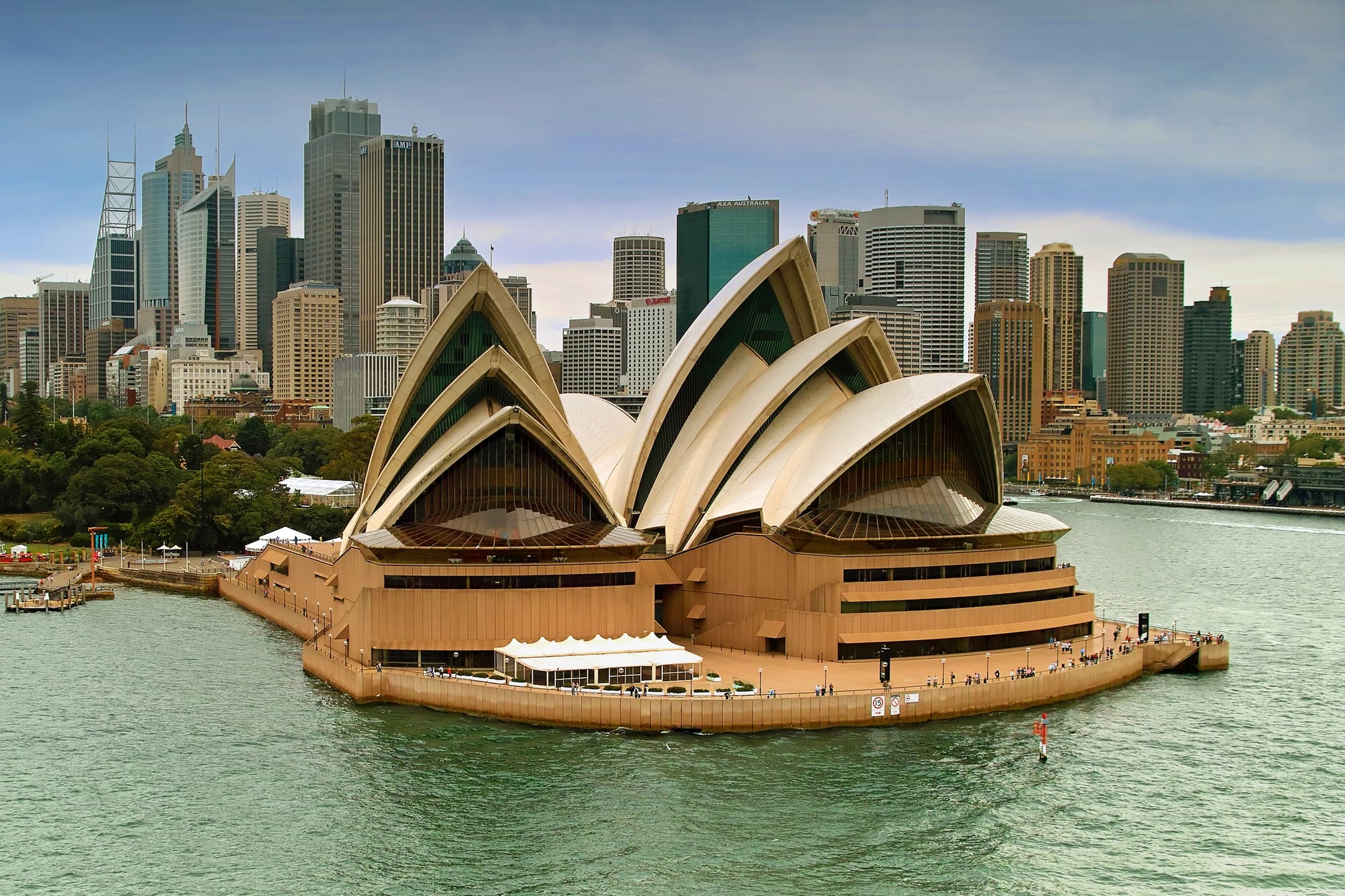
Australia’s most recognizable building was almost constructed in Mexico City. Architect Jørn Utzon’s revolutionary design was initially rejected by the Sydney competition committee.
Before a last-minute reassessment catapulted it to the top spot, Utzon had begun discussions with Mexican authorities about building it in their capital. The distinctive sail-shaped shells could have become emblematic of Mexican rather than Australian culture.
Empire State Building
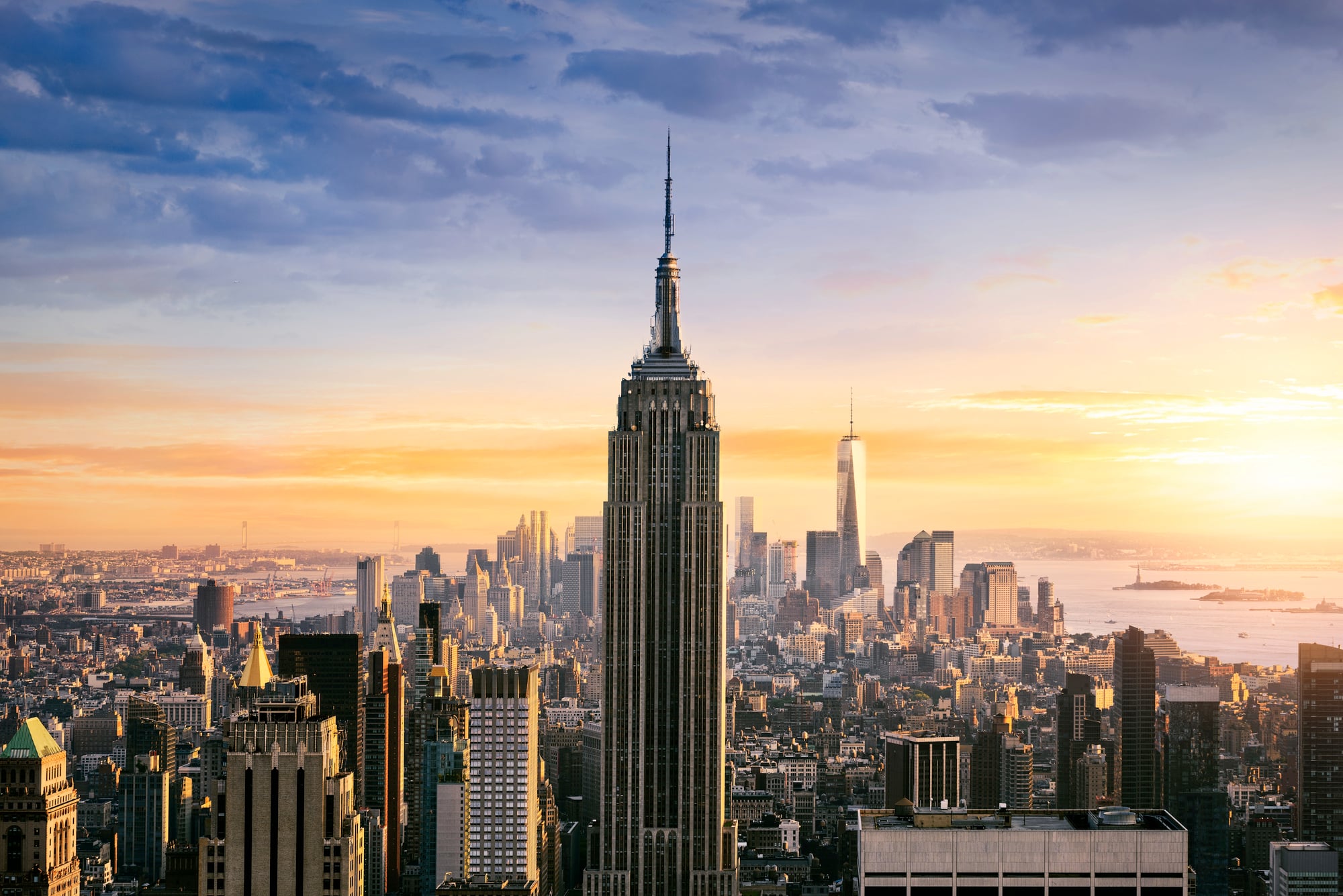
Manhattan’s famous skyscraper was initially planned for downtown Chicago. The original investors had purchased land along Michigan Avenue before the stock market crash caused them to sell their Chicago holdings.
They pivoted to New York, where cheaper land became available. The Midwestern skyline lost its chance at housing what would become one of the world’s most famous buildings.
Guggenheim Museum
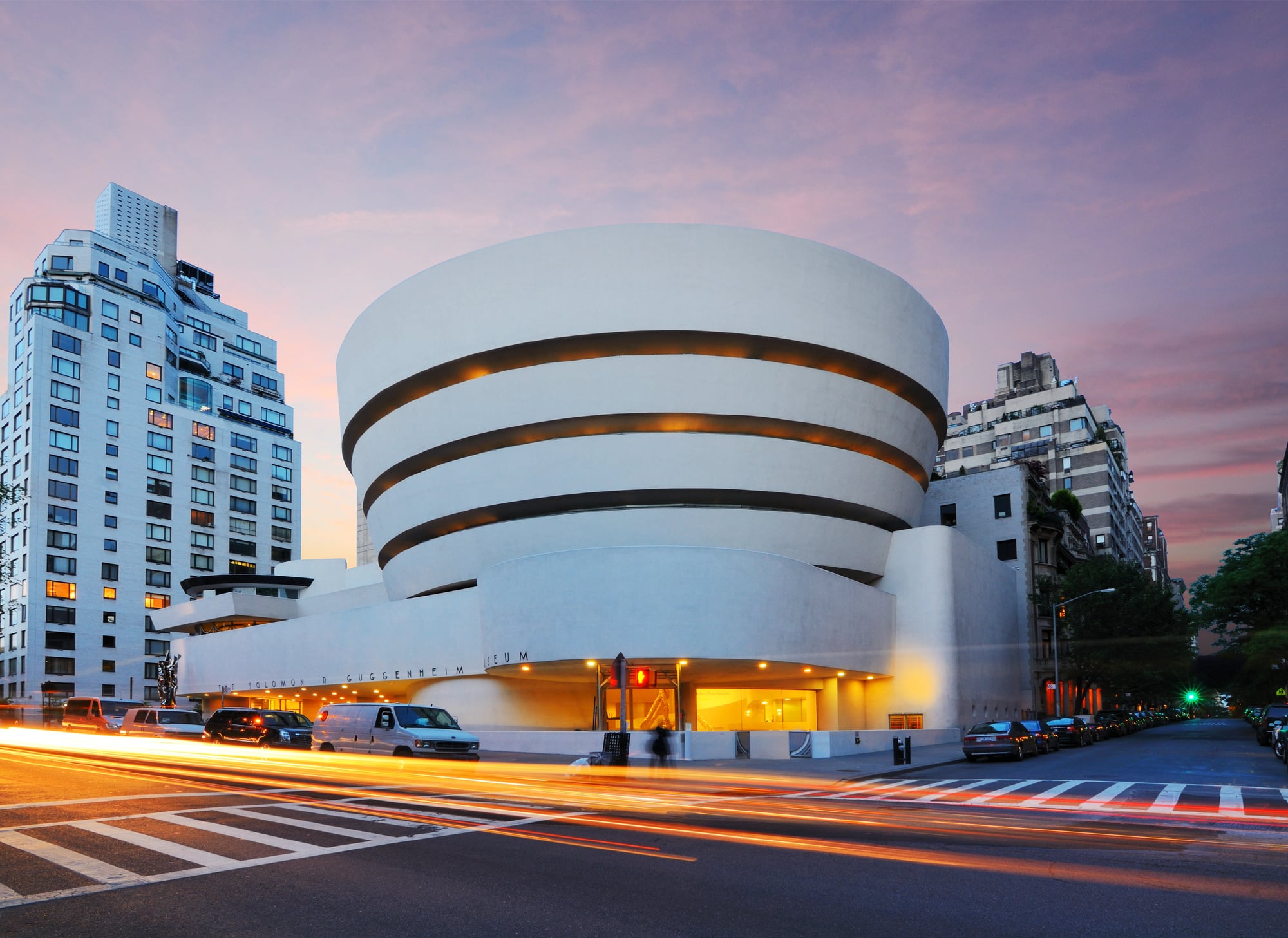
Frank Lloyd Wright’s spiraling masterpiece almost wound up in Hartford, Connecticut. The Guggenheim Foundation seriously considered multiple sites before settling on New York’s Fifth Avenue.
Hartford officials had cleared land and begun preliminary foundation work when funding issues forced them to withdraw their bid. The distinctive inverted ziggurat design would have transformed Connecticut’s capital city into an architectural pilgrimage site.
St. Paul’s Cathedral
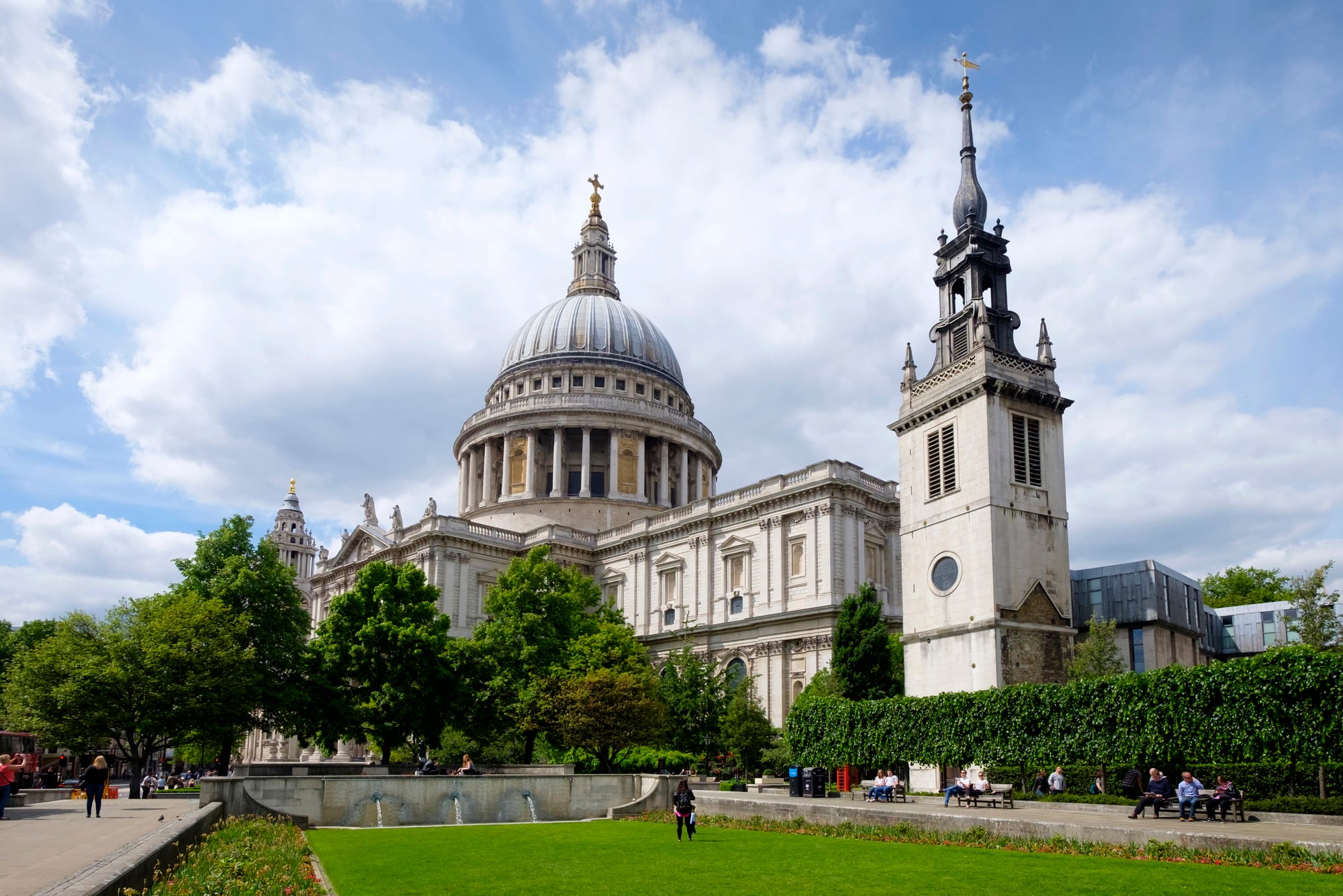
London’s iconic dome nearly graced the skyline of Edinburgh instead. Architect Christopher Wren was in advanced negotiations with Scottish officials when the Great Fire of London created an urgent need for rebuilding the city’s churches.
The disaster effectively redirected his greatest work to England’s capital. Edinburgh missed having one of the world’s most recognizable domes by a matter of months.
Golden Gate Bridge
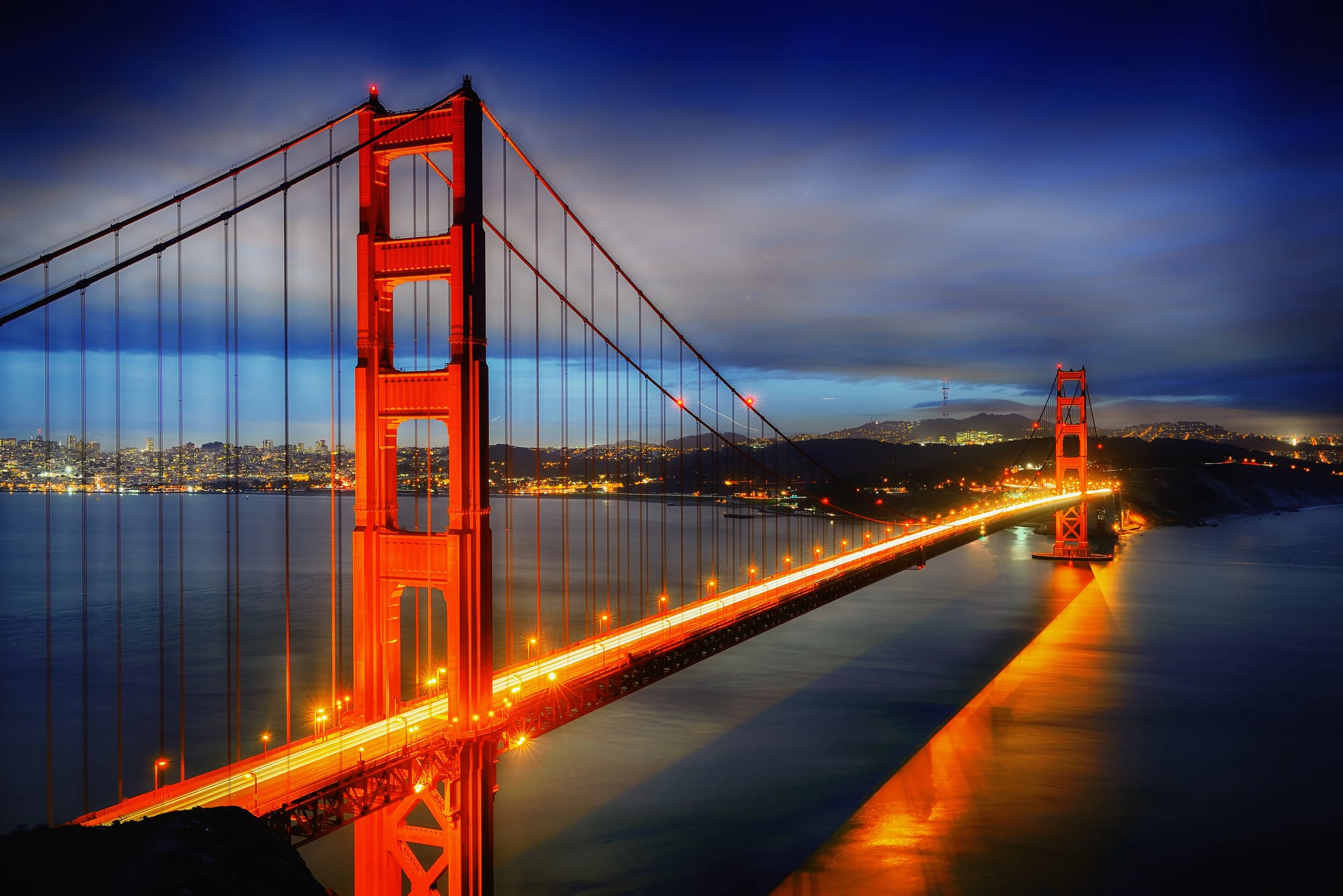
San Francisco’s famous orange span was originally designed for San Diego harbor. Engineer Joseph Strauss submitted his plans to San Diego officials first, who hesitated over the cost.
When San Francisco expressed interest, Strauss modified his design for the northern location. The bridge’s signature color—International Orange—was initially just a primer coat that people liked so much that it became permanent.
CN Tower

Toronto’s needle-like structure was initially planned for Montreal. The Canadian National Railway intended it as a communications hub for the Montreal Olympics.
Labor disputes and rising costs in Quebec prompted officials to move the project to more business-friendly Toronto. The structure transformed Toronto’s skyline and held the title of world’s tallest freestanding structure for over 30 years.
Dancing House
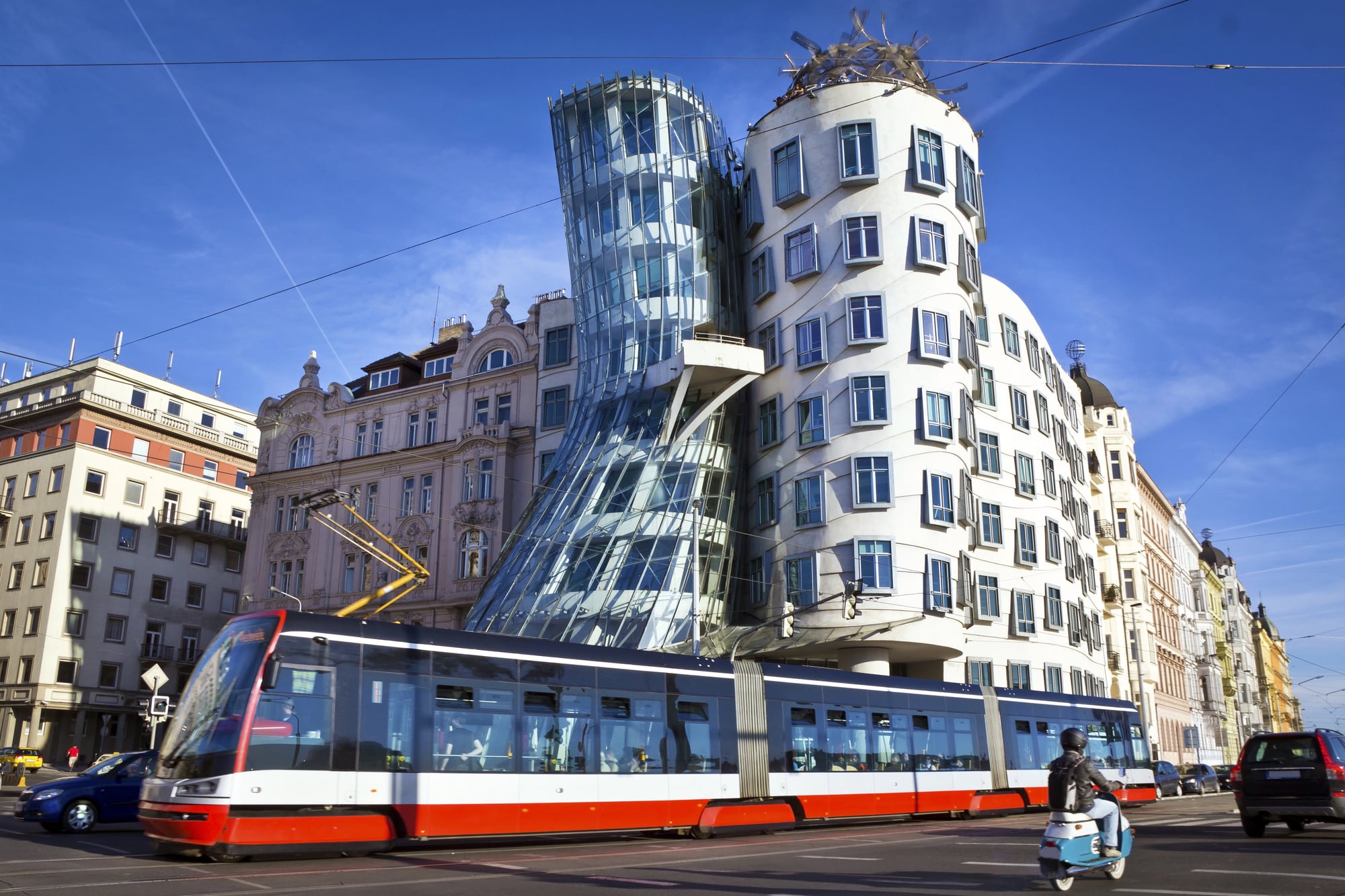
Prague’s wavy architectural marvel was originally designed for Rotterdam. Architects Frank Gehry and Vlado Milunić had drawn up plans for the Dutch city’s waterfront before the opportunity arose in the Czech Republic.
A bombing-damaged plot in Prague became available, allowing the deconstructivist building to find its home. The building, resembling two dancers, would have looked over North Sea waters rather than the Vltava River.
Taj Mahal
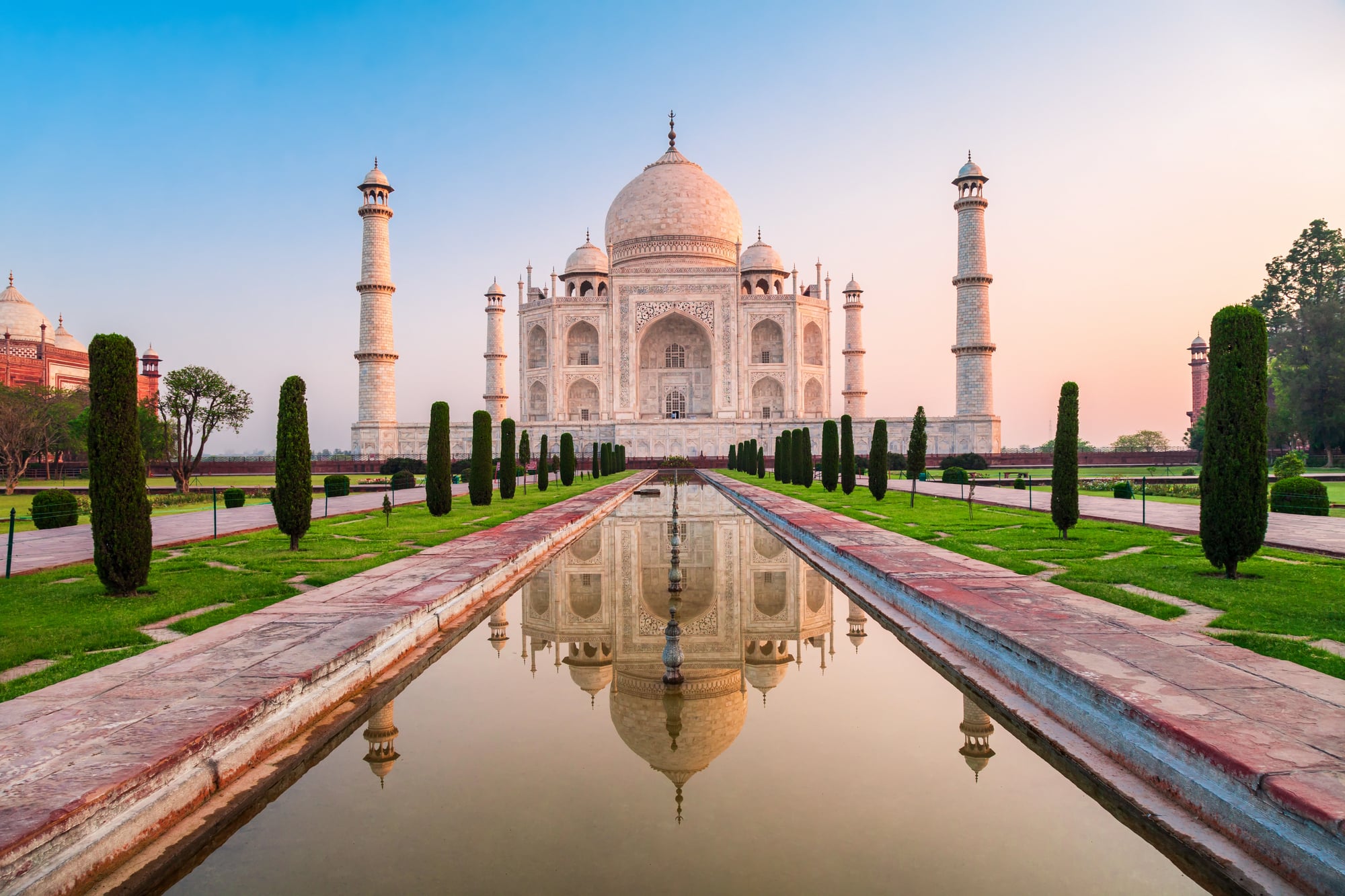
The white marble mausoleum was almost built in Burhanpur rather than Agra. Mumtaz Mahal, for whom the Taj was built, passed away in Burhanpur itself when Shah Jahan was on a military campaign there.
Her corpse remained there for six months while preliminary work on construction began. Water supply issues forced the emperor to relocate the project to Agra, where the river Yamuna could provide water to the extensive gardens.
Petronas Towers

Malaysia’s twin towers were initially meant for Singapore. The first design was commissioned by Singapore’s Urban Redevelopment Authority before conflicts regarding finance and height restrictions caused the project to be transferred.
Kuala Lumpur took the opportunity, employing the towers to assert itself as an international city that is modern. The towers stood as the tallest in the world from 1998 to 2004.
The Pentagon
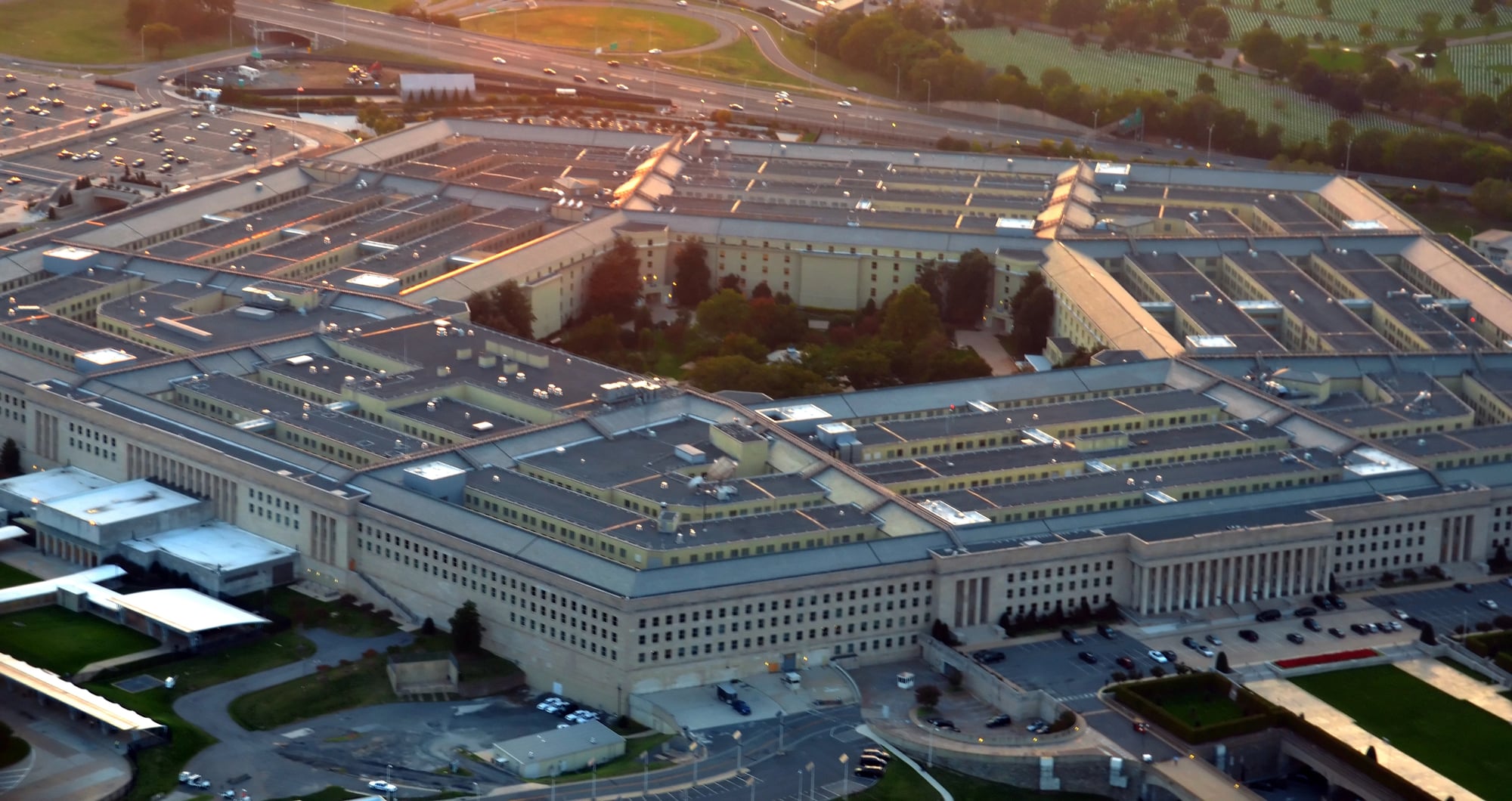
The biggest office building in the world was to be constructed at Arlington Farms, not where it stands today. The building had already been constructed on the original site when officials found that the pentagonal design would obstruct the view from Arlington Cemetery to Washington DC.
The entire project was moved half a mile downriver, retaining its odd five-sided design that had been sketched to fit the unusual dimensions of the original plot.
Space Needle

Seattle’s futuristic tower was initially sketched for Spokane, Washington. Designer Edward Carlson first imagined the structure for a different fair in eastern Washington before Seattle secured the World’s Fair.
The flying saucer-like top almost didn’t happen either—early designs featured a rotating restaurant shaped like a UFO with no observation deck. The needle was built in just 400 days and has survived numerous earthquakes.
Flatiron Building

New York’s triangular landmark was originally destined for Chicago. Architect Daniel Burnham designed it for a similar triangular plot in Chicago’s Loop district before funding fell through.
The distinctive wedge shape, resembling a cast-iron clothes iron, found its home at the intersection of Broadway and Fifth Avenue instead. The building was one of New York’s first skyscrapers and appeared revolutionary when it was completed.
Burj Khalifa
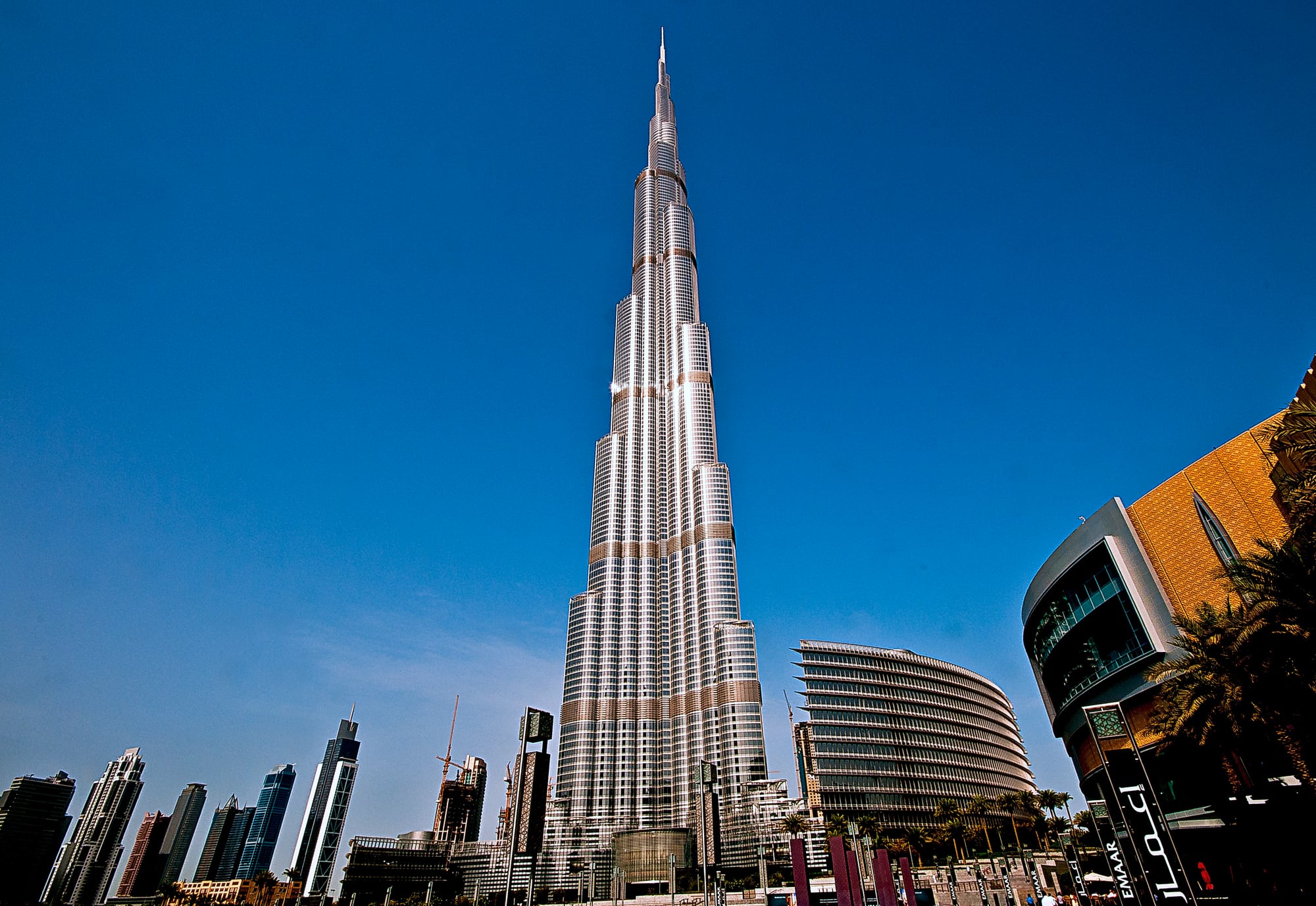
The world’s tallest building was initially planned for neighboring Qatar. The original concept, then called Burj Dubai, was part of a design competition for Doha’s waterfront.
When Qatar went with a different concept, developers moved the increasingly ambitious design to Dubai. The height was increased several times during construction, eventually reaching 2,717 feet—over half a mile tall.
Architecture’s Alternate Universe

These buildings remind us how fluid the relationship between architecture and place can be. What seems inseparable from a city’s identity today was often the result of happenstance, last-minute decisions, and unexpected twists of fate.
Architectural icons help define our sense of place, yet their presence in specific locations frequently hinges on economic practicalities rather than grand design visions. Each structure represents not just artistic achievement but also the complex human stories behind their creation.
More from Go2Tutors!

- The Romanov Crown Jewels and Their Tragic Fate
- 13 Historical Mysteries That Science Still Can’t Solve
- Famous Hoaxes That Fooled the World for Years
- 15 Child Stars with Tragic Adult Lives
- 16 Famous Jewelry Pieces in History
Like Go2Tutors’s content? Follow us on MSN.