Biggest Fast Food Promotions of the 90s
Fast food chains have always known one simple truth: a good promotion can turn a sleepy Tuesday into a line that wraps around the block. In the late ’80s through the early 2000s, restaurants cracked the code—blend pop culture, cheap meals, and collectibles—and suddenly burgers and fries weren’t just food. They were events.
Some of these promotions blew up into cultural moments we still laugh about today. Others… well, they fizzled (or imploded spectacularly).
But one thing’s certain: they reshaped how restaurants marketed to hungry customers. Here are 15 of the biggest fast food promotions that defined the ’90s.
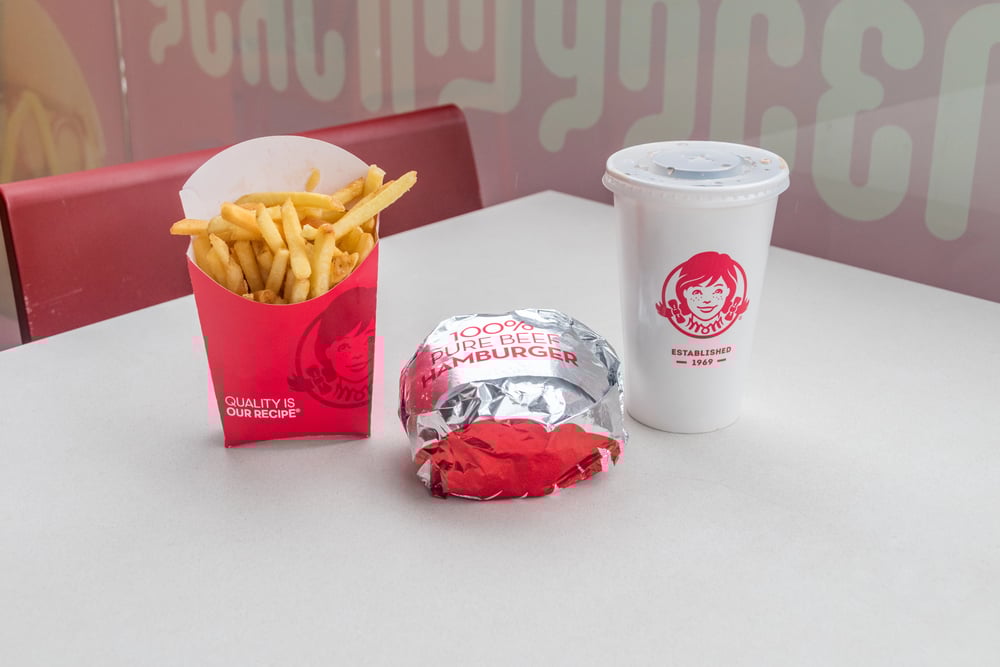
Wendy’s ‘Where’s the Beef?’
— Photo by Robson90
Back in 1984, Wendy’s scored big with an ad that lived rent-free in America’s head for years. An elderly actress, Clara Peller, squinted at a giant bun with a sad little burger patty and dropped the now-legendary line: “Where’s the beef?” Boom—instant catchphrase.
The campaign cleverly turned the spotlight on portion size, making Wendy’s feel like the place with the “real” burger compared to McDonald’s Big Mac or Burger King’s Whopper. It was cheeky. It was funny. And it stuck.
McDonald’s Teenie Beanie Babies
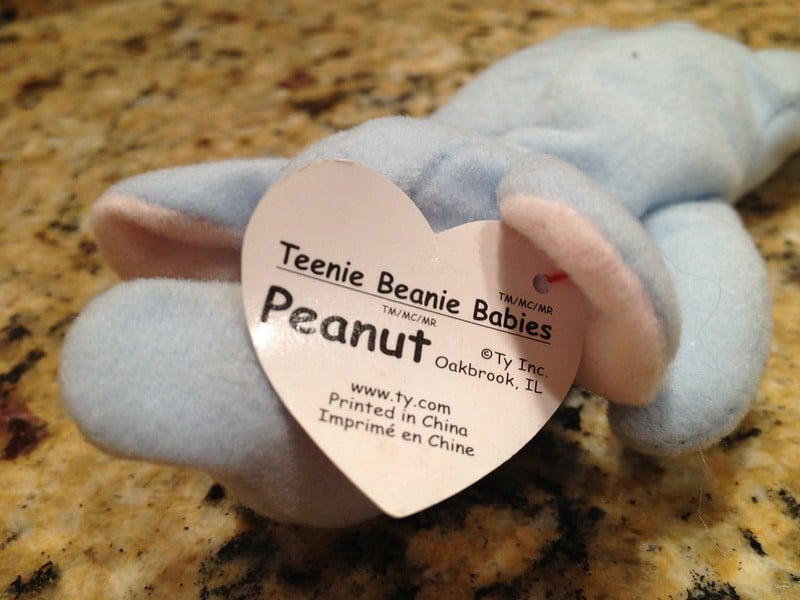
In spring ’97, McDonald’s went full collector-mode. They teamed up with Ty and dropped Teenie Beanie Babies in Happy Meals. What happened next? Absolute chaos.
Adults—people who hadn’t touched a Happy Meal in years—were suddenly elbowing kids out of the way, buying bags of food just to get the toys (sometimes leaving the burgers untouched). Some stores ran out in days. It wasn’t just a promotion; it was a frenzy.
Taco Bell Chihuahua
— Photo by alfredosaz.gmail.com
“Yo quiero Taco Bell.”
Starting in 1997, that little talking Chihuahua (real name: Gidget) became a pop culture star. The ad campaign gave Taco Bell an edge in the middle of the so-called “Burger Wars.” Cute dog, sassy line, tons of merchandise—it worked. By the time the campaign wrapped in 2000, Gidget had basically become Taco Bell’s Ronald McDonald.
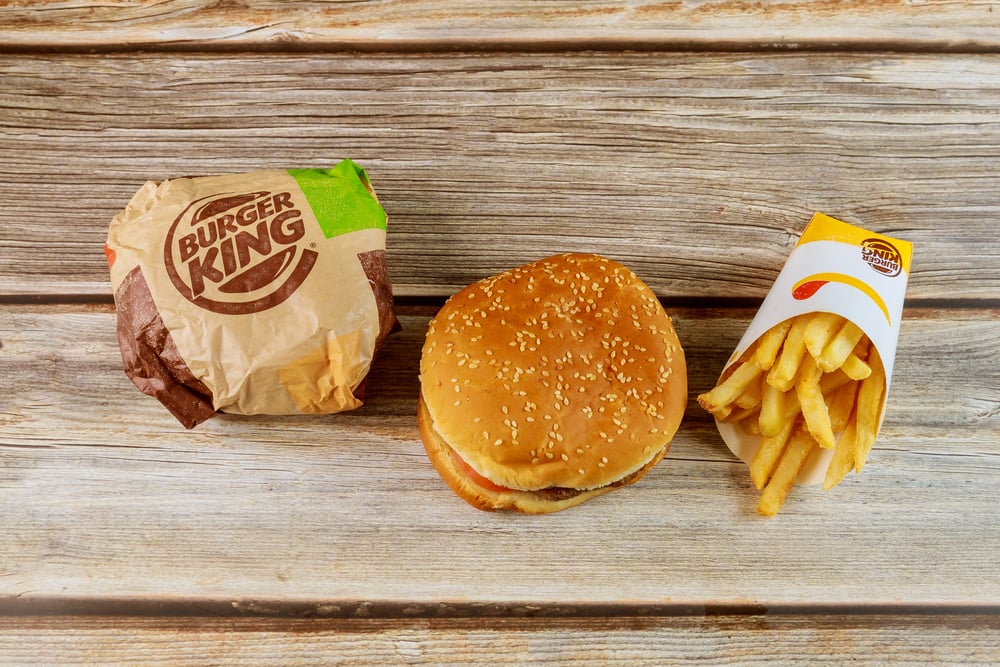
Burger King Pokémon Toys
— Photo by photovs
In ’99, Pokémon fever was everywhere—and Burger King wanted in. They launched a promotion tied to Pokémon: The First Movie, with toys packaged inside plastic Poké orbs.
It should’ve been a slam dunk… except it turned into one of the biggest recalls in history. The plastic containers posed a choking hazard, and Burger King had to recall over 25 million units.
They even bribed people with free fries to return them. Disaster? Yes. Proof of Pokémon’s insane popularity? Also yes.
McDonald’s Arch Deluxe Disaster

McDonald’s tried something bold in 1996: a burger for grown-ups. The Arch Deluxe came on a potato flour bun with Dijonnaise and bacon—fancy by McDonald’s standards.
Backed by the biggest ad budget in fast food history, they thought it would be a blockbuster. It wasn’t. The problem? Positioning it as “too sophisticated for kids.” Families are McDonald’s bread and butter.
By ignoring that, the Arch Deluxe went down as one of the company’s biggest flops.
Star Wars Episode I: The Phantom Menace
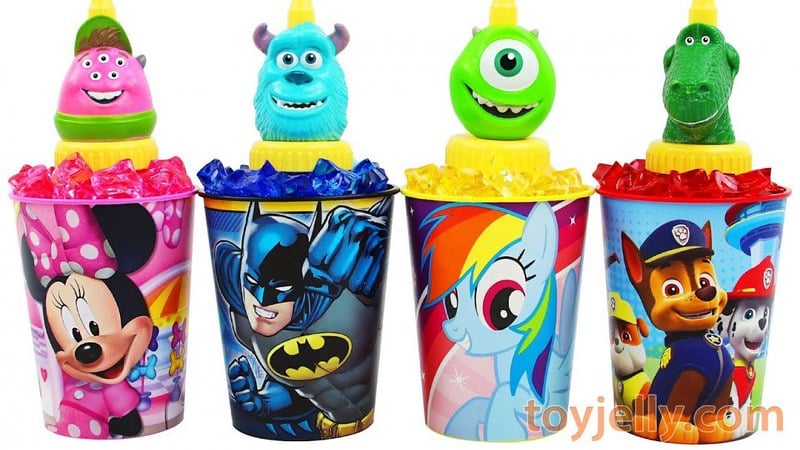
In 1999, when The Phantom Menace hit theaters, fast food chains went all-in. Collectible cups, toys, themed meals—you name it. It was the first new Star Wars movie in 16 years, so of course people lined up.
The cross-promotion craze set the gold standard for how blockbuster tie-ins could work. From then on, if a major movie dropped, chances are a fast food chain had your collectible waiting.
Burger King ‘Best Food for Fast Times’
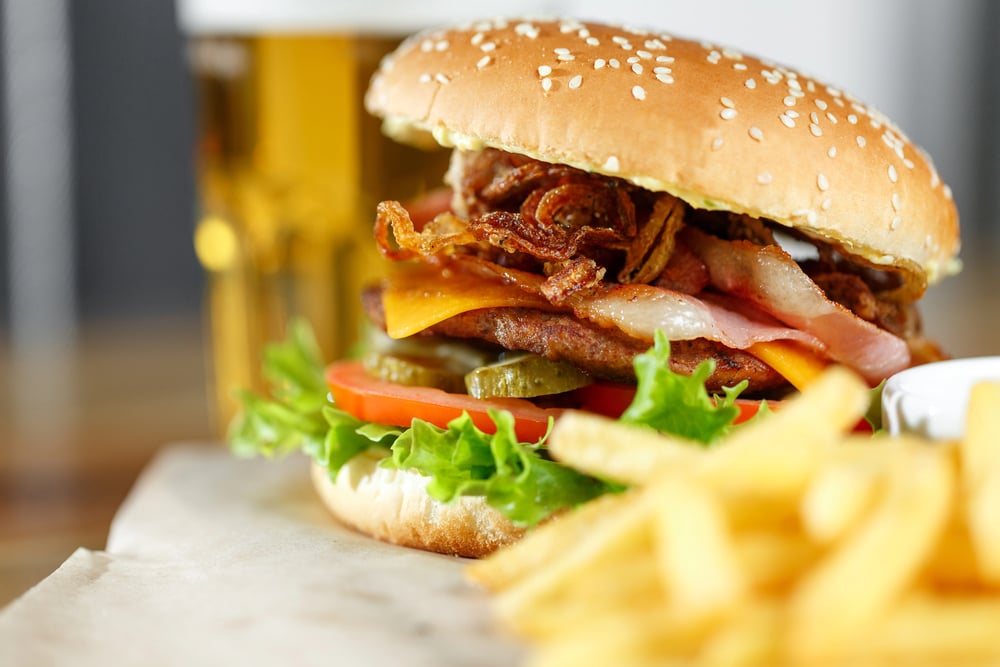
During the late ’80s and early ’90s, Burger King leaned into the idea that you could get food fast without sacrificing quality. The “Best Food for Fast Times” campaign was all about reminding customers that rushing didn’t mean settling.
It was Burger King’s way of carving out an identity during years when all the major chains were basically offering the same thing.
McDonald’s Batman Forever
Summer 1995 was all about Batman Forever. McDonald’s got in on the action with themed packaging, toys, and collectible glasses. For kids, it was an instant must-have.
The promotion worked so well that McDonald’s basically locked in the formula: superhero movies + Happy Meals = win.
Wendy’s Superbar
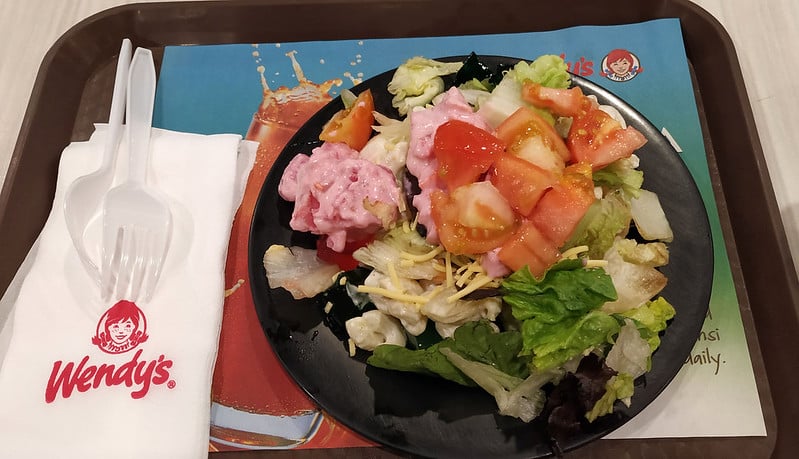
Throughout the late ’80s and into the ’90s, Wendy’s tried something unusual: the Superbar. Imagine a buffet inside a fast food joint—pasta, Mexican dishes, salads. It was basically three mini-bars in one.
Fans loved it, but it was a nightmare to maintain. By the late ’90s, the Superbar quietly disappeared. Still, people who grew up with it talk about it like a lost treasure.
Burger King Kids Club
— Photo by textandphoto
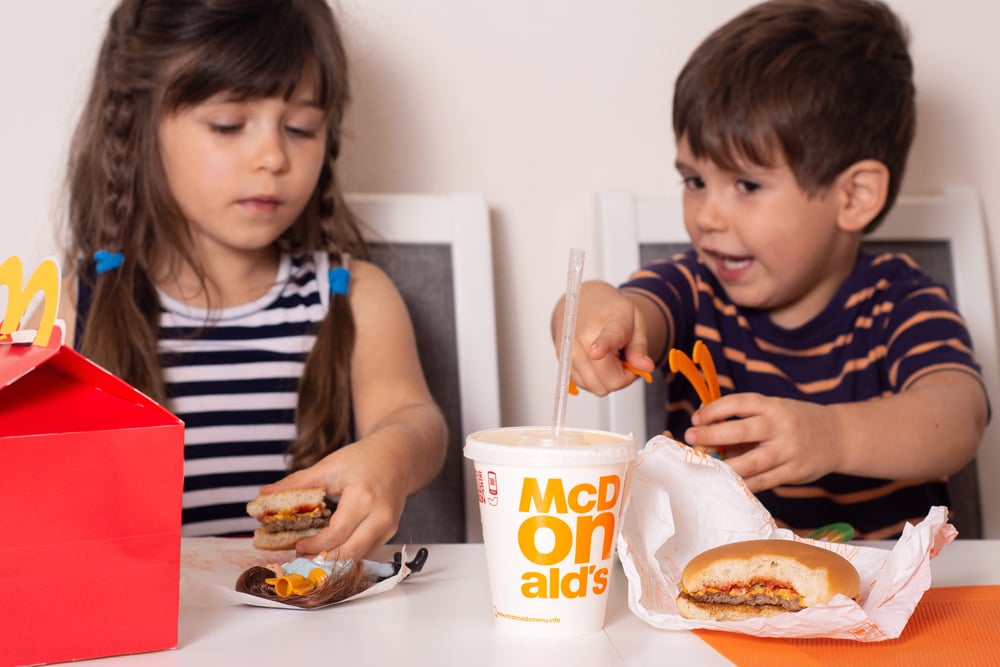
Launched in 1989, the Kids Club introduced a squad of characters—each with their own personality—meant to rival McDonald’s Ronald McDonald crew. They popped up in commercials, toys, and promo materials all through the ’90s.
For Burger King, it wasn’t just about selling kids’ meals. It was about creating a little cartoon universe that kids could buy into.
Taco Bell Gordita Launch
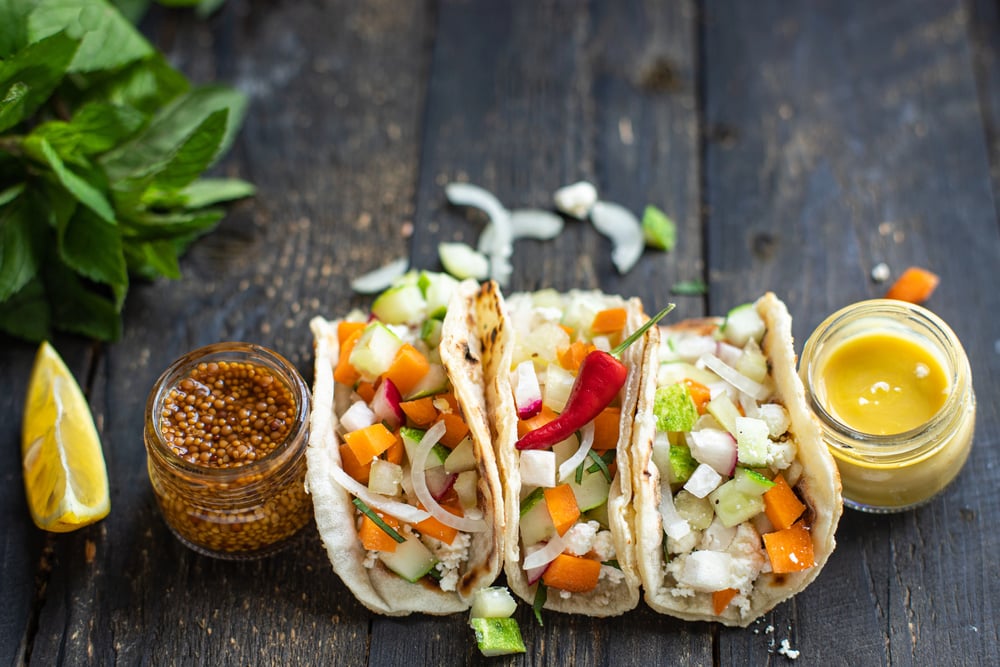
Taco Bell’s Gordita hit menus in the late ’90s with a major ad push. The “flatbread taco” wasn’t exactly revolutionary—it was still the usual mix of meat, lettuce, and cheese—but the buzz made it feel new.
The campaign showed just how good fast food chains had become at hyping menu items, even when the ingredients were nothing new.
McDonald’s Monopoly Game
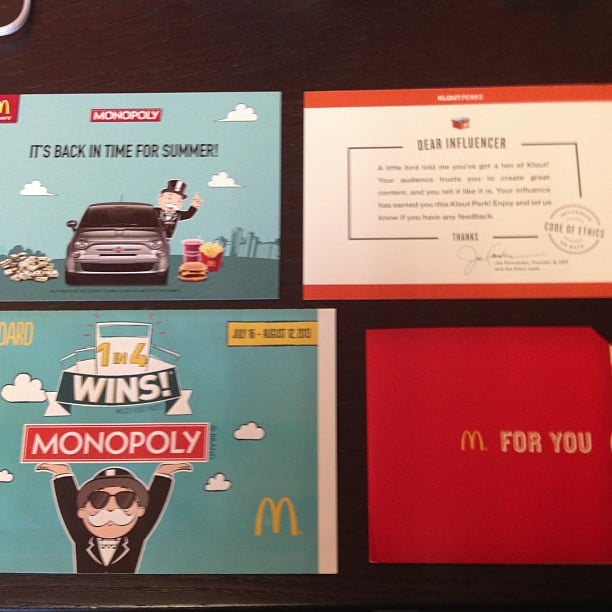
First launched in 1987, the McDonald’s Monopoly game was a genius move. Customers got peel-off game pieces with their meals, and the chance to win everything from free fries to huge cash prizes.
It kept people coming back. Sure, the game later got tied to a massive fraud scandal in the 2000s—but in the ’90s? It was pure promotional gold.
Pizza Hut Book It! Program
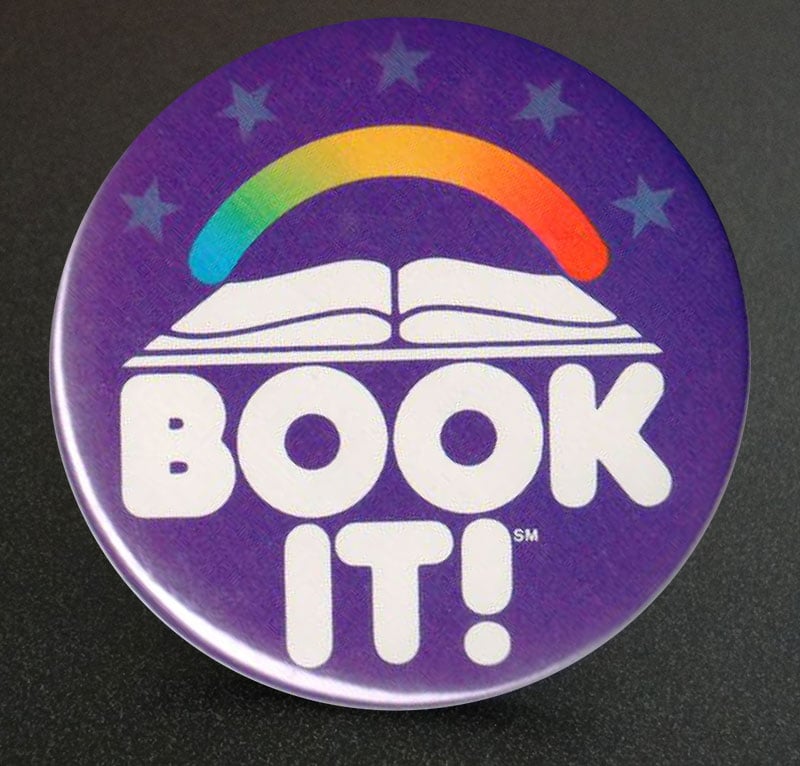
Okay, not strictly a “promotion,” but worth mentioning. Since 1984, Pizza Hut has rewarded kids for reading books with free personal pan pizzas. For families, it became a go-to incentive, and it ran strong through the ’90s.
It was clever: position yourself as the chain that cares about education… while quietly making pizza as part of childhood.
Burger King Comparative Advertising
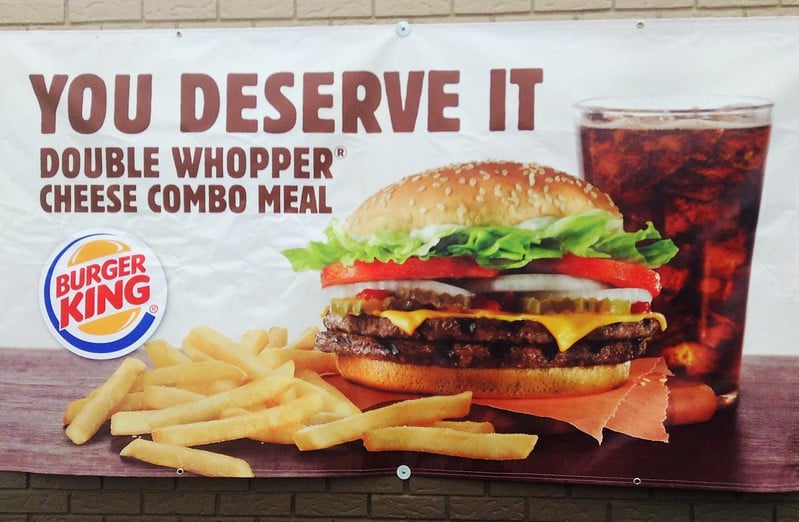
In the ’80s and ’90s, Burger King got bold. Their ads didn’t just hint at competition—they flat-out compared the Whopper to McDonald’s Big Mac. Bigger patty, flame-broiled vs. fried, more value.
This no-holds-barred style of advertising marked a shift. Suddenly, it wasn’t taboo to name your rival on TV.
McDonald’s Ty’s Teenie Beanie Babies International Bears
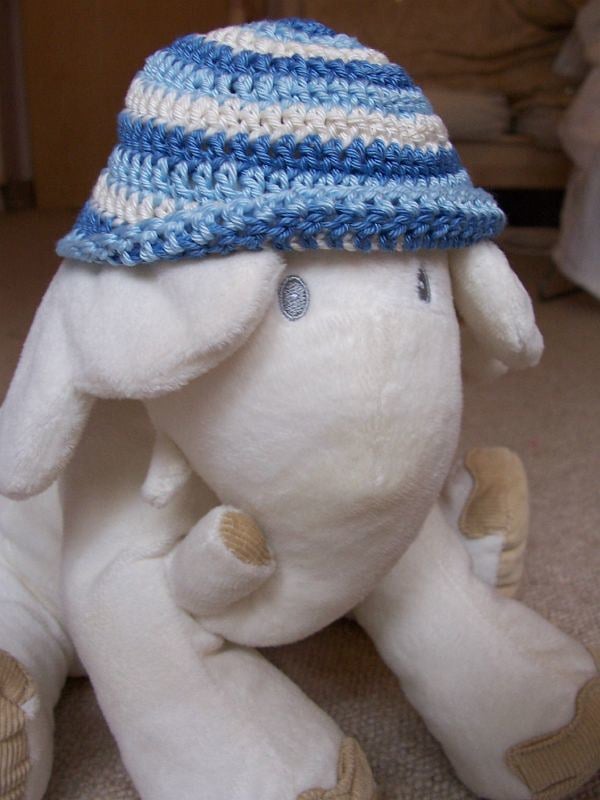
After the first Teenie Beanie craze, McDonald’s brought them back in ’99 with an international spin—bears from different countries plus more characters. Collectors once again swarmed restaurants.
Lightning struck twice. And McDonald’s learned something important: sometimes the best new promotion… is just repeating the old one.
When Promotion Became Product

These campaigns didn’t just sell burgers—they shaped culture. From toys to tie-ins to all-you-can-eat salad bars, promotions became as important as the food itself.
Fast food learned that a freebie or collectible could drive loyalty for years. And honestly? We’re still chasing that feeling.
More from Go2Tutors!

- The Romanov Crown Jewels and Their Tragic Fate
- 13 Historical Mysteries That Science Still Can’t Solve
- Famous Hoaxes That Fooled the World for Years
- 15 Child Stars with Tragic Adult Lives
- 16 Famous Jewelry Pieces in History
Like Go2Tutors’s content? Follow us on MSN.



