Absurd Fashion Statements from the Middle Ages
Fashion has always been a competition. And nowhere is that clearer than in medieval Europe, where nobles, merchants, and even peasants went to genuinely bizarre lengths to signal wealth, status, and taste.
Some of it was elegant. A lot of it was not.
Here are the fashion choices that prove people have always been willing to suffer — or look ridiculous — for a good outfit.
Shoes So Long They Required a Chain
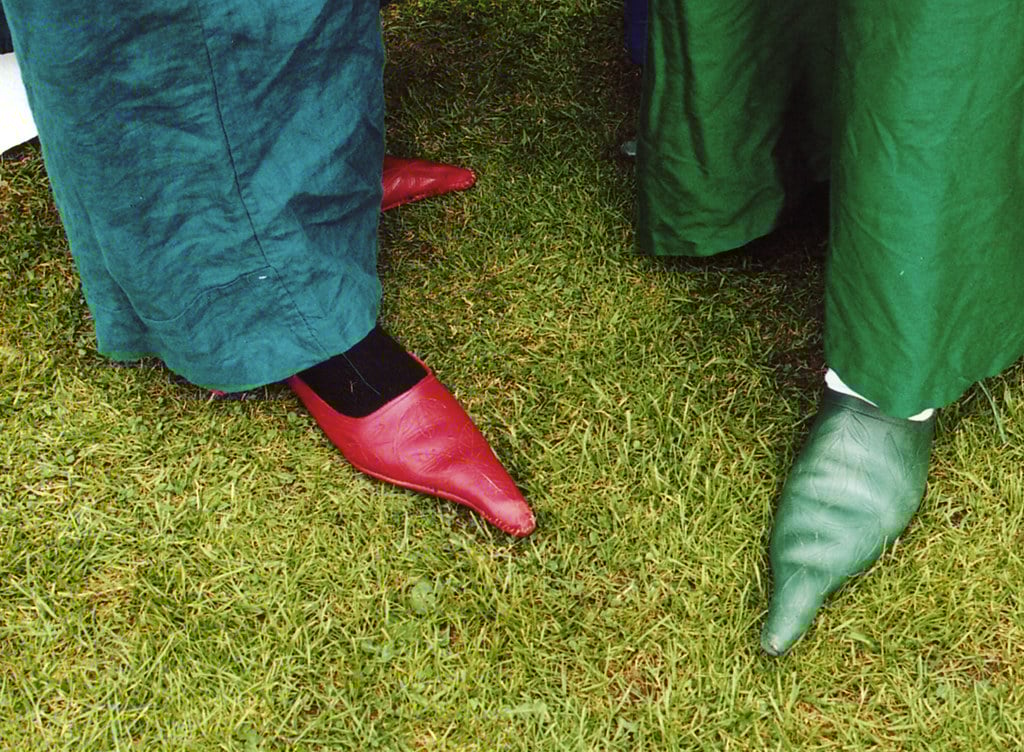
The poulaine, also called the crakow, was a shoe with a pointed toe so extreme it curled upward like a question mark. By the mid-1400s, some nobles wore versions where the tip extended 24 inches beyond the foot.
Walking was a challenge. Running was basically impossible.
To keep the stuffed toe from flopping around, some wearers attached a small chain from the tip up to their knee. The length of your poulaine communicated your rank.
Royalty wore the longest. Commoners were legally limited to shorter versions in some regions.
That’s right — there were laws about how ridiculous your shoes could be.
Hats That Defied Structural Logic

The hennin was a tall cone worn by women across France, Burgundy, and England during the 15th century. Some versions were modest.
Others were two feet tall. A few historical accounts describe them reaching three feet or more, requiring doorways to be ducked under and carriages to be entered sideways.
A sheer veil typically floated from the tip. The whole thing was held in place by elaborate pinning, padding, and hairpieces.
It took real commitment to get dressed in the morning.
The Codpiece Problem

For about 150 years, men across Europe wore codpieces — padded, sometimes armored pouches worn over the groin on the outside of their clothing. What started as a practical flap to close the gap between hose became something else entirely.
By the 1500s, codpieces were stuffed, embroidered, jeweled, and enormous. Henry VIII famously wore some of the most exaggerated examples in history, which says something about what power and fashion looked like when they collided.
Half One Thing, Half Another

Parti-colored clothing split a garment down the middle — one leg red, the other blue, one sleeve yellow, one green. This was not an accident or a shortage of fabric.
This was the point. The more clashing the combination, the better.
Jesters became associated with this look over time, but for much of the 14th century it was genuinely fashionable among knights and courtiers. Some versions extended the pattern to the face, with elaborate half-and-half paint or makeup applied for feasts and tournaments.
Sleeves as an Entire Situation

Medieval sleeves were sometimes longer than the arm wearing them. Hanging sleeves, called tippets, trailed along the ground in the most dramatic versions.
They served no purpose beyond display. Some were so long that they were knotted to keep them out of the mud.
Later, in the 15th century, the fashion shifted to sleeves that were deliberately slashed — cut with parallel slits so that the contrasting fabric of a shirt or lining could be pulled through. A well-made slashed sleeve required a tailor with patience.
It also required the wearer to accept that their clothing was structurally compromised by design.
Bells Were Considered Stylish

Sewing small bells into the hems of garments was a real trend. Nobility would walk into a room and announce themselves with a faint jingling. Belts, gloves, and shoes also got the bell treatment. It was the medieval equivalent of blasting music from your car with the windows down.
The sound marked you as fashionable. It also made it impossible to sneak up on anyone, which may or may not have been the intention.
The Dagged Edge Obsession

Dagging meant cutting the edges of a garment into decorative shapes — leaves, flames, teeth, scallops. The more elaborate, the better.
By the late 14th century, fashionable men and women were walking around with their clothing cut into fringes, points, and lobes all along the hem, sleeves, and collar. This required extra fabric, extra time from a tailor, and a willingness to look like your outfit had been chewed on.
It was considered highly sophisticated.
Platform Shoes That Made Poulaines Look Sensible
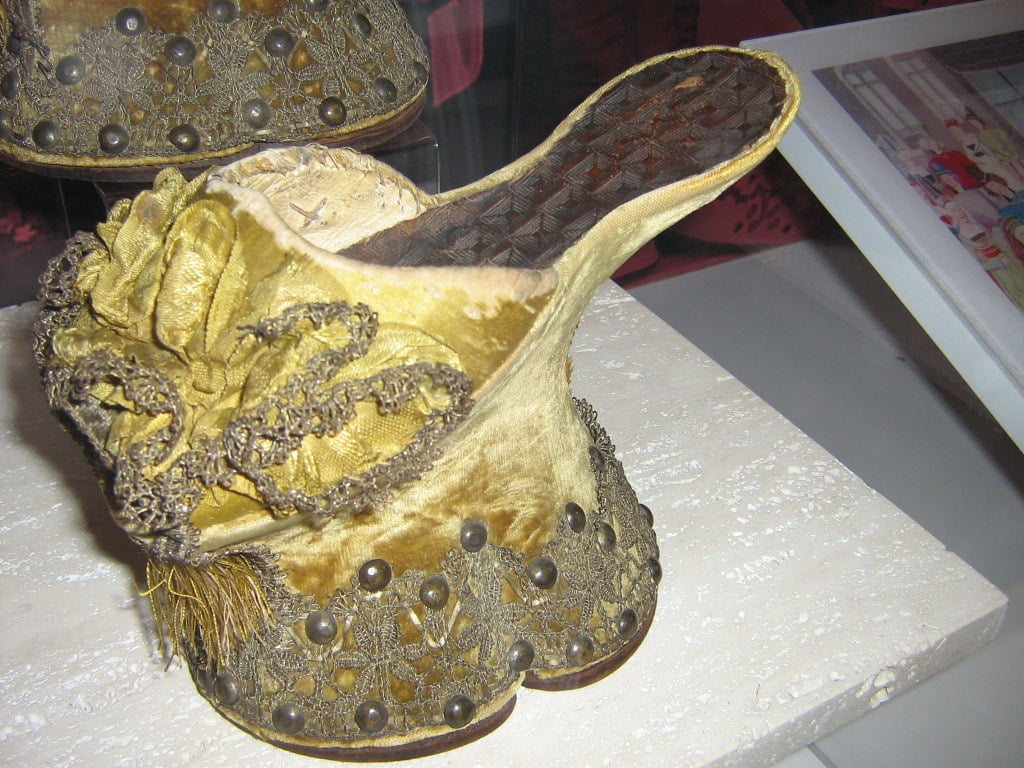
Chopines were platform shoes worn primarily in Venice and Spain from the 15th century onward. The heel could be four inches.
Or eight inches. Or, in extreme examples, nearly two feet off the ground.
Women who wore the tallest versions required attendants on either side just to walk. The practical function was to keep hems out of the mud and filth of city streets.
The social function was to make you visibly taller and grander than everyone else. The actual result was a gait that looked like someone walking on stilts while pretending they weren’t.
Horned Headdresses
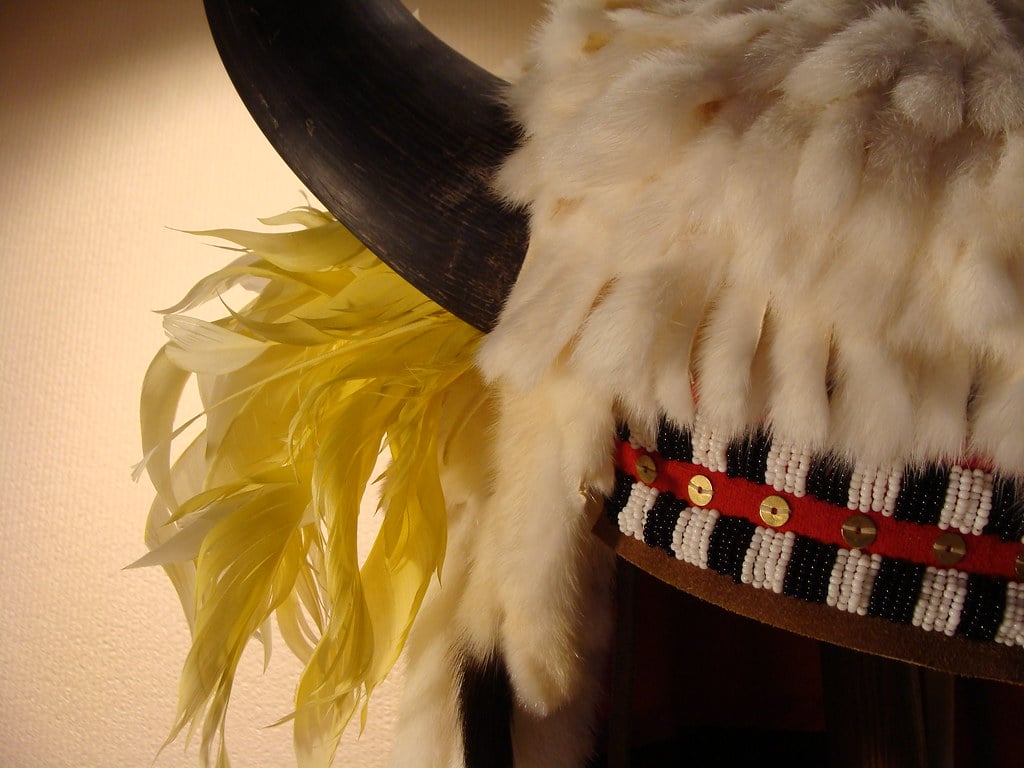
Before the hennin dominated, the horned headdress had its moment. Two stiffened projections extended from the sides of the head, sometimes draped with fabric.
A wide-coiffed version could extend several feet from ear to ear. The Church was not happy about this.
Sermons were given specifically against horned headdresses. Preachers called them the horns of the devil.
Women continued wearing them anyway.
The Chaperon Worn Wrong on Purpose

The chaperon was originally a practical hood with a short cape. At some point in the 14th century, fashionable men figured out that wearing it inside-out and backward — with the face pit around the head and the hood flopping down as a tail — looked considerably more impressive.
The hanging tail, called a liripipe, grew longer and longer over time. Some were so extended they had to be thrown over the shoulder or tucked into a belt to avoid tripping.
The more absurd the drape, the more admired the wearer.
Fur for Everyone (Who Could Afford It)

Fur was status made physical. Ermine — white with black tips — was strictly reserved for royalty in many regions. Sable, marten, and squirrel were for nobles.
The type and quantity of fur on your garments told everyone exactly where you stood. This got out of hand.
Sumptuary laws — rules about who could wear what — were passed across Europe specifically to stop the merchant class from out-dressing the aristocracy. Merchants largely ignored these laws.
The aristocracy kept adding more fur.
Extremely Long Fingernails as a Flex

Long nails once signaled rank in parts of Asia, plus among elite circles during moments of French trendsetting. Clearly, such lengths meant no work with the hands ever took place.
That detail shouted – without words – that daily struggle skipped these fingers entirely.
Small caps covered the nails of certain noblemen.
Built to be awkward, they served a purpose through discomfort. That discomfort mattered most.
Impractical Gloves for Ceremonial Use
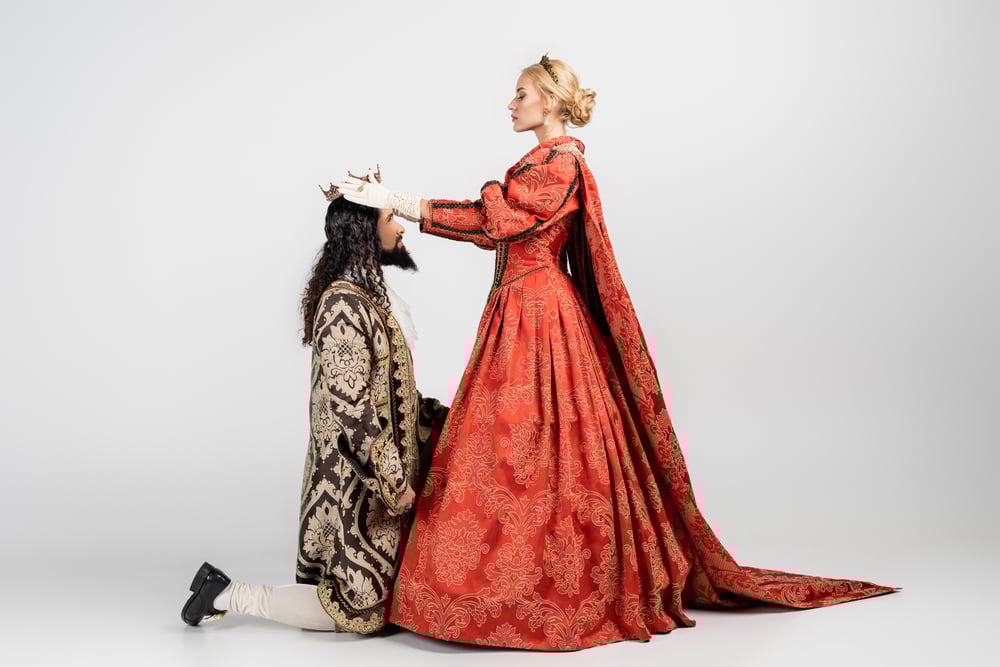
Not every hand covering in medieval times served mere warmth. Proof of agreement hid inside their stitching.
Down it dropped – one tossed to earth meant battle called your name. Offered upright, such an object transferred deeds or promises.
Needlework ran wild across some, drenched also in scent or studded with stones. So heavy the adornment, another’s hands often had to pull them into place.
Not warmth drove their use, but meaning. Silence came first when fingers stayed bare.
Only once adorned did words begin – gold threads pulling tales tight, tiny pearls clicking like teeth. Speech waited on splendor.
Cloth So Thin It Was Basically Transparent
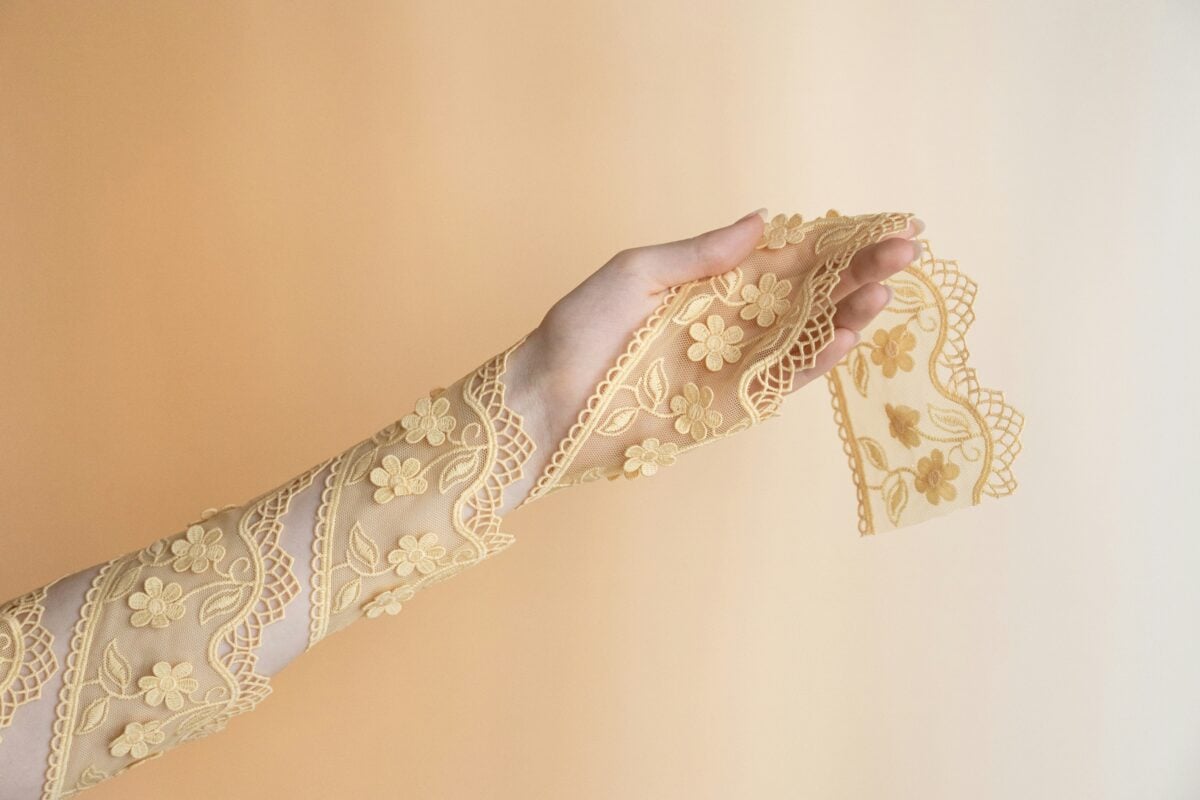
Sheer fabrics like fine linen started catching on across parts of Europe, especially in French and Italian areas. Clothes made from these materials often let light pass right through them.
People did wear layers underneath, so there was no shock value meant by it. The idea all along had been showing off that delicate transparency up top.
What mattered most was how thin and soft the outer piece looked. A single thread, almost invisible, proved wealth better than gold.
Worth more than a year’s pay for some workers, just one pound of that sheer silk stuff.
When Clothes Survived Their Time
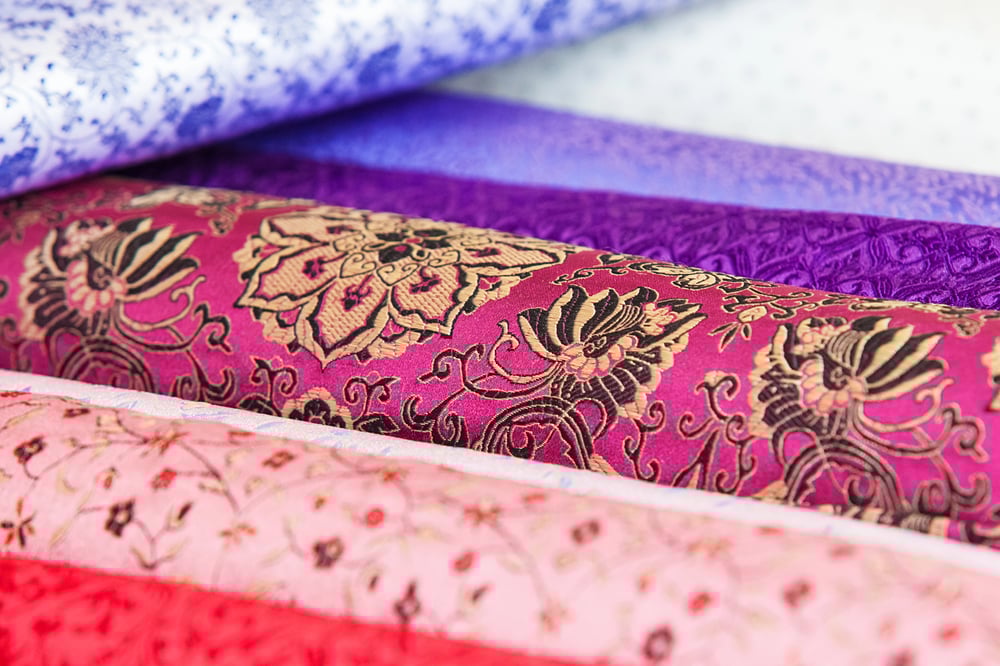
Looking back now, it’s hard to recall how normal it all felt. Back then, nothing stood out as odd. Wearing eight-inch chopines didn’t feel excessive – just proper.
Standards came from the world around, after all. Bells weren’t gaudy.
They fit. Pointed toes? Sharp. Refined.
A horned headpiece wasn’t silly. It showed presence.
Fashion feels logical when you are living through it. Seen from a distance – years later, across borders, even just out of step – it can seem absurd.
Hold that thought the next time today’s trends feel obvious. Laughter waits ahead, somewhere down the line.
More from Go2Tutors!

- The Romanov Crown Jewels and Their Tragic Fate
- 13 Historical Mysteries That Science Still Can’t Solve
- Famous Hoaxes That Fooled the World for Years
- 15 Child Stars with Tragic Adult Lives
- 16 Famous Jewelry Pieces in History
Like Go2Tutors’s content? Follow us on MSN.



