Biggest Movie Props Ever Created
Movie sets are full of tricks that are used to create convincing illusions, but filmmakers also use the exact opposite strategy in many productions. Instead of using tricks like miniatures or computer graphics, filmmakers use massive props that take center stage on the sets and bring life to a scene in a very tangible way.
Although modern filmmakers are using computer graphics to create massive sets, props are playing a very important role in many productions, especially in bigger productions. Massive props allow the actors to interact with their surroundings in a much better way, and it also gives the audience a better idea of the scale of the events that are taking place in front of them in the film.
Filmmakers have gone to great lengths in many productions over the decades to come up with massive props that are very realistic and look very authentic in front of the camera. Here’s a look at fifteen of the biggest props ever made for a film:
The Titanic Ship Replica — Titanic (1997)

When James Cameron set out to film Titanic, realism was a priority. To recreate the famous ocean liner, the production team built an enormous ship replica at Baja Studios in Mexico.
The set measured about 775 feet long, roughly ninety percent of the real ship’s length. It allowed filmmakers to capture sweeping exterior scenes and complex action sequences without relying entirely on digital effects.
Actors were able to walk across the deck and interact with the structure as if it were the real vessel. Building such a massive set also allowed the crew to recreate detailed scenes involving crowds, lifeboats, and dramatic moments during the sinking sequence.
The sheer scale of the prop helped give the film its convincing sense of realism and became one of the most ambitious set constructions in movie history.
The Statue Of Ramses — The Ten Commandments (1956)
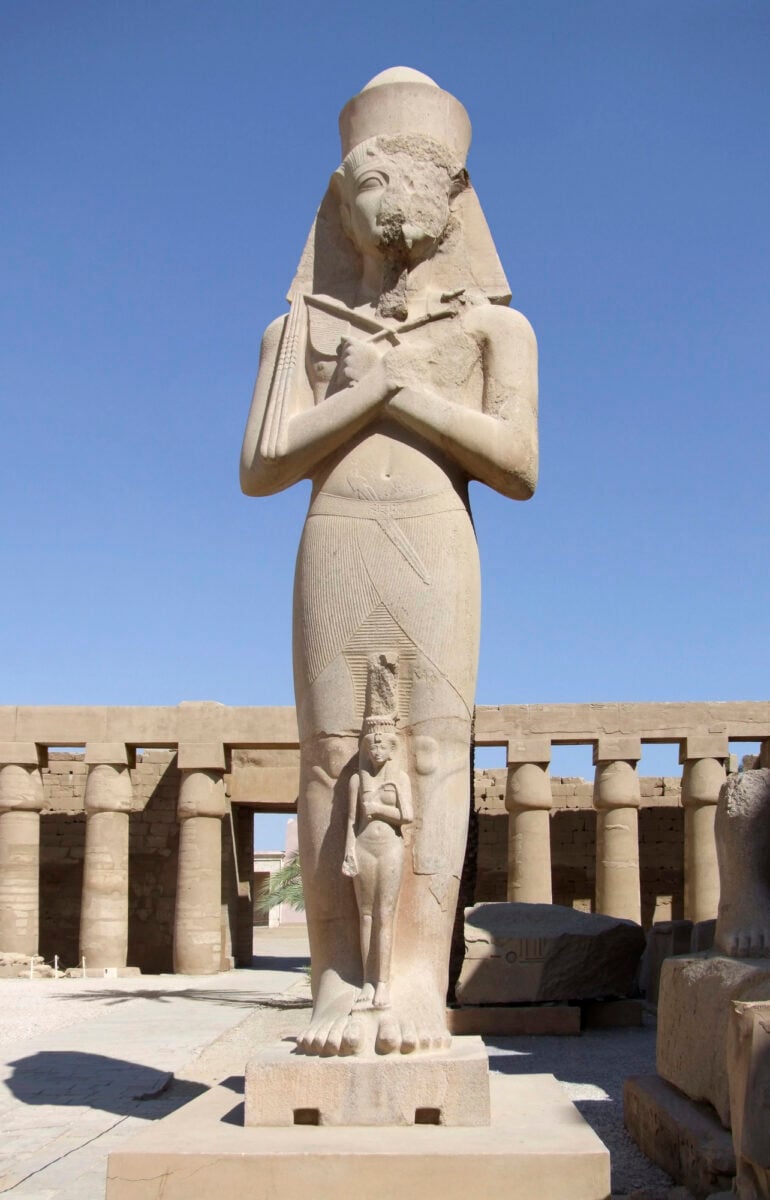
Cecil B. DeMille’s epic film The Ten Commandments featured elaborate sets inspired by ancient Egypt. One of the most impressive elements was the towering statue of Ramses created for temple scenes.
The prop stood more than forty feet tall and dominated the massive set built for the production. Made primarily from wood, plaster, and carefully painted surfaces, the statue was designed to resemble ancient stone sculptures.
Its presence helped reinforce the scale and power associated with Egyptian rulers in the film’s story. Even decades later, the statue remains one of the most memorable props created during Hollywood’s era of large-scale historical epics.
The Sandworm Segments — Dune (2021)
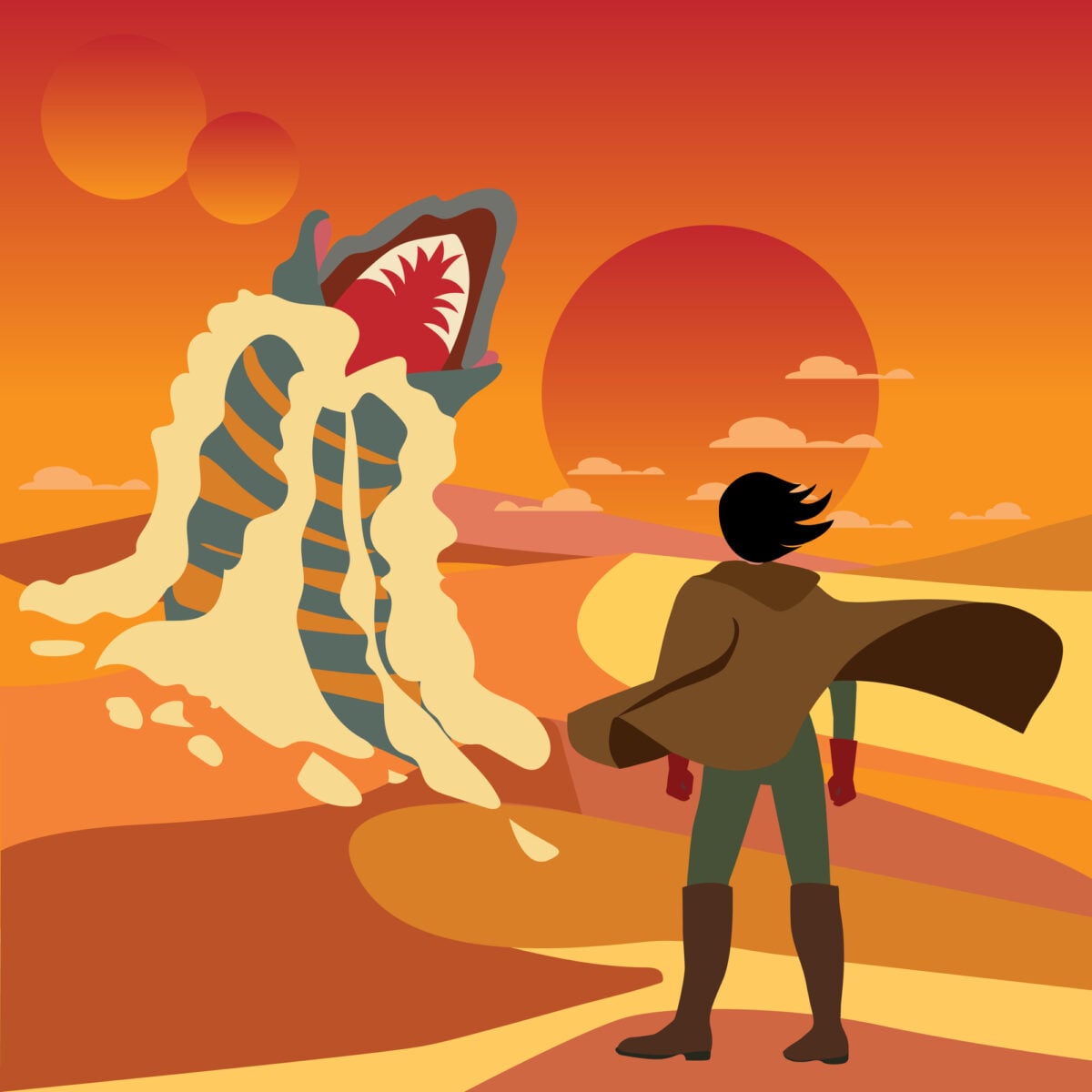
The sandworms of Arrakis are among the most recognizable creatures in modern science fiction. For the 2021 film adaptation of Dune, the production team created enormous practical sections of the worm.
These massive prop segments were used for scenes where actors physically interacted with the creature. The textured surface and enormous scale helped performers react realistically to the environment.
Digital effects later expanded the creature into its full form, but the practical builds provided a convincing starting point. The combination of practical craftsmanship and digital enhancement helped create one of the most striking creatures in recent science fiction films.
The Orc Forge Set — The Lord Of The Rings Trilogy
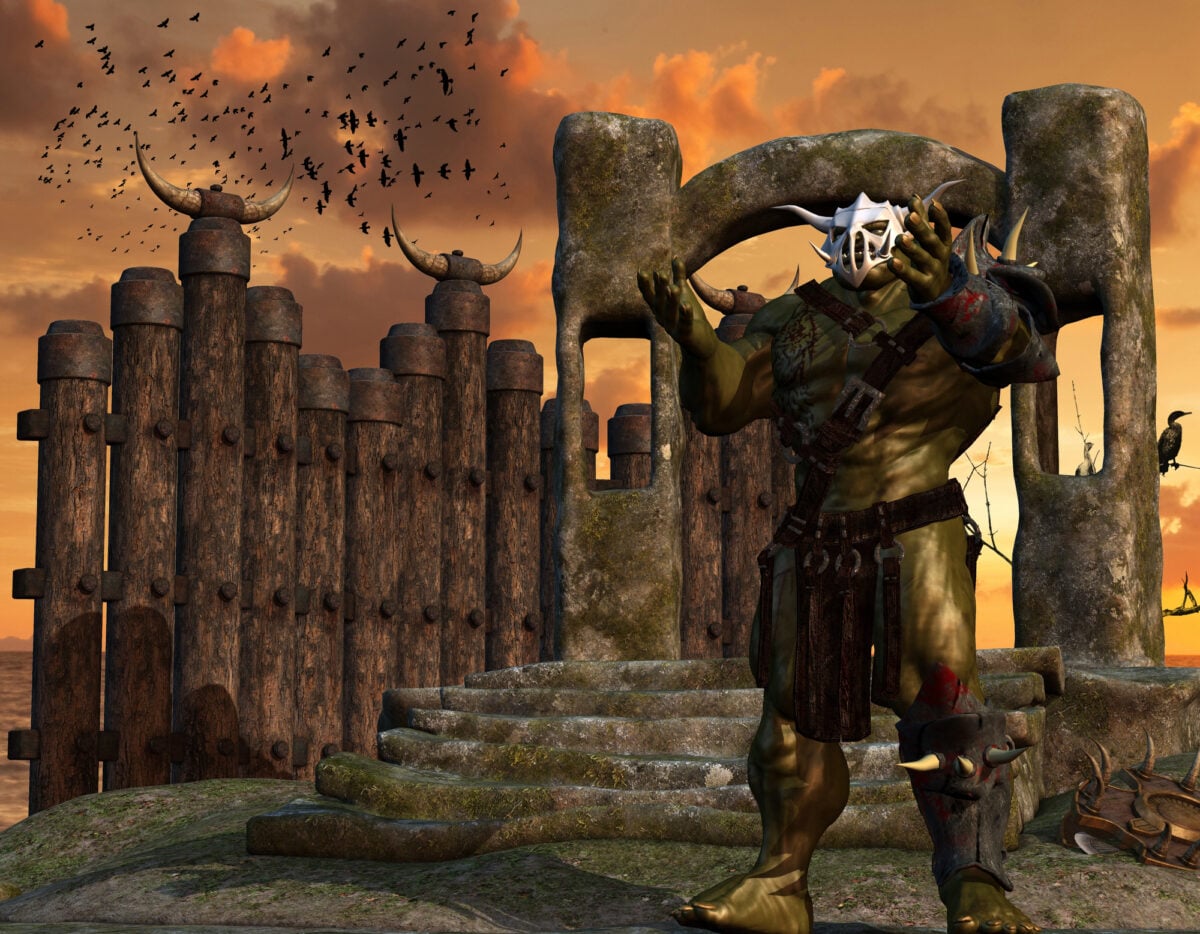
The world of Middle-earth required elaborate environments that felt ancient and industrial at the same time. For scenes inside the orc strongholds, the production built enormous forge sets filled with towering structures.
Massive chains, giant platforms, and towering mechanical elements filled the space. These props created the impression of a dark factory producing weapons for war.
Actors moving through the set were surrounded by huge physical structures, which helped make the environment feel believable. The scale of the props reinforced the sense that the characters were inside a vast underground fortress.
The Alien Queen — Aliens (1986)
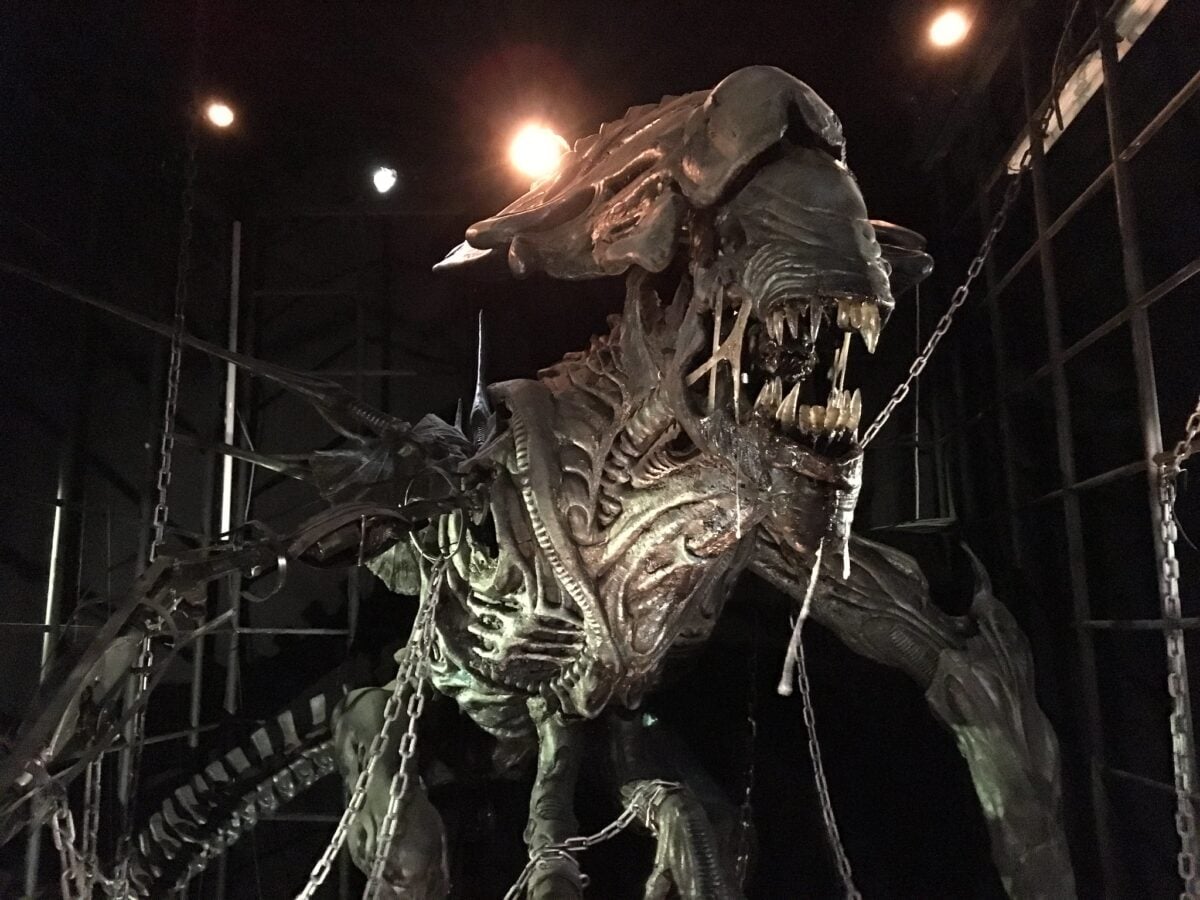
The Alien Queen introduced in Aliens remains one of the most impressive practical creatures ever built for a film. Standing more than fourteen feet tall, the prop required several puppeteers to operate its limbs and head.
The creature’s design included mechanical joints, detailed textures, and long limbs that moved in an unsettling way. Its presence on set allowed actors to perform directly opposite the towering monster.
The practical prop created a strong visual impact that helped define the film’s climactic scenes. Even in an era before advanced digital effects, the Alien Queen felt convincing and intimidating.
The Batmobile Tumbler — The Dark Knight (2008)
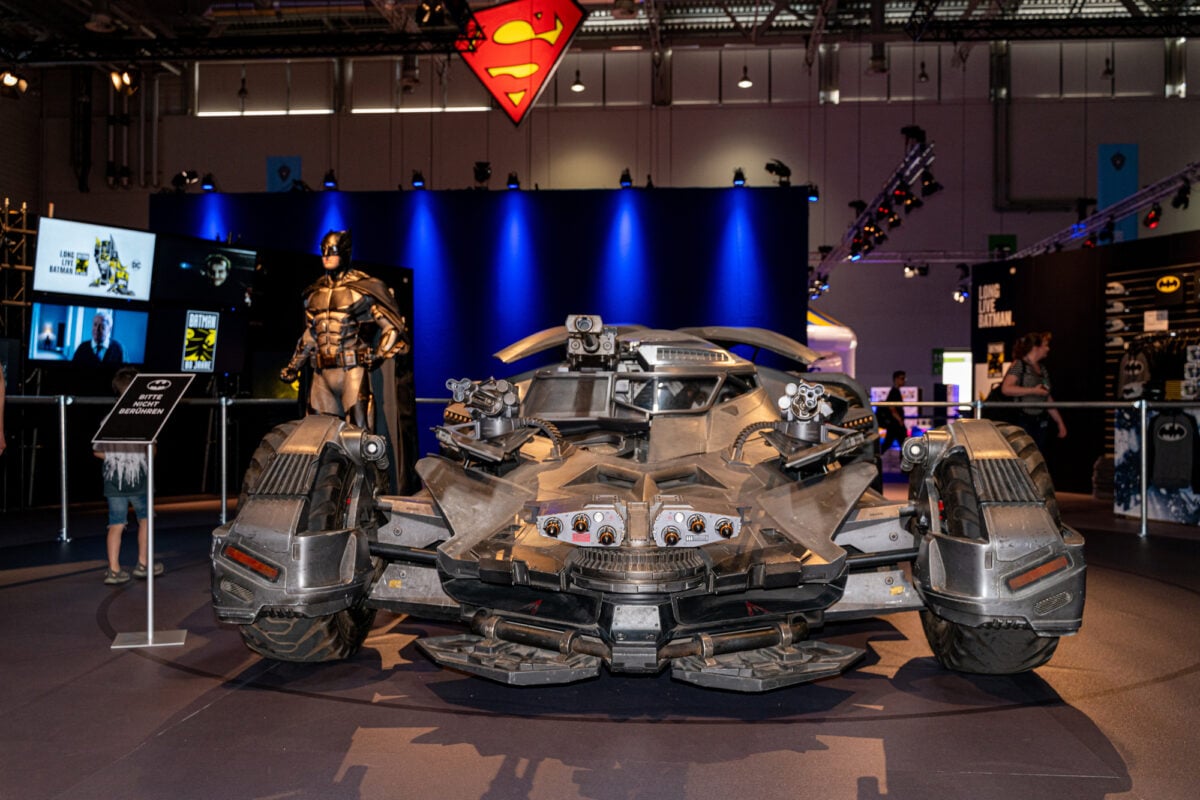
Christopher Nolan’s Batman films often favored practical effects over digital ones. The Batmobile, known as the Tumbler, was constructed as a fully functioning vehicle rather than a computer-generated design.
Weighing several tons, the vehicle featured heavy armor plating and enormous tires designed for stunt work. Multiple versions were built so that the crew could film different types of action scenes.
The decision to use a real vehicle gave the chase sequences a sense of weight and realism. Watching the Tumbler move through city streets helped audiences believe in the gritty world created for the film.
The Millennium Falcon Interior — Star Wars
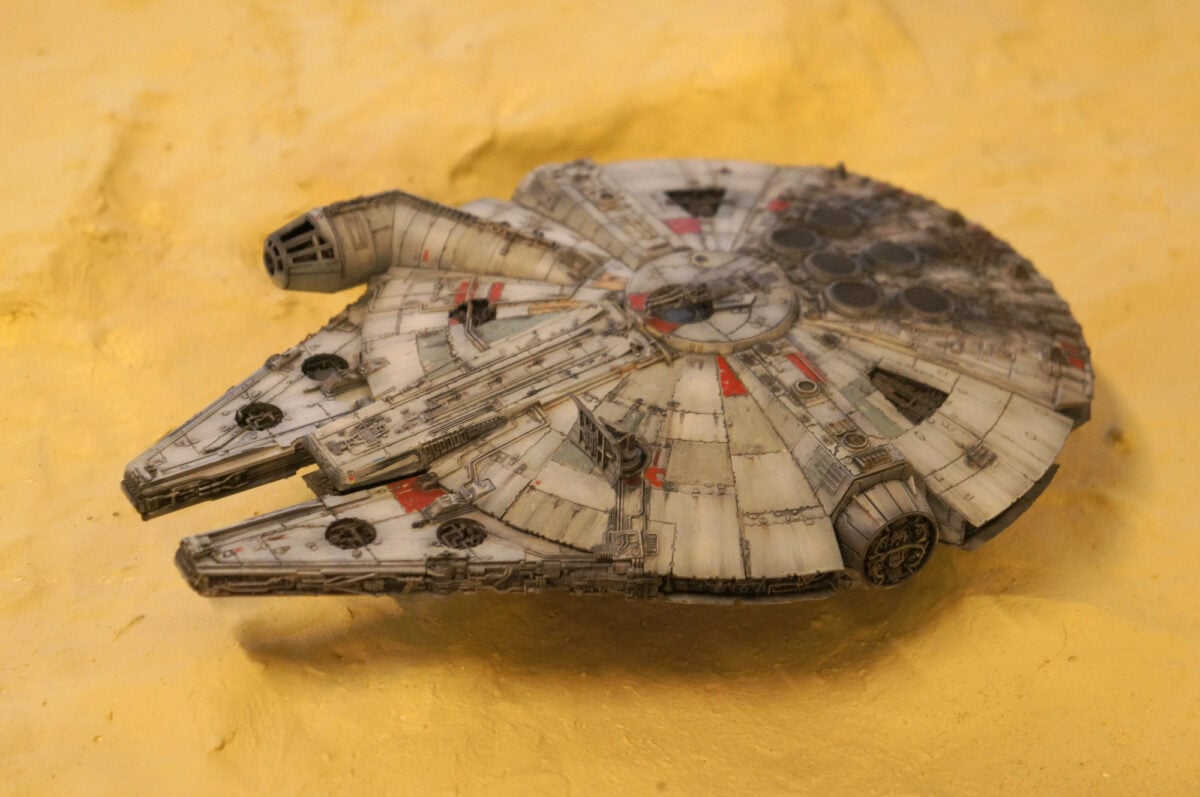
The interior of the Millennium Falcon became one of the most recognizable environments in science fiction. For filming, the production created large circular sets that allowed cameras to move through the corridors.
These massive builds included the famous cockpit, living areas, and mechanical hallways. The interconnected design allowed characters to move naturally through the ship during scenes.
The detailed construction made the spacecraft feel like a real place rather than a simple movie set. Decades later, the Falcon’s interior remains one of the most beloved settings in the franchise.
The King Kong Hand — King Kong (2005)
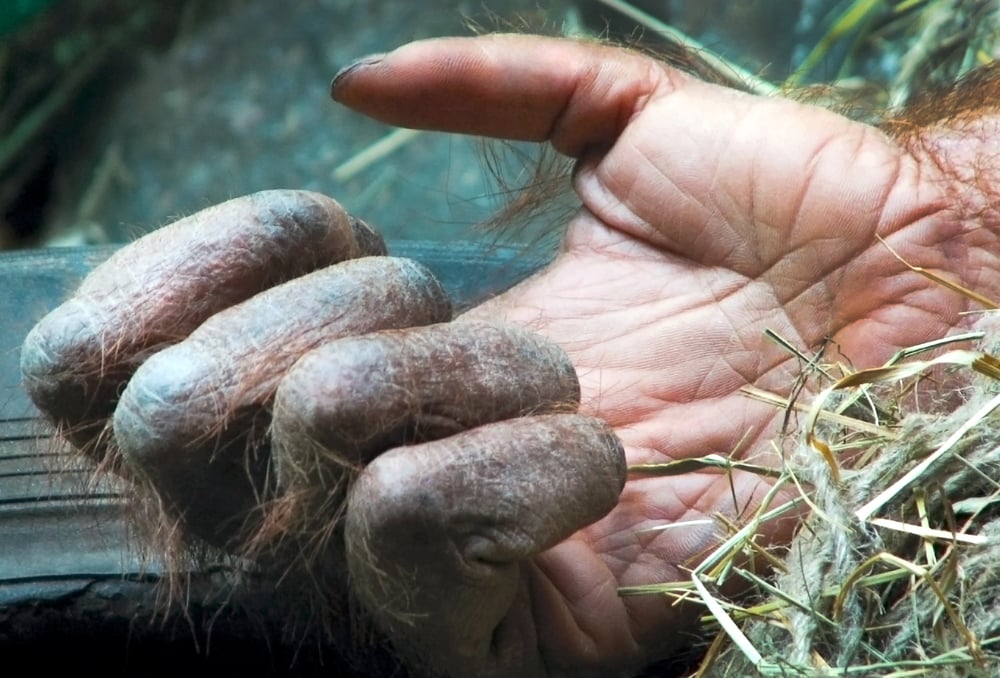
For Peter Jackson’s version of King Kong, filmmakers built a giant mechanical hand representing the enormous ape. The prop allowed actors to sit in the palm during certain scenes.
Each finger could move independently thanks to hidden mechanical controls operated by technicians. The massive hand created the illusion that actors were truly being held by a giant creature.
Using a practical prop allowed performers to interact naturally with the environment rather than relying entirely on digital effects.
The Trojan Horse — Troy (2004)
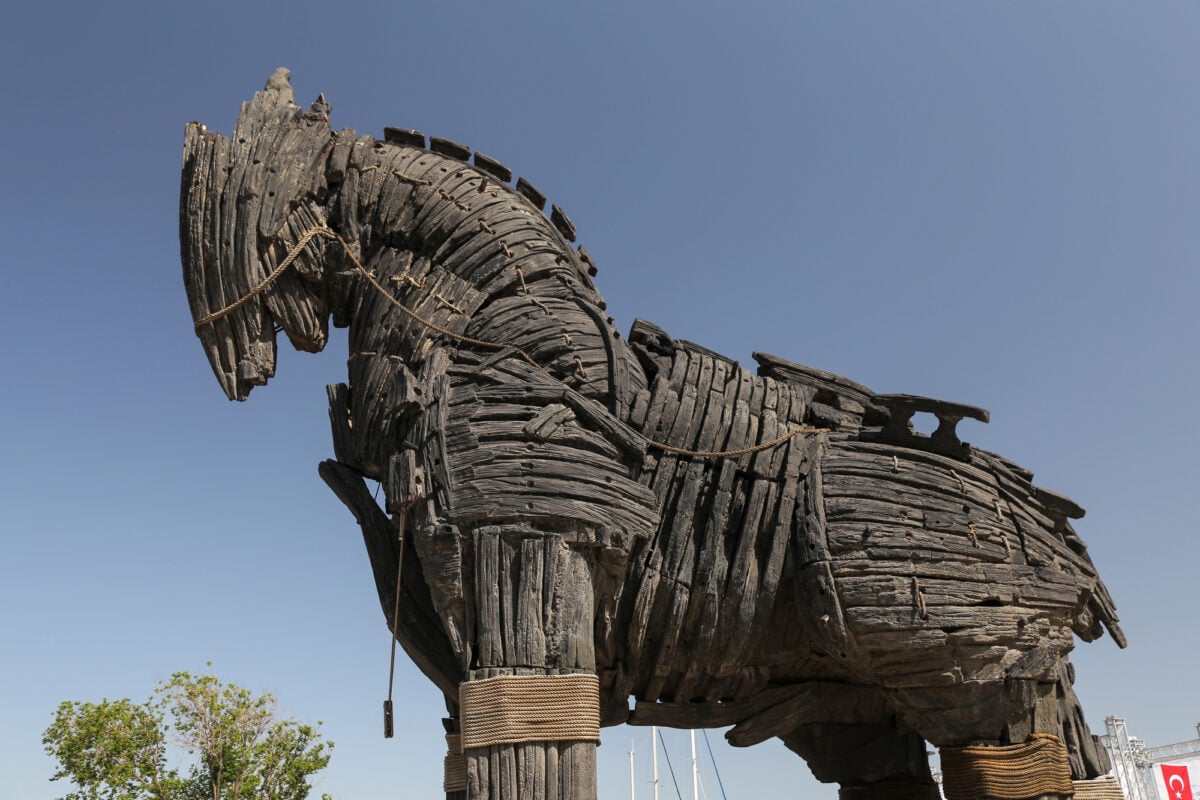
The legendary Trojan Horse required a massive prop to capture the myth’s dramatic scale. The production built a towering wooden structure several stories tall.
The enormous prop dominated the set during filming. Its size helped convey the sense of awe and tension surrounding the famous story.
The build also allowed large groups of actors to move around the structure, making the scenes feel more authentic.
The Temple Of Doom Bridge — Indiana Jones And The Temple Of Doom
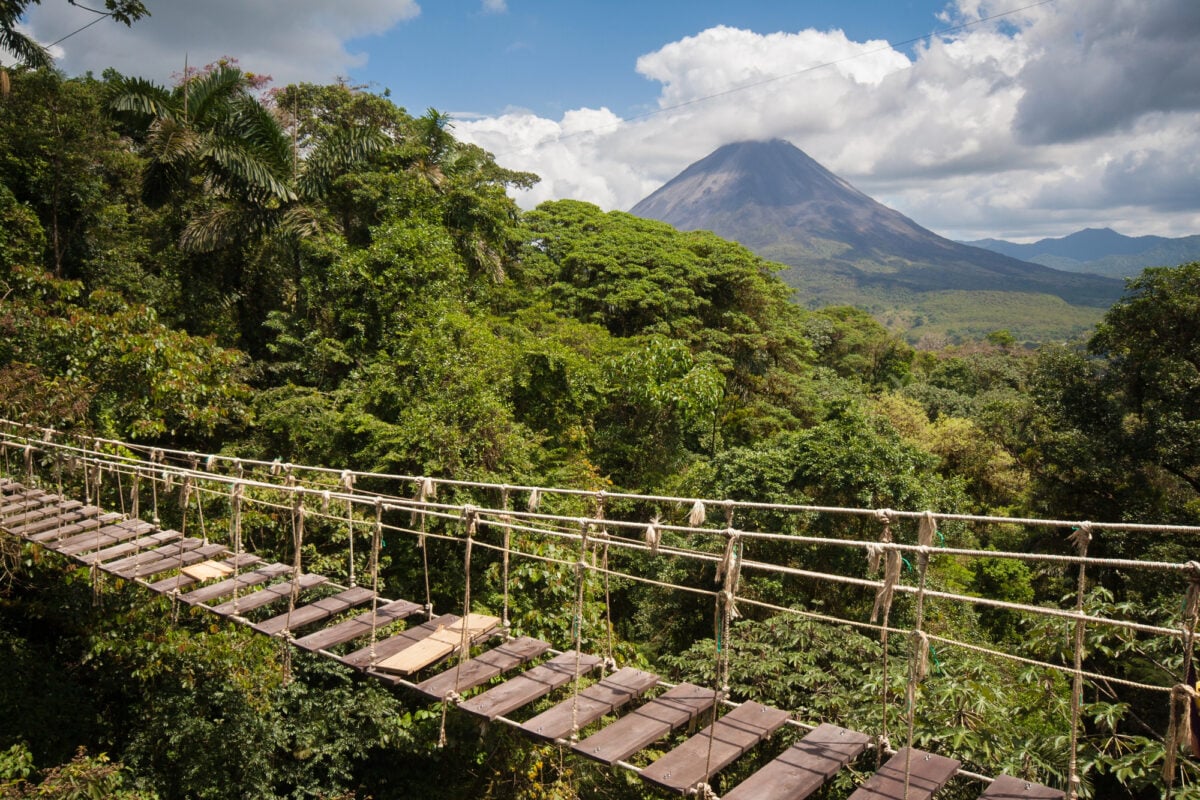
One of the most memorable scenes in the Indiana Jones series takes place on a rope bridge suspended high above a gorge. The production built a real bridge structure for the sequence.
Actors performed on the bridge while it swayed dramatically during filming. The real height and movement helped create genuine tension.
This practical construction helped make the scene one of the most thrilling moments in the franchise.
The Giant Peach — James And The Giant Peach

The film adaptation of the classic children’s story required a huge peach prop for characters to inhabit. The oversized fruit served as both a set and a visual centerpiece.
Actors moved through the interior while scenes were filmed, creating the illusion of living inside the enormous peach. The bright design and unusual shape helped bring the whimsical story to life.
The Kraken Tentacles — Pirates Of The Caribbean
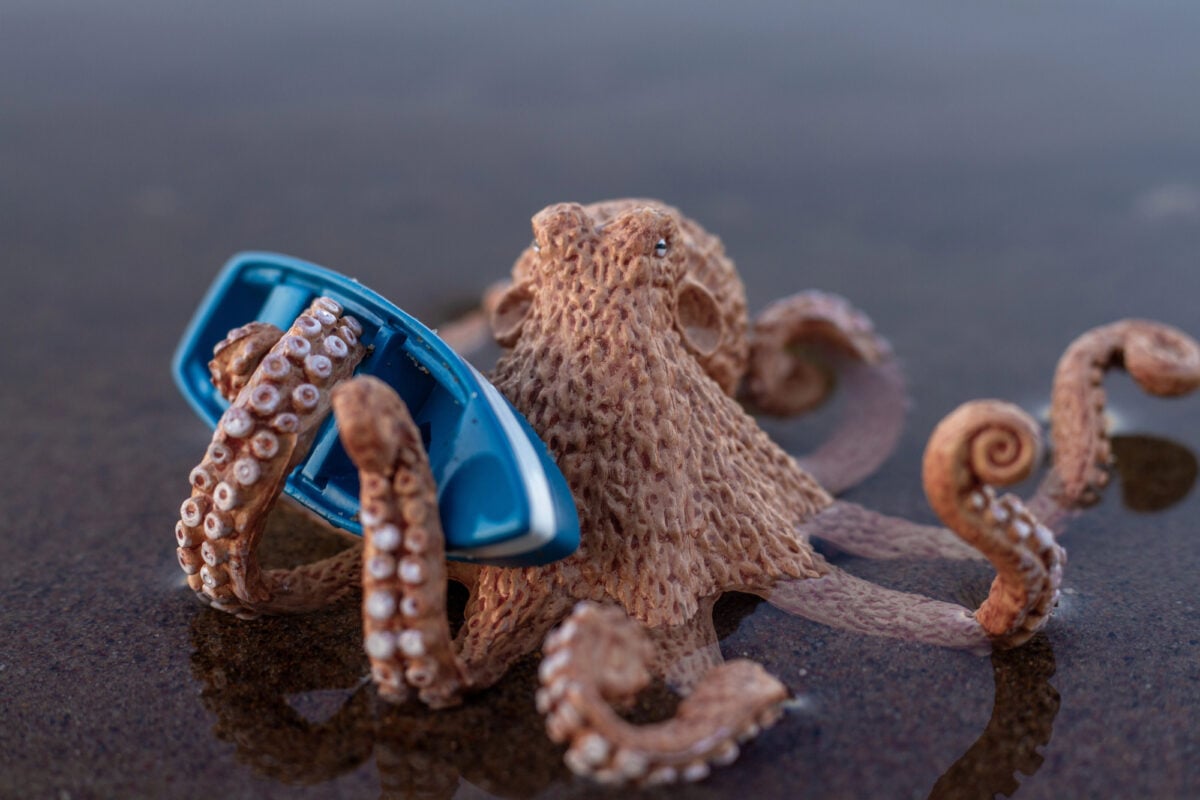
To portray the Kraken, the production team built large mechanical tentacles that could move on set. These props allowed actors to react to something physical during filming.
The tentacles were later enhanced with digital effects to create the full creature. However, the practical elements added realism to the action scenes.
The mixture of practical and digital effects helped make the monster more believable.
The Stargate Ring — Stargate

The Stargate device featured a giant circular ring used in the film’s portal scenes. The prop included rotating sections that moved as the gate activated.
The structure stood several feet tall and served as the centerpiece of the set. Its mechanical design helped create the illusion of advanced technology.
The prop became one of the most recognizable visual symbols in the franchise.
The Jurassic Park Gates — Jurassic Park
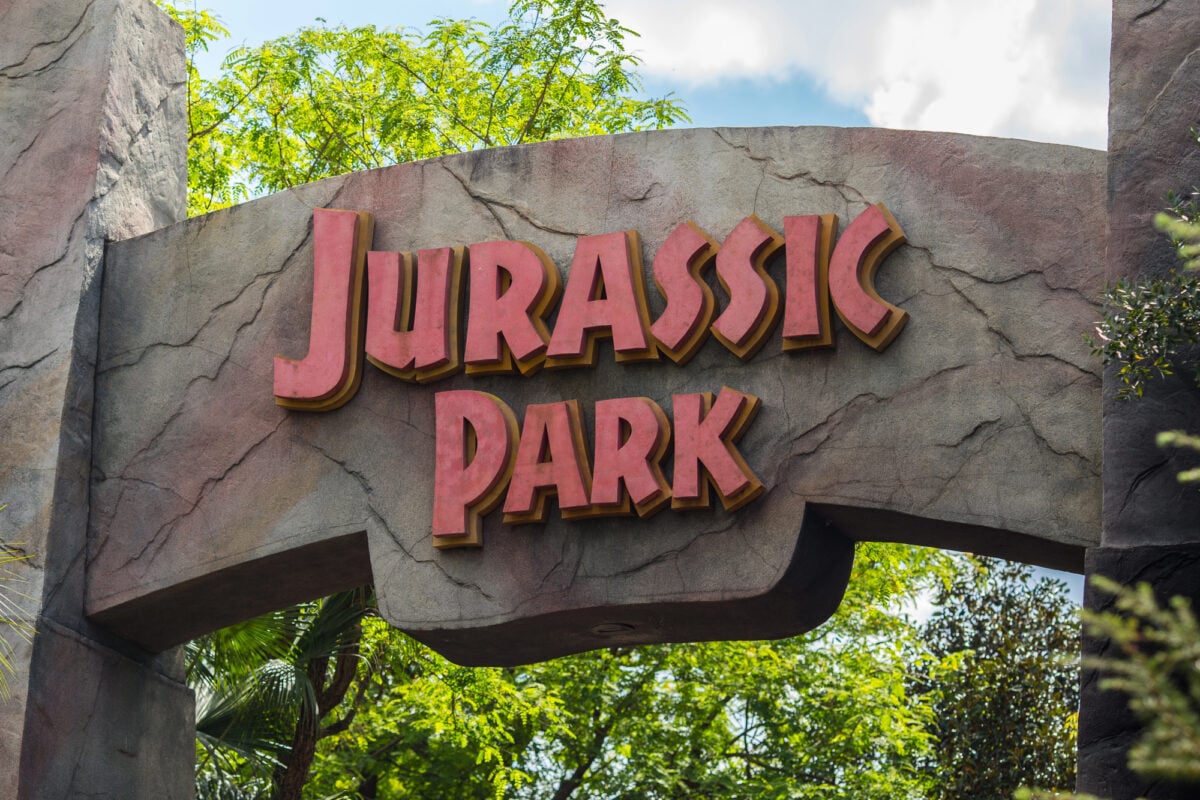
The massive wooden gates leading into Jurassic Park became one of the most famous movie props ever built. The towering structure created a dramatic entrance into the dinosaur park.
When the gates slowly opened during the film, they revealed the world waiting inside. The scale of the prop added excitement and anticipation to the moment.
The Sandcrawler — Star Wars
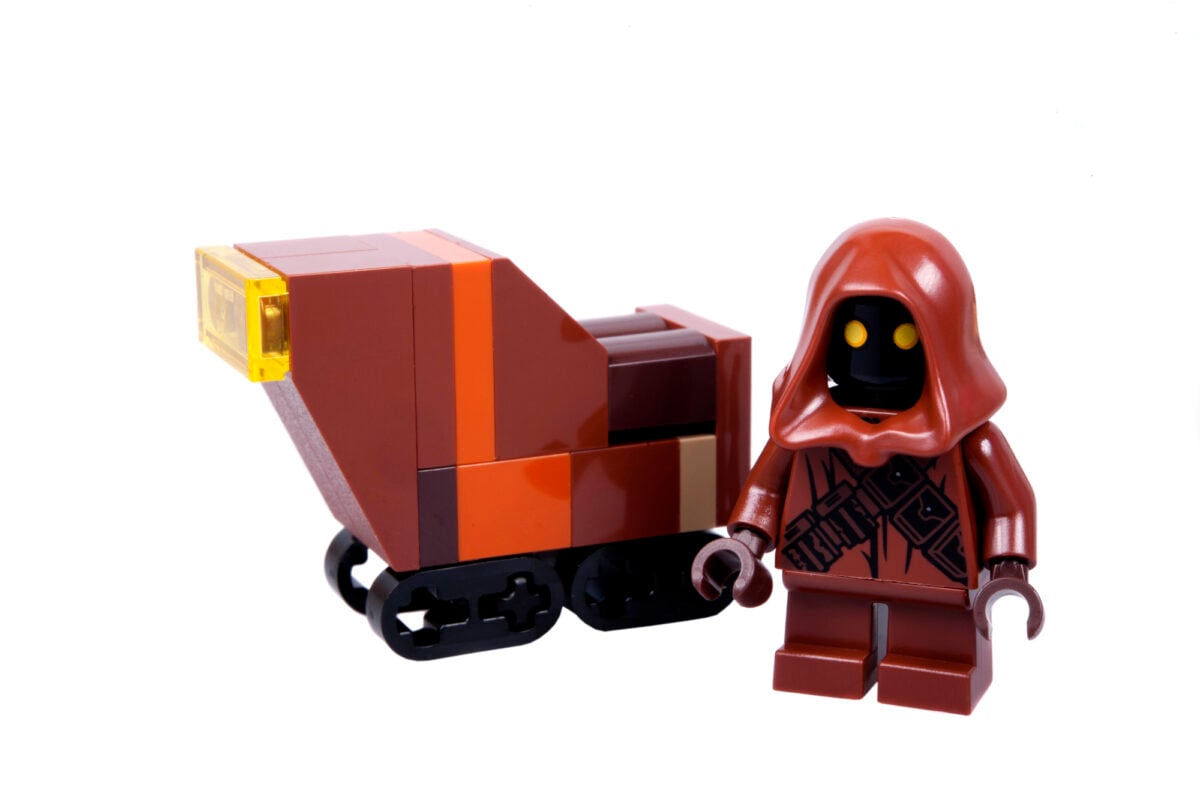
The enormous Sandcrawler vehicle used by the Jawas appeared massive on screen. Filmmakers used a combination of detailed models and large partial builds for close-up scenes.
The design gave the vehicle a heavy industrial appearance suited to the desert world it traveled across.
Why Massive Props Still Matter
In spite of all the advancements in computer graphics, practical props remain a vital part of film production. They provide actors something real to play with.
They offer more realistic visual effects. They represent the unbelievable skill involved in making films.
Designers, engineers, and artists spend months making these props so that moviegoers can enjoy a world that feels realistic. In spite of all the advancements in computer graphics, these massive props still remind moviegoers that some of the greatest moments in film history were made by hand.
More from Go2Tutors!

- The Romanov Crown Jewels and Their Tragic Fate
- 13 Historical Mysteries That Science Still Can’t Solve
- Famous Hoaxes That Fooled the World for Years
- 15 Child Stars with Tragic Adult Lives
- 16 Famous Jewelry Pieces in History
Like Go2Tutors’s content? Follow us on MSN.