Why Roller Skating Rinks Defined Youth Culture
Imagine a Saturday night in 1978, with dozens of teenagers circling the rink in their finest bell-bottoms and platforms, the Bee Gees blasting through speakers, and disco lights spinning across a wooden floor. There was more to roller rinks than just skating.
Teen headquarters was where you learned how to fall without losing your cool, where couples skate was where you got your first crush, and where your ability to backward skate could make you more or less popular. From the 1950s through the 1980s, the roller rink was the destination for many American children on Friday and Saturday evenings.
These places provided something unique: a place where teenagers could congregate without continual adult supervision, where they could express themselves musically and physically, and where social hierarchies were enacted on wheels. The rink had its own magic, its own culture, its own set of rules.
Here are reasons why youth culture was defined by roller skating rinks.
Away From Parental Eyes
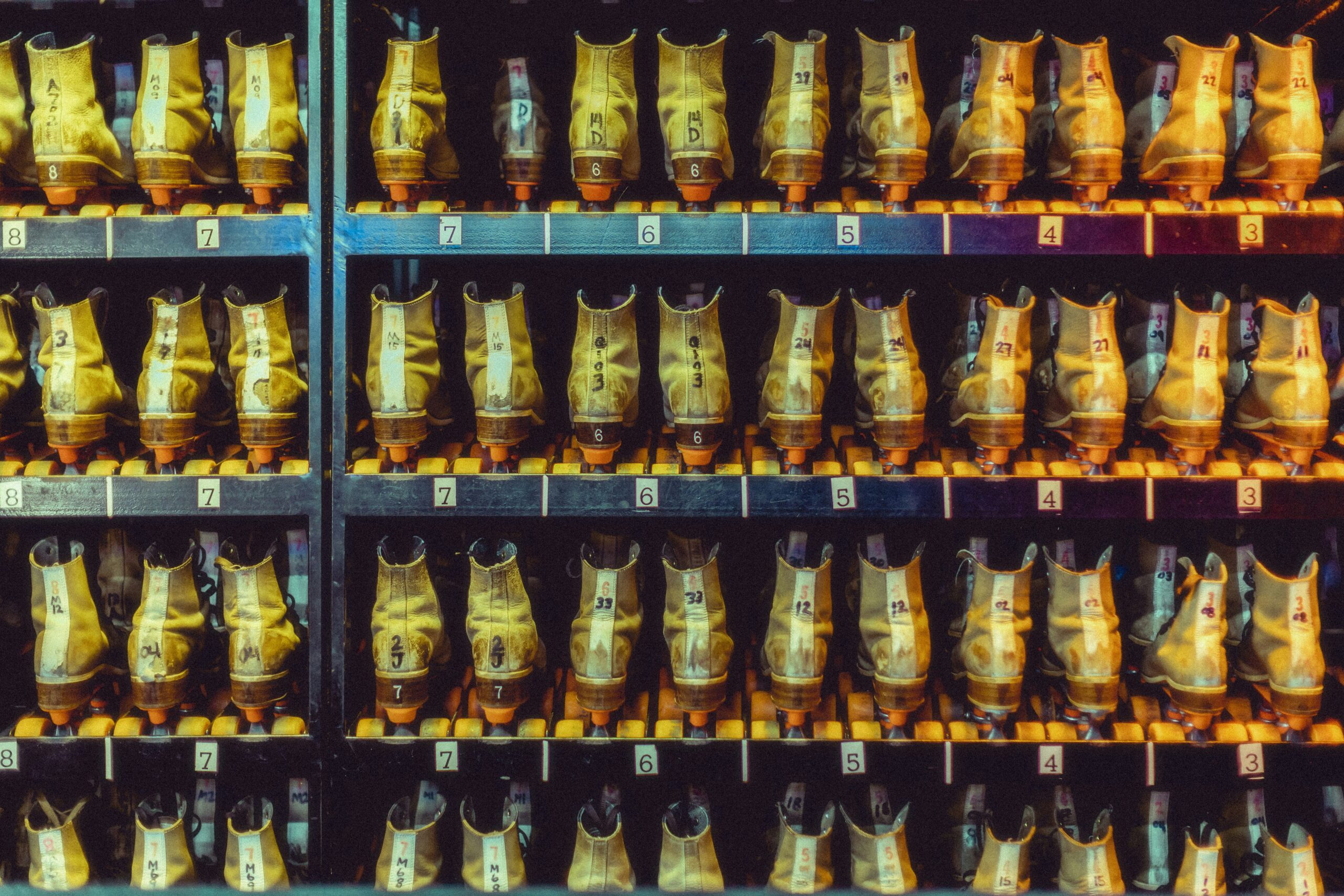
Rinks gave teenagers something precious—freedom from constant parental supervision without actually leaving town. Parents could drop kids off knowing there were adults around, but those adults weren’t their parents watching every move.
This middle ground between total freedom and total supervision let teens test boundaries, flirt awkwardly, and figure out social dynamics on their own terms. The dimmed lights during couples skating only added to the sense that this was teen territory.
The Golden Age Built Infrastructure
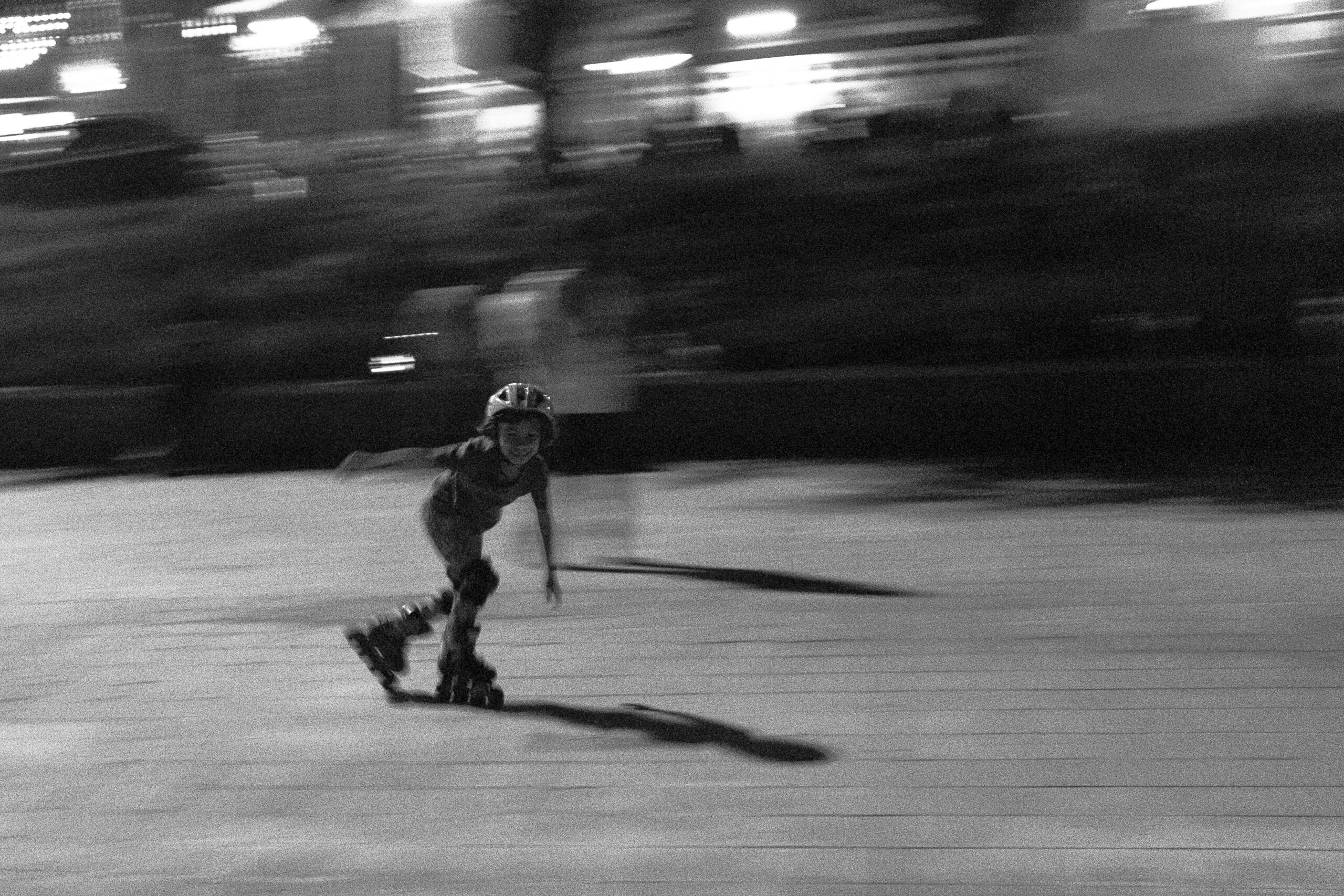
The Golden Age of roller skating from 1937 to 1959 marked a boom in organized skating and rink construction, driven by mass-produced quad skates that became affordable in the 1930s. World War II created demand for stress relief among civilians, war workers, and military personnel, though wartime rationing limited materials for skate production until the late 1940s.
By that point, around 5,000 rinks operated nationwide with 18 million Americans skating regularly. This explosion meant that by the time baby boomers hit their teens in the 1950s and 1960s, roller rinks were everywhere—in small towns, suburbs, and cities.
Like Go2Tutors’s content? Follow us on MSN.
Couples Skate Changed Everything
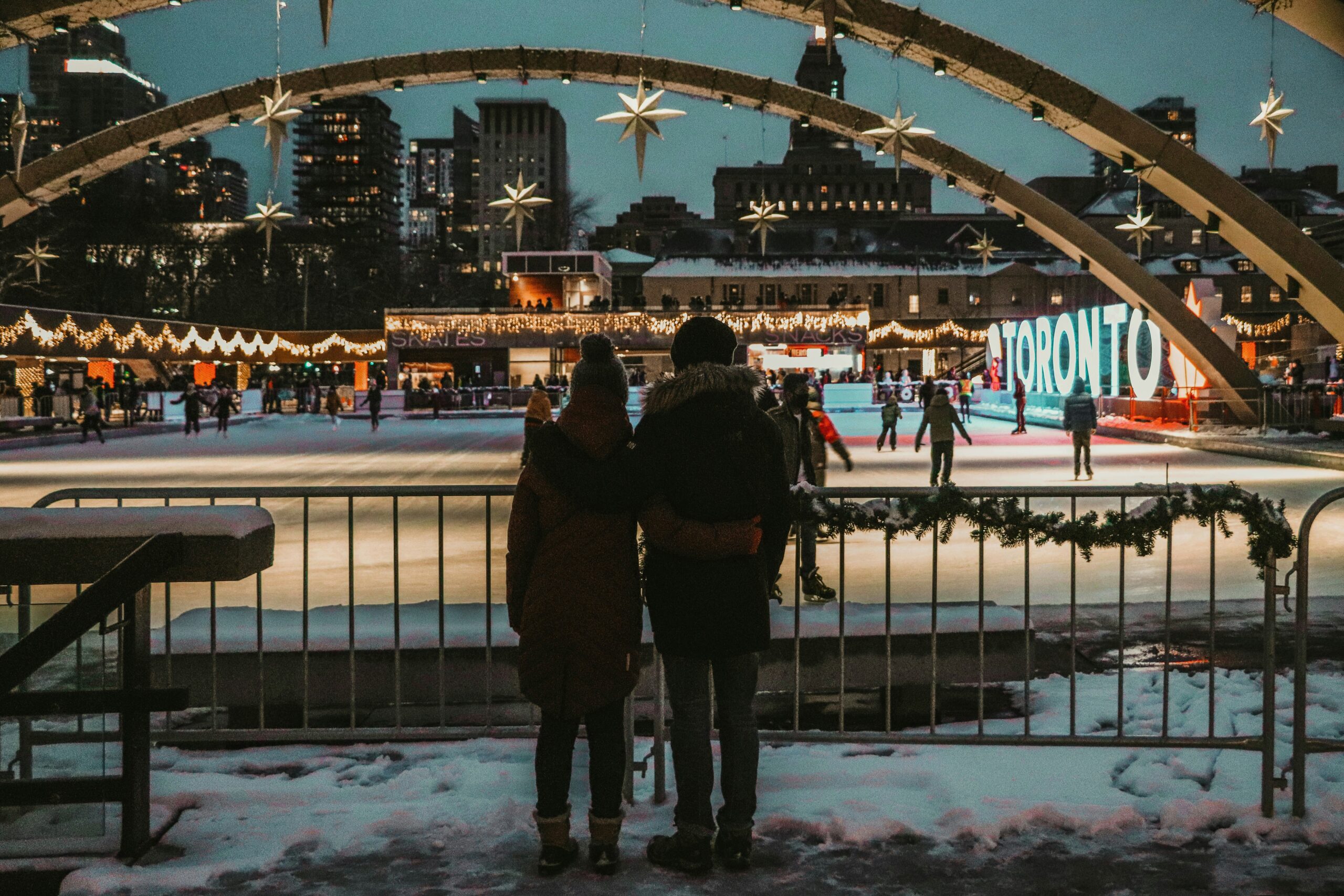
The moment the DJ announced couples skate, the entire social dynamic shifted. The lights dimmed, slow songs played, and suddenly you had to either find a partner or awkwardly exit the floor.
Couples skate was basically a middle school dance on wheels, with all the same drama about who skated with whom. Holding hands while trying not to fall created a weird intimacy—you were literally depending on each other for balance.
Many people trace their first crush, first hand-hold, or first relationship drama directly to couples skating.
Music Mattered Intensely
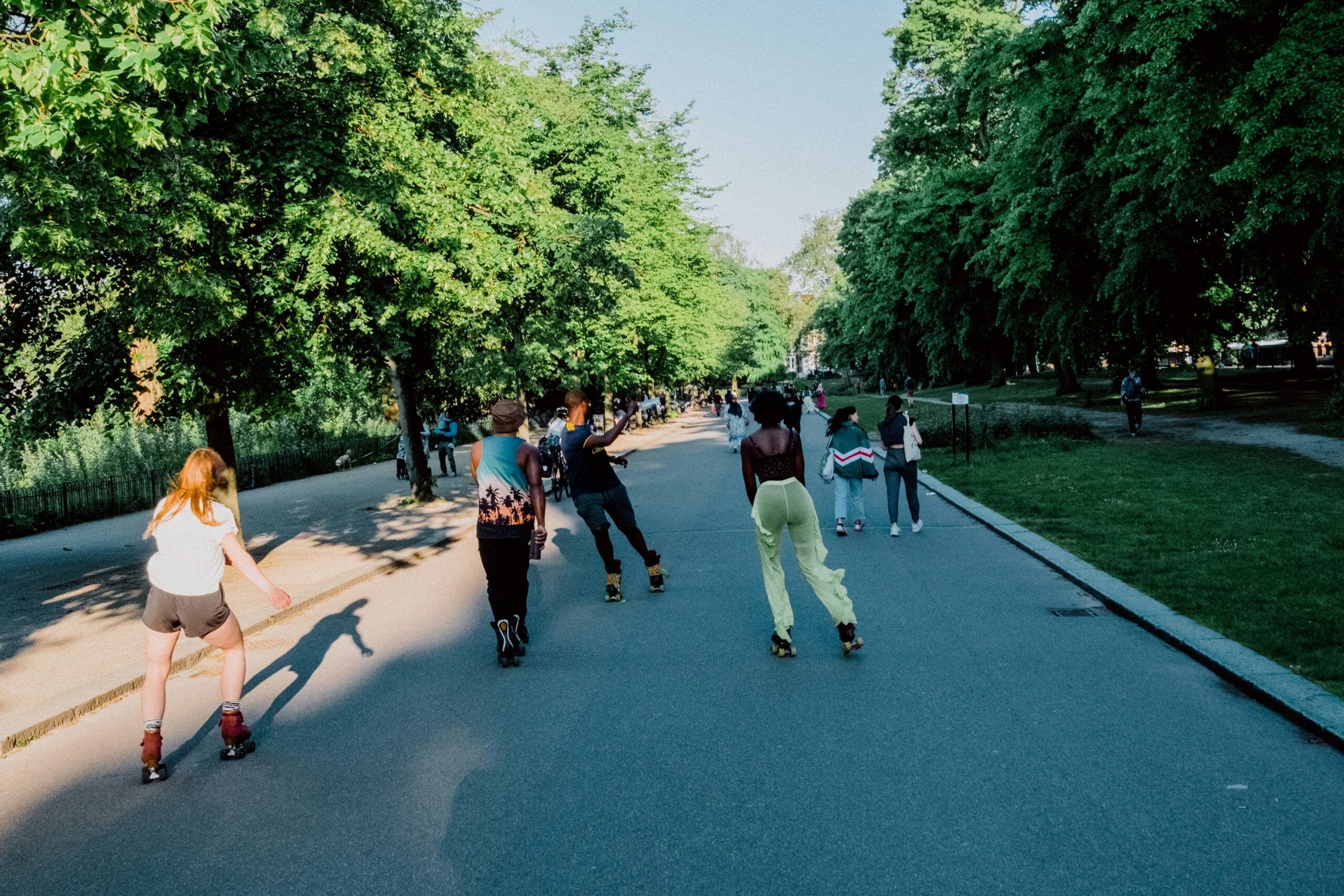
Roller rinks were among the first places where teens experienced music as a physical, full-body experience tied to movement. The DJ wasn’t just playing songs—they were curating the mood, controlling the tempo, and reading the room.
Different songs meant different skating styles, from fast laps during upbeat tracks to cautious wobbling during slow songs. In the 1970s when disco exploded, roller rinks became roller discos with mirror orbs, colored lights, and nonstop dance beats.
The connection between music and motion that teens learned at the rink influenced how they experienced music everywhere else.
Social Hierarchies on Wheels
Your skating ability directly impacted your social standing at the rink. Kids who could skate backward, do tricks, or glide effortlessly commanded respect.
Beginners clutching the wall were at the bottom of the pecking order. This created a unique meritocracy where popularity wasn’t just about looks or clothes—it was also about skill.
The cool kids were the ones doing crossovers in the center of the rink while everyone else circled around them. This gave kids who might not excel in traditional sports a chance to shine.
Like Go2Tutors’s content? Follow us on MSN.
Black Culture Shaped the Scene
Roller rinks played a significant role in Black communities, though under segregated conditions that persisted into the 1970s. Many rinks allowed Black skaters only on designated nights well into this era.
Despite this discrimination, Black skaters created distinctive styles that influenced skating culture broadly. JB skating—named after James Brown—originated in Chicago’s Black skating community in the late 1960s and 1970s, incorporating fancy footwork and dance moves inspired by Brown’s music.
These creative skating styles spread nationally and became hallmarks of rink culture, showing how Black innovation shaped youth recreation despite systemic barriers.
Fashion Found Its Stage
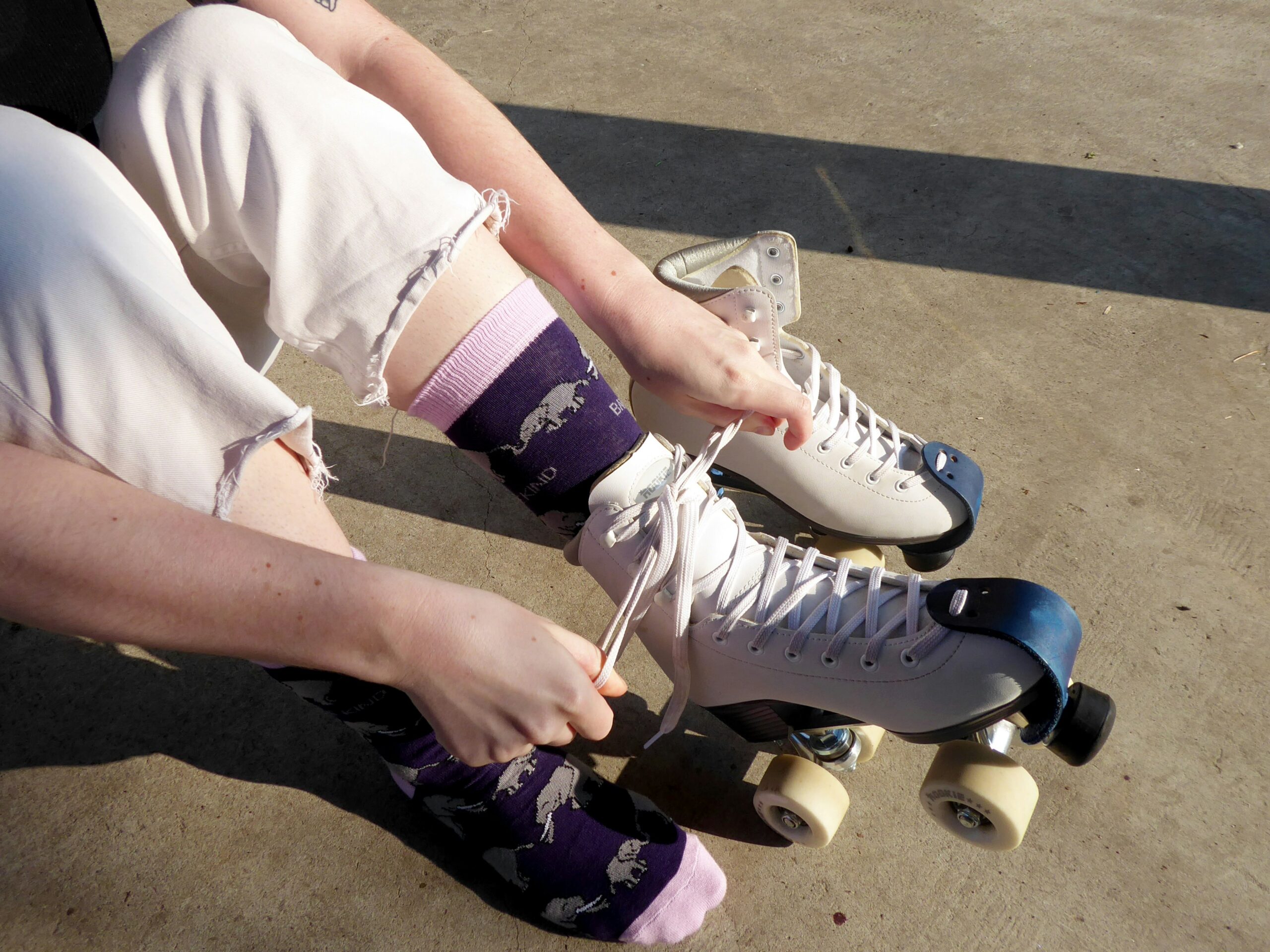
The roller rink became a runway for youth fashion trends. In the 1950s, it was poodle skirts and leather jackets.
The 1970s brought bell-bottoms, platform shoes, and disco-inspired outfits. The 1980s meant neon colors, leg warmers, and athletic wear.
Kids dressed up for the rink because they knew they’d be seen—skating around in circles meant everyone got a good look at your outfit. The fashion at rinks often pushed boundaries more than what kids could wear to school, making the rink a place to experiment with style.
Arcade Games Sealed the Deal
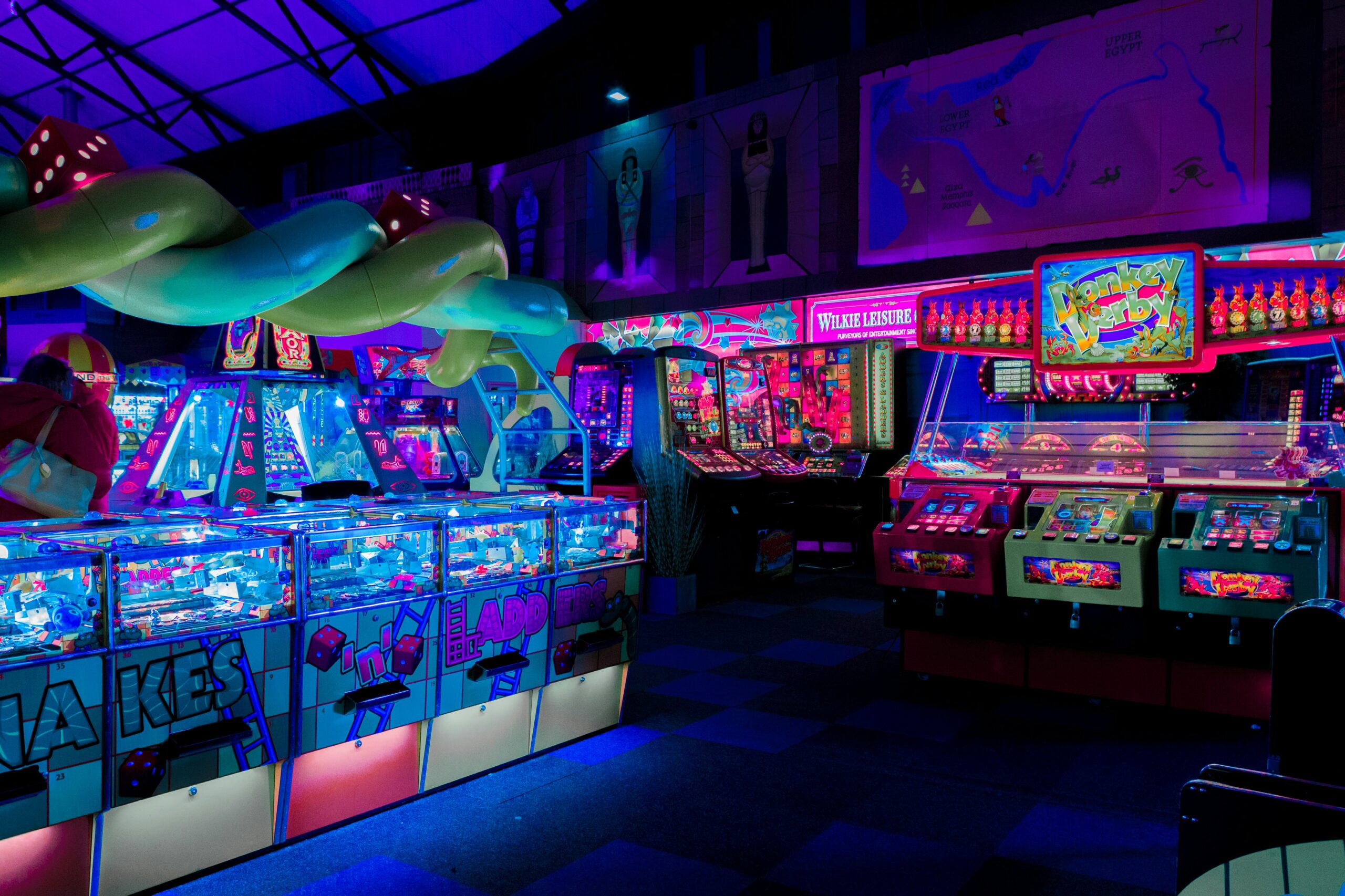
Rinks that added arcade games in the 1970s and 1980s created complete entertainment destinations. You could skate for an hour, play Pac-Man and pinball for another hour, then skate some more.
This variety kept kids engaged for entire afternoons or evenings. The arcade also provided an alternative for kids who couldn’t skate well or needed a break—they could still participate in rink culture without being on the floor.
This multi-entertainment approach kept rinks competitive as other recreation options emerged.
Like Go2Tutors’s content? Follow us on MSN.
Snack Bar Social Time
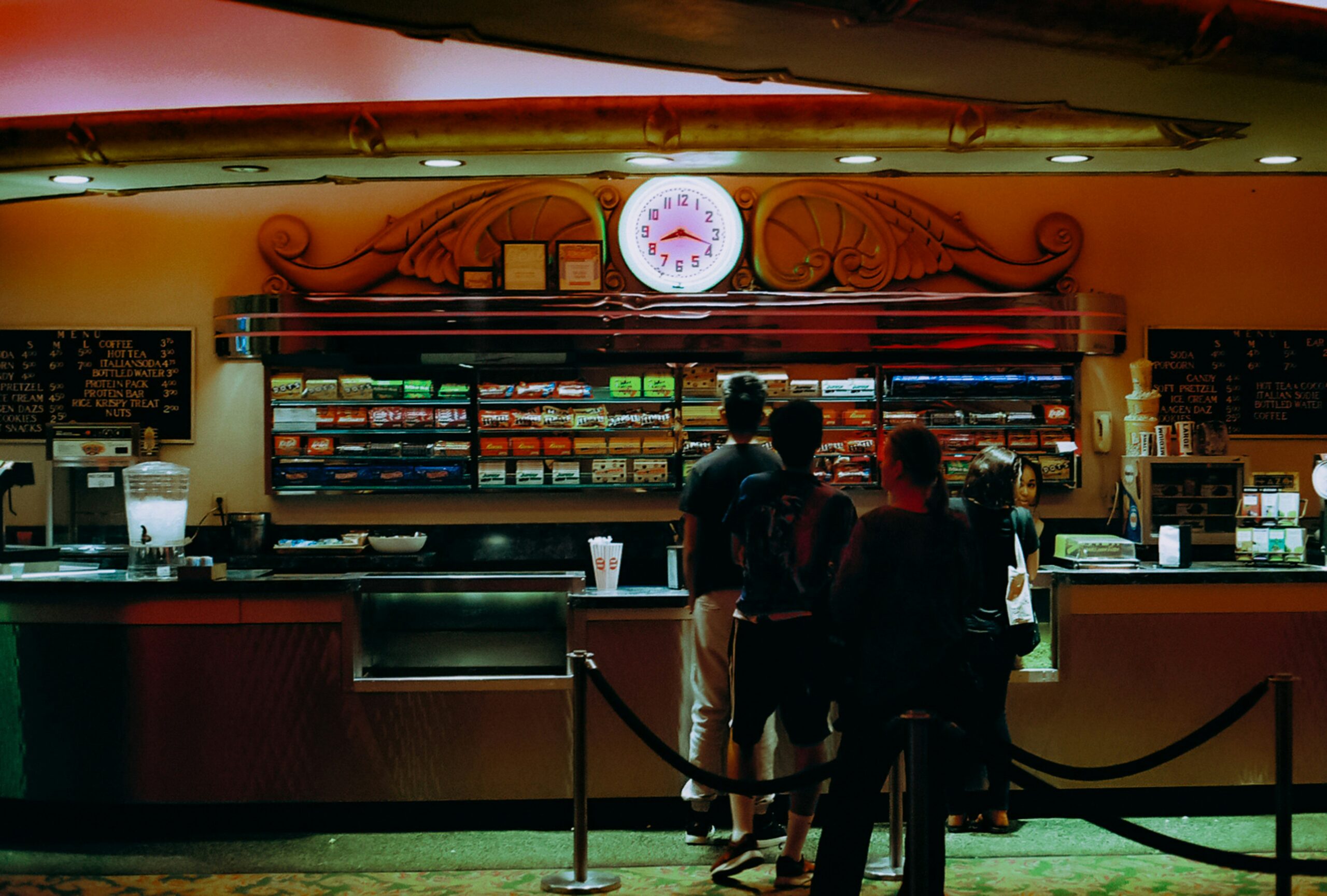
The snack bar wasn’t just about food—it was prime social territory. Taking a break to get pizza, nachos, or a soda meant time to talk, flirt, and observe.
Who sat with whom at the snack bar mattered. Sharing cheese fries could be a friendship ritual or a date move.
The snack bar gave kids a reason to stop skating without admitting they were tired, and it created natural conversation opportunities. Many rink memories center on snack bar moments as much as actual skating.
Civil Rights Battles Happened Here
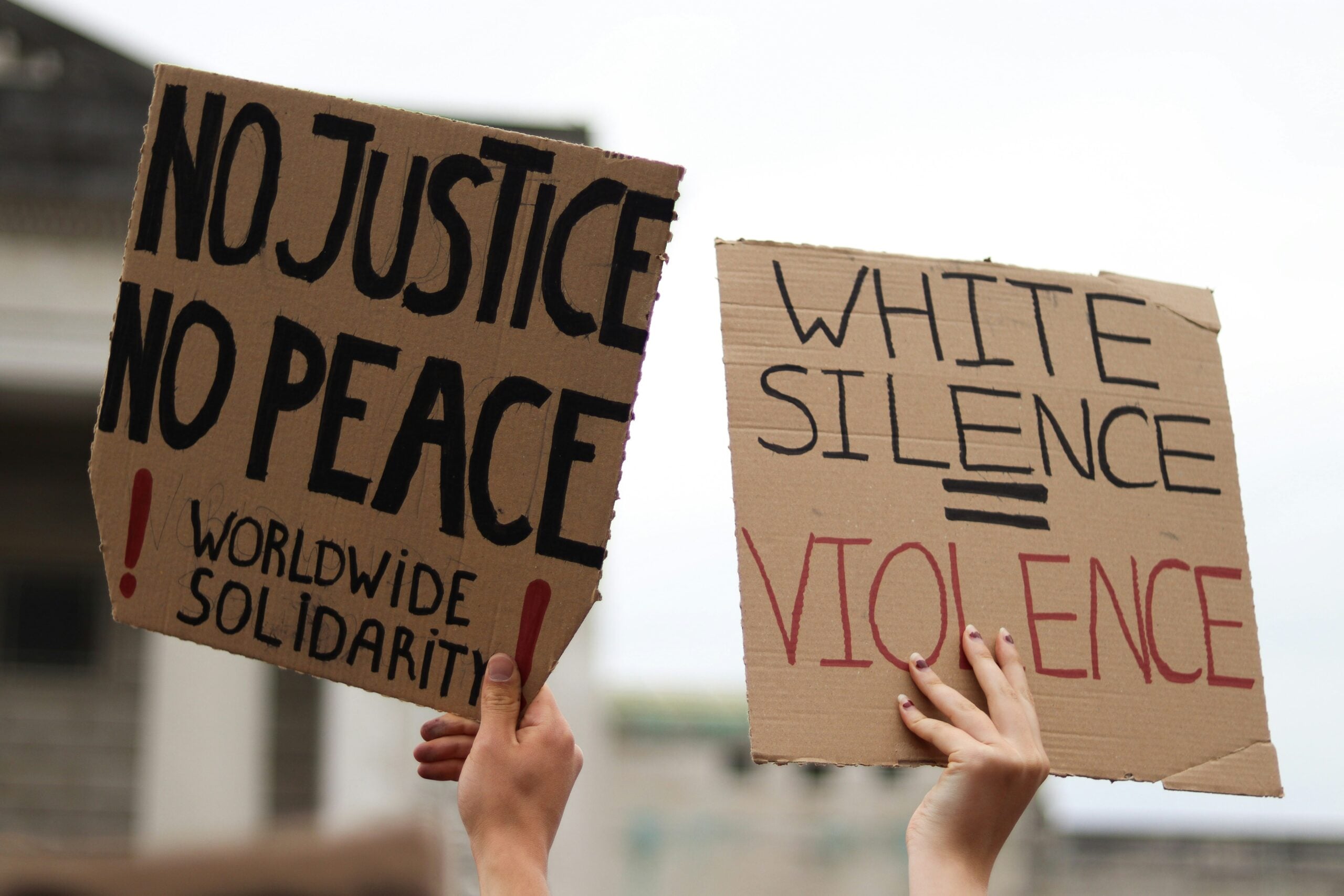
Roller rinks became sites of civil rights activism when Black communities organized protests and skate-ins to challenge segregation policies from the 1960s into the 1970s and even 1980s. Rinks that refused to admit Black skaters or restricted them to certain nights faced direct action.
These protests weren’t as famous as lunch counter sit-ins, but they represented the same struggle for equal access to public accommodations. The battles over rink access highlighted how segregation touched every aspect of American life, even recreational spaces that seemed trivial but mattered deeply to young people.
Disco Era Reached Peak Influence
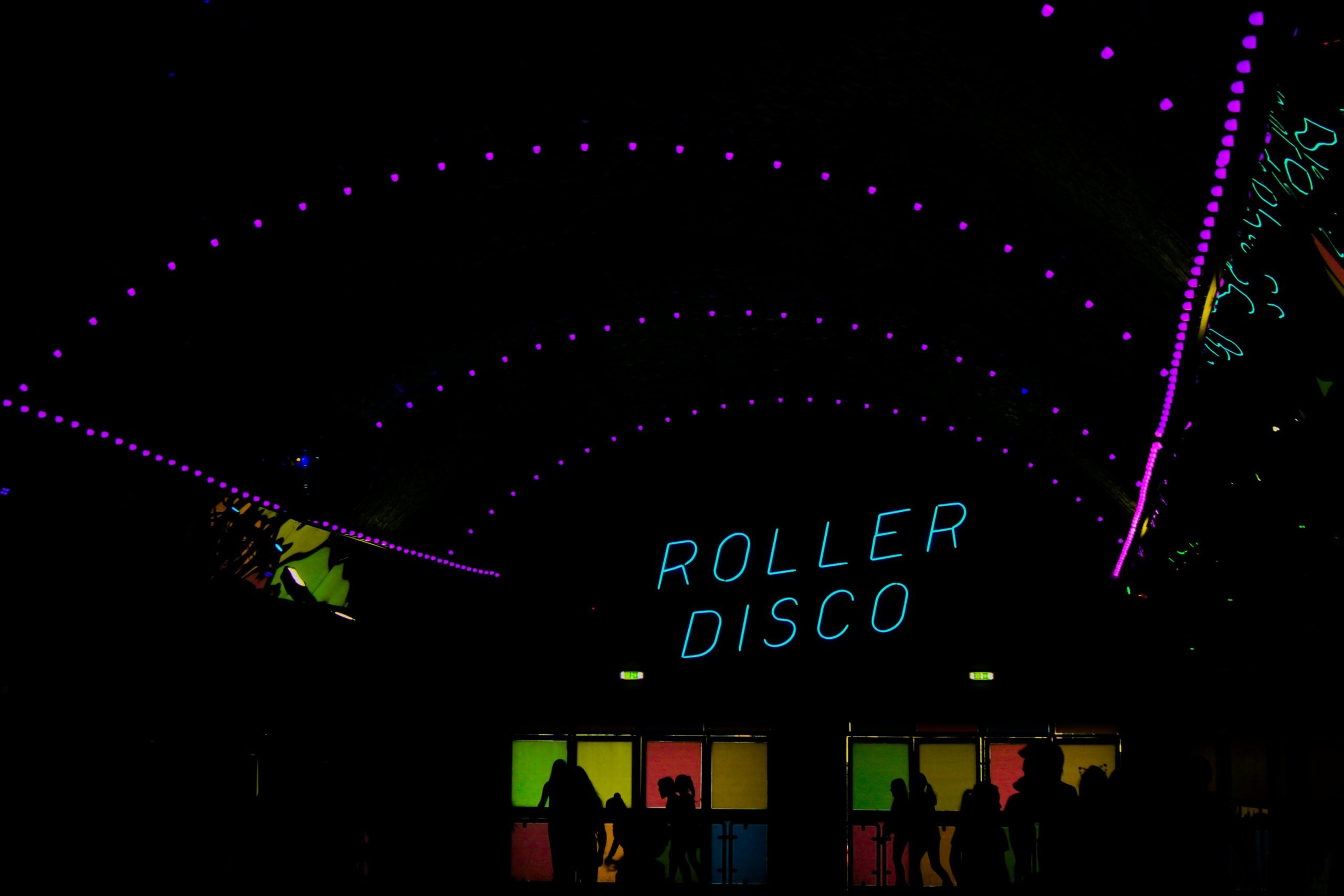
The 1970s roller disco phenomenon turned rinks into the coolest places for teens to be. Movies like Xanadu and Roller Boogie glamorized skating culture, while songs by Cher and other artists celebrated it.
Rinks installed elaborate light shows, mirror orbs, and professional sound systems. The transformation from wholesome family venue to disco hotspot attracted teenagers and young adults in unprecedented numbers.
Roller disco represented youth culture’s embrace of self-expression, music, and communal joy—all while wearing wheels.
Like Go2Tutors’s content? Follow us on MSN.
Local Ownership Created Community Hubs
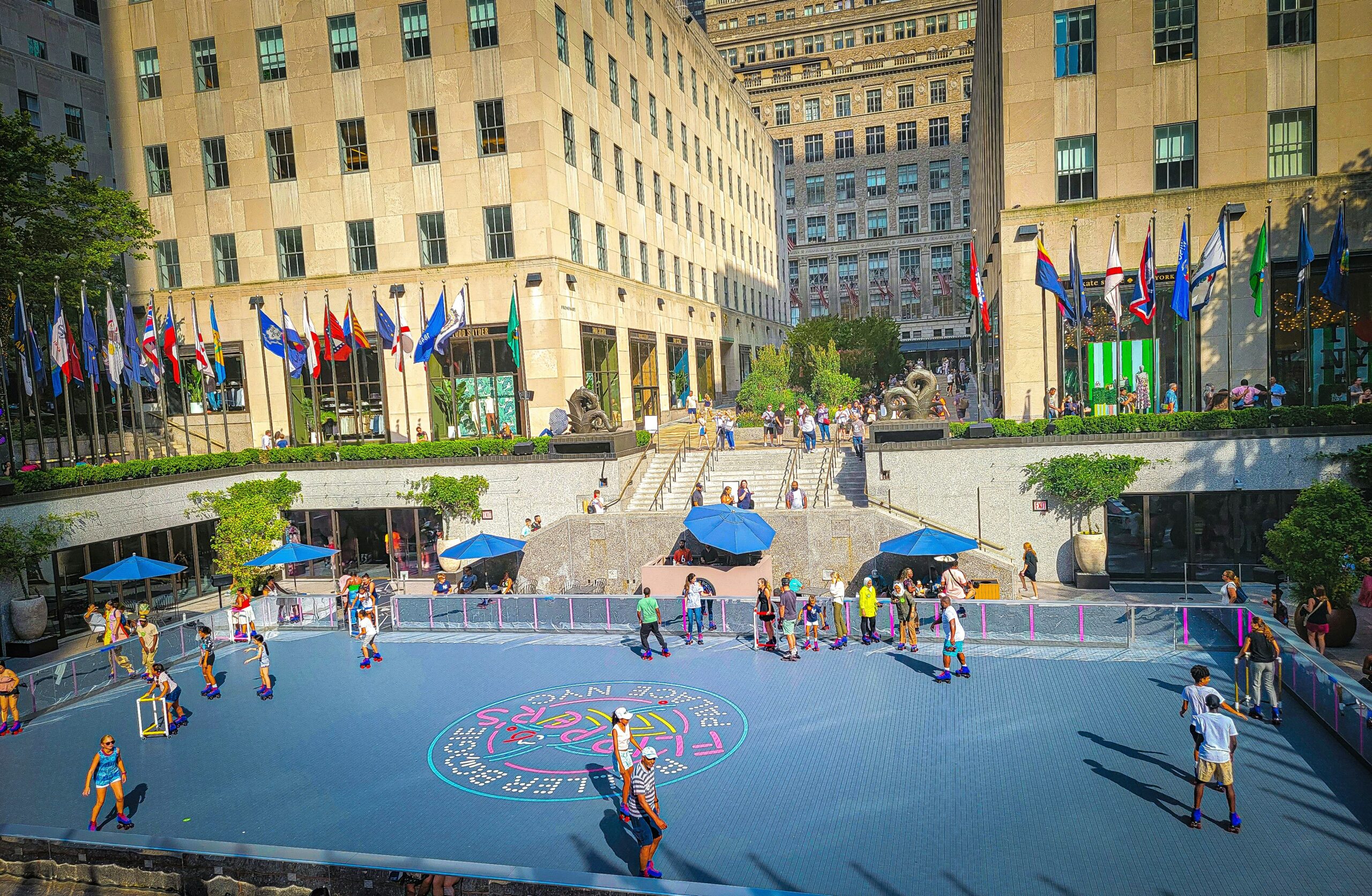
Most roller rinks were locally owned and operated, making them genuine community institutions. The same families often ran rinks for decades, knowing multiple generations of skaters.
This local ownership meant rinks adapted to their communities’ needs and preferences. Rink operators became familiar faces who remembered regular customers, hosted school events, and supported local organizations.
When rinks closed—as many did starting in the 1980s—communities lost more than a business; they lost a gathering place that had served multiple generations.
Nostalgia Keeps the Memory Alive
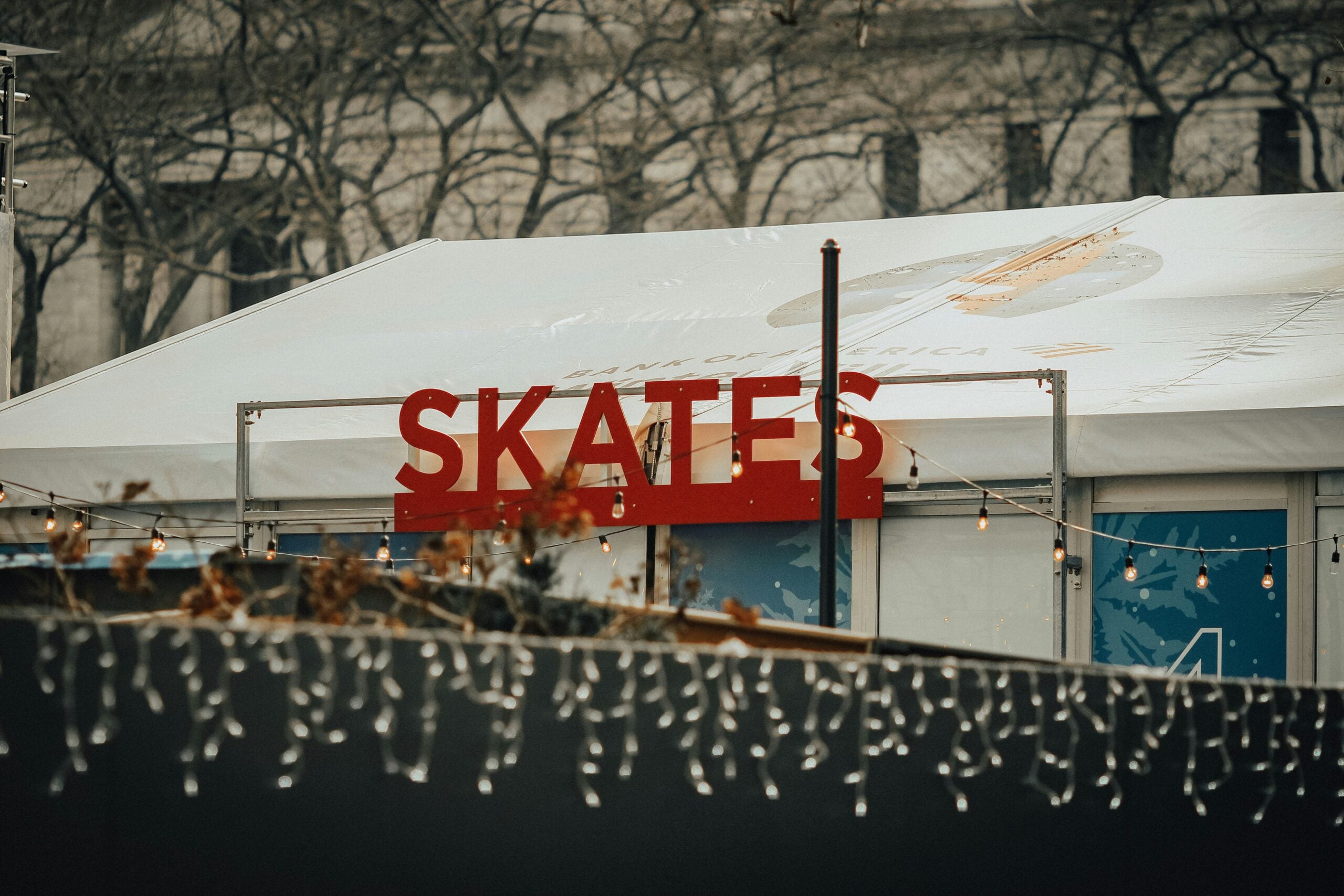
Roller rinks evoke strong feelings of nostalgia in people who grew up near them, seeing them as reminders of carefree youth. When outdoor skating became popular in 2020 as people looked for socially isolated activities, this nostalgia sparked a pandemic-era renaissance.
Decades later, the memories of rinks—first crushes, birthday celebrations, and Friday night freedom—remain potent. Roller rink closures seem like more than just business failures because of this emotional connection.
They stand for the loss of a particular, hard-to-replicate youth experience. Skating circles under disco lights used to offer a communal, embodied experience that is rarely replicated by modern entertainment, despite the fact that it offers more options and convenience.
More from Go2Tutors!

- 16 Historical Figures Who Were Nothing Like You Think
- 12 Things Sold in the 80s That Are Now Illegal
- 15 VHS Tapes That Could Be Worth Thousands
- 17 Historical “What Ifs” That Would Have Changed Everything
- 18 TV Shows That Vanished Without a Finale
Like Go2Tutors’s content? Follow us on MSN.