Bizarre Items Found In Ancient Tombs
Ancient tombs have always captured our imagination, but they’re not just filled with treasure and golden masks. Archaeologists have uncovered some genuinely strange artifacts that make you wonder what people were thinking when they packed these items for the afterlife.
From mummified ducks to golden tongues, the burial customs of our ancestors were far more creative and peculiar than most of us realize. Here is a list of bizarre items that have been discovered in ancient tombs around the world.
Golden Tongues for the Afterlife
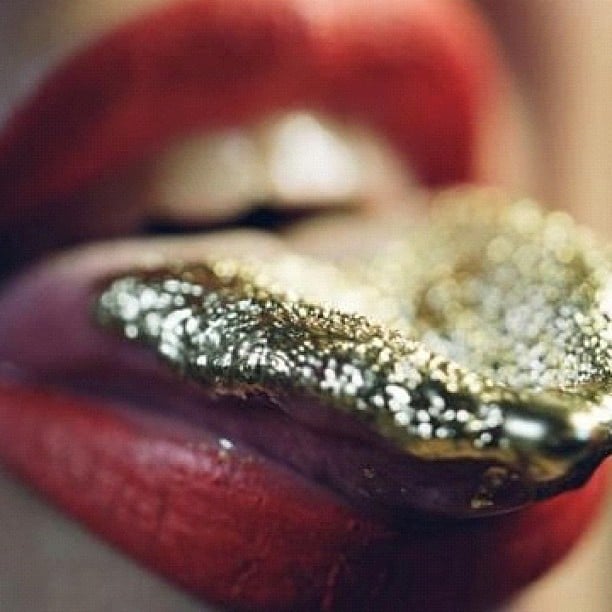
Ancient Egyptians placed golden tongue amulets inside the mouths of mummies, believing this would allow the deceased to speak in the afterlife. Archaeologists have discovered over a dozen mummies with these delicate gold pieces shaped like human tongues in tombs dating back more than 2,000 years.
The practice suggests that the ancient Egyptians were deeply concerned about communication continuing beyond death, almost like making sure your phone works before a long trip.
Mummified Ducklings
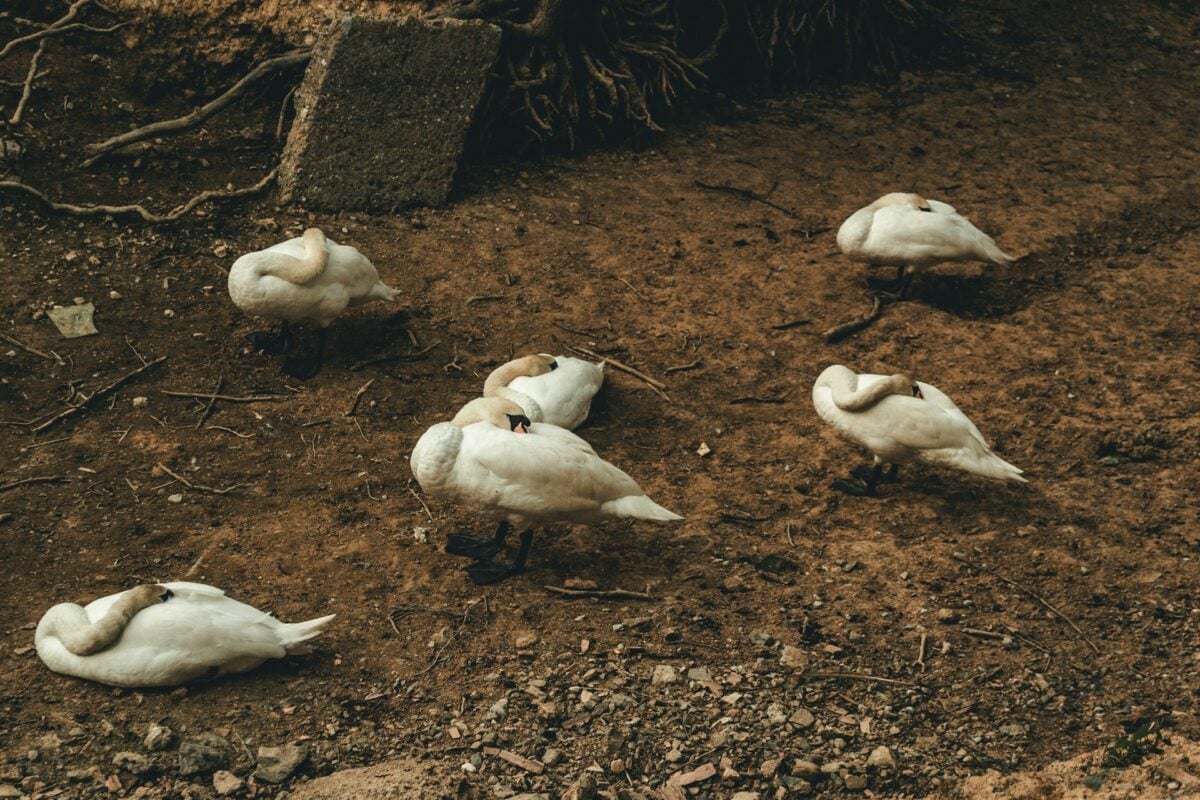
King Tutankhamun’s tomb contained mummified ducklings, which was an unusual offering even by royal tomb standards. These preserved waterfowl were discovered among the gilded treasures and likely served as food offerings for the young pharaoh’s journey through the afterlife.
The care taken to mummify these small birds shows just how seriously ancient Egyptians prepared for what came next.
3,200-Year-Old Cheese

Archaeologists excavated a 3,200-year-old chunk of cheese from an Egyptian tomb, making it one of the oldest cheese samples ever found. The preserved dairy product had turned into a white mass and contained traces of a potentially deadly ancient bacterium.
While it probably wouldn’t pass any modern food safety tests, this ancient cheese provides fascinating insight into what people considered essential provisions for the afterlife.
Perfumed Head Cones

Waxy, perfumed cones discovered near Tutankhamun’s remains are believed to have been worn on the head during rituals, slowly melting to release fragrance. These mysterious objects appear frequently in ancient Egyptian art but are rarely found in actual excavations.
The cones were essentially ancient aromatherapy devices, designed to keep the deceased smelling pleasant for eternity.
Infant Skull Helmets
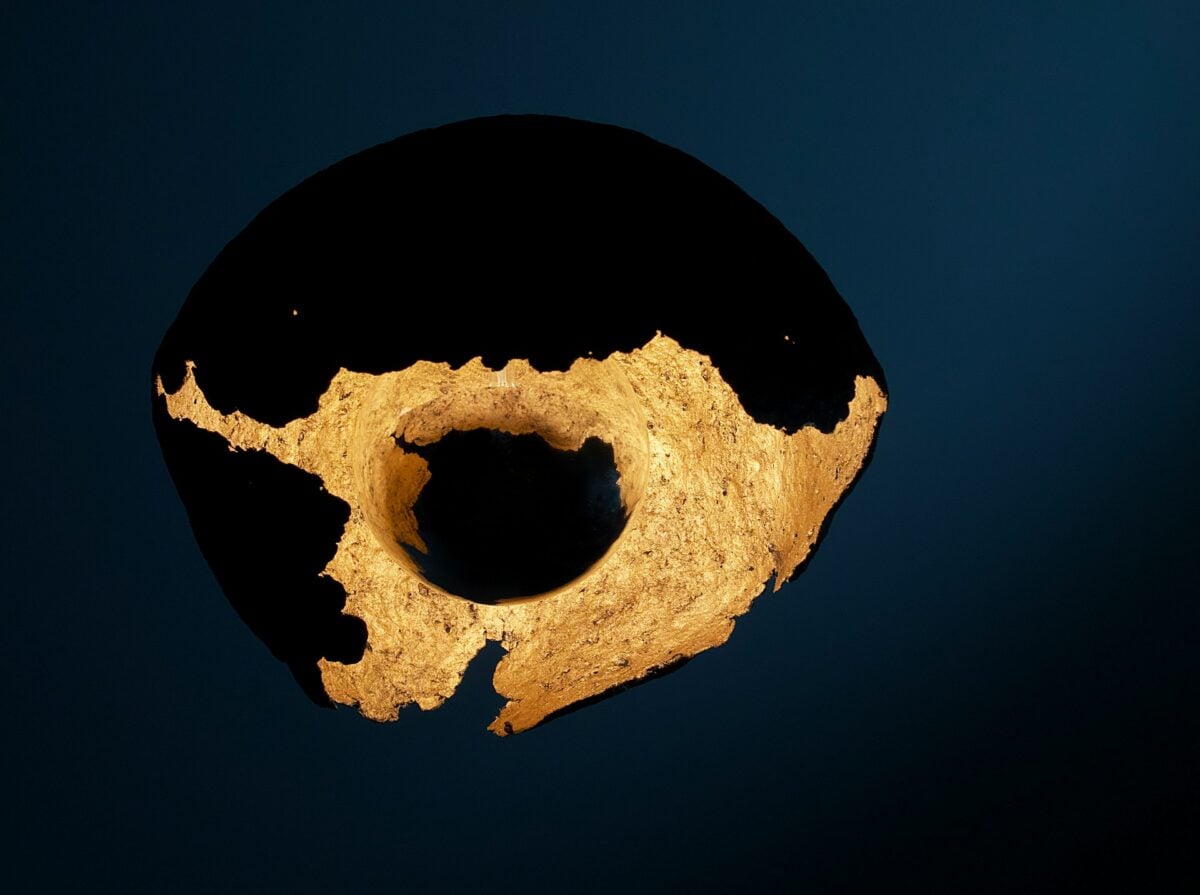
At a burial site in Ecuador, archaeologists found two infant skeletons wearing “helmets” made from the skulls of two older children placed over their heads. This disturbing discovery from around 100 BC represents the first known instance of using children’s skulls as mortuary headgear.
Researchers believe these skull caps still had skin and tissue when they were fitted, making this one of the most unsettling burial practices ever documented.
Viking Glass Goblets
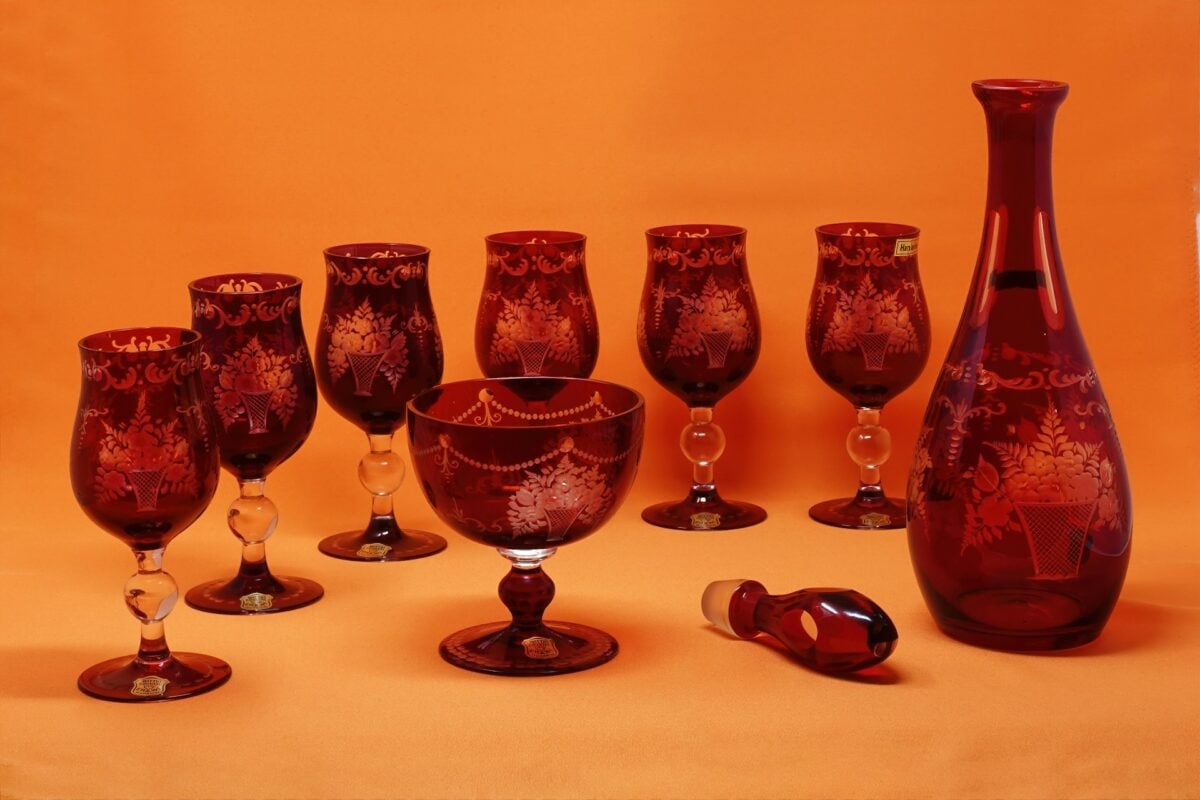
Viking graves at Birka in Sweden contained glass drinking vessels imported from the Rhineland, France, and the British Isles. Making glass vessels was expensive and time-consuming, and Vikings didn’t produce their own glassware.
The fact that they imported these fragile goblets and then buried them with the dead shows how much value they placed on having a proper drink ready in Valhalla.
10,000 Mammoth Ivory Beads

Two adolescent boys buried around 34,000 years ago in Russia were found with 10,000 mammoth ivory beads, more than 20 armbands, around 300 pierced fox teeth, and 16 ivory mammoth spears. The sheer number of intricate items required thousands of hours to create, suggesting these boys held special status in their community.
Both children showed signs of disability, which makes their elaborate burial even more remarkable.
A Pit of Severed Right Hands

Archaeologists excavating a palace in Avaris, Egypt, discovered a pit filled with dozens of severed right hands dating back over 3,600 years. All the hands were right hands, suggesting they may have been cut from enemies as battle trophies.
While ancient texts reference this practice, finding physical evidence of it was both unsettling and historically significant.
Beaded Cat Figurine
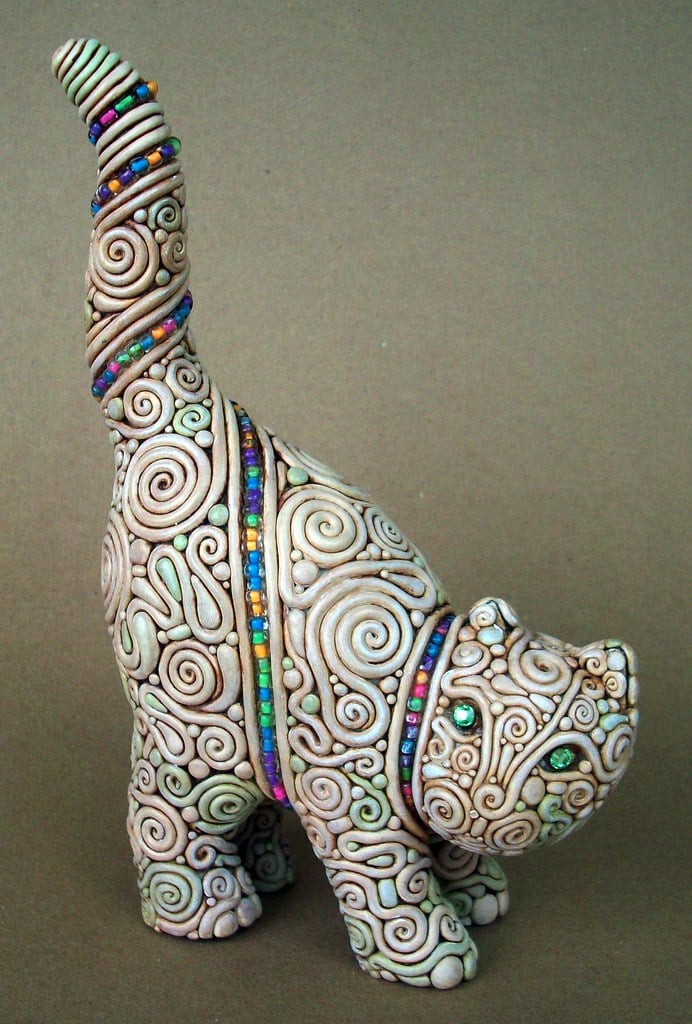
A small beaded cat figurine discovered in King Tut’s tomb was likely meant to serve as a magical guardian protecting the young pharaoh in the afterlife. Unlike the typical shabti servant figures found in royal tombs, this cat had a special protective purpose.
Ancient Egyptians revered cats, and this intricate figurine underscores their belief in feline guardian powers.
Gold Scythian “Bongs”
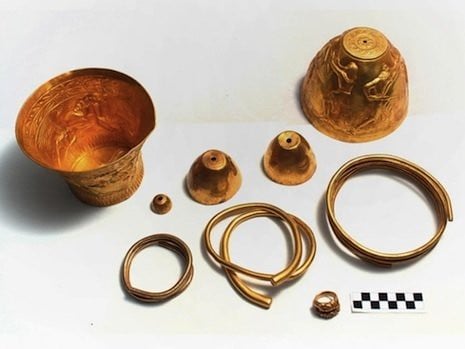
Archaeologists in Southern Russia discovered 2,400-year-old pure gold vessels that still contained traces of marijuana and opium. These belonged to Scythian warriors who ritually used narcotics before battle.
Ancient Greek philosopher Herodotus wrote about how Scythians used plants to produce smoke that made them shout aloud, and these golden vessels proved he wasn’t exaggerating.
Maya Jade Masks with Maize

Maya royalty were buried with ornate jade masks made from interlocking pieces, and the deceased had maize placed in their mouths as food for their journey to the otherworld. The jade’s green color resembled corn stalks, which was significant because maize represented rebirth in Maya culture.
These masks often depicted Maya deities like the storm god and were created specifically for burial purposes.
43 Mummified Dogs
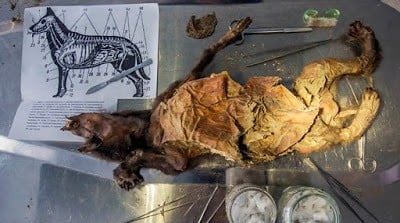
A 1,000-year-old cemetery south of Lima contained 43 dogs buried by the Chiribaya culture with their own separate plots near their human owners, along with treats and blankets. These working dogs were used for herding llamas and were clearly valued enough to receive proper burials.
The desert climate preserved their bodies so well that researchers could trace their genetic lineage to modern Peruvian Shepherd Dogs.
Chinese Lacquered Head
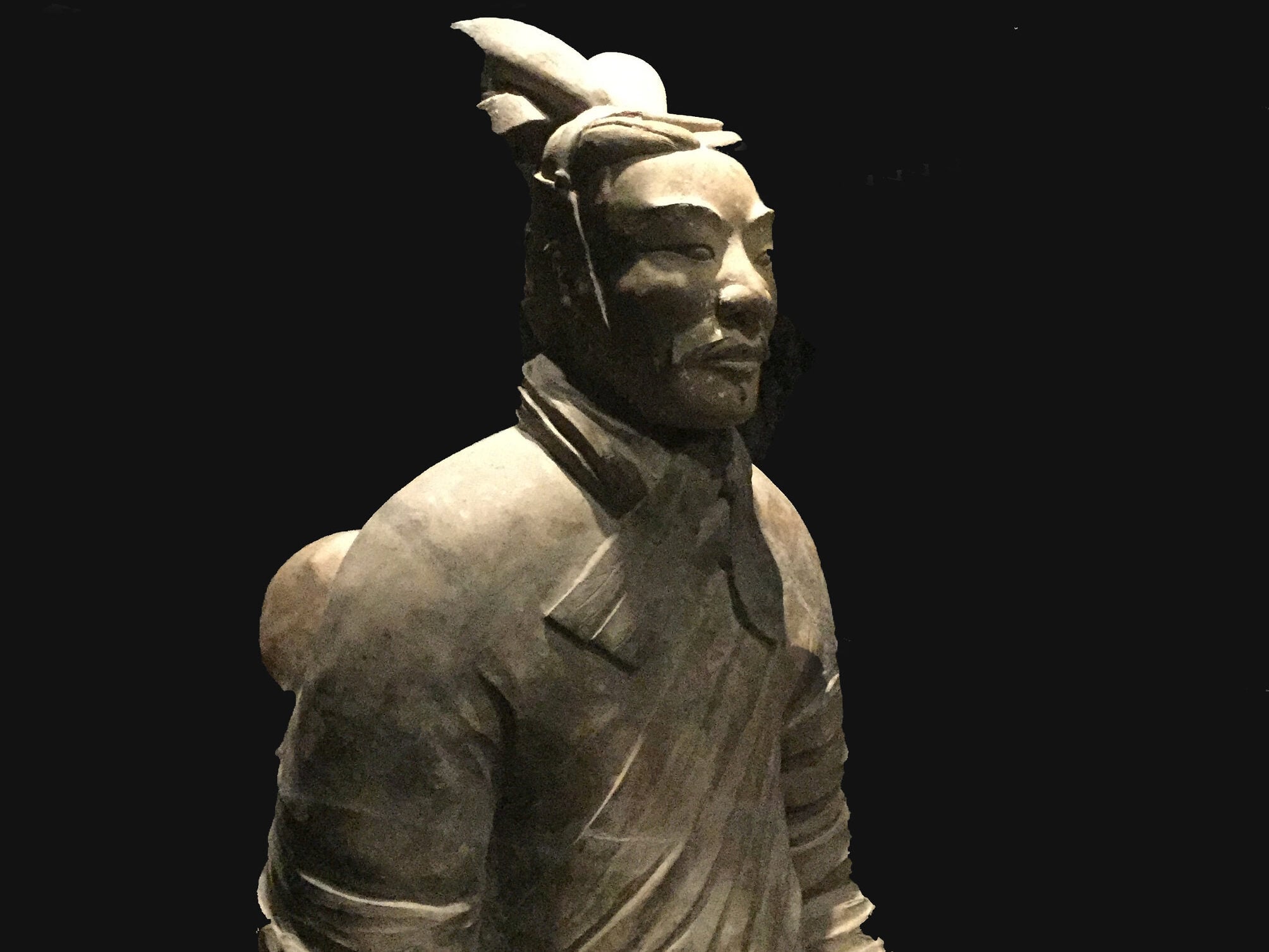
A lacquered human head unearthed at the Wuwangdun tomb in China is the first such object found in a Chinese burial. The Chu people were noted masters of lacquerware, created by painting wooden bases with sap from the Chinese lacquer tree.
This unique artifact from a 2,200-year-old royal tomb showcases the sophisticated artistic techniques used during the Warring States period.
Buddhist Bucket in Viking Grave

Vikings imported exotic items from around the world to take to Valhalla, including a so-called Buddha Bucket decorated with Buddhist imagery. This discovery shows just how far Norse traders traveled and what caught their eye.
The Vikings clearly appreciated beautiful craftsmanship regardless of its religious origins, and they wanted these treasures with them in the afterlife.
War Archery Bows

Burial shafts in Egypt dating back to 1580-1550 BCE contained war archery bows, indicating that tomb owners had military backgrounds and fought to liberate Egypt from the Hyksos. These weren’t decorative ceremonial weapons but actual battle equipment.
Finding these bows alongside anthropoid wooden coffins provides direct evidence of the military campaigns that shaped ancient Egyptian history.
What the Dead Carried With Them
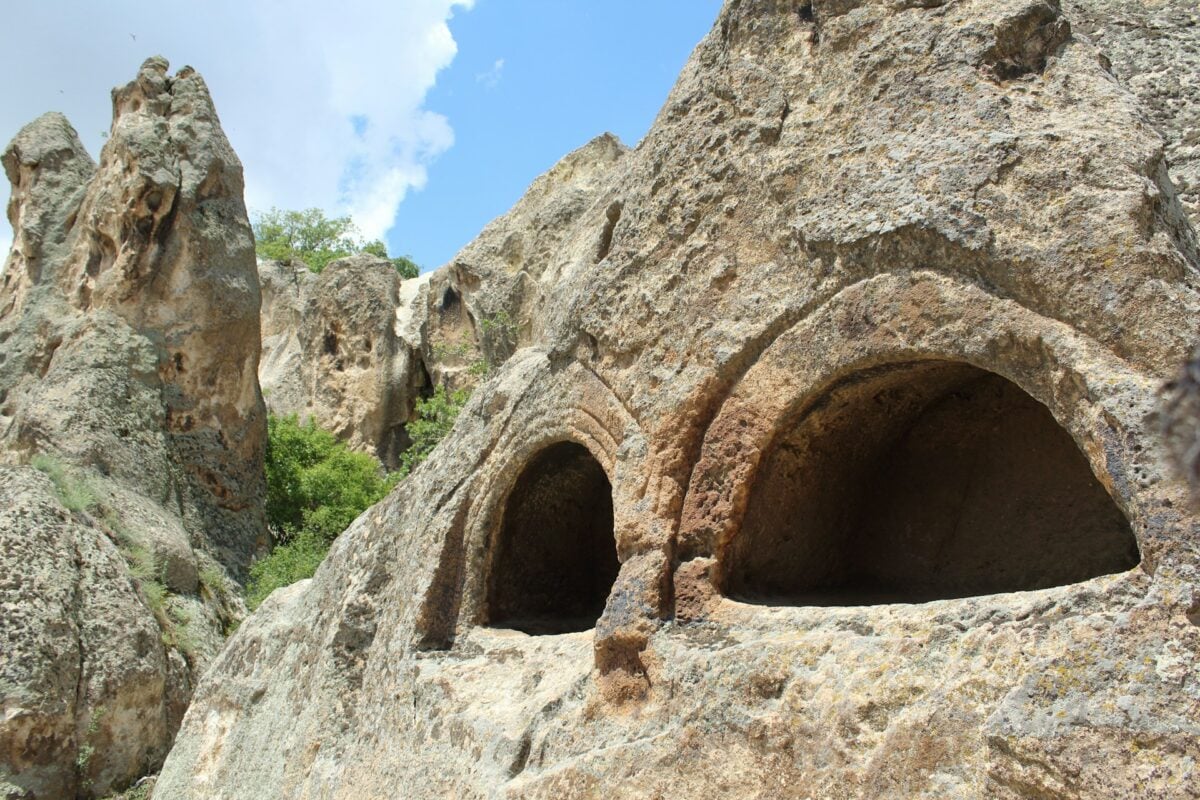
The bizarre items found in ancient tombs reveal something profound about human nature. Whether it was Vikings importing glass goblets from distant lands or Egyptians meticulously mummifying ducklings, people across cultures invested tremendous effort into preparing for the afterlife.
These strange artifacts weren’t random choices but reflected deeply held beliefs about what the deceased would need in the next world. Each peculiar burial good tells us that death wasn’t seen as an ending but as a journey requiring careful preparation.
More from Go2Tutors!

- The Romanov Crown Jewels and Their Tragic Fate
- 13 Historical Mysteries That Science Still Can’t Solve
- Famous Hoaxes That Fooled the World for Years
- 15 Child Stars with Tragic Adult Lives
- 16 Famous Jewelry Pieces in History
Like Go2Tutors’s content? Follow us on MSN.



